Articles

Articles & Insights

Discover, learn, and grow with stories from our ecosystem members.

search
From Zero to Scale: A Technical Program Manager’s Playbook for Building Engineering Teams Finance & Wealth
Oct 15, 2026 • visibility 22 • 12 min read

From Zero to Scale: A Technical Program Manager’s Playbook for Building Engineering Teams

Six principles for turning a handful of engineers into a high-performing organization, whatever industry you build in.Every engineering team starts small, with a mandate, a deadline and a few people who aren’t yet sure what “done” looks like. Whether it’s a fintech startup’s first platform squad, a medical-device company standing up a validation lab or an automaker building its first software division, the challenge is the same. Growth either strengthens the team or quietly breaks it.Technical program managers sit at the center of that transition. We rarely write the code or run the tests, but we shape the structures, rhythms and relationships that decide whether a team of five can become a team of fifty. Here is the playbook I have refined over more than a decade of building engineering teams.1. Start with a purpose, not a headcountWhen a new program lands, the first instinct is to ask for more people. Resist it. A small team with a sharp mission will outperform a larger one that is still debating what it’s for.I once launched an AT&T 5G field certification program with just four engineers, during the pandemic in 2020, when test sites were scarce and the standard itself didn’t exist yet. What carried us wasn’t headcount; it was clarity. Everyone knew what we had to prove and for whom. The framework we built became the industry’s entry criterion for 5G handset certification.The lesson: before you grow the team, make sure everyone on it can say, in their own words, why the work matters and who it helps.“Most scaling advice begins with hiring. This piece begins with purpose — a sequencing choice that explains how a four-person team could carry a difficult certification program before the standard itself existed.”2. Design roles around skills, not titlesIn a relatively new team everyone does everything, which feels agile until the first hard deadline. As the work grows, the TPM’s job is to break it into streams that run in parallel and match them to people’s strengths. Give junior engineers well-defined work with clear quality gates. Let senior engineers own the architecture, templates and hardest problems. Bring analysts in early so data isn’t an afterthought.Just as important is what the TPM doesn’t do. I don’t micromanage. Once the work is shaped, I let the leads take charge of their streams and hold them accountable for the outcome and for every step along the way. Spoon-feeding answers may feel faster, but it stops people from building the judgment a growing team depends on.Do this well and it does more than speed up delivery. It creates a growth ladder where people are stretched without being overwhelmed, and today’s juniors become tomorrow’s leads.3. Build the operating system before you need itWhat works for a team of five rarely works for fifteen. When know-how lives only in a few people’s heads, those people become bottlenecks as the team grows.Invest early in the unglamorous foundations such as onboarding guides, runbooks, a shared definition of “done,” standard templates and a decision log. None of it makes headlines, but it compounds. Each new hire becomes productive faster and strengthens the system instead of adding load to it.4. Protect the team from moving targetsAt Element, I stepped in mid-program when the original program manager left a vendor certification program for T-Mobile. We were coordinating twelve field engineers across six markets, with eight to ten test sites each. The acceptance criteria had never been formally documented, so new KPIs kept appearing and approved work kept being reopened. When the test markets changed mid-program, the team faced re-performing items that had already been signed off.Rather than absorb the churn, we documented a baseline, gave every requirement a traceable ID and moved work through staged gates that couldn’t slip backwards. The client adopted the structure, certification followed, and a tense relationship became a lasting partnership.The lesson: a TPM’s first duty to an engineering team is to absorb ambiguity so the engineers don’t have to.“Scope creep is usually discussed as a schedule risk. The author treats it as a people risk, and the fix — a documented baseline, traceable requirement IDs and gates that cannot slip backwards — is one any program lead can borrow this week.”5. Measure what matters, and make it visibleYou cannot scale what you cannot see. Choose a few metrics that reflect how the team actually delivers, such as cycle time, milestone adherence and defect escape rate, or deployment frequency and recovery time for software teams. Put them where everyone, from engineers to executives, can see them.Good metrics don’t police a team. They give it a shared version of the truth and let it fix problems before a customer finds them. This is where AI comes in these days. AI-assisted analytics can pull data from different tools, spot risks and trends early and turn raw results into clear reports in minutes rather than days. That frees the team to act on the numbers instead of spending hours compiling them.6. Let trust do the scalingScale is earned, not planned. A team that delivers consistently builds a reputation, the reputation brings in new work, and that work funds the next hire.The same logic applies inside the team. As it grows, the TPM has to shift from doing to enabling: delegating decisions, growing leads who own whole workstreams and stepping back from details that once needed them.I learned this from the other side. As a lead engineer, no one asked me to take charge or come up with new projects. But my director, a mentor in every sense, kept showing me what I couldn’t yet see in myself: that I could lead teams and shape a vision for the whole business unit. He saw me going places long before I did. That belief changed how I worked, and it is the biggest reason I invest in the people around me today.The lesson: great leaders don’t just delegate work; they help people see the leader they could become.“The strongest leadership lesson here comes from the receiving end: it was a mentor’s belief, not a framework, that shaped how the author invests in people today.”The TPM’s real jobWhen I look back, from mentoring my first junior engineers at BlackBerry to leading cross-regional teams today, the pattern is the same. Technical program managers don’t build teams by writing org charts. We build them by creating clarity, structure and trust, and then getting out of the way so talented engineers can do their best work.The metrics, certifications and revenue matter. But the measure I care about most is how many of the engineers I’ve worked with have gone on to lead teams of their own.As Albert Einstein put it: “Strive not to be a success, but rather to be of value.”For a technical program manager, that is the whole playbook in one line.For more details, visit: https://theleadershipchronicle.com/If you would like to get featured or want to know more, connect with us at [email protected] : https://www.linkedin.com/company/the-leadership-chronicle/Twitter : @TLChronicle

Dynamic Pricing Optimization Using Web Scraping for Retail Tech & Innovation
Oct 15, 2026 • visibility 21 • 10 min read

Dynamic Pricing Optimization Using Web Scraping for Retail

IntroductionModern retail ecosystems are rapidly shifting toward data-driven decision-making, where pricing flexibility determines profitability and customer retention. One of the most impactful approaches enabling this transformation is Dynamic Pricing Optimization Using Web Scraping for Retail, which helps organizations analyze live market fluctuations and respond instantly to changes in demand, seasonality, and competitor behavior.This approach becomes even more powerful when integrated with Enterprise Web Crawling, allowing retailers to collect structured and unstructured data from multiple sources at scale. Retailers today face constant pressure from online marketplaces, where prices change multiple times a day. Without automated intelligence systems, manual tracking becomes inefficient and error-prone.In addition, Automated Retail Price Monitoring Using Web Scraping ensures that pricing decisions are not based on outdated information but on real-time insights. This enables businesses to maintain consistency, improve responsiveness, and strengthen overall pricing strategy effectiveness across channels. By combining structured data pipelines with intelligent pricing models, companies can optimize margins while staying competitive in highly saturated markets.Competitive Monitoring Methods Enhancing Pricing Accuracy SystemsModern retail organizations rely on advanced monitoring systems to improve pricing accuracy and ensure competitiveness across digital marketplaces. A key technique driving this efficiency is Retail Competitor Analysis via Scraper for Dynamic Pricing, which helps businesses track competitor price fluctuations and adjust their strategies in real time.The use of Web Scraping Ecommerce Data enables continuous extraction of product listings, promotional changes, and pricing updates from multiple online platforms. This ensures retailers always operate with updated insights rather than outdated reports, significantly improving decision-making speed and accuracy.Update Speed — Manual Tracking: Slow | Automated Scraping: Instant.Data Accuracy — Manual Tracking: Moderate | Automated Scraping: High.Coverage Range — Manual Tracking: Limited | Automated Scraping: Wide.Retail pricing teams benefit greatly from automated systems as they eliminate repetitive manual tracking tasks and enhance analytical precision. Dynamic pricing structures supported by real-time intelligence allow businesses to respond quickly to competitor movements, seasonal demand shifts, and promotional activities.Additionally, organizations using these systems report improved pricing consistency and better alignment with customer expectations. By integrating automated intelligence frameworks, retailers can strengthen their pricing strategies and maintain profitability even in highly competitive markets where price sensitivity is extremely high.Strategic Data Utilization for Advanced Retail Pricing ModelsRetail businesses today require structured data frameworks to build accurate and responsive pricing models. A critical enabler of this transformation is Retail Competitor Pricing Intelligence Through Scraping, which helps organizations analyze competitor pricing behavior and identify optimization opportunities across product categories.The integration of E-Commerce Datasets plays a crucial role in consolidating historical and real-time pricing data into unified analytics systems. This allows businesses to identify demand patterns, seasonal trends, and pricing elasticity across different segments, ultimately improving forecasting accuracy and pricing efficiency.Historical Pricing — Strategic Impact: High.Competitor Trends — Strategic Impact: Very High.Demand Variation — Strategic Impact: High.Retailers using automated data-driven systems experience improved pricing precision and reduced operational inefficiencies. These systems enable organizations to make faster and more informed decisions while minimizing risks associated with manual errors or delayed updates.Furthermore, integrating automated intelligence ensures pricing strategies remain adaptive to market fluctuations. Businesses can quickly adjust promotional strategies, optimize inventory turnover, and improve overall revenue performance by relying on continuous data flow rather than static reports.Scalable Architecture Supporting Automated Pricing Intelligence SystemsAs retail ecosystems grow more complex, businesses require scalable infrastructures to handle large volumes of pricing data efficiently. One of the most impactful techniques is Extracting SKU Price for Monitoring for Retail Business Insights, which enables detailed tracking of product-level pricing across multiple competitors and marketplaces.The implementation of Web Scraping API Services allows organizations to automate data collection processes and ensure seamless integration across pricing systems. These APIs provide high-speed, reliable access to real-time data, significantly improving operational efficiency and scalability.Processing Speed — Traditional System: Slow | API-Based System: Fast.System Scalability — Traditional System: Limited | API-Based System: High.Maintenance Effort — Traditional System: High | API-Based System: Low.Retailers adopting automated infrastructure experience improved responsiveness and reduced dependency on manual workflows. This enables pricing teams to focus more on strategy development rather than repetitive data collection tasks.Moreover, scalable systems support continuous monitoring of market changes, ensuring that pricing decisions remain aligned with real-time competitor movements. This enhances profitability while reducing risks associated with delayed price adjustments in highly competitive environments.How ArcTechnolabs Can Help You?In modern retail environments, achieving accurate and real-time pricing intelligence requires advanced technical frameworks and reliable data pipelines. Dynamic Pricing Optimization Using Web Scraping for Retail enables businesses to align pricing decisions with market conditions, but implementing it effectively requires specialized expertise and scalable architecture.Our approach includes:Custom-built scraping systems designed for retail environmentsReal-time data pipelines for continuous pricing updatesAdvanced SKU-level tracking for multi-category productsScalable infrastructure for large dataset processingAutomated dashboards for competitor monitoringAPI-driven integration for seamless system connectivityWith strong technical capabilities, we ensure that retailers can transform raw market data into actionable pricing intelligence. This also enhances the effectiveness of Automated Retail Price Monitoring Using Web Scraping, enabling businesses to maintain competitive advantage in fast-moving digital markets.ConclusionDynamic pricing has become a core requirement for retailers operating in highly competitive digital ecosystems. By implementing Dynamic Pricing Optimization Using Web Scraping for Retail, businesses can significantly improve pricing accuracy and responsiveness.The integration of Retail Competitor Analysis via Scraper for Dynamic Pricing further strengthens decision-making by providing actionable insights into competitor behavior and market trends. Connect with ArcTechnolabs today to build stronger, data-driven pricing strategies for sustainable growth.#DynamicPricingOptimizationUsingWebScrapingForRetail,#RetailCompetitorAnalysisViaScraperForDynamicPricing,#RetailCompetitorPricingIntelligenceThroughScraping,#ExtractingSKUPriceForMonitoringForRetailBusinessInsights,Source: https://www.arctechnolabs.com/dynamic-pricing-optimization-using-web-scraping-for-retail.phpContact us:E-mail: [email protected] No: +91 8866656657Visit Now: https://www.arctechnolabs.com

Steve Harringtone
Read arrow_forward
Who Is Acting In Your Enterprise Right Now? Finance & Wealth
Oct 15, 2026 • visibility 24 • 11 min read

Who Is Acting In Your Enterprise Right Now?

People, machines and AI agents all hold keys to your systems. Most companies can only see one of the three.Ask a security team how many people can reach their billing system and you will get an answer by lunch. Ask how many software accounts, tokens and AI agents can reach it, and the room goes quiet.I know that quiet room well. It is an uncomfortable place for a technology leader, because the question is fair and the honest answer is “we would have to go and look.”Counting what nobody countedEvery company already runs on identities that never clock in. A deployment pipeline logs into the cloud. A reporting tool reads the customer database. A script written by someone who left in 2021 still refreshes a token every night. Security people call these non-human identities. Add the AI agents that teams are now wiring into email, code and finance systems, and the population gets large very quickly.How large depends on who is counting. According to public information, Veza, working from access data, puts it near 17 machine identities for every person. CyberArk has said more than 80. Palo Alto Networks reported 82 a year ago and 109 in its 2026 figures. The gap between 17 and 109 is wide, and I would not be willing to bet my budget on any single number. What every estimate agrees on is the direction, and that machines outnumber us by a wide margin.Nobody is arguing about whether machine identities outnumber people. The argument is over by how much, and that is a worrying place for the argument to be.Three doors, one patternThis year has handed us a few uncomfortable case studies. In February, researchers at Truffle Security reported that 2,863 publicly visible Google API keys had quietly gained access to Gemini. The keys had been created years earlier for something harmless like a map embed. Nobody changed them. Google changed what they could reach.In April, Vercel disclosed an incident that began with a broad OAuth permission granted to a third-party tool. The permission was reused further along than anyone intended. In July, a Hugging Face report described AI agents running an evaluation that ended up in production through credentials they should not have had.The three events share no vendor, no attacker and no technique. They share a gap. In each one, an identity held more access than its owner understood, and no single system could show the whole picture.“Three incidents, three different entry points, one gap. The author’s point is that identity risk rarely arrives as a single dramatic failure. It builds quietly, in access that nobody has reviewed.”Why your current tools miss itWorkforce identity tools were built for employees. They know when someone joins, changes teams or leaves. Cloud consoles know their own accounts. AI agents, in many shops, borrow a shared API key from whoever set them up. Each tool describes its own corner accurately and says nothing about the rest.The trouble shows up in the details. A service account can look harmless on its own and still sit three hops from your most sensitive data. An agent can inherit a person’s permissions and use them at three in the morning at machine speed. A key shared by a dozen workflows leaves a log that says the key did something, and nothing more.Take the same agent and ask the question an auditor will ask first: who sent it, and with what authority? With a shared key the honest reply is a shrug. With a governed identity the reply takes minutes.“Who sent it, and with what authority?” is the question to carry into your next security review. If the honest answer is a shrug, the problem is accountability before it is technology.What governing all identities means in practiceI do not think this needs a new philosophy. It needs the discipline we already apply to people, extended to everything else that holds a key. Four questions are a fair test of where a company stands.Who owns this identity today, by name?What can it actually reach, once every inherited and delegated permission is counted?When did it last use that access, and was anyone watching?If it were switched off this afternoon, what would stop working?If your team cannot answer all four for a human, a service account and an AI agent in the same afternoon, you have found the gap. Closing it will take a few firm habits:Give every non-human identity a named human owner and review that assignment on a schedule.Measure effective access, meaning what an identity can really reach, and ignore the access it was supposed to have.Replace long-lived shared keys with credentials that are scoped and expire.Treat an AI agent as a worker with a manager. Record who authorized it and what it did.An auditor will not ask how many identities you have. They will ask who is responsible for each one.Where this leaves leadersBoards are starting to ask about AI risk in general terms. The sharper question sits underneath it, and it is about identity. Who and what is acting inside our systems, with whose permission, and could we prove it tomorrow?“Most boards still frame AI risk as a model problem. This piece asks leaders to look one layer lower, at who and what holds the keys, because that is where an audit will start.”Companies that can answer will move faster on AI, because they will know what they are letting loose. Companies that cannot will spend 2027 explaining a breach that began with an account nobody remembered. I would rather my own organization be in the first group, and that is a good enough reason to start counting now.SourcesVeza, 2026 access data on machine-to-human identity ratios, as reported by ITWeb Africa (July 2026).CyberArk research on machine identity growth, as reported by ITWeb Africa (July 2026).Palo Alto Networks, 2025 and 2026 identity figures, as reported by ITWeb Africa (July 2026).Truffle Security research on Google API keys and Gemini access (February 2026), via NHI Management Group.Aembit breach tracker, entries on Vercel (April 2026) and Hugging Face (July 2026).For more details, visit: https://theleadershipchronicle.com/If you would like to get featured or want to know more, connect with us at [email protected] : https://www.linkedin.com/company/the-leadership-chronicle/Twitter : @TLChronicle

How AI Is Changing Tech Hiring, And What It Means for Engineers Career & Business
Oct 15, 2026 • visibility 25 • 9 min read

How AI Is Changing Tech Hiring, And What It Means for Engineers

AI is now part of nearly every stage of tech hiring. Resumes get parsed by models. Coding interviews get scored by automated tools. Sourcing platforms rank candidates before a human ever opens a profile. For engineers, this changes the game, not by replacing human judgment, but by changing what gets noticed, what gets tested, and what actually moves a career forward.The Resume Filter Got Smarter, And DumberThe first place AI shows up is screening. Modern applicant tracking systems use language models to match resumes against job descriptions. That sounds efficient, and often it is. A good system can surface a strong candidate from a pile of five hundred applications in seconds.But there is a catch. These systems reward resumes that mirror the job description. Engineers who describe their work in the employer's vocabulary get through. Engineers who did the same work but described it differently get filtered out. The result is a strange new skill: writing for the machine that reads your resume before any person does.The practical fix is simple. Mirror the job post's language where it is honest to do so, and lead with measurable outcomes. "Built a caching layer that cut API latency by 60%" beats a paragraph of adjectives in every system, human or machine.Coding Tests Are Being Gamed, And RebuiltAutomated coding assessments were supposed to make hiring fair and scalable. Instead, they created an arms race. Candidates now practice on the same problem banks the tests draw from, and AI assistants can solve standard algorithm questions in seconds. A perfect score on a take-home test proves less and less about real ability.Smart teams are responding by changing what they test. Instead of puzzles, they use work-sample tasks: review a pull request, debug a real failure, design a small system with constraints. These tasks are harder to game because they measure judgment, not recall. They also feel fairer to candidates, who would rather show how they work than perform tricks they will never use on the job.For engineers, the lesson is clear. Practicing LeetCode-style problems still helps for some companies, but the higher-leverage skill is explaining your thinking. In interviews that matter, the ability to walk through a trade-off, why this database, why this architecture, what breaks first under load, is what separates candidates.Portfolios Beat PedigreeOne of the best side effects of AI-driven screening is that it is forcing a shift toward proof. When a model can read every resume in the pile, the resumes start to look alike. What stands out is evidence: shipped projects, open-source contributions, technical writing, and public problem-solving.An engineer with a visible track record has an advantage no keyword optimization can match. A GitHub profile with real contributions, a blog post that explains a hard bug clearly, or a side project that solves a real problem, these are signals that survive any screening system. They also compound. Every public artifact makes the next opportunity easier to find.This is especially good news for self-taught engineers and career switchers. The old gatekeepers, specific degrees, specific employers, matter less when the work itself is visible. The work becomes the credential.What Hiring Teams Should ChangeAI tools make hiring faster, but speed without judgment creates new problems. Three practices separate teams that use AI well from teams that just automate bad habits.First, audit the filter. If your screening tool rejects 95% of applicants, check what it is rejecting. Run a sample of rejected resumes past a human reviewer once a quarter. You will usually find good people the machine missed, and a pattern in what it misses tells you how to fix the criteria.Second, keep a human in the loop before any rejection is final. AI is good at ranking and summarizing. It is not good at the final call. The most expensive hiring mistake is rejecting the right person for the wrong reason, and it is the mistake automation makes most quietly.Third, test for the job, not for the test. If your interview process measures skills the role never uses, you are filtering for test-takers. Align every stage with something the person will actually do in the first ninety days.The New Rules for EngineersSo what should an engineer actually do in this market? A few rules hold up.Build proof, not just claims. Every skill on your resume should point to something a stranger can verify, code, writing, a shipped product, a measurable result.Write like a human, format like a machine. Clear headings, standard job titles, and concrete numbers help both the parser and the person.Prepare to explain, not just to solve. The interview is increasingly a conversation about judgment. Practice talking through your decisions out loud, including the ones that went wrong.Keep learning in public. The fastest way to be found by the right team is to leave a trail of good work where they can find it.The Bottom LineAI is not replacing tech hiring. It is raising the bar for what counts as evidence. Resumes still matter, but proof matters more. The engineers who thrive in this market will not be the ones who are best at gaming filters. They will be the ones whose real work is visible, verifiable, and easy to understand, for machines and humans alike.Luis Tim writes about hiring, staffing, and workforce trends, with a focus on how employers find and keep creative, marketing, and tech talent.baltimore recruitment agency

Stainless Steel 316 Round Bars: Properties, Applications, Specifications and Buying Guide Career & Business
Oct 15, 2026 • visibility 25 • 24 min read

Stainless Steel 316 Round Bars: Properties, Applications, Specifications and Buying Guide

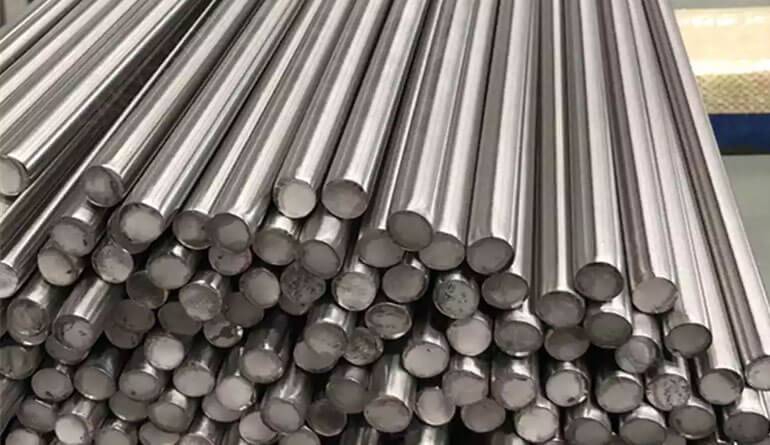
Stainless Steel 316 Round Bars are widely used in industries where corrosion resistance, strength, and reliable performance are important. These solid cylindrical bars are made from an austenitic stainless steel grade containing chromium, nickel, and molybdenum. The addition of molybdenum improves resistance to pitting and crevice corrosion, particularly in environments containing chlorides.Industries such as chemical processing, marine engineering, pharmaceuticals, food processing, oil and gas, and general manufacturing use SS 316 round bars for machining, fabrication, shafts, fasteners, and equipment components.For industrial buyers, choosing the right round bar involves more than selecting a stainless steel grade. Diameter, length, manufacturing condition, applicable standards, material certification, and the intended working environment must also be considered.Hindco Steel and Alloys serves industrial buyers looking for stainless steel products for a range of engineering and manufacturing requirements. This guide explains the properties, specifications, applications, and selection factors associated with Stainless Steel 316 Round Bars.What Are Stainless Steel 316 Round Bars?Stainless Steel 316 Round Bars are solid metal rods with a circular cross-section, manufactured from Type 316 stainless steel. They are used as raw material for machining, component manufacturing, fabrication, and industrial assemblies.Grade 316 belongs to the austenitic stainless steel family. Its composition includes chromium and nickel, along with approximately 2–3% molybdenum within the applicable specification limits.Chromium helps form a protective passive layer on the steel surface. Nickel supports the austenitic structure and contributes to toughness and ductility. Molybdenum improves resistance to localized corrosion, making Grade 316 a useful choice for many chemical and marine applications.Stainless Steel 316 Round Bars are available in different diameters, lengths, and surface conditions. The appropriate product depends on whether the bar will be machined into a precision component, used in a fabricated assembly, or processed for another industrial purpose.Key Properties of SS 316 Round BarsThe following properties explain why this grade is used across several industrial sectors.1. Corrosion ResistanceOne of the main advantages of SS 316 round bars is their resistance to corrosion in many industrial environments. The molybdenum content improves resistance to pitting and crevice corrosion compared with Grade 304 stainless steel under many chloride-exposure conditions.This makes Grade 316 suitable for selected marine components, chemical processing equipment, and industrial installations exposed to moisture or corrosive substances.However, Grade 316 is not immune to corrosion. Performance depends on chloride concentration, temperature, exposure time, surface condition, and the presence of crevices or deposits.2. Strength and ToughnessStainless Steel 316 combines useful mechanical strength with good toughness. It can be machined and fabricated into a range of components when the correct tools and processes are used.Its mechanical properties vary according to the product standard, diameter, heat treatment, and supplied condition. Buyers should review the applicable specification and material test certificate rather than rely on a single general value.3. Heat ResistanceGrade 316 provides useful oxidation resistance and mechanical performance at elevated temperatures within suitable operating limits. Its suitability depends on the actual temperature, loading, environment, and exposure duration.For equipment exposed to continuous high temperatures or severe thermal cycling, engineers should verify the grade against the service conditions before selection.4. WeldabilitySS 316 generally offers good weldability using suitable procedures. Welding parameters, filler material, joint design, and post-weld cleaning can influence the final performance of a component.For welded assemblies where resistance to sensitization and intergranular corrosion is a concern, Stainless Steel 316L may be worth considering because of its lower carbon content.5. Machining and FabricationRound bars are commonly used to manufacture shafts, pins, fasteners, valve parts, and machined fittings. Grade 316 can be machined using appropriate cutting tools, speeds, feeds, and cooling methods.Because austenitic stainless steels can work-harden during machining, proper process planning is important for dimensional accuracy and tool life.Stainless Steel 316 Round Bar SpecificationsIndustrial buyers should confirm the applicable product standard and dimensions before placing an order. ASTM A276 is a commonly used specification for stainless steel bars and shapes, while ASTM A479 covers stainless steel bars and shapes intended for use in boilers and other pressure vessels.The correct standard depends on the intended application and project requirements.Specification detailTypical informationMaterial gradeStainless Steel 316UNS designationS31600European material number1.4401Common Japanese designationSUS 316Product formSolid round barCommon bar standardASTM A276, where applicableOther applicable standardASTM A479, for qualifying pressure-vessel applicationsMain alloying elementsChromium, nickel, molybdenumAvailable dimensionsConfirm required diameter and lengthSurface conditionsDepending on supply, hot-finished, cold-drawn, peeled, turned, or polishedInspection documentsMaterial test certificate and other documents as specified in the purchase orderImportant: Standards, dimensions, finishes, and certifications must be confirmed for the exact material being supplied. Not every size or finish is available under every specification.Chemical Composition of Stainless Steel 316The chemical composition of Stainless Steel 316 contributes to its corrosion resistance, strength, and fabrication characteristics.The following table provides commonly specified composition limits for Grade 316. Final acceptance should be based on the applicable material standard and the actual test certificate.ElementTypical specification limit, weight %Carbon (C)0.08 maxManganese (Mn)2.00 maxSilicon (Si)0.75 max in common bar specificationsPhosphorus (P)0.045 maxSulfur (S)0.030 maxChromium (Cr)16.00–18.00Nickel (Ni)10.00–14.00Molybdenum (Mo)2.00–3.00The exact limits may differ by standard or product specification. Buyers should not use a general composition table as a substitute for material certification.Mechanical Properties of SS 316 Round BarsMechanical properties help engineers assess whether a round bar is suitable for the intended component. Under commonly referenced ASTM A276 requirements for Grade 316 in the specified annealed condition, typical minimum values include:PropertyCommonly referenced valueMinimum tensile strength515 MPaMinimum yield strength at 0.2% offset205 MPaMinimum elongationDepends on specimen and product requirementsDensityApproximately 8.0 g/cm³These values are reference figures, not a guarantee for every bar. Product dimensions, test specimen requirements, material condition, and the applicable edition of the standard can affect the acceptance criteria. Always check the relevant specification and mill test certificate.Industrial Applications of Stainless Steel 316 Round BarsSS 316 round bars are used in applications that need a combination of corrosion resistance, mechanical performance, and fabrication flexibility.1. Chemical Processing IndustryChemical plants use stainless steel components in equipment exposed to process liquids, cleaning solutions, and industrial chemicals. SS 316 round bars may be machined into valve parts, pump components, fittings, shafts, and equipment hardware.Before choosing the grade, buyers should confirm its compatibility with the specific chemical, concentration, temperature, and operating conditions. Some chemicals require more corrosion-resistant alloys.2. Marine and Offshore EngineeringMarine environments expose materials to moisture and chlorides. The molybdenum content in Grade 316 can provide better resistance to localized corrosion than Grade 304 in many such conditions.Potential applications include selected marine hardware, machined fittings, fasteners, and equipment components. However, continuous seawater immersion and severe crevice conditions can still cause corrosion. The service environment must be assessed carefully.3. Food and Beverage ProcessingFood processing equipment requires materials that can withstand regular cleaning and maintain suitable surface conditions. SS 316 round bars may be used to manufacture machine parts, shafts, fittings, and other components for food-processing systems.The finished component must also meet the applicable hygiene, surface-finish, and cleaning requirements. Material grade alone does not establish that an entire component or installation is suitable for food contact.4. Pharmaceutical and Biotechnology EquipmentPharmaceutical facilities often require corrosion-resistant materials and carefully controlled surface finishes. Grade 316 and Grade 316L are used in various equipment and components, depending on design and process requirements.For applications involving hygienic processing, buyers should verify surface finish, cleanability, welding requirements, and the applicable equipment standards.5. Oil and Gas IndustryThe oil and gas sector uses stainless steel components in selected valves, fittings, instrumentation assemblies, and processing equipment. SS 316 round bars can serve as raw material for machined parts where their mechanical and corrosion properties are suitable.Not every oilfield environment is suitable for Grade 316. Sour service, high chloride levels, elevated temperatures, and demanding pressure conditions may require additional material qualification or a different alloy.6. General Engineering and ManufacturingEngineering companies use round bars to manufacture pins, shafts, bushes, fasteners, machine components, and precision parts. The circular shape makes the material suitable for turning, drilling, milling, and other machining operations.The required diameter, straightness, finish, tolerance, and material condition should be selected according to the final component design.7. Water Treatment and Industrial EquipmentWater treatment plants and industrial facilities use corrosion-resistant metals in selected pumps, fittings, valves, and equipment assemblies. Grade 316 may be suitable for some freshwater and treated-water applications.For seawater, concentrated brines, or high-chloride process water, buyers should evaluate the risk of pitting and crevice corrosion before finalizing the grade.Stainless Steel 316 vs Stainless Steel 304 Round BarsBoth grades are austenitic stainless steels, but their alloy composition and corrosion performance differ.Comparison factorSS 304SS 316Molybdenum contentGenerally not intentionally addedApproximately 2–3%Corrosion resistanceSuitable for many general environmentsImproved resistance to pitting and crevice corrosion in many chloride-containing environmentsCommon applicationsGeneral fabrication, equipment, fittingsChemical processing, selected marine applications, food and pharmaceutical equipmentRelative material costOften lowerOften higher because of alloy contentSelection priorityGeneral corrosion resistance and costAdditional corrosion resistance where service conditions justify itSS 316 is not automatically the best choice for every application. Grade 304 may be sufficient for many general-purpose uses. Grade 316 becomes more attractive when the service environment makes its additional corrosion resistance useful.The final decision should consider operating conditions, expected service life, fabrication requirements, and total project cost.Stainless Steel 316 vs Stainless Steel 316L Round BarsStainless Steel 316L is the low-carbon version of Grade 316. Both grades contain chromium, nickel, and molybdenum, but 316L has a lower maximum carbon content.FactorSS 316SS 316LUNS designationS31600S31603Maximum carbon content0.08%0.03%Main distinctionStandard carbon Grade 316Lower-carbon Grade 316LWelding considerationsSuitable with appropriate proceduresLower carbon helps reduce sensitization risk during weldingTypical selection factorGeneral engineering and machining requirementsApplications where welding-related corrosion considerations are importantThe two grades have similar corrosion characteristics in many environments, but they are not interchangeable in every specification. Confirm the grade and material standard required by the design or purchase order.How to Select the Right Stainless Steel 316 Round BarBefore buying SS 316 round bars, review the following points.1. Confirm the grade. Specify Grade 316 or 316L according to the application. Do not rely only on a general description such as stainless steel.2. Check the applicable standard. Confirm whether ASTM A276, ASTM A479, or another specification is required by the project.3. Specify the diameter and length. Provide the required diameter, standard or cut length, and dimensional tolerances. This helps avoid unnecessary machining and material waste.4. Select the surface finish. Hot-finished bars may suit general machining requirements, while cold-drawn or polished products may be preferred for certain precision applications. Confirm actual finish availability with the supplier.5. Review the service environment. Consider exposure to chlorides, chemicals, moisture, temperature, and cleaning agents. Grade 316 is corrosion-resistant, but it is not suitable for every aggressive environment.6. Ask for material documentation. Where required, request a material test certificate showing the grade, heat number, chemical composition, and mechanical test results.7. Confirm inspection and delivery requirements. Clarify quantity, cutting requirements, packaging, inspection, documentation, and delivery location before confirming the order.A clear specification helps the buyer compare quotations on a like-for-like basis and reduces the risk of receiving material that does not meet the project requirements.Why Choose Hindco Steel and Alloys for Stainless Steel 316 Round Bars?Industrial buyers need a supplier that understands the importance of grade identification, dimensions, applicable standards, and material documentation. Hindco Steel and Alloys supplies stainless steel products for industrial and engineering requirements.When enquiring about Stainless Steel 316 Round Bars, share the following information to help the team assess your requirement:Required grade: SS 316 or SS 316LApplicable ASTM, ASME, EN, or other project standardDiameter and lengthRequired surface finishQuantity and cutting requirementsMaterial test certificate or inspection requirementsDelivery location and expected scheduleFor product details and enquiries, visit the Stainless Steel 316 Round Bars page on the Hindco Steel and Alloys website.Contact the team with your technical specification to discuss the material requirements for your project.Frequently Asked Questions About Stainless Steel 316 Round Bars1. What is Stainless Steel 316 Round Bar?It is a solid cylindrical bar made from Grade 316 austenitic stainless steel. It contains chromium, nickel, and molybdenum and is used for machining, fabrication, and industrial components.2. What is the UNS number for SS 316?The UNS designation for Stainless Steel 316 is S31600. Grade 316L is designated S31603.3. Which standard is used for SS 316 round bars?ASTM A276 is a commonly referenced specification for stainless steel bars and shapes. ASTM A479 may apply to bars and shapes for boilers and pressure vessels. The required standard depends on the intended use and project specification.4. Is SS 316 better than SS 304?SS 316 offers improved resistance to pitting and crevice corrosion in many chloride-containing environments because it contains molybdenum. SS 304 can be suitable for less demanding environments and may be more economical. The best choice depends on the application.5. Are Stainless Steel 316 Round Bars suitable for marine use?They can be suitable for selected marine components, but performance depends on exposure conditions. Continuous seawater immersion, deposits, and tight crevices can create corrosion risks. Confirm the grade's suitability for the exact environment.6. Can SS 316 round bars be machined and welded?Yes. Grade 316 can be machined and welded using appropriate processes. Machining parameters and welding procedures should be selected according to the component design and required finish. Grade 316L may be preferred for certain welded applications.7. What information should I provide when requesting a quotation?Provide the material grade, standard, diameter, length, quantity, surface finish, certification requirements, and delivery location. Include a drawing or technical specification if the component has special requirements.8. How do I verify the quality of Stainless Steel 316 Round Bars?Check material identification, dimensions, surface condition, and the material test certificate where required. The certificate should correspond to the supplied material and identify the relevant heat or batch. Additional inspections can be specified according to project requirements.ConclusionStainless Steel 316 Round Bars are an important material choice for engineering, chemical processing, marine equipment, food processing, and general manufacturing applications. Their chromium-nickel-molybdenum composition provides useful corrosion resistance, while their strength and machinability support the production of a wide range of industrial components.Choosing the right bar requires careful attention to grade, dimensions, applicable standards, surface finish, documentation, and operating conditions. A well-defined purchase specification helps buyers obtain material that matches their technical requirements.For Stainless Steel 316 Round Bars, contact Hindco Steel and Alloys with your required dimensions, quantity, and material specification to discuss your enquiry.

Nonprofit 990 Preparation Services for Tax-Exempt Organizations Finance & Wealth
Oct 15, 2026 • visibility 26 • 2 min read

Nonprofit 990 Preparation Services for Tax-Exempt Organizations

Nonprofit organizations must meet applicable IRS reporting requirements to maintain compliance and keep their financial records organized. Nonprofit 990 preparation helps eligible organizations prepare the appropriate forms based on their financial activities and filing obligations.Preparing Form 990, Form 990-EZ, Form 990-N, or Form 990-PF requires accurate financial information and proper documentation. Depending on the organization's eligibility, these forms report details about donations, grants, expenses, assets, and other financial activities.Professional nonprofit tax preparation support can help organizations organize financial records, review reporting requirements, and prepare the necessary documentation. Maintaining accurate accounting records and monitoring filing deadlines can also help reduce common filing errors.Cube Accounting Solutions offers tax preparation services for nonprofit organizations, individuals, and businesses, including nonprofit 990 preparation, individual tax returns, corporate tax returns, partnership K-1 preparation, and small business tax packages.Organizations should identify the appropriate filing form and verify their annual reporting obligations before submitting a return. With proper preparation and organized documentation, nonprofits can manage their tax filing responsibilities more efficiently.

cubeaccouting
Read arrow_forward
RFID Tool Cabinet for Tool Risk Management: Identify Problems Before They Escalate Tech & Innovation
Oct 15, 2026 • visibility 21 • 30 min read

RFID Tool Cabinet for Tool Risk Management: Identify Problems Before They Escalate

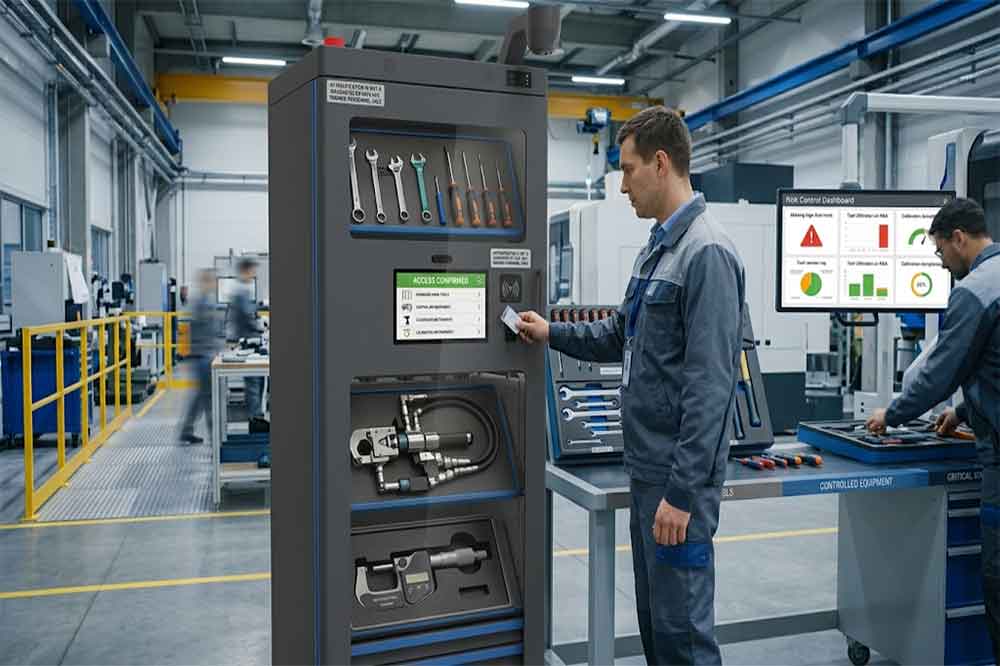
RFID Tool Cabinet for Tool Risk Management: Identify Problems Before They EscalateA missing screwdriver and an unavailable torque wrench may both appear as tool management problems, but the consequences can be very different. One may cause a short delay in a routine maintenance task. The other could interrupt a production line, delay a quality inspection, or leave a critical job waiting for equipment.Industrial companies do not need the same level of control for every tool. They need to understand which tools create the greatest operational, financial, quality, or safety risks and decide how those risks should be managed.An RFID tool cabinet can support this work by improving tool identification, recording checkout and return events, supporting configured access rules, and making selected tool statuses easier to review. When these functions are connected to a clear risk management process, teams can respond more consistently to missing tools, overdue returns, restricted equipment, and recurring shortages.The cabinet is not a complete risk management system by itself. Its value depends on how the company classifies tools, defines control requirements, handles exceptions, and uses the information collected.What Is Tool Risk Management?Tool risk management is the process of identifying problems that could arise from storing, issuing, using, maintaining, or losing industrial tools, then applying controls appropriate to their potential consequences.The risks vary by workplace. A general-purpose wrench may mainly create a replacement cost if it goes missing. A calibrated measuring instrument may introduce quality concerns if its status is uncertain. A specialized maintenance tool may cause production delays if it cannot be located when needed.A practical risk management process usually includes identifying tools and possible failure scenarios, estimating their likelihood and impact, selecting controls, assigning responsibility, and reviewing whether those controls are working.An RFID tool cabinet can contribute to several parts of this process. It can help establish which tools are registered, record supported transactions, associate events with users, and provide information about recorded availability or status.These records can help teams investigate risk events and identify patterns. For example, repeated overdue returns from one department may indicate a workflow problem, while frequent requests for an unavailable tool may reveal a shortage or allocation issue.The important point is that risk management starts with understanding the consequences of a problem. RFID provides useful information and control options, but people still need to assess the risks and decide what action is appropriate.Which Tool Risks Should Companies Consider?Tool loss and unexplained inventory differencesTools may disappear gradually rather than in one obvious incident. An item is borrowed without a complete transaction, returned to the wrong storage area, or moved to another department without updating its record.Over time, the digital register and physical inventory no longer match.An RFID-enabled cabinet can support inventory verification and record tool checkout and return events. When a discrepancy appears, supervisors can review the available transaction history and investigate whether the issue involves an incomplete return, an incorrect record, or a genuinely missing item.This does not guarantee that every loss will be prevented. The effectiveness depends on tag readability, cabinet design, transaction rules, and whether tools are required to pass through the controlled workflow.Production delays caused by unavailable toolsSome tools are inexpensive but operationally critical. A particular fixture, service tool, or specialized instrument may be required for one specific maintenance procedure.If that item is missing, being repaired, or already allocated to another team, the cost of the delay may exceed the replacement value of the tool.An RFID tool cabinet can help teams review recorded availability, outstanding checkouts, and recurring demand. Combined with work-order planning, these records can reveal which tools deserve closer availability monitoring or a backup plan.For more detailed guidance, companies can also review RFID tool downtime management and RFID tool demand planning.Unauthorized access or useSome tools are expensive, sensitive, specialized, or subject to internal restrictions. Uncontrolled access can increase the risk of loss, misuse, or use by personnel who have not received the required training.A compatible RFID cabinet system may support user authentication, permissions, and transaction records. These features can help a company apply different access rules to different tool categories.However, a recorded user identity does not prove that the tool was used correctly after checkout. Where misuse could have serious consequences, additional safeguards, supervision, training, and work procedures may be necessary.Tools used in unsuitable conditionA tool can be physically available but not ready for use. It may be damaged, awaiting repair, overdue for inspection, or subject to a restriction that has not been reflected in the cabinet’s current status.This creates a different kind of risk from ordinary tool loss. The concern is not simply whether the tool can be found, but whether it should be issued.A tool management platform can link tools to maintenance or inspection information when the relevant data is available. Depending on the system, it may display warnings, flag restricted items, or enforce configured checkout rules.The company must define the status categories and ensure that inspection or maintenance information remains accurate.Poor visibility across departmentsA tool may be available somewhere in a factory but remain unavailable to the team that needs it. Different departments may maintain separate registers, use different naming conventions, or follow inconsistent transfer procedures.This makes it difficult to understand the overall exposure created by shared equipment.A coordinated RFID tool management system can help standardize tool identities and record movements between cabinets or locations where the required functionality is supported. This gives managers a better basis for reviewing shared resources and deciding where stronger controls are needed.Classify Tools According to RiskOne of the most useful steps is to stop treating all tools as equally important.A simple classification process can group tools according to factors such as replacement value, operational criticality, inspection requirements, access restrictions, loss history, and the consequences of incorrect use.For example, a factory might use three broad categories:Risk categoryTypical characteristicsPossible controlsStandardCommon tools with limited operational impactBasic identification, checkout records, periodic inventoryControlledHigher replacement cost, frequent demand, or restricted accessUser permissions, closer transaction review, exception alertsCriticalSignificant production, quality, or safety consequences if unavailable or misusedDefined authorization, status checks, escalation procedures, contingency planningThese categories are illustrative rather than universal. A company should adapt them to its own equipment, processes, and risk assessment.A low-cost tool may still deserve critical status if a production process cannot continue without it. Conversely, an expensive tool may not require the strictest operational controls if the consequences of loss or misuse are limited.Risk classification should therefore reflect both the probability of a problem and the potential impact.Use a practical risk scoring methodA simple risk score can help teams prioritize their attention. One common approach is to score likelihood and impact separately, then multiply the two values.For example:Risk score = Likelihood score × Impact scoreIf each factor is scored from one to five, the resulting score ranges from one to twenty-five.A tool with a likelihood score of four and an impact score of five receives a score of twenty. A tool with a likelihood score of two and an impact score of two receives a score of four.The numbers are only a prioritization aid. They do not provide a precise prediction of future events, and different risks may require separate treatment even when their scores are similar.Teams should document their scoring criteria and review them when operating conditions change. A frequently missing tool may deserve a higher likelihood rating, while a tool used in a newly critical process may need a higher impact rating.How an RFID Tool Cabinet Supports Risk ControlsImprove tool identification and recorded statusRisk decisions are difficult when the company cannot reliably identify the affected tool.Each managed tool should have a unique asset record linked to its RFID tag. The record may contain the tool category, location, responsible department, current status, and relevant risk classification.This allows the management platform to distinguish between tools that look similar but have different control requirements.For example, two visually identical measuring instruments may have different inspection dates or restrictions. Their records should not be combined simply because the models match.Accurate identification creates a foundation for more targeted control rules and more reliable investigations.Record transactions that matterCheckout and return events can provide useful evidence about how tools move through the workplace.Depending on the system configuration, a transaction may record the tool ID, user ID, timestamp, cabinet, and event type. Transfer or exception events may also be recorded if the software supports them.These records can help managers investigate overdue tools and identify recurring patterns. If one category regularly remains checked out beyond the expected period, the team can review whether return rules, work scheduling, or storage arrangements need to change.The goal is not to collect every possible data point. It is to capture enough reliable information to support the decisions that matter.Apply risk-based access rulesRisk classification can guide cabinet permissions.Standard tools may be available through a routine checkout process, while selected equipment may require a specific user role, supervisor approval, or another configured authorization step.The rules should be clear enough for employees to follow without creating unnecessary delays. Emergency access also needs attention: if a critical maintenance job cannot wait, the company should define how an authorized exception is approved and recorded.Review permissions when employees change roles, temporary assignments end, or departments reorganize. Otherwise, outdated permissions can create avoidable exposure.For more detail, see RFID tool cabinet access control.Support exception alerts and escalationAn exception becomes more useful when someone knows what action to take.Examples include a critical tool remaining checked out beyond its expected return time, an inventory discrepancy involving a high-risk item, or an item whose status indicates that it should not be issued.Where supported, an RFID tool management platform can generate alerts or reports for these events. The company should then define who receives the alert, how quickly it should be reviewed, and when the issue must be escalated.Not every exception requires the same response. A short delay involving a common hand tool may need a reminder. An unexplained discrepancy involving critical equipment may require an immediate inventory check and supervisor review.The response should reflect the actual risk rather than relying on a single rule for every event.Make recurring risk patterns easier to identifyA single missing tool may be an isolated incident. Repeated missing tools from the same work area could indicate a deeper problem.Transaction histories and exception reports can help identify recurring issues, such as frequent overdue returns, repeated status overrides, tools often unavailable during planned maintenance, or unusually high demand for specific equipment.Managers can use these patterns to adjust storage locations, clarify responsibilities, revise checkout periods, purchase backup tools, or improve employee training.For related operational metrics, see RFID tool cabinet reporting and analytics.Build a Risk Register for Managed ToolsA risk register helps turn observations into assigned actions. It does not need to be complicated, particularly during a pilot project.A useful register might include the following fields:FieldPurposeTool ID and categoryIdentifies the equipment under reviewRisk scenarioDescribes what could go wrongLikelihood and impactEstablishes a consistent priorityExisting controlsRecords what is already in placeAdditional actionDefines the proposed risk responseResponsible personAssigns ownershipReview dateSets a point for reassessmentCurrent statusShows whether the action is open or completeFor example, a specialized maintenance tool may have a high impact rating because its absence can delay a critical repair. Existing controls might include a cabinet checkout record, while an additional action could be to introduce a return-time review and identify a backup source.The risk register should remain connected to the real operating process. If it becomes a spreadsheet that nobody updates, it will provide little ongoing value.An RFID tool cabinet can supply some of the operational information used during reviews, but risk ratings, action ownership, and decisions may need to remain in a separate maintenance, quality, or risk management system.Connect Tool Risk Information With Maintenance and PlanningTool risk does not exist in isolation.Maintenance teams may know that a particular tool is essential for a planned repair. Quality teams may know that a measuring instrument must have a current calibration status. Production planners may know that several work orders require the same limited equipment.Combining these perspectives can improve decisions about tool availability and control.Where system interfaces support it, an RFID tool management platform may exchange tool identities and transaction information with a computerized maintenance management system, enterprise resource planning platform, or other operational software.For example, a maintenance planner could review whether required tools are recorded as available before scheduling a job. A tool manager could use demand history to identify frequently contested equipment. A quality team could review the recorded status of controlled instruments before use.The implementation should define which system owns each authoritative record and how updates are synchronized. If a connected system becomes unavailable, staff need a documented process for handling transactions and reconciling records afterward.Integration should be tested with actual workflows rather than judged only by the presence of an API or a software connection.How to Implement Risk-Based RFID Tool ManagementStart with the most consequential risksDo not begin by trying to apply advanced controls to every item in the factory.Choose a tool group where a problem would have a meaningful impact, such as critical maintenance equipment, high-value tools, or instruments with specific inspection requirements.Document the main risk scenarios and the controls already in place. This provides a baseline for deciding what the RFID cabinet should help improve.Confirm the required system functionsTranslate the risk scenarios into specific requirements.A project may need unique tool identification, user authentication, transaction history, configurable permissions, status warnings, exception reporting, or integration with maintenance records.Ask the supplier to demonstrate each important function. If a requirement is to prevent checkout of restricted tools, confirm whether the proposed system can enforce the rule or only display a warning.Test normal operations and failure scenariosA pilot should include everyday checkout and return tasks, but that is only the beginning.Test missing tags, duplicate-looking tools, overdue returns, restricted status, unauthorized access attempts, damaged returns, and network interruptions. Check how the system records each event and whether employees can follow the required response.For critical equipment, test the escalation process as well. An alert is useful only if the responsible person receives it and knows what to do.Define measurable indicatorsChoose a small set of indicators that reflect the original risk.Possible measures include overdue returns for critical tools, inventory discrepancies, time needed to locate a required item, repeated access exceptions, or tool-related delays in maintenance work.Compare results with a reliable baseline and allow for differences in workload or production conditions. Do not assume that every improvement is caused by the cabinet alone.Review and adjust the controlsAfter the pilot, review whether the controls are reducing the intended exposure without creating excessive work.A rule that is too strict may encourage employees to bypass the process. A rule that is too loose may fail to address the original risk.Use feedback from operators, supervisors, maintenance staff, and IT personnel to refine the workflow before expanding to more tool categories or locations.Common Mistakes in Tool Risk ManagementOne common mistake is classifying risk only by purchase price. A low-cost tool may be essential to production, while a more expensive item may have limited operational impact. Classification should consider consequences, likelihood, and use conditions.Another mistake is assuming that RFID automatically prevents tool loss. The system can improve identification and recordkeeping, but results depend on tag performance, cabinet design, transaction compliance, and the procedures used outside the cabinet.Companies may also create too many alerts. If every minor delay triggers the same urgent notification, staff can begin to ignore them. Prioritize events according to their impact and assign clear response responsibilities.A further problem is failing to maintain tool status information. An RFID record cannot provide a reliable risk signal if the underlying inspection, maintenance, or location data is outdated.Finally, some projects measure only how many tools have been tagged. Tagging is an implementation milestone, not proof that operational risk has been reduced. The more useful question is whether the controls help prevent, detect, or resolve the specific problems identified at the start.Choosing an RFID Tool Cabinet for Risk ManagementWhen evaluating an RFID tool cabinet, begin with the risks the system is expected to address.Review tool identification accuracy, cabinet access options, user authentication, transaction records, status management, exception handling, reporting, and supported software interfaces. The required features will depend on the tool categories and the operating environment.Ask practical questions during evaluation:Can the system distinguish individual tools with similar models or appearances?Which checkout, return, and access events are recorded?Can different permissions be configured for different tool categories?Can restricted status be enforced, or is it only displayed?How are overdue returns and unresolved discrepancies handled?Can records be exported or shared with existing maintenance software?What happens during network or synchronization failures?Can the system support the company’s expected number of users, tools, and locations?For a broader purchasing review, use an RFID tool cabinet procurement checklist. A structured RFID tool cabinet pilot project can then verify whether the selected functions address the real risks before full deployment.The best solution is not necessarily the one with the longest feature list. It is the one that provides dependable information and workable controls for the risks the organization actually faces.ConclusionRFID tool cabinets can support industrial tool risk management by improving identification, recording tool movements, supporting configured permissions, and making selected exceptions easier to investigate. When this information is used alongside a risk register, maintenance planning, and clear operating procedures, teams can make more informed decisions about which tools need stronger controls.The process should begin with risk, not hardware. Identify the tools whose loss, unavailability, restricted status, or misuse could have the greatest consequences. Define suitable controls, test them with actual workflows, and measure whether they improve the intended outcomes.RFID does not eliminate every risk, and it cannot replace sound maintenance, safety, or quality practices. Used as part of a well-designed process, however, it can help organizations move from reacting to missing or unavailable tools toward more consistent, evidence-based risk control.