Oct 26, 2026
•
visibility 20
•
10 min read
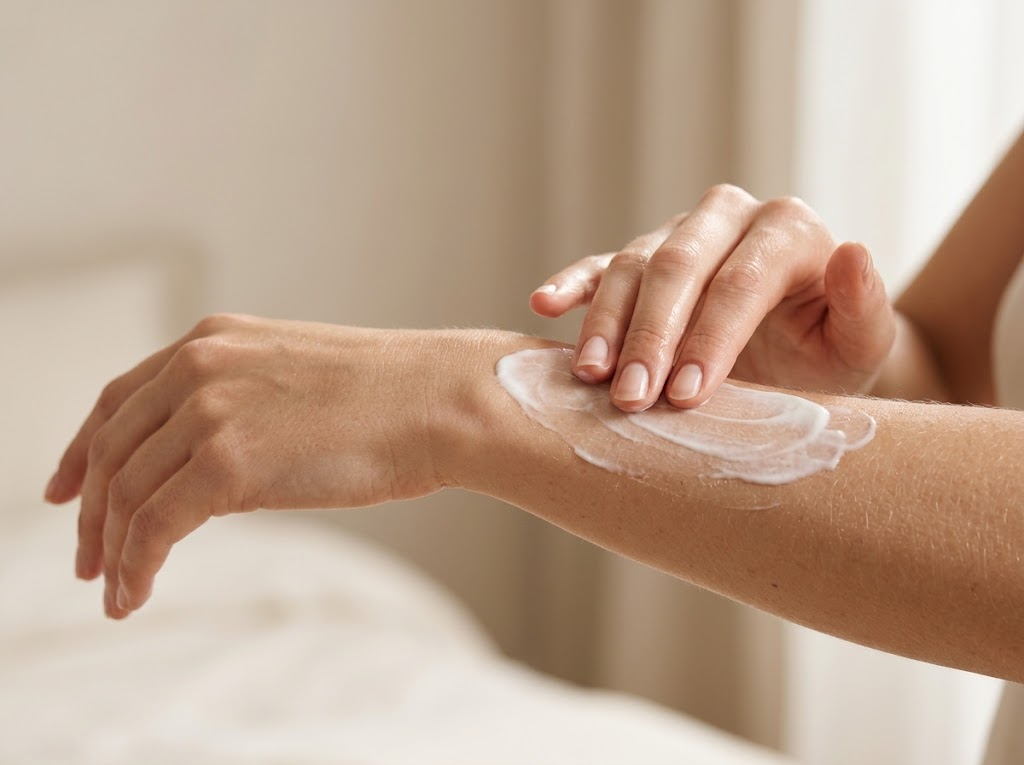
When people invest in skincare, they often ask what product to buy, but rarely ask when their skin actually needs hydration the most. Should you apply body lotion in the morning before getting dressed, or at night before getting into bed?According to dermatological research on skin physiology, the answer is that your skin operates on a distinct 24-hour circadian rhythm. During the day, your outer epidermis acts as a defensive shield against UV radiation, urban smog, clothing friction, and air conditioning. At night, while you sleep, your skin shifts into active structural repair—a phase when skin temperature rises and moisture evaporation reaches its highest point of the 24-hour cycle.Understanding how your skin behaves from morning to night makes it easy to time your applications and choose a daily body moisturizer that keeps dryness, ashiness, and rough patches away around the clock.1. Your Skin in the Morning: Daytime Defense Against the ElementsThroughout the daytime hours, the outermost layer of your skin—the stratum corneum—faces constant environmental stress. As detailed in histological literature on the NCBI Bookshelf, the stratum corneum is structured like a brick wall where flattened protein cells (corneocytes) are held together by an intercellular lipid matrix composed of roughly 50% ceramides, 25% cholesterol, and 15% free fatty acids.Between 8:00 AM and 6:00 PM, three everyday factors chip away at this protective barrier:Morning Showers and Cleansers: Washing with warm water and alkaline soaps strips away surface sebum and natural moisturizing factors before your day even begins.Particulate Dust and Urban Smog: Airborne pollutants settle on exposed arms, neck, and legs, generating oxidative stress that weakens epidermal lipids.Office Air Conditioning and Winter Heaters: Moving between outdoor weather and climate-controlled indoor spaces exposes your skin to low relative humidity, drawing water out of the skin cells.What Your Skin Needs in the MorningA morning body application must be lightweight, fast-absorbing, and non-greasy. In warm or shifting climates like Pakistan's, nobody wants a heavy, sticky ointment that clings to work clothes or traps sweat. Instead, morning care requires an oil-in-water emulsion rich in humectants (such as hyaluronic acid) and barrier-identical ceramides that sink in within seconds, locking in post-shower water while leaving a clean, breathable finish.2. Your Skin at Night: Overcoming Nocturnal Water LossMany people assume that because they are resting under a blanket at night, their skin is safe from dehydration. In reality, clinical dermatology shows that transepidermal water loss (TEWL)—the passive evaporation of water through the skin barrier—actually peaks late at night and while you sleep.Several physiological shifts happen after sunset:Increased Skin Permeability: As part of the body's natural circadian rhythm, blood flow to the skin increases in the evening to support cellular mitosis (renewal) and tissue repair. This slight rise in skin temperature accelerates water evaporation from the stratum corneum.Bedding Friction and Bedroom Climate: Cotton sheets absorb surface lipids from your shins, elbows, and forearms, while bedroom ceiling fans, split ACs, or winter heaters circulate dry air across your skin for seven to eight consecutive hours.Pruritus (Nighttime Itching): Because cortisol (the body's natural anti-inflammatory hormone) drops at night while TEWL rises, dry or sensitive skin often feels noticeably itchier right before sleep.What Your Skin Needs at NightEvening moisturizing is all about lipid replenishment and surface cushioning. Applying a nourishing lotion before bed—or immediately after an evening shower—supplies your skin with the raw building blocks (ceramides, fatty acids, and botanical butters) it needs during its peak overnight repair window.3. What to Look for in an All-Day & Overnight Body LotionYou don't need clutter on your shelf from separate morning and evening body bottles if you choose a balanced, dermatologically tested formulation. Pharmacological reviews of moisturizers in PubMed Central (PMC) explain that the most effective formulations combine three synergistic mechanisms in a single bottle:Functional RoleActive IngredientsDaytime Benefit (AM)Overnight Benefit (PM)Water-Binding HumectantsHyaluronic Acid, GlycerinDraws water into corneocytes for a plump, smooth look without heavinessReplaces water lost to nocturnal evaporationIntercellular Lipids3 Essential CeramidesReinforces the barrier shield against smog, dust, and AC airProvides structural lipids during peak nighttime cell renewalBotanical EmollientsRice Extract, Shea Butter, Avocado ButterSoftens rough patches on elbows and shins with zero greasy residueForms a breathable seal that prevents bedsheets from rubbing skin dryWhen evaluating the top moisturizing lotions for daily use, look for targeted formulas tailored to your specific skin profile—such as a Daily Moisturizing Lotion with 3 Essential Ceramides & Hyaluronic Acid for normal-to-dry, sensitive skin, or a Rice + Ceramides Moisturizing Lotion enriched with avocado and shea butter when deeply dehydrated skin needs extra overnight nourishment. For areas dealing with uneven tone or rough texture, pairing your routine with a gentle 5% Mandelic Acid Cream in the evening can also support smoother cellular turnover without harsh irritation.4. The 24-Hour Body Hydration ProtocolTo get the maximum benefit from your moisturizer, pair your morning and evening applications with evidence-based bathing habits recommended by the American Academy of Dermatology (AAD) and clinical dermatitis guidelines in PMC:Step 1: The Lukewarm 3-Minute Shower Rule (AM or PM): Whether you shower in the morning or after work, keep water temperature lukewarm and limit shower time to 5–10 minutes. Gently pat your skin with a towel so it stays slightly damp, then apply your ceramide lotion within 3 minutes to trap surface water before it evaporates.Step 2: Midday Hand & Forearm Reset: Every time you wash your hands or perform ablutions during the day, tap water strips lipids from your hands and wrists. Keep a pump bottle at your desk to reapply a pea-sized amount to damp hands and forearms.Step 3: The Pre-Sleep Barrier Seal (PM): Even if you showered in the morning, spend 60 seconds before bed massaging a layer of lotion into high-friction zones—specifically your shins, knees, elbows, ankles, and feet—so nocturnal TEWL doesn't leave your skin tight by morning.By syncing your moisturizing habits with your skin's natural daytime defense and nighttime repair cycles, you transform body care from a temporary cosmetic fix into lasting barrier health.