Articles

Articles & Insights

Discover, learn, and grow with stories from our ecosystem members.

search
article
Career & Business
Oct 31, 2026 • visibility 16 • 2 min read

Beyond Diversity Hiring: How Indian Companies Can Build Truly Inclusive Work Cultures

Hiring people from diverse backgrounds is only the first step towards workplace inclusion. Indian companies must also create an environment where every employee feels respected, valued, and supported. This requires fair HR policies, inclusive leadership, unconscious bias awareness, and equal growth opportunities.Organisations can strengthen inclusion through employee awareness workshops, accessible workplaces, and initiatives that encourage open communication. Professional Diversity and Inclusion Consulting Firms India can help businesses identify workplace gaps and develop practical DEI strategies.The Outcast Collective supports organisations through DEI consulting, inclusive policy development, leadership coaching, and culture assessments, helping build workplaces where diversity leads to meaningful participation and belonging.

The Outcast Collective
Read arrow_forward
article
Lifestyle & Culture
Oct 31, 2026 • visibility 10 • 16 min read

Pharmacist Jobs in India: Career Opportunities, Qualifications and Growth

India’s healthcare sector is creating opportunities for qualified pharmacists across hospitals, retail pharmacies, pharmaceutical companies, clinics and healthcare organizations. Pharmacists play an important role in patient care by dispensing medications, providing information about their proper use and supporting safe medication practices.As the pharmaceutical and healthcare industries continue to develop, skilled pharmacy professionals can explore different career paths in clinical pharmacy, hospital pharmacy, community pharmacy, pharmaceutical manufacturing and quality control.Whether you are a newly qualified pharmacy graduate or an experienced professional looking for career advancement, understanding the available roles, qualifications and employment opportunities can help you make informed decisions.Professionals exploring pharmacist jobs in Mumbai can use MedConnect to discover relevant healthcare employment opportunities.1. Growing Demand for Pharmacists in IndiaPharmacists are important members of the healthcare system. They help ensure that patients receive the correct medications and understand how to use them safely.The demand for pharmacy professionals is supported by several developments:Expansion of hospitals and healthcare facilities.Growth in retail and community pharmacy services.Increasing demand for pharmaceutical products.Expansion of pharmaceutical manufacturing.Greater awareness of medication safety.Growth in clinical pharmacy and patient counseling services.Increasing focus on pharmaceutical research and development.These developments create opportunities for pharmacy professionals in healthcare institutions, pharmaceutical companies and other related industries.2. Popular Pharmacist Job Roles in IndiaPharmacy professionals can explore different roles depending on their qualifications, experience and career interests.Hospital PharmacistHospital pharmacists work in healthcare facilities and support the safe dispensing and management of medications. Their responsibilities may include reviewing prescriptions, maintaining medication records and coordinating with doctors and nurses.Clinical PharmacistClinical pharmacists work with healthcare teams to support appropriate medication use. They may review medication plans, identify potential drug interactions and provide information about treatment options.Community PharmacistCommunity pharmacists generally work in retail pharmacies and provide prescribed and over-the-counter medications. They also guide customers on medication usage, dosage instructions and basic medication safety.Retail PharmacistRetail pharmacists manage pharmacy operations, dispense medications and assist customers with their medication-related questions. They may also maintain inventory and ensure proper storage of pharmaceutical products.Industrial PharmacistIndustrial pharmacists work in pharmaceutical manufacturing and related operations. Their responsibilities may involve production processes, documentation, quality standards and compliance requirements.Quality Control PharmacistQuality control professionals help ensure that pharmaceutical products meet established quality standards. They may work with testing procedures, product documentation and laboratory operations.Regulatory Affairs ProfessionalPharmacy graduates with relevant qualifications and experience may explore regulatory affairs positions involving pharmaceutical documentation, product registration and regulatory compliance.3. Qualifications Required for Pharmacist JobsThe educational qualifications required for pharmacy positions depend on the job role and employer requirements.Common pharmacy qualifications include:Diploma in Pharmacy (D.Pharm): A diploma-level qualification that prepares candidates for pharmacy-related responsibilities, subject to applicable registration requirements.Bachelor of Pharmacy (B.Pharm): An undergraduate degree covering pharmaceutical sciences, medication development, drug formulation and pharmacy practice.Master of Pharmacy (M.Pharm): A postgraduate qualification that allows professionals to pursue advanced study and specialized career paths.Doctor of Pharmacy (Pharm.D): A professional doctoral qualification focused on pharmacy practice and patient-centered pharmaceutical care.Candidates should also meet the applicable registration and licensing requirements for the role. Employers may specify additional qualifications, experience and technical skills.4. Essential Skills for a Successful Pharmacy CareerPharmacy professionals need a combination of technical knowledge, communication abilities and attention to detail.Knowledge of medications: Pharmacists should understand different medicines, their uses, dosage forms and potential side effects.Prescription handling: Reviewing prescriptions and dispensing medications accurately are important responsibilities.Communication: Pharmacists must explain medication instructions clearly to patients and coordinate effectively with healthcare professionals.Attention to detail: Accuracy in medication dispensing, labeling and documentation helps support patient safety.Inventory management: Managing pharmaceutical stock, checking expiry dates and maintaining proper storage conditions are important in many pharmacy roles.Knowledge of regulations: Understanding applicable pharmacy laws, professional standards and medication-handling requirements is essential.Continuous learning: Keeping up with new medicines, treatment practices and pharmaceutical developments supports professional growth.5. Pharmacist Job Opportunities in Mumbai and Other Major CitiesPharmacy professionals can find employment opportunities across hospitals, retail pharmacies, pharmaceutical companies and healthcare organizations in major Indian cities.Mumbai offers opportunities in hospital pharmacies, retail pharmacy chains, pharmaceutical companies and other healthcare settings. Candidates can explore positions according to their educational qualifications, professional registration and experience.Other major cities with pharmacy-related employment opportunities include:Delhi: Opportunities across hospital pharmacies, retail outlets and pharmaceutical organizations.Pune: Pharmacy roles in healthcare institutions, retail pharmacies and pharmaceutical companies.Bengaluru: Opportunities in hospital pharmacy, pharmaceutical research and healthcare organizations.Hyderabad: Employment options in pharmaceutical manufacturing, hospitals and retail pharmacy services.Chennai: Opportunities across hospitals, pharmaceutical companies and community pharmacies.Job availability and eligibility requirements vary by employer. Candidates should carefully review each vacancy before applying.6. How Technology Is Transforming Pharmacy CareersTechnology is changing the way pharmacies manage medications, maintain records and support patient care.Digital prescriptions, pharmacy management systems, electronic health records and automated inventory tools are becoming increasingly relevant to pharmacy operations.Some important developments include:Digital prescription management.Electronic medication records.Automated inventory management.Technology-enabled medication tracking.Online pharmacy services.Digital healthcare and patient support systems.Pharmacists who understand these technologies may be better prepared for changing responsibilities across modern healthcare settings.Technology is also influencing employment opportunities throughout the healthcare industry. Read more about how digital health is creating new career opportunities in India to understand how digital transformation is shaping healthcare careers.7. How to Find Pharmacist Jobs in IndiaFinding a suitable pharmacy position requires identifying opportunities that match your educational background, registration status, experience and career goals.Here are some practical steps:Prepare an updated resume: Include your pharmacy qualifications, registration details, work experience and relevant technical skills.Choose your preferred career path: Identify whether you want to work in hospital pharmacy, retail pharmacy, clinical pharmacy or the pharmaceutical industry.Check job requirements: Review the qualifications, experience and registration requirements specified by employers.Explore healthcare recruitment platforms: Use platforms that connect pharmacy professionals with hospitals and healthcare organizations.Submit accurate applications: Ensure that your professional information and supporting documents are complete.Prepare for interviews: Be ready to discuss medication knowledge, prescription handling, patient communication and pharmacy operations.Candidates looking for opportunities across different regions can explore medical jobs in India through MedConnect. The platform connects healthcare professionals with institutions and helps candidates discover relevant employment opportunities.8. Career Growth Opportunities for PharmacistsPharmacy professionals can develop their careers through additional education, practical experience and specialization.Senior Pharmacist: Experienced professionals may take on greater responsibilities in medication management, dispensing and pharmacy operations.Clinical Pharmacy: Pharmacists with relevant qualifications and experience can explore clinical roles involving medication review and patient care support.Pharmacy Management: Professionals may progress into supervisory and management positions involving staff coordination, inventory and pharmacy operations.Pharmaceutical Industry: Pharmacy graduates can explore opportunities in manufacturing, quality assurance, quality control and production.Regulatory Affairs: Additional training and relevant experience may help professionals pursue careers in pharmaceutical regulations and compliance.Research and Development: Qualified professionals may explore opportunities involving pharmaceutical research, formulation development and drug-related studies.Continuous professional development and updated industry knowledge can help pharmacists expand their career opportunities.9. Why Use MedConnect to Explore Pharmacist Jobs?MedConnect is a healthcare-focused professional networking and hiring platform designed to connect healthcare professionals with hospitals and healthcare organizations across India.Pharmacists can use MedConnect to explore relevant job listings, create professional profiles and discover employment opportunities. Healthcare employers can also use the platform to connect with qualified pharmacy professionals and support their recruitment requirements.By bringing healthcare professionals and employers together, MedConnect aims to make healthcare recruitment and professional networking more accessible.ConclusionPharmacist jobs in India offer career opportunities across hospitals, retail pharmacies, pharmaceutical companies, clinical pharmacy departments and manufacturing organizations. With suitable qualifications, professional registration, technical knowledge and a commitment to continuous learning, pharmacy professionals can build rewarding careers.As healthcare services and pharmaceutical technologies continue to evolve, pharmacists will remain important to medication management and patient care. MedConnect helps connect pharmacy professionals with healthcare institutions and employment opportunities across India, making it easier to explore relevant career options.Frequently Asked Questions (FAQs)1. Where can I find the latest pharmacist job vacancies on MedConnect?Candidates can visit MedConnect to explore available pharmacy job listings across different cities, healthcare institutions and organizations.2. How can I apply for pharmacist jobs through MedConnect?Candidates can review relevant job listings on MedConnect, check the eligibility requirements and follow the application instructions provided for each vacancy.3. Can fresh D.Pharm and B.Pharm graduates find jobs through MedConnect?Fresh pharmacy graduates can explore suitable entry-level positions listed on MedConnect, depending on the qualifications and experience requirements specified by employers.4. Does MedConnect provide pharmacist job opportunities in Mumbai?Candidates can explore pharmacist job listings in Mumbai through MedConnect and review the qualifications, registration and experience requirements for available positions.5. Can M.Pharm graduates find specialized pharmacy jobs on MedConnect?Yes. M.Pharm graduates can explore relevant opportunities based on their specialization, qualifications and professional experience.6. Can experienced pharmacists find hospital and clinical pharmacy positions through MedConnect?Experienced pharmacy professionals can explore suitable opportunities in hospital pharmacy, clinical pharmacy and other areas, depending on available vacancies.7. Can hospitals and pharmaceutical companies use MedConnect to recruit pharmacists?Healthcare employers can use MedConnect to connect with pharmacy professionals and support their recruitment requirements.8. Why should pharmacy professionals use MedConnect to explore healthcare careers?MedConnect focuses on healthcare recruitment and professional networking. Pharmacy professionals can use the platform to discover job opportunities and connect with healthcare organizations across India.

Aayush Medconnect
Read arrow_forward
article
Health & Wellness
Oct 31, 2026 • visibility 15 • 16 min read

Lab Technician Jobs in India: Career Opportunities, Qualifications and Growth

India’s healthcare industry continues to grow, increasing the need for skilled laboratory professionals who support doctors and other medical practitioners in diagnosing and monitoring diseases. Medical laboratory technicians play an important role in healthcare by collecting, processing and analyzing samples to provide accurate diagnostic information.From hospitals and diagnostic laboratories to research centers and pathology clinics, lab technicians have opportunities to build careers in different healthcare settings. Whether you are a fresh graduate or an experienced laboratory professional, understanding the available roles, qualifications and career opportunities can help you choose the right path.Professionals looking for lab technician jobs in Delhi can explore relevant healthcare employment opportunities through MedConnect.1. Growing Demand for Lab Technicians in IndiaMedical laboratories are an essential part of modern healthcare. Doctors rely on laboratory reports to identify medical conditions, monitor treatment progress and make informed clinical decisions.The demand for laboratory professionals is influenced by several factors:Expansion of hospitals and diagnostic centers.Increasing demand for preventive health checkups.Growth in pathology and diagnostic services.Greater use of advanced laboratory equipment.Increasing awareness of early disease detection.Expansion of medical research and healthcare facilities.These developments create employment opportunities for trained laboratory professionals in both established healthcare institutions and growing diagnostic organizations.2. Popular Lab Technician Job Roles in IndiaLab technicians can explore different positions depending on their education, practical skills and professional experience.Medical Laboratory TechnicianMedical laboratory technicians collect, prepare and analyze samples such as blood, urine and other bodily fluids. They help ensure that laboratory tests are performed accurately and that results are properly documented.Pathology Lab TechnicianPathology lab technicians assist with the examination of samples to help identify diseases and medical conditions. They may work in hospitals, pathology laboratories and diagnostic centers.Microbiology Lab TechnicianMicrobiology lab technicians work with microorganisms such as bacteria, viruses and fungi. Their responsibilities may include preparing cultures, conducting laboratory tests and maintaining laboratory records.Biochemistry Lab TechnicianBiochemistry lab technicians perform tests that help evaluate substances in blood and other samples. Their work supports the diagnosis and monitoring of various medical conditions.Blood Bank TechnicianBlood bank technicians assist with blood collection, blood grouping, compatibility testing and the proper storage of blood products. Accuracy and attention to detail are essential in this role.PhlebotomistPhlebotomists collect blood samples from patients for laboratory testing. They must follow appropriate collection procedures, maintain hygiene and ensure that samples are correctly labeled.3. Qualifications Required for Lab Technician JobsThe educational requirements for laboratory positions depend on the employer and the responsibilities of the role.Common qualifications include:Diploma in Medical Laboratory Technology (DMLT): Provides foundational knowledge and practical training in medical laboratory procedures.Bachelor of Medical Laboratory Technology (BMLT): Offers broader education in laboratory sciences, diagnostic testing and laboratory operations.B.Sc. in Medical Laboratory Technology: Prepares students for technical responsibilities in medical and diagnostic laboratories.Relevant postgraduate qualifications: May support advanced opportunities in specialized laboratory fields.Candidates should also develop practical knowledge of laboratory equipment, sample handling, testing procedures, safety protocols and quality control.Before applying, candidates should review the specific educational and experience requirements mentioned in each job listing.4. Essential Skills for a Successful Lab Technician CareerTechnical knowledge is important for laboratory professionals, but several additional skills contribute to accuracy, efficiency and career development.Attention to detail: Laboratory technicians must handle samples carefully and follow testing procedures accurately.Technical knowledge: Understanding laboratory instruments, testing methods and diagnostic procedures is essential for daily responsibilities.Sample handling: Proper collection, labeling, storage and processing of samples help maintain the reliability of test results.Knowledge of safety procedures: Laboratory professionals must follow hygiene, infection control and biosafety practices.Time management: Managing multiple samples and completing tests within required timelines requires effective organization.Communication: Lab technicians must communicate clearly with doctors, laboratory supervisors and other healthcare professionals.Continuous learning: Staying updated with new diagnostic technologies and laboratory procedures can support long-term career growth.5. Lab Technician Job Opportunities in Delhi and Other Major CitiesHealthcare institutions across India recruit laboratory professionals to support diagnostic and clinical services.Delhi offers opportunities in hospitals, diagnostic laboratories, pathology centers and specialized healthcare facilities. Candidates can explore positions based on their qualifications, experience and technical expertise.Other major cities with healthcare employment opportunities include:Mumbai: Opportunities across hospitals, pathology laboratories and diagnostic centers.Pune: Laboratory positions in healthcare institutions and diagnostic facilities.Bengaluru: Opportunities in hospitals, specialized laboratories and healthcare organizations.Hyderabad: Employment options across diagnostic services and medical institutions.Chennai: Opportunities in pathology laboratories, hospitals and specialized diagnostic centers.Job availability and eligibility requirements vary by employer. Candidates should carefully review each vacancy before submitting an application.6. How Technology Is Changing Medical Laboratory CareersTechnology is transforming medical diagnostics and laboratory operations. Modern laboratories increasingly use automated equipment, digital reporting systems and advanced testing methods to improve efficiency and support accurate diagnosis.Some important developments include:Automated laboratory testing systems.Digital laboratory information management systems.Advanced molecular diagnostic techniques.Improved sample tracking and reporting.Technology-enabled quality control.Integration of laboratory results with digital patient records.These developments are creating opportunities for laboratory professionals who are willing to develop new technical skills and adapt to changing diagnostic practices.Technology is also influencing the wider healthcare employment market. Read more about how digital health is creating new career opportunities in India to understand how digital transformation is shaping healthcare careers.7. How to Find Lab Technician Jobs in IndiaFinding a suitable laboratory position requires identifying opportunities that match your qualifications, technical abilities and career goals.Here are some practical steps to follow:Prepare an updated resume: Include your educational qualifications, laboratory training, practical experience and technical skills.Identify suitable positions: Search for roles such as medical laboratory technician, pathology technician, microbiology technician and phlebotomist.Check eligibility requirements: Review the qualifications, experience and technical skills required by each employer.Explore healthcare recruitment platforms: Use platforms that connect healthcare professionals with hospitals and medical organizations.Apply with accurate details: Provide complete educational and professional information when submitting applications.Prepare for interviews: Be ready to discuss laboratory procedures, sample handling, equipment knowledge and safety practices.Candidates exploring opportunities across different locations can discover medical jobs in India through MedConnect. The platform connects healthcare professionals with institutions and helps candidates explore relevant employment opportunities.8. Career Growth Opportunities for Lab TechniciansLaboratory professionals can develop their careers by gaining practical experience, improving technical knowledge and pursuing additional qualifications.Potential career development paths include:Senior Laboratory Technician: Experienced professionals may take on additional responsibilities involving testing procedures, sample management and laboratory operations.Laboratory Supervisor: With suitable experience and qualifications, technicians may progress into supervisory roles involving staff coordination and workflow management.Specialized Laboratory Roles: Professionals can develop expertise in areas such as microbiology, biochemistry, hematology and molecular diagnostics.Quality Control Roles: Laboratory professionals with relevant knowledge may explore positions focused on maintaining testing standards, documentation and quality assurance.Laboratory Management: Additional education and experience may support progression into laboratory administration and management positions.Continuous professional development and familiarity with modern diagnostic technologies can help laboratory professionals expand their career opportunities.9. Why Use MedConnect to Explore Lab Technician Jobs?MedConnect is a healthcare-focused professional networking and hiring platform designed to connect healthcare professionals with hospitals and medical organizations across India.Lab technicians can use MedConnect to explore relevant job listings, create professional profiles and discover employment opportunities. Healthcare employers can also use the platform to connect with candidates who have the qualifications and skills required for laboratory positions.By bringing healthcare professionals and employers together, MedConnect aims to make healthcare recruitment and professional connections more accessible.ConclusionLab technician jobs in India offer career opportunities across hospitals, pathology laboratories, diagnostic centers, blood banks and specialized medical facilities. With suitable qualifications, practical laboratory skills and a commitment to continuous learning, professionals can build rewarding careers in medical diagnostics.As healthcare technology and diagnostic services continue to develop, trained laboratory professionals will remain important to the healthcare ecosystem. MedConnect helps connect laboratory professionals with healthcare institutions and employment opportunities across India, making it easier to explore relevant career options.Frequently Asked Questions (FAQs)1. Where can I find the latest lab technician job vacancies on MedConnect?Candidates can visit MedConnect to explore available laboratory job listings across different cities and healthcare organizations.2. How can I apply for lab technician jobs through MedConnect?Candidates can review relevant job listings on MedConnect, check the eligibility requirements and follow the application instructions provided for each vacancy.3. Can fresh DMLT graduates find jobs through MedConnect?Fresh DMLT graduates can explore suitable entry-level laboratory positions listed on MedConnect, depending on the qualifications and experience requirements specified by employers.4. Does MedConnect provide lab technician job opportunities in Delhi?Candidates can explore laboratory job listings in Delhi through MedConnect and review the qualifications and experience required for available positions.5. Can BMLT and B.Sc. Medical Laboratory Technology graduates find jobs on MedConnect?Yes. Graduates can explore laboratory positions that match their educational qualifications, practical training and professional experience.6. Can experienced lab technicians find specialized positions through MedConnect?Experienced laboratory professionals can explore relevant opportunities in areas such as pathology, microbiology, biochemistry and other laboratory services, depending on available vacancies.7. Can hospitals and diagnostic centers use MedConnect to recruit lab technicians?Yes. Healthcare employers can use MedConnect to connect with laboratory professionals and support their recruitment requirements.8. Why should lab technicians use MedConnect to explore healthcare careers?MedConnect focuses on healthcare recruitment and professional networking. Laboratory professionals can use the platform to discover job opportunities and connect with healthcare organizations across India.

Aayush Medconnect
Read arrow_forward
article
Health & Wellness
Oct 31, 2026 • visibility 13 • 15 min read

Doctor Jobs in India: Career Opportunities, Specializations and Growth

India’s healthcare sector is expanding, creating new career opportunities for qualified doctors across hospitals, clinics, diagnostic centers, specialized healthcare facilities and community health programs. From general medicine and emergency care to specialized clinical practice, doctors play an essential role in improving patient outcomes and strengthening healthcare services.As healthcare institutions grow and medical services become more specialized, the demand for skilled medical professionals continues to create diverse career opportunities. Whether you are a recent MBBS graduate, an experienced medical officer or a specialist looking for a new position, understanding the available roles can help you make informed career decisions.Medical professionals exploring doctor jobs in Mumbai can use MedConnect to discover relevant healthcare employment opportunities.1. Growing Demand for Doctors in IndiaIndia’s healthcare ecosystem includes government and private hospitals, multispecialty institutions, nursing homes, clinics, diagnostic centers and emerging healthcare organizations. Each of these facilities requires doctors with different qualifications, experience levels and clinical skills.Several factors contribute to the growing demand for medical professionals:Expansion of hospitals and specialized healthcare facilities.Increasing demand for primary and preventive healthcare.Growth in emergency and critical care services.Greater focus on specialized medical treatment.Expansion of healthcare services in urban and developing regions.Increasing use of digital health technologies and telemedicine.These developments create opportunities for doctors at different stages of their careers, from entry-level clinical positions to senior consultant and specialist roles.2. Popular Doctor Job Roles in IndiaDoctors can explore different career opportunities depending on their qualifications, clinical interests, specialization and professional experience.General PhysicianGeneral physicians examine patients, diagnose common medical conditions and recommend appropriate treatments. They may work in hospitals, clinics, outpatient departments and primary healthcare facilities.Medical OfficerMedical officers provide clinical services, assess patients, manage routine medical cases and coordinate with other healthcare professionals. These positions are available in hospitals, healthcare centers and community health programs.Resident Medical OfficerResident Medical Officers support the day-to-day delivery of patient care within hospitals. Their responsibilities may include monitoring patients, responding to emergencies, maintaining clinical records and coordinating with senior doctors.Specialist DoctorSpecialist doctors focus on specific medical disciplines after completing the required postgraduate qualifications and training. Common specializations include:CardiologyDermatologyPediatricsOrthopedicsGynecologyNeurologyOncologyRadiologyAnesthesiologyEmergency and Critical Care DoctorEmergency and critical care doctors manage patients who require urgent medical attention or continuous monitoring. These positions require strong clinical judgment, effective decision-making and the ability to work in demanding situations.3. Qualifications Required for Doctor JobsThe qualifications required for a medical position depend on the role, specialization and employer’s requirements.Common medical qualifications include:MBBS: A foundational medical qualification for many general medical and medical officer positions.MD: A postgraduate qualification for doctors pursuing advanced training in relevant medical disciplines.MS: A postgraduate surgical qualification for doctors pursuing surgical specializations.DM: A super-specialty qualification in selected medical disciplines.MCh: An advanced surgical super-specialty qualification.Candidates should also hold the applicable registration with the relevant medical council and meet the licensing, experience and eligibility requirements for the position.4. Essential Skills for a Successful Medical CareerMedical qualifications are essential, but professional skills also contribute to career development and effective patient care.Clinical decision-making: Doctors must evaluate symptoms, medical histories and diagnostic findings to make appropriate clinical decisions.Communication: Clear communication helps doctors explain diagnoses, treatment plans and follow-up requirements to patients and their families.Patient-centered care: Understanding patient concerns and treating individuals with empathy supports a positive healthcare experience.Teamwork: Doctors regularly coordinate with nurses, laboratory technicians, pharmacists and other healthcare professionals.Time management: Managing consultations, clinical responsibilities and documentation requires effective organization.Continuous learning: Medical knowledge and treatment practices continue to evolve, making professional development important throughout a doctor’s career.5. Doctor Job Opportunities in Mumbai and Other Major CitiesMajor Indian cities offer diverse employment opportunities because of their hospitals, specialty centers, clinics and expanding healthcare infrastructure.Mumbai has opportunities across general medicine, emergency care, critical care and specialized medical departments. Doctors can explore hospital-based positions as well as opportunities in clinics and other healthcare organizations.Other major healthcare employment hubs include:Delhi: Opportunities across multispecialty hospitals, specialty centers and clinics.Pune: Roles in hospitals, healthcare institutions and outpatient facilities.Bengaluru: Opportunities in established hospitals and expanding healthcare organizations.Hyderabad: Employment options across general and specialized medical services.Chennai: Opportunities in hospitals, diagnostic facilities and specialty healthcare centers.The availability of positions changes according to employer requirements, specialization and experience. Candidates should review individual job descriptions carefully before applying.6. How Digital Health Is Creating New Career OpportunitiesDigital healthcare is changing how medical services are delivered and how healthcare professionals connect with patients and institutions.Telemedicine, digital patient records, online consultations and technology-enabled healthcare services are creating new ways for doctors to participate in the healthcare ecosystem.Doctors may find opportunities involving:Online patient consultations.Telemedicine services.Digital healthcare platforms.Remote patient monitoring.Healthcare technology organizations.Clinical coordination and digital health programs.These developments are also changing how healthcare professionals discover career opportunities. Read more about how digital health is creating new career opportunities in India to understand how technology is influencing the healthcare employment landscape.7. How to Find Medical Jobs in IndiaFinding a suitable medical position involves more than searching for vacancies. Doctors should identify roles that match their qualifications, experience, specialization and preferred work environment.Here are some practical steps:Prepare an updated CV: Include your qualifications, medical registration details, clinical experience, specializations and relevant certifications.Identify suitable roles: Look for positions that match your professional background and career goals.Review job requirements: Check experience criteria, responsibilities, employment type and location.Use healthcare recruitment platforms: Explore dedicated platforms that connect doctors with hospitals and healthcare employers.Apply with accurate information: Ensure your application and professional details are complete and up to date.Prepare for interviews: Be ready to discuss your clinical experience, professional interests and approach to patient care.Doctors looking for opportunities across different regions can explore medical jobs in India through MedConnect. The platform connects healthcare professionals with institutions and helps candidates discover relevant employment opportunities.8. Career Growth Opportunities for DoctorsA medical career can develop in several directions depending on a doctor’s interests, qualifications and experience.Clinical specialization: Doctors can pursue postgraduate and super-specialty training to develop expertise in a particular medical discipline.Consultant positions: Experienced specialists may progress into consultant roles with greater clinical responsibility.Hospital leadership: Doctors with relevant experience and management capabilities may explore medical administration, clinical leadership and departmental management.Teaching and research: Academic institutions and research organizations offer opportunities for doctors interested in medical education and clinical research.Digital healthcare: Technology-enabled healthcare services provide additional professional pathways in telemedicine, clinical operations and digital health programs.Career growth often involves continuous learning, professional networking and gaining experience across different clinical settings.9. Why Use MedConnect to Explore Doctor Jobs?MedConnect is a healthcare-focused professional networking and hiring platform designed to connect doctors, nurses, hospitals and healthcare institutions across India.Doctors can use the platform to explore job listings, create professional profiles and connect with healthcare organizations. Hospitals and recruiters can also use MedConnect to discover qualified healthcare professionals and support their recruitment requirements.By bringing healthcare professionals and employers together, MedConnect aims to make professional connections and healthcare recruitment more accessible.ConclusionDoctor jobs in India offer diverse career opportunities across general medicine, specialist practice, emergency care, critical care, hospital services and digital healthcare. With the right qualifications, relevant experience and a commitment to continuous learning, medical professionals can explore positions that align with their long-term career goals.Finding the right opportunity becomes easier when doctors use platforms focused on the healthcare industry. MedConnect helps connect medical professionals with healthcare institutions and job opportunities across India, supporting career development within the healthcare ecosystem.Frequently Asked Questions (FAQs)1. Where can I find the latest doctor job vacancies on MedConnect?Doctors can visit MedConnect to explore available medical job listings across different cities, healthcare institutions and specializations.2. How can I apply for doctor jobs through MedConnect?Candidates can explore relevant job listings, review the eligibility criteria and follow the application instructions provided with each vacancy.3. Can fresh MBBS graduates find job opportunities on MedConnect?Fresh MBBS graduates can explore suitable entry-level medical positions listed on MedConnect, subject to the qualifications and experience requirements specified by employers.4. Does MedConnect provide doctor job opportunities in Mumbai?Doctors can explore available Mumbai job listings through MedConnect and review individual vacancy requirements, qualifications and application details.5. Can specialist doctors find jobs through MedConnect?Yes. Specialist doctors can explore relevant listings based on their qualifications, clinical experience and areas of specialization.6. Can experienced doctors find senior medical positions on MedConnect?Experienced doctors can explore suitable opportunities, including specialist and senior clinical roles, depending on the vacancies listed by healthcare employers.7. Can hospitals use MedConnect to recruit doctors?Yes. Hospitals and healthcare institutions can use MedConnect to post job openings, discover healthcare professionals and connect with potential candidates.8. Why should doctors use MedConnect to explore healthcare careers?MedConnect focuses on the healthcare industry and brings medical professionals and healthcare institutions together. Doctors can use the platform to explore job opportunities, build professional connections and discover potential career paths.

Aayush Medconnect
Read arrow_forward
article
Health & Wellness
Oct 31, 2026 • visibility 15 • 12 min read

Nursing Jobs in India: Career Opportunities, Qualifications and Growth

The healthcare industry in India offers growing career opportunities for qualified nursing professionals across hospitals, speciality clinics, diagnostic centres, and healthcare organisations. Nurses play an essential role in patient care, medical assistance, treatment coordination, and recovery support. With healthcare facilities expanding across the country, professionals can explore opportunities such as Nursing Jobs in Pune and other nursing positions across different healthcare institutions.Growing Demand for Nursing Professionals in IndiaNursing professionals are an important part of the healthcare workforce. They work alongside doctors, specialists, and other medical professionals to provide quality patient care.The demand for qualified nurses extends across several healthcare settings, including:Government and private hospitalsMulti-speciality healthcare centresIntensive care unitsEmergency departmentsMaternity and paediatric hospitalsRehabilitation centresHome healthcare servicesCommunity healthcare organisationsHealthcare institutions require nurses with different qualifications, experience levels, and clinical specialisations to support their patient-care requirements.Different Types of Nursing Jobs in IndiaNursing offers multiple career paths depending on educational qualifications, clinical experience, and professional interests.1. Staff Nurse JobsStaff nurses provide direct patient care in hospitals and healthcare centres. Their responsibilities include monitoring patients, administering prescribed medications, maintaining medical records, assisting doctors, and supporting treatment procedures.2. ICU Nurse JobsICU nurses work in intensive care units and assist in caring for critically ill patients. They monitor vital signs, support emergency procedures, operate relevant medical equipment, and coordinate with critical care specialists.3. Emergency Nurse JobsEmergency nurses provide immediate nursing assistance to patients requiring urgent medical attention. They work in emergency departments, trauma centres, and specialised emergency care facilities.4. Operation Theatre Nurse JobsOperation theatre nurses assist surgeons and medical teams during surgical procedures. Their responsibilities include preparing surgical equipment, maintaining sterile environments, assisting during operations, and supporting post-operative care.5. Staff Nurse Jobs in Maternity and Paediatric CareNurses working in maternity and paediatric departments support maternal health, newborn care, child healthcare, and patient monitoring.These positions require specialised knowledge and the ability to provide appropriate care to mothers, newborns, and children.Qualifications Required for Nursing Jobs in IndiaEducational qualifications play an important role in nursing recruitment. Different positions require different academic backgrounds and professional credentials.Some common nursing qualifications include:ANM (Auxiliary Nurse Midwifery): Provides foundational nursing and community healthcare training.GNM (General Nursing and Midwifery): Prepares candidates for general nursing and patient-care responsibilities.B.Sc Nursing: Provides professional nursing education and clinical training.Post Basic B.Sc Nursing: Offers further academic development for eligible nursing professionals.M.Sc Nursing: Supports advanced nursing education and specialisation.Candidates should also meet applicable professional registration and licensing requirements for the positions they pursue.Nursing Career Opportunities Across Major Indian CitiesHealthcare recruitment opportunities are available across several Indian cities, each with hospitals, speciality clinics, and healthcare institutions.Some important locations for nursing professionals include:MumbaiPuneDelhiBengaluruHyderabadChennaiKolkataAhmedabadJaipurLucknowCandidates can explore vacancies according to their preferred location, qualifications, clinical experience, and specialisation.How Digital Healthcare Is Transforming Nursing CareersDigital technology is changing how healthcare organisations manage patient services and medical operations. Electronic health records, telemedicine, remote patient monitoring, and digital healthcare platforms are creating new ways for medical professionals to participate in healthcare delivery.Nursing professionals may find opportunities in remote patient support, digital health coordination, patient monitoring, and healthcare documentation.Professionals interested in technology-driven healthcare careers can also explore How Digital Health Is Creating New Career Opportunities in India.Developing digital literacy, communication skills, and familiarity with healthcare information systems can help nursing professionals prepare for evolving workplace requirements.Essential Skills for Nursing ProfessionalsAlong with educational qualifications, employers look for practical skills that support effective patient care.Important nursing skills include:Patient Care: Understanding patient requirements and providing appropriate nursing assistance.Clinical Knowledge: Understanding medical procedures, patient monitoring, and treatment protocols.Communication: Coordinating effectively with doctors, patients, families, and healthcare teams.Time Management: Managing multiple patient-care responsibilities efficiently.Technical Skills: Using medical equipment and maintaining accurate patient documentation.Emergency Response: Responding appropriately to urgent patient-care situations.Teamwork: Collaborating with healthcare professionals across different departments.Continuous learning and professional development can help nurses strengthen their capabilities and explore specialised career opportunities.How to Find Nursing Jobs in IndiaFinding relevant nursing vacancies requires access to suitable job listings and healthcare recruitment opportunities.MedConnect provides a dedicated healthcare recruitment platform where nursing professionals can explore available vacancies and connect with healthcare organisations.Candidates can explore Medical Jobs in India across different healthcare professions and locations.The job search process can include:Creating a professional profile with educational qualifications.Adding nursing registration details and clinical experience.Exploring vacancies according to preferred locations.Reviewing job descriptions and employer requirements.Applying for suitable nursing positions.Connecting with healthcare recruiters and institutions.Keeping professional information updated can help candidates present their qualifications and experience when applying for relevant vacancies.Career Growth Opportunities for Nurses in IndiaNursing offers several opportunities for professional development and career advancement. With additional education, clinical experience, and specialised training, nurses can pursue different professional responsibilities.Some potential career paths include:Senior Staff NurseNursing SupervisorNursing OfficerICU Nursing SpecialistNursing EducatorClinical Nurse CoordinatorNursing AdministratorNursing Department ManagerCareer progression depends on qualifications, experience, institutional requirements, and applicable professional standards.ConclusionNursing is an essential profession within India's healthcare ecosystem. From general patient care to intensive care, emergency services, maternity care, and nursing administration, professionals can explore multiple career opportunities across different healthcare settings.Developing clinical skills, gaining practical experience, and staying updated with healthcare developments can support long-term professional growth.Platforms such as MedConnect help nursing professionals discover healthcare vacancies and connect with potential employers. Whether candidates are looking for opportunities in Pune, Mumbai, or other Indian cities, access to relevant healthcare job listings can support their career journey.Frequently Asked Questions (FAQs)1. Where can I find the latest nursing job vacancies on MedConnect?Nursing professionals can explore available nursing vacancies through MedConnect, where they can discover healthcare employment opportunities across different locations and healthcare institutions.2. How can I apply for nursing jobs through MedConnect?Candidates can visit MedConnect, explore relevant nursing vacancies, review eligibility requirements, and apply for positions matching their qualifications and professional experience.3. Can fresh nursing graduates find jobs through MedConnect?Yes. Fresh nursing graduates can explore suitable entry-level nursing vacancies listed on MedConnect, depending on employer requirements and available opportunities.4. Does MedConnect provide nursing job opportunities in Mumbai and Pune?Candidates can explore nursing vacancies across different Indian cities through MedConnect, including opportunities in Mumbai and Pune.5. Can GNM and B.Sc Nursing candidates find jobs on MedConnect?Yes. Candidates with GNM, B.Sc Nursing, and other relevant nursing qualifications can explore suitable vacancies according to their eligibility and employer requirements.6. Can experienced nurses find specialised nursing positions through MedConnect?Yes. Experienced nursing professionals can explore relevant opportunities in areas such as intensive care, emergency nursing, operation theatre services, maternity care, and other specialised departments.7. How can hospitals recruit qualified nurses through MedConnect?Hospitals and healthcare organisations can use MedConnect's healthcare recruitment platform to connect with nursing professionals and explore candidates for different nursing positions.8. Why should nursing professionals use MedConnect for their job search?MedConnect provides a dedicated healthcare recruitment network that helps nursing professionals discover relevant vacancies, explore employment opportunities across locations, and connect with healthcare employers.

Aayush Medconnect
Read arrow_forward
article
Health & Wellness
Oct 31, 2026 • visibility 11 • 13 min read

Healthcare Jobs in India: Career Opportunities Across Medical Professions

India's healthcare industry offers diverse career opportunities for doctors, nurses, pharmacists, laboratory technicians, physiotherapists, and hospital administration professionals. With the expansion of hospitals, speciality clinics, diagnostic centres, and healthcare organisations, the demand for qualified medical professionals continues to create employment opportunities across different healthcare sectors. Professionals looking for regional opportunities can explore Medical Jobs in Mumbai and discover suitable positions across hospitals, clinics, and medical institutions.Growing Demand for Healthcare Professionals in IndiaThe healthcare sector plays an important role in India's economic and social development. Hospitals, nursing homes, diagnostic laboratories, pharmaceutical companies, and healthcare organisations require skilled professionals to deliver quality healthcare services.The growing need for medical services has created employment opportunities across several departments, including:Medical and Clinical Services: Hospitals recruit MBBS doctors, medical officers, specialists, and consultants.Nursing and Patient Care: Nurses support patient monitoring, treatment procedures, emergency care, and recovery.Diagnostic and Laboratory Services: Laboratory technicians assist with medical testing, sample analysis, and diagnostic reporting.Pharmaceutical Services: Pharmacists manage prescriptions, medication distribution, and pharmaceutical operations.Hospital Administration: Administrative professionals coordinate hospital operations, patient services, recruitment, and departmental management.Allied Healthcare Services: Physiotherapists, radiology technicians, medical assistants, and other specialists support healthcare delivery.These opportunities allow professionals to build careers in specialised departments while contributing to India's growing healthcare ecosystem.Popular Medical Jobs Across Different ProfessionsHealthcare recruitment covers multiple professional categories. Understanding the responsibilities and qualifications associated with different positions can help candidates identify suitable career paths.1. Doctor Jobs in IndiaDoctors play an essential role in diagnosing medical conditions, providing treatment, and supporting patient recovery. Hospitals and healthcare centres recruit MBBS graduates, medical officers, specialists, and consultants.Popular positions include:General PhysiciansPaediatriciansSurgeonsDermatologistsCardiologistsGynaecologistsEmergency Medicine SpecialistsMedical OfficersCandidates can explore opportunities according to their medical qualifications, specialisation, and clinical experience.2. Nursing Jobs in IndiaNursing professionals provide essential patient care across hospitals, speciality clinics, and healthcare centres. Candidates with GNM, ANM, and B.Sc Nursing qualifications can explore positions in intensive care units, operation theatres, emergency departments, maternity wards, and general nursing services.Nursing professionals are also required in community healthcare, home healthcare, rehabilitation centres, and specialised patient-care facilities.3. Lab Technician Jobs in IndiaLaboratory technicians support medical diagnosis through sample collection, laboratory testing, equipment handling, and diagnostic reporting.Employment opportunities are available in pathology laboratories, diagnostic centres, research facilities, and hospital laboratories.4. Pharmacist Jobs in IndiaPharmacists contribute to medication management and pharmaceutical services. Hospitals, retail pharmacies, healthcare organisations, and pharmaceutical companies offer opportunities in prescription management, drug dispensing, inventory control, and patient counselling.5. Hospital Administration Jobs in IndiaHospital administration professionals manage operational activities, patient services, staff coordination, healthcare documentation, and departmental processes.These positions are suitable for candidates interested in healthcare management, hospital operations, and administrative coordination.Exploring Healthcare Career Opportunities in MumbaiMumbai is an important healthcare destination with multi-speciality hospitals, diagnostic centres, private clinics, and medical institutions. Its healthcare ecosystem offers employment opportunities across clinical, nursing, pharmaceutical, diagnostic, and administrative departments.Some popular opportunities include:Doctor Jobs in MumbaiNursing Jobs in MumbaiLab Technician Jobs in MumbaiPharmacist Jobs in MumbaiHospital Administration Jobs in MumbaiMedical Assistant Jobs in MumbaiCandidates should consider their qualifications, preferred departments, work experience, and professional goals when evaluating vacancies.How Digital Healthcare Is Creating New Career OpportunitiesTechnology is transforming healthcare delivery through telemedicine, electronic health records, digital diagnostics, remote patient monitoring, and healthcare information systems.This transformation is creating opportunities beyond traditional hospital-based positions. Doctors can explore telemedicine and virtual consultation roles, nurses can work in remote patient support, and healthcare administrators can contribute to digital hospital operations.Healthcare professionals interested in technology-driven career paths can also explore How Digital Health Is Creating New Career Opportunities in India.Developing digital literacy, communication skills, healthcare data management knowledge, and familiarity with digital medical platforms can help professionals prepare for emerging roles.Essential Skills for Healthcare ProfessionalsAlong with academic qualifications, healthcare employers value practical and professional skills that support effective healthcare delivery.Important skills include:Clinical Knowledge: Understanding medical procedures, patient assessment, and treatment protocols.Communication Skills: Explaining medical information clearly and coordinating with patients and healthcare teams.Technical Proficiency: Using diagnostic equipment, hospital management systems, and relevant healthcare technologies.Patient Management: Supporting patient care, maintaining records, and coordinating treatment activities.Teamwork: Collaborating with doctors, nurses, specialists, and administrative departments.Problem-Solving: Responding effectively to workplace challenges and patient-care requirements.Continuous professional development and practical experience can help candidates strengthen their capabilities and pursue specialised healthcare positions.How to Find Medical Jobs in IndiaFinding relevant vacancies becomes easier through dedicated healthcare recruitment platforms. MedConnect connects healthcare professionals, hospitals, clinics, and healthcare recruiters through a professional healthcare network.Candidates can explore Medical Jobs in India across different professions and locations. The platform provides access to healthcare job listings and professional networking opportunities.The job search process can include:Creating a professional profile with educational qualifications and experience.Exploring vacancies related to specific medical professions.Identifying opportunities that match professional skills and qualifications.Applying for relevant positions.Connecting with healthcare institutions and recruiters.A well-maintained professional profile can help candidates present their qualifications and experience more effectively when exploring employment opportunities.ConclusionIndia's healthcare industry offers career opportunities across medical, nursing, diagnostic, pharmaceutical, allied healthcare, and hospital administration fields. Professionals can build rewarding careers by developing relevant skills, gaining practical experience, and connecting with healthcare organisations.Dedicated healthcare platforms such as MedConnect support this professional ecosystem by bringing healthcare professionals and employers together. Whether candidates are exploring opportunities in Mumbai or other parts of the country, access to relevant vacancies and professional connections can support their career development.Frequently Asked Questions (FAQs)1. Where can I find the latest healthcare job vacancies in India on MedConnect?Healthcare professionals can explore the latest available medical and healthcare job listings through MedConnect. The platform helps candidates discover relevant opportunities across different medical professions and locations.2. How can I apply for medical jobs through MedConnect?Candidates can visit MedConnect, explore relevant healthcare vacancies, review job requirements, and apply for positions that match their qualifications and professional experience.3. Can freshers find healthcare job opportunities on MedConnect?Yes. Fresh graduates with relevant educational qualifications can explore suitable entry-level healthcare opportunities listed on MedConnect, depending on employer requirements and available vacancies.4. How can doctors find relevant job opportunities on MedConnect?Doctors can explore medical vacancies according to their qualifications, specialisations, experience, and preferred locations through MedConnect.5. Does MedConnect offer medical job opportunities in Mumbai?Candidates can explore medical job opportunities in Mumbai through MedConnect, including relevant vacancies across clinical, nursing, diagnostic, and administrative healthcare departments.6. Can nurses and allied healthcare professionals find jobs on MedConnect?Yes. Nurses, laboratory technicians, pharmacists, physiotherapists, radiology technicians, and other allied healthcare professionals can explore relevant employment opportunities through MedConnect.7. How can hospitals and healthcare organisations recruit medical professionals through MedConnect?Hospitals and healthcare organisations can use MedConnect's healthcare recruitment platform to connect with medical professionals and explore recruitment opportunities for different healthcare positions.8. Why should healthcare professionals use MedConnect to explore medical career opportunities?MedConnect provides a dedicated healthcare professional network where candidates can discover job opportunities across medical professions, explore vacancies in different locations, and connect with healthcare employers.SEO Publishing DetailsMeta Title: Healthcare Jobs in India: Medical Careers & OpportunitiesMeta Description: Explore healthcare jobs in India across doctors, nurses, pharmacists, lab technicians, and hospital administration with opportunities in Mumbai and beyond.Primary Keyword: Healthcare Jobs in IndiaSecondary Keywords: Medical Jobs in India, Doctor Jobs in India, Nursing Jobs in India, Medical Jobs in MumbaiSuggested URL Slug: healthcare-jobs-in-india-career-opportunities

Aayush Medconnect
Read arrow_forward
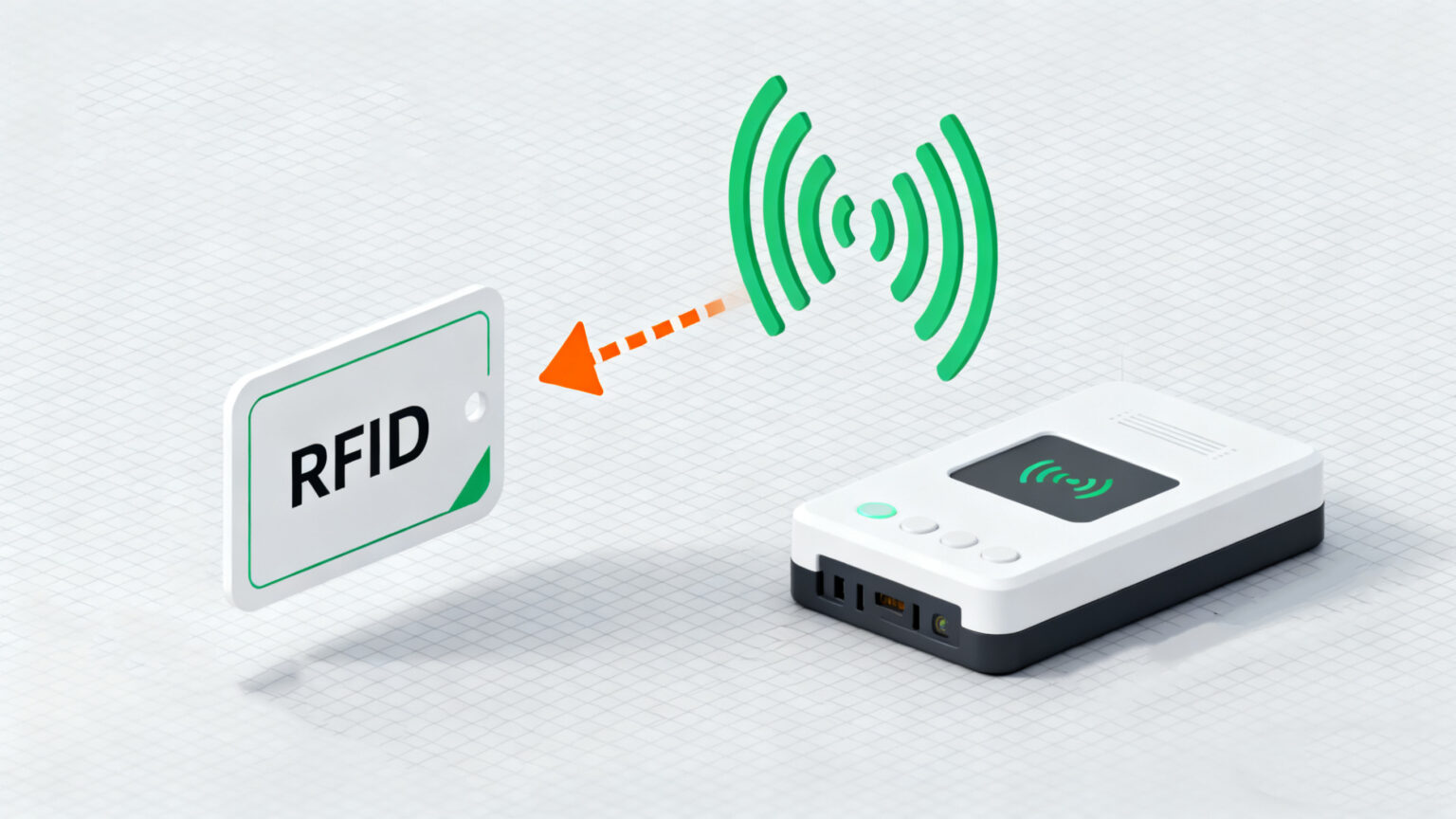
How to Identify an RFID Tag: A Practical Guide for Everyday Use Tech & Innovation
Oct 31, 2026 • visibility 14 • 20 min read

How to Identify an RFID Tag: A Practical Guide for Everyday Use

If you’ve ever held a plastic access card, a warehouse tag, or a library label and wondered “Is this an RFID tag, and what type is it?”, you’re not alone. RFID technology hides in plain sight — inside cards, stickers, and even tools — and it comes in several different types. Knowing how to identify your RFID tag can save hours of trial and error, especially if you’re troubleshooting or planning to integrate it into a new system.Step 1: Look for Clues on the Tag or CardSometimes the answer is right in front of you. Check the surface of the card or packaging — you might find a small print like “13.56 MHz”, “125 kHz”, or “UHF”. These numbers tell you the operating frequency:125 kHz (LF) – often used for access control or animal tracking13.56 MHz (HF/NFC) – found in transport cards, ID cards, and smartphones860–960 MHz (UHF) – used in logistics, inventory, or vehicle managementIf nothing is printed, don’t worry — there are other ways to figure it out.Step 2: Try Reading It With Your PhoneMost smartphones come with an NFC function, which can read HF (13.56 MHz) RFID tags. Simply turn on NFC and use an app like “NFC Tools” to scan your tag.If your phone detects it and shows information such as a chip ID or type, you’re dealing with an HF/NFC tag.If it doesn’t respond at all, your tag is probably LF or UHF, which phones can’t detect.It’s a quick and easy test — no special equipment needed.Step 3: Use a Professional RFID ReaderIf you want to know for sure, a multi-frequency RFID reader is the way to go. These devices can detect the tag’s frequency, protocol, and even specific chip details. Many technicians use them when matching tags to readers in warehouse systems or testing access control cards.Professional readers can instantly tell you whether a tag runs on LF, HF, or UHF, and which communication standard it follows — like ISO14443, ISO15693, or EPC Gen2. That’s the most reliable way to identify an RFID tag, hands down.Step 4: Observe the Shape and MaterialSometimes the design gives it away:Paper or sticker labels are usually UHF (used in logistics, inventory, shipping).Thin PVC cards are often HF (used in ID and access systems).Key fobs or round tags tend to be LF.Hard plastic or metal tags are built for UHF, especially in industrial environments.If you notice the tag struggles to work near metal, that’s another sign it might be a UHF tag — high frequencies don’t like metal surfaces unless the tag is specially designed for it.Step 5: Common Issues When Identifying TagsIf your reader or phone can’t detect the tag:The frequency may not match your reader.The antenna or chip might be damaged.Metal or water nearby could be interfering with the signal.Try testing the tag in an open area or with a different reader to rule out these issues.How to find RFID tag number?The RFID tag number is usually stored inside the chip, so you won’t always see it printed on the surface. The easiest way to find it is by scanning the tag with a compatible RFID reader. Once the reader detects the tag, it will display the unique ID (often called UID, EPC, or serial number).In many systems—like warehouse inventory or asset tracking—that number is automatically linked to a database record. So what you actually see in software might be a product name or asset ID, but behind the scenes the RFID tag number is what the reader captured.How to check RFID card frequency?There are a couple of quick ways to check an RFID card’s frequency.First, look at the card itself. Some manufacturers print clues such as 125 kHz or 13.56 MHz directly on the card. If nothing is printed, try scanning it with an NFC-enabled smartphone. Phones can read 13.56 MHz (HF/NFC) cards, so if the phone detects it, that’s likely the frequency.If the card doesn’t respond at all, it might be LF (125 kHz) or UHF, which requires a dedicated RFID reader to confirm.Related Read:How to Check RFID Card FrequencyHow to identify RFID card type?Identifying an RFID card type usually involves looking at a few different hints rather than relying on one single test.Start with how the card is used. Office access cards and transport cards are commonly HF (13.56 MHz). Older building access systems often use LF 125 kHz cards. If the card is attached to inventory labels or shipping boxes, it’s probably UHF.For a definitive answer, scanning the card with a reader that supports multiple frequencies is the most reliable method.How to know RFID card frequency?If you’re unsure about the frequency of an RFID card, try a quick process of elimination.Use an NFC-enabled phone first. If the phone reads the card, it’s almost certainly 13.56 MHz HF. If nothing happens, the card may operate at 125 kHz or possibly UHF.Another trick technicians use is testing with different readers. When a card suddenly responds to a specific reader type, that immediately reveals the frequency it uses.How to check RFID tag number?To check an RFID tag number, you need a reader that supports the tag’s frequency. Once the tag enters the reader’s range, the device captures its unique identifier and displays it in the reader software or mobile app.Depending on the system, the number might appear as:UID (Unique Identifier)EPC codeSerial numberIf you’re working with inventory systems, the EPC is the value most commonly used for tracking items in databases.Understanding RF Identification Tag and How It WorksAn RF identification tag is a small electronic device that stores identification data and communicates wirelessly with an RFID reader through radio frequency signals. Unlike traditional barcodes, an RF identification tag does not require direct scanning or a visible line of sight, making it widely used for automatic identification and tracking applications.Depending on the working frequency and application requirements, RF identification tags can be divided into LF, HF, and UHF types. LF tags are commonly used for access control and animal tracking, HF tags are often found in smart cards, NFC applications, and library systems, while UHF RF identification tags are widely used in logistics, warehouse inventory, retail, and industrial asset management because they provide longer reading distances and faster multi-tag identification.When selecting an RF identification tag for a project, frequency compatibility is only the first step. Businesses also need to consider factors such as reading distance, tag material, operating environment, and whether the tag will be attached to metal, plastic, or other surfaces. For example, standard RFID labels may perform well on cardboard packaging but require specially designed anti-metal tags when applied to equipment, tools, or steel containers.In real-world RFID deployments, choosing the right RF identification tag can directly affect system reliability. A properly matched tag and reader combination helps improve inventory accuracy, reduce manual scanning work, and create a smoother automated tracking process for warehouses, manufacturing facilities, libraries, and retail operations.Final ThoughtsIdentifying RFID tag isn’t just about frequency numbers — it’s about understanding context. Where the tag is used, what material it’s made of, and how it behaves around metal or water can all tell you something.For quick checks, a smartphone works great. For full certainty, a professional reader is worth having — especially if you’re working with mixed-frequency systems. Once you know what kind of RFID tag you have, setting up readers or troubleshooting connectivity becomes much easier.Related ArticleOnce you understand the basic differences between RFID tags, you may want to test whether your smartphone can recognize them. Our guide on how to test RFID tags with your smartphone without a scanner explains the practical steps.Learn how to add an RFID module to Proteus, configure the required library files, and set up the simulation environment for RFID projects. This practical tutorial helps students, developers, and electronics engineers understand how to simulate RFID module connections and test basic RFID functions before moving to real hardware development.what is an rfid tagIf you’re just getting into RFID, the first thing people usually ask is simple: what is RFID tag? For deeper technical explanation of What Is RFID Tag?, see this related guide:RFID Basics: What Is an RFID Tag?how to check rfid card frequencyIf you’ve ever tried replacing an RFID card or matching it with a new reader, you’ve probably run into the same problem most people do: you don’t actually know what frequency the card uses.At first glance, RFID cards all look almost identical. But inside, they can work on completely different frequencies, and that matters more than most people realize. A card that works perfectly with one system may do absolutely nothing on another reader simply because the frequencies don’t match.The good news is that checking an RFID card frequency usually isn’t difficult. In many cases, you can figure it out in just a few minutes using a phone, a reader, or even the card itself.For deeper technical explanation of how to check rfid card frequency?, see this related guide:how to check rfid card frequencyhow to check rfid tag is working or notTo check how to check rfid tag is working or not, use an RFID reader to scan the tag and verify if it returns a valid ID consistently within expected read range and speed.That’s the direct answer. But in real deployments, a “working” tag is not just readable—it must be stable, repeatable, and resistant to interference.I’ve tested batches where 100% of tags responded… but only 82% were usable in production. The difference? Environment, orientation, and signal noise.Related Read:how to check rfid tag is working or notHow to Detect RFID TagsA surprisingly common question people ask is:“How do I know if there’s an RFID tag inside this card, sticker, or device?”Maybe you’ve found an old access card and want to know whether it still contains a working RFID chip. Maybe you’re trying to identify a warehouse label. Or maybe you’re simply curious whether an item contains RFID technology at all.The tricky part is that RFID tags are often hidden.Related Read:How to Detect RFID Tagsrfid tag typesTypes of RFID tags mainly include passive, active, and semi-passive tags, each designed for different ranges, power needs, and tracking scenarios in real-time identification systems.Related Read:types of rfid tags: What They Are and How They DifferA tag reads perfectly on cardboard, plastic, or wood. Then someone sticks the same tag onto a metal toolbox, steel container, server rack, or machine housing—and suddenly the read distance drops dramatically, or the tag disappears completely.Related Read:RFID Anti Metal Tags,Why Ordinary RFID Labels Stop Working on MetalHow Do You Actually Find the Number Stored Inside an RFID Card?Identifying an RFID tag is only the first step. After knowing the tag type, many users need to check the exact card identifier for testing, programming, or system integration.If you already know your RFID card type but need to find its UID or card number, our latest guide explains the practical methods:How to Check RFID Card Number: A Practical Guide for RFID Buyers and System IntegratorsIt covers smartphone testing, RFID reader methods, and important points for bulk RFID card purchasing.What Does an RFID Tag Look Like?Before selecting RFID tags for your project, it is helpful to understand their physical appearance and different designs. Our latest guide explains what RFID tags look like and how different industries choose the right RFID tag type.how to check whether your sticker or decal contains RFID?Many users can identify an RFID tag after seeing the chip structure, but when RFID technology is hidden inside a printed sticker or decal, the identification process becomes slightly different. If you are checking RFID stickers, RFID decals, or customized labels, our guide on how to know if your decal has RFID provides practical testing methods.

Discover How Bathroom Remodel Fayetteville AR Can Transform Your Space Home & Gardening
Oct 31, 2026 • visibility 15 • 13 min read

Discover How Bathroom Remodel Fayetteville AR Can Transform Your Space

Investing in a bathroom renovation can positively impact the everyday routines of household members and boost the appearance and functionality of your home. A bathroom remodel Fayetteville AR project can create a modern and beautiful space suited to your preferences and needs. Homeowners are increasingly searching for home renovations that match their lifestyles, enhance their conveniences, and provide a return on their investment. Even a small bathroom can become an appealing part of the house with the right materials and professional help.Understanding Bathroom Remodeling in Fayetteville, ARFayetteville bathroom remodeling means upgrading different features to give the space a new appearance and make it more practical and comfortable. You can add more storage by installing bigger cabinets or replacing your fixtures with better, more water-efficient ones. Improving ventilation can help eliminate mold and musty odors from your bathroom.When remodeling your bathroom, you have the opportunity to create a space that meets the needs of your household. Some homeowners prefer to incorporate classic elements into their bathrooms, while others prefer more modern, contemporary styles.Practical improvements can increase the convenience and ease of use of your bathroom, and also lower your water and maintenance costs.Key Benefits of Bathroom RemodelingBathroom remodeling can positively impact the look and functionality of your home. With a good renovation, you can increase the value of your home and boost your quality of life. A successful project meets the needs of all household members.1. Improved Comfort and FunctionalityImprove function and comfort by updating storage and modifying the layout of the bathroom to better suit your needs. Adding features such as walk-in showers or baths, or vanities can make daily tasks easier and less of a hassle.2. Enhanced Visual AppealRenovations can improve the appearance of your bathroom by updating colors and adding new fixtures and tiles. Careful consideration of the design and use of complementary materials can create an aesthetically pleasing bathroom.3. Better Storage SolutionsStorage solutions can eliminate clutter to help make your bathroom feel more comfortable.4. Potential Increase in Property AppealRenovating your bathroom can improve the overall appearance of your home and make it more marketable to potential buyers. While there is no guarantee that you will get your money back when you sell your home, an improvement to your home’s appearance and function may help your home sell for a better price.Important Factors to Consider Before RenovatingThere are a few key things to keep in mind before starting a bathroom renovation: your budget, the state of existing features, and your personal priorities.Think about these ideas:Tile flooringPaint resistant to moisture for wall coveringBetter fixtures for convenienceDurable and great-looking countertopsLighting for a more usable spaceMaking the Most of Available SpaceOf course, not all bathrooms are the same. Making the most of your space means being able to use items such as floating vanities, mirrors, and glass shower enclosures in small spaces, while large bathrooms may support a separate shower stall or larger vanities.It’s important to have a design professional help you with your planning to make sure your design choices work for you and help you plan for comfortable movement and the basics of everyday use.Exploring Fayetteville Remodeling IdeasWhile a home is being remodeled in Fayetteville, homeowners have the opportunity to update other areas of the home and maintain interior design flow and unity. Sometimes making improvements to other areas of the home can motivate you to do the same for your bath.Many of today’s most prominent bathroom design features are neutral colors, textured materials, and contemporary lighting. Other design features such as frameless shower doors and vanities can contribute to a unified, fresh, and sleek design.How to Plan Your Bathroom Renovation SuccessfullyA design feature that has grown in popularity is integrating energy and water efficiency into the design. Other helpful design features can integrate convenience and improve the health of the bathroom, such as adequate ventilation and lighting.The following is the process you can follow:Determine What You Need: Think about whether you need more storage, better accessibility, updated fixtures, or a complete redesign of your bathroom.Determine Your Budget: Decide what you can afford by taking into account the cost of materials and labor, the fixtures you want, and a cushion for the unexpected.Look into Designs: Think about color choices, floor and countertop choices, and the style of shower you like.Look into Past Work: Look into how they communicated with past clients and what feedback was given, as well as review their previous projects.Check on Details: Review the details of what is being installed to understand potential issues.This process will help you gain control over the bath remodeling process and give you peace of mind.Why Professional Expertise MattersFrom selecting the right fixtures and plumbing to doing electrical work, preparing different surfaces, and waterproofing, there are many tasks involved in a bathroom renovation. Poor work can lead to leaks, finishes being ruined, and moisture damage.If you don't have the right experience, it can be very challenging to select the right materials. Experience can also help you realize and address issues you weren't expecting. The right experience can also allow you to imagine designs you may not have thought of.When you look for Fayetteville AR remodeling services, you want a company that communicates well and explains what will be included in the scope of the work, the materials used, and the means by which they will be installed. A good partner will help you define your needs and suggest feasible options to solve the issues you have with your home.Frequently Asked Questions (FAQs)How much does a bathroom remodel cost in Fayetteville, AR? Cost depends on various factors such as the size of the bathroom, the materials and fixtures being used, the complexity of the job, and, of course, labor. To get a better estimate, contact a professional.How long does a bathroom remodeling project take?The length of time a remodel takes is dependent on the extent of the renovation, how quickly materials are available, and the lead times for installation. Simple renovations may only take a few days, while more complex projects can take a few weeks.What are the latest bathroom remodeling trends in Fayetteville, AR?Neutral color palettes are always in style. Current trends include water-wise fixtures, better lighting, and design elements, as well as tile work and vanities that give a modern feel to the bathroom.Why should I hire professional bathroom remodeling services?Professionals can not only help with the planning and design aspect of the renovation, but also with the selection of materials and fixtures. They can assist with plumbing and waterproofing and can help ensure a smooth, less stressful renovation.ConclusionRenovating your bathroom can improve both the look and the function of this important space in your home. Updating materials and using modern layouts gives you many options to customize a bathroom to suit your needs.If you need bathroom remodeling services in Fayetteville AR, Bath Masters NWA is a good place to start to get some ideas about bathroom improvements. Take the time to evaluate your real needs, share your ideas with remodeling professionals, and choose the options that are most suitable for your home. Adequate planning and the right professionals can help you change the look of your bathroom to make it more attractive and functional.

Bath Masters NWA
Read arrow_forward
article
Finance & Wealth
Oct 31, 2026 • visibility 16 • 2 min read

How Professional Investment Advisors Help NRIs Navigate the US Stock Market

Investing in the US stock market offers NRIs opportunities to diversify their portfolios and participate in global wealth creation. However, understanding market trends, investment risks, taxation, and regulatory requirements can be challenging without proper guidance.Professional investment advisors help NRIs make informed decisions by understanding their financial goals, risk tolerance, and investment preferences. They provide insights into US stocks, ETFs, portfolio diversification, and investment strategies while helping investors monitor market developments.Hum Fauji Initiatives, through One World Advisory Services (OWAS), offers dedicated guidance for investors exploring US market opportunities. With a structured advisory approach, NRIs can better understand international investments and make informed decisions aligned with their long-term financial objectives. 

Hum Fauji Initiatives
Read arrow_forward
How Are Applied Tariff Rates Influencing Trade and Economic Development in Seychelles? Finance & Wealth
Oct 31, 2026 • visibility 13 • 4 min read

How Are Applied Tariff Rates Influencing Trade and Economic Development in Seychelles?

The Seychelles applied simple mean tariff rate across all products is an important international trade indicator that measures the average import tariff imposed on products entering a country. In Seychelles, this indicator provides insights into trade policy, import costs, market accessibility, and the country's participation in international commerce.As a small island economy, Seychelles depends significantly on international trade to obtain food products, machinery, construction materials, fuel, vehicles, and manufactured goods. Imports play an essential role in supporting households, businesses, infrastructure development, and tourism-related activities.Tariffs are customs duties imposed on imported products. They can influence domestic prices, protect selected industries, generate government revenue, and affect the competitiveness of imported goods. The simple mean tariff rate calculates an average across product categories without weighting each product according to its import value.This distinction is important because the simple mean does not necessarily represent the actual average tariff paid on all imports. Products with low import volumes can influence the indicator just as much as products with high import volumes.Seychelles' trade policy must balance domestic economic priorities with the need to maintain affordable access to imported goods. High tariffs on essential products may increase costs for households and businesses, while lower tariffs can improve access to international markets and imported inputs.Tourism is an important part of the Seychelles economy, and businesses in this sector depend on imported food, equipment, construction materials, and consumer products. Import duties can therefore influence operating expenses and the overall cost of tourism services.The indicator is useful for policymakers, trade researchers, investors, and international organizations. It supports comparisons of trade policy across countries and helps evaluate changes in import taxation.Trade facilitation, efficient customs administration, regional cooperation, and transparent tariff structures can improve international commerce. Seychelles can also strengthen economic resilience by developing selected domestic industries while maintaining reliable international supply chains.Understanding applied tariff rates is essential for assessing trade competitiveness and import policy. Looking ahead, balanced trade regulations can support business development, consumer access, and sustainable economic growth in Seychelles.

Ratnakar Jondhale
Read arrow_forward