

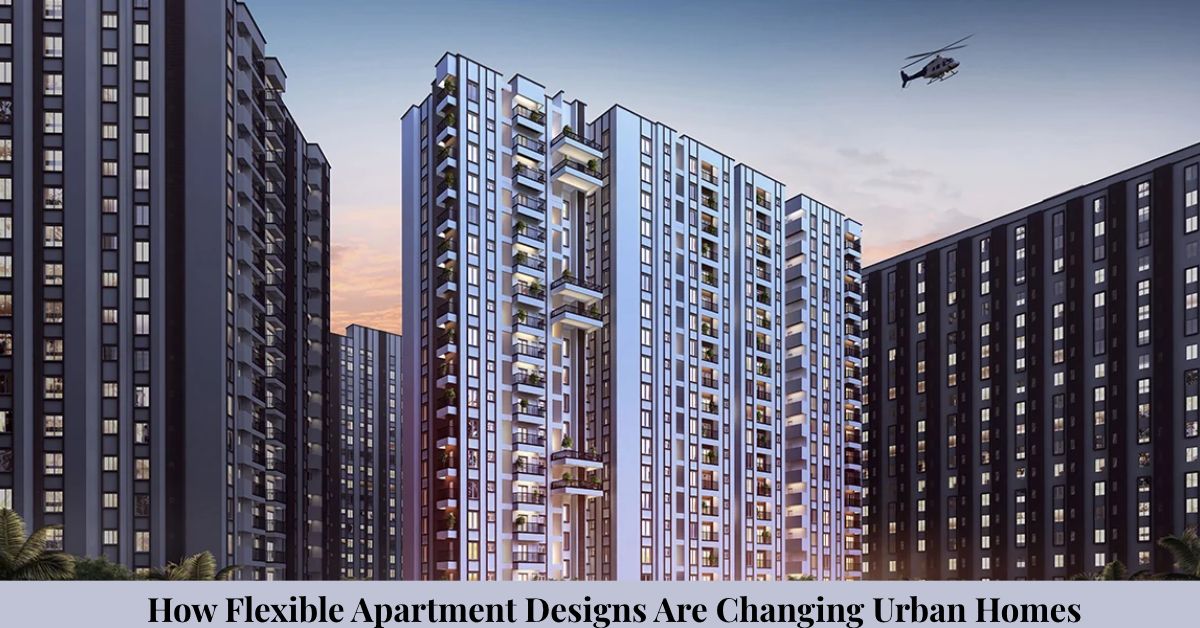
How Flexible Apartment Designs Are Changing Urban Homes

Modern lifestyles are constantly evolving, and residential spaces are adapting to meet changing household needs. Today's homebuyers look for apartments that offer more than fixed layouts and traditional room arrangements. They prefer spaces that can support working, relaxing, entertaining, and spending time with family. This growing preference has encouraged developers to introduce flexible designs that make better use of available space. People exploring a Studio Apartment for Sale in Chennai ↗ are also showing interest in practical layouts that combine functionality, comfort, and contemporary living. Flexible apartment designs are gradually changing how people experience urban homes.
1. Multi-Functional Spaces for Changing NeedsOne of the biggest advantages of flexible apartment design is the ability to use a single space for multiple purposes. A living room can function as a relaxation area during the evening and a temporary workspace during the day. Foldable furniture, movable partitions, and convertible tables make it easier to adjust room arrangements according to different activities. These solutions are particularly useful for people living in compact apartments. Instead of dedicating separate rooms to every activity, residents can create practical arrangements that suit their daily routines. Multi-functional spaces also help reduce unnecessary furniture and maintain an organised home environment.
2. Smart Storage Solutions for Better Space UtilisationStorage is an important consideration in modern apartment planning. Poorly organised belongings can make even a spacious home feel crowded. Flexible interiors address this challenge through built-in wardrobes, under-bed storage, wall-mounted shelves, modular cabinets, and concealed compartments. These features help residents use available areas more effectively without affecting the overall appearance of their homes. Vertical storage is another useful approach, especially in smaller rooms where floor space is limited. Well-planned storage solutions make everyday items easier to access while keeping living areas neat. Combining attractive designs with practical storage helps create comfortable interiors that support organised urban living.
3. Adaptable Layouts for Work and Personal LifeThe growing popularity of remote and hybrid working has changed the way people use their homes. Many residents now need dedicated spaces for professional activities alongside areas for relaxation and family time. Flexible apartment layouts make this possible through study corners, compact workstations, sliding partitions, and adaptable spare rooms. A small section of the bedroom or living area can become a functional workspace without requiring major structural changes. Good lighting, comfortable seating, and convenient electrical connections further improve these arrangements. Such adaptable spaces allow residents to maintain a better balance between professional responsibilities and personal activities.4. Natural Light, Ventilation, and Open InteriorsA flexible apartment should also provide a pleasant and healthy indoor environment. Open layouts, well-positioned windows, and thoughtfully planned balconies can improve natural lighting and ventilation. These elements make rooms feel more spacious while creating a connection between indoor and outdoor spaces. Sliding doors and lightweight partitions offer additional flexibility by allowing residents to open or separate areas when required. Choosing suitable colours, reflective surfaces, and minimal furniture can also improve the visual spaciousness of an apartment. When these design elements work together, even compact residential spaces can feel bright, welcoming, and comfortable throughout the day.
5. Location and Community Features That Complement Modern LivingApartment design is only one part of a comfortable residential experience. The surrounding location, connectivity, and shared facilities also influence how residents use their homes. Access to workplaces, educational institutions, healthcare centres, shopping destinations, and public transport can make everyday routines easier. Recreational spaces, landscaped areas, fitness facilities, and children's play zones can further improve community living. Buyers exploring Apartments in Thirumazhisai ↗ can consider how residential layouts, neighbourhood development, and nearby facilities align with their long-term requirements. Evaluating both the apartment design and its surroundings helps buyers make more informed property decisions.
ConclusionFlexible apartment designs are transforming urban homes by making residential spaces more adaptable, organised, and functional. Multi-purpose rooms, smart storage, adaptable workspaces, natural lighting, and thoughtfully planned interiors help residents make better use of their available space. These features are especially valuable as household requirements and working habits continue to change. When selecting an apartment, buyers should consider how effectively its layout can support their present lifestyle and future needs. Well-designed flexible spaces offer a practical approach to modern urban living while maintaining comfort, convenience, and visual appeal.