Articles

Articles & Insights

Discover, learn, and grow with stories from our ecosystem members.

search
article
Lifestyle & Culture
Nov 24, 2026 • visibility 14 • 12 min read

Chemical Equipment for Demanding Industrial Processes

Introductionchemical equipment forms the operational backbone of industries that transform raw materials into useful products. From pharmaceutical plants and fertilizer facilities to food processing and wastewater treatment, reliable equipment is essential for maintaining productivity, protecting personnel, and meeting strict environmental and quality requirements. Selecting a suitable system requires more than comparing purchase prices. Engineers must evaluate process conditions, material compatibility, pressure and temperature limits, maintenance requirements, and applicable safety codes.Modern plants operate continuously, often with highly corrosive or hazardous substances. A minor material defect, improperly specified gasket, or inadequate pressure relief system can lead to contamination, unplanned shutdowns, and serious safety risks. This article explains the principal considerations for specifying chemical equipment and highlights practical application examples involving concentrated alkalis, heated solvents, and high-pressure transfer systems.Equipment Selection and Material PerformanceMatching Equipment to Process ConditionsThe first step in equipment selection is defining the complete operating envelope. This includes working pressure, design pressure, operating temperature, fluid composition, concentration, viscosity, and expected pressure or temperature fluctuations. It is also important to identify whether the equipment handles liquids, gases, solids, or multiphase mixtures. For example, a mixing vessel for a dilute aqueous solution may not need the same agitation system as a reactor processing a viscous, gas-involving reaction.Design conditions should include reasonable future expansion. If a tank may later handle a higher-density product, its bottom plates, support structure, and nozzle ratings should be verified for the increased static load. Likewise, corrosion allowance should reflect long-term exposure rather than only the initial installation period.Typical technical parameters for chemical storage vessels include:These values are not universal. Final ratings depend on the governing standard, fabrication method, joining process, and regulatory requirements.Choosing Corrosion-Resistant MaterialsMaterial selection is one of the most important engineering decisions in chemical equipment. Stainless steel grades such as 304L and 316L are widely used because of their mechanical strength and resistance to many chemical environments. Grade 316L, for example, contains molybdenum and generally provides better performance in chloride-bearing solutions than 304L. Duplex stainless steels offer higher strength and resistance to chloride stress-corrosion cracking in demanding systems.Non-metallic options include PTFE, PVDF, HDPE, and fiberglass-reinforced linings. These materials can provide excellent chemical resistance but may have restrictions on temperature, pressure, abrasion, and mechanical impact. Carbon steel with an internal lining may be economical for certain non-corrosive products, but weld seams and nozzles must also be protected.An application case illustrates why detailed analysis matters. A storage tank handling 50% sodium hydroxide at 80°C should be evaluated for hot concentrated alkali conditions. A suitably designed carbon-steel tank with a corrosion-resistant lining may be appropriate in some applications, while 316L may be preferred where contamination limits or cleaning requirements are stringent. The final material specification should be confirmed through compatibility data and, when necessary, corrosion testing under actual concentration and temperature conditions.Process Equipment Design and ReliabilityReactors, Heat Exchangers, and MixersReactors must accommodate more than the intended reaction. Their design may need to account for rapid heat release, foaming, gas hold-up, mixing torque, and emergency venting. Jacketed reactors can improve temperature control, while internal coils may provide greater heat-transfer area. High-circulation designs are often preferable when reactions are sensitive to local temperature differences.Heat exchangers should be selected according to the required heat duty, temperature approach, allowable pressure drop, and fouling characteristics. Plate heat exchangers are compact and efficient for clean liquids, whereas shell-and-tube units offer greater capacity and easier mechanical cleaning in demanding service. For a pharmaceutical solvent-conditioning system, a stainless-steel plate exchanger might transfer approximately 200 kW with a primary flow rate of 15 m³/h. Thermal design should still verify the hot and cold stream properties, condensation behavior, and allowable approach temperature.Agitator selection also depends on the process. Low-shear impellers preserve sensitive biological cultures, while anchor or paddle types move high-viscosity products. High-speed dispersers break solids or create emulsions but require greater motor power and careful solids management. Gearbox, shaft, and mechanical seal materials should be checked for chemical exposure, temperature, and vibration.Pressure Equipment and Transfer SystemsPressurized vessels and piping require controlled design, competent fabrication, documented testing, and reliable safety accessories. Common equipment includes filter housings, autoclaves, accumulators, heat-transfer lines, and packaged process skids. Vessels should have correctly rated relief devices, rupture discs where appropriate, level indicators, drains, and inspection openings.One application example is transferring a reactive solvent at 6 bar operating pressure and 90°C. A stainless-steel transfer line might use schedule 80 pipe, 316L butt-weld fittings, a rupture disc combined with a pressure-relief valve, and a double block-and-bleed arrangement. Wall thickness and flange ratings should be calculated from design pressure, temperature, corrosion allowance, code requirements, and stress at pipe discontinuities. Components with different pressure ratings must never be installed simply because they fit physically.For hazardous service, minimizing dead legs and reducing the number of threaded connections can improve cleanability and lower leak risk. Hermetically sealed pumps, remote-operated valves, and continuous leak monitoring may be justified where operator exposure or product loss is significant.Installation, Maintenance, and Lifecycle ValueInspection and Preventive MaintenanceEquipment performance depends heavily on installation and operating discipline. Before startup, the manufacturer’s procedure should be followed for hydrostatic testing, flushing, alignment, insulation, electrical checks, and calibration. Pressure vessels and welds should be documented, while relief devices require correct orientation and unobstructed discharge paths.Routine inspection should focus on corrosion, cracking, deformation, gasket deterioration, insulation damage, and evidence of leakage. In corrosive environments, wall-thickness measurements can establish corrosion rates and support timely replacement decisions. Heat exchangers should be inspected for fouling, tube erosion, and plate or gasket condition. Mechanical seals should be monitored through vibration, temperature, and maintenance records.A condition-based maintenance program can reduce unplanned downtime. Operators should record operating pressure, temperature, motor current, and any abnormal noise or vibration. Comparing these readings with the equipment baseline makes gradual deterioration easier to identify. Critical spare parts, such as seals, gaskets, valve seats, and sensors, should be stocked for long-lead systems.Evaluating Total Cost of OwnershipThe lowest initial price does not always produce the lowest lifecycle cost. A more expensive corrosion-resistant vessel may avoid frequent repairs, product loss, and extended shutdowns. Conversely, excessive material selection can add unnecessary cost. Life-cycle evaluation should include energy consumption, cleaning chemicals, maintenance labor, spare-part availability, changeover time, and expected service life.Modern chemical equipment increasingly incorporates automated controls, continuous monitoring, and data logging. These features can improve batch consistency and provide early warning of abnormal conditions. However, automation should complement sound mechanical design and operator training rather than compensate for an unsuitable process configuration.ConclusionEffective chemical equipment specification requires a disciplined balance between process performance, material compatibility, safety, and lifecycle economics. Whether the requirement involves a reactor, storage tank, heat exchanger, filter, or transfer skid, decisions should begin with accurate operating conditions and continue through code compliance, fabrication quality, commissioning, and maintenance. Lessons from applications such as handling 50% sodium hydroxide at 80°C or transferring a reactive solvent at 6 bar demonstrate how concentration, temperature, pressure, and containment requirements directly influence the design. By selecting appropriate materials and preserving equipment through disciplined inspection and preventive maintenance, industrial operators can improve reliability, reduce operating risk, and sustain efficient chemical production.

article
Nov 24, 2026 • visibility 15 • 1 min read

Document Collaboration Software: A Smarter Way to Create, Edit and Share Business Documents

Document Collaboration Software helps businesses create, edit, share, and manage documents through a centralised digital platform. It allows team members to work together, exchange feedback, and update files without repeatedly sharing different versions. Features like online editing, cloud storage, document sharing, and version management make collaboration easier and improve workflow efficiency. These tools are especially useful for remote and hybrid teams that need seamless access to business information. Sarv Workspace offers Docs, Sheets, Slides, and Drive, helping organisations simplify document management, improve team coordination, and handle everyday business collaboration through one connected workspace.

Sarv Workspace
Read arrow_forward
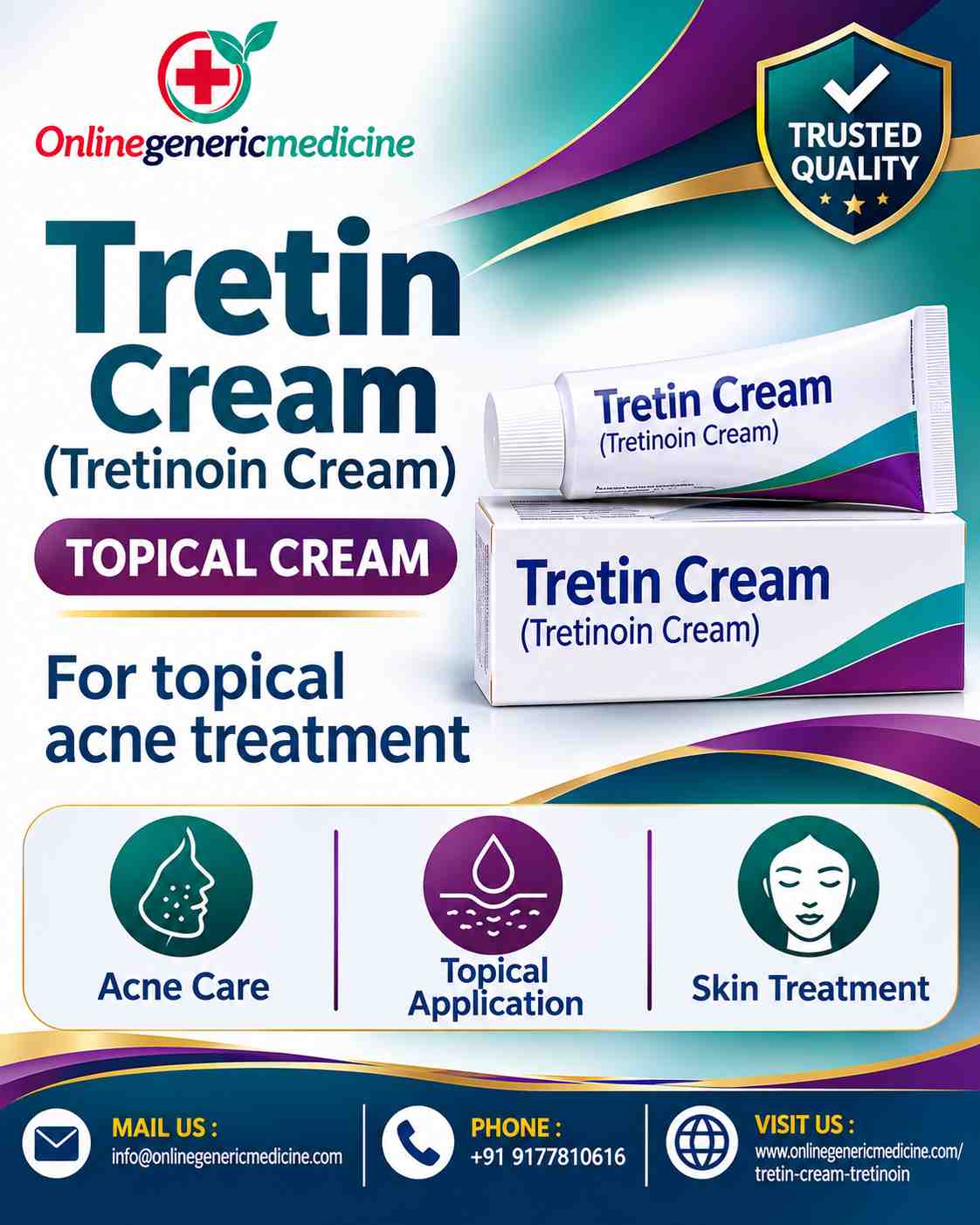
Tretin Cream (Tretinoin Cream): Uses, Benefits, How It Works, and Precautions Health & Wellness
Nov 24, 2026 • visibility 26 • 9 min read

Tretin Cream (Tretinoin Cream): Uses, Benefits, How It Works, and Precautions

Tretin Cream contains Tretinoin, a topical medicine derived from vitamin A. It belongs to a group of medicines called retinoids and is commonly used in skincare to manage acne and improve skin texture.Tretinoin works by increasing skin cell turnover, helping remove old skin cells and preventing dead cells from building up inside pores. This process can help reduce blocked pores, blackheads, whiteheads, and certain types of acne.In this blog, we will discuss Tretin Cream, its uses, how it works, application methods, possible side effects, and important precautions.What Is Tretin Cream?Tretin Cream is a topical formulation containing Tretinoin as its active ingredient. It is applied directly to the skin and is mainly used to manage acne-related skin concerns.Tretinoin helps skin cells renew more quickly. It supports the removal of dead skin cells and helps keep pores clear. With regular use, it may also improve uneven skin texture and the appearance of certain dark spots.The strength of Tretin Cream may vary depending on the product formulation.Uses of Tretin CreamTretin Cream is commonly used for the following skin conditions:Acne: Helps manage acne by preventing dead skin cells from blocking pores.Blackheads: Helps reduce the buildup of dead skin cells and oil inside pores.Whiteheads: Supports clearer pores by improving skin cell turnover.Uneven Skin Texture: Helps improve skin texture through regular skin cell renewal.Dark Spots: May help improve the appearance of certain dark marks left after acne.Sun-Damaged Skin: Certain tretinoin formulations may be used to improve the appearance of fine wrinkles and rough skin caused by sun exposure.How Does Tretin Cream Work?Tretin Cream works by increasing the rate of skin cell turnover. Normally, dead skin cells gradually move to the skin's surface and shed naturally. Sometimes, these cells mix with oil and block pores, which can contribute to acne.Tretinoin helps by:Encouraging the shedding of old skin cells.Preventing dead skin cells from accumulating inside pores.Reducing the formation of blackheads and whiteheads.Supporting the development of new skin cells.Improving skin texture over time.Visible changes may take several weeks. Consistent application according to the prescribed directions is important.How to Use Tretin CreamFollow the product instructions and the prescribed application schedule.Wash the affected skin gently with a mild cleanser.Allow the skin to dry completely before applying the cream.Apply a thin layer of Tretin Cream to the affected area.Avoid applying the cream near the eyes, lips, and inside the nose.Wash your hands after application.Use sunscreen during the day because tretinoin can increase sensitivity to sunlight.Avoid applying more cream than directed, as this may increase skin irritation.Possible Side Effects of Tretin CreamSome people may experience skin reactions, especially during the initial weeks of treatment.Common side effects:Skin drynessRednessPeeling or flakingMild burning or stingingSkin irritationIncreased sensitivity to sunlightSerious side effects:Severe redness, swelling, blistering, or intense skin irritation may occur in some cases. Stop using the cream and seek medical advice if these reactions develop.Precautions While Using Tretin CreamSun Exposure: Tretinoin can make the skin more sensitive to sunlight. Use sunscreen and limit prolonged sun exposure.Dry Skin: Use a suitable moisturiser to help manage dryness and peeling.Sensitive Skin: People with sensitive or eczema-prone skin may experience increased irritation.Broken Skin: Avoid applying the cream to cuts, wounds, sunburned skin, or irritated areas.Pregnancy: Topical tretinoin is generally avoided during pregnancy. Discuss its use with a healthcare professional.Eye Contact: Keep the cream away from the eyes, mouth, and other sensitive areas.Other Skincare Products: Avoid combining it with harsh exfoliants or irritating skincare products unless advised.Frequently Asked Questions (FAQs)1. What is Tretin Cream used for?Tretin Cream is mainly used to manage acne, blackheads, and whiteheads. It may also help improve uneven skin texture and certain acne-related dark spots.2. What is the active ingredient in Tretin Cream?The active ingredient in Tretin Cream is Tretinoin, a topical retinoid derived from vitamin A.3. How long does Tretin Cream take to show results?Visible improvement may take around 6 to 12 weeks, depending on the skin condition and individual response.4. Can Tretin Cream cause skin peeling?Yes. Skin peeling, dryness, and redness are common reactions, particularly during the initial weeks of use.5. Can Tretin Cream be used every day?The application schedule depends on the product strength and skin tolerance. Follow the prescribed directions rather than increasing the frequency yourself.6. Can I apply moisturiser after Tretin Cream?Yes. A suitable moisturiser can help manage dryness and irritation associated with tretinoin.7. Should I use sunscreen while applying Tretin Cream?Yes. Sunscreen is important because tretinoin can increase skin sensitivity to sunlight.8. Is Tretin Cream suitable for all skin types?Not necessarily. People with sensitive, dry, or irritation-prone skin may need special care when using tretinoin.ConclusionTretin Cream (Tretinoin Cream) is a topical retinoid commonly used to manage acne, blackheads, and whiteheads. It works by increasing skin cell turnover and helping prevent blocked pores. It may also improve skin texture and certain acne-related marks over time.Understanding the correct application method, possible side effects, and precautions can help people use this topical medicine appropriately.

Lachi jackmup
Read arrow_forward
Mobile Tire Replacement Service for Fleet and Trailer Vehicles Automotive & Vehicles
Nov 24, 2026 • visibility 6 • 17 min read

Mobile Tire Replacement Service for Fleet and Trailer Vehicles

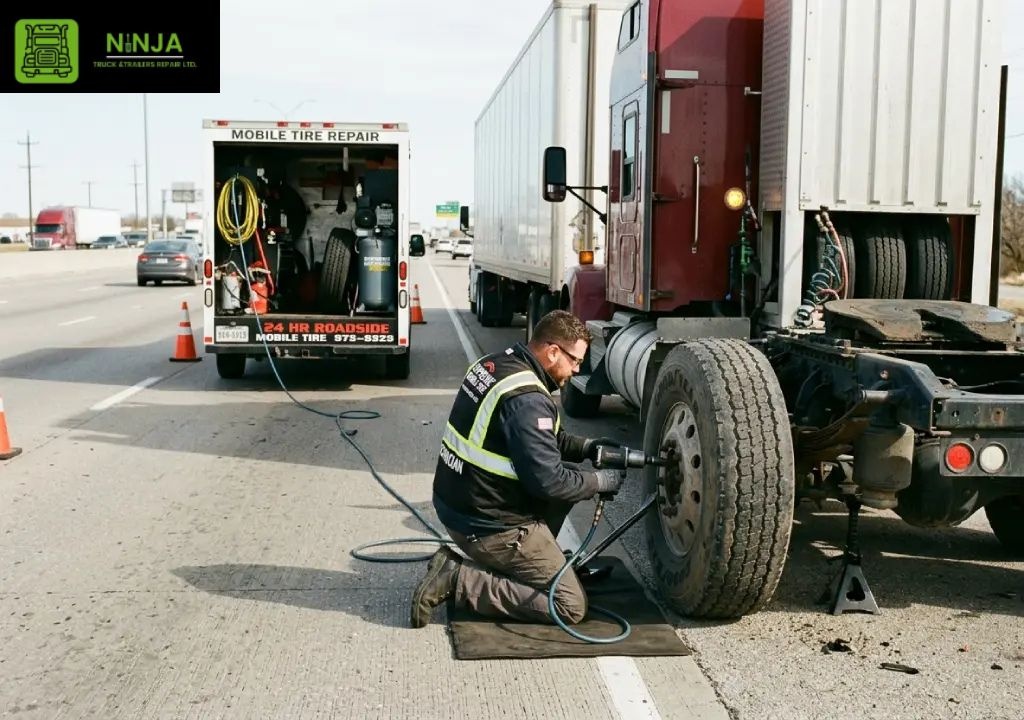
Poorly-maintained tires can cause issues for an entire commercial operation. An unplanned tire blowout for any truck driver, fleet manager, or trailer operator can lead to delivery delays, disrupt transportation routes, and present extra operating problems. A reliable mobile tire replacement service can be a convenient option since they can come to the car's location for tire replacement.Commercial trucks and trailers are required to perform at high demands. Factors such as heavy load, distance, changes in road surfaces, and frequent stops all cause tire wear. If a tire is unsafe or no longer suitable for further use, it is necessary to make suitable arrangements to replace the tire.If the situation and environment permit, fleet operators may want to consider on-site tire assistance rather than removing all vehicles to a traditional tire shop. This can simplify any vehicle maintenance and ease management of any issues that arise unannounced in a business. What Is a Mobile Tire Replacement Service?Mobile tire replacement service means transport of the needed tire replacement services to the commercial vehicle, instead of the commercial vehicle travelling to a fixed service location.Services can include (but are not limited to):Repair of commercial truck tires that have been damaged.Trailer tire replacementExamination of worn and/or unevenly damaged tires:Roadside tire failures (assistance provided)Inspection of tires for damage and pressure. Pressure and damage inspection of tires.Understand the issues related to valves and wheels.Before replacing tires, the condition of the tires should be assessed to determine if they require replacement.The procedure is usually to start by determining the vehicle and tire details. The technician then inspects the issue and decides if it's worth replacing.It's important for commercial operators to make the right tire selection. The replacement has to be the same in dimension, capacity, construction, and application. Using an improper tire can impact vehicle handling, performance of the load, and overall safety. Why Do Fleet and Trailer Vehicles Need Timely Tire Replacement?Commercial tires must handle considerable loads and are in use for long periods of time, which puts them under significant stress. While it may look fine from the outside, even a well-maintained tire could be due for replacement.There are a number of warning signs that should be given some consideration:Worn out tread: If the tread is worn down, it will reduce traction and can impact performance, especially in wet or poor weather conditions.Sidewall damage: Any cuts, bulges, exposed cords, or other damage to the sidewalls can make a tire unsafe to drive.Persistent air loss: If the air is lost repeatedly, there may be punctures, issues with the valves, or damage around the wheel sealing surface.Irregular wear patterns: If the treads have uneven wear, then it could be due to suspension, alignment, inflation, or mechanical issues.Structural tire failure: This type of failure must be addressed as soon as possible, and a suitable replacement must be made.Knowing when to replace an inappropriate tire equates to avoiding having to use a damaged tractor, allowing operators to avoid that situation. Also, it's essential to explore repetitive tire issues rather than address each occurrence as a one-off situation. How Does On-Site Tire Replacement Help Fleet Operators?Having tires assisted on site is easier to manage, especially if multiple commercial vehicles are using multiple locations.A delivery truck, for instance, might get damaged tires when it's parked at the distribution center, or a trailer might need a replacement at the fleet yard. Planning the actions at the vehicle's site can minimize travel.There are a number of practical benefits:Service coordination that is convenient and easy for fleet managers: Fleet managers can talk about the repair but not automatically arrange transportation to a tire facility.Less disruption to operations: Certain tires can be changed in a way that allows for vehicle availability.Support for trailer vehicles: Operators can solve trailer tire issues without having to consider the truck and trailer as one maintenance issue.Early evaluation – Damaged tires can be assessed so that the next step in the process can be determined.Improved maintenance planning: Maintenance records, including inspection and replacement logs, can be used to identify common tire issues.The actual suitability of a service for a particular vehicle, location, tyre specification, equipment requirement, and the availability of providers. When Should You Arrange a Mobile Tire Replacement Service?If a commercial tire is damaged and its safety to continue operation is uncertain, or if it is not possible to drive the vehicle to a repair facility, a mobile tire replacement service should be considered.When fleet managers see the signs of excessive tread wear, bulges, flat tires, frequent blowouts, or other serious issues, they should schedule an assessment.One good illustration is a semi-trailer that has a tire blowout at a loading dock. The operator should not assume that the tire is repairable and should evaluate the tire's condition and decide whether it needs to be replaced.Prior to calling a service provider, gather the following information:Details of trucks or trailers.Tire size and specific details (if applicable).Current vehicle location.Details of damage or failure.The condition of the car in parking. The condition of the parked vehicle.Number of tires requiring attention.The more information that is provided, the better the provider will be able to see the situation and decide if the necessary equipment to replace it may be found. Choosing the Right Tires for Trucks and TrailersWhen choosing a replacement tire, there are more factors to take into consideration than just physical size. All these are factors that the commercial operators should take into account when looking at the vehicle manufacturer specifications, axle position, load requirements, operating conditions, and tire application.For example, steering axles, drive axles, and trailer axles might have different tires. A tire, which is suitable for one position, does not necessarily qualify for another.Other factors fleet managers should take into account:Recommended inflation pressureLoad Index/Load Speed ratingThe construction of tires and compatibility. Tyres—construction and compatibility.The tread design and operating conditions are the most important.Fitability on existing tires on the axle.Manufacturer recommendationsProper installation and inflation are also crucial. The wheel and tire assembly should be checked appropriately after replacement prior to returning to operation. Roadking Truck Stop and Commercial Tire PlanningCommercial drivers frequently schedule their trips to oil change shops, parking areas, and gas stations. While a roadking truck stop may be a part of a driver's route plan, tire issues don't always happen close to a service stop.That is why it is important for fleet owners to have a plan of how to deal with unexpected damage to tires. The driver should be familiar with how to report a problem, locate his/her position, and know about safe stopping procedures.Records of tires replacement dates, tire condition, pressure problems, and frequent damage may also be helpful. These records can be useful for fleet managers to identify trends and make informed maintenance decisions. Commercial Truck and Trailer Repair Support in Chestermere and CalgaryMechanical and maintenance issues that arise in commercial trucks and trailers around Chestermere and Calgary should be addressed with practical solutions.The address of Ninja Mobile Truck & Trailer Repair in Chestermere, Calgary, is 130 Dawson Harbour Rise, Chestermere, AB T1X 1Z7, Canada.Commercial vehicles can contact the provider to speak about their commercial vehicle needs and clarify the issue on the tire or truck. Providing the vehicle's location, tire type, and visible damage information can help to determine the kind of support that may be needed.For fleet operators, a mobile repair contact can be an invaluable asset in planning for vehicles, especially when they are out of the comfort of a traditional workshop.Frequently Asked Questions1. When should a commercial truck tire be replaced?When replaced, a commercial tire should be replaced when it has a worn tread, when it has significant damage to the sidewalls, when it is structurally worn, or when it cannot be safely repaired. Observe the manufacturer's instructions and safety precautions. 2. Can truck and trailer tires be replaced at the vehicle's location?Yes, mobile tire change can happen at a fleet yard, job site, or roadside. This will depend on the availability of the tires, the vehicles used, site accessibility, and equipment requirements. 3. How do I know which replacement tire my truck needs?See tire size, load index, speed index, axle position, and vehicle manufacturer's specifications. A suitable replacement must meet the requirements of the particular vehicle and application. 4. What causes frequent tire replacement in commercial fleets?Excessive loading, incorrect loading, rough road conditions, alignment issues, suspension issues, incorrect tire selection, and delayed maintenance are common reasons. Knowing the root of the issue can help to minimize the likelihood of future problems. 5. Can a damaged commercial tire always be repaired?No. Some punctures are good for professional repair, but sidewall damage, separation, exposed cords, and some other defects can be cases where a tire cannot be repaired. A suitable inspection is required. Conclusion: Maintain Fleet Readiness With Convenient Tire AssistanceThe key to commercial fleet performance is keeping tires that are right for the vehicle, load, and conditions. Operators manage these risks and prevent disruptions through regular inspections, proper inflation, timely changes, and proper record keeping.If a commercial truck or trailer has a major tire issue, a mobile tire replacement service can be available for assistance, depending on the service and conditions, at the vehicle's location.Ninja Mobile Truck & Trailer Repair in Chestermere, Calgary, provides mobile commercial truck and trailer repair service to companies operating in Chestermere and Calgary. Call the business to discuss problems and service needs of the vehicle. When it comes to tires, taking the matter seriously and make the right assessment can help keep commercial vehicles in readiness for their day-to-day transportation duties. 

Ninja Truckrepair
Read arrow_forward
article
Lifestyle & Culture
Nov 24, 2026 • visibility 12 • 13 min read

Piston Rod Engineering for Reliable Hydraulic Cylinder Performance

A piston rod is a fundamental component of hydraulic cylinders, translating fluid pressure into controlled linear movement. Its dimensions, material, surface finish, and connection design directly affect cylinder efficiency, service life, and operating safety. Because the rod carries substantial axial loads while remaining exposed to contaminants, moisture, friction, and corrosion, manufacturers and end users must evaluate it as part of the complete cylinder system rather than as an isolated part.Modern hydraulic applications place increasingly demanding conditions on piston rods. Construction machinery operates in abrasive environments, marine equipment faces saltwater exposure, and industrial presses require repeatable accuracy over millions of working cycles. Selecting an appropriate rod therefore involves balancing load capacity, speed, stroke length, corrosion resistance, maintenance requirements, and overall cost. The following considerations explain how to specify a dependable piston rod for demanding equipment.Materials, Coatings, and Surface EngineeringCarbon steel and alloy steel remain common materials for piston rods because they offer high tensile strength, good fatigue resistance, and economical machining. For heavy-duty cylinders, quenched and tempered steel may provide improved strength and wear resistance. Stainless steel is frequently selected for food-processing, marine, pharmaceutical, and outdoor applications where moisture or aggressive chemicals could corrode a conventional rod.Material selection should be based on calculated operating conditions rather than appearance alone. Engineers must consider maximum compressive load, rod buckling risk, dynamic loading, side loads, and pressure fluctuations. A rod operating at a minimum safety factor against fatigue and yielding can reduce the likelihood of sudden failure. Diameter is especially important because bending stiffness increases sharply with section size; even a modest increase in diameter can improve resistance to buckling in a long-stroke cylinder.Surface treatment is another essential layer of protection. Hard chrome plating creates a hard, low-friction surface that resists wear and corrosion. The selected plating process should control coating thickness, adhesion, and surface roughness. For example, a corrosion-resistant rod intended for wet machinery may be specified with approximately 20–30 micrometers of hard chrome, while high-precision hydraulic cylinders often require a smoother surface to minimize seal drag and leakage.Alternative coatings can serve specialized environments. Powder coatings provide economical corrosion protection, while nickel-based coatings offer stronger chemical resistance. Thermal spray coatings, ceramic coatings, and specially hardened stainless steel surfaces may be justified where the cylinder operates at elevated temperatures or in highly corrosive conditions. Regardless of the finish, the rod should be inspected for pitting, coating cracks, peeling, and surface deformation.A practical application case involves a mobile hydraulic lift where the piston rod is repeatedly exposed to mud and water. In this setting, a hard-chrome-plated alloy steel rod with strengthened corrosion protection at the exposed end can improve service life compared with an untreated carbon steel component. The exact material and coating still require compatibility testing with the cylinder seals, oil, and operating temperature.Dimensional Accuracy and Mechanical DesignPiston Rod accuracy affects more than smooth movement. Small deviations in diameter, straightness, or concentricity can produce uneven forces across the cylinder piston and rod seals. A rod that runs out of alignment may accelerate seal wear, increase leakage, generate vibration, and create localized stresses at welds or threaded connections.Critical dimensional parameters include nominal diameter, overall length, straightness, runout, thread form, and end-connection dimensions. For hydraulic cylinders with large diameters, tolerance limits become increasingly important because of the forces carried by the rod. Common industrial standards such as ISO 6020 and ISO 6022 provide recognized dimensional and interchangeability requirements for mounting accessories, while ISO 6099 addresses parallel mounting dimensions. Engineers should also apply the applicable design and test standards for their specific region and equipment category.Threaded rod ends must be properly designed for the direction of the load. A hydraulic cylinder extending under pressure places the rod in compression, while retracting may place it in tension, depending on the valve arrangement and operating cycle. Fatigue from reversing loads can concentrate stress at thread roots and fillet transitions. Rolled threads generally offer smoother surfaces and better fatigue performance than conventionally cut threads.Weld quality is equally critical in fabricated rods. A full-penetration circumferential weld, for example, should be inspected to confirm fusion, profile, and absence of defects. Stress concentration at the weld can be reduced with a smooth transition and suitable post-weld treatment. Designers should avoid abrupt diameter changes and specify generous fillets where fatigue loading is expected.In a high-pressure hydraulic press, a rod may be exposed to an operating pressure of 250 bar. The resulting force equals pressure multiplied by piston area, so the piston diameter and rod diameter must be considered together to determine net extension force. The rod must also be checked for buckling during partial or fully extended positions. Applying an appropriate safety factor and accounting for end-mount eccentricity helps prevent lateral loading that could bend the rod or damage seals.Installation, Maintenance, and Failure PreventionCorrect installation helps preserve the performance engineered into a piston rod. Cylinder mounting should prevent side loading, and the piston rod should move without contact against the cylinder body or surrounding structure. Alignment tolerances depend on the mounting arrangement, but even a relatively small angular error can produce uneven loading. In mobile machinery, flexible cylinder mounts and properly configured spherical bearings or clevises can accommodate frame movement and reduce bending forces.Seal compatibility must also be verified. Hard chrome, stainless steel, and alternative coatings interact differently with polyurethane, nitrile, PTFE, and other elastomers. Seal friction can increase if the rod surface is too rough, while an excessively smooth or incorrectly sized seal can reduce fluid containment. Initial break-in procedures should follow the seal and lubricant manufacturer’s recommendations.Condition monitoring provides an effective way to identify developing problems. Operators should look for increased leakage, abnormal noise, jerking, rising motor current, elevated oil temperature, or visible rod scoring. Measuring rod straightness and checking seal wear during scheduled maintenance can reveal gradual misalignment before failure occurs. For cylinders operating continuously in dusty or corrosive environments, inspection intervals should be shortened based on operating hours and environmental severity.One application example is a stainless steel piston rod used in a marine winch cylinder exposed to constant saltwater spray. In addition to selecting a corrosion-resistant base material, the design should isolate threads and crevices where salt water can accumulate. Rinse procedures, compatible hydraulic fluid, and periodic coating inspections can extend component life. By contrast, a food-grade processing cylinder may prioritize a polished stainless rod, carefully controlled surface roughness, and seals approved for sanitary cleaning.Failure analysis should consider operating history rather than relying only on the visible break. Fracture surfaces can reveal fatigue, overload, hydrogen embrittlement, or material defects. Threaded ends frequently initiate fatigue cracks, while the central rod body may be more vulnerable to buckling. Detailed records of pressure, load, cycle count, fluid type, temperature, and maintenance practices allow engineers to identify the true cause and prevent recurrence.ConclusionA reliable Piston Rod results from disciplined engineering across material selection, dimensional control, surface protection, structural design, and maintenance. Specifying diameter and load capacity is only the beginning; corrosion resistance, seal compatibility, straightness, connection strength, and environmental protection determine long-term performance. By matching the rod to the cylinder’s pressure, duty cycle, stroke, and operating environment, manufacturers can reduce downtime, limit leakage, and improve equipment safety. For procurement decisions, requesting material certificates, coating specifications, dimensional reports, and relevant compliance details ensures that every piston rod meets both functional and commercial expectations.