Articles

Articles & Insights

Discover, learn, and grow with stories from our ecosystem members.

search
Annual Physical vs Preventive Visit: Which Appointment Helps You Stay Healthier Long-Term? Health & Wellness
Oct 27, 2026 • visibility 18 • 11 min read

Annual Physical vs Preventive Visit: Which Appointment Helps You Stay Healthier Long-Term?

Good health is not simply about feeling well today; it also involves taking steps to protect your future well-being. Regular medical appointments can help identify health risks, encourage healthier habits, and detect certain conditions before symptoms become noticeable. Understanding annual physical vs preventive visit can help you decide which type of appointment best supports your long-term health goals.Why Long-Term Health Starts With Routine CareMany health conditions develop gradually and may not cause obvious symptoms in their early stages. High blood pressure, elevated cholesterol, and certain metabolic conditions can go unnoticed without appropriate screening.Routine healthcare appointments give providers an opportunity to review your health history, assess risk factors, and recommend appropriate preventive measures. The services offered depend on your age, personal circumstances, and medical needs.Consistent care also helps establish a record of changes in your health over time, making it easier to discuss concerns and adjust your healthcare plan when necessary.How an Annual Physical Assesses Your Overall HealthAn annual physical generally provides a broad assessment of your physical health. Your provider may review medications, discuss lifestyle habits, measure vital signs, and perform an examination based on your circumstances.The appointment may help you address concerns such as unexplained fatigue, changes in weight, or questions about exercise and nutrition. If clinically appropriate, your provider may recommend laboratory testing or further evaluation.An annual physical can also be an opportunity to review existing medical conditions and discuss whether your current management plan remains suitable.However, not every person requires identical examinations or tests each year. Your provider should tailor recommendations to your medical history and individual risk factors.Preventive Screenings and Early DetectionPreventive care emphasizes identifying potential health problems and reducing the likelihood of future complications. Screenings may detect certain conditions before noticeable symptoms appear, allowing patients and healthcare professionals to consider appropriate next steps.Depending on individual needs, preventive services may include:Blood pressure assessment.Recommended cholesterol and diabetes screenings.Age-appropriate cancer screenings.Vaccinations based on current recommendations.Counseling about nutrition, physical activity, and tobacco use.Screening recommendations change according to age, family history, personal medical history, and other risk factors. Not every screening is necessary for every patient.When considering annual physical vs preventive visit, remember that preventive care is an ongoing approach to health maintenance rather than a single test or appointment.Comparing the Two Visits for Better Health PlanningAlthough annual physicals and preventive visits may overlap, their emphasis can differ.An annual physical generally focuses on an overall assessment of your physical health. A preventive visit places greater emphasis on health risks, recommended screenings, wellness guidance, and prevention planning.The terminology is not consistent across all healthcare settings. Some providers combine these services, while others offer distinct appointment types. Medicare annual wellness visits, for example, focus on prevention planning and are not equivalent to a traditional physical examination.To determine which appointment is appropriate, ask the healthcare office what the visit includes and explain your current health priorities.Building Healthy Habits Beyond Your AppointmentMedical appointments are most useful when their recommendations become part of your everyday routine. Small, consistent lifestyle changes can support general health and complement appropriate medical care.Consider these practical steps:Choose balanced meals: Include vegetables, fruits, whole grains, and suitable sources of protein.Stay physically active: Follow an exercise routine appropriate for your abilities and health status.Prioritize sleep: Maintain a consistent sleep schedule and discuss persistent sleep problems with a provider.Avoid tobacco: Seek support if you want to stop smoking or using other tobacco products.Follow recommended screenings: Keep track of tests and vaccinations advised for your individual circumstances.Your provider can help you set realistic goals and identify changes that may benefit your health.Choosing Care Based on Your Personal Risk FactorsThe right appointment depends on more than age alone. Family history, lifestyle, previous test results, medications, and existing medical conditions may influence your healthcare needs.For example, someone with a family history of diabetes may need a discussion about appropriate screening. Another person may need help reviewing blood pressure management or understanding recommended cancer screenings.If you have new or persistent symptoms, explain them when scheduling. A preventive visit may not provide sufficient time for a detailed evaluation of a specific medical problem, so a separate appointment could be appropriate.The annual physical vs preventive visit decision should reflect your actual healthcare needs rather than a one-size-fits-all schedule.Making Preventive Healthcare a Consistent PriorityA single appointment cannot address every future health concern. Long-term wellness depends on maintaining communication with your healthcare provider, following appropriate recommendations, and reviewing your health needs as circumstances change.Keep a record of medications, important medical history, previous test results, and questions that arise between appointments. This information can make future consultations more productive.You should also review your insurance benefits before scheduling because preventive services, physical examinations, and diagnostic evaluations may be covered differently.By understanding the purpose of each appointment, you can make more informed decisions and develop a healthcare routine that fits your needs.ConclusionUnderstanding annual physical vs preventive visit can help you take a more active role in protecting your long-term health. Annual physicals provide an opportunity to assess general physical well-being, while preventive visits emphasize screening, risk assessment, and strategies for reducing future health risks. Because services can overlap, confirm what your appointment includes and discuss your personal health priorities with your provider. Consistent, individualized healthcare can help you make informed decisions and maintain healthier habits over time.Frequently Asked Questions1. Can preventive visits help identify health problems before symptoms appear?Yes. Appropriate screening tests can detect certain conditions before symptoms develop. However, screening does not identify every health problem, and recommendations depend on individual risk factors.2. Should healthy adults still attend routine healthcare appointments?Yes. People who feel healthy may still benefit from recommended screenings, vaccinations, risk assessments, and discussions about maintaining wellness.3. Will an annual physical prevent every chronic disease?No. Physical examinations and preventive services can help identify risks and support early detection, but they cannot prevent every disease. Genetics and other factors also influence health outcomes.4. What should I discuss with my provider to support long-term wellness?Ask about appropriate screenings, vaccination needs, family health risks, lifestyle habits, and any changes in your health. Your provider can help prioritize recommendations based on your circumstances.

Chiropractic Marketing: The Complete Growth Guide to Turning Online Searches Into Patient Appointments Health & Wellness
Oct 27, 2026 • visibility 17 • 13 min read

Chiropractic Marketing: The Complete Growth Guide to Turning Online Searches Into Patient Appointments

When people experience back discomfort, neck pain, or mobility concerns, they often search online before choosing a healthcare provider. For chiropractic practices, appearing in those searches is only the first step. The real challenge is helping potential patients find reliable information, understand available services, and feel comfortable scheduling an appointment. A well-planned Chiropractic Marketing: The Complete Growth Guide can help practices connect these steps and create a more effective patient acquisition process.Identify Where Potential Patients Drop OffA prospective patient may discover your practice through a search engine, visit your website, compare providers, and leave without contacting your office. Understanding this journey helps identify opportunities to improve conversions.Review your website from a new visitor’s perspective. Is it immediately clear which services you provide? Can visitors find your location, contact information, and appointment options without difficulty? Are practitioner credentials and treatment information easy to understand?Small improvements to these areas can make your practice easier to evaluate. Rather than concentrating exclusively on attracting more visitors, focus on helping existing visitors take the next step.Match Website Content to Patient IntentNot every person searching for chiropractic information is ready to book an appointment. Some want to understand a symptom, others are comparing providers, and some are actively looking for a nearby clinic.Create content for each stage of the decision-making process:Awareness: Explain common causes of back discomfort, posture concerns, and mobility limitations.Consideration: Describe chiropractic consultations, practitioner qualifications, and what an initial visit involves.Decision: Provide clear service details, office information, appointment instructions, and answers to practical questions.This approach makes your website more useful to people with different needs. A comprehensive Chiropractic Marketing: The Complete Growth Guide should connect educational articles with relevant service pages so visitors can move naturally from learning about a concern to exploring appropriate professional care.Strengthen Service Pages for Better ConversionsA service page should answer the questions patients are most likely to ask before contacting your office. Avoid vague descriptions that provide little practical information.Explain what a service involves, who may benefit from an assessment, how appointments are arranged, and what patients can expect during the process. Include practitioner qualifications where relevant and clarify any limitations or considerations that patients should discuss with a qualified professional.Use descriptive headings and concise paragraphs to make the information easy to scan. Add a clear call to action, such as scheduling a consultation or contacting the office for more information.Keep claims realistic. Marketing content should not guarantee pain relief, promise specific outcomes, or imply that chiropractic care is appropriate for every condition.Make Local Search Results Work HarderLocal search is particularly important for practices serving a defined geographic area. Potential patients may compare several clinics based on proximity, reviews, services, and convenience.To improve local visibility, maintain accurate business listings and consistent contact details. Use location-specific wording naturally on relevant website pages, and ensure that your office hours and service information remain current.Reviews can also influence how people evaluate a practice. Invite patients to provide honest feedback without pressuring them or offering prohibited incentives. Respond to reviews professionally and protect patient confidentiality in every public interaction.Local optimization is not simply about appearing in search results. It is about providing enough accurate information for people to decide whether your practice suits their needs.Use Educational Videos to Build ConfidenceSome patients hesitate to contact a chiropractic office because they do not know what an appointment involves. Short educational videos can address that uncertainty.Consider creating videos that explain the initial consultation process, introduce practitioners, describe office procedures, or share general guidance about workplace posture. Keep explanations simple and avoid presenting general advice as a personalized diagnosis.Publish videos on appropriate digital channels and incorporate them into relevant website pages when useful. Add captions so viewers can understand the information without sound, and ensure that all clinical statements are accurate and appropriately qualified.Within Chiropractic Marketing: The Complete Growth Guide, video content should serve a clear purpose: answer questions, explain services, and help prospective patients make informed decisions.Improve Response Times and Follow-UpA visitor who contacts your office may be comparing several providers. Delayed responses, unclear instructions, or repeated unanswered calls can create unnecessary barriers.Establish a consistent process for handling phone calls, website forms, and appointment requests. Make sure staff members know how to answer common administrative questions and when a clinical question should be directed to an appropriately qualified professional.Where permitted, use appointment reminders and follow-up messages to reduce missed visits and improve communication. Obtain necessary consent, respect communication preferences, and use appropriate safeguards for patient information.Effective follow-up should be helpful rather than aggressive. Avoid repeatedly contacting people who have declined further communication.Build Trust With Ethical Patient EducationTrust is essential in healthcare marketing. People need information that helps them understand their options without feeling pressured by fear-based messages or unrealistic promises.Use reliable sources when developing health-related content. Review articles periodically, correct outdated information, and explain when symptoms may require prompt medical assessment rather than assuming chiropractic treatment is suitable.Be transparent about practitioner qualifications, service limitations, fees, and relevant policies. Do not publish fabricated testimonials or misleading before-and-after claims. If patient experiences are shared, follow applicable privacy requirements and obtain appropriate permission.A credible marketing strategy supports informed choices while accurately representing the services your practice provides.Evaluate the Numbers Behind Your CampaignsMarketing decisions become more useful when they are based on measurable outcomes. Track the performance of individual channels and review whether they contribute to meaningful patient inquiries.Important metrics include:Website visitors who reach service pagesCalls and appointment requests generated by campaignsCompleted bookings compared with inquiriesSearch visibility for relevant local termsAdvertising costs relative to acquired patientsUse appropriate analytics and tracking systems while protecting sensitive health information. Avoid placing confidential patient details in advertising platforms or analytics tools that are not authorized to handle them.If a campaign receives clicks but generates few inquiries, examine the landing page, messaging, audience relevance, and booking process. A Chiropractic Marketing: The Complete Growth Guide becomes more effective when performance data informs ongoing improvements rather than being reviewed only at the end of a campaign.ConclusionTurning online searches into patient appointments requires a connected strategy that combines useful website content, strong local visibility, clear service pages, educational videos, timely communication, and reliable performance measurement. A practical Chiropractic Marketing: The Complete Growth Guide helps practices focus on the complete patient journey rather than traffic alone. By reducing barriers, communicating responsibly, and providing accurate information, chiropractic practices can build stronger relationships with prospective patients and create a sustainable foundation for growth.Frequently Asked Questions1. Why do chiropractic websites receive visitors but few appointment requests?Possible reasons include unclear service information, difficult navigation, limited trust signals, weak calls to action, or a complicated booking process. Reviewing the visitor journey can help identify specific barriers.2. What information should a chiropractic service page include?A service page should explain the service, relevant practitioner qualifications, what patients can expect, appointment procedures, location details, and a clear way to contact the practice.3. Can educational videos help a chiropractic practice gain new patients?Educational videos can answer common questions, introduce practitioners, and explain appointments. Their effectiveness depends on relevance, accuracy, accessibility, and how well they connect viewers with useful next steps.4. How can a chiropractic clinic evaluate its digital marketing return?Compare campaign expenses with meaningful outcomes, including qualified inquiries and completed appointments. Use reliable tracking, account for differences between channels, and protect patient information throughout the process.

Protected vs Unprotected 18650 Battery: What Is the Difference? Tech & Innovation
Oct 27, 2026 • visibility 13 • 18 min read

Protected vs Unprotected 18650 Battery: What Is the Difference?

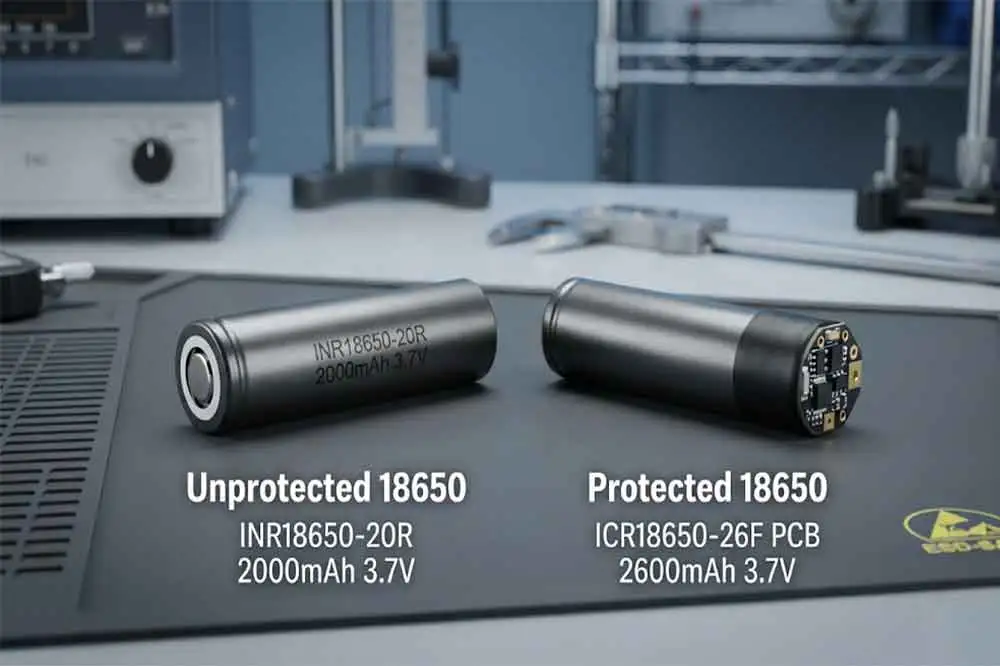
When choosing 18650 lithium-ion battery, one of the first questions engineers and purchasing teams often face is whether to use a protected or unprotected cell.At first glance, the two products can look almost identical. Both use the familiar cylindrical 18650 format, and both can have similar nominal voltage and capacity ratings. The important difference is the protection system.A protected 18650 battery has an additional protection circuit connected to the cell. An unprotected 18650 cell normally does not have this circuit integrated into the individual cell.That difference can affect battery dimensions, electrical behavior, application compatibility, and the overall design of an OEM battery system.What Is a Protected 18650 Battery?A protected 18650 battery combines a standard 18650 lithium-ion cell with a small protection circuit.The protection circuit is designed to monitor electrical conditions and can disconnect the cell when certain abnormal conditions occur.Depending on the design, protection functions may include:Overcharge protectionOver-discharge protectionOver-current protectionShort-circuit protectionThe exact thresholds and current limits depend on the protection circuit and its design.A protected battery is therefore not simply a higher-quality version of an unprotected cell. It is a different battery configuration designed for applications where individual-cell protection may be required.For a detailed explanation of the basic structure, see our guide to what a protected 18650 battery is.What Is an Unprotected 18650 Battery?An unprotected 18650 is generally a bare lithium-ion cell without an integrated protection circuit.The cell itself still has its normal electrical specifications, including voltage, capacity, internal resistance, and discharge characteristics.Unprotected cells are commonly considered when the final battery system already includes an external protection circuit or BMS.This is especially relevant in multi-cell battery packs.For example, a battery manufacturer may assemble several matched 18650 cells into a custom pack and use a dedicated BMS to monitor the complete battery system.In this type of design, adding an individual protection circuit to every cell may not be the intended architecture.Protected vs Unprotected 18650: Main DifferenceThe simplest way to understand the difference is:Protected 18650:Cell + Protection CircuitUnprotected 18650:Cell onlyHowever, this simple difference creates several practical consequences.FeatureProtected 18650Unprotected 18650Individual protection circuitUsually includedNormally not includedPhysical lengthUsually longerUsually shorterProtection against abnormal conditionsProvided by integrated circuitRequires external systemMulti-cell pack useApplication dependentCommon in BMS-based packsMechanical compatibilityMust check total lengthEasier where space is limitedSystem designMore self-containedRequires external protectionThe exact specifications should always be confirmed with the battery manufacturer because protected-cell designs vary.Physical Size: Protected vs UnprotectedOne practical difference that is easy to overlook is physical size.A bare 18650 cell has a standard cylindrical form factor, but a protected version may have additional components attached to one end.This can increase the overall battery length.For a device with a tight battery compartment, this difference can be critical.A buyer might select a 3000mAh protected 18650 based on capacity, only to discover that the additional protection circuit makes the battery too long for the existing housing.Therefore, OEM buyers should specify the maximum allowable battery dimensions before choosing the battery.The important measurement is not just the length of the bare cell.It is the complete assembled battery length and diameter.Protection and SafetyThe protection circuit is one of the main reasons engineers choose a protected 18650 battery.A properly designed protection circuit can help disconnect the battery under certain abnormal electrical conditions.For example, if the cell reaches the circuit’s overcharge threshold during charging, the circuit can interrupt the charging path.If the cell voltage falls below the specified discharge cutoff, the protection circuit can disconnect the load.The circuit may also respond to excessive current or a short circuit.However, protection does not make a lithium-ion battery completely risk-free.Battery safety still depends on:Cell qualityCharger designProtection circuit designBattery assemblyOperating temperatureMechanical protectionWiringManufacturing qualityCorrect applicationThis is particularly important for OEM projects. A protection circuit should be viewed as one part of the battery safety system rather than the entire safety strategy.Which Has Higher Discharge Current?It is a mistake to assume that a protected 18650 always has lower discharge current than an unprotected cell.The actual limit depends on both the cell and the protection circuit.A high-current cell may be capable of delivering substantial current, but if the protection circuit has a lower current limit, the complete protected battery may not support the same current.For example, the cell may be designed for a certain continuous discharge current while the selected protection circuit has a different over-current threshold.This is why OEM buyers should check both specifications.Ask for:Cell maximum continuous discharge currentProtection circuit operating currentOver-current protection thresholdPeak current capabilityApplication load profileThe battery should be selected according to the complete system rather than the cell specification alone.Does Protected Mean Better?Not necessarily.Protected and unprotected 18650 cells are designed for different system architectures.A protected battery can be a practical choice for a standalone device that needs individual-cell protection.An unprotected cell may be more suitable for a professionally designed multi-cell battery pack that already has an appropriate BMS.Calling one option “better” without knowing the application can lead to the wrong battery choice.The correct question is:Which battery architecture matches the device?That is more useful than simply asking which type has a higher specification.When Should You Use a Protected 18650?A protected 18650 can be considered when the application uses an individual rechargeable cell and requires integrated protection.Potential applications include:Portable electronicsLighting equipmentInstrumentsSmall battery-powered devicesCertain backup power applicationsCustomized single-cell productsThe device should still be checked for physical compatibility.The protection circuit can increase the total battery length, and the battery’s current capability must match the load.If the equipment already contains an appropriate battery protection system, the engineering team should check whether an additional protection circuit is necessary.When Should You Use Unprotected 18650?Unprotected cells are often considered in custom battery packs where the protection and monitoring system is designed separately.A multi-cell pack can use a dedicated BMS or PCM to monitor the complete pack.For example, an OEM manufacturer may build a 4S2P battery pack using eight 18650 cells.In this configuration, the battery designer needs to consider:Cell matchingSeries voltageParallel capacityPack currentBMS designCell balancingCharging methodThermal designMechanical constructionUsing individual protected cells in such a pack may not automatically provide the desired system architecture.The complete pack should be designed as one electrical system.Protected 18650 vs Unprotected 18650 for OEM ProjectsFor OEM battery projects, the choice should normally be made after the device requirements are defined.A useful specification sheet can include:Electrical RequirementsNominal voltageCapacityContinuous discharge currentPeak currentCharging voltageProtection requirementsMechanical RequirementsMaximum lengthDiameterConnectorCable lengthTerminal arrangementHousing requirementsBattery System RequirementsSingle cell or multi-cellSeries configurationParallel configurationBMS or protection circuitCell balancing requirementsCharger compatibilityThis information allows a battery manufacturer to recommend a more appropriate design.Can an Unprotected 18650 Be Used Without a BMS?This depends entirely on the application and electrical design.An unprotected lithium-ion cell should not simply be treated as a protected battery because it does not have an integrated protection circuit.If the device does not have a suitable protection system, an unprotected cell can create a significant design concern.For multi-cell battery packs, the protection system is normally designed as part of the complete battery pack.For single-cell applications, an appropriate protection circuit may be incorporated into the battery or device.The important point is that the protection function needs to exist somewhere in the complete system where it is required.What About Charging?Charging is another important difference between battery selection and system design.A lithium-ion cell requires an appropriate charging method and voltage control.A protected 18650 may provide a protection function that disconnects the cell if a specified voltage condition is exceeded, but the protection circuit should not be considered a replacement for a properly designed charger.For OEM applications, the battery, charger, and device should be evaluated together.This is especially important when the product will be manufactured in large quantities.Choosing Between Protected and Unprotected 18650A simple decision process can help.Choose a protected 18650 when:The application uses an individual cell.Integrated cell protection is required.The device has enough space for the protected battery dimensions.The protection current matches the load.Consider an unprotected 18650 when:The cell is being used in a custom battery pack.A suitable external BMS or protection system is included.The battery designer needs a specific cell configuration.The complete pack architecture has been engineered separately.These are general guidelines rather than universal rules.The final decision should be based on the actual device and battery design.Protected and Unprotected 18650 for Wholesale BuyersFor wholesale purchasing, buyers should avoid ordering only according to a generic product name.A better RFQ should specify the actual requirements.For protected batteries, include:Cell capacityNominal voltageProtection currentProtection functionsMaximum dimensionsConnector requirementsQuantityFor unprotected cells, include:Cell modelCapacityDischarge currentChemistryDimensionsRequired quantityIntended battery configurationFor OEM battery packs, provide a drawing or existing sample whenever possible.This helps reduce misunderstandings between the battery supplier and the engineering team.ConclusionThe main difference between a protected and unprotected 18650 battery is the presence of an integrated protection circuit.A protected 18650 can provide individual-cell protection functions, while an unprotected 18650 normally depends on an external protection system.Neither type is automatically the better choice.For a standalone device, a protected 18650 may be convenient when integrated protection is required. For a custom multi-cell battery pack, an unprotected cell combined with a properly designed BMS may be a more suitable architecture.For a broader overview of protected 18650 batteries, protection circuits, specifications, and OEM applications, see our 18650 protected battery complete guide.For more 18650 battery options for OEM and wholesale projects, visit the 18650 Lithium Battery product category.FAQ1. What is the main difference between protected and unprotected 18650 batteries?A protected 18650 has an integrated protection circuit, while an unprotected 18650 normally does not. The protection system for an unprotected cell must be provided elsewhere in the device or battery pack.2. Is a protected 18650 battery safer than an unprotected one?A protected 18650 has an additional protection layer against certain abnormal electrical conditions. However, overall battery safety also depends on cell quality, charger design, assembly, temperature, and the complete device design.3. Can I use an unprotected 18650 in a battery pack?Yes, unprotected cells are commonly considered for professionally designed multi-cell battery packs with an appropriate BMS or protection system. The complete pack must be engineered for the required voltage, current, charging, and balancing functions.4. Are protected 18650 batteries larger?Often, yes. The additional protection circuit can increase the total length of the battery. Always check the complete assembled dimensions rather than relying only on standard 18650 cell dimensions.5. Which 18650 battery should OEM buyers choose?The correct choice depends on the device architecture. A protected cell may suit some standalone applications, while an unprotected cell can be appropriate for a custom multi-cell pack with a dedicated BMS.

Repair AC in Dubai Career & Business
Oct 26, 2026 • visibility 19 • 8 min read

Repair AC in Dubai

Professional Air Conditioning Repair Solutions in DubaiAir conditioning is an essential part of everyday life in Dubai, where high temperatures can make indoor spaces uncomfortable without a reliable cooling system. Homes, offices, shops, and commercial buildings depend on properly functioning air conditioners to maintain comfortable temperatures throughout the year. When an AC unit stops cooling effectively or begins making unusual noises, timely repairs can help restore comfort and prevent further damage.Understanding common air conditioning problems and choosing a reliable repair service can make a significant difference. Regular maintenance, accurate fault diagnosis, and professional workmanship help keep cooling systems operating efficiently.Common Air Conditioning Problems in DubaiAir conditioners can develop several problems over time because of regular use, dust accumulation, and a lack of maintenance. One of the most common complaints is weak cooling. If an AC unit runs continuously but fails to cool the room, possible causes include dirty filters, blocked airflow, refrigerant leaks, or problems with the compressor.Water leaking from an indoor unit is another issue that homeowners may experience. This can happen when the condensate drain becomes blocked or the drainage system develops a fault. Ignoring water leakage may damage walls, ceilings, furniture, or flooring.Unusual sounds, unpleasant smells, and frequent system shutdowns can also indicate underlying problems. Electrical faults, damaged components, and thermostat issues may affect performance. A qualified technician can inspect the system, identify the cause, and recommend an appropriate repair.Why Professional AC Repair MattersAttempting to repair an air conditioner without the necessary knowledge can create additional problems. Modern cooling systems contain electrical components, refrigerant circuits, and sensitive controls that require careful handling.Professional technicians use suitable diagnostic methods to identify faults rather than replacing components unnecessarily. They can inspect filters, coils, drainage lines, thermostats, electrical connections, and other important parts according to the symptoms.If you need to Repair AC in Dubai, selecting an experienced service provider can help ensure that the problem is properly diagnosed and addressed. Before approving the work, ask for an explanation of the fault, the proposed repair, and any expected costs.The Importance of Regular AC MaintenancePreventive maintenance helps reduce the likelihood of unexpected breakdowns. Dust and debris can accumulate in filters and coils, restricting airflow and affecting cooling performance. Regular cleaning and inspection can help the system operate more effectively.A maintenance visit may include checking filters, cleaning accessible components, inspecting drainage, testing thermostat operation, and examining electrical connections. Technicians can also check refrigerant levels when necessary and investigate possible leaks instead of simply adding refrigerant.The recommended maintenance schedule depends on the type of AC system, its usage, and the surrounding environment. Properties exposed to heavy dust or systems used for long hours may require more frequent attention.Residential and Commercial AC Repair ServicesDifferent properties have different cooling requirements. Apartments and villas may use split air conditioners, while offices, hotels, and larger commercial buildings may rely on ducted or central cooling systems.Residential repairs often focus on restoring comfortable temperatures, resolving water leakage, and improving airflow. Commercial repairs may require additional planning to minimize disruption to employees, customers, and daily operations.A suitable repair provider should understand the type of system installed and have the equipment needed to diagnose its specific problems. Clear communication about repair timelines can also help property owners and businesses plan accordingly.Choosing a Reliable AC Repair CompanyBefore hiring an AC technician, consider the company's experience, service coverage, customer feedback, and pricing transparency. A trustworthy provider should explain the work required and seek approval before carrying out additional repairs.It is also helpful to ask whether replacement parts are covered by a warranty and whether the technician will test the system after completing the work. Comparing written quotations can help you understand the difference between inspection fees, labor costs, and replacement parts.Avoid choosing a service based on price alone. Proper diagnosis and quality workmanship may help prevent recurring faults and unnecessary expenses over time.Repair AC in DubaiKeep Your Cooling System Working EfficientlyA dependable air conditioning system supports comfort, productivity, and indoor air circulation. Responding quickly to warning signs, replacing or cleaning filters as recommended, and arranging periodic inspections can help maintain reliable performance.Whether an AC unit has stopped cooling, is leaking water, or is making unusual noises, professional attention can help identify the cause before the problem becomes more serious.By choosing qualified technicians and maintaining the system properly, Dubai residents and businesses can enjoy a more comfortable indoor environment throughout the year. A proactive approach to air conditioning care can also support equipment longevity and help avoid unexpected interruptions during the hottest months.

Repair AC in Dubai
Read arrow_forward
AI Digital Marketing Course Online: The Complete 2026 Guide to SEO, GEO, AEO and AI Tools
Oct 26, 2026 • visibility 17 • 26 min read

AI Digital Marketing Course Online: The Complete 2026 Guide to SEO, GEO, AEO and AI Tools

Marketing has changed more in the last three years than in the previous decade. Customers now ask ChatGPT, Gemini and Perplexity for recommendations before they open Google. Ad platforms run on machine learning. Content is drafted, tested and personalised with AI. If you still learn marketing the old way, you will fall behind quickly.That is why an AI Digital Marketing Course Online has become one of the smartest career investments for students, working professionals, freelancers and business owners. You can study from home, learn live from industry trainers, build real projects and still compete with people who attend classroom batches in big cities.This guide explains what an AI digital marketing course online covers, who should join, how SEO, GEO and AEO fit together, which tools you should learn, how to choose the right programme, and how related skills like content creation, performance marketing, full stack development and cybersecurity can strengthen your profile.Quick Answer: What Is an AI Digital Marketing Course Online?An AI digital marketing course online teaches traditional digital marketing (SEO, social media, paid ads, content, email and analytics) together with AI tools and workflows that make each of these faster and more effective. You learn prompt engineering, AI content creation, automation, AI-assisted ad optimisation, and how to optimise your brand for AI search engines.In simple terms: digital marketing + AI tools + AI search optimisation = a future-ready marketer.Most programmes run for a few months, combine theory with live projects, and prepare you for roles such as SEO executive, performance marketer, social media manager, content strategist and AI marketing specialist.Why an AI Digital Marketing Course Online Makes Sense in 20261. Search is no longer only "ten blue links"Google's AI-generated summaries and chatbots like ChatGPT, Gemini and Perplexity now answer questions directly. Brands that structure their content properly get cited in those answers. Brands that do not become invisible.2. Speed and scaleTasks that once took a full day, such as keyword clustering, competitor research, ad copy variations and reporting, can now be done in an hour with the right AI workflow. A trained marketer can handle far more work with the same team size.3. Employers expect AI skillsAgencies and in-house teams increasingly list "AI tools proficiency" in job descriptions. Candidates who can show real AI-assisted projects stand out from those who only know theory.4. Better ROI for businessesFor business owners, AI means lower content costs, sharper targeting and faster testing. A trained founder can often reduce agency dependency and improve lead quality at the same time.5. Learning without limits of locationAn online format removes the commute and lets you learn from experienced trainers regardless of your city. You can attend live sessions, revisit recordings and practise at your own pace.SEO, GEO and AEO: The Three Pillars of Modern Search VisibilityAny good AI digital marketing course online should teach all three.SEO (Search Engine Optimisation) means optimising your website to rank on Google and Bing through keyword research, on-page work, technical health, content and backlinks.AEO (Answer Engine Optimisation) means structuring content so it can be picked as the direct answer in featured snippets, People Also Ask boxes and voice search. This involves clear question-style headings, concise 40 to 60 word answers, FAQs and schema markup.GEO (Generative Engine Optimisation) means making your brand and content easy for AI models to understand, trust and cite. This includes entity clarity, authoritative content, consistent brand mentions, structured data and original insights.AspectSEOAEOGEO TargetGoogle and Bing rankingsSnippets, voice search, People Also AskChatGPT, Gemini, Perplexity, AI OverviewsGoalTraffic and rankingsDirect answersCitations and brand mentionsKey tacticsKeywords, links, technical SEOFAQs, schema, short answersAuthority, entities, original dataThese three work best together. SEO builds the foundation, AEO makes your answers easy to extract, and GEO builds the trust that makes AI systems recommend you. If you want to go deeper into the ranking side, a dedicated SEO course online is a good next step after you finish the basics.Is an AI Digital Marketing Course Online Right for You?The AI Digital Marketing Course Online suits you if:You are a working professional who cannot attend daily classroom sessions.You live outside Delhi NCR but want training from a Delhi NCR institute.You are a freelancer or business owner who needs flexible learning.You want to revisit recordings and practise at your own pace.You want to switch careers without leaving your current job.What to expect from a good online programmeLive interactive classes, not just pre-recorded videosHands-on assignments using real toolsDoubt-clearing sessions and mentor accessLive projects such as building an SEO plan or running a small ad campaignPortfolio building and career guidanceOnline vs. offline: quick comparisonFactorOnlineOffline (classroom) FlexibilityHighFixed schedulePeer networkingModerateStrongTravel timeNoneRequiredMentor interactionLive and virtualFace to faceBest forWorking professionals, remote learnersStudents and freshers who want structureNeither format is better for everyone. Choose the one that fits your discipline, schedule and learning style.Prefer Classroom Learning? AI Digital Marketing Course in Delhi NCRIf you like learning in person, location matters. Commute, peer group and batch timing all affect consistency. These are the classroom options.AI Digital Marketing Course in NoidaNoida is home to media houses, startups, agencies and IT companies, which makes it a natural hub for marketing careers. The AI Digital Marketing Course in Noida gives you classroom learning close to where the jobs are.AI Digital Marketing Course in DelhiDelhi offers wide exposure to agencies, e-commerce brands and corporate marketing teams. The AI Digital Marketing Course in Delhi is a good fit for students and professionals who want to be close to the capital's business ecosystem.AI Digital Marketing Course in GhaziabadFor learners in Ghaziabad, Indirapuram, Vaishali and nearby areas, the AI Digital Marketing Course in Ghaziabad avoids the long commute into central Delhi while still delivering practical training.AI Digital Marketing Course in Greater NoidaStudents from colleges and residential areas around Greater Noida can join the AI Digital Marketing Course in Greater Noida and learn locally without daily long-distance travel.Whichever option you choose, attend a demo class or talk to a counsellor first. Check batch timings, trainer experience, tools covered and project work.What You Should Learn in an AI Digital Marketing Course OnlineA strong curriculum balances fundamentals and AI. Here is what to look for.Module 1: Digital Marketing FoundationsHow the digital funnel works: awareness, consideration, conversion and retentionBuyer personas and customer journey mappingSetting goals and KPIsOverview of all major marketing channelsModule 2: SEO with AI ToolsKeyword research and clustering using AIOn-page optimisation, meta tags and internal linkingTechnical SEO basics: site speed, crawlability and indexingLink building and digital PRLocal SEO for businessesUsing AI for content briefs and competitor gap analysisModule 3: AEO and GEOWriting for featured snippets and People Also AskFAQ and HowTo schema markupCreating citation-worthy content for AI assistantsBuilding topical authority and entity signalsTracking brand mentions inside AI answersModule 4: AI Content CreationPrompt engineering for blogs, ads, emails and video scriptsEditing AI output for accuracy and brand voiceAI image and video workflowsContent calendars and repurposingIf writing and video are your main interest, a content creation course online can help you go deeper.Module 5: Social Media Marketing with AIPlatform strategy for Instagram, LinkedIn, YouTube, Facebook and XAI-assisted scheduling, captions and creative testingCommunity management and influencer collaborationsSocial listening and sentiment analysisModule 6: Performance Marketing and AI AdsGoogle Ads: Search, Display, YouTube and Performance MaxMeta Ads: audience building, creative testing and retargetingConversion tracking, GA4 and attributionBudget optimisation and A/B testing using AI insightsIf paid ads are your focus, you can add a performance marketing course online for deeper campaign practice.Module 7: Email, WhatsApp and Marketing AutomationLead capture and nurturing flowsSegmentation and personalisationCRM basics and workflow automationChatbots for lead qualificationModule 8: Analytics, Reporting and StrategyGA4, Looker Studio and dashboardsReading data to make decisionsBuilding client-ready reportsCreating a 90-day marketing planModule 9: Capstone Projects and PortfolioA live SEO audit and strategyAn end-to-end ad campaignA content and social calendarA personal brand or business websiteEmployers hire proof of work. A portfolio of real projects matters more than a certificate alone.AI Tools Every Digital Marketer Should KnowYou do not need to master every tool, but you should understand the categories and use cases:AI assistants: ChatGPT, Claude and Gemini for research, outlines, drafts and analysisSEO tools: Semrush, Ahrefs, Google Search Console and Screaming FrogContent and design: Canva AI tools, image generators and video editors with AI featuresAd platforms: Google Ads and Meta Ads with AI-driven bidding and creative toolsAnalytics: GA4 and Looker StudioAutomation: Zapier, Make, CRM workflows and email platformsA good trainer teaches you to think strategically and use tools responsibly. Tools change every month, but strategy lasts.Beyond Marketing: Skills That Make You Stand OutMarketers who understand adjacent fields get better roles and better pay. Two areas are worth considering alongside your AI digital marketing course online.Full Stack DevelopmentWhen you understand how websites are built, you can implement landing pages, fix technical SEO issues and run experiments faster. A full stack development course online is a strong add-on if you want that technical edge.CybersecurityBrands lose trust, rankings and revenue after a breach, spam injection or phishing attack. Marketers who understand basic security protect ad accounts, websites and customer data. A cybersecurity course online is worth considering if you want to move in that direction.Planning Your Learning: City Guides and Fee ResearchBefore you commit, compare options in your area. Learners in Gurgaon can read the top 10 digital marketing courses in Gurgaon, while those in West Delhi or East NCR can check the guides for Dwarka and Indirapuram. If budget is your main concern, see digital marketing course fees in Noida to understand what influences pricing.Fees vary depending on duration, trainer experience, tools, certifications and placement support. Always check the latest fee and batch details on the official course page, and ask about EMI options, refund policy and what is included.Career Opportunities After an AI Digital Marketing CourseAfter completing a solid programme and building a portfolio, you can explore roles such as:SEO Executive or SEO AnalystAEO and GEO SpecialistPerformance Marketing ExecutiveSocial Media ManagerContent Strategist or AI Content SpecialistMarketing Automation SpecialistEmail and CRM MarketerDigital Marketing Consultant or FreelancerFounder or growth marketer for your own businessSalaries depend on city, skill level, experience and portfolio quality. Freshers usually start in executive-level roles and grow quickly when they can show measurable results, such as traffic growth, leads generated or lower cost per acquisition.Freelancing and entrepreneurship: With AI tools, a single marketer can serve multiple small clients, such as local clinics, coaching centres, restaurants and e-commerce stores. If you run a business, these skills help you cut agency costs.Who Should Join an AI Digital Marketing Course Online?College students and fresh graduates who want job-ready skillsWorking professionals switching from sales, operations, IT or journalismBusiness owners and founders who want to manage their own marketingFreelancers and creators who want to monetise and grow audiencesExisting marketers who want to upgrade with AI, AEO and GEONo coding background is required. Curiosity, consistency and willingness to practise matter most.How to Choose the Best AI Digital Marketing Course Online (Checklist)Use this checklist before you pay:Updated curriculum: Does it include AI tools, AEO and GEO, not just old-school SEO and ads?Practical training: Are there live projects, real accounts and assignments?Trainer quality: Do trainers have real industry experience?Batch size and doubt support: Can you actually ask questions?Certification and portfolio: Will you leave with proof of work?Career support: Resume help, interview preparation and job assistanceFlexibility: Online, offline or hybrid optionsTransparency: Clear fees and no hidden costsReviews and demo class: Attend a demo before decidingMentor access: Can you reach a mentor outside class hours?A Simple 90-Day Learning RoadmapDays 1 to 30: Foundations. Learn how digital channels work, set up a website or blog, understand keyword research and start posting content consistently.Days 31 to 60: Execution. Practise on-page SEO, create social content with AI assistance, launch a small ad campaign and set up GA4 tracking.Days 61 to 90: Advanced work and portfolio. Work on AEO and GEO optimisation, build a case study, document results, create a portfolio page and begin applying or pitching clients.Consistency beats intensity. One hour of focused practice every day will take you further than a weekend binge.Common Mistakes to AvoidCopy-pasting AI output: Always fact-check and add original insights, experience and examples.Ignoring fundamentals: AI cannot fix a weak strategy.Chasing every tool: Master a few and understand the principles.Skipping analytics: If you cannot measure it, you cannot improve it.Not building a portfolio: Certificates open doors, but projects get you hired.Choosing only on price: The cheapest course is rarely the best value.Frequently Asked Questions (FAQs)What is an AI digital marketing course online?It is a training programme delivered online that combines core digital marketing skills (SEO, social media, paid ads, content, email and analytics) with AI tools and AI search optimisation (AEO and GEO), so you can plan, execute and measure campaigns faster and smarter.Is an AI digital marketing course online worth it in 2026?Yes, if the programme is practical and updated. Employers and clients want marketers who can use AI responsibly, optimise for AI search and show measurable results. A course with live projects and mentor feedback offers a faster path than learning randomly from free videos.Can I learn digital marketing with AI online?Yes. An online programme with live classes, assignments and mentor support can be just as effective as classroom training, especially for working professionals.Which is better: an online or offline course?Online suits flexibility and remote learning. Offline suits learners who prefer structure, face-to-face interaction and peer networking. Pick the one you will actually attend consistently.Do I need a technical background?No. Most programmes start from basics. Comfort with the internet and a willingness to experiment with tools is enough.What is the difference between SEO, AEO and GEO?SEO helps you rank on search engines. AEO helps your content appear as direct answers in snippets and voice results. GEO helps AI assistants understand, trust and cite your brand in generated answers.Where can I find an AI digital marketing course near me?In Delhi NCR you can choose a classroom batch in Noida, Delhi, Ghaziabad or Greater Noida, or learn online from anywhere.How much does a digital marketing course cost?Costs depend on duration, tools, trainer expertise and support. Check the latest fee details on the official course page and confirm current pricing directly with the institute before enrolling.Will I get a job after the course?A course gives you skills and guidance, but results depend on your effort, portfolio and interview preparation. Learners who complete projects, build case studies and apply consistently have better outcomes.Can business owners benefit from this course?Absolutely. Owners who understand SEO, ads and AI workflows can reduce agency dependency, improve lead quality and make better marketing decisions.Conclusion: Start Building Your AI Marketing Skills TodayDigital marketing is no longer just about ranking on Google or running ads. It is about being visible everywhere your customers search, including AI assistants. Marketers who combine strategy, creativity and AI tools will lead the next decade.An AI digital marketing course online gives you the flexibility to learn from anywhere, the practical projects to build a portfolio, and the AEO and GEO skills that most marketers still lack. If you prefer the classroom, classroom batches are also available across Delhi NCR. Pick a format, attend a demo, commit to a 90-day plan and build real projects.Ready to begin? Explore the AI Digital Marketing Course Online at CourseUnbox and take the first step toward a future-proof career.

courseunbox78
Read arrow_forward
article
Tech & Innovation
Oct 26, 2026 • visibility 14 • 16 min read

Build Practical Cyber Security Skills with the Best Cyber Security Course in Delhi with Placement Guarantee

Cyber Security skills are increasingly important as organizations protect customer information, business applications, networks, and digital infrastructure from online threats. For learners who want to enter the technology industry, developing a strong foundation in network security, ethical hacking, threat detection, and security testing can open pathways to a range of entry-level IT security roles.Learners exploring the Best Cyber Security Course in Delhi with Placement Guarantee can build practical knowledge through structured training, hands-on labs, guided projects, and career-focused preparation. Combining technical learning with problem-solving and communication skills helps candidates prepare for the responsibilities associated with Cyber Security careers.Why Are Practical Cyber Security Skills Important?Businesses depend on digital systems to manage operations, communicate with customers, store information, and deliver services. Security professionals help protect these systems by identifying weaknesses, monitoring suspicious activity, and supporting incident response.Practical Cyber Security training helps learners understand how security concepts apply to real workplace situations.Key skills include:Understanding computer networks and operating systems.Identifying common cyber threats and vulnerabilities.Learning ethical hacking and authorized security testing.Understanding access controls and data protection.Recognizing suspicious activity and potential security incidents.Communicating security findings through clear reports.These foundations are useful for learners from IT, computer science, engineering, and other educational backgrounds who want to develop technical skills for security-related roles.Essential Skills to Learn in Cyber Security1. Networking and Operating System FundamentalsNetworking knowledge helps security professionals understand how computers communicate and how data moves between systems. Learners should become familiar with IP addresses, ports, protocols, DNS, firewalls, and network traffic.Operating system fundamentals are equally important. Understanding Linux and Windows environments helps learners navigate system configurations, user permissions, logs, processes, and basic troubleshooting tasks.These concepts provide the foundation for more advanced security activities.2. Ethical Hacking and Vulnerability AssessmentEthical hacking involves authorized testing designed to identify security weaknesses before malicious actors can exploit them. Vulnerability assessment helps organizations understand potential weaknesses and prioritize remediation.Learners can develop foundational skills in:Reconnaissance and information gathering within an authorized scope.Identifying common application and network vulnerabilities.Understanding authentication and access-control weaknesses.Using security testing tools in controlled environments.Documenting findings and recommending improvements.All practical testing should take place in approved labs, training environments, or systems for which explicit authorization has been provided.3. Web Application SecurityWeb applications process sensitive information, making application security an important area of Cyber Security. Learners should understand common risks involving authentication, session management, input validation, and access control.Hands-on exercises can help learners recognize insecure configurations and understand how developers and security teams reduce vulnerabilities.Learning how to document a vulnerability, explain its potential impact, and recommend a suitable remediation also develops professional reporting skills.4. Network Security and Threat DetectionNetwork security focuses on protecting connected systems, monitoring traffic, and reducing unauthorized access. Learners should understand the role of firewalls, secure configurations, network segmentation, and intrusion detection.Threat detection introduces the process of identifying unusual activity through logs, alerts, and system events. Practical exercises can help learners distinguish routine activity from events that may require investigation.These skills are relevant to security monitoring and Security Operations Center (SOC) environments.5. Incident Response and Security ReportingWhen a security incident occurs, organizations need a structured process for identifying, investigating, containing, and recovering from the event.Learners should understand incident response stages, evidence preservation, escalation procedures, and the importance of accurate documentation.Clear reporting is particularly valuable because security professionals must explain technical findings to IT teams, managers, and other stakeholders.Hands-On Projects That Help Develop Cyber Security SkillsPractical projects allow learners to apply concepts, build confidence with security tools, and demonstrate their approach to technical problems.Project 1: Network Security AssessmentUse a controlled lab network to identify devices, understand exposed services, and document potential security weaknesses. Prepare a report that outlines findings and recommends defensive improvements.Skills demonstrated: Networking fundamentals, authorized assessment, vulnerability identification, and technical reporting.Project 2: Web Application Security TestingPractise testing a deliberately vulnerable training application in an approved environment. Identify selected weaknesses, document the conditions that expose them, and describe appropriate remediation measures.Skills demonstrated: Web application security, ethical testing, vulnerability analysis, and remediation planning.Project 3: Security Log AnalysisWork with sample system or security logs to identify unusual login activity, repeated authentication failures, and other suspicious patterns.Organize the findings into a brief incident summary explaining what was observed and which additional investigation steps may be appropriate.Skills demonstrated: Log analysis, threat detection, analytical reasoning, and incident documentation.Project 4: Security Awareness AssessmentDevelop a sample security awareness plan covering phishing recognition, password practices, multi-factor authentication, and safe handling of sensitive information.Present practical recommendations that employees can apply in everyday work.Skills demonstrated: Security fundamentals, risk communication, documentation, and awareness planning.For every project, explain the objective, tools used, testing scope, observations, and recommendations. A well-documented portfolio demonstrates both technical understanding and responsible security practices.How Structured Cyber Security Training Supports Career PreparationLearning through online tutorials can introduce individual concepts, while structured training can connect them through a clear learning pathway. Guided labs, practical assignments, and project work help learners apply concepts rather than relying only on theoretical knowledge.Boston Institute of Analytics offers a Cyber Security and Ethical Hacking program covering areas such as network security, cryptography, ethical hacking, penetration testing, application security, and incident response. Practical learning can help students develop familiarity with security tools and common testing workflows.Learners considering the Top Cyber Security Course in Delhi with Job Guarantee can build their technical foundation through structured learning, hands-on exercises, and career-focused preparation.Career support may include guidance on resume preparation, technical interview practice, and presenting projects to prospective employers. Any formal job guarantee is subject to the applicable program terms and eligibility requirements; placement assistance and career support are not the same as an unconditional promise of employment.Career Opportunities After Learning Cyber SecurityCyber Security training can help learners work toward entry-level opportunities in security operations, vulnerability assessment, and IT security. The specific responsibilities associated with each role depend on the employer and the candidate's skills.Potential career paths include:SOC Analyst: Monitors security alerts, reviews logs, and helps investigate suspicious activity.Cyber Security Analyst: Supports security monitoring, risk assessment, and protective controls.Junior Penetration Tester: Performs authorized security testing and documents vulnerabilities.Vulnerability Assessment Analyst: Identifies and prioritizes security weaknesses.Information Security Associate: Supports security policies, access controls, and compliance activities.Network Security Associate: Helps maintain secure network configurations and monitor network-related risks.Candidates can strengthen their preparation by developing networking fundamentals, practising in controlled labs, documenting projects, and learning to explain technical findings clearly.How to Prepare for Cyber Security InterviewsTechnical interviews may assess foundational knowledge, practical reasoning, troubleshooting, and the ability to explain security concepts. A consistent preparation routine can help learners approach these assessments with greater confidence.Revise networking basics: Learn IP addressing, common protocols, ports, DNS, and firewalls.Practise Linux and Windows fundamentals: Understand commands, permissions, processes, and system logs.Learn common security concepts: Study authentication, encryption, access control, vulnerabilities, and incident response.Practise in authorized labs: Build experience with controlled security exercises and document the results.Prepare project explanations: Describe the objective, approach, findings, and recommended fixes for each project.Develop reporting skills: Practise explaining technical issues in clear language.Study real-world scenarios: Learn how security teams investigate suspicious logins, phishing reports, and potential vulnerabilities.Candidates should also be ready to explain why ethical authorization matters and how they would handle sensitive information responsibly.For additional career context, explore this resource on Cyber Security careers and the skills needed to enter the field.Frequently Asked Questions1. Can beginners learn Cyber Security without prior security experience?Yes. Beginners can start with networking, operating systems, and security fundamentals before progressing to ethical hacking, vulnerability assessment, and incident response. Consistent practice helps build technical confidence.2. Which skills should I learn first for a Cyber Security career?Start with networking fundamentals, Linux and Windows basics, security principles, and access control. You can then progress to vulnerability assessment, security monitoring, application security, and incident response.3. Is ethical hacking part of Cyber Security training?Ethical hacking is an important area of Cyber Security. It involves authorized security testing to identify vulnerabilities and help organizations improve their defenses.4. What projects can help demonstrate Cyber Security skills?Network security assessments, controlled web application testing, security log analysis, and security awareness projects are useful options. Documenting the process and recommended improvements helps demonstrate practical understanding.5. What entry-level jobs can Cyber Security learners pursue?Potential roles include SOC Analyst, Junior Cyber Security Analyst, Vulnerability Assessment Analyst, Information Security Associate, and Network Security Associate. Practical skills, project experience, and interview preparation help candidates demonstrate their readiness.6. How does a Cyber Security course support job preparation?A structured course can combine technical instruction, practical labs, projects, and guided exercises. Career preparation may also include resume development, interview practice, and support in presenting technical skills to employers.ConclusionDeveloping Cyber Security skills requires a combination of technical fundamentals, hands-on practice, responsible testing, and clear communication. Networking, ethical hacking, vulnerability assessment, threat detection, and incident response provide a strong foundation for learners pursuing security-related careers.Boston Institute of Analytics offers Cyber Security and Ethical Hacking training that connects core concepts with practical exercises and career-focused learning. By practising in authorized environments, building a project portfolio, and preparing for technical interviews, learners in Delhi can work toward developing the skills needed for entry-level Cyber Security opportunities.

Morning vs. Night Body Moisturizing: How to Time Your Skincare Routine for 24-Hour Barrier Hydration Beauty & Skincare
Oct 26, 2026 • visibility 22 • 10 min read

Morning vs. Night Body Moisturizing: How to Time Your Skincare Routine for 24-Hour Barrier Hydration

When people invest in skincare, they often ask what product to buy, but rarely ask when their skin actually needs hydration the most. Should you apply body lotion in the morning before getting dressed, or at night before getting into bed?According to dermatological research on skin physiology, the answer is that your skin operates on a distinct 24-hour circadian rhythm. During the day, your outer epidermis acts as a defensive shield against UV radiation, urban smog, clothing friction, and air conditioning. At night, while you sleep, your skin shifts into active structural repair—a phase when skin temperature rises and moisture evaporation reaches its highest point of the 24-hour cycle.Understanding how your skin behaves from morning to night makes it easy to time your applications and choose a daily body moisturizer that keeps dryness, ashiness, and rough patches away around the clock.1. Your Skin in the Morning: Daytime Defense Against the ElementsThroughout the daytime hours, the outermost layer of your skin—the stratum corneum—faces constant environmental stress. As detailed in histological literature on the NCBI Bookshelf, the stratum corneum is structured like a brick wall where flattened protein cells (corneocytes) are held together by an intercellular lipid matrix composed of roughly 50% ceramides, 25% cholesterol, and 15% free fatty acids.Between 8:00 AM and 6:00 PM, three everyday factors chip away at this protective barrier:Morning Showers and Cleansers: Washing with warm water and alkaline soaps strips away surface sebum and natural moisturizing factors before your day even begins.Particulate Dust and Urban Smog: Airborne pollutants settle on exposed arms, neck, and legs, generating oxidative stress that weakens epidermal lipids.Office Air Conditioning and Winter Heaters: Moving between outdoor weather and climate-controlled indoor spaces exposes your skin to low relative humidity, drawing water out of the skin cells.What Your Skin Needs in the MorningA morning body application must be lightweight, fast-absorbing, and non-greasy. In warm or shifting climates like Pakistan's, nobody wants a heavy, sticky ointment that clings to work clothes or traps sweat. Instead, morning care requires an oil-in-water emulsion rich in humectants (such as hyaluronic acid) and barrier-identical ceramides that sink in within seconds, locking in post-shower water while leaving a clean, breathable finish.2. Your Skin at Night: Overcoming Nocturnal Water LossMany people assume that because they are resting under a blanket at night, their skin is safe from dehydration. In reality, clinical dermatology shows that transepidermal water loss (TEWL)—the passive evaporation of water through the skin barrier—actually peaks late at night and while you sleep.Several physiological shifts happen after sunset:Increased Skin Permeability: As part of the body's natural circadian rhythm, blood flow to the skin increases in the evening to support cellular mitosis (renewal) and tissue repair. This slight rise in skin temperature accelerates water evaporation from the stratum corneum.Bedding Friction and Bedroom Climate: Cotton sheets absorb surface lipids from your shins, elbows, and forearms, while bedroom ceiling fans, split ACs, or winter heaters circulate dry air across your skin for seven to eight consecutive hours.Pruritus (Nighttime Itching): Because cortisol (the body's natural anti-inflammatory hormone) drops at night while TEWL rises, dry or sensitive skin often feels noticeably itchier right before sleep.What Your Skin Needs at NightEvening moisturizing is all about lipid replenishment and surface cushioning. Applying a nourishing lotion before bed—or immediately after an evening shower—supplies your skin with the raw building blocks (ceramides, fatty acids, and botanical butters) it needs during its peak overnight repair window.3. What to Look for in an All-Day & Overnight Body LotionYou don't need clutter on your shelf from separate morning and evening body bottles if you choose a balanced, dermatologically tested formulation. Pharmacological reviews of moisturizers in PubMed Central (PMC) explain that the most effective formulations combine three synergistic mechanisms in a single bottle:Functional RoleActive IngredientsDaytime Benefit (AM)Overnight Benefit (PM)Water-Binding HumectantsHyaluronic Acid, GlycerinDraws water into corneocytes for a plump, smooth look without heavinessReplaces water lost to nocturnal evaporationIntercellular Lipids3 Essential CeramidesReinforces the barrier shield against smog, dust, and AC airProvides structural lipids during peak nighttime cell renewalBotanical EmollientsRice Extract, Shea Butter, Avocado ButterSoftens rough patches on elbows and shins with zero greasy residueForms a breathable seal that prevents bedsheets from rubbing skin dryWhen evaluating the top moisturizing lotions for daily use, look for targeted formulas tailored to your specific skin profile—such as a Daily Moisturizing Lotion with 3 Essential Ceramides & Hyaluronic Acid for normal-to-dry, sensitive skin, or a Rice + Ceramides Moisturizing Lotion enriched with avocado and shea butter when deeply dehydrated skin needs extra overnight nourishment. For areas dealing with uneven tone or rough texture, pairing your routine with a gentle 5% Mandelic Acid Cream in the evening can also support smoother cellular turnover without harsh irritation.4. The 24-Hour Body Hydration ProtocolTo get the maximum benefit from your moisturizer, pair your morning and evening applications with evidence-based bathing habits recommended by the American Academy of Dermatology (AAD) and clinical dermatitis guidelines in PMC:Step 1: The Lukewarm 3-Minute Shower Rule (AM or PM): Whether you shower in the morning or after work, keep water temperature lukewarm and limit shower time to 5–10 minutes. Gently pat your skin with a towel so it stays slightly damp, then apply your ceramide lotion within 3 minutes to trap surface water before it evaporates.Step 2: Midday Hand & Forearm Reset: Every time you wash your hands or perform ablutions during the day, tap water strips lipids from your hands and wrists. Keep a pump bottle at your desk to reapply a pea-sized amount to damp hands and forearms.Step 3: The Pre-Sleep Barrier Seal (PM): Even if you showered in the morning, spend 60 seconds before bed massaging a layer of lotion into high-friction zones—specifically your shins, knees, elbows, ankles, and feet—so nocturnal TEWL doesn't leave your skin tight by morning.By syncing your moisturizing habits with your skin's natural daytime defense and nighttime repair cycles, you transform body care from a temporary cosmetic fix into lasting barrier health.

Jessica Stone
Read arrow_forward
article
Career & Business
Oct 26, 2026 • visibility 19 • 2 min read

How the Right Online Meeting Software Can Transform Client Communication

Online meeting software helps businesses improve client communication through real-time discussions, virtual presentations, and convenient remote collaboration. It allows teams to connect with clients from different locations, share screens, explain proposals, and resolve queries efficiently. Choosing the right online meeting platform can save time, reduce travel costs, and support stronger professional relationships. Features such as reliable connectivity, meeting security, and easy accessibility make virtual interactions more productive. Sarv Workspace offers business collaboration tools, including Sarv Meet, to support online meetings and team communication. Businesses can explore Sarv Workspace to find tools that suit their client communication and collaboration needs. Read  more: https://sarv.com/workspace/meet

Sarv Workspace
Read arrow_forward