Articles

Articles & Insights

Discover, learn, and grow with stories from our ecosystem members.

search
How AI Assistants Are Transforming the Way We Program Education & Learning
Oct 27, 2026 • visibility 13 • 6 min read

How AI Assistants Are Transforming the Way We Program

Artificial Intelligence (AI) is transforming software development by changing how programmers write, test, debug, and maintain code. AI-powered coding assistants are becoming valuable tools for developers, computer science students, and recent graduates. By automating repetitive tasks and providing real-time guidance, these tools make programming more efficient and accessible while allowing developers to focus on creativity and problem-solving.What Are AI Coding Assistants?AI coding assistants are intelligent tools powered by large language models (LLMs) that help developers throughout the programming process. Platforms such as GitHub Copilot, Claude Code, Cursor, and Google Gemini Code Assist can generate code, explain programming concepts, identify errors, suggest improvements, and assist with software testing. They act as digital coding partners, supporting developers at different stages of a project.Read Blog: How AI Assistants Are Changing the Way We ProgramHow AI Assistants Are Changing Programming1. Faster Code GenerationAI assistants help developers generate code snippets, functions, APIs, and user interface components using simple instructions. By reducing the time spent on repetitive coding tasks, they allow programmers to concentrate on complex technical challenges and improve overall productivity.2. Simplifying Debugging and Error DetectionFinding and fixing programming errors can be time-consuming, particularly for beginners. AI tools can analyse code, identify potential issues, explain error messages, and recommend possible solutions. Developers can use these suggestions to resolve problems faster and improve code quality.3. Making Programming More AccessibleFor students learning to code, AI assistants provide an interactive learning experience. They can explain unfamiliar code, demonstrate programming concepts, suggest alternative approaches, and help learners understand different programming languages. This personalised guidance can build confidence and encourage independent learning.4. Encouraging Problem-Solving and Better PromptingAI-assisted programming shifts some attention from manually writing every line of code to defining problems clearly and evaluating proposed solutions. Developers must communicate their requirements effectively through prompts, assess different approaches, and determine whether the generated code meets the intended objectives. Logical reasoning and critical thinking remain essential.5. Supporting the Entire Development ProcessModern AI coding tools can assist with more than code generation. Depending on their capabilities, they can help write tests, review code changes, troubleshoot issues, update documentation, and automate selected development tasks. These features help streamline workflows and improve collaboration among software development teams.Essential Skills for AI-Ready ProgrammersAs AI becomes increasingly integrated into software development, aspiring programmers should strengthen their programming fundamentals, logical reasoning, and problem-solving abilities. Learning to use AI tools effectively, write clear prompts, review generated code, and identify security vulnerabilities is equally important.Why Human Expertise Still MattersDespite their advantages, AI assistants can produce inaccurate, inefficient, or insecure code. Their suggestions require careful evaluation, testing, and validation. Developers must understand the underlying logic, protect sensitive information, and ensure that software meets user requirements. Creativity, ethical judgment, and technical expertise remain essential for building reliable solutions.ConclusionAI assistants are reshaping programming by simplifying routine tasks, supporting learning, and accelerating software development. However, they are most effective when combined with strong programming knowledge and human judgment. For students and aspiring developers, learning to collaborate with AI while developing independent technical skills is an important step towards building a successful career in the evolving technology industry.

Web Scraping for Food Delivery Market Trends in the USA Tech & Innovation
Oct 27, 2026 • visibility 11 • 11 min read

Web Scraping for Food Delivery Market Trends in the USA

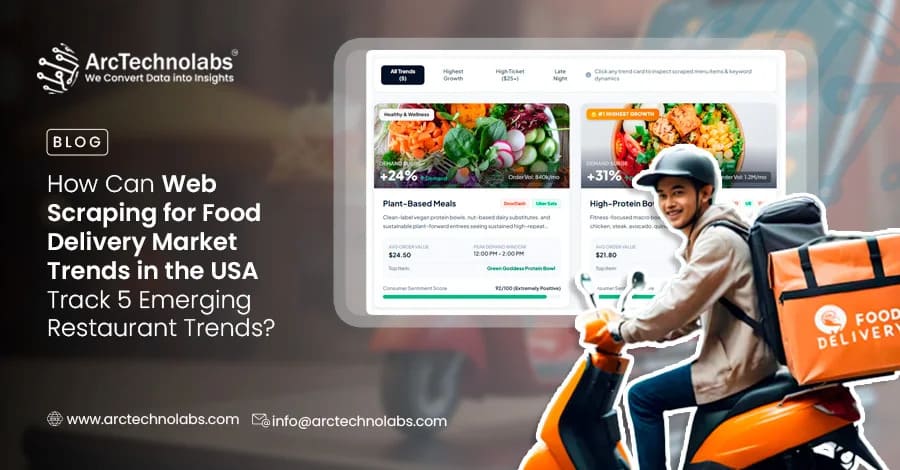
IntroductionThe US food delivery market continues to evolve at a rapid speed, driven by shifting consumer preferences and expanding digital platforms. To stay competitive in this fast-paced landscape, restaurant brands are turning to scalable data extraction techniques that capture real-time market movements across nationwide platforms.By utilizing Web Scraping Services, business owners can collect vast amounts of digital insights directly from online delivery aggregators. This automated gathering process helps restaurants analyze dynamic pricing models, track emerging regional flavor trends, and monitor promotional tactics across various urban territories seamlessly.Deploying Web Scraping for Food Delivery Market Trends in the USA allows modern dining brands to turn raw online information into actionable strategic decisions. Through precise data monitoring, food businesses optimize menu offerings, adapt to local demand shifts, and secure a stronger market positioning.Tracking Plant Based Food Demands Through Local ExtractionUnderstanding shifting consumer dietary choices requires precise data gathering across varied geographic areas and multi-location dining establishments. Modern dining platforms see shifting ordering patterns where plant-based meals, gluten-free choices, and organic bowls capture expanding consumer market shares every quarter across major metropolitan hubs.Analyzing continuous regional streams from Food Delivery Web Scraping Datasets USA Stores helps brand managers isolate zip-code level demand variations before introducing costly permanent menu revisions nationwide. Utilizing automated real-time monitoring tools lets multi-unit operators easily track neighborhood ordering volumes and customer preference changes.Restaurants using a targeted Food Delivery Data Extraction API for USA Restaurant platforms effortlessly update online menu descriptions, nutritional tags, and ingredient highlights to capture rising regional search volumes directly. This data-driven approach minimizes trial expenses while improving seasonal item success rates across active storefronts.Automated tracking of dietary tags like vegan, keto, and gluten-free across top city marketsRegional ordering volume breakdown isolating localized flavor demands down to postal codesDetailed item description parsing to identify trending ingredients and customer preferencesReal-time inventory status mapping to highlight popular dietary substitutes in active demandWest Coast: +28% plant-based growth rate; top requested category — dairy-free & vegan bowls; average order value increase — +14%.East Coast: +22% plant-based growth rate; top requested category — gluten-free fast casual; average order value increase — +11%.Midwest: +18% plant-based growth rate; top requested category — high-protein plant protein; average order value increase — +9%.Dynamic Menu Pricing Strategies for USA Restaurant PlatformsManaging profitability during inflationary periods requires constant visibility into competitive price shifts across neighborhood delivery radiuses. Dining establishments frequently adjust item pricing, delivery fees, and bundle promotions to protect margins while maintaining solid customer retention metrics across major digital apps.Financial teams relying on structured Food Menu Datasets quickly gain full transparency into baseline menu prices, seasonal price variations, and promotional discount strategies used by competing local establishments. Having immediate visibility into local pricing models prevents margin erosion without sacrificing daily sales velocity or consumer trust.Implementing specialized Extract USA Restaurant Menu Data for Competitor Analysis equips strategy teams with real-time price monitoring capabilities across multiple third-party delivery platforms simultaneously. Having continuous competitive pricing intelligence ensures dining brands remain profitable, flexible, and fully aligned with local market expectations.Automated price tracking comparing base menu costs across competing nearby establishmentsReal-time monitoring of promotional discounts, meal bundles, and seasonal special offersHistorical price elasticity modeling to project revenue impacts prior to introducing price increasesMulti-platform surcharge analysis to equalize customer costs across distinct delivery storefrontsFast Casual: 5%–8% pricing variance; weekly promotional discounts; neutral customer retention impact (+1.2%).Premium Casual: 8%–12% pricing variance; bi-weekly promotional discounts; positive customer retention impact (+3.5%).Specialty / Artisan: 10%–15% pricing variance; monthly promotional discounts; positive customer retention impact (+4.8%).Cloud Kitchen Expansion Analytics for Virtual Dining BrandsVirtual dining concepts and cloud kitchen operations depend completely on digital storefront visibility, search placement, and localized cuisine coverage to drive order volume. Without physical dine-in footprints, these delivery-only concepts must continuously monitor market saturation, cuisine gaps, and service area radiuses to maximize profitability.Integrating professional Food Delivery Menu Scraping Services enables virtual restaurant operators to systematically map competitor density, dominant dish categories, and peak ordering windows across strategic urban markets. Thorough spatial analysis ensures new virtual concept launches target underserved culinary niches rather than overcrowded market segments.Leveraging a robust Food Delivery Analytics API for Restaurant Businesses provides operators with critical performance metrics, including estimated order prep times, delivery range coverage, and sentiment ratings. These comprehensive data insights allow cloud kitchen managers to fine-tune digital menus, streamline kitchens, and secure higher order conversion rates consistently.Strategic mapping of cuisine coverage to uncover underserved food delivery niches locallyComprehensive sentiment analysis parsing customer feedback to refine virtual menu offeringsOperational benchmark tracking covering estimated prep times, driver wait times, and fulfillment feesVisibility monitoring across delivery apps to maximize virtual brand placement and search rankLate-Night Comfort: High competitor density; 4.5-mile average delivery radius; top-performing time slot: 10 PM–2 AM.Healthy Lunch Bowls: Medium competitor density; 3.0-mile average delivery radius; top-performing time slot: 11 AM–2 PM.Gourmet Desserts: Low competitor density; 5.0-mile average delivery radius; top-performing time slot: 7 PM–11 PM.How ArcTechnolabs Can Help You?In today’s digital dining ecosystem, accurate information forms the backbone of profitable growth. Industry leaders frequently employ Web Scraping for Food Delivery Market Trends in the USA to maintain a comprehensive view of pricing structures, competitor offers, and shifting customer demands across all major platforms.We deliver end-to-end data extraction solutions designed specifically for the food and beverage industry, empowering your team to make confident, data-backed operational choices.Customizable scraping architecture built for large-scale multi-platform extractionAutomated scheduling delivering clean daily or weekly data feeds directly to your pipelineHigh-precision parsing ensuring clean, structured output formatted for easy analytics integrationEnterprise-grade proxy infrastructure offering uninterrupted data collection with high uptimeComprehensive coverage across national, regional, and independent food delivery storefrontsDedicated technical support ensuring customized data delivery tailored to your business needsWhether you need detailed market intelligence or specialized competitor tracking, our reliable Food Delivery Web Data Scraper for Us Restaurants provides the exact operational data required to streamline menu management and expand market share effortlessly.ConclusionNavigating the competitive restaurant environment requires continuous visibility into changing consumer tastes and rival strategies. Incorporating Web Scraping for Food Delivery Market Trends in the USA into your strategic workflow provides immediate clarity on pricing shifts, regional menu demands, and promotional performance.Modern food businesses must adapt swiftly to shifting online market dynamics or risk losing ground to faster-moving competitors. Deploying a specialized Food Delivery Analytics API for Restaurant Businesses ensures your brand remains agile, profitable, and aligned with market demands. Contact ArcTechnolabs today to scale your food delivery data extraction capabilities!#WebScrapingForFoodDeliveryMarketTrendsInTheUSA,#FoodDeliveryDataExtractionAPIForUSARestaurant,#ExtractUSARestaurantMenuDataForCompetitorAnalysis,#FoodDeliveryAnalyticsAPIForRestaurantBusinesses,Source: https://www.arctechnolabs.com/web-scraping-for-food-delivery-market-trends-in-the-usa.phpContact us:E-mail: [email protected] No: +91 8866656657Visit Now: https://www.arctechnolabs.com/

Steve Harringtone
Read arrow_forward
Same Day Dentures Near Me: Get Your Smile Back Without the Long Wait Health & Wellness
Oct 27, 2026 • visibility 19 • 14 min read

Same Day Dentures Near Me: Get Your Smile Back Without the Long Wait

Losing teeth can affect more than your appearance. It may make eating difficult, change the way you speak, and reduce your confidence in social situations. If you need a tooth replacement solution without a lengthy wait, searching for same day dentures near me can help you explore available treatment options. Immediate dentures may allow eligible patients to receive replacement teeth on the same day as tooth extraction, depending on their oral health, treatment needs, and the dental provider’s services. Understanding the process can help you make an informed decision about restoring your smile.What Are Same-Day Dentures?Same-day dentures, often called immediate dentures, are removable dental appliances designed to replace missing teeth. In suitable cases, they are placed immediately after natural teeth are extracted, allowing patients to avoid spending the initial healing period without replacement teeth.People searching for same day dentures near me should understand that same-day treatment does not guarantee that every step, including fabrication and final fitting, will be completed in one visit. The timeline depends on the condition of the teeth and gums, the number of teeth being replaced, and whether a suitable denture can be prepared in advance.Immediate dentures may replace several missing teeth or an entire arch. A dental professional evaluates your mouth to determine whether this approach is appropriate.How the Treatment Process WorksGetting dentures involves careful planning to support comfort, function, and appearance. Although the exact steps vary, the process generally includes several stages.1. Initial Dental ExaminationThe dentist examines your teeth, gums, and supporting bone. Existing dental problems, infection, gum disease, and the condition of remaining teeth may influence the treatment plan. Dental X-rays or other diagnostic procedures may be recommended when necessary.2. Impressions and MeasurementsImpressions or digital scans may be used to record the shape of your mouth. The dentist also evaluates your bite, facial proportions, and desired appearance to help create dentures that fit your needs.3. Tooth Extraction and Denture PlacementIf extractions are necessary, the dentist determines when the dentures can be placed. Immediate dentures may be inserted directly after extraction when clinically appropriate. However, not every patient is a candidate for this approach, and some cases require additional preparation or a different timeline.4. Follow-Up and AdjustmentsYour gums and supporting tissues change as they heal, which can affect how your dentures fit. Follow-up appointments help identify pressure points, improve comfort, and determine whether relining or other adjustments are needed.When considering same day dentures near me, ask about the expected timeline for every stage, including follow-up visits and possible replacement dentures after healing.Who Can Benefit From Immediate Dentures?Immediate dentures may suit people who need multiple teeth removed and want to maintain their appearance during healing. They can also be helpful for individuals who prefer not to remain without visible teeth while waiting for conventional dentures.Potential candidates include adults with severely damaged teeth, extensive tooth loss, or dental conditions that make extraction and replacement necessary. However, suitability depends on individual circumstances.Patients with significant gum disease, uncontrolled oral infections, complex bite concerns, or other health factors may need additional treatment before receiving dentures. A comprehensive examination helps the dentist determine the safest approach.Searching for same day dentures near me is a useful starting point, but the right treatment should be based on your oral health rather than speed alone.Benefits of Choosing a Faster Tooth Replacement OptionReplacing missing teeth can support several aspects of everyday life. Immediate dentures offer potential benefits for appropriately selected patients.Maintaining appearance: Replacement teeth can help preserve the appearance of your smile during the initial healing period.Supporting speech: Dentures may help restore certain speech functions, although an adjustment period is common.Making meals easier: Replacement teeth can improve chewing compared with having extensive tooth loss, though eating may initially require soft foods and smaller bites.Supporting confidence: Having replacement teeth may help patients feel more comfortable during conversations and social activities.Reducing time without teeth: Immediate dentures can eliminate the need to wait without replacement teeth in suitable cases.These benefits depend on fit, healing, and individual treatment needs. Dentures may feel unfamiliar at first, and patients often need time to adapt.Preparing for Your Denture AppointmentPreparation can make your appointment more productive and help you understand what to expect. Before treatment, write down your questions about the procedure, recovery, costs, and maintenance.Tell your dentist about medications, allergies, existing health conditions, and previous dental treatments. Follow the instructions provided for any planned extractions or sedation. If sedation is involved, ask whether you need someone to accompany you home.It is also helpful to plan for recovery by keeping soft foods available, arranging time to rest, and understanding how to clean your dentures. Your dentist will explain when and how to remove or clean the appliance, since instructions may differ immediately after extraction.When comparing same day dentures near me, ask whether the service includes an examination, extractions if needed, the initial denture, adjustments, and follow-up care. Clarifying these details helps you compare treatment plans accurately.Adjusting to Your New DenturesGetting used to dentures takes patience. During the first few days, you may notice increased saliva, mild soreness, or changes in speech. These experiences can improve as your mouth adapts, but persistent or severe discomfort should be assessed by your dentist.Start with soft foods and cut meals into small pieces. Chew slowly and try to distribute food evenly on both sides of your mouth. As your comfort improves, your dentist can advise you on gradually returning to a wider range of foods.Practice speaking aloud to become more familiar with the way your dentures feel. Reading a book or repeating challenging words can help you build confidence.Proper cleaning is essential for oral hygiene and denture longevity. Follow your dentist’s instructions for cleaning the appliance and caring for your gums. Never adjust or trim dentures yourself, because doing so can damage the appliance or cause injury.Patients searching for same day dentures near me should also understand that immediate dentures may require more adjustments during healing than dentures made after the gums have settled.Understanding the Limitations and Long-Term CareAlthough immediate dentures provide a convenient option for some patients, they are not always a permanent, one-time solution. After extraction, the gums and underlying bone gradually change shape. These changes can cause dentures to loosen or become uncomfortable.Your dentist may recommend adjustments, relining, or a new denture once healing is more advanced. The timing depends on your recovery and the condition of your mouth.Immediate dentures can also involve additional costs for follow-up visits, repairs, or replacement appliances. Ask for a clear explanation of what is included in your treatment plan before proceeding.Maintaining regular dental appointments remains important even if you wear full dentures. Your dentist can evaluate oral tissues, identify irritation, and check the condition and fit of the appliance. With proper care and professional guidance, dentures can remain a useful part of your tooth replacement plan.ConclusionChoosing same day dentures near me may help you explore options for restoring your smile without an extended period without teeth. Immediate dentures can support appearance and everyday function while your mouth heals, but treatment suitability, timing, and long-term results vary. A dental examination is essential to determine the most appropriate solution for your needs. Discuss the procedure, expected recovery, adjustment appointments, and total costs with your dentist before making a decision. With realistic expectations and consistent follow-up care, you can take practical steps toward improving your comfort and confidence.Frequently Asked Questions1. Can I get dentures on the same day as tooth extraction?In suitable cases, immediate dentures can be placed on the day of extraction. Your dentist must first evaluate your oral health and determine whether the procedure is appropriate.2. How long does it take to adjust to immediate dentures?Adjustment varies from person to person. Speech, eating, and comfort may improve over several weeks, while gum healing and changes in fit can continue for several months.3. Will immediate dentures need to be replaced?Not always immediately, but healing can change the shape of your gums and affect the fit. Your dentist may recommend adjustments, relining, or replacement after healing.4. Are same-day dentures suitable for everyone?No. Your remaining teeth, gum health, bone structure, medical history, and treatment goals all influence whether immediate dentures are a suitable option.

what is the meaning of rfid tag Tech & Innovation
Oct 27, 2026 • visibility 10 • 20 min read

what is the meaning of rfid tag

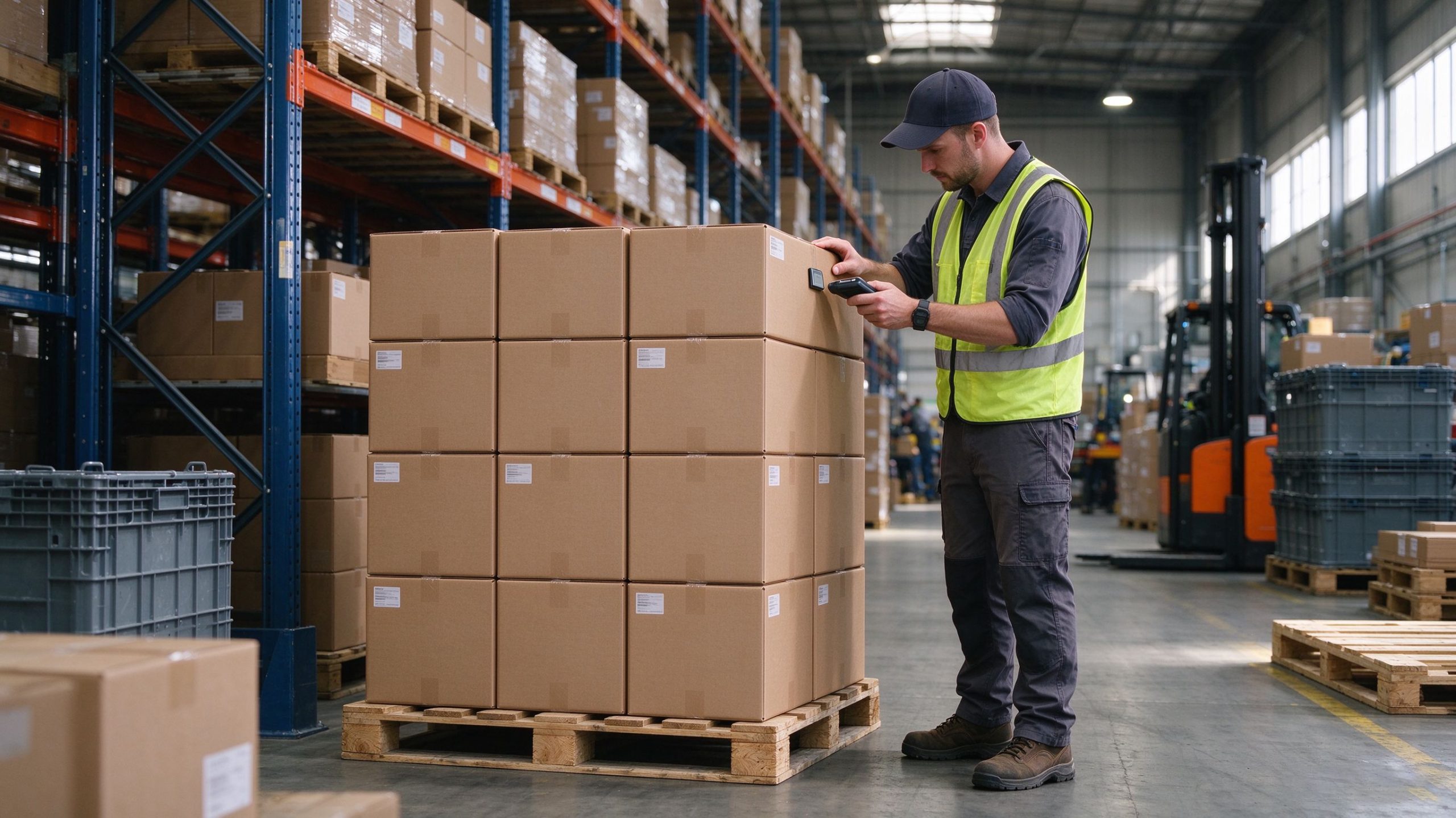
What is the meaning of RFID tag? An RFID tag is a radio-frequency identification device that uses a chip and antenna, or another compatible radio-frequency design, to communicate identification data to a reader. It helps businesses identify, track, and manage tagged items without requiring direct visual contact or manual barcode scanning.RFID tags appear on retail products, reusable containers, library books, industrial tools, pallets, and many other assets. Their job is not always to store a large amount of information. In many systems, a tag supplies an identifier that software connects to a product record, location, ownership status, or inventory entry.That distinction matters. A tag is only one component of an RFID system. The reader, antenna, software, tag placement, and operating environment determine whether the information can be captured reliably.What Does RFID Mean in RFID Tag Technology?RFID stands for Radio Frequency Identification. It describes a technology that uses radio waves to identify objects or retrieve supported data from electronic tags.A typical RFID tag includes two important components:Chip: Stores an identifier and, depending on the tag, additional information or security-related data.Antenna: Enables the tag to receive radio-frequency signals and communicate with a compatible reader.These components are often embedded in a label, plastic housing, card, textile insert, or rugged industrial enclosure. Some tags are designed for inexpensive disposable labels, while others are built to withstand repeated handling or demanding working conditions.Unlike a printed barcode, an RFID tag does not generally need to be positioned directly in front of a scanner. The reader communicates with the tag through radio waves, although materials, orientation, interference, and system configuration can affect the result.An important point for procurement teams: RFID does not describe one universal tag format. A small HF tag designed for a contactless application and a UHF tag attached to a warehouse carton may use different frequencies, protocols, antennas, and readers.How Does an RFID Tag Work?An RFID tag works by communicating with a compatible reader. The reader sends a radio-frequency signal, and the tag responds according to its design and supported protocol. The reader captures the response, and connected software processes the resulting identification data.For a common passive UHF RFID system, the process generally follows these steps:The reader transmits a signal. Its antenna creates the radio-frequency field needed for communication.The tag responds. A passive tag obtains operating energy from the reader’s field and uses it to respond.The reader captures the data. The system identifies the tag or retrieves supported information.Software updates the relevant record. Depending on the application, the event may update inventory, register an asset movement, or support another workflow.The software step is easy to overlook. Reading a tag successfully does not automatically confirm that an item has been shipped, that a tool has been returned, or that a product belongs in a particular location. Those outcomes depend on the rules and data connected to the reader.For example, a warehouse portal may read several tagged cartons as a pallet passes through a controlled zone. The application must still associate those tag identifiers with the correct shipment and determine whether the observed items match the expected list.RFID tags allow compatible readers to identify tagged inventory without requiring every label to be scanned individually by line of sight.What Is an RFID Tag Used For?RFID tags identify items and provide data that connected systems can use to manage inventory, assets, materials, and workflows. The application depends on the tag type, reader capabilities, and software configuration.ApplicationHow RFID tags are usedWarehouse inventoryIdentify cartons, pallets, and other tagged stock.Retail operationsSupport product identification and inventory visibility.Asset trackingAssociate equipment with digital asset records.LibrariesIdentify tagged books and support circulation or inventory processes.Industrial toolsLink tools to records for tracking and controlled workflows.Laundry and textilesIdentify compatible tagged garments, linen, or reusable textiles.LogisticsSupport item identification at receiving, sorting, and dispatch points.In a tool-management application, for instance, tags can help identify individual tools when they enter or leave a controlled area. The system may compare the detected identifiers with a tool register, helping staff investigate missing items or incomplete returns.In a warehouse, the challenge is often different. Multiple tags may respond within a short interval, and nearby products may be moving through the reader zone together. Reader placement, antenna direction, tag orientation, and the logic used to associate reads with a particular shipment can matter as much as the tag itself.RFID Tag Types and Frequency DifferencesRFID tags are available in several designs. Frequency, power source, memory, antenna construction, and the material being tagged all influence which design is appropriate.According to GS1, passive UHF RFID systems commonly operate in the 860–930 MHz range under the EPC Gen2 air-interface standard. This technology is widely used for inventory identification and tracking.RFID tag typeTypical characteristicsCommon applicationsLF RFIDLow-frequency communication; typically short rangeSelected identification and access systemsHF RFIDCommonly operates at 13.56 MHzContactless cards, ticketing, and item identificationPassive UHF RFIDUses reader-supplied energy; supports multi-tag inventory workflowsWarehouses, logistics, retail, and asset trackingActive RFIDUses an onboard power source to transmit signalsApplications requiring longer-range identificationPassive RFID Tags vs. Active RFID TagsA passive RFID tag does not need its own battery. In a passive UHF system, the reader provides operating energy, and the tag responds by modulating the radio signal reflected from its antenna. GS1 documents this operating principle in its system architecture guidance.An active RFID tag has an onboard power source and can transmit its own signal. Its range and operating characteristics differ from passive designs, and it may be appropriate for applications with different identification requirements.The right choice is not always the tag with the greatest reading distance. A warehouse may need to distinguish items passing through one doorway without reading inventory on an adjacent shelf. In that setting, controlling the read zone is often more useful than maximizing range.Rugged RFID tags can link industrial equipment to identification and asset-management records.Technical Considerations Before Selecting an RFID TagRFID performance depends on the entire installation, not just the tag specification. The following checks help reduce avoidable problems during deployment:Tagged material: Metal surfaces and liquids can affect radio-frequency performance, depending on the frequency and tag design. Specialized tags may be needed.Orientation: A tag’s antenna position relative to the reader antenna can influence successful reads.Read zone: Reader power, antenna placement, and surrounding objects affect which tags are detected.Protocol compatibility: The tag and reader must support compatible air-interface protocols.Data handling: Confirm whether the system needs only an identifier or additional tag memory and encoding functions.For passive UHF applications, GS1’s guidance notes that reading distance varies with the environment, reader power, interference, and other system factors. It is therefore more accurate to validate performance under actual operating conditions than to rely on a single advertised distance.Security also deserves attention. The US National Institute of Standards and Technology published Guidelines for Securing RFID Systems (NIST SP 800-98), covering RFID risks, privacy considerations, and protective measures. Organizations should evaluate the security capabilities of the tag and the wider system against their actual requirements.Frequently Asked Questions About RFID Tags1. What is the meaning of RFID tag in simple terms?An RFID tag is an electronic identification device that communicates with a compatible reader using radio waves. It typically contains a chip and antenna and can be attached to products, equipment, containers, or other assets. The information it provides helps connected software identify items and manage related records.2. What is an RFID tag used for?RFID tags are used for inventory management, warehouse operations, retail product identification, asset tracking, library systems, industrial tool management, and logistics. Their function depends on the tag technology and the application connected to the reader. Some tags provide a basic identifier, while others support additional data or security features.3. How does an RFID tag work without a battery?A passive RFID tag obtains the energy needed to respond from a compatible reader’s radio-frequency field. Its antenna receives the signal, and the chip responds according to the supported protocol. Active RFID tags work differently because they use an onboard power source.4. What is the difference between an RFID tag and a barcode?A barcode represents information in a printed visual pattern and generally requires a scanner to see the code. An RFID tag communicates wirelessly with a compatible reader, so direct visual alignment is not generally required. RFID systems can also identify multiple tags within a reading zone, depending on the technology and configuration.5. Can RFID tags be read through packaging?In many applications, RFID tags can be read without opening a package, provided the packaging and surrounding environment allow reliable radio-frequency communication. Metalized packaging, liquids, tag orientation, and nearby materials can affect performance. The correct tag and reader combination should be tested with the actual products and packaging.6. Do all RFID tags work with the same reader?No. RFID tags may use different frequency bands, communication protocols, chip technologies, and data formats. A reader must support the relevant technology and configuration. Before purchasing tags in bulk, check the manufacturer’s specifications and test representative tags with the intended equipment.7. How far can an RFID tag be detected?There is no single reading distance for all RFID tags. The effective range depends on the frequency, tag antenna, reader power, antenna design, tag orientation, and operating environment. Some applications use close-range identification, while properly configured UHF systems may read tags from considerably farther away. Actual performance should be validated on-site.Choosing RFID Tags for a Real-World ApplicationThe most suitable RFID tag is the one that performs reliably in the intended environment and works with the existing system. A low-cost label may be suitable for cardboard cartons, while reusable tools, metal equipment, or washable textiles may require a different tag construction.For a Cykeo RFID project, start by defining three things: what must be identified, where the tag will be installed, and which reader or software platform will process the data.Then verify the following:Application: Product inventory, tool control, access management, or another defined workflow.Tag construction: Label, card, hard tag, or a specialized design for the target material.Reader compatibility: Supported frequency, protocol, antenna configuration, and data format.Operating environment: Metal, liquids, temperature, moisture, repeated handling, or other relevant conditions.Validation: Read performance, identification accuracy, and system integration under actual operating conditions.An RFID tag’s advertised range alone is not a reliable measure of suitability. In a warehouse, an excessively broad reading zone can capture tags from the wrong pallet. In a tool room, a durable tag that stays attached throughout repeated use may matter more than maximum distance.For procurement teams and system integrators, a small controlled test using representative tagged items is a practical step before committing to a large deployment.What Is the Meaning of RFID Tag in Business Operations?The meaning of RFID tag becomes clearer when viewed as part of a complete identification system. A tag supplies an electronic identity; a reader captures that identity; and software connects the reading to an operational record.For businesses, that connection can support inventory visibility, asset identification, receiving, dispatch, and equipment management. GS1’s EPC/RFID standards define how identifiers can be encoded and communicated, helping systems exchange identification data in a consistent format.Cykeo’s RFID solutions cover reader hardware and identification applications. When evaluating a deployment, confirm the required tag technology, reader compatibility, and environmental conditions before selecting equipment.What is the meaning of RFID tag? It is an electronic identification device that communicates with a compatible reader, allowing connected systems to identify tagged items and use their data in business workflows.

Revealed: Key Trends Reshaping the LED Tester Market Landscape Science & Nature
Oct 27, 2026 • visibility 16 • 10 min read

Revealed: Key Trends Reshaping the LED Tester Market Landscape

The LED Tester Market is witnessing substantial evolution, driven by several prevailing industry trends that are reshaping the landscape. With a current market size estimated at USD 0.82 billion in 2024, the sector is on course to reach USD 1.388 billion by 2035. Notably, the market is projected to grow at a CAGR of 4.9%, signifying a robust demand for efficient testing solutions. Rising awareness of energy efficiency is a fundamental trend influencing market dynamics, as stakeholders adapt to meet the escalating needs for sustainable solutions across various applications. The integration of smart technologies is also prominent, setting the stage for more sophisticated testing techniques.Key industry participants such as Fluke Corporation (US), Extech Instruments (US), and Klein Tools (US) are at the forefront of this transformation, continually innovating to maintain their competitive edge. Their efforts are complemented by companies like Amprobe (US) and Greenlee (US), which are enhancing product offerings to meet consumer requirements better. As market share becomes increasingly competitive, organizations are focusing on collaboration and strategic partnerships to leverage mutual strengths. Moreover, Testo SE & Co. KGaA (DE) and Chauvin Arnoux (FR) are expanding their reach in emerging markets, capitalizing on the growing demand for LED testing solutions in regions such as Asia-Pacific. The development of Led Tester Market industry trends continues to influence strategic direction within the sector.The growth forecast for the LED Tester market hinges on several pivotal drivers and challenges. The pressing necessity for energy-efficient solutions is steering innovation in testing technologies, compelling companies to devise cutting-edge products. The expansion of smart lighting systems further enhances market dynamics, as these systems require precise testing tools for optimal performance. However, the competitive landscape remains steep, with companies facing challenges such as pricing pressures and the need for continuous improvement in product quality. To mitigate these challenges, firms are increasingly investing in research and development to drive product innovation and enhance operational efficiency.Regional analysis reveals a distinct disparity in market potential. North America continues to dominate the LED Tester market, buoyed by established infrastructure and initiatives aimed at energy conservation. Companies operating in this region enjoy robust demand from various sectors. In contrast, the Asia-Pacific region is emerging as a powerhouse, driven by rapid urbanization and industrial initiatives that promote sustainability. This duality presents a unique opportunity for market players to tailor their strategies, capitalizing on strengths specific to each region while pursuing global expansion.The LED Tester market is rife with investment opportunities as companies respond to market dynamics that favor innovation and efficiency. The ongoing trend towards smart lighting solutions is catalyzing demand for enhanced testing capabilities. Firms that can deliver high-quality, reliable testing instruments are likely to capture significant market share. Additionally, the shift towards sustainability is prompting stakeholders to invest in products that align with eco-friendly initiatives. Given these trends, organizations are encouraged to foster innovation and explore new avenues that can elevate their market positioning while contributing to a greener future.Industry data suggests that the demand for LED testing solutions in the Asia-Pacific region is set to grow significantly, with a projected increase of approximately 7.8% annually over the next five years. This growth is largely attributed to government initiatives aimed at promoting green technologies and energy-efficient systems. For instance, the Indian government’s "National LED Programme" aims to replace traditional lighting with LED solutions, driving the need for advanced testing instruments. In contrast, the North American market, while still dominant, is expected to grow at a more modest rate of 3.5% annually due to market saturation. The difference in growth rates underscores the increasing importance of emerging markets where the adoption of smart lighting and energy-efficient solutions is still in its infancy.As advancements in technology continue to shape the LED Tester market, companies that embrace digital transformation and automation are likely to outperform their competitors. Real-world examples include the integration of IoT in testing devices, which allows for real-time monitoring and analysis of LED performance. This capability not only enhances testing accuracy but also provides valuable data that can inform product development and customer service strategies. Consequently, organizations that leverage these technological advancements will be better positioned to address evolving customer needs and maintain a competitive edge in the market.The future outlook for the Led Tester Market is exceedingly optimistic, with projections indicating a market size of USD 1.388 billion by 2035. As awareness surrounding energy efficiency continues to grow, it is anticipated that businesses will increasingly invest in LED testing solutions. Firms focused on innovation and customer-centric approaches will thrive, shaping the competitive landscape. Experts predict substantial advancements in testing technology, which will open avenues for new applications. As the market evolves, stakeholders must remain agile, adapting to emerging trends and harnessing innovation to stay ahead in this rapidly changing environment.AI Impact AnalysisArtificial intelligence is set to significantly impact the LED Tester market, enhancing both operational efficiency and testing accuracy. AI algorithms can analyze data from testing processes, allowing companies to identify patterns and optimize their product offerings. For instance, predictive maintenance models can minimize downtime and improve reliability in testing equipment. As AI technology matures, the potential for automation within testing procedures could revolutionize workflows, reduce human error, and ensure consistent quality standards are met. This incorporation of AI could ultimately lead to a more innovative and responsive testing environment.Frequently Asked QuestionsWhat are the main trends impacting the LED Tester Market?Key trends influencing the LED Tester Market include the rising demand for energy-efficient solutions and an increased focus on smart lighting systems, which require precise testing. Additionally, advancements in technology are driving product innovation across the sector.How does regional demand vary in the LED Tester Market?North America holds a dominant position in the LED Tester Market due to established energy conservation initiatives, while Asia-Pacific is emerging rapidly, driven by urbanization and sustainability initiatives.

Ratnakar Jondhale
Read arrow_forward