

KIMA CELL's Store
Owned by KIMA CELL Joined Jun 2024 14 Listings
KIMA CELL's Store
easyid.me/biz/kimacell-17bea5 • Verified Store
Scan to open official EasyID digital store, view live catalog, or save business card.
Verified Merchant
EasyID Certified Seller
Fast 24h Packing
Direct courier dispatch
Zero Escrow Direct
Direct merchant settlement
Store Listings (14)
Textile Grade CMC
#cmc #textile <br>[a]https%3A%2F%2Fwww.kimacellulose.com%2Fproducts%2Fcmc-textile%2F[/a] <br> <br>Textile grade CMC (Sodium Carboxymethyl Cellulose) is a type of cellulose derivative that is used in the textile industry as a thickener, binder, and sizing agent. <br>Textile grade CMC (Sodium Carboxymethyl Cellulose) is a type of cellulose derivative that is used in the textile industry as a thickener, binder, and sizing agent. <br>It is a water-soluble cellulose ethers made by reacting refined cotton with sodium hydroxide and monochloroacetic acid. <br>In the textile industry, cmc textile is used in a variety of applications, including as a thickener for printing pastes, as a sizing agent for yarns and fabrics, and as a binder for pigments and dyes. It is also used as a stabilizer and emulsifier for various textile formulations. <br>Textile grade CMC can improve the quality of textile products by providing better color penetration, increased strength and durability, and improved resistance to abrasion and wrinkling. It is commonly used in the production of textiles, such as cotton, silk, wool, and synthetic fibers. <br>How To Use Textile Grade CMC? <br> <br>To use textile grade CMC, it is typically first dissolved in water at a concentration of 0.5-2%. The solution should be stirred thoroughly until the CMC is completely dissolved. The resulting solution can then be added to the textile processing bath or applied to the textile surface as needed. <br>01. <br>Sizing: Textile grade CMC can be used as a sizing agent for cotton and synthetic fibers to improve their strength and elasticity. It is usually added to the sizing bath at a concentration of 0.5-2%, depending on the fiber type and desired effect. <br>02. <br>Printing: Textile grade CMC can be used as a thickener and stabilizer for textile printing pastes. It is added to the printing paste at a concentration of 0.5-2%, depending on the pigment concentration and desired viscosity. <br>03. <br>Dyeing: Textile grade CMC can be used as an auxiliary agent for dyeing to improve the penetration and fixation of dyes onto fibers. It is added to the dye bath at a concentration of 0.5-2%, depending on the dye type and fiber type. <br>04. <br>Finishing: Textile grade CMC can be used as a finishing agent to improve the hand feel and appearance of textiles. It is usually added to the finishing bath at a concentration of 0.5-1%. <br>There are several advantages of using textile grade CMC (Carboxymethyl Cellulose Sodium) in the textile industry, including: <br>Improved print quality: <br>Textile grade CMC can improve the quality of prints by providing better color penetration and sharper lines, resulting in higher quality and more vibrant designs. <br>Increased strength and durability: <br>CMC can improve the strength and durability of textile products, resulting in longer-lasting and more resistant materials. <br>Better resistance to abrasion and wrinkling: <br>CMC can improve the resistance of textiles to abrasion and wrinkling, resulting in products that look better and last longer. <br>Easy to use: <br>CMC is a water-soluble polymer that is easy to handle and can be added directly to textile formulations. <br>Environmentally friendly: <br>CMC is a naturally occurring material that is biodegradable and non-toxic, making it an environmentally friendly choice for use in textile production. <br> <br>There are many cellulose ether manufacturers, but we are one of the best choices for you
Oil Drilling Grade CMC
#cmc #for #oil #drilling <br>[a]https%3A%2F%2Fwww.kimacellulose.com%2Fproducts%2Fcmc-for-oil-drilling%2F[/a] <br> <br>CMC for oil drilling (CMC) is water soluble polymer derived from cellulose that is commonly used as a thickening, stabilizing, and emulsifying agent in drilling fluids for the oil and gas industry. <br>Oil drilling grade Carboxymethyl Cellulose (CMC) is water soluble polymer derived from cellulose that is commonly used as a thickening, stabilizing, and emulsifying agent in drilling fluids for the oil and gas industry. <br>CMC is a water-soluble polymer that can be used to control the rheology and viscosity of drilling fluids, as well as to improve their fluid loss and filtration properties. <br>The oil drilling grade CMC is specifically designed and formulated for use in drilling fluids and has a number of properties that make it suitable for this application, including: <br> <br>High purity: Oil drilling grade CMC is highly pure and free from contaminants, which ensures its consistency and reliability in drilling operations. <br> <br> <br>Good solubility: Oil drilling grade CMC has good solubility in water, which allows it to be easily mixed with other drilling fluid components and dispersed uniformly throughout the fluid. <br> <br> <br>High viscosity: Oil drilling grade CMC can form a highly viscous solution in water, which helps to control the rheology and viscosity of drilling fluids and prevent the loss of fluid during drilling operations. <br> <br> <br>Good filtration control: Oil drilling grade CMC can help to control the filtration properties of drilling fluids by forming a filter cake on the wellbore that can help to prevent the loss of fluid and maintain wellbore stability. <br> <br>How To Use Oil Drilling Grade CMC? <br> <br>Oil drilling grade Carboxymethyl Cellulose (CMC) is typically added to drilling fluids as a dry powder or in a pre-hydrated form. Here are the general steps for using oil drilling grade CMC in drilling fluids: <br>01. <br>Determine the appropriate dosage: The dosage of oil drilling grade CMC will depend on the specific application, the properties of the drilling fluid, and the desired rheology and filtration properties. The manufacturer's instructions and technical data sheets should be consulted to determine the appropriate dosage. <br>02. <br>Pre-hydrate the CMC: If the oil drilling grade CMC is in a powder form, it will need to be pre-hydrated before it can be added to the drilling fluid. This can be done by mixing the CMC with clean, fresh water and allowing it to hydrate for a specified period of time, according to the manufacturer's instructions. <br>03. <br>Add the CMC to the drilling fluid: Once the CMC is hydrated, it can be added to the drilling fluid slowly and continuously while the fluid is being mixed. The mixing process should be done according to the manufacturer's instructions to ensure that the CMC is evenly dispersed throughout the fluid. <br>04. <br>Allow the drilling fluid to circulate: Once the CMC is added, the drilling fluid should be allowed to circulate for a period of time to ensure that the CMC is fully activated and the desired rheological and filtration properties are achieved. <br>05. <br>Monitor and adjust: The drilling fluid should be monitored and adjusted as needed to ensure that the desired properties are maintained throughout the drilling operation. The dosage of CMC may need to be adjusted based on changes in drilling conditions and properties. <br>Oil drilling grade Carboxymethyl Cellulose (CMC) has a number of advantages for use in drilling fluids in the oil and gas industry, including: <br>Rheology control: <br>Oil drilling grade CMC can control the rheology of drilling fluids, which can help to prevent problems such as lost circulation, stuck pipe, and wellbore instability. <br>Fluid loss control: <br>Oil drilling grade CMC can help to control the loss of drilling fluid during drilling operations, which can help to reduce the cost of drilling and improve the safety and efficiency of the operation. <br>Wellbore stability: <br>Oil drilling grade CMC can help to stabilize the wellbore, which can help to prevent issues such as differential sticking and formation damage. <br>Compatibility: <br>Oil drilling grade CMC is compatible with a wide range of drilling fluid additives, making it easy to incorporate into existing drilling fluid systems. <br>Environmental and health safety: <br>Oil drilling grade CMC is a naturally derived polymer that is biodegradable, non-toxic, and environmentally friendly, making it a safe and sustainable choice for use in drilling fluids. <br>Cost-effective: <br>Oil drilling grade CMC is cost-effective compared to other drilling fluid additives, providing significant cost savings to drilling operations. <br> <br>There are cellulose ether suppliers, but we are one of the best choices for you
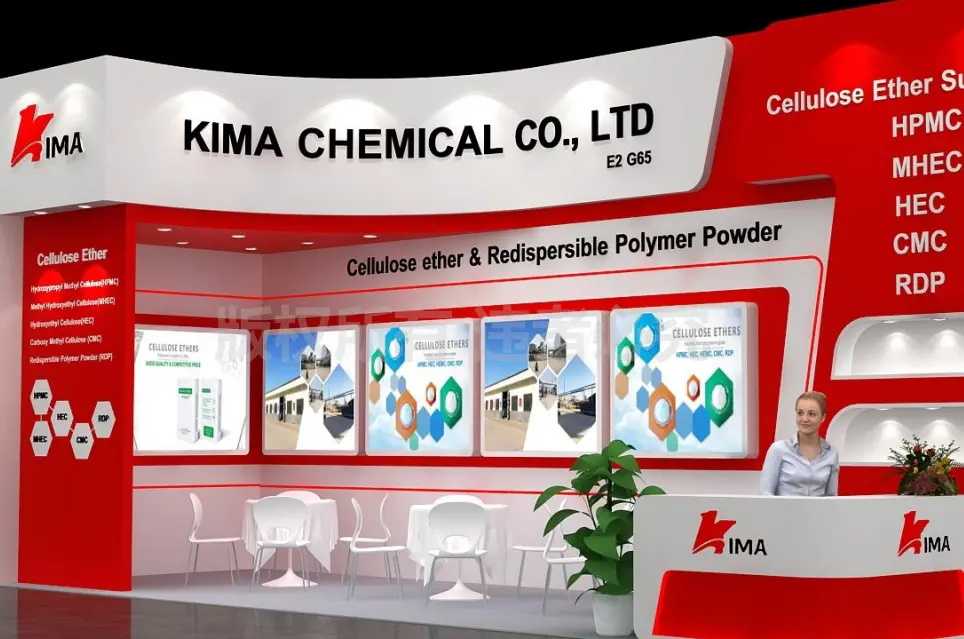
Cellulose Ethers
#cellulose #ether #price <br>[a]https%3A%2F%2Fwww.kimacellulose.com%2Fproducts%2F[/a] <br> <br>Kima is a leading manufacturer of cellulose ether from China, and has been serving global cellulose ether market over ten years with our brand KimaCell®. <br>Kima is a leading manufacturer of cellulose ether from China, and has been serving global cellulose ether market over ten years with our brand KimaCell®. <br>Kima offers a comprehensive range of cellulose ether products for sale to meet the requirement of global customers. KimaCell® is the unique trademark of our cellulose ether products, including 20000 tons of Hydroxypropyl Methyl Cellulose (HPMC), Hydroxyethyl Methylcellulose (HEMC),Hydroxyethyl Cellulose (HEC), Methyl Hydroxyethyl Cellulose (MHEC), Sodium Carboxymethyl Cellulose (CMC), Redispersible Polymer Powder(RDP), Methyl Cellulose (MC), Ethyl Cellulose (EC), Hydroxypropyl Cellulose (HPC), Hydroxypropyl Starch Ether (HPS), Microcrystalline Cellulose (MCC). <br> <br>Nowadays Kima's different grade of cellulose ether have been sold to more than 20 countries around the world, successfully used in building & construction, pharmaceutical, food, detergent, paints & coatings, ceramics, PVC, home care, personal care, oil drilling, cosmetics etc. Quality is well accepted among customers. KimaCell® become the reliable brand in cellulose ether market. <br> <br>Buy KimaCell® cellulose ether to make product in bulk, and get the competitive wholesale price. For more information like cellulose ether viscosity, grade and formula, price per kg, please feel free to contact us. <br>Cellulose Ether Manufacturing Process <br> <br>Cellulose ethers are a group of important industrial materials derived from cellulose, a natural polymer found in the cell walls of plants. They are widely used in various applications such as adhesives, coatings, construction materials, pharmaceuticals, and food products. The manufacturing process of cellulose ethers involves several steps, including cellulose extraction, chemical modification, and purification. In this article, we will discuss the detailed process of cellulose ether manufacturing. <br> <br>Cellulose Extraction: <br>The first step in the manufacturing process of cellulose ethers is the extraction of cellulose from a natural source. The most common source of cellulose is wood pulp, which is obtained from trees through a process called pulping. Wood chips are treated with chemicals, heat, and mechanical action to separate the cellulose fibers from other components like lignin and hemicellulose. The resulting pulp is then washed and bleached to remove impurities and achieve a high-purity cellulose material. <br> <br>Alkali Treatment: <br>Once the cellulose pulp is obtained, it undergoes an alkali treatment to remove residual lignin and hemicellulose. In this step, the pulp is mixed with a hot alkali solution, usually sodium hydroxide (NaOH), and heated under controlled conditions. The alkali breaks down the lignin and hemicellulose, solubilizing them in the solution, while the cellulose remains intact. <br> <br>Etherification: <br>The next step in the manufacturing process is the chemical modification of cellulose through etherification. Etherification involves introducing ether groups into the cellulose structure to enhance its solubility and other desired properties. Various types of ether groups can be introduced, such as methyl, ethyl, hydroxyethyl, hydroxypropyl, and carboxymethyl. <br> <br>Alkali Cellulose Formation: <br>In this step, the alkali-treated cellulose pulp is converted into alkali cellulose by reacting it with an alkali metal hydroxide, usually sodium hydroxide (NaOH). The cellulose pulp is mixed with a solution of NaOH and heated, resulting in the dissolution of cellulose and the formation of alkali cellulose. <br> <br>Etherification Reaction: <br>The alkali cellulose is then reacted with an appropriate etherifying agent to introduce the desired ether groups. The most commonly used etherifying agents are alkyl halides (e.g., methyl chloride, ethyl chloride) for alkyl ethers and alkylene oxides (e.g., ethylene oxide, propylene oxide) for hydroxyalkyl ethers. The reaction is typically carried out in the presence of a catalyst, such as tertiary amines or alkali metal hydroxides. <br> <br>Neutralization and Washing: <br>After the etherification reaction, the reaction mixture is neutralized to deactivate the catalyst and adjust the pH. This is usually done by adding an acid, such as hydrochloric acid (HCl). The neutralized mixture is then washed with water to remove any unreacted reagents, by-products, and impurities. <br> <br>Purification: <br>The purified cellulose ether is obtained by further processing the etherified product. Purification steps may include filtration, centrifugation, evaporation, and drying. These processes remove residual impurities, solvents, and excess reactants, resulting in a high-purity cellulose ether product. <br> <br>Quality Control: <br> <br>Throughout the manufacturing process, quality control measures are implemented to ensure the desired properties and performance of the cellulose ether. Parameters such as viscosity, degree of substitution, moisture content, and purity are carefully monitored using analytical techniques <br>Packaging and Storage: <br>The final step in the cellulose ether manufacturing process involves packaging the product in suitable containers, such as drums or bags, and storing it in a controlled environment to maintain its quality and stability. Proper labeling and documentation are essential for traceability and regulatory compliance. <br> <br>In conclusion, the manufacturing process of cellulose ethers involves the extraction of cellulose from natural sources, alkali treatment, etherification, purification, and quality control. Each step is crucial in producing cellulose ethers with the desired properties for various applications. The process requires careful control of reaction conditions, choice of etherifying agents, and purification techniques to achieve consistent and high-quality cellulose ether products. <br> <br>For more information about cellulose ether price, please feel free to contact us! <br> <br>If you are looking for a reliable cellulose ether supplier, don't hesitate to contact us!

HPMC for Food
[a]https%3A%2F%2Fwww.kimacellulose.com%2Fproducts%2Fhpmc-for-food%2F[/a] <br>#kima #chemical <br>Food grade HPMC (Hydroxypropyl methylcellulose) is a type of food ingredient that is specifically designed for use in food applications. It is a cellulose-based ingredient that is derived from natural sources, such as wood pulp or cotton. <br> <br>Food grade HPMC (Hydroxypropyl methylcellulose) is a type of food ingredient that is specifically designed for use in food applications. It is a cellulose-based ingredient that is derived from natural sources, such as wood pulp or cotton. <br> <br>Food grade HPMC is considered safe for human consumption and is widely used in the food industry for a variety of purposes, including as a thickener, emulsifier, and stabilizer. <br> <br>Food grade HPMC is typically produced under strict manufacturing conditions to ensure that it meets the regulatory standards for food safety and quality. It is commonly used in food products such as baked goods, dairy products, and beverages, as well as in dietary supplements and pharmaceuticals. <br> <br>HPMC is used as a dough conditioner to improve the texture, structure, and consistency of baked goods such as bread, cakes, and pastries. It also helps to extend the shelf life of these products. <br> <br>HPMC is used as a stabilizer in dairy products such as yogurt, ice cream, and whipped cream. It helps to prevent separation and improves the overall texture and mouthfeel of these products. <br> <br>HPMC is used as a thickener and stabilizer in a variety of beverages, including fruit juices, smoothies, and energy drinks. It helps to improve the viscosity and stability of these products, as well as prevent separation of ingredients. <br> <br>HPMC is used as a thickener in sauces, gravies, and salad dressings to improve the texture and stability of these products. It can also help to prevent separation of ingredients and enhance the overall mouthfeel. <br> <br>HPMC is used as a texturizer and emulsifier in many processed foods, including frozen meals, canned soups, and snacks. It helps to improve the overall texture and consistency of these products and enhances their shelf life. <br> <br>Types of HPMC Products for Food <br>HPMC E3 FGIn the food sector, KimaCell®HPMC E3 can be used as a thickener, stabilizer, and moisturizer to thicken, retain water, and enhance flavor. In wealthy nations, KimaCell®HPMC E3 has been extensively utilized. <br> <br>HPMC E5 FGKimaCell®HPMC E5 FG is hydroxypropyl methylcellulose, which can lower the temperature at which pastry paste gelatinizes as well as its peak and cold viscosities. <br> <br>HPMC E6 FGA high-performance hydrophilic polymer with cellulose as its foundation, HPMC E6 FG is utilized as an excipient in pharmaceutical and nutraceutical goods. It is a free-flowing, homogenous powder that ranges in color from white to off-white and is used to enhance the flow and compressibility of tablets, capsules, and powders. <br> <br>HPMC E15 FGHPMC E15 FG is a white, flavorless powder that is used in a range of food and industrial items for film formation, thickening, emulsification, suspension, and protection. Moreover, it serves as a tablet binder for capsules and tablets. <br> <br>HPMC E50 FGKimaCell® HPMC E50 FG is an excellent option for many applications because it has FDA approval for use in food and pharmaceuticals. <br> <br>HPMC E4M FGHPMC E4M FG has excellent compatibility with other polymers and is used to improve product stability and shelf life. It is extensively utilized in the food, cosmetics, pharmaceutical, and other industries. <br> <br>HPMC F50 FGFoods with HPMC F50 FG have better viscosity, less syneresis, and better texture. Moreover, it is employed in the beauty and pharmaceutical industries. Because HPMC F50 FG lacks flavorings, preservatives, and colorings, it is perfect for use in food products that need to be extremely pure. <br> <br>HPMC F4M FGIn food and beverage applications, hypromellose (Hydroxypropyl Methyl Cellulose, or HPMC F4M FG) is frequently used as a thickening and gelling agent. It is a great option for a range of food applications because it is non-toxic, non-irritating, odorless, and tasteless. <br> <br>HPMC K15 FGKimaCell®HPMC K15 FG is perfect for uses including tablet coatings, personal care products, and food coatings because of its low viscosity. <br> <br>HPMC K100 FGKimaCell®HPMC K100 FG Hydroxypropyl methyl cellulose forms a protective layer during frying. On the one hand, it prevents the oil from penetrating into the outer skin of the food, and on the other ha... <br> <br>HPMC K4M FGKimaCell® K4M FG grade has a fine granulation that helps to ensure a good flow rate, making it easier to handle in manufacturing and packaging processes. <br>HPMC K15M FGHPMC K15M FG is a modified version of hydroxypropyl methylcellulose (HPMC) developed specifically for coating applications. It has excellent film forming and lubrication properties, as well as good adhesion, flexibility and water-resistance. It is suitable for coating tablets, pellets and capsules, and also provides controlled release of active ingredients. <br> <br>HPMC K100M FGHPMC K100M FG is a pre-neutralized, high-viscosity hydroxypropyl methylcellulose (HPMC) that provides superior thickening and suspending properties in a wide variety of personal care and pharmaceutical applications. <br> <br>HPMC K200M FGHPMC K200M FG is excellent for cold process formulations since it is also highly soluble in cold water. The rheological and film-forming abilities of HPMC K200M FG are excellent, and it mixes well with other substances. <br> <br>How To Use HPMC for Food? <br>When using HPMC Hydroxypropyl Methylcellulose in food applications, it is important to follow the recommended usage levels and specific instructions provided by the manufacturer. Here are some general guidelines for using HPMC in food: <br>1.Determine the appropriate amount of HPMC to add to your recipe. The recommended dosage of HPMC varies depending on the specific application and desired properties of the final product. It's important to consult with the manufacturer or a food ingredient expert to determine the appropriate amount to use. <br>2.Pre-hydrate the HPMC before adding it to your recipe. HPMC is water-soluble, but it should be hydrated before use to ensure it disperses evenly and doesn't form clumps. To hydrate HPMC, add it to water or other liquids in a separate container and mix well until it forms a smooth, uniform solution. <br>3.Add the hydrated HPMC to your recipe. Depending on the recipe, you may need to mix the HPMC solution into other ingredients or add it directly to the cooking or processing stage. Make sure the HPMC is thoroughly mixed into the recipe to ensure even distribution. <br>4.Allow time for the HPMC to work. HPMC requires time to reach its full thickening and stabilizing potential. Depending on the recipe, you may need to allow the food product to rest or cook for a certain period to allow the HPMC to fully hydrate and achieve the desired texture. <br> <br>Here are some of the main advantages of using HPMC ( 9004 65 3 ) in food: <br>Texture and mouthfeel: <br>HPMC can be used to create a wide range of textures in food products, from thin liquids to thick gels and pastes. It can also be used to improve the mouthfeel of foods, making them smoother and creamier. <br>Stability: <br>HPMC is an effective stabilizer that helps to prevent ingredients from separating or settling out over time. This can improve the overall appearance and quality of food products and extend their shelf life. <br>Reduced fat and calories: <br>HPMC can be used to replace high-fat or high-calorie ingredients in food products, such as cream or butter. This can help to reduce the overall fat and calorie content of the product without sacrificing texture or flavor. <br>Clean label: <br>HPMC is a naturally derived ingredient that is considered safe for human consumption. It can be used as an alternative to synthetic ingredients, which can help food manufacturers create products with a cleaner label. <br>Compatibility: <br>HPMC is compatible with a wide range of other food ingredients and can be used in a variety of processing conditions, including high temperatures and acidic or alkaline environments. This makes it a versatile ingredient that can be used in many different types of food products. <br> <br>If you want to know more about hpmc full form in food, please visit our website. <br> <br>As top of cellulose ether manufacturers in China, kima chemical co ltd focus on cellulose ether production and supply various grades of cellulose ethers, Hydroxypropyl Methylcellulose (HPMC), Methyl Hydroxyethyl Cellulose (MHEC), Hydroxyethyl Cellulose (HEC), Carboxy Methyl Cellulose (CMC) are our most popular product, we are supplying cellulose ether to global market with wide viscosity range and for different application fields.

Food Grade CMC
[a]https%3A%2F%2Fwww.kimacellulose.com%2Fproducts%2Ffood-grade-cmc%2F[/a] <br>#cellulose #ether <br>CMC in Food Industry <br>Food Grade CMC refers to a type of food additive known as sodium carboxymethyl cellulose, which is derived from cellulose, a naturally occurring substance found in plant cell walls. <br> <br>CMC is a white or light yellow powder that is odorless, tasteless, and non-toxic. It is commonly used as a thickener, emulsifier, and stabilizer in a wide range of food products, including ice cream, baked goods, dairy products, sauces, and dressings. <br>Food Grade CMC is considered safe for consumption by regulatory agencies such as the United States Food and Drug Administration (FDA) and the European Food Safety Authority (EFSA). It is used in many food products to improve their texture, appearance, and stability, as well as to help them resist degradation over time. Food Grade CMC can also help reduce fat content in some foods by providing a creamy texture without the need for additional fats or oils. <br> <br>Types of Food Grade CMC <br>CMC FG1000KimaCell® CMC FG1000 sodium carboxymethyl cellulose is a kind of high polymer fiber ether prepared by chemical modification of natural cellulose. <br>CMC FG2000KimaCell® CMC FG2000 sodium carboxymethyl cellulose is recognized as a safe food additive. <br>CMC FG3000KimaCell® CMC FG3000 sodium carboxymethyl cellulose is a carboxymethyl derivative of cellulose. <br>CMC FG4000KimaCell® CMC FG4000 sodium carboxymethyl cellulose is a kind of macromolecular derivative with ether structure made of plant cellulose through carboxymethylation. <br>CMC FG5000KimaCell® CMC FG5000 sodium carboxymethyl cellulose is a linear polysaccharide, a cellulose derivative whose hydroxyl group is partially replaced by - CH2COOH group. <br>CMC FG6000KimaCell® CMC FG6000 sodium carboxymethyl cellulose is the most important ionic cellulose adhesive. <br>CMC FG7000KimaCell® CMC FG7000 sodium carboxymethyl cellulose is an anionic polymer derived from cellulose. <br> <br>How To Use Food Grade CMC <br>Food Grade CMC can be used in a variety of food products as a thickener, emulsifier, and stabilizer. Here are some specific examples of how to use CMC in the food: <br>1.Baked Goods: CMC can be added to baked goods, such as cakes and cookies, to improve their texture and reduce breakage. To use CMC in baked goods, mix it with the dry ingredients before adding the wet ingredients. The recommended amount of CMC for baked goods is typically 0.1% to 0.5% of the total weight of the flour. <br>2.Dairy Products: CMC can be used in dairy products, such as yogurt and ice cream, to improve their texture and prevent separation. To use CMC in dairy products, dissolve it in a small amount of water and then mix it into the product during the processing stage. The recommended amount of CMC for dairy products is typically 0.05% to 0.5% of the total weight of the product. <br>3.Sauces and Dressings: CMC can be added to sauces and dressings, such as ketchup and mayonnaise, to improve their texture and stability. To use CMC in sauces and dressings, mix it with a small amount of water to create a slurry, and then add the slurry to the product while stirring. The recommended amount of CMC for sauces and dressings is typically 0.1% to 0.5% of the total weight of the product. <br>4.Meat Products: CMC can be added to meat products, such as sausages and hamburgers, to improve their texture and reduce fat content. To use CMC in meat products, mix it with the ground meat before forming it into the desired shape. The recommended amount of CMC for meat products is typically 0.5% to 1% of the total weight of the meat. <br> <br>Food Grade CMC is a cost-effective food additive that provides several benefits to food manufacturers and consumers alike. <br>Thickening: <br>CMC can increase the viscosity of food products, making them thicker and more stable. This is particularly useful in products like sauces, soups, and dressings, where a thicker consistency is desired. <br>Emulsifying: <br>CMC can help mix oil and water-based ingredients together, creating a stable emulsion. This is useful in products like salad dressings and mayonnaise. <br>Stabilizing: <br>CMC can prevent ingredients from separating, settling, or clumping together, which helps to maintain the texture and appearance of the final product. <br>Low-calorie: <br>CMC is a low-calorie alternative to traditional thickeners, such as flour or cornstarch, which makes it a popular choice for creating low-fat or low-calorie food products. <br>Cost-effective: <br>CMC is relatively inexpensive compared to other thickeners and stabilizers, which makes it an attractive option for food manufacturers. <br>Versatility: <br>CMC can be used in a wide range of food products, from ice cream to baked goods, providing a consistent texture and stability across different types of foods. <br> <br>As a cellulose ether manufacturer, we will do our best to meet all the needs of customers.
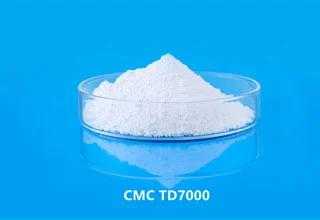
Textile Grade CMC
[a]https%3A%2F%2Fwww.kimacellulose.com%2Fproducts%2Fcmc-textile%2F[/a] <br>#cellulose #ether #suppliers <br>Textile grade CMC (Sodium Carboxymethyl Cellulose) is a type of cellulose derivative that is used in the textile industry as a thickener, binder, and sizing agent. <br> <br>Textile grade CMC (Sodium Carboxymethyl Cellulose) is a type of cellulose derivative that is used in the textile industry as a thickener, binder, and sizing agent. <br>It is a water-soluble cellulose ethers made by reacting refined cotton with sodium hydroxide and monochloroacetic acid. <br>In the textile industry, textile grade CMC is used in a variety of applications, including as a thickener for printing pastes, as a sizing agent for yarns and fabrics, and as a binder for pigments and dyes. It is also used as a stabilizer and emulsifier for various textile formulations. <br>Textile grade CMC can improve the quality of textile products by providing better color penetration, increased strength and durability, and improved resistance to abrasion and wrinkling. It is commonly used in the production of textiles, such as cotton, silk, wool, and synthetic fibers. <br> <br>Types of Textile Grade CMC <br>CMC TD5000KimaCell® CMC TD5000 sodium carboxymethyl cellulose is an ionic linear polymer substance. <br>CMC TD6000KimaCell® CMC TD6000 sodium carboxymethyl cellulose is a water-soluble gel that can be dissolved in cold and hot water. <br>CMC TD7000KimaCell® CMC TD7000 sodium carboxymethyl cellulose has good compatibility and adhesion with other substances. <br> <br>How To Use Textile Grade CMC? <br>To use CMC textile, it is typically first dissolved in water at a concentration of 0.5-2%. The solution should be stirred thoroughly until the CMC is completely dissolved. The resulting solution can then be added to the textile processing bath or applied to the textile surface as needed. <br>1.Sizing: Textile grade CMC can be used as a sizing agent for cotton and synthetic fibers to improve their strength and elasticity. It is usually added to the sizing bath at a concentration of 0.5-2%, depending on the fiber type and desired effect. <br>2.Printing: Textile grade CMC can be used as a thickener and stabilizer for textile printing pastes. It is added to the printing paste at a concentration of 0.5-2%, depending on the pigment concentration and desired viscosity. <br>3.Dyeing: Textile grade CMC can be used as an auxiliary agent for dyeing to improve the penetration and fixation of dyes onto fibers. It is added to the dye bath at a concentration of 0.5-2%, depending on the dye type and fiber type. <br>4.Finishing: Textile grade CMC can be used as a finishing agent to improve the hand feel and appearance of textiles. It is usually added to the finishing bath at a concentration of 0.5-1%. <br> <br>There are several advantages of using textile grade CMC (Carboxymethyl Cellulose Sodium) in the textile industry, including: <br>Improved print quality: <br>Textile grade CMC can improve the quality of prints by providing better color penetration and sharper lines, resulting in higher quality and more vibrant designs. <br>Increased strength and durability: <br>CMC can improve the strength and durability of textile products, resulting in longer-lasting and more resistant materials. <br>Better resistance to abrasion and wrinkling: <br>CMC can improve the resistance of textiles to abrasion and wrinkling, resulting in products that look better and last longer. <br>Easy to use: <br>CMC is a water-soluble polymer that is easy to handle and can be added directly to textile formulations. <br>Environmentally friendly: <br>CMC is a naturally occurring material that is biodegradable and non-toxic, making it an environmentally friendly choice for use in textile production. <br> <br>As one of cellulose ether suppliers, we will do our best to meet all the needs of customers.
Hydroxyethyl Cellulose (HEC) Wholesale
Hydroxyethyl cellulose China is a non-ionic cellulose ether that is derived from cellulose by introducing hydroxyethyl groups to its structure through a chemical reaction with ethylene oxide. The degree of substitution (DS) of hydroxyethyl groups in hec cosmetics can vary depending on the desired properties of the final product. <br> <br>Hydroxyethyl Cellulose(HEC) is a water-soluble polymer that is highly soluble in water and has several desirable properties, including good water solubility, non-toxicity, biodegradability, and high compatibility with other ingredients. It is widely used in various industrial and commercial applications, including personal care products, pharmaceuticals, paints and coatings, construction materials, and oil and gas drilling. CAS: 9004 62 0 <br> <br>Grades of Hydroxyethyl Cellulose (HEC) <br> <br>HEC HS100000 <br> <br>HEC HS60000 <br> <br>HEC HS30000 <br>Hydroxyethyl Cellulose for Paint <br> <br>HEC HS150000 <br>Hydroxyethylcellulose in Skin Care <br> <br>HEC HS200000 <br>Hydroxyethylcellulose in Cosmetics <br> <br>HEC HS300 <br>Hydroxyethylcellulose for Hair <br> <br>HEC DR100000 <br> <br>HEC DR300 <br>Hydroxyethylcellulose in Oil Drilling <br> <br>What Does Hydroxyethyl Cellulose Do For Skin? <br>Hydroxyethyl cellulose (HEC) is a thickener and emulsifier commonly used in skin care products which can help to improve the texture, hydration, and overall health of the skin. <br> <br>When added to skin care products, HEC helps to create a smooth and creamy texture that is easy to apply and feels pleasant on the skin. <br> <br>In addition to its texturizing properties, HEC can also have some benefits for the skin. It has the ability to hold onto water, which means that it can help to hydrate the skin and prevent it from becoming dry and dehydrated. This can be particularly beneficial for people with dry or sensitive skin. <br> <br>HEC can also help to create a protective barrier on the skin, which can help to prevent moisture loss and protect the skin from environmental stressors such as pollution and harsh weather conditions. <br> <br>What Is The Hydroxyethylcellulose Skin Care Benefits? <br>Thickening and stabilizing properties <br>HEC can add viscosity and stability to liquids, gels, and creams. This makes it a popular ingredient in personal care products like shampoos, conditioners, and lotions, as well as in pharmaceuticals and food products. <br> <br>Water retention <br>HEC has the ability to absorb and retain water, which makes it useful in products that require long-term moisture retention. This can include personal care products like moisturizers and skin creams, as well as building materials like cement and mortar. <br> <br>Film-forming properties <br>HEC can form a film on the surface of a product, which can provide a barrier against external factors like humidity, heat, and UV light. This makes it a useful ingredient in products like sunscreens, hair sprays, and anti-fogging agents. <br> <br>Compatibility with other ingredients <br>HEC is compatible with a wide range of other ingredients, which makes it a versatile additive in many industries. It can be used in combination with other polymers, surfactants, and emulsifiers to create unique and effective formulations. <br> <br>If you want to know more details of cellulose ether manufacturing process, please visit our website. <br>#hydroxyethyl#cellulose#china <br>[a]https%3A%2F%2Fwww.kimacellulose.com%2Fproducts%2Fhydroxyethyl-cellulose-hec-cas-9004-62-0%2F[/a]
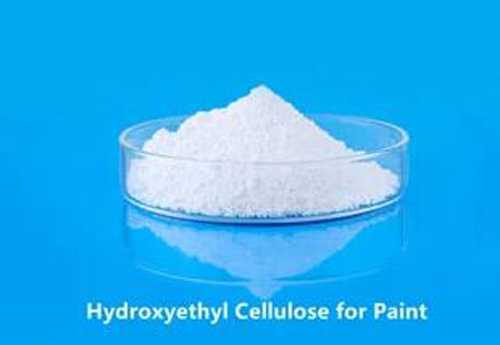
Hydroxyethyl Cellulose for Paint
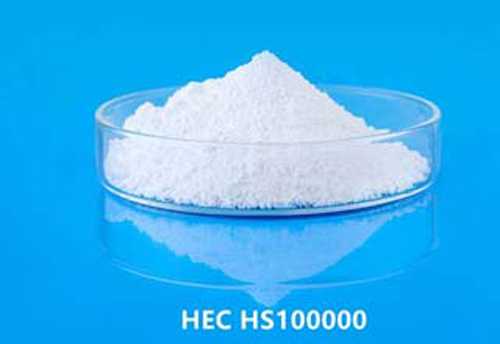
Hydroxyethyl Cellulose for Paint <br>Hydroxyethyl Cellulose (HEC) is a non-ionic water-soluble cellulose ether that is commonly used as a thickening agent in the manufacturing of water-based paints and coatings. <br> <br>Hydroxyethyl Cellulose (HEC) is a non-ionic water-soluble cellulose ether that is commonly used as a thickening agent in the manufacturing of water-based paints and coatings. <br> <br>It is derived from cellulose, and is modified with hydroxyethyl groups to improve its water solubility. <br> <br>HEC has several properties that make it well-suited for use in paint formulations: <br>Thickening: HEC is an effective thickener, increasing the viscosity of paint formulations and improving their stability and flow properties. Water retention: HEC has excellent water retention properties, which can help prevent water loss and improve the workability of paint formulations during application. <br> <br>Binders: HEC can also act as a binder, helping to hold the paint formulation together and improve its adhesion to the substrate. <br> <br>Stabilization: HEC can help to stabilize paint formulations, preventing the settling or separation of pigments and other components. <br> <br>Film formation: HEC can contribute to the formation of a smooth, continuous film on the substrate, improving the appearance and durability of the painted surface. <br> <br>CAS : 9004 62 0 <br> <br>Types of Hydroxyethyl Cellulose for Paint <br>HEC HS100000 <br>KimaCell® HEC HS100000 is a high molecular weight, water-soluble thickening agent that helps to form stable aqueous solutions or dispersions. Its main benefits include excellent viscosity control and stability, temperature resistance, and compatibility with a wide range of ingredients. <br> <br>HEC HS60000 <br>KimaCell® HEC HS60000 is a water-soluble polymer that is used as a thickening and stabilizing agent in a variety of products. It is used to thicken and stabilize products such as paints, coatings, adhesives, and sealants. It can also be used to suspend particles and act as a rheology modifier. <br> <br>HEC HS30000 <br>KimaCell® HEC HS30000 is a white, free-flowing powder with a molecular weight of 30000 Dalton and a hydroxyethyl content of 1.5-2.5%. <br> <br>How To Use Hydroxyethyl Cellulose for Paint? <br>Hydroxyethyl cellulose China is typically used as a thickener and stabilizer in water-based paint formulations. Here are some general guidelines for using HEC in paint: <br> <br>01. <br>Determine the desired viscosity: The amount of HEC that you need to add to your paint formulation will depend on the desired viscosity. This can be determined through testing and experimentation. <br> <br>02. <br>Add HEC to water: HEC is typically added to water first to create a slurry. The amount of water needed will depend on the quantity of HEC being used, but a good rule of thumb is to use 2-3 times the weight of HEC in water. <br> <br>03. <br>Mix the slurry: Mix the HEC and water slurry using a high-speed mixer or blender. This will help to ensure that the HEC is fully dispersed and there are no lumps or clumps. <br> <br>04. <br>Add the slurry to the paint: Once the HEC slurry is fully mixed, it can be added to the paint formulation. The amount of HEC slurry that you need to add will depend on the desired viscosity and the amount of paint that you are making. <br> <br>05. <br>Mix the paint thoroughly: Once the HEC slurry has been added to the paint, mix the paint thoroughly using a high-speed mixer or blender. This will help to ensure that the HEC is evenly distributed throughout the paint and that there are no lumps or clumps. <br> <br>Hydroxyethyl Cellulose HEC in paint formulations can help to improve the performance, stability, and ease of use of water-based paints and coatings, making them a popular choice for a wide range of applications.Here are some advantages of using HEC in paint formulations: <br> <br>Improved viscosity control: HEC is an effective thickener that can be used to adjust the viscosity of paint formulations and improve their flow properties. This can help to prevent sagging, running, or dripping during application, and ensure that the paint adheres properly to the substrate. <br> <br>Enhanced water retention: HEC has excellent water retention properties, which can help to prevent water loss and improve the workability of paint formulations during application. <br> <br>Better pigment dispersion: HEC can help to disperse pigments and other solid particles in the paint formulation, ensuring that they are evenly distributed and reducing the risk of clumping or settling. <br> <br>Improved film formation: HEC can contribute to the formation of a smooth, continuous film on the substrate, improving the appearance and durability of the painted surface. <br> <br>Increased stability: HEC can help to stabilize paint formulations, preventing the settling or separation of pigments and other components. <br> <br>Non-toxic and safe: HEC is a non-toxic and safe additive that can be used in a variety of applications, including paint and coating products. <br> <br>As one of hydroxypropyl cellulose suppliers, we will do our best to meet all the needs of customers. <br>#hydroxyethyl#cellulose#for#paint <br>[a]https%3A%2F%2Fwww.kimacellulose.com%2Fproducts%2Fhydroxyethyl-cellulose-for-paint%2F[/a]
Hydroxyethylcellulose for Hair
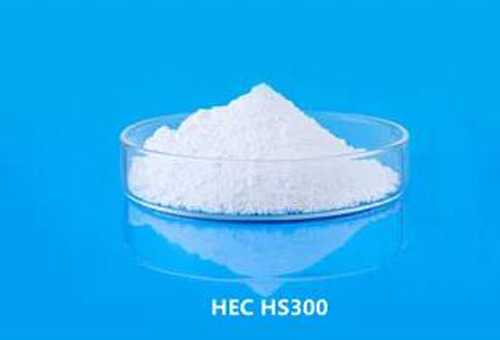
Hydroxyethylcellulose for Hair <br>Hydroxyethylcellulose (HEC) is a common cellulose ether ingredient found in many hair care products, including shampoos, conditioners, and styling products. <br> <br>Hydroxyethylcellulose (HEC) is a common cellulose ether ingredient found in many hair care products, including shampoos, conditioners, and styling products. <br> <br>It is a water-soluble polymer that is derived from cellulose, which is a natural, renewable resource. <br> <br>In hair care products, HEC is used as a thickener, emulsifier, and stabilizer. It helps to improve the viscosity of the product, allowing it to coat the hair more evenly and provide a better lather. Additionally, HEC helps to improve the texture and feel of the hair, making it softer and more manageable. <br> <br>Types of Hydroxyethylcellulose Hair <br>HEC HS300 <br>KimaCell® HEC HS300 Hydroxyethyl cellulose has the effect of adsorption and deposition on the hair surface. <br> <br>How To Use Hydroxyethyl Cellulose for Hair? <br>Hydroxyethyl Cellulose (HEC) is a water-soluble polymer commonly used in hair care formulations as a thickener, emulsifier, and stabilizer. Here are some general guidelines for adding HEC to a hair care formula: <br>01. <br>Determine the desired viscosity: The amount of HEC that you need to add to your hair care formula will depend on the desired viscosity. This can be determined through testing and experimentation. <br> <br>02. <br>Create a slurry: To add HEC to your hair care formula, it is recommended to first create a slurry by adding the HEC powder to water. The recommended ratio is typically 1% to 2% HEC in water (by weight). The amount of water needed will depend on the quantity of HEC being used, but a good rule of thumb is to use 2-3 times the weight of HEC in water. It is important to ensure that the HEC is fully dispersed in the water to prevent clumping. <br> <br>03. <br>Add the HEC slurry to your hair care formula: Once the HEC slurry is fully mixed, it can be added to your hair care formula. The amount of HEC slurry that you need to add will depend on the desired viscosity and the amount of hair care product that you are making. It is important to add the HEC slurry slowly and mix thoroughly to prevent clumping. <br> <br>04. <br>Mix thoroughly: Once the HEC slurry has been added to your hair care formula, mix the product thoroughly using a high-speed mixer or blender. This will help to ensure that the HEC is evenly distributed throughout the product and that there are no lumps or clumps. <br> <br>Some specific advantages of hydroxyethylcellulose in hair products include: <br>Improved conditioning: <br>HEC helps to improve the conditioning properties of hair care products, making hair softer, smoother, and more manageable. <br> <br>Enhanced foam and lather: <br>HEC helps to create a thicker, more luxurious lather, making it easier to distribute the product through the hair. <br> <br>Improved styling: <br>HEC can be used in styling products such as gels and mousses to improve the hold and texture of the hair. <br> <br>Moisturizing properties: <br>HEC has moisturizing properties that help to hydrate and protect the hair, reducing damage and breakage. <br> <br>Compatibility with other ingredients: <br>HEC is compatible with a wide range of other hair care ingredients, making it a versatile and effective additive. <br> <br>As one of methyl cellulose manufacturers, we will do our best to meet all the needs of customers. <br>#hydroxyethylcellulose#for#hair <br>[a]https%3A%2F%2Fwww.kimacellulose.com%2Fproducts%2Fhydroxyethylcellulose-for-hair%2F[/a]
HPMC for Pharmaceutical
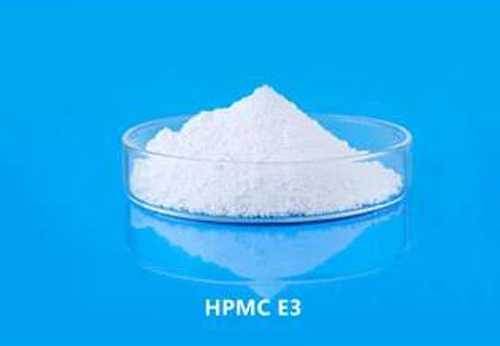
HPMC in Pharma <br>Pharmaceutical grade HPMC Hydroxypropyl methyl cellulose is a widely used pharmaceutical excipient that is used in a variety of applications in the pharmaceutical industry. <br> <br>Pharmaceutical grade HPMC Hydroxypropyl methyl cellulose is a widely used pharmaceutical excipient that is used in a variety of applications in the pharmaceutical industry. <br> <br>As an excipient, HPMC is an inactive ingredient that is used to improve the quality, safety, and effectiveness of drug products. Here are some of the main applications of HPMC in the pharmaceutical industry: <br> <br>Controlled release: HPMC can be used to create controlled-release drug formulations that release the active ingredient at a controlled rate over an extended period of time. This can help to improve the efficacy of the drug and reduce the frequency of dosing. <br> <br>Tablet coating: HPMC is a common binder used in tablet formulations. It helps to hold the tablet ingredients together, improving the tablet's structural integrity, and ensuring consistent dosage and disintegration. <br> <br>Film coating: HPMC can be used as a film coating for tablets, vegetable capsules, and granules. It helps to protect the drug from environmental factors and improve its appearance and swallowability. <br> <br>Disintegrant: HPMC can be used as a disintegrant in tablet formulations to help the tablet dissolve quickly and uniformly in the gastrointestinal tract. This can improve the bioavailability of the drug and enhance its therapeutic effect. <br> <br>Suspending agent: HPMC can be used as a suspending agent to keep insoluble drug particles in suspension in liquid formulations, such as suspensions and emulsions. <br> <br>Types of HPMC for Pharmaceutical <br>HPMC E3 <br>Pharmaceutical excipient grade hydroxypropyl methyl cellulose, also known as hypromellose, is a cellulose-based polymer used in the production of hard capsules, pellet granulation, and film coating. <br> <br>HPMC E5 <br>KimaCell®HPMC E5 are of the highest quality and are used in the development and manufacture of formulations. <br> <br>HPMC E6 <br>KimaCell®HPMC E6 is soluble in both cold and hot water, is tasteless, odorless, and non-toxic. The production, dose, and quality of hydroxypropyl methylcellulose, a type of cellulose mixed ether, have been rising quickly in China during the past 15 years. <br> <br>HPMC E15 <br>HPMC E15 is a non-ionic cellulose derivative that can be used as a rheology modifier and thickening agent for aqueous solutions. It provides excellent stability, good film-forming properties, and is heat resistant. <br> <br>HPMC E50 <br>HPMC E50 is a hydroxypropyl methylcellulose (HPMC) grade with a medium viscosity used as a binder, thickener, and suspending agent in a variety of products. <br> <br>HPMC E4M <br>HPMC E4M is a pharmaceutical grade modified cellulose polymer that is used as a binder, disintegrant, stabiliser, and release agent in pharmaceutical formulations. It provides excellent solubility, film forming properties, low-toxicity, and is also used as a suspending agent in oral suspensions. <br> <br>HPMC F50 <br>HPMC F50 is a hydroxypropyl methylcellulose used as a pharmaceutical binder, disintegrant, and lubricant. It is a white, odorless, tasteless powder that easily dissolves in cold water and has good film-forming properties. <br> <br>HPMC F4M <br>HPMC F4M is a cellulose-based excipient used in pharmaceutical and health care products. It is a white to slightly yellowish-white powder, odorless and tasteless. <br> <br>HPMC K15 LV <br>HPMC K15 LV is a low viscosity hydroxypropyl methylcellulose (HPMC) used as a suspending and thickening agent in various applications. It is used in pharmaceutical and food products to provide a uniform consistency, increase stability, and improve the product's shelf life. <br> <br>HPMC K100 LV <br>HPMC K100 LV is a cellulose ether used as a rheology modifier, suspending agent, and film forming agent. It is a low viscosity grade of Hydroxypropyl Methylcellulose (HPMC) and is suitable for creating solutions of low to medium viscosity. <br> <br>HPMC K4M <br>KimaCell®HPMC K4M hydroxypropyl methyl cellulose provides excellent water retention and solubility, and is an ideal choice for formulating products with a smooth texture and feel. <br> <br>HPMC K15M <br>KimaCell®HPMC K15M is a multi-purpose pharmaceutical excipient, which can be used as a thickener, dispersant, emulsifier and film-forming agent. <br> <br>HPMC K100M <br>HPMC K100M is frequently employed as pharmaceutical excipients in the pharmaceutical business as thickeners, dispersants, emulsifiers, and film-forming agents. Moreover, it is utilized for suspensions, ophthalmic preparations, prolonged and controlled release matrix, floating tablets, and film coating and adhesive on tablet medications. <br> <br>HPMC K200M <br>For drug-loaded sustained-release systems, KimaCell®HPMC K200M is employed as the drug skeleton for tablets or the capsule shell. <br> <br>How To Use HPMC for Pharmaceutical? <br>HPMC (Hydroxypropyl methylcellulose) can be used to pharmaceutical excipient formulations using different methods depending on the application. Here are some general guidelines for adding HPMC in pharmaceuticals: <br> <br>01. <br>Binder: HPMC can be added as a binder to the dry blend of tablet ingredients. The HPMC is typically added to the dry powder blend and mixed thoroughly. Water or another suitable solvent is then added to the blend to form a granulation that is dried and milled to the desired particle size. The resulting granules are then compressed into tablets using a tablet press. <br> <br>02. <br>Disintegrant: HPMC can be added as a disintegrant to the dry blend of tablet ingredients. The HPMC is typically added to the dry powder blend and mixed thoroughly. Water or another suitable solvent is then added to the blend to form a granulation that is dried and milled to the desired particle size. The resulting granules are then compressed into tablets using a tablet press. <br> <br>03 <br>Film coating: HPMC can be added to a coating solution for film-coating tablets. To prepare an HPMC film-coating solution, HPMC is usually dispersed in water or an organic solvent, along with plasticizers and other excipients. The resulting solution is then sprayed onto the surface of the tablet using a spray coating apparatus. <br> <br>04 <br>Controlled release: HPMC can be added to a drug formulation to create a controlled-release dosage form. The HPMC is typically mixed with the active ingredient and other excipients to form a matrix that releases the drug at a controlled rate over an extended period of time. The matrix can be incorporated into tablets, capsules, or other dosage forms. <br> <br>If you want to know more use of hpmc in pharmaceuticals, please visit our website. <br> <br>As one of hpmc manufacturers in china, we will do our best to meet all the needs of customers. <br>#hpmc#in#pharmaceutical <br>[a]https%3A%2F%2Fwww.kimacellulose.com%2Fproducts%2Fhpmc-in-pharmaceutical%2F[/a]
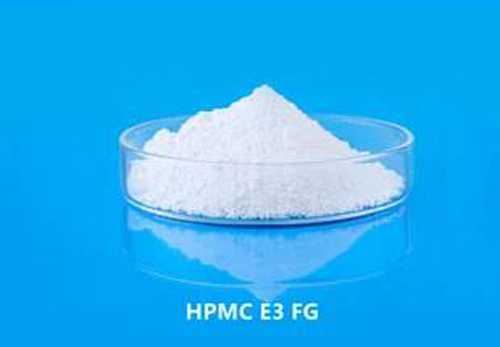
HPMC for Food
hydroxypropyl methylcellulose food <br>methyl cellulose in food <br> <br>HPMC for Food <br>Food grade HPMC (Hydroxypropyl methylcellulose) is a type of food ingredient that is specifically designed for use in food applications. It is a cellulose-based ingredient that is derived from natural sources, such as wood pulp or cotton. <br> <br>Food grade HPMC (Hydroxypropyl methylcellulose) is a type of food ingredient that is specifically designed for use in food applications. It is a cellulose-based ingredient that is derived from natural sources, such as wood pulp or cotton. <br> <br>Food grade HPMC is considered safe for human consumption and is widely used in the food industry for a variety of purposes, including as a thickener, emulsifier, and stabilizer. <br> <br>Food grade HPMC is typically produced under strict manufacturing conditions to ensure that it meets the regulatory standards for food safety and quality. It is commonly used in food products such as baked goods, dairy products, and beverages, as well as in dietary supplements and pharmaceuticals. <br> <br>HPMC is used as a dough conditioner to improve the texture, structure, and consistency of baked goods such as bread, cakes, and pastries. It also helps to extend the shelf life of these products. <br> <br>HPMC is used as a stabilizer in dairy products such as yogurt, ice cream, and whipped cream. It helps to prevent separation and improves the overall texture and mouthfeel of these products. <br> <br>HPMC is used as a thickener and stabilizer in a variety of beverages, including fruit juices, smoothies, and energy drinks. It helps to improve the viscosity and stability of these products, as well as prevent separation of ingredients. <br> <br>HPMC is used as a thickener in sauces, gravies, and salad dressings to improve the texture and stability of these products. It can also help to prevent separation of ingredients and enhance the overall mouthfeel. <br> <br>HPMC is used as a texturizer and emulsifier in many processed foods, including frozen meals, canned soups, and snacks. It helps to improve the overall texture and consistency of these products and enhances their shelf life. <br> <br>Types of HPMC for Food <br>HPMC E3 FG <br>In the food sector, KimaCell®HPMC E3 can be used as a thickener, stabilizer, and moisturizer to thicken, retain water, and enhance flavor. In wealthy nations, KimaCell®HPMC E3 has been extensively utilized. <br> <br>HPMC E5 FG <br>KimaCell®HPMC E5 FG is hydroxypropyl methylcellulose, which can lower the temperature at which pastry paste gelatinizes as well as its peak and cold viscosities. <br> <br>HPMC E6 FG <br>A high-performance hydrophilic polymer with cellulose as its foundation, HPMC E6 FG is utilized as an excipient in pharmaceutical and nutraceutical goods. It is a free-flowing, homogenous powder that ranges in color from white to off-white and is used to enhance the flow and compressibility of tablets, capsules, and powders. <br> <br>HPMC E15 FG <br>HPMC E15 FG is a white, flavorless powder that is used in a range of food and industrial items for film formation, thickening, emulsification, suspension, and protection. Moreover, it serves as a tablet binder for capsules and tablets. <br> <br>HPMC E50 FG <br>KimaCell® HPMC E50 FG is an excellent option for many applications because it has FDA approval for use in food and pharmaceuticals. <br> <br>HPMC E4M FG <br>HPMC E4M FG has excellent compatibility with other polymers and is used to improve product stability and shelf life. It is extensively utilized in the food, cosmetics, pharmaceutical, and other industries. <br> <br>HPMC F50 FG <br>Foods with HPMC F50 FG have better viscosity, less syneresis, and better texture. Moreover, it is employed in the beauty and pharmaceutical industries. Because HPMC F50 FG lacks flavorings, preservatives, and colorings, it is perfect for use in food products that need to be extremely pure. <br> <br>HPMC F4M FG <br>In food and beverage applications, hypromellose (Hydroxypropyl Methyl Cellulose, or HPMC F4M FG) is frequently used as a thickening and gelling agent. It is a great option for a range of food applications because it is non-toxic, non-irritating, odorless, and tasteless. <br> <br>HPMC K15 FG <br>KimaCell®HPMC K15 FG is perfect for uses including tablet coatings, personal care products, and food coatings because of its low viscosity. <br> <br>HPMC K100 FG <br>KimaCell®HPMC K100 FG Hydroxypropyl methyl cellulose forms a protective layer during frying. On the one hand, it prevents the oil from penetrating into the outer skin of the food, and on the other ha... <br> <br>HPMC K4M FG <br>KimaCell® K4M FG grade has a fine granulation that helps to ensure a good flow rate, making it easier to handle in manufacturing and packaging processes. <br> <br>HPMC K15M FG <br>HPMC K15M FG is a modified version of hydroxypropyl methylcellulose (HPMC) developed specifically for coating applications. It has excellent film forming and lubrication properties, as well as good adhesion, flexibility and water-resistance. It is suitable for coating tablets, pellets and capsules, and also provides controlled release of active ingredients. <br> <br>HPMC K100M FG <br>HPMC K100M FG is a pre-neutralized, high-viscosity hydroxypropyl methylcellulose (HPMC) that provides superior thickening and suspending properties in a wide variety of personal care and pharmaceutical applications. <br> <br>HPMC K200M FG <br>HPMC K200M FG is excellent for cold process formulations since it is also highly soluble in cold water. The rheological and film-forming abilities of HPMC K200M FG are excellent, and it mixes well with other substances. <br> <br>How To Use HPMC for Food? <br>When using HPMC Hydroxypropyl Methylcellulose in food applications, it is important to follow the recommended usage levels and specific instructions provided by the manufacturer. Here are some general guidelines for using methyl cellulose in food: <br> <br>01. <br>Determine the appropriate amount of HPMC to add to your recipe. The recommended dosage of HPMC varies depending on the specific application and desired properties of the final product. It's important to consult with the manufacturer or a food ingredient expert to determine the appropriate amount to use. <br> <br>02. <br>Pre-hydrate the HPMC before adding it to your recipe. HPMC is water-soluble, but it should be hydrated before use to ensure it disperses evenly and doesn't form clumps. To hydrate HPMC, add it to water or other liquids in a separate container and mix well until it forms a smooth, uniform solution. <br> <br>03. <br>Add the hydrated HPMC to your recipe. Depending on the recipe, you may need to mix the HPMC solution into other ingredients or add it directly to the cooking or processing stage. Make sure the HPMC is thoroughly mixed into the recipe to ensure even distribution. <br> <br>04. <br>Allow time for the HPMC to work. HPMC requires time to reach its full thickening and stabilizing potential. Depending on the recipe, you may need to allow the food product to rest or cook for a certain period to allow the HPMC to fully hydrate and achieve the desired texture. <br> <br>Here are some of the main advantages of using HPMC (9004 65 3) in food: Texture and mouthfeel: HPMC can be used to create a wide range of textures in food products, from thin liquids to thick gels and pastes. It can also be used to improve the mouthfeel of foods, making them smoother and creamier. <br> <br>Stability: HPMC is an effective stabilizer that helps to prevent ingredients from separating or settling out over time. This can improve the overall appearance and quality of food products and extend their shelf life. <br> <br>Reduced fat and calories: HPMC can be used to replace high-fat or high-calorie ingredients in food products, such as cream or butter. This can help to reduce the overall fat and calorie content of the product without sacrificing texture or flavor. <br> <br>Clean label: HPMC is a naturally derived ingredient that is considered safe for human consumption. It can be used as an alternative to synthetic ingredients, which can help food manufacturers create products with a cleaner label. <br> <br>Compatibility: HPMC is compatible with a wide range of other food ingredients and can be used in a variety of processing conditions, including high temperatures and acidic or alkaline environments. This makes it a versatile ingredient that can be used in many different types of food products. <br> <br>As one of cellulose ether manufacturers, we will do our best to meet all the needs of customers. <br>#hydroxypropyl#methyl#cellulose#in#food <br>[a]https%3A%2F%2Fwww.kimacellulose.com%2Fproducts%2Fhpmc-for-food%2F[/a]
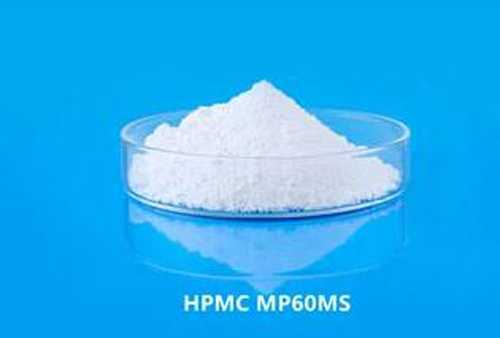
HPMC for Detergent
HPMC for Detergent <br>HPMC (Hydroxypropyl methylcellulose) is a commonly used additive in detergents to improve their performance and quality. <br> <br>HPMC (Hydroxypropyl methylcellulose) is a commonly used additive in detergents to improve their performance and quality. <br> <br>HPMC is a water-soluble methyl cellulose ether that is derived from cellulose, and it can be added to detergent formulations as a powder or a liquid. <br> <br>HPMC Uses In Detergent <br> <br>Some common uses of HPMC in detergents include: <br>Thickener: HPMC detergent can be used as a thickener to increase the viscosity and stability of detergent formulations, which improves their performance and helps to prevent settling and separation. <br> <br>Stabilizer: HPMC for detergent can help to stabilize the active ingredients in detergents, which improves their shelf life and overall performance. <br> <br>Film-former: HPMC for detergent can form a thin film on surfaces, which helps to improve the adherence of the detergent to the surface and increases the cleaning efficiency. <br> <br>Dispersant: HPMC for detergent can help to disperse and suspend solid particles in detergent formulations, which improves their flow properties and prevents caking. <br> <br>Water retention: HPMC for detergent can help to retain water in the detergent formulation, which improves the stability of the product and its performance. CAS: 9004 65 3 <br> <br>Types of HPMC for Detergent <br>HPMC MP60MS <br>KimaCell® HPMC MP60MS has excellent rheological properties and film-forming capabilities, making it ideal for use in a variety of daily chemical formulations. <br> <br>HPMC MP75MS <br>It has great water-retention and shear thinning properties, a wide temperature operating range, and high compatibility with other constituents. <br> <br>HPMC MP100MS <br>KimaCell® HPMC MP100MS is hydroxypropyl methylcellulose, a white or slightly yellowish powder that is odorless, tasteless, and non-toxic. It is a product of Daily Chemical. It can dissolve in a mixture of cold water and an organic solvent to create a clear viscous solution. <br> <br>HPMC MP150MS <br>KimaCell®HPMC MP150MS has excellent thickening, suspending, gelling and film-forming properties, making it widely used in food, pharmaceutical, and industrial products. <br> <br>HPMC MP200MS <br>KimaCell® HPMC MP200MS is a hydroxypropyl methyl cellulose (HPMC) grade of modified cellulose, produced using a special manufacturing process. <br> <br>As a cellulose ether factory, we can provide kinds of related products for sale, if you have needs, please contact us. <br>#hpmc#for#detergent <br>[a]https%3A%2F%2Fwww.kimacellulose.com%2Fproducts%2Fhpmc-for-detergent%2F[/a]
About KIMA CELL's Store
No description provided.
0.0
Customer Reviews
See what others are saying about KIMA CELL's Store. We verify purchases to ensure reviews are genuine.
No reviews yet for this store.