

KIMA CELL's Store
Owned by KIMA CELL Joined Jun 2024 14 Listings
KIMA CELL's Store
easyid.me/biz/kimacell-17bea5 • Verified Store
Scan to open official EasyID digital store, view live catalog, or save business card.
Verified Merchant
EasyID Certified Seller
Fast 24h Packing
Direct courier dispatch
Zero Escrow Direct
Direct merchant settlement
Store Listings (14)
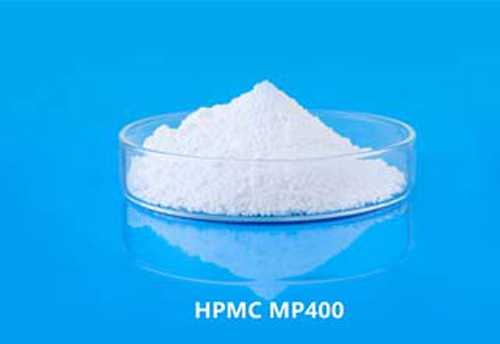
HPMC for Building & Construction
HPMC for Building & Construction <br>HPMC, short for Hydroxypropyl Methylcellulose, is a versatile compound widely used in the construction industry. HPMC for construction is derived from cellulose and offers several beneficial properties that make it an essential ingredient in various construction applications. Construction HPMC acts as a high-performance additive, enhancing the performance and durability of construction materials. HPMC for construction improves workability, adhesion, and water retention, making it ideal for applications such as HPMC for tile adhesive, HPMC for cement, mortar and wall putty etc. With its impressive versatility and reliability, construction HPMC continues to be a popular choice for construction professionals worldwide. <br> <br>HPMC, short for Hydroxypropyl Methylcellulose, is a versatile compound widely used in the construction industry. HPMC for construction is derived from cellulose and offers several beneficial properties that make it an essential ingredient in various construction applications. Construction HPMC acts as a high-performance additive, enhancing the performance and durability of construction materials. HPMC for construction improves workability, adhesion, and water retention, making it ideal for applications such as HPMC for tile adhesive, HPMC for cement, HPMC for mortar and wall putty etc. With its impressive versatility and reliability, construction HPMC continues to be a popular choice for construction professionals worldwide. <br> <br>Construction HPMC plays a vital role in improving the characteristics of building materials. HPMC for construction enhances workability, providing better adhesion, and improving the overall quality of tile adhesives, cement renders, self-leveling compounds, and gypsum-based products. Whether it's improving consistency, enhancing water retention, or controlling setting time, HPMC delivers outstanding results. <br> <br>What sets HPMC apart is its ability to adapt to specific construction needs. Construction HPMC acts as a reliable binder, promoting strength and durability in materials, while also serving as an efficient thickener and stabilizer. Construction professionals worldwide trust HPMC for its consistent performance, ease of use, and ability to optimize construction processes. <br> <br>Types of HPMC for Building & Construction <br>HPMC MP400 <br>Hydroxypropyl Methylcellulose HPMC MP400 is methyl cellulose ether derivatives specially designed for self-leveling compounds. KimaCell® HPMC MP400 can provide viscosity and acts as an anti-sedimentation aid for self-leveling floor material. <br> <br>HPMC MP4M <br>Hydroxypropyl Methylcellulose HPMC MP4M is low viscosity cellulose ether which is designed for joint filler. KimaCell® HPMC MP4M have excellent water retention, which can prolong the cooling time and improve work efficiency. <br> <br>HPMC MP6M <br>KimaCell® Hydroxypropyl Methyl Cellulose HPMC MP6M can enhance the processability of extruded Concrete products, with high bond strength and lubricity. HPMC MP6M improves wet strength and adhesion after sheet extrusion. <br> <br>HPMC MP10M <br>HPMC MP10M can enhance the viscosity of water-based paint remover and organic solvent paint remover, so that the paint remover will not flow out of the workpiece surface. <br> <br>HPMC MP15M <br>HPMC MP15M is Cellulose ether produced for premium tile adhesives. Hydroxypropyl Methyl Cellulose allows dry mix ingredients to be mixed easily without clumps, saving work time, improving workability and reducing costs due to faster and more effective application in Tile Adhesive. <br> <br>HPMC MP20M <br>HPMC MP20M improves uniformity, makes the plaster easier to apply, and increases sag resistance and enhances flow and pumpability for increased productivity. It has high water retention, prolongs the working time of the mortar, improves work efficiency, and helps the mortar to form high mechanical strength during the setting period. <br> <br>HPMC MP40M <br>HPMC MP40M is cellulose ether with medium viscosity applied to gypsum based plaster and gypsum mortar products. Its high water retention benefits also play a big role, prolonging the working time of the mortar and developing high mechanical strength when setting. <br> <br>HPMC MP60M <br>HPMC MP60M enhance the adhesion with the masonry surface, and enhance the water retention, so that the strength of the mortar can be improved. HPMC MP60M improved lubricity and plasticity for improved application properties, easier application saves time and improves cost-effectiveness. <br> <br>HPMC MP75M <br>In wall putty powder, KimaCell® HPMC MP75M mainly plays the role of water retention, bonding and lubrication, avoiding cracks and dehydration caused by excessive water loss, and at the same time enhances the adhesion of the putty, reduces the sagging phenomenon during construction, and makes the construction smoother. <br> <br>HPMC MP100M <br>Kima Chemical® HPMC MP75M is cellulose ethers designed for Exterior Insulation Finishing System (EIFS), or External Thermal Insulation Composite Systems (ETICS). In EIFS/ETICS material, Hydroxypropyl Methyl Cellulose HPMC MP75M can bond and increase the strength, so that the sand will be easier to coat and improve work efficiency. <br> <br>HPMC MP150M <br>HPMC MP150M is Hydroxypropyl Methyl Cellulose ether with very high viscosity, as a cellulosics thickener, it is widely used in ceramic tile adhesives and interface agent. <br> <br>HPMC MP200M <br>KimaCell® HPMC MP200M is the highest viscosity of cellulose ether for dry mixed mortar, concrete admixtures mortar, tile adhesive bond, tile grout etc. <br>#hpmc#for#construction <br>[a]https%3A%2F%2Fwww.kimacellulose.com%2Fproducts%2Fhpmc-for-construction-building%2F[/a]
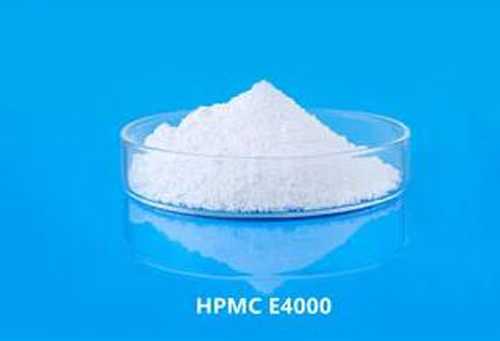
HPMC for Ceramics
Ceramics grade HPMC (Hydroxypropyl methylcellulose) is a commonly used additive in ceramics to improve the properties of the ceramic bodies and glazes. <br> <br>Ceramics grade HPMC (Hydroxypropyl methylcellulose) is a commonly used additive in ceramics to improve the properties of the ceramic bodies and glazes. <br> <br>HPMC is a water-soluble polymer that is derived from cellulose, and it can be added to ceramic formulations as a powder or a liquid. <br> <br>Some common uses of HPMC in ceramics include: <br>Binder: HPMC can be used as a binder to improve the green strength of ceramic bodies, which makes them less fragile and easier to handle during the forming process. <br> <br>Suspension agent: HPMC can help to suspend solid particles in liquid glazes or slips, which improves their flow properties and prevents settling. <br> <br>Plasticizer: HPMC can act as a plasticizer in ceramic formulations, which makes them more malleable and easier to shape during forming. <br> <br>Anti-cracking agent: HPMC can help to prevent cracking and shrinkage in ceramic bodies during the drying process, which improves their overall quality. <br> <br>Rheology modifier: HPMC can be used to adjust the viscosity and flow properties of ceramic slurries and glazes, which allows for better control over their application and performance. <br> <br>Types of HPMC for Ceramics <br>HPMC E4000 <br>KimaCell®HPMC E4000 is a white powder that expands into a clear or faintly cloudy colloidal solution in cold water. <br> <br>HPMC E6000 <br>In the extrusion of silicon nitride green bodies, various concentrations of powdered hydroxypropylmethylcellulose (HPMC) and starch were utilized as binders. <br> <br>HPMC E10000 <br>Ceramic grade HPMC E10000 is created from highly pure cotton cellulose and is particularly etherified in an alkaline environment. It is also known as hypromellose and cellulose hydroxypropyl methyl ether. <br> <br>How To Use HPMC for Ceramics? <br>Here is a general guideline on how to use HPMC in ceramics: <br>01. <br>Determine the appropriate concentration: The optimal concentration of HPMC depends on the specific application and the properties desired in the ceramic formulation. Typically, HPMC is used at a concentration of 0.5-3% by weight of the ceramic slurry or glaze. <br> <br>02. <br>Mix HPMC with water: HPMC is generally added to the aqueous phase of the ceramic formulation. To disperse HPMC, it is important to mix it with hot water (around 60-80°C) to allow the polymer to hydrate and dissolve completely. It is recommended to add HPMC slowly and stir well to prevent clumping. <br> <br>03. <br>Add other ingredients: Once HPMC is well dispersed, other ingredients can be added to the ceramic formulation, such as clays, feldspars, kaolins, pigments, or other additives. <br> <br>04. <br>Adjust rheology and viscosity: HPMC can be used to adjust the rheology and viscosity of the ceramic slurry or glaze. The optimal viscosity and rheology depend on the specific application, but typically, HPMC can be used to increase the fluidity and reduce the settling of solid particles in the slurry or glaze. <br> <br>05. <br>Optimize for application: Once the ceramic formulation with HPMC is well mixed, it is important to test and optimize its application properties, such as casting, spraying, or brushing. This includes testing the flow, leveling, and drying properties of the formulation to ensure it meets the desired application standards. <br> <br>HPMC (Hydroxypropyl methylcellulose) offers several advantages when used as an additive in ceramics, including: <br>Improved workability: <br>HPMC can improve the workability of ceramic bodies and glazes, making them easier to shape, mold, and apply. This is because HPMC acts as a plasticizer, increasing the flexibility and reducing the stiffness of the materials. <br> <br>Improved green strength: <br>HPMC can improve the green strength of ceramic bodies, which means they are less likely to crack or break during the handling and forming process. This is because HPMC acts as a binder, holding the particles together and increasing the strength of the materials. <br> <br>Improved suspension: <br>HPMC can improve the suspension of solid particles in liquid glazes or slips, which makes them more consistent and easier to apply. This is because HPMC acts as a suspension agent, preventing the particles from settling and improving the flow properties of the materials. <br> <br>Reduced shrinkage and cracking: <br>HPMC can help to reduce shrinkage and cracking in ceramic bodies during the drying process. This is because HPMC acts as an anti-cracking agent, improving the plasticity and elasticity of the materials and reducing their tendency to crack or shrink. <br> <br>Improved application properties: <br>HPMC can improve the application properties of ceramic slurries and glazes, making them easier to apply and control. This is because HPMC acts as a rheology modifier, adjusting the viscosity and flow properties of the materials. <br> <br>If you want to know more about hpmc uses, please visit our website. <br> <br>As one of cellulose ether suppliers, we will do our best to meet all the needs of customers. <br>#hpmc#uses <br>[a]https%3A%2F%2Fwww.kimacellulose.com%2Fproducts%2Fhpmc-for-ceramics%2F[/a]
About KIMA CELL's Store
No description provided.
0.0
Customer Reviews
See what others are saying about KIMA CELL's Store. We verify purchases to ensure reviews are genuine.
No reviews yet for this store.