Articles

Articles & Insights

Discover, learn, and grow with stories from our ecosystem members.

search
article
Travel & Adventure
Oct 27, 2026 • visibility 37 • 16 min read

Dayara Bugyal Trek for Beginners: A Complete Guide

Have you always dreamed of exploring the Himalayas but feel unsure about your first trekking adventure? Uttarakhand offers several beautiful trails for beginners, and Dayara Bugyal is one of the destinations worth considering. With its expansive alpine meadows, scenic forest paths, fresh mountain air, and stunning Himalayan views, it offers an unforgettable introduction to mountain trekking.Located in Uttarkashi district, Dayara Bugyal is known for its rolling grasslands and beautiful natural surroundings. During summer, the meadows turn green, while winter can transform the landscape into a snowy wonderland. These changing landscapes make the destination appealing to nature lovers, photographers, and adventure enthusiasts.The Dayara Bugyal trek can be a rewarding experience for first-time trekkers who prepare properly and choose a suitable itinerary. In this guide, we will explain the difficulty level, best time to visit, fitness preparation, packing essentials, route information, and important safety tips to help you plan your first Himalayan adventure.1. Is Dayara Bugyal Trek Suitable for Beginners?Yes, Dayara Bugyal is generally considered a suitable option for beginners with reasonable fitness. However, being a beginner-friendly trek does not mean it requires no preparation. The trail includes uphill sections, uneven terrain, and several hours of walking, which can feel challenging if you are not physically active.The experience becomes more manageable when you prepare in advance, carry suitable equipment, and follow an experienced trek leader.One of the highlights of the Dayara Bugyal trek is the variety of landscapes along the route. You can walk through forests, pass mountain clearings, and eventually reach expansive meadows with panoramic views of the surrounding Himalayan peaks.If this is your first trek, choose a reputable trekking operator that provides clear information about the itinerary, daily walking distances, accommodation, meals, and safety arrangements.2. Where Is Dayara Bugyal Located?Dayara Bugyal is situated in the Garhwal Himalayas of Uttarakhand, in Uttarkashi district. The meadow lies at approximately 3,000 metres above sea level, although some viewpoints and surrounding areas are higher.The trek is commonly approached through Raithal or Barsu, two villages that serve as starting points for different trekking routes.Most travellers reach the region by road from Dehradun or other parts of Uttarakhand before beginning the walking portion of the journey. The route offers a glimpse of mountain villages, forest landscapes, and the peaceful atmosphere of the Garhwal region.For beginners, understanding the route beforehand helps set realistic expectations about travel time, daily walking, and the facilities available along the trail.3. What Is the Difficulty Level?The trek is commonly described as easy to moderate, but the actual difficulty depends on the route, weather, snow conditions, and your fitness level.Beginners may find the gradual sections manageable, while steeper uphill stretches can require more effort. During winter, snow and slippery surfaces can make walking considerably harder.The Dayara Bugyal trek is best approached with a steady pace rather than rushing to reach the campsite or summit area. Take short breaks when needed, drink water regularly, and communicate with your guide if you feel unusually tired.You do not necessarily need previous trekking experience, but you should be comfortable walking for several hours and handling changes in weather. Anyone with concerns about how high-altitude activity may affect them should seek appropriate medical advice before travelling.4. Best Time to Visit Dayara BugyalChoosing the right season can significantly influence your first trekking experience. Dayara Bugyal offers different landscapes throughout the year, so your ideal travel dates depend on whether you prefer snow, greenery, or clear mountain views.Summer: May to JuneSummer is a popular period for exploring green alpine meadows. The weather is often more comfortable for daytime walking than in winter, although mountain conditions can change quickly.This season is suitable for beginners who want to experience forest trails, open grasslands, and beautiful mountain scenery without specifically seeking deep snow.Winter: December to FebruaryWinter attracts travellers looking for snowy landscapes and a memorable cold-weather adventure. When snowfall is favourable, the meadows and surrounding trails can become covered in snow.However, winter trekking requires warmer clothing, appropriate footwear, and additional care on slippery paths. Beginners should choose guided departures suitable for current snow conditions.Autumn: September to NovemberAutumn can offer clear mountain views, cooler temperatures, and beautiful golden landscapes. Conditions are often attractive for photographers and travellers who enjoy peaceful surroundings.The best time ultimately depends on your preferences and the latest local weather information. Snowfall and trail accessibility vary from year to year.5. How to Prepare Physically for Your First TrekYou do not need to be a professional athlete to enjoy a beginner-friendly Himalayan trek, but building stamina before departure is important.Start preparing around three to four weeks in advance if your current fitness level allows. Gradually increase your activity rather than attempting intense exercise immediately before the trip.Here are some useful ways to prepare:Walking: Begin with 30 minutes of brisk walking and gradually increase the duration.Stair climbing: Practise climbing stairs at a comfortable pace to build leg strength and endurance.Strength exercises: Include simple squats, calf raises, and step-ups if appropriate for your fitness level.Cardiovascular activity: Cycling or swimming can help improve overall stamina.Recovery: Get sufficient sleep and allow time for your body to recover between workouts.During the Dayara Bugyal trek, walk at a pace that allows you to breathe comfortably. Avoid comparing your speed with other trekkers because everyone adjusts to altitude and physical effort differently.6. What Should Beginners Pack?Packing correctly helps you stay comfortable and prepared for changing mountain conditions. Your checklist should reflect the season, expected temperatures, and the equipment supplied by your trekking operator.Essential items include:Comfortable trekking shoes with reliable grip.Moisture-wicking base layers and comfortable trekking clothes.A warm jacket for cold mornings and evenings.A waterproof outer layer in case of rain or snow.Gloves, a warm cap, and extra socks.A backpack that fits comfortably.Sunscreen, sunglasses, and personal toiletries.A reusable water bottle and personal medication.A headlamp, basic personal first-aid items, and identification.For winter departures, ask whether gaiters, trekking poles, or traction equipment are necessary. Avoid carrying unnecessary items because a heavy backpack can make uphill walking more tiring.Before departure, confirm which essentials your trekking operator provides and which you must bring yourself.7. How to Reach Dayara BugyalTravellers generally reach the trekking region by road, with Dehradun and Haridwar serving as common transport hubs.By road: From Dehradun, travellers usually drive towards Uttarkashi and continue to the selected base village, such as Raithal or Barsu. Journey duration depends on traffic, road conditions, and the chosen route.By train: Dehradun and Haridwar railway stations are convenient options for visitors arriving from other cities. Further road travel is required to reach the trekking base.By air: Jolly Grant Airport near Dehradun is a commonly used airport for this region. From there, travellers continue by road.For first-time trekkers, it is wise to arrive at the base village with enough time to rest before starting the walk. Avoid planning tight onward connections immediately after finishing the trek because mountain roads and weather can cause delays.8. Important Safety Tips for First-Time TrekkersSafety should always come before reaching a particular viewpoint or campsite.Choose a responsible trekking operator with trained guides, clear safety procedures, and appropriate emergency arrangements. Follow the guide's instructions and remain with the group, especially in fog, snow, or unfamiliar forest sections.Stay hydrated and eat regular meals to maintain energy. Dress in layers so you can adjust your clothing as temperatures change throughout the day.Pay attention to signs of altitude-related illness, including headaches, nausea, dizziness, or unusual fatigue. Inform your guide immediately if symptoms develop. Severe symptoms require prompt medical assessment and descent as advised.Weather can change quickly in the mountains. If your guide recommends changing the route or turning back because of unsafe conditions, follow that advice.A well-organised Dayara Bugyal trek should prioritise responsible decision-making, appropriate pacing, and the safety of every participant.9. What Can You Expect During the Trek?One of the best parts of trekking is enjoying the journey rather than focusing only on reaching the destination.Along the way, you may encounter forest paths, scenic clearings, mountain streams, and expansive grasslands. The exact scenery depends on the route and season.When the weather is clear, the surrounding Himalayan peaks create spectacular views. The open meadow is especially rewarding for landscape photography and quiet moments in nature.Camping arrangements vary by itinerary, but organised trips may include overnight stays at designated campsites, meals, and support from trek leaders.For beginners, this experience provides an opportunity to learn basic trekking habits, develop confidence on mountain trails, and appreciate the natural beauty of Uttarakhand.10. How to Plan Your First Dayara Bugyal AdventureBefore booking, compare itineraries and confirm the trek duration, route, group size, transport arrangements, accommodation, meals, and equipment inclusions.Ask whether the price covers travel from Dehradun or only services from the base village. Check the operator's cancellation policy, minimum age requirements, guide arrangements, and emergency procedures.If you are travelling during winter, ask about recent snowfall and the equipment required for the conditions. Do not choose a departure solely because it promises guaranteed snow, since snowfall is unpredictable.A suitable itinerary should match your fitness level and provide enough information for you to understand what each day involves.ConclusionDayara Bugyal is an excellent destination to consider if you want to experience the beauty of the Himalayas for the first time. Its scenic forests, expansive meadows, and mountain views offer a rewarding combination of nature and adventure.With reasonable fitness, suitable clothing, careful planning, and experienced guidance, beginners can enjoy a memorable trekking experience while learning to navigate mountain trails responsibly.

stonkbuilder Career & Business
Oct 27, 2026 • visibility 42 • 1 min read

stonkbuilder

quant.stonkbuilder.com offers institutional-level quantitative analytics and automated trading insights. Examine on-chain metrics, identify liquidity trends, and backtest market strategies with accurate data tools developed for high-performance traders.learn perpetual futures trading

stonkbuilder web
Read arrow_forward
Annual Physical vs Preventive Visit: Which Appointment Helps You Stay Healthier Long-Term? Health & Wellness
Oct 27, 2026 • visibility 29 • 11 min read

Annual Physical vs Preventive Visit: Which Appointment Helps You Stay Healthier Long-Term?

Good health is not simply about feeling well today; it also involves taking steps to protect your future well-being. Regular medical appointments can help identify health risks, encourage healthier habits, and detect certain conditions before symptoms become noticeable. Understanding annual physical vs preventive visit can help you decide which type of appointment best supports your long-term health goals.Why Long-Term Health Starts With Routine CareMany health conditions develop gradually and may not cause obvious symptoms in their early stages. High blood pressure, elevated cholesterol, and certain metabolic conditions can go unnoticed without appropriate screening.Routine healthcare appointments give providers an opportunity to review your health history, assess risk factors, and recommend appropriate preventive measures. The services offered depend on your age, personal circumstances, and medical needs.Consistent care also helps establish a record of changes in your health over time, making it easier to discuss concerns and adjust your healthcare plan when necessary.How an Annual Physical Assesses Your Overall HealthAn annual physical generally provides a broad assessment of your physical health. Your provider may review medications, discuss lifestyle habits, measure vital signs, and perform an examination based on your circumstances.The appointment may help you address concerns such as unexplained fatigue, changes in weight, or questions about exercise and nutrition. If clinically appropriate, your provider may recommend laboratory testing or further evaluation.An annual physical can also be an opportunity to review existing medical conditions and discuss whether your current management plan remains suitable.However, not every person requires identical examinations or tests each year. Your provider should tailor recommendations to your medical history and individual risk factors.Preventive Screenings and Early DetectionPreventive care emphasizes identifying potential health problems and reducing the likelihood of future complications. Screenings may detect certain conditions before noticeable symptoms appear, allowing patients and healthcare professionals to consider appropriate next steps.Depending on individual needs, preventive services may include:Blood pressure assessment.Recommended cholesterol and diabetes screenings.Age-appropriate cancer screenings.Vaccinations based on current recommendations.Counseling about nutrition, physical activity, and tobacco use.Screening recommendations change according to age, family history, personal medical history, and other risk factors. Not every screening is necessary for every patient.When considering annual physical vs preventive visit, remember that preventive care is an ongoing approach to health maintenance rather than a single test or appointment.Comparing the Two Visits for Better Health PlanningAlthough annual physicals and preventive visits may overlap, their emphasis can differ.An annual physical generally focuses on an overall assessment of your physical health. A preventive visit places greater emphasis on health risks, recommended screenings, wellness guidance, and prevention planning.The terminology is not consistent across all healthcare settings. Some providers combine these services, while others offer distinct appointment types. Medicare annual wellness visits, for example, focus on prevention planning and are not equivalent to a traditional physical examination.To determine which appointment is appropriate, ask the healthcare office what the visit includes and explain your current health priorities.Building Healthy Habits Beyond Your AppointmentMedical appointments are most useful when their recommendations become part of your everyday routine. Small, consistent lifestyle changes can support general health and complement appropriate medical care.Consider these practical steps:Choose balanced meals: Include vegetables, fruits, whole grains, and suitable sources of protein.Stay physically active: Follow an exercise routine appropriate for your abilities and health status.Prioritize sleep: Maintain a consistent sleep schedule and discuss persistent sleep problems with a provider.Avoid tobacco: Seek support if you want to stop smoking or using other tobacco products.Follow recommended screenings: Keep track of tests and vaccinations advised for your individual circumstances.Your provider can help you set realistic goals and identify changes that may benefit your health.Choosing Care Based on Your Personal Risk FactorsThe right appointment depends on more than age alone. Family history, lifestyle, previous test results, medications, and existing medical conditions may influence your healthcare needs.For example, someone with a family history of diabetes may need a discussion about appropriate screening. Another person may need help reviewing blood pressure management or understanding recommended cancer screenings.If you have new or persistent symptoms, explain them when scheduling. A preventive visit may not provide sufficient time for a detailed evaluation of a specific medical problem, so a separate appointment could be appropriate.The annual physical vs preventive visit decision should reflect your actual healthcare needs rather than a one-size-fits-all schedule.Making Preventive Healthcare a Consistent PriorityA single appointment cannot address every future health concern. Long-term wellness depends on maintaining communication with your healthcare provider, following appropriate recommendations, and reviewing your health needs as circumstances change.Keep a record of medications, important medical history, previous test results, and questions that arise between appointments. This information can make future consultations more productive.You should also review your insurance benefits before scheduling because preventive services, physical examinations, and diagnostic evaluations may be covered differently.By understanding the purpose of each appointment, you can make more informed decisions and develop a healthcare routine that fits your needs.ConclusionUnderstanding annual physical vs preventive visit can help you take a more active role in protecting your long-term health. Annual physicals provide an opportunity to assess general physical well-being, while preventive visits emphasize screening, risk assessment, and strategies for reducing future health risks. Because services can overlap, confirm what your appointment includes and discuss your personal health priorities with your provider. Consistent, individualized healthcare can help you make informed decisions and maintain healthier habits over time.Frequently Asked Questions1. Can preventive visits help identify health problems before symptoms appear?Yes. Appropriate screening tests can detect certain conditions before symptoms develop. However, screening does not identify every health problem, and recommendations depend on individual risk factors.2. Should healthy adults still attend routine healthcare appointments?Yes. People who feel healthy may still benefit from recommended screenings, vaccinations, risk assessments, and discussions about maintaining wellness.3. Will an annual physical prevent every chronic disease?No. Physical examinations and preventive services can help identify risks and support early detection, but they cannot prevent every disease. Genetics and other factors also influence health outcomes.4. What should I discuss with my provider to support long-term wellness?Ask about appropriate screenings, vaccination needs, family health risks, lifestyle habits, and any changes in your health. Your provider can help prioritize recommendations based on your circumstances.

Chiropractic Marketing: The Complete Growth Guide to Turning Online Searches Into Patient Appointments Health & Wellness
Oct 27, 2026 • visibility 25 • 13 min read

Chiropractic Marketing: The Complete Growth Guide to Turning Online Searches Into Patient Appointments

When people experience back discomfort, neck pain, or mobility concerns, they often search online before choosing a healthcare provider. For chiropractic practices, appearing in those searches is only the first step. The real challenge is helping potential patients find reliable information, understand available services, and feel comfortable scheduling an appointment. A well-planned Chiropractic Marketing: The Complete Growth Guide can help practices connect these steps and create a more effective patient acquisition process.Identify Where Potential Patients Drop OffA prospective patient may discover your practice through a search engine, visit your website, compare providers, and leave without contacting your office. Understanding this journey helps identify opportunities to improve conversions.Review your website from a new visitor’s perspective. Is it immediately clear which services you provide? Can visitors find your location, contact information, and appointment options without difficulty? Are practitioner credentials and treatment information easy to understand?Small improvements to these areas can make your practice easier to evaluate. Rather than concentrating exclusively on attracting more visitors, focus on helping existing visitors take the next step.Match Website Content to Patient IntentNot every person searching for chiropractic information is ready to book an appointment. Some want to understand a symptom, others are comparing providers, and some are actively looking for a nearby clinic.Create content for each stage of the decision-making process:Awareness: Explain common causes of back discomfort, posture concerns, and mobility limitations.Consideration: Describe chiropractic consultations, practitioner qualifications, and what an initial visit involves.Decision: Provide clear service details, office information, appointment instructions, and answers to practical questions.This approach makes your website more useful to people with different needs. A comprehensive Chiropractic Marketing: The Complete Growth Guide should connect educational articles with relevant service pages so visitors can move naturally from learning about a concern to exploring appropriate professional care.Strengthen Service Pages for Better ConversionsA service page should answer the questions patients are most likely to ask before contacting your office. Avoid vague descriptions that provide little practical information.Explain what a service involves, who may benefit from an assessment, how appointments are arranged, and what patients can expect during the process. Include practitioner qualifications where relevant and clarify any limitations or considerations that patients should discuss with a qualified professional.Use descriptive headings and concise paragraphs to make the information easy to scan. Add a clear call to action, such as scheduling a consultation or contacting the office for more information.Keep claims realistic. Marketing content should not guarantee pain relief, promise specific outcomes, or imply that chiropractic care is appropriate for every condition.Make Local Search Results Work HarderLocal search is particularly important for practices serving a defined geographic area. Potential patients may compare several clinics based on proximity, reviews, services, and convenience.To improve local visibility, maintain accurate business listings and consistent contact details. Use location-specific wording naturally on relevant website pages, and ensure that your office hours and service information remain current.Reviews can also influence how people evaluate a practice. Invite patients to provide honest feedback without pressuring them or offering prohibited incentives. Respond to reviews professionally and protect patient confidentiality in every public interaction.Local optimization is not simply about appearing in search results. It is about providing enough accurate information for people to decide whether your practice suits their needs.Use Educational Videos to Build ConfidenceSome patients hesitate to contact a chiropractic office because they do not know what an appointment involves. Short educational videos can address that uncertainty.Consider creating videos that explain the initial consultation process, introduce practitioners, describe office procedures, or share general guidance about workplace posture. Keep explanations simple and avoid presenting general advice as a personalized diagnosis.Publish videos on appropriate digital channels and incorporate them into relevant website pages when useful. Add captions so viewers can understand the information without sound, and ensure that all clinical statements are accurate and appropriately qualified.Within Chiropractic Marketing: The Complete Growth Guide, video content should serve a clear purpose: answer questions, explain services, and help prospective patients make informed decisions.Improve Response Times and Follow-UpA visitor who contacts your office may be comparing several providers. Delayed responses, unclear instructions, or repeated unanswered calls can create unnecessary barriers.Establish a consistent process for handling phone calls, website forms, and appointment requests. Make sure staff members know how to answer common administrative questions and when a clinical question should be directed to an appropriately qualified professional.Where permitted, use appointment reminders and follow-up messages to reduce missed visits and improve communication. Obtain necessary consent, respect communication preferences, and use appropriate safeguards for patient information.Effective follow-up should be helpful rather than aggressive. Avoid repeatedly contacting people who have declined further communication.Build Trust With Ethical Patient EducationTrust is essential in healthcare marketing. People need information that helps them understand their options without feeling pressured by fear-based messages or unrealistic promises.Use reliable sources when developing health-related content. Review articles periodically, correct outdated information, and explain when symptoms may require prompt medical assessment rather than assuming chiropractic treatment is suitable.Be transparent about practitioner qualifications, service limitations, fees, and relevant policies. Do not publish fabricated testimonials or misleading before-and-after claims. If patient experiences are shared, follow applicable privacy requirements and obtain appropriate permission.A credible marketing strategy supports informed choices while accurately representing the services your practice provides.Evaluate the Numbers Behind Your CampaignsMarketing decisions become more useful when they are based on measurable outcomes. Track the performance of individual channels and review whether they contribute to meaningful patient inquiries.Important metrics include:Website visitors who reach service pagesCalls and appointment requests generated by campaignsCompleted bookings compared with inquiriesSearch visibility for relevant local termsAdvertising costs relative to acquired patientsUse appropriate analytics and tracking systems while protecting sensitive health information. Avoid placing confidential patient details in advertising platforms or analytics tools that are not authorized to handle them.If a campaign receives clicks but generates few inquiries, examine the landing page, messaging, audience relevance, and booking process. A Chiropractic Marketing: The Complete Growth Guide becomes more effective when performance data informs ongoing improvements rather than being reviewed only at the end of a campaign.ConclusionTurning online searches into patient appointments requires a connected strategy that combines useful website content, strong local visibility, clear service pages, educational videos, timely communication, and reliable performance measurement. A practical Chiropractic Marketing: The Complete Growth Guide helps practices focus on the complete patient journey rather than traffic alone. By reducing barriers, communicating responsibly, and providing accurate information, chiropractic practices can build stronger relationships with prospective patients and create a sustainable foundation for growth.Frequently Asked Questions1. Why do chiropractic websites receive visitors but few appointment requests?Possible reasons include unclear service information, difficult navigation, limited trust signals, weak calls to action, or a complicated booking process. Reviewing the visitor journey can help identify specific barriers.2. What information should a chiropractic service page include?A service page should explain the service, relevant practitioner qualifications, what patients can expect, appointment procedures, location details, and a clear way to contact the practice.3. Can educational videos help a chiropractic practice gain new patients?Educational videos can answer common questions, introduce practitioners, and explain appointments. Their effectiveness depends on relevance, accuracy, accessibility, and how well they connect viewers with useful next steps.4. How can a chiropractic clinic evaluate its digital marketing return?Compare campaign expenses with meaningful outcomes, including qualified inquiries and completed appointments. Use reliable tracking, account for differences between channels, and protect patient information throughout the process.

Protected vs Unprotected 18650 Battery: What Is the Difference? Tech & Innovation
Oct 27, 2026 • visibility 53 • 18 min read

Protected vs Unprotected 18650 Battery: What Is the Difference?

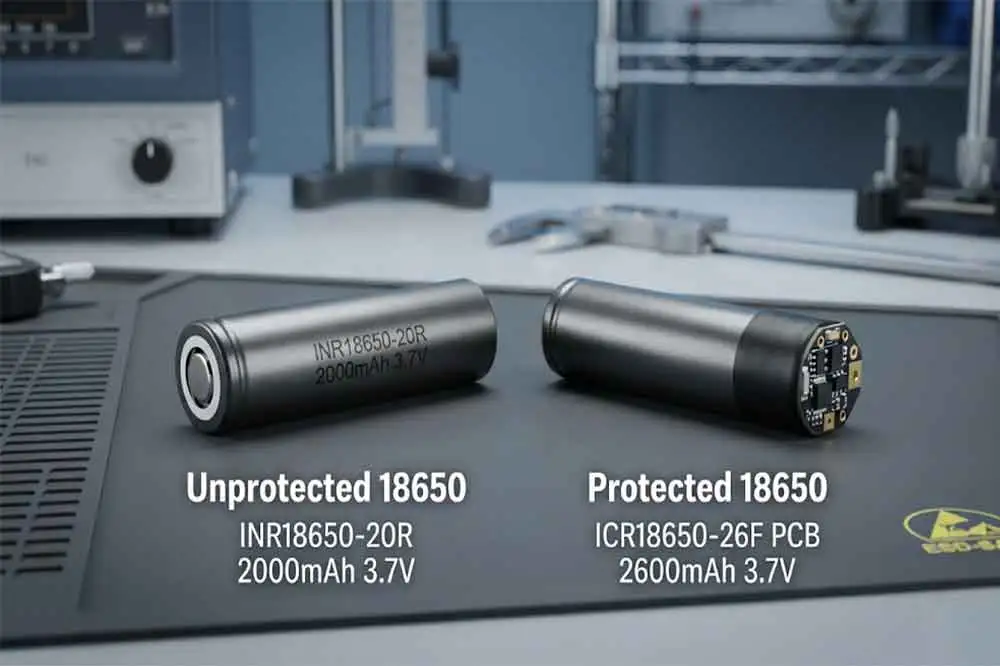
When choosing 18650 lithium-ion battery, one of the first questions engineers and purchasing teams often face is whether to use a protected or unprotected cell.At first glance, the two products can look almost identical. Both use the familiar cylindrical 18650 format, and both can have similar nominal voltage and capacity ratings. The important difference is the protection system.A protected 18650 battery has an additional protection circuit connected to the cell. An unprotected 18650 cell normally does not have this circuit integrated into the individual cell.That difference can affect battery dimensions, electrical behavior, application compatibility, and the overall design of an OEM battery system.What Is a Protected 18650 Battery?A protected 18650 battery combines a standard 18650 lithium-ion cell with a small protection circuit.The protection circuit is designed to monitor electrical conditions and can disconnect the cell when certain abnormal conditions occur.Depending on the design, protection functions may include:Overcharge protectionOver-discharge protectionOver-current protectionShort-circuit protectionThe exact thresholds and current limits depend on the protection circuit and its design.A protected battery is therefore not simply a higher-quality version of an unprotected cell. It is a different battery configuration designed for applications where individual-cell protection may be required.For a detailed explanation of the basic structure, see our guide to what a protected 18650 battery is.What Is an Unprotected 18650 Battery?An unprotected 18650 is generally a bare lithium-ion cell without an integrated protection circuit.The cell itself still has its normal electrical specifications, including voltage, capacity, internal resistance, and discharge characteristics.Unprotected cells are commonly considered when the final battery system already includes an external protection circuit or BMS.This is especially relevant in multi-cell battery packs.For example, a battery manufacturer may assemble several matched 18650 cells into a custom pack and use a dedicated BMS to monitor the complete battery system.In this type of design, adding an individual protection circuit to every cell may not be the intended architecture.Protected vs Unprotected 18650: Main DifferenceThe simplest way to understand the difference is:Protected 18650:Cell + Protection CircuitUnprotected 18650:Cell onlyHowever, this simple difference creates several practical consequences.FeatureProtected 18650Unprotected 18650Individual protection circuitUsually includedNormally not includedPhysical lengthUsually longerUsually shorterProtection against abnormal conditionsProvided by integrated circuitRequires external systemMulti-cell pack useApplication dependentCommon in BMS-based packsMechanical compatibilityMust check total lengthEasier where space is limitedSystem designMore self-containedRequires external protectionThe exact specifications should always be confirmed with the battery manufacturer because protected-cell designs vary.Physical Size: Protected vs UnprotectedOne practical difference that is easy to overlook is physical size.A bare 18650 cell has a standard cylindrical form factor, but a protected version may have additional components attached to one end.This can increase the overall battery length.For a device with a tight battery compartment, this difference can be critical.A buyer might select a 3000mAh protected 18650 based on capacity, only to discover that the additional protection circuit makes the battery too long for the existing housing.Therefore, OEM buyers should specify the maximum allowable battery dimensions before choosing the battery.The important measurement is not just the length of the bare cell.It is the complete assembled battery length and diameter.Protection and SafetyThe protection circuit is one of the main reasons engineers choose a protected 18650 battery.A properly designed protection circuit can help disconnect the battery under certain abnormal electrical conditions.For example, if the cell reaches the circuit’s overcharge threshold during charging, the circuit can interrupt the charging path.If the cell voltage falls below the specified discharge cutoff, the protection circuit can disconnect the load.The circuit may also respond to excessive current or a short circuit.However, protection does not make a lithium-ion battery completely risk-free.Battery safety still depends on:Cell qualityCharger designProtection circuit designBattery assemblyOperating temperatureMechanical protectionWiringManufacturing qualityCorrect applicationThis is particularly important for OEM projects. A protection circuit should be viewed as one part of the battery safety system rather than the entire safety strategy.Which Has Higher Discharge Current?It is a mistake to assume that a protected 18650 always has lower discharge current than an unprotected cell.The actual limit depends on both the cell and the protection circuit.A high-current cell may be capable of delivering substantial current, but if the protection circuit has a lower current limit, the complete protected battery may not support the same current.For example, the cell may be designed for a certain continuous discharge current while the selected protection circuit has a different over-current threshold.This is why OEM buyers should check both specifications.Ask for:Cell maximum continuous discharge currentProtection circuit operating currentOver-current protection thresholdPeak current capabilityApplication load profileThe battery should be selected according to the complete system rather than the cell specification alone.Does Protected Mean Better?Not necessarily.Protected and unprotected 18650 cells are designed for different system architectures.A protected battery can be a practical choice for a standalone device that needs individual-cell protection.An unprotected cell may be more suitable for a professionally designed multi-cell battery pack that already has an appropriate BMS.Calling one option “better” without knowing the application can lead to the wrong battery choice.The correct question is:Which battery architecture matches the device?That is more useful than simply asking which type has a higher specification.When Should You Use a Protected 18650?A protected 18650 can be considered when the application uses an individual rechargeable cell and requires integrated protection.Potential applications include:Portable electronicsLighting equipmentInstrumentsSmall battery-powered devicesCertain backup power applicationsCustomized single-cell productsThe device should still be checked for physical compatibility.The protection circuit can increase the total battery length, and the battery’s current capability must match the load.If the equipment already contains an appropriate battery protection system, the engineering team should check whether an additional protection circuit is necessary.When Should You Use Unprotected 18650?Unprotected cells are often considered in custom battery packs where the protection and monitoring system is designed separately.A multi-cell pack can use a dedicated BMS or PCM to monitor the complete pack.For example, an OEM manufacturer may build a 4S2P battery pack using eight 18650 cells.In this configuration, the battery designer needs to consider:Cell matchingSeries voltageParallel capacityPack currentBMS designCell balancingCharging methodThermal designMechanical constructionUsing individual protected cells in such a pack may not automatically provide the desired system architecture.The complete pack should be designed as one electrical system.Protected 18650 vs Unprotected 18650 for OEM ProjectsFor OEM battery projects, the choice should normally be made after the device requirements are defined.A useful specification sheet can include:Electrical RequirementsNominal voltageCapacityContinuous discharge currentPeak currentCharging voltageProtection requirementsMechanical RequirementsMaximum lengthDiameterConnectorCable lengthTerminal arrangementHousing requirementsBattery System RequirementsSingle cell or multi-cellSeries configurationParallel configurationBMS or protection circuitCell balancing requirementsCharger compatibilityThis information allows a battery manufacturer to recommend a more appropriate design.Can an Unprotected 18650 Be Used Without a BMS?This depends entirely on the application and electrical design.An unprotected lithium-ion cell should not simply be treated as a protected battery because it does not have an integrated protection circuit.If the device does not have a suitable protection system, an unprotected cell can create a significant design concern.For multi-cell battery packs, the protection system is normally designed as part of the complete battery pack.For single-cell applications, an appropriate protection circuit may be incorporated into the battery or device.The important point is that the protection function needs to exist somewhere in the complete system where it is required.What About Charging?Charging is another important difference between battery selection and system design.A lithium-ion cell requires an appropriate charging method and voltage control.A protected 18650 may provide a protection function that disconnects the cell if a specified voltage condition is exceeded, but the protection circuit should not be considered a replacement for a properly designed charger.For OEM applications, the battery, charger, and device should be evaluated together.This is especially important when the product will be manufactured in large quantities.Choosing Between Protected and Unprotected 18650A simple decision process can help.Choose a protected 18650 when:The application uses an individual cell.Integrated cell protection is required.The device has enough space for the protected battery dimensions.The protection current matches the load.Consider an unprotected 18650 when:The cell is being used in a custom battery pack.A suitable external BMS or protection system is included.The battery designer needs a specific cell configuration.The complete pack architecture has been engineered separately.These are general guidelines rather than universal rules.The final decision should be based on the actual device and battery design.Protected and Unprotected 18650 for Wholesale BuyersFor wholesale purchasing, buyers should avoid ordering only according to a generic product name.A better RFQ should specify the actual requirements.For protected batteries, include:Cell capacityNominal voltageProtection currentProtection functionsMaximum dimensionsConnector requirementsQuantityFor unprotected cells, include:Cell modelCapacityDischarge currentChemistryDimensionsRequired quantityIntended battery configurationFor OEM battery packs, provide a drawing or existing sample whenever possible.This helps reduce misunderstandings between the battery supplier and the engineering team.ConclusionThe main difference between a protected and unprotected 18650 battery is the presence of an integrated protection circuit.A protected 18650 can provide individual-cell protection functions, while an unprotected 18650 normally depends on an external protection system.Neither type is automatically the better choice.For a standalone device, a protected 18650 may be convenient when integrated protection is required. For a custom multi-cell battery pack, an unprotected cell combined with a properly designed BMS may be a more suitable architecture.For a broader overview of protected 18650 batteries, protection circuits, specifications, and OEM applications, see our 18650 protected battery complete guide.For more 18650 battery options for OEM and wholesale projects, visit the 18650 Lithium Battery product category.FAQ1. What is the main difference between protected and unprotected 18650 batteries?A protected 18650 has an integrated protection circuit, while an unprotected 18650 normally does not. The protection system for an unprotected cell must be provided elsewhere in the device or battery pack.2. Is a protected 18650 battery safer than an unprotected one?A protected 18650 has an additional protection layer against certain abnormal electrical conditions. However, overall battery safety also depends on cell quality, charger design, assembly, temperature, and the complete device design.3. Can I use an unprotected 18650 in a battery pack?Yes, unprotected cells are commonly considered for professionally designed multi-cell battery packs with an appropriate BMS or protection system. The complete pack must be engineered for the required voltage, current, charging, and balancing functions.4. Are protected 18650 batteries larger?Often, yes. The additional protection circuit can increase the total length of the battery. Always check the complete assembled dimensions rather than relying only on standard 18650 cell dimensions.5. Which 18650 battery should OEM buyers choose?The correct choice depends on the device architecture. A protected cell may suit some standalone applications, while an unprotected cell can be appropriate for a custom multi-cell pack with a dedicated BMS.

Repair AC in Dubai Career & Business
Oct 26, 2026 • visibility 34 • 8 min read

Repair AC in Dubai

Professional Air Conditioning Repair Solutions in DubaiAir conditioning is an essential part of everyday life in Dubai, where high temperatures can make indoor spaces uncomfortable without a reliable cooling system. Homes, offices, shops, and commercial buildings depend on properly functioning air conditioners to maintain comfortable temperatures throughout the year. When an AC unit stops cooling effectively or begins making unusual noises, timely repairs can help restore comfort and prevent further damage.Understanding common air conditioning problems and choosing a reliable repair service can make a significant difference. Regular maintenance, accurate fault diagnosis, and professional workmanship help keep cooling systems operating efficiently.Common Air Conditioning Problems in DubaiAir conditioners can develop several problems over time because of regular use, dust accumulation, and a lack of maintenance. One of the most common complaints is weak cooling. If an AC unit runs continuously but fails to cool the room, possible causes include dirty filters, blocked airflow, refrigerant leaks, or problems with the compressor.Water leaking from an indoor unit is another issue that homeowners may experience. This can happen when the condensate drain becomes blocked or the drainage system develops a fault. Ignoring water leakage may damage walls, ceilings, furniture, or flooring.Unusual sounds, unpleasant smells, and frequent system shutdowns can also indicate underlying problems. Electrical faults, damaged components, and thermostat issues may affect performance. A qualified technician can inspect the system, identify the cause, and recommend an appropriate repair.Why Professional AC Repair MattersAttempting to repair an air conditioner without the necessary knowledge can create additional problems. Modern cooling systems contain electrical components, refrigerant circuits, and sensitive controls that require careful handling.Professional technicians use suitable diagnostic methods to identify faults rather than replacing components unnecessarily. They can inspect filters, coils, drainage lines, thermostats, electrical connections, and other important parts according to the symptoms.If you need to Repair AC in Dubai, selecting an experienced service provider can help ensure that the problem is properly diagnosed and addressed. Before approving the work, ask for an explanation of the fault, the proposed repair, and any expected costs.The Importance of Regular AC MaintenancePreventive maintenance helps reduce the likelihood of unexpected breakdowns. Dust and debris can accumulate in filters and coils, restricting airflow and affecting cooling performance. Regular cleaning and inspection can help the system operate more effectively.A maintenance visit may include checking filters, cleaning accessible components, inspecting drainage, testing thermostat operation, and examining electrical connections. Technicians can also check refrigerant levels when necessary and investigate possible leaks instead of simply adding refrigerant.The recommended maintenance schedule depends on the type of AC system, its usage, and the surrounding environment. Properties exposed to heavy dust or systems used for long hours may require more frequent attention.Residential and Commercial AC Repair ServicesDifferent properties have different cooling requirements. Apartments and villas may use split air conditioners, while offices, hotels, and larger commercial buildings may rely on ducted or central cooling systems.Residential repairs often focus on restoring comfortable temperatures, resolving water leakage, and improving airflow. Commercial repairs may require additional planning to minimize disruption to employees, customers, and daily operations.A suitable repair provider should understand the type of system installed and have the equipment needed to diagnose its specific problems. Clear communication about repair timelines can also help property owners and businesses plan accordingly.Choosing a Reliable AC Repair CompanyBefore hiring an AC technician, consider the company's experience, service coverage, customer feedback, and pricing transparency. A trustworthy provider should explain the work required and seek approval before carrying out additional repairs.It is also helpful to ask whether replacement parts are covered by a warranty and whether the technician will test the system after completing the work. Comparing written quotations can help you understand the difference between inspection fees, labor costs, and replacement parts.Avoid choosing a service based on price alone. Proper diagnosis and quality workmanship may help prevent recurring faults and unnecessary expenses over time.Repair AC in DubaiKeep Your Cooling System Working EfficientlyA dependable air conditioning system supports comfort, productivity, and indoor air circulation. Responding quickly to warning signs, replacing or cleaning filters as recommended, and arranging periodic inspections can help maintain reliable performance.Whether an AC unit has stopped cooling, is leaking water, or is making unusual noises, professional attention can help identify the cause before the problem becomes more serious.By choosing qualified technicians and maintaining the system properly, Dubai residents and businesses can enjoy a more comfortable indoor environment throughout the year. A proactive approach to air conditioning care can also support equipment longevity and help avoid unexpected interruptions during the hottest months.

Repair AC in Dubai
Read arrow_forward