Articles

Articles & Insights

Discover, learn, and grow with stories from our ecosystem members.

search
Competitive Retail Intelligence for E-Commerce Price Monitoring Tech & Innovation
Oct 22, 2026 • visibility 16 • 12 min read

Competitive Retail Intelligence for E-Commerce Price Monitoring

IntroductionPricing decisions directly influence sales, margins, customer retention, and brand positioning in competitive online markets. Competitive Retail Intelligence for E-Commerce Price Monitoring gives retailers a structured view of competitor prices, product movements, discounts, and market changes. This enables pricing teams to evaluate market conditions with timely and organized information.Retailers can compare product-level pricing, identify frequent changes, and assess how competitors position similar products across different categories. Combining pricing information with Ecommerce Product Reviews Data also provides useful context about customer responses, product expectations, and perceived value, helping businesses connect pricing decisions with market sentiment and purchasing behavior.With reliable competitive information, businesses can reduce manual price tracking and improve the consistency of pricing strategies. Data-driven monitoring supports faster responses to competitor promotions, changing demand, and category movements while helping teams maintain profitable price points across large product assortments.Strengthening Pricing Decisions Through Deeper Competitive Market SignalsE-commerce pricing decisions depend on more than observing whether competitors charge more or less for similar products. Retailers need a broader understanding of price movements, promotional activity, product availability, and changes across categories. Dynamic Pricing Intelligence for E-Commerce Data Scraping helps organize these signals systematically, allowing pricing teams to compare market conditions and identify meaningful changes without depending on scattered observations or manual checks.Regular monitoring also gives businesses a clearer foundation for evaluating category movements and customer demand. When pricing information is collected consistently, teams can identify products experiencing frequent price revisions, changing discounts, or unusual promotional activity. Combining these observations with Market Research provides additional context for understanding competitive positioning, category behavior, and broader retail movements before making important pricing adjustments.Instead of reviewing individual product pages repeatedly, businesses can organize information around product identifiers, current prices, previous prices, discounts, and availability. This creates a more consistent comparison process and helps pricing professionals identify where adjustments may be necessary while maintaining greater control over margins and promotional decisions.Important signals that can support this process include:Current and historical competitor pricesDiscount and promotional changesProduct availability patternsCategory-level pricing movementsFrequency of competitor price revisionsMonitoring Frequency: Daily or weeklyCompetitive Coverage: Multiple marketplacesManual Checking: Reduced significantlyPricing Reviews: More consistentCategory Analysis: Broader visibilityTogether, these capabilities create a stronger foundation for reviewing pricing decisions. Retailers can prioritize products requiring attention, evaluate competitive movements more efficiently, and establish repeatable processes for responding to market changes without relying entirely on manual research.Enhancing Product Comparisons With Detailed Competitive Pricing VisibilityProduct-level pricing visibility allows retailers to understand precisely where their offers differ from competing products. Rather than comparing broad category averages, teams can examine individual products, variations, discounts, ratings, and availability. Competitor Pricing Data Extraction for Retail Analytics supports this process by organizing competitive information into structured datasets that make product comparisons easier to review and analyze.Customer feedback can provide another useful perspective when evaluating price positioning. A price change may have different effects depending on perceived product quality, availability, brand reputation, and customer expectations. Incorporating Sentiment Analysis Data can help teams interpret customer reactions alongside pricing information, giving analysts additional context when assessing whether certain price positions may influence purchasing behavior or product perception.Detailed comparisons are especially useful for identifying products where competitors have introduced significant discounts or changed their regular pricing. Retailers can establish comparison rules around product identifiers, brands, categories, pack sizes, and specifications to minimize mismatches. This allows pricing teams to distinguish genuine competitive differences from variations caused by product attributes or inconsistent catalog information.Businesses can prioritize the following competitive signals:Product-level price differencesPromotional and discount movementsCompetitor availability changesCustomer response indicatorsBrand and category comparisonsProduct Comparisons: Thousands of SKUsPrice Attributes: Multiple fieldsPromotional Tracking: Regular intervalsCompetitor Coverage: Multiple retailersCustomer Indicators: Review-based signalsA structured comparison framework makes competitive analysis more practical for pricing teams. It helps them identify products requiring review, evaluate competitive gaps, understand customer-facing signals, and create clearer pricing recommendations based on consistent product-level information rather than isolated observations.Scaling Automated Monitoring Across Extensive Ecommerce Product CatalogsManaging competitive pricing across thousands of products becomes increasingly difficult when information changes frequently. Large catalogs may include numerous categories, variants, sellers, and marketplaces, making manual monitoring slow and inconsistent. An Ecommerce Retail Market Data Intelligence Scraper can automate structured collection across relevant sources, helping businesses maintain broader visibility while reducing repetitive monitoring activities.Automation also makes it easier to maintain consistent collection processes as product assortments expand. Instead of creating separate manual workflows for different categories, retailers can establish standardized fields for prices, discounts, availability, product names, specifications, and other relevant attributes. These structured datasets can then be processed through internal analytics systems, dashboards, reporting tools, or pricing workflows.Integration is another important consideration for businesses managing frequent data updates. A Web Scraping API can connect collected information with existing technology environments, allowing pricing and analytics teams to work with regularly updated competitive datasets. This reduces the need for repeated manual transfers and can support faster access to information when product prices or promotional conditions change.Large-scale monitoring can provide several operational advantages:Broader product catalog coverageAutomated competitive comparisonsConsistent data collection structuresFaster identification of pricing changesEasier integration with analytics systems10,000+ SKUs: Automated monitoring50,000+ SKUs: Expanded competitor coverage100,000+ SKUs: Large-scale comparisonMultiple Markets: Centralized monitoringFrequent Updates: Faster data availabilityScalable monitoring gives retailers a practical way to manage competitive information as their catalogs and market presence grow. By combining automated collection, standardized data structures, and existing analytical workflows, pricing teams can evaluate more products while maintaining a consistent approach to competitive price monitoring.How Datazivot Can Help You?We help ecommerce businesses organize competitive information into structured datasets that support practical pricing and market analysis. Competitive Retail Intelligence for E-Commerce Price Monitoring can be applied to track competitor prices, product changes, promotions, availability, and category movements across multiple online sources.Key ways we can support pricing and intelligence initiatives include:Automating large-scale competitor data collectionStructuring product and pricing information for analysisMonitoring frequent price and promotional changesSupporting category-level competitive comparisonsPreparing datasets for dashboards and reportingHelping teams integrate data into existing workflowsWith SKU-Level Competitor Price Data Scraping for Ecommerce Stores, businesses can maintain detailed product-level visibility and evaluate pricing differences across competitors, categories, and marketplaces. Structured delivery also makes the collected information easier to process for internal analytics, reporting, and pricing strategy development.ConclusionModern ecommerce pricing requires timely competitive information, consistent monitoring, and clear product-level visibility. Competitive Retail Intelligence for E-Commerce Price Monitoring helps businesses evaluate market movements, compare competitor positions, and make pricing adjustments using structured evidence. This reduces reliance on manual checks and supports more informed decisions across changing product categories.By combining automated monitoring with Competitor Pricing Data Extraction for Retail Analytics, retailers can organize competitive signals into useful datasets for pricing teams and business analysts. Better visibility can support stronger promotional planning, improved price consistency, and more responsive category strategies. Contact Datazivot today to build reliable competitive pricing datasets for smarter retail decisions.#CompetitiveRetailIntelligenceForECommercePriceMonitoring,#DynamicPricingIntelligenceForECommerceDataScraping,#CompetitorPricingDataExtractionForRetailAnalytics,#EcommerceRetailMarketDataIntelligenceScraper,Source: https://www.datazivot.com/ecommerce-spices-demand-analytics.phpContact us:E-mail: [email protected] No: +91 8866656657Visit Now: https://www.datazivot.com/

Melissa Melissa Torres
Read arrow_forward
How Practical Digital Skills Can Help Build a Career in Today's Technology Industry Education & Learning
Oct 22, 2026 • visibility 18 • 6 min read

How Practical Digital Skills Can Help Build a Career in Today's Technology Industry

The digital and technology industry continues to create opportunities for students, freshers, and working professionals who want to develop practical skills. From online advertising and search engine optimization to website development, data analytics, and artificial intelligence, businesses increasingly rely on digital tools to reach customers and improve their operations.For individuals planning to enter this industry, choosing the right skills and following a structured learning path can make a significant difference.Why Digital Skills Are ImportantDigital skills are useful across many industries. Companies need professionals who can manage websites, improve search engine visibility, create engaging content, analyze business data, design user-friendly interfaces, and develop web applications.Some popular areas to explore include:Digital Marketing: Learn about SEO, social media marketing, paid advertising, content marketing, and campaign performance.Web Development: Understand HTML, CSS, JavaScript, responsive design, and modern development frameworks.UI/UX Design: Explore user research, wireframing, prototyping, and interface design.Data Analytics: Learn how to organize information, analyze data, create reports, and support business decisions.Artificial Intelligence: Understand how AI tools can assist with research, productivity, content workflows, and data-related tasks.The best starting point depends on a learner's interests, existing knowledge, and long-term career goals.The Value of Practical TrainingUnderstanding theory is important, but applying knowledge through practical exercises is equally valuable. Working on projects helps learners identify problems, test different approaches, and develop confidence in using professional tools.For example, a digital marketing learner might practice keyword research, prepare an SEO audit, analyze website traffic, or create an advertising campaign plan. A web development student might build a responsive website, while a data analytics learner could create a dashboard using a sample dataset.These activities help connect classroom learning with real-world applications. They can also provide useful examples to discuss during interviews and include in a professional portfolio.Choosing the Right Training ProgramBefore enrolling in a course, learners should consider several factors:Course curriculum: Check whether the topics match your career interests and current industry requirements.Practical assignments: Look for opportunities to apply concepts through projects and exercises.Trainer guidance: Choose a learning environment where you can ask questions and receive feedback.Tools and technologies: Review the platforms and software covered in the program.Learning flexibility: Consider whether classroom sessions or live online classes suit your schedule.Career preparation: Explore whether the program offers project guidance, portfolio support, interview preparation, or placement assistance.Comparing these factors can help learners make a more informed decision.Learning Opportunities at W3 Web SchoolW3 Web School is an IT training institute in Kolkata offering practical courses for students, freshers, and working professionals interested in digital and technology-related careers.Its training programs cover areas such as Digital Marketing, Search Engine Optimization, Full Stack Web Development, MERN Stack, UI/UX Design, Graphic Design, Video Editing, Data Analytics, WordPress, and Artificial Intelligence.The institute focuses on practical exercises, project-based learning, mentor guidance, and industry-relevant tools. Learners can explore offline classroom training in Kolkata or live online learning, depending on their requirements and course availability.People interested in developing new skills can explore the available programs and compare their curriculum, duration, and learning format before making a decision.Final ThoughtsBuilding a career in technology requires consistent learning, practical experience, and a willingness to adapt to changing tools and industry requirements. Rather than trying to learn everything at once, beginners can start with one relevant skill, practice regularly, and gradually expand their knowledge.Whether your interest lies in digital marketing, web development, design, analytics, or AI, a clear learning plan and hands-on experience can help you prepare for future opportunities in the digital economy.

W3 Web School
Read arrow_forward
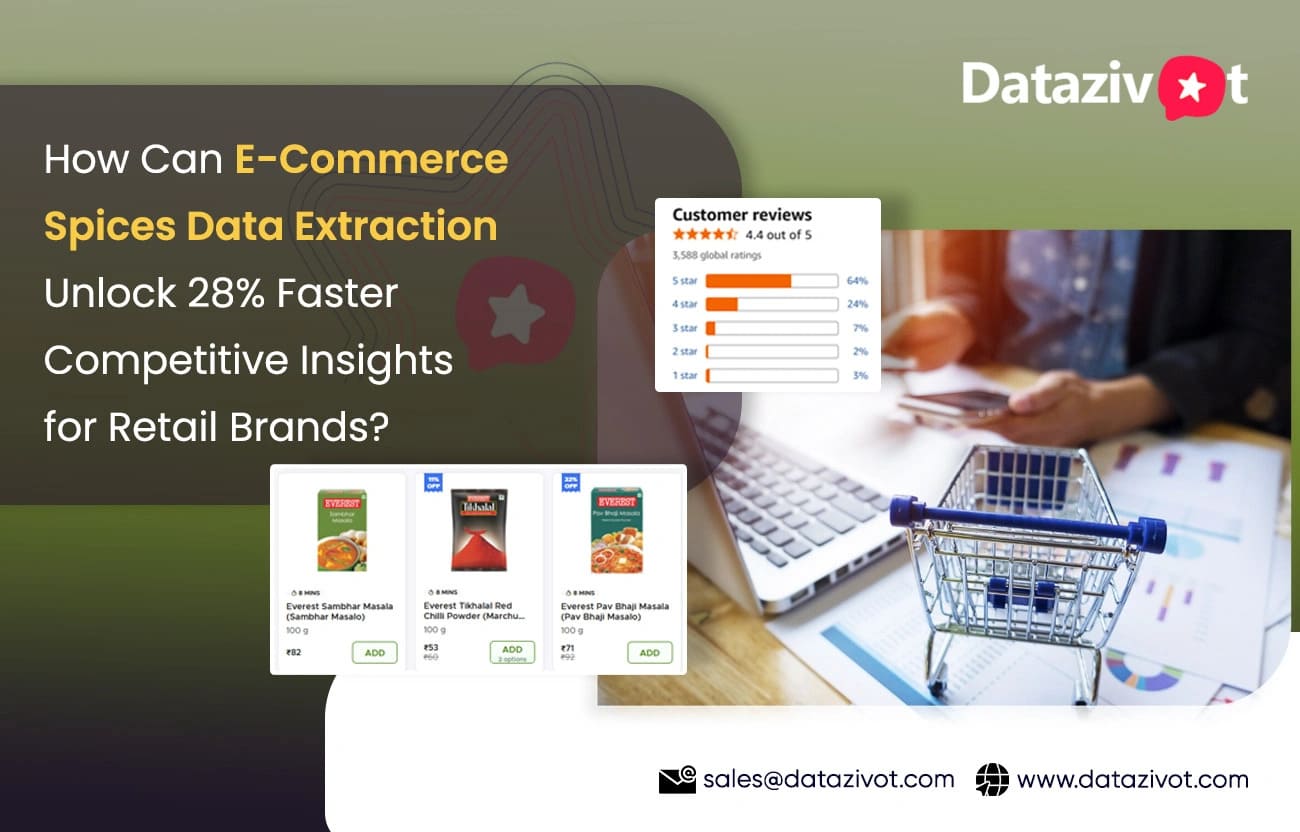
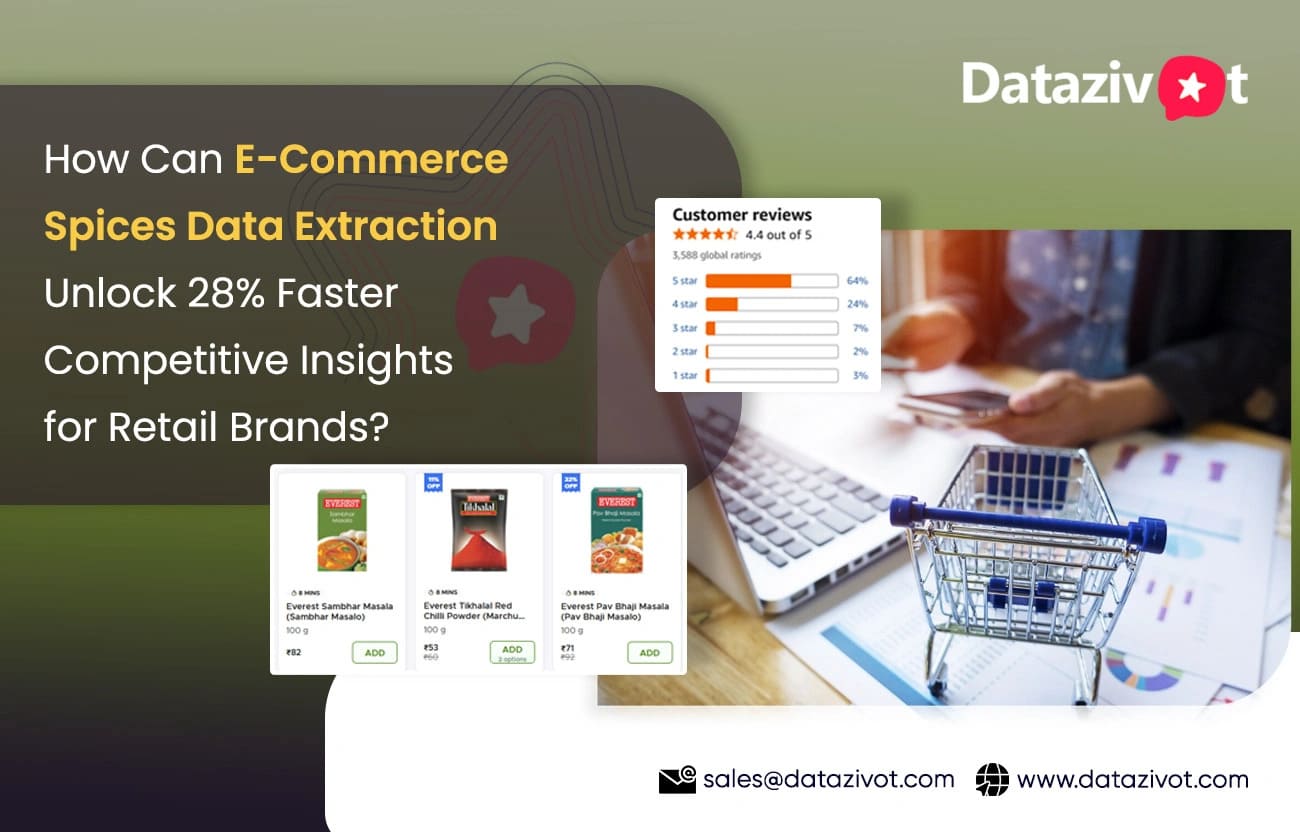
Retail Strategy Powered by E-Commerce Spices Data Extraction
Oct 22, 2026 • visibility 13 • 10 min read

Retail Strategy Powered by E-Commerce Spices Data Extraction

IntroductionThe global spices market is evolving rapidly as consumers increasingly shop online for everyday essentials like turmeric, chili powder, cumin, and blended seasonings. With over 65% of grocery shoppers comparing products across multiple marketplaces before purchasing, retail brands face intense digital competition. Listings change daily — prices fluctuate, new SKUs are introduced, and customer ratings shift in real time. Without structured visibility into this data, brands risk delayed reactions and missed revenue opportunities.This is where E-Commerce Spices Data Extraction plays a transformative role. By systematically collecting marketplace listings, stock availability, pack sizes, and seller-level details, retail brands can move from reactive to proactive decision-making. Instead of manually tracking competitors, automated systems capture dynamic insights at scale.Additionally, combining marketplace listings with Ecommerce Product Reviews Data reveals shifting taste preferences, emerging flavors, and packaging feedback that influence buying decisions. When integrated into strategic dashboards, this intelligence helps brands optimize pricing, monitor assortment gaps, and identify promotional timing. The result? Faster insights — often up to 28% quicker than traditional reporting cycles — enabling retail teams to refine strategies before competitors even notice a shift.Detecting Digital Price Variations Across Marketplaces EfficientlyOnline spice categories experience continuous pricing shifts influenced by demand cycles, regional competition, and promotional campaigns. Retailers that rely on weekly reporting often struggle to respond to sudden price drops or bundle discounts introduced by competitors. A structured monitoring approach supported by Product Data Scraping allows brands to track SKU-level changes including MRP adjustments, limited-time discounts, and seller-based pricing differences.With consistent tracking, businesses can conduct accurate E-Commerce Competitive Pricing Analysis to benchmark their offerings against marketplace averages. Data indicates that brands analyzing competitor pricing daily improve margin stability by nearly 20%, compared to those using static spreadsheets. In high-frequency grocery segments, even a minor mismatch of 3%–4% can affect conversion rates and buy-box positioning.Update Frequency: Weekly vs. DailyDiscount Tracking: Partial vs. SKU-level accuracySeller-Level Comparison: Limited vs. Multi-seller visibilityReaction Time: Delayed vs. 28% fasterConsistent price intelligence reduces reactive decision-making and supports proactive adjustments before demand spikes. Retail teams can identify patterns such as undercutting strategies, premium positioning tactics, and bundled pricing trends.Over time, this improves profitability forecasting and enhances coordination between digital sales and category management teams. Structured pricing visibility ensures that brands maintain competitive balance without sacrificing margins or long-term positioning.Improving Assortment Planning with Demand-Based InsightsAssortment depth plays a decisive role in digital conversion performance. Consumers frequently compare pack sizes, flavor variants, and organic options before completing a purchase. Retailers that fail to align their catalog with demand signals often experience visibility loss and declining search rankings. Through structured demand monitoring, brands can apply E-Commerce Spices Demand Analytics to evaluate which spice variants generate higher search traction and repeat purchases.Complementing this with Marketplace Spice Assortment Analysis enables detailed comparisons of competitor SKU breadth, packaging innovation, and category segmentation. Industry studies reveal that retailers optimizing assortment strategies based on demand-driven insights increase online category share by 15–18% within six months. Visibility into seasonal preferences also allows faster introduction of trending blends and value packs.High-Search Variants: Faster portfolio expansionPack Size Trends: Inventory optimizationOrganic Segment Growth: Premium positioningRegional Buying Patterns: Localized marketingThis structured visibility reduces stock imbalances and improves supply chain planning accuracy. Retailers can adjust procurement strategies according to demand signals rather than historical assumptions.Over time, assortment alignment enhances marketplace ranking stability and customer satisfaction. Data-backed assortment planning ensures brands remain relevant, competitive, and aligned with evolving consumer preferences across digital grocery channels.Turning Category Intelligence into Strategic Retail DecisionsModern retail strategy depends on transforming raw marketplace data into meaningful business direction. Without centralized dashboards, category managers struggle to interpret pricing shifts, seller dominance, and promotional outcomes. Structured tracking through Grocery Spices Data Scraping Services ensures that listing data, stock levels, ratings, and promotional patterns are collected consistently.Once organized, this intelligence can feed into a centralized Retail Spice Pricing Intelligence Platform that enables cross-category benchmarking and revenue modeling. Retail leaders can compare average discount depth, identify margin compression risks, and simulate pricing scenarios before launching campaigns.Category Growth Monitoring: SKU performance trends → Forecast precisionCompetitor Discount Tracking: Average price variance → Margin protectionCampaign Performance Review: Duration and sales lift → Budget optimizationRating & Price Correlation: Value perception metrics → Positioning clarityBy integrating insights from Retail Spice Market Analytics, businesses achieve stronger forecasting accuracy and campaign efficiency. Research indicates that retailers using predictive analytics improve promotional ROI by nearly 25% compared to conventional reporting frameworks.Centralized intelligence empowers collaboration between pricing teams, procurement managers, and marketing leaders. This approach converts fragmented data into measurable performance improvements and long-term competitive strength.How Datazivot Can Help You?Retail brands often struggle with fragmented marketplace information and delayed reporting cycles. By implementing E-Commerce Spices Data Extraction, we centralize SKU-level visibility across platforms and deliver timely, reliable insights for pricing and assortment planning.We support clients through:Automated daily tracking of multi-seller listings.Structured SKU mapping across marketplaces.Real-time price change alerts.Assortment benchmarking dashboards.Promotional impact monitoring reports.Custom data exports for analytics teams.In the final layer of reporting, we integrate advanced dashboards powered by Retail Spice Market Analytics to help leadership teams evaluate long-term growth patterns and competitive positioning with clarity and confidence.ConclusionDigital grocery competition continues to intensify, making structured intelligence a strategic necessity. Retailers implementing E-Commerce Spices Data Extraction often experience measurable improvements in pricing responsiveness and category visibility. Faster insights directly translate into stronger competitive positioning and revenue stability.By combining automated tracking with E-Commerce Spices Demand Analytics, brands can move from reactive adjustments to data-backed strategic planning. If you’re ready to transform marketplace insights into measurable growth, connect with Datazivot today and elevate your retail strategy with precision-driven intelligence.#ECommerceSpicesDemandAnalytics,#GrocerySpicesDataScrapingServices,#MarketplaceSpiceAssortmentAnalysis,#RetailSpicePricingIntelligencePlatform,Source: https://www.datazivot.com/ecommerce-spices-demand-analytics.phpContact us:E-mail: [email protected] No: +91 8866656657Visit Now: https://www.datazivot.com/

Melissa Melissa Torres
Read arrow_forward