Articles

Articles & Insights

Discover, learn, and grow with stories from our ecosystem members.

search
article
Education & Learning
Oct 20, 2026 • visibility 31 • 10 min read

Teen Patti Online Game – Features, Rules and Playing Guide

Teen Patti is a traditional Indian card game enjoyed by people who appreciate card combinations, decision-making, and friendly competition. With digital platforms making card games accessible on mobile devices, players can explore different game formats and learn the rules before participating. Teen Patti New Apk focuses on providing information related to the game, helping readers understand its basic concepts, features, and important considerations.Whether you are new to card games or already familiar with traditional three-card gameplay, learning the rules and hand rankings can make the experience easier to understand. A good starting point is to explore the available information, understand how each round works, and approach gameplay responsibly.Understanding the Basics of the GameTeen Patti is commonly played with a standard 52-card deck without jokers. Traditionally, three cards are dealt to each player, and the objective is to have the strongest hand according to the ranking system used at the table. The game combines card combinations with decisions about whether to continue playing or withdraw from a round.The rules may differ slightly between variations and digital platforms. Some versions include additional formats, special rounds, or alternative table settings. Therefore, players should review the instructions for their chosen version instead of assuming that every game follows identical rules.A typical round begins with players contributing to a starting pot, depending on the rules. Cards are then dealt, and players make decisions according to the available options. The round continues until the remaining participants reveal their cards or the game reaches an outcome defined by its rules.Main Features and Important Game InformationDigital card games can offer several features designed to make gameplay easier to navigate. The exact options depend on the platform, game version, and available format.Simple Interface and NavigationA clearly arranged interface helps users identify their cards, understand the current round, and locate important controls. Beginners benefit from learning the meaning of each button before making decisions. Checking the rules and settings first can prevent confusion during gameplay.Different Playing FormatsSome digital versions offer multiple tables or variations with different rules. These options may change the pace of a round, the available decisions, or the way certain hands are evaluated. Players should always check the format description before joining a table.Mobile AccessibilityMobile compatibility can make card games convenient to access from supported devices. Before installing an application, users should check its device requirements, source, permissions, and compatibility. An official website or verified distribution channel is preferable to an unfamiliar download page.Teen Patti Master New Apk is the brand name associated with this topic. Readers can visit to explore the website and review the information it provides. Availability of specific features, downloads, or services should be confirmed directly rather than assumed.Essential Rules and Card RankingsUnderstanding hand rankings is one of the most important steps for beginners. In the commonly used ranking system, the hands are arranged from strongest to weakest as follows:Trail or Three of a Kind: Three cards of the same rank, such as three kings.Pure Sequence: Three consecutive cards of the same suit.Sequence: Three consecutive cards that do not all share the same suit.Color or Flush: Three cards of the same suit that are not consecutive.Pair: Two cards of the same rank.High Card: A hand that does not form any of the combinations above.Specific rules for comparing sequences, suits, and tied hands may vary by version. Always consult the table's published rules to understand how comparisons are handled.Another important concept is the distinction between blind and seen play in traditional formats. Depending on the version, players may be allowed to continue without looking at their cards or make decisions after viewing them. The permitted actions and betting limits should be checked before a round begins.Benefits of Learning Before PlayingUnderstanding the game beforehand offers several practical advantages. First, it helps beginners recognize common card combinations without repeatedly checking the ranking list. Second, familiarity with the interface makes it easier to follow each round and understand available options.Learning also encourages more thoughtful decisions. Rather than acting impulsively, players can take time to understand the rules, compare possible outcomes, and recognize the uncertainty involved in card games. No strategy can guarantee a win because card distribution and other players' decisions influence the result.For anyone exploring an online card game, practice in a free or non-monetary mode, where available, can provide an opportunity to learn without financial pressure. It is also sensible to set personal time limits and avoid treating gameplay as a source of dependable income.Important Things to ConsiderBefore using any online gaming platform, review its terms, privacy policy, security practices, and age requirements. Confirm that the service is legally available in your location, particularly if it involves deposits, withdrawals, or real-money participation.Be cautious of websites that promise guaranteed winnings, unrealistic bonuses, or certain results. Never share passwords, verification codes, or banking information through unofficial channels. When an application is offered for download, check the publisher and file source before installing it, and avoid granting unnecessary permissions.Responsible participation means treating card games as entertainment rather than a financial solution. If gameplay involves money, establish a strict budget that you can afford to lose, never borrow to participate, and stop when the activity becomes stressful or difficult to control.ConclusionLearning the rules, understanding card rankings, and checking platform information are useful steps for anyone interested in traditional three-card games. A clear understanding of gameplay helps beginners follow each round and make informed decisions while recognizing that outcomes remain uncertain.Teen Patti can be easier to explore when players take time to understand its variations, check the reliability of the platform they choose, and prioritize responsible participation. By focusing on the rules, device safety, and personal limits, readers can make more informed choices when exploring digital card-game options.

Teen Patti New Apk
Read arrow_forward
What is rfid in supply chain management Tech & Innovation
Oct 20, 2026 • visibility 28 • 15 min read

What is rfid in supply chain management

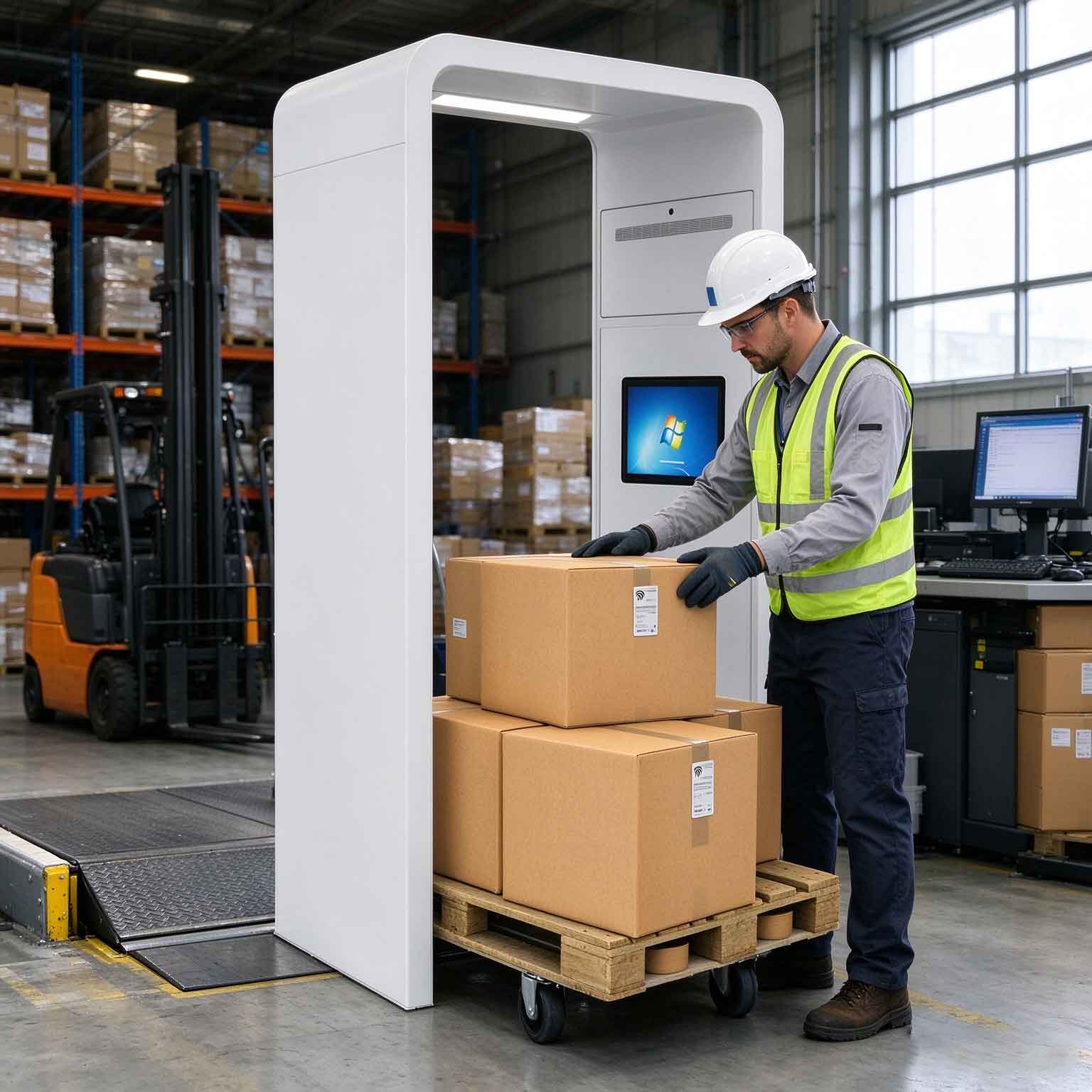
What is RFID in supply chain management? RFID (Radio Frequency Identification) is a technology that uses radio waves to identify and track tagged products, cartons, pallets, and assets as they move through a supply chain. By capturing tag data without requiring direct line of sight, RFID helps businesses improve inventory visibility, verify shipments, and reduce manual scanning.Unlike a barcode workflow, which typically requires an operator or scanner to see each label, RFID can identify multiple compatible tags within a reader’s detection zone. This makes it particularly useful in busy distribution centers, receiving areas, manufacturing facilities, and retail warehouses where goods move continuously.How Does RFID Work in Supply Chain Management?An RFID supply chain system typically consists of three components: RFID tags, RFID readers, and software that processes the captured information.RFID tags: Attached to individual products, containers, returnable assets, or pallets. Each tag carries an identifier and may store additional data, depending on its type.RFID readers and antennas: Capture tag responses as goods pass through receiving stations, warehouse doors, conveyor lines, or designated inventory zones.Supply chain software: Matches tag identifiers with product records and converts read events into operational information, such as receiving confirmation, stock movement, or shipment status.For example, when a pallet of components arrives at a factory, an RFID portal can read compatible tags as the pallet passes through a designated area. The warehouse system can compare those reads against the expected shipment, flag discrepancies, and record the receipt without requiring staff to scan every carton individually.The important detail is that a tag read is not automatically proof of a completed business transaction. Reader placement, duplicate-read filtering, shipment records, and software rules all influence whether the event accurately represents what happened.RFID readers capture tagged goods at warehouse receiving points, helping staff compare incoming shipments with expected inventory.Where Is RFID Used in the Supply Chain?1. Warehouse inventory managementRFID helps warehouse teams identify tagged stock, conduct inventory checks, locate assets by recorded zone, and reconcile physical goods against system records. Fixed readers support automated checkpoints, while handheld readers allow staff to investigate exceptions or search specific storage areas.2. Shipping and receivingReaders at dock doors can capture tagged cartons or pallets during inbound and outbound movements. Comparing the captured identifiers with an advance shipping notice helps teams detect missing, unexpected, or incorrectly routed items before a shipment leaves the facility.3. Manufacturing and asset trackingManufacturers can associate RFID identities with work-in-process items, tools, containers, and reusable transport equipment. Recorded movements help staff understand where items were last detected and whether equipment has reached the next production stage.What Benefits Does RFID Bring to Supply Chain Management?The value of RFID becomes clearer when inventory records are compared with physical stock. A research project published by Auburn University in 2010 examined RFID-enabled inventory visibility in two retail field experiments. The first involved 13 stores over 23 weeks; the second expanded to 62 stores across five product categories. The researchers found that RFID’s effectiveness varied by product category, highlighting the importance of selecting appropriate applications rather than assuming identical results everywhere.Key operational benefits include:Improved inventory accuracy: More frequent tag reads help businesses identify discrepancies between recorded and actual inventory.Faster goods handling: Multiple tags can be captured within a reader’s detection zone, reducing dependence on individual barcode scans.Better shipment visibility: Receiving and dispatch events can be matched against expected shipment contents.Reduced manual checking: Automated checkpoints can handle routine identification, leaving staff to investigate exceptions.More effective asset utilization: Reusable containers, tools, and handling equipment can be identified at designated checkpoints.One practical consideration is often overlooked: better identification does not automatically fix inaccurate master data, incorrect packing records, or poorly designed warehouse processes. RFID supplies additional observations. The business system must still interpret them correctly.How to Choose an RFID System for Supply Chain OperationsThe appropriate RFID configuration depends on what is being tracked, where reads must occur, and how the information will be used.ApplicationSuitable RFID approachImportant considerationWarehouse stocktakingHandheld or mobile RFID readerCoverage, operator workflow, and missed-tag detectionReceiving and shippingFixed reader with antennasRead-zone control and shipment reconciliationConveyor-based identificationFixed UHF reader and appropriately positioned antennasTag orientation, speed, and spacingReusable container trackingRFID tags with fixed or mobile readersTag durability and mounting locationSystem integrationRFID reader, middleware, and inventory softwareData filtering, event handling, and interface compatibilityFor supply chain projects using GS1-based identification, the Electronic Product Code (EPC) provides a standardized way to identify tagged objects. GS1’s EPCIS standard supports sharing visibility events between business systems, including information about what moved, when it moved, where it was observed, and the relevant business context.This distinction matters when a company works with several suppliers, distribution centers, or logistics providers. A reader can capture a tag identifier, but interoperable identification and event data help different organizations interpret the resulting information consistently.For Cykeo, businesses evaluating fixed UHF RFID readers should assess the required read zone, tag compatibility, interface options, environmental conditions, and integration requirements before selecting hardware. A successful deployment is measured by reliable operational events—not simply by the maximum reading distance stated in a specification.What Challenges Should Businesses Consider Before Implementing RFID?RFID can improve supply chain visibility, but performance depends on the physical environment and the quality of system integration. Metal shelving, liquid-filled products, tag orientation, nearby readers, and overlapping read zones can affect UHF RFID performance.Before deployment, supply chain teams should evaluate these factors:Tag selection: Confirm that the tag operates at the reader’s frequency and is suitable for the product’s materials and packaging.Reader placement: Test antennas at actual receiving doors, conveyor points, or storage locations instead of relying solely on laboratory specifications.Read accuracy: Check for missed tags, duplicate reads, and tags captured from adjacent zones.Data integration: Ensure that tag identifiers map correctly to product records, purchase orders, shipment notices, and inventory transactions.Pilot testing: Validate the system with representative products, normal operating speeds, and realistic warehouse traffic before expanding deployment.A useful field test is to run several pallets through the intended read zone with different carton arrangements. Compare the captured tag list with a verified manifest, then repeat the test under normal operating conditions. This exposes problems that a single successful demonstration may miss.RFID at dispatch points helps logistics teams capture shipment identifiers and compare outgoing goods with shipping records.Frequently Asked Questions About RFID in Supply Chain Management1. What is RFID in supply chain management used for?RFID in supply chain management is used to identify and track products, pallets, containers, and reusable assets throughout warehouse and logistics operations. Typical applications include inventory counting, shipment verification, receiving, dispatch, and work-in-process tracking. The specific benefits depend on tag selection, reader placement, and integration with inventory software.2. How does RFID improve supply chain visibility?RFID improves supply chain visibility by recording tag reads at designated checkpoints. When these events are connected to inventory or logistics software, businesses can identify when tagged goods were observed and compare their movements with expected shipments. RFID does not automatically provide continuous location tracking; visibility depends on reader coverage and event processing.3. Is RFID better than barcodes for inventory management?RFID can be more efficient than barcodes when many tagged items must be identified quickly without scanning each label individually. Barcodes are often more economical for simple identification workflows, while RFID requires compatible tags and readers. The best choice depends on item volume, operating conditions, accuracy requirements, and total implementation cost.4. Which RFID frequency is best for supply chain tracking?UHF RFID is widely used for logistics, pallet identification, and warehouse inventory because it supports reading multiple compatible tags over practical operating distances. HF RFID is useful for applications requiring closer-range identification, while LF RFID serves specialized identification needs. Frequency selection should account for local regulations, tag design, materials, and reader compatibility.5. Can RFID track products in real time?RFID can support near-real-time visibility when readers capture tag data at monitored locations and the software processes those events promptly. However, passive RFID tags do not continuously transmit their positions. To determine where an item is, the system generally relies on the latest valid read, reader location, and the timing of the recorded event.6. What equipment is required for an RFID supply chain system?A typical system requires RFID tags, compatible readers, and software to associate tag identifiers with inventory or shipment records. Depending on the application, it may also include antennas, fixed reader gates, handheld terminals, middleware, and connections to warehouse management or enterprise resource planning systems.7. What is the biggest challenge when implementing supply chain RFID?The main challenge is achieving dependable identification under real operating conditions while ensuring captured reads become accurate business records. Tag performance, metal or liquid interference, overlapping read zones, incorrect data associations, and software integration can all affect results. Pilot testing with real products and workflows helps expose these issues before a full rollout.

office partition service dubai Career & Business
Oct 20, 2026 • visibility 33 • 9 min read

office partition service dubai

Modern Office Partition Solutions for Better Workspaces in DubaiA well-designed office can influence how employees work, communicate, and interact with clients. As businesses in Dubai continue to develop modern commercial spaces, flexible office layouts have become increasingly important. Instead of relying only on permanent walls, many companies now use partition systems to create meeting rooms, private cabins, collaborative areas, and focused work zones.Office partitions offer a practical way to reorganize a workplace without completely changing the existing structure. They can help businesses use available floor space more efficiently while maintaining a professional appearance. Depending on the requirements, companies can choose from glass, gypsum, aluminum, acoustic, wooden, or modular partition systems.Why Office Partitions Are ImportantOpen-plan offices can encourage communication, but they may also create problems with noise, privacy, and concentration. A properly planned partition layout can divide a large workspace into functional areas while keeping the overall environment organized.Glass partitions are especially popular in modern Dubai offices because they provide separation without making rooms feel dark or closed. They allow natural light to travel through the workplace and can create a clean, contemporary appearance. Acoustic glass systems can also be selected when businesses need greater privacy between meeting rooms and work areas.Partitions can also support changing business requirements. A company that expands its team may need additional workstations or meeting rooms. Modular and flexible systems can make future changes easier than rebuilding permanent walls.Choosing the Right Partition MaterialDifferent workplaces require different partition solutions. Glass is suitable for offices that want visibility, natural light, and a modern appearance. Frosted or patterned glass can provide additional visual privacy while maintaining brightness.Gypsum partitions are another option when a business needs more solid separation. They can be useful for private offices, storage areas, service rooms, and other spaces where visibility is less important. Modular partitions can provide flexibility for businesses that frequently change their layouts.Acoustic partitions are useful when controlling workplace noise is a priority. Meeting rooms, executive offices, consultation rooms, and areas handling confidential conversations can benefit from systems designed with sound control in mind. Professional partition providers commonly offer solutions based on the required level of privacy, room function, and office design.Benefits for Dubai BusinessesDubai has a wide range of commercial properties, from business centers and smaller offices to large corporate floors. Each property can have different dimensions, layouts, landlord requirements, and design goals. A customized partition plan allows businesses to make better use of their available space.A professional office partition service dubai provider can help with planning, measurements, material selection, fabrication, and installation. This complete approach can reduce mistakes and ensure that the finished partition system fits the workplace properly.Another major advantage is appearance. Office interiors often create the first impression for customers, visitors, and potential business partners. Clean glass walls, carefully finished frames, and well-planned room divisions can make a workplace appear organized and professional.Planning an Efficient Office LayoutBefore installing partitions, businesses should consider how employees use the office. A meeting room should provide enough privacy, while collaborative areas may benefit from greater visibility. Reception areas should remain welcoming, and workstations should have enough space for comfortable movement.Lighting should also be considered during planning. Solid partitions placed incorrectly can block natural light, while glass systems can help maintain visual openness. Modern office design therefore combines privacy with accessibility rather than simply dividing every area with solid walls.For offices located in busy commercial areas such as Business Bay, Dubai Marina, Jumeirah Lakes Towers, or Dubai's central business districts, careful planning can be particularly useful because available floor space may need to support several functions.Professional Installation MattersThe quality of installation is just as important as the partition material. Accurate measurements, suitable fixing methods, proper alignment, and clean finishing can affect both appearance and long-term performance.Businesses should discuss their requirements with an experienced contractor before selecting a system. The project should consider room dimensions, door positions, electrical requirements, lighting, acoustic needs, and the intended use of each area. Office renovation specialists also commonly coordinate partition work with other elements of a fit-out project.Creating a Future-Ready WorkplaceOffice design is no longer only about dividing one large room into smaller spaces. Businesses need workplaces that can adapt as teams, technology, and working patterns change. Flexible partitions can help create an environment that supports private work, meetings, teamwork, and client interactions within the same floor.A carefully selected office partition service dubai solution can therefore become an important part of a wider office improvement project. From elegant glass meeting rooms to practical modular dividers and acoustic systems, the right choice depends on the company's space, budget, privacy requirements, and long-term plans.For Dubai businesses planning an office renovation or a new commercial setup, investing time in partition planning can make the workplace more functional, attractive, and adaptable. With the right materials and professional installation, partitions can transform an ordinary office layout into a modern environment designed around the people who use it every day.

Office partition service
Read arrow_forward