Articles

Articles & Insights

Discover, learn, and grow with stories from our ecosystem members.

search
How Practical Digital Skills Can Help Build a Career in Today's Technology Industry Education & Learning
Oct 22, 2026 • visibility 31 • 6 min read

How Practical Digital Skills Can Help Build a Career in Today's Technology Industry

The digital and technology industry continues to create opportunities for students, freshers, and working professionals who want to develop practical skills. From online advertising and search engine optimization to website development, data analytics, and artificial intelligence, businesses increasingly rely on digital tools to reach customers and improve their operations.For individuals planning to enter this industry, choosing the right skills and following a structured learning path can make a significant difference.Why Digital Skills Are ImportantDigital skills are useful across many industries. Companies need professionals who can manage websites, improve search engine visibility, create engaging content, analyze business data, design user-friendly interfaces, and develop web applications.Some popular areas to explore include:Digital Marketing: Learn about SEO, social media marketing, paid advertising, content marketing, and campaign performance.Web Development: Understand HTML, CSS, JavaScript, responsive design, and modern development frameworks.UI/UX Design: Explore user research, wireframing, prototyping, and interface design.Data Analytics: Learn how to organize information, analyze data, create reports, and support business decisions.Artificial Intelligence: Understand how AI tools can assist with research, productivity, content workflows, and data-related tasks.The best starting point depends on a learner's interests, existing knowledge, and long-term career goals.The Value of Practical TrainingUnderstanding theory is important, but applying knowledge through practical exercises is equally valuable. Working on projects helps learners identify problems, test different approaches, and develop confidence in using professional tools.For example, a digital marketing learner might practice keyword research, prepare an SEO audit, analyze website traffic, or create an advertising campaign plan. A web development student might build a responsive website, while a data analytics learner could create a dashboard using a sample dataset.These activities help connect classroom learning with real-world applications. They can also provide useful examples to discuss during interviews and include in a professional portfolio.Choosing the Right Training ProgramBefore enrolling in a course, learners should consider several factors:Course curriculum: Check whether the topics match your career interests and current industry requirements.Practical assignments: Look for opportunities to apply concepts through projects and exercises.Trainer guidance: Choose a learning environment where you can ask questions and receive feedback.Tools and technologies: Review the platforms and software covered in the program.Learning flexibility: Consider whether classroom sessions or live online classes suit your schedule.Career preparation: Explore whether the program offers project guidance, portfolio support, interview preparation, or placement assistance.Comparing these factors can help learners make a more informed decision.Learning Opportunities at W3 Web SchoolW3 Web School is an IT training institute in Kolkata offering practical courses for students, freshers, and working professionals interested in digital and technology-related careers.Its training programs cover areas such as Digital Marketing, Search Engine Optimization, Full Stack Web Development, MERN Stack, UI/UX Design, Graphic Design, Video Editing, Data Analytics, WordPress, and Artificial Intelligence.The institute focuses on practical exercises, project-based learning, mentor guidance, and industry-relevant tools. Learners can explore offline classroom training in Kolkata or live online learning, depending on their requirements and course availability.People interested in developing new skills can explore the available programs and compare their curriculum, duration, and learning format before making a decision.Final ThoughtsBuilding a career in technology requires consistent learning, practical experience, and a willingness to adapt to changing tools and industry requirements. Rather than trying to learn everything at once, beginners can start with one relevant skill, practice regularly, and gradually expand their knowledge.Whether your interest lies in digital marketing, web development, design, analytics, or AI, a clear learning plan and hands-on experience can help you prepare for future opportunities in the digital economy.

W3 Web School
Read arrow_forward
Retail Strategy Powered by E-Commerce Spices Data Extraction
Oct 22, 2026 • visibility 24 • 10 min read

Retail Strategy Powered by E-Commerce Spices Data Extraction

IntroductionThe global spices market is evolving rapidly as consumers increasingly shop online for everyday essentials like turmeric, chili powder, cumin, and blended seasonings. With over 65% of grocery shoppers comparing products across multiple marketplaces before purchasing, retail brands face intense digital competition. Listings change daily — prices fluctuate, new SKUs are introduced, and customer ratings shift in real time. Without structured visibility into this data, brands risk delayed reactions and missed revenue opportunities.This is where E-Commerce Spices Data Extraction plays a transformative role. By systematically collecting marketplace listings, stock availability, pack sizes, and seller-level details, retail brands can move from reactive to proactive decision-making. Instead of manually tracking competitors, automated systems capture dynamic insights at scale.Additionally, combining marketplace listings with Ecommerce Product Reviews Data reveals shifting taste preferences, emerging flavors, and packaging feedback that influence buying decisions. When integrated into strategic dashboards, this intelligence helps brands optimize pricing, monitor assortment gaps, and identify promotional timing. The result? Faster insights — often up to 28% quicker than traditional reporting cycles — enabling retail teams to refine strategies before competitors even notice a shift.Detecting Digital Price Variations Across Marketplaces EfficientlyOnline spice categories experience continuous pricing shifts influenced by demand cycles, regional competition, and promotional campaigns. Retailers that rely on weekly reporting often struggle to respond to sudden price drops or bundle discounts introduced by competitors. A structured monitoring approach supported by Product Data Scraping allows brands to track SKU-level changes including MRP adjustments, limited-time discounts, and seller-based pricing differences.With consistent tracking, businesses can conduct accurate E-Commerce Competitive Pricing Analysis to benchmark their offerings against marketplace averages. Data indicates that brands analyzing competitor pricing daily improve margin stability by nearly 20%, compared to those using static spreadsheets. In high-frequency grocery segments, even a minor mismatch of 3%–4% can affect conversion rates and buy-box positioning.Update Frequency: Weekly vs. DailyDiscount Tracking: Partial vs. SKU-level accuracySeller-Level Comparison: Limited vs. Multi-seller visibilityReaction Time: Delayed vs. 28% fasterConsistent price intelligence reduces reactive decision-making and supports proactive adjustments before demand spikes. Retail teams can identify patterns such as undercutting strategies, premium positioning tactics, and bundled pricing trends.Over time, this improves profitability forecasting and enhances coordination between digital sales and category management teams. Structured pricing visibility ensures that brands maintain competitive balance without sacrificing margins or long-term positioning.Improving Assortment Planning with Demand-Based InsightsAssortment depth plays a decisive role in digital conversion performance. Consumers frequently compare pack sizes, flavor variants, and organic options before completing a purchase. Retailers that fail to align their catalog with demand signals often experience visibility loss and declining search rankings. Through structured demand monitoring, brands can apply E-Commerce Spices Demand Analytics to evaluate which spice variants generate higher search traction and repeat purchases.Complementing this with Marketplace Spice Assortment Analysis enables detailed comparisons of competitor SKU breadth, packaging innovation, and category segmentation. Industry studies reveal that retailers optimizing assortment strategies based on demand-driven insights increase online category share by 15–18% within six months. Visibility into seasonal preferences also allows faster introduction of trending blends and value packs.High-Search Variants: Faster portfolio expansionPack Size Trends: Inventory optimizationOrganic Segment Growth: Premium positioningRegional Buying Patterns: Localized marketingThis structured visibility reduces stock imbalances and improves supply chain planning accuracy. Retailers can adjust procurement strategies according to demand signals rather than historical assumptions.Over time, assortment alignment enhances marketplace ranking stability and customer satisfaction. Data-backed assortment planning ensures brands remain relevant, competitive, and aligned with evolving consumer preferences across digital grocery channels.Turning Category Intelligence into Strategic Retail DecisionsModern retail strategy depends on transforming raw marketplace data into meaningful business direction. Without centralized dashboards, category managers struggle to interpret pricing shifts, seller dominance, and promotional outcomes. Structured tracking through Grocery Spices Data Scraping Services ensures that listing data, stock levels, ratings, and promotional patterns are collected consistently.Once organized, this intelligence can feed into a centralized Retail Spice Pricing Intelligence Platform that enables cross-category benchmarking and revenue modeling. Retail leaders can compare average discount depth, identify margin compression risks, and simulate pricing scenarios before launching campaigns.Category Growth Monitoring: SKU performance trends → Forecast precisionCompetitor Discount Tracking: Average price variance → Margin protectionCampaign Performance Review: Duration and sales lift → Budget optimizationRating & Price Correlation: Value perception metrics → Positioning clarityBy integrating insights from Retail Spice Market Analytics, businesses achieve stronger forecasting accuracy and campaign efficiency. Research indicates that retailers using predictive analytics improve promotional ROI by nearly 25% compared to conventional reporting frameworks.Centralized intelligence empowers collaboration between pricing teams, procurement managers, and marketing leaders. This approach converts fragmented data into measurable performance improvements and long-term competitive strength.How Datazivot Can Help You?Retail brands often struggle with fragmented marketplace information and delayed reporting cycles. By implementing E-Commerce Spices Data Extraction, we centralize SKU-level visibility across platforms and deliver timely, reliable insights for pricing and assortment planning.We support clients through:Automated daily tracking of multi-seller listings.Structured SKU mapping across marketplaces.Real-time price change alerts.Assortment benchmarking dashboards.Promotional impact monitoring reports.Custom data exports for analytics teams.In the final layer of reporting, we integrate advanced dashboards powered by Retail Spice Market Analytics to help leadership teams evaluate long-term growth patterns and competitive positioning with clarity and confidence.ConclusionDigital grocery competition continues to intensify, making structured intelligence a strategic necessity. Retailers implementing E-Commerce Spices Data Extraction often experience measurable improvements in pricing responsiveness and category visibility. Faster insights directly translate into stronger competitive positioning and revenue stability.By combining automated tracking with E-Commerce Spices Demand Analytics, brands can move from reactive adjustments to data-backed strategic planning. If you’re ready to transform marketplace insights into measurable growth, connect with Datazivot today and elevate your retail strategy with precision-driven intelligence.#ECommerceSpicesDemandAnalytics,#GrocerySpicesDataScrapingServices,#MarketplaceSpiceAssortmentAnalysis,#RetailSpicePricingIntelligencePlatform,Source: https://www.datazivot.com/ecommerce-spices-demand-analytics.phpContact us:E-mail: [email protected] No: +91 8866656657Visit Now: https://www.datazivot.com/

Melissa Melissa Torres
Read arrow_forward
Block Heels for Women: The Perfect Blend of Comfort, Elegance & Everyday Style Fashion & Style
Oct 22, 2026 • visibility 30 • 11 min read

Block Heels for Women: The Perfect Blend of Comfort, Elegance & Everyday Style

Who says looking fashionable has to mean compromising on comfort? When it comes to choosing the perfect footwear for women, finding a balance between style and practicality is essential. That's exactly where block heels for women come into the picture.With their sturdy heel design, fashionable silhouettes, and versatile appeal, block heels have become a wardrobe favourite. Whether you're dressing for an important office meeting, a wedding celebration, a casual brunch, or an evening party, the right pair of block heels can effortlessly elevate your outfit.From classic neutrals to contemporary designs, block heels offer a stylish way to add height while providing greater stability than many narrow-heeled styles.What Are Block Heels?Block heels are a type of women's footwear characterised by a broad, chunky heel that provides a wider base of support compared to traditional stilettos.Available in different heel heights, materials, and designs, block heel sandals for women combine contemporary fashion with everyday practicality.Their versatile structure makes them suitable for women who want fashionable footwear that can transition easily between different occasions.Why Are Block Heels for Women So Popular?Modern fashion is all about choosing accessories that look elegant while complementing your lifestyle. Here are some reasons why block heels for women have become an essential addition to footwear collections.1. Better Stability and SupportOne of the biggest advantages of block heels is their wider heel base. Compared to thin heels, this design generally offers better stability and helps distribute weight more evenly.For women who enjoy wearing heels but prefer a steadier walking experience, block heels can be a practical option.2. Perfect for Different OccasionsWhether it's a professional meeting, festive celebration, wedding function, or weekend outing, block heels for women can complement various outfits.Their adaptable design makes them an excellent choice when shopping for versatile footwear for women.3. Available in Different Heel HeightsNot everyone prefers high heels. Fortunately, block heel sandals come in low, mid, and high-heel variations.You can choose a comfortable height depending on your personal preferences, outfit, and occasion.4. Effortlessly FashionableFrom minimal straps to elegant embellishments, stylish block heels for women can add sophistication to both traditional and Western outfits.A classic pair can transform even a simple outfit into a polished fashion statement.Different Types of Block Heels for WomenChoosing the right heel style can make a significant difference to your overall appearance.Low Block HeelsLow block heels for women are ideal for those who prefer a subtle height boost. Their understated design makes them suitable for office wear, casual outings, and everyday styling.Strappy Block HeelsStrappy block heels feature elegant straps that create a feminine and contemporary appearance. They pair beautifully with dresses, skirts, jumpsuits, and evening outfits.Chunky Block HeelsIf you love bold fashion accessories, chunky block heels for women can be an excellent choice. Their statement-making structure complements modern outfits while providing a broad heel base.Party Wear Block HeelsFor celebrations and special occasions, embellished or metallic party wear block heels can add glamour to your ensemble.Pair them with an elegant dress, saree, or festive outfit for a sophisticated finishing touch.How to Style Block Heels for Different OccasionsOne of the best things about block heels for women is their ability to complement multiple wardrobe styles.For Office WearChoose neutral-coloured block heels in black, beige, or brown. Pair them with tailored trousers, a formal shirt, and a structured handbag for a professional appearance.For Casual OutingsStyle block heel sandals for women with straight-fit jeans, a relaxed top, or a midi dress. This combination creates an effortlessly fashionable everyday look.For Weddings and Festive CelebrationsPair embellished block heels with sarees, ethnic suits, lehengas, or festive dresses. Metallic shades and elegant detailing can beautifully complement traditional outfits.For Evening PartiesChoose fashionable strappy block heels and style them with a statement dress or jumpsuit. Complete the look with a chic clutch bag for an elegant evening appearance.How to Choose the Perfect Block Heels for WomenWhen shopping for footwear for women, appearance is important, but comfort, fit, and functionality deserve equal attention.Here are a few things to consider before purchasing your next pair:Heel Height: Choose low or mid-height block heels for regular use and higher styles for occasions when you prefer additional height.Material: Look for quality materials that feel comfortable against your feet.Proper Fit: Ensure the footwear fits securely without squeezing your toes.Sole Design: Select footwear with a supportive sole and suitable grip.Colour: Black, beige, tan, brown, and white are versatile choices that complement different outfits.Occasion: Consider whether you need heels for office wear, parties, weddings, or everyday outings.The right pair of block heels for women should complement your wardrobe while allowing you to move comfortably and confidently.Discover Stylish Block Heels at Lino PerrosYour footwear collection deserves styles that bring together contemporary fashion and everyday versatility.At Lino Perros, discover fashionable footwear for women designed to complement different outfits, occasions, and personal preferences.Whether you're searching for elegant heels for a celebration or fashionable sandals for your everyday wardrobe, explore the collection of block heels for women at Lino Perros.You can also browse the complete footwear for women collection to discover more styles, including heels, flats, loafers, and other fashionable options.ConclusionBlock heels for women are more than just a passing fashion trend. Their versatile design, wider heel structure, and elegant appearance make them a valuable addition to any modern wardrobe.Whether you're dressing for work, attending a wedding, or planning a casual day out, block heels offer an appealing combination of fashion and practicality.Explore stylish footwear for women at Lino Perros and discover the perfect pair of block heels to elevate your everyday style.Frequently Asked Questions (FAQs)1. Are block heels comfortable for everyday wear?Yes, block heels for women generally provide better stability than narrow heels due to their wider base. However, comfort also depends on heel height, fit, cushioning, and overall design.2. Can block heels be worn with traditional outfits?Absolutely! Block heel sandals for women pair beautifully with sarees, ethnic suits, lehengas, and other traditional outfits, making them suitable for weddings and festive celebrations.3. Which colour block heels are best for everyday styling?Black, beige, brown, tan, and white are versatile shades that complement different wardrobe styles.4. Are block heels suitable for office wear?Yes, low and mid-height block heels can be excellent choices for professional settings. Choose minimal designs and neutral colours for a polished appearance.5. Where can I buy stylish block heels for women online?You can explore fashionable block heels for women at Lino Perros and discover contemporary designs suitable for work, celebrations, and everyday outings.

Backpack for Women: The Perfect Combination of Style, Comfort & Everyday Functionality Fashion & Style
Oct 22, 2026 • visibility 36 • 11 min read

Backpack for Women: The Perfect Combination of Style, Comfort & Everyday Functionality

Who says backpacks are only meant for school or travel? Today, a backpack for women has become a fashionable everyday essential that perfectly balances style, comfort, and practicality. Whether you're heading to the office, attending college, exploring a new city, or managing a busy day, the right backpack makes carrying your essentials easier while complementing your personal style.From sleek minimal designs to spacious everyday companions, backpacks for women are redefining modern fashion with their versatility and convenience.Why Are Backpacks for Women Becoming So Popular?Fashion is no longer just about looking good; it is also about feeling comfortable and confident. A backpack for women offers the convenience of hands-free carrying while distributing weight across both shoulders.Unlike traditional handbags, backpacks provide additional storage space, making them ideal for women who need to carry multiple essentials throughout the day.Whether you prefer casual outfits or contemporary office wear, a stylish backpack can effortlessly enhance your overall look.Benefits of Choosing a Backpack for Women1. Spacious and Organised StorageOne of the biggest advantages of carrying a women's backpack is its practical storage capacity. Multiple compartments make it easier to organise your wallet, phone, notebook, makeup essentials, and other daily belongings.A thoughtfully designed backpack keeps everything accessible without compromising on appearance.2. Comfortable for Everyday UseA backpack for women is designed to make carrying daily essentials more convenient. Adjustable shoulder straps allow you to customise the fit, while a well-balanced design helps distribute weight evenly.This makes backpacks suitable for commuting, shopping, travelling, and everyday outings.3. A Versatile Fashion AccessoryModern stylish backpacks for women are available in various shapes, sizes, colours, and designs. From structured silhouettes to relaxed casual styles, there is a backpack for almost every occasion.A classic black backpack can complement formal outfits, while beige, tan, or brown designs add sophistication to everyday clothing.4. Hands-Free ConvenienceWhether you're travelling, shopping, or commuting, carrying a backpack for women allows you to keep your hands free.This practical feature makes backpacks an excellent alternative to traditional shoulder bags, especially during busy days.Different Types of Backpacks for WomenChoosing the right backpack depends on your lifestyle, personal preferences, and daily requirements.Office Backpack for WomenAn office backpack for women combines professional styling with everyday functionality. Structured designs in neutral colours pair beautifully with formal trousers, shirts, blazers, and loafers.Look for practical compartments that help keep your work essentials organised.Laptop Backpack for WomenA laptop backpack for women is an excellent choice for professionals and students who regularly carry electronic devices.When selecting one, look for a dedicated padded laptop compartment, secure closures, and comfortable shoulder straps. Always check the laptop size compatibility before purchasing.Casual Backpack for WomenA casual backpack for women is perfect for shopping, brunches, weekend outings, and everyday activities.Compact designs offer enough room for your basic essentials while adding a fashionable touch to relaxed outfits.Travel Backpack for WomenFor short trips and weekend adventures, a spacious travel backpack for women can make organising your belongings easier.Choose a lightweight design with multiple compartments, durable material, and adjustable straps for added convenience.How to Style Backpacks for Different OccasionsA backpack can be much more than a functional accessory. With the right styling, it can elevate your everyday wardrobe.For Office Wear: Pair a structured black or brown backpack with tailored trousers, a crisp shirt, and classic loafers for a sophisticated professional appearance.For College: Style a fashionable backpack with straight-fit jeans, a relaxed T-shirt, and sneakers for an effortless everyday look.For Casual Outings: Choose a compact beige or tan backpack and pair it with a midi dress or denim outfit for a modern, relaxed appearance.For Travel: Carry a spacious backpack with comfortable trousers, a lightweight top, and sneakers to create a practical yet stylish travel outfit.How to Choose the Perfect Backpack for WomenBefore purchasing a backpack for women, consider these essential factors:Size and Capacity: Select a compact backpack for daily essentials or a larger design for work and travel.Material Quality: Look for durable materials that are suitable for regular use.Comfortable Straps: Adjustable shoulder straps provide a more personalised fit.Compartments: Multiple pockets make organising your belongings easier.Colour and Design: Neutral shades such as black, brown, beige, and tan offer versatile styling options.Secure Closure: Choose reliable zippers and closures to keep your essentials secure.The ideal women's backpack should complement your personal style while meeting your everyday storage requirements.Explore Stylish Lino Perros Backpacks for WomenYour everyday accessories should be as fashionable as they are functional. At Lino Perros, contemporary designs meet everyday practicality through a collection of stylish handbags and backpacks.Whether you're searching for a compact everyday accessory or a fashionable alternative to traditional handbags, a Lino Perros backpack can add convenience and sophistication to your wardrobe.Explore the latest collection of backpacks for women at Lino Perros and discover designs that complement your everyday fashion preferences.ConclusionA backpack for women is no longer just a practical carrying accessory. It has evolved into a versatile fashion essential that offers comfort, convenience, and effortless styling.From busy office mornings to relaxed weekend outings, the right backpack helps you carry your essentials while maintaining a fashionable appearance.Discover stylish backpacks for women at Lino Perros and find the perfect companion for your everyday adventures.Frequently Asked Questions (FAQs)1. Which backpack is best for everyday use?A lightweight backpack for women with adjustable straps, sufficient storage space, and secure compartments is ideal for everyday activities.2. Are backpacks suitable for office wear?Yes, structured office backpacks for women in classic shades such as black, beige, and brown can complement professional outfits beautifully.3. What should I look for in a laptop backpack for women?Choose a laptop backpack for women with a padded laptop compartment, durable material, comfortable straps, and enough space for your work essentials.4. Can backpacks be styled with casual outfits?Absolutely! Modern stylish backpacks for women pair effortlessly with jeans, dresses, oversized shirts, sneakers, and other casual wardrobe essentials.5. Where can I buy fashionable backpacks for women online?You can explore contemporary Lino Perros backpacks online and discover fashionable designs suitable for everyday outings and different styling preferences.

USB RFID Reader Troubleshooting: Common Problems and Solutions Tech & Innovation
Oct 22, 2026 • visibility 41 • 20 min read

USB RFID Reader Troubleshooting: Common Problems and Solutions

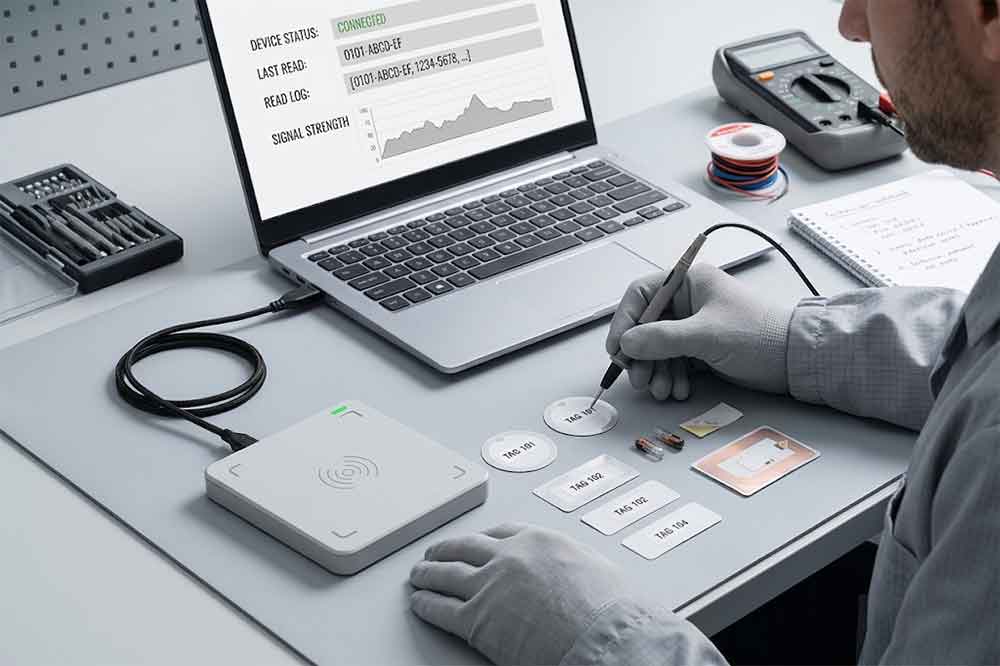
USB RFID reader may work perfectly during initial testing but behave differently after it is connected to a business computer, inventory application, or production workstation. Sometimes the computer cannot detect the device. In other cases, the reader connects successfully but fails to identify tags or send the expected data to the software.These problems do not always mean the RFID reader is defective. The cause may be an incompatible tag, an incorrect output mode, a missing driver, an unsuitable reading environment, or a software configuration issue.A structured troubleshooting process helps purchasing teams, engineers, and system integrators identify the source of a problem before replacing hardware. This guide covers common USB RFID reader issues, practical checks, and questions to ask a supplier when additional technical support is needed.The Computer Does Not Recognize the USB RFID ReaderOne of the first problems users encounter is that the computer does not appear to recognize the connected reader.The device may not appear in the expected system interface, the application may report that no reader is available, or the reader may connect and disconnect repeatedly.What to check firstStart with the physical connection. Inspect the USB cable, connector, and port. If possible, test another suitable USB port and a known-good cable. Avoid introducing additional USB hubs during initial troubleshooting, as they can add another variable.Next, check how the reader is designed to communicate with the computer. A reader using HID keyboard emulation may appear as a human interface device, while a virtual COM model may require a compatible driver and appear as a serial port. SDK-based devices may also require specific software components.Open the operating system’s device management tools and check whether the reader appears correctly. Look for warning symbols, driver errors, or repeated connection changes.If the reader is not recognized, verify the manufacturer’s installation instructions before installing or removing drivers.When to contact the supplierProvide the reader model, operating system version, connection method, and any error message. A screenshot of the device status can help technical support narrow down the issue.Do not assume that every USB RFID reader uses the same driver or appears under the same device category.The Reader Connects but Cannot Read RFID TagsA reader may connect normally while failing to identify a tag. In this situation, the USB connection may be working correctly, but the RFID reading conditions need further investigation.Check frequency and tag compatibilityRFID tags operate at specific frequency bands and use particular air-interface protocols. A reader designed for one frequency does not automatically support tags designed for another.For example, an LF reader, an HF reader operating at 13.56 MHz, and a UHF reader serve different tag families and applications. Before testing, confirm that the tag type is supported by the reader.Also check whether the tag is damaged, incorrectly positioned, or unsuitable for the intended application.Check distance and orientationMove the tag closer to the reader and test it at several positions. For a close-range reader, the intended reading distance may be only a few centimeters. A UHF reader may support a different working range, depending on its antenna, tag, settings, and environment.Do not judge performance using only one tag or one position. Test multiple known-good tags and record the conditions under which each one can be read.Consider the surrounding materialsMetal surfaces and liquids can affect RFID performance, particularly in UHF applications. A tag that works well in free air may perform differently when attached to a metal tool, liquid container, or other product.Use a tag designed for the actual material where necessary, and test it in the intended installation environment.For more detail, see our guide to USB RFID reader reading range.RFID Data Is Read but Does Not Appear in the ApplicationThis problem can be confusing because the reader may successfully identify a tag, yet the expected information does not appear in the software.The key is to distinguish between reading the tag and delivering its data to the target application.Check the output modeIn HID keyboard-emulation mode, tag data is usually sent to the active input field. If the cursor is in another window, the data may appear somewhere unexpected or seem to disappear.Open a simple text editor, select the input area, and scan a known tag. If the tag ID appears there, the reader’s basic output path may be working, and the issue may be related to the target application or its configuration.For virtual COM communication, confirm that the correct port is selected and that the application uses the protocol supported by the reader.For SDK-based integration, verify that the correct library, device settings, and supported functions are being used.Check the data formatThe application may expect a different representation of the tag ID. For example, it may require a hexadecimal identifier while the reader is configured to output another format.Check whether the reader adds a prefix, suffix, delimiter, or line ending. These settings can affect how the application parses the received data.Our guide to USB RFID reader data output modes explains the differences between HID, virtual COM, and software-based integration.The Reader Sends Incorrect or Incomplete Tag DataSometimes the reader outputs data, but the value does not match what the application expects.First, establish which tag field the project requires. Depending on the tag and reader, the application may use a UID, EPC, or another supported memory field. These identifiers are not interchangeable in every application.Next, compare the reader output with the tag information available through a known-good test tool or the manufacturer’s software. Check whether the output has been converted, shortened, padded, or formatted differently.If the project reads user memory or performs write operations, verify that the selected tag supports the required operation and that the correct memory area and access conditions are being used.Avoid changing database records simply to compensate for an unexplained output difference. Identify the expected data format first, then decide whether the reader configuration or application logic needs adjustment.The Reader Detects the Same Tag RepeatedlyRepeated reads are common in RFID systems. A reader may continuously detect a tag while the tag remains within its reading field. This behavior is not necessarily a hardware fault.The correct response depends on the application.For example, an asset registration workflow may need to create only one record when a tag is presented. A monitoring system, on the other hand, may need to record repeated observations over time.Practical ways to handle duplicate readsCheck whether the reader supports a trigger mode, inventory timing controls, or duplicate-suppression options. Available functions vary by model.If filtering must be performed in software, the application may temporarily ignore repeated reads of the same identifier within a defined time window. The appropriate interval depends on the workflow and should be tested carefully.For example, suppressing repeated reads for too long could hide a legitimate second scan. A system that records movement events may need different logic from a simple check-in form.Define the required behavior before adjusting reader settings.Reading Performance Is UnstableA reader may identify tags reliably in one location but miss them in another. This can happen after equipment is installed near metal structures, electrical devices, cables, or other sources of interference.Start by reproducing the problem under controlled conditions. Test the same tag, reader, distance, and orientation in a relatively clear environment. Then introduce the actual product, mounting position, and surrounding materials.For UHF systems, antenna orientation, tag placement, metal, liquid, and nearby RF activity can affect results. For other frequencies, coil alignment, coupling, tag construction, and the intended operating distance may also matter.Check whether the problem affects all tags or only a specific tag type. If only certain tags fail, investigate tag compatibility and placement before assuming that the reader itself is faulty.Where possible, document the successful and unsuccessful reading positions. This information is more useful than a general report that the reader has a short range.The Reader Works on One Computer but Not AnotherDifferent computers may have different operating systems, driver versions, USB configurations, permissions, and application dependencies.If the reader works on one computer but not another, compare the two environments instead of immediately changing the reader configuration.Check the following:Operating system and version.Required drivers and installation status.USB port and power configuration.Application version and permissions.SDK or library version, where applicable.COM port selection and communication settings.Whether the same test tag and output mode are being used.For projects deployed across many workstations, document the working configuration. This makes it easier to reproduce the setup and diagnose later problems.Before bulk deployment, test the reader on the actual computer types that will be used in production.A Simple Troubleshooting WorkflowWhen a USB RFID reader fails, changing several settings at once makes the cause harder to identify. A step-by-step test is more reliable.Step 1: Confirm the connection. Check the cable, USB port, power, and device recognition.Step 2: Verify tag compatibility. Confirm the frequency, protocol, and supported tag type.Step 3: Test a known-good tag. Use a tag already confirmed to work with the reader.Step 4: Check basic output. For HID, test in a text editor. For virtual COM or SDK-based readers, use the manufacturer’s supported test utility or sample application.Step 5: Verify the data format. Compare the returned identifier with the expected value and check any prefix, suffix, or conversion settings.Step 6: Reproduce the actual environment. Test the reader with the real products, materials, distance, and mounting position.Step 7: Record the result. Document the model, firmware or software version, operating system, tag type, configuration, and error message.If the problem remains, send this information to the supplier along with a short video or screenshot where appropriate. A clear reproduction procedure helps technical support determine whether the issue relates to hardware, configuration, tags, or software.What B2B Buyers Should Confirm Before Bulk PurchasingTroubleshooting is easier when technical requirements are clear before an order is placed.Ask the supplier to confirm the supported RFID frequencies and tag protocols, USB communication modes, operating system compatibility, driver requirements, and availability of SDKs or protocol documentation.For projects with specific performance requirements, provide representative tags and describe the actual application. Ask whether the supplier can support sample testing and provide guidance on configuration.If the reader will be integrated into custom software, verify the availability of test tools, sample code, and technical support. If the project requires OEM or ODM customization, document the required interface, output format, and expected workflow before production.A small pre-production test can uncover compatibility issues before they affect an entire deployment.ConclusionUSB RFID reader troubleshooting begins with identifying which part of the process is failing: the USB connection, tag reading, data output, or application integration. Checking these stages separately helps teams avoid unnecessary hardware replacement and resolve problems more efficiently.For B2B deployments, the most effective approach combines known-good tags, a controlled test environment, documented software settings, and clear communication with the supplier. Testing the reader with the intended tags and application before bulk purchasing can reduce integration delays and improve deployment reliability.Frequently Asked Questions1. Why is my USB RFID reader not detected by the computer?Check the USB cable, port, driver installation, and operating system compatibility. Also confirm whether the reader uses HID, virtual COM, or another supported communication interface.2. Why does my USB RFID reader connect but fail to read tags?Verify that the tag frequency and protocol are supported. Then test a known-good tag at different positions and distances, considering the surrounding materials.3. Why does the RFID tag ID not appear in my software?Check the output mode, active input field, COM port, protocol, and expected data format. Test with a text editor or the supplier’s supported utility where appropriate.4. Why does my RFID reader read the same tag repeatedly?Repeated reads can be normal. Check whether the reader supports trigger modes or duplicate filtering, and configure the application according to the intended workflow.5. What information should I provide when requesting technical support?Provide the reader model, operating system, tag type, connection mode, software version, error message, and steps to reproduce the problem. Screenshots or a short video may also help.