Articles

Articles & Insights

Discover, learn, and grow with stories from our ecosystem members.

search
filter_list Category: tech-innovation
close
article
Tech & Innovation
Nov 02, 2026 • visibility 32 • 17 min read

Best Cyber Security Course in Pune with Placement Guarantee: Identity Access Management

As businesses move more operations, customer information, and applications online, controlling access to digital systems has become a major part of organizational security. Identity and Access Management (IAM) helps organizations ensure that the right individuals have access to the right resources at the right time. It combines user authentication, authorization, access policies, and identity lifecycle management to protect sensitive information.For learners interested in developing practical security skills, the Best Cyber Security Course in Pune with Placement Guarantee offers a learning pathway focused on Cyber Security and Ethical Hacking. Understanding identity management alongside network and application security can help learners build a broader foundation for today's digital security environment.What Is Identity and Access Management in Cyber Security?Identity and Access Management is a framework of policies, technologies, and processes used to manage digital identities and control access to systems, applications, and data.Every employee, customer, administrator, and service account may require different levels of access. IAM helps organizations manage these permissions while reducing the risk of unauthorized activity.Its main components include:Identity Management: Creates, maintains, and manages digital identities for users and systems.Authentication: Establishes whether a user or system is who it claims to be.Authorization: Determines which resources an authenticated identity can access.Access Control: Applies permissions based on organizational policies and user roles.Identity Lifecycle Management: Manages account creation, access changes, and account removal.Access Monitoring: Tracks account activity and helps identify unusual access patterns.Together, these functions help organizations protect business applications, cloud platforms, internal networks, and confidential information.Why Identity and Access Management Is Important for OrganizationsIAM is an important part of modern Cyber Security because organizations operate across cloud platforms, remote work environments, business applications, and connected devices. Without structured access controls, compromised accounts or excessive permissions can expose critical systems.Reduces Unauthorized AccessAuthentication methods such as multi-factor authentication help prevent unauthorized users from accessing business accounts. Even if a password is compromised, an additional authentication factor can provide another layer of protection.Supports the Principle of Least PrivilegeThe principle of least privilege gives users only the permissions needed to perform their responsibilities. This reduces unnecessary access to sensitive information and limits the potential impact of compromised accounts.Improves Remote Workforce SecurityEmployees may access company systems from different locations and devices. IAM helps organizations apply consistent identity verification and access policies across remote and office-based environments.Strengthens Cloud SecurityCloud environments contain applications, databases, storage systems, and infrastructure services. Identity management helps control access to these resources and supports secure cloud operations.Improves Security MonitoringAccess logs and identity activity records help security teams understand who accessed a resource, when access occurred, and whether activity appears unusual. These records can support incident investigation and security monitoring.Key IAM Technologies and Security PracticesIAM combines multiple technologies and practices to manage identities and protect organizational resources.Multi-Factor Authentication (MFA)MFA requires users to provide two or more authentication factors before accessing a system. These may include a password, a one-time code, a security key, or biometric verification.It reduces dependence on passwords as the only method of authentication.Role-Based Access Control (RBAC)RBAC assigns permissions according to a user's organizational role. For example, an HR employee, finance analyst, and IT administrator may receive different access permissions based on their responsibilities.This approach makes access management more structured and easier to administer.Single Sign-On (SSO)Single Sign-On allows users to access multiple authorized applications through one authentication process. It can simplify the user experience while helping organizations centralize authentication policies.Privileged Access Management (PAM)Privileged Access Management focuses on accounts with elevated permissions, such as system administrators and database administrators. These accounts can access critical infrastructure, making their protection especially important.PAM practices include privileged session monitoring, credential protection, and controlled administrative access.Zero Trust SecurityZero Trust is a security approach built around the principle of verifying every access request rather than automatically trusting users or devices based on their network location.Identity verification, device health, access context, and continuous monitoring can all contribute to Zero Trust security.Common Identity and Access Management ChallengesAlthough IAM strengthens organizational security, implementing and maintaining it requires careful planning.Excessive Permissions: Users may retain access to resources they no longer need, increasing security exposure.Weak Authentication Practices: Password reuse and poor credential management can make accounts vulnerable.Inactive Accounts: Accounts belonging to former employees or unused services may create unnecessary entry points.Complex Cloud Environments: Managing identities across multiple platforms can make access policies difficult to maintain.Third-Party Access: Vendors and external partners may require system access, creating additional identity management requirements.Limited Visibility: Incomplete access logs can make suspicious activity harder to identify.Organizations can address these challenges through regular access reviews, strong authentication, centralized identity policies, and continuous monitoring.Skills Needed to Work in Identity and Access ManagementProfessionals working in IAM-related roles need a combination of technical knowledge, security awareness, and problem-solving abilities.Networking FundamentalsUnderstanding IP addresses, DNS, ports, protocols, firewalls, and network architecture helps professionals understand how users and systems communicate.Authentication and AuthorizationKnowledge of authentication methods, access policies, permissions, and identity verification is essential for managing digital access securely.Directory Services and Identity PlatformsFamiliarity with directory services and identity management platforms helps professionals understand how user accounts, groups, and permissions are organized.Cloud Security FundamentalsOrganizations use cloud environments to host applications and manage business data. Knowledge of cloud identity, permissions, and access policies supports secure cloud operations.Security Monitoring and Incident ResponseIAM professionals may work with security teams to investigate suspicious logins, unusual account behavior, and unauthorized access attempts. Understanding security logs and incident response processes is therefore valuable.Analytical and Communication SkillsProfessionals need to interpret security information, identify access-related risks, document findings, and communicate recommendations to technical and nontechnical teams.How Cyber Security Training Helps Develop Practical SkillsLearning Cyber Security involves understanding how digital systems work, how vulnerabilities arise, and how organizations protect their infrastructure. A structured program can help learners build foundational knowledge before progressing to specialized security areas such as IAM.The Top Cyber Security Course in Pune with Job Guarantee at Boston Institute of Analytics offers the Cyber Security and Ethical Hacking program, with learning pathways designed to develop technical understanding and practical security capabilities.Key Program FeaturesStructured Learning: Certification, Diploma, and Master Diploma pathways provide different learning durations.Practical Training: The program includes hands-on learning, projects, case studies, and security exercises.Industry-Relevant Tools: Learners gain exposure to tools used in Cyber Security and Ethical Hacking.Technical Skill Development: The learning areas include network security, cryptography, ethical hacking, penetration testing, and incident response.Career Support: Learners receive career guidance, resume support, and interview preparation.The program includes 200+ hours of learning, 15+ projects and case studies, and exposure to 20+ tools.Course Duration and Learning PathwaysProgramDurationCertification4 MonthsDiploma6 MonthsMaster Diploma10 MonthsThe different pathways allow learners to build their technical foundation through structured instruction and practical learning activities.Career Opportunities Related to Identity and Access ManagementIAM knowledge is relevant to several roles within enterprise security, cloud security, IT operations, and security administration.Job RoleKey ResponsibilitiesIAM AnalystManages user identities, permissions, and access requestsAccess Management SpecialistImplements authentication and authorization policiesCyber Security AnalystMonitors systems and investigates potential security threatsSecurity Operations Center AnalystReviews security alerts and supports incident responseCloud Security AnalystHelps protect cloud infrastructure, identities, and resourcesIT Security AdministratorManages security configurations, user accounts, and access controlsProfessionals can build specialized expertise in identity governance, privileged access management, cloud security, or security operations as they gain experience.For a broader understanding of professional pathways, explore Cyber Security career opportunities and professional specializations.Why Pune Is a Relevant City for Cyber Security LearningPune has an established technology and business ecosystem that includes IT services companies, software development organizations, consulting firms, and enterprises with growing digital operations.This environment makes Cyber Security knowledge relevant across multiple industries.IT and Software Development: Technology companies need professionals who understand application security, identity management, and infrastructure protection.Banking and Financial Services: Financial organizations use access controls to protect customer information and sensitive transactions.Cloud-Based Operations: Businesses adopting cloud platforms need security professionals familiar with identity and access policies.Enterprise IT: Large organizations manage multiple applications, employee accounts, and third-party access requirements.Security Operations: Organizations need professionals who can monitor threats, investigate incidents, and support security controls.Learning foundational Cyber Security concepts and developing practical technical skills can help individuals prepare for opportunities across these areas.Frequently Asked QuestionsWhat is Identity and Access Management in Cyber Security?Identity and Access Management is a framework used to manage digital identities and control access to applications, systems, networks, and data. It includes authentication, authorization, access policies, and identity lifecycle management.What is the difference between authentication and authorization?Authentication verifies a user's identity, while authorization determines what that authenticated user is allowed to access. Both functions are essential for controlling access to digital resources.What are the main components of IAM?The main components include identity management, authentication, authorization, access control, identity lifecycle management, and access monitoring.Is IAM part of cloud security?Yes. IAM is an important part of cloud security because it controls who can access cloud applications, infrastructure, databases, and other resources.What skills are useful for an IAM career?Useful skills include networking fundamentals, authentication methods, access control, directory services, cloud security, security monitoring, and incident response.Can beginners learn Cyber Security and Ethical Hacking?Yes. Beginners can start with networking, operating systems, security fundamentals, and basic technical concepts before progressing to ethical hacking, penetration testing, and specialized security areas.ConclusionIdentity and Access Management helps organizations protect digital resources by managing user identities, controlling permissions, and monitoring access activity. As businesses adopt cloud platforms, remote work systems, and interconnected applications, IAM remains an important part of their Cyber Security strategies.The Cyber Security and Ethical Hacking program at Boston Institute of Analytics combines structured learning, practical projects, technical tools, and career support. For learners in Pune, developing a foundation in Cyber Security can open pathways toward identity management, security operations, cloud security, and other specialized areas of the industry.

article
Tech & Innovation
Nov 02, 2026 • visibility 20 • 12 min read

Master Network Defense with the Best Cyber Security Course in Mumbai with Placement Guarantee

As organizations rely on connected systems, cloud platforms, and digital services, protecting networks has become an essential part of business security. Network defense focuses on preventing unauthorized access, detecting suspicious activity, and maintaining the availability and integrity of digital infrastructure. The Best Cyber Security Course in Mumbai with Placement Guarantee at Boston Institute of Analytics combines Cyber Security fundamentals, ethical hacking, and practical security exercises to help learners develop industry-relevant technical skills.Why Is Network Defense Important in Cyber Security?Network defense involves protecting an organization's network infrastructure against unauthorized access, malicious activity, and security threats. It includes monitoring network traffic, configuring security controls, identifying vulnerabilities, and responding to incidents.Businesses depend on secure networks to support communication, applications, data exchange, and daily operations. Effective network protection helps reduce security risks and maintain business continuity.Key areas of network defense include:Network access control: Managing which users and devices can connect to network resources.Firewall management: Controlling incoming and outgoing network traffic based on security rules.Intrusion detection: Identifying suspicious network activity and potential attacks.Network segmentation: Separating network environments to limit unauthorized movement between systems.Secure communication: Protecting information exchanged across networks.Threat monitoring: Observing network activity to identify unusual patterns and security events.Understanding these areas helps Cyber Security professionals contribute to stronger network protection.Essential Network Defense Skills for Cyber Security ProfessionalsNetwork defense requires a strong understanding of networking, operating systems, security controls, and threat detection. Professionals also need practical experience analyzing traffic and investigating suspicious behavior.Network Fundamentals and Protocol AnalysisUnderstanding how networks communicate is the foundation of network defense. Professionals need to understand how devices exchange information and how different protocols support communication.Important concepts include:TCP/IP and the OSI modelDNS and DHCPHTTP and HTTPSRouting and switchingIP addressing and subnettingNetwork ports and protocolsThis knowledge helps professionals understand network behavior and identify unusual communication patterns.Firewall Configuration and Network Access ControlFirewalls help control network traffic based on predefined security policies. Network security professionals configure and monitor firewall rules to restrict unauthorized connections and protect critical resources.Network access control also helps organizations manage device connections and user permissions.Important concepts include:Firewall rules and policiesAccess control listsPort filteringNetwork address translationVPN configurationSecure remote accessIntrusion Detection and PreventionIntrusion Detection Systems (IDS) monitor network activity to identify suspicious behavior. Intrusion Prevention Systems (IPS) can also take action to block detected threats based on configured policies.Professionals need to understand alerts, traffic patterns, attack indicators, and security event analysis.Network Traffic AnalysisNetwork traffic analysis helps identify unusual communication, suspicious connections, and potential security incidents.Professionals examine packet captures, connection records, and network logs to understand how systems communicate. Tools such as Wireshark can support packet analysis and network troubleshooting.Vulnerability Assessment and Network HardeningVulnerability assessment involves identifying weaknesses in network devices, services, and configurations. Network hardening focuses on reducing these weaknesses through security improvements.Common practices include updating systems, disabling unnecessary services, strengthening authentication, applying secure configurations, and restricting access to sensitive resources.Career Opportunities in Cyber Security in MumbaiMumbai has a diverse business environment across banking, financial services, IT, consulting, fintech, and enterprise technology. These sectors require professionals who can protect networks, monitor security events, and respond to cyber threats.Potential career paths include:Network Security Engineer: Designs, manages, and maintains network security controls.SOC Analyst: Monitors security alerts and investigates suspicious activity.Security Analyst: Examines security events and supports organizational protection measures.Network Security Administrator: Manages network devices, access policies, and security configurations.Vulnerability Assessment Analyst: Identifies and documents weaknesses in networks and systems.Information Security Analyst: Helps implement security policies and protect organizational information.Knowledge of networking, firewalls, security monitoring, and vulnerability assessment can help candidates prepare for these roles.Cyber Security Training at Boston Institute of AnalyticsBoston Institute of Analytics offers a Cyber Security and Ethical Hacking program designed to develop technical knowledge through structured learning and practical exercises.The curriculum covers:Cyber Security fundamentals and network securityEthical hacking and penetration testingVulnerability assessmentWeb and mobile application securityCryptography and information protectionCloud security fundamentalsIncident response and security monitoringPractical labs, simulations, and security projectsLearners can explore structured pathways through the Top Cyber Security Course in Mumbai with Job Guarantee.The program offers three learning pathways:4-month Certification: Covers foundational Cyber Security and ethical hacking concepts.6-month Diploma: Provides extended technical learning and practical exposure.10-month Master Diploma: Offers an advanced learning pathway with additional practical training.Boston Institute of Analytics also provides placement assistance, interview preparation, and lifetime career support to help learners prepare for professional opportunities.Practical Projects to Develop Network Defense SkillsPractical projects help learners apply network security concepts in controlled environments. They also develop the ability to identify suspicious activity, examine security configurations, and document findings.Useful project ideas include:Firewall Configuration Exercise: Create and test firewall rules in a controlled network environment.Packet Analysis Project: Examine sample network traffic using Wireshark to understand communication patterns.Network Vulnerability Assessment: Identify weaknesses in an authorized test network.IDS Alert Investigation: Analyze simulated intrusion detection alerts and document potential threats.Network Hardening Project: Apply secure configurations to improve the protection of a test environment.These activities help learners develop technical confidence and understand the responsibilities of network security professionals.For additional insight into ethical hacking responsibilities and professional practices, explore the legal boundaries of ethical hacking in India.How to Prepare for a Network Security CareerLearners can develop a strong foundation by combining networking knowledge with practical security training.Learn TCP/IP, DNS, routing, and switching.Understand Windows and Linux operating systems.Study firewalls, VPNs, and access control.Develop knowledge of intrusion detection and prevention.Practice packet analysis using authorized lab environments.Learn vulnerability assessment and network hardening.Build familiarity with security monitoring tools.Develop technical reporting and incident documentation skills.Consistent practice helps learners understand network behavior and develop the skills needed to investigate potential security threats.Frequently Asked QuestionsWhat is network defense in Cyber Security?Network defense involves protecting network infrastructure from unauthorized access, malicious traffic, and cyberattacks. It includes firewalls, intrusion detection, access control, traffic monitoring, and vulnerability management.Which skills are required for network security?Network security professionals benefit from knowledge of TCP/IP, DNS, routing, firewalls, VPNs, network monitoring, and vulnerability assessment. Familiarity with Linux and network analysis tools is also useful.Can beginners learn network security?Yes. Beginners can start with networking fundamentals, operating systems, and Cyber Security concepts before progressing to firewall configuration, traffic analysis, intrusion detection, and vulnerability assessment.What does a Cyber Security and Ethical Hacking course cover?A Cyber Security and Ethical Hacking course can cover network security, ethical hacking, penetration testing, vulnerability assessment, application security, cryptography, cloud security, and incident response.Does Boston Institute of Analytics provide placement assistance?Yes. Boston Institute of Analytics provides placement assistance, interview preparation, and lifetime career support to help learners prepare for relevant Cyber Security opportunities.ConclusionNetwork defense is essential for protecting business infrastructure, digital communication, and sensitive information. Skills in network protocols, firewall management, intrusion detection, traffic analysis, and vulnerability assessment can help learners prepare for opportunities in the Cyber Security industry.Boston Institute of Analytics offers Cyber Security and Ethical Hacking training in Mumbai through structured learning pathways, practical projects, technical exercises, and career support. Developing these capabilities can help learners work toward careers in network security, security operations, and information security.

article
Tech & Innovation
Nov 02, 2026 • visibility 23 • 12 min read

Build Digital Forensics Skills with the Best Cyber Security Course in Delhi with Placement Guarantee

Digital devices, networks, and online platforms generate valuable information that can help organizations investigate cyber incidents and security breaches. Digital forensics plays an important role in identifying what happened, preserving evidence, and understanding how unauthorized activities occurred. The Best Cyber Security Course in Delhi with Placement Guarantee at Boston Institute of Analytics combines Cyber Security fundamentals, ethical hacking, and practical security learning to help students develop industry-relevant technical skills.Why Is Digital Forensics Important in Cyber Security?Digital forensics is the process of identifying, collecting, preserving, examining, and presenting digital evidence. Organizations use forensic investigations to understand cyberattacks, data breaches, unauthorized access, and suspicious system activity.A structured forensic investigation helps security teams understand the source of an incident, determine its impact, and support appropriate response measures.Important areas of digital forensics include:Computer forensics: Examining computers, storage devices, files, and operating system activity.Mobile forensics: Analyzing information stored on mobile devices, including application data and communication records.Network forensics: Examining network traffic and logs to understand suspicious communication.Memory forensics: Studying volatile memory to identify running processes and potential malicious activity.Cloud forensics: Investigating relevant logs, access records, and digital evidence from cloud environments.Incident investigation: Connecting digital evidence to understand the sequence and impact of a security incident.These areas help Cyber Security professionals investigate incidents and strengthen organizational security practices.Essential Digital Forensics Skills for Cyber Security ProfessionalsDigital forensics requires technical knowledge, investigative thinking, and a systematic approach to evidence handling. Professionals need to understand how operating systems, networks, applications, and storage devices work.Evidence Collection and PreservationDigital evidence must be handled carefully to maintain its integrity. Investigators follow structured procedures to collect and preserve relevant information without unnecessarily changing the original data.Important practices include:Identifying relevant digital evidenceCreating forensic copies of storage mediaMaintaining evidence integrityRecording collection proceduresDocumenting the chain of custodyPreserving investigation recordsThese practices help maintain the reliability and traceability of digital evidence.File System and Operating System AnalysisFile system analysis helps investigators understand how information is stored, accessed, modified, and deleted. Operating system artifacts can provide useful details about system activity and user actions.Professionals may examine file metadata, event logs, browser artifacts, application records, and system activity in an authorized investigation environment.Network ForensicsNetwork forensics focuses on examining network traffic and communication records to identify suspicious activity.Important concepts include:Packet analysisNetwork traffic monitoringIP address investigationDNS activity analysisFirewall and server log examinationSuspicious connection identificationThese skills help security teams understand how an incident may have spread across connected systems.Malware and Incident InvestigationMalware analysis helps investigators understand suspicious software behavior and its potential impact on systems.An investigation may involve examining file behavior, identifying indicators of compromise, analyzing system changes, and documenting findings. Professionals also study incident timelines to understand how an attack developed.Forensic ReportingA forensic investigation needs clear and structured documentation. Reports explain the evidence examined, methods used, observations, and findings.Strong reporting skills help professionals communicate technical information to security teams, management, and other relevant stakeholders.Career Opportunities in Cyber Security in DelhiDelhi has opportunities across IT services, consulting, banking, government-related technology services, and enterprise organizations. Professionals with digital investigation and security knowledge can explore different career paths.Potential roles include:Digital Forensics Analyst: Examines digital evidence to investigate security incidents and suspicious activities.Incident Response Analyst: Supports the identification, investigation, containment, and recovery of security incidents.SOC Analyst: Monitors security alerts, investigates suspicious events, and supports security operations.Malware Analyst: Studies malicious software to understand its behavior and potential impact.Information Security Analyst: Helps organizations protect systems, networks, and sensitive information.Cyber Security Consultant: Supports organizations with security assessments, risk analysis, and security improvement initiatives.Knowledge of operating systems, networking, forensic procedures, and security tools can help candidates prepare for these opportunities.Cyber Security Training at Boston Institute of AnalyticsBoston Institute of Analytics offers a Cyber Security and Ethical Hacking program designed to develop technical knowledge through structured learning and practical exercises.The curriculum includes:Cyber Security fundamentals and network securityEthical hacking and penetration testingVulnerability assessmentWeb and mobile application securityCryptography and information protectionCloud security fundamentalsIncident response and security monitoringPractical labs, simulations, and security projectsLearners can explore structured pathways through the Top Cyber Security Course in Delhi with Job Guarantee.The program offers three learning pathways:4-month Certification: Covers foundational Cyber Security and ethical hacking concepts.6-month Diploma: Provides extended technical learning and practical exposure.10-month Master Diploma: Offers an advanced learning pathway with additional practical training.Boston Institute of Analytics also provides placement assistance, interview preparation, and lifetime career support to help learners prepare for professional opportunities.Practical Projects to Develop Digital Forensics SkillsPractical projects help learners understand forensic investigation methods and apply technical concepts in controlled environments.Useful project ideas include:Disk Image Investigation: Examine a forensic disk image to identify files, metadata, and relevant system artifacts.Network Traffic Analysis: Analyze sample packet captures to identify unusual communication patterns.System Log Investigation: Study operating system logs to build a timeline of simulated suspicious activity.Malware Behavior Analysis: Examine a safe, controlled malware-analysis sample to understand its behavior.Incident Investigation Report: Document evidence, investigation steps, observations, and findings from a simulated incident.These exercises help learners develop investigation skills, technical documentation abilities, and analytical thinking.For a broader understanding of professional responsibilities in ethical hacking, explore the legal boundaries of ethical hacking in India.How to Prepare for a Digital Forensics CareerA structured learning approach can help beginners develop the technical foundation required for digital investigation roles.Learn networking fundamentals, including TCP/IP, DNS, and common network protocols.Develop knowledge of Windows and Linux operating systems.Understand file systems, storage devices, and system logs.Study evidence collection and preservation procedures.Practice network traffic and log analysis in controlled environments.Develop familiarity with forensic and security tools.Learn incident documentation and technical reporting.Build practical projects that demonstrate investigation skills.Consistent practice and a strong understanding of Cyber Security fundamentals can help learners prepare for digital forensics and incident response roles.Frequently Asked QuestionsWhat is digital forensics in Cyber Security?Digital forensics involves collecting, preserving, examining, and documenting digital evidence. It helps organizations investigate cyberattacks, data breaches, unauthorized access, and other security incidents.Which skills are required for digital forensics?Digital forensics professionals benefit from knowledge of operating systems, networking, file systems, log analysis, evidence preservation, and incident investigation. Technical documentation and analytical thinking are also important.Can beginners learn digital forensics?Yes. Beginners can start with networking, operating systems, and Cyber Security fundamentals before progressing to evidence collection, forensic analysis, and incident investigation. Practical labs help learners apply these concepts.What does a Cyber Security and Ethical Hacking course cover?A Cyber Security and Ethical Hacking course can cover network security, ethical hacking, penetration testing, vulnerability assessment, application security, cryptography, cloud security, and incident response.Does Boston Institute of Analytics provide placement assistance?Yes. Boston Institute of Analytics provides placement assistance, interview preparation, and lifetime career support to help learners prepare for relevant Cyber Security opportunities.ConclusionDigital forensics helps organizations investigate cyber incidents, examine digital evidence, and understand security breaches. Skills in operating system analysis, network forensics, evidence preservation, malware investigation, and incident reporting can help learners prepare for opportunities in the Cyber Security industry.Boston Institute of Analytics offers Cyber Security and Ethical Hacking training in Delhi through structured learning pathways, practical exercises, technical projects, and career support. Developing these skills can help learners work toward careers in digital forensics, incident response, and information security.

What Are the Best 18650 Rechargeable Batteries? Here’s What Actually Matters Tech & Innovation
Nov 02, 2026 • visibility 26 • 12 min read

What Are the Best 18650 Rechargeable Batteries? Here’s What Actually Matters

If you’ve spent time searching for the best 18650 rechargeable batteries, you’ve probably noticed how confusing the market has become. Every seller claims their batteries last longer, charge faster, or deliver more power. Some even advertise impossible capacities that sound great until you actually use them.The truth is, a good 18650 battery isn’t about flashy marketing. It comes down to reliability, stable performance, safety, and choosing the right cell for the job.Whether you need batteries for a flashlight, battery pack, portable electronics, or industrial equipment, understanding a few basics can save you money and prevent a lot of frustration later.What Is 18650 Battery?An 18650 is a rechargeable lithium-ion battery cell commonly used in:FlashlightsHeadlampsPortable fansPower toolsDIY battery packsMedical equipmentSolar storage systemsElectronic devicesThe name “18650” simply refers to the size:18mm diameter65mm lengthThese batteries became popular because they offer a strong balance between size, runtime, and power output.For businesses or large projects needing custom lithium battery solutions, many buyers source cells directly from suppliers such as 18650 Lithium Battery Collection.So, What Makes 18650 Battery Good?A lot of people look only at mAh numbers, but capacity is just one part of the story.A battery that works perfectly in a flashlight may not be the best choice for a power tool or battery pack.Here are the things experienced users usually pay attention to.Capacity Matters — But Bigger Isn’t Always BetterBattery capacity is measured in mAh (milliamp hours). In simple terms, higher capacity usually means longer runtime.Typical ranges look like this:2000–2600mAh → better for high-drain devices3000–3500mAh → better for longer runtime“5000mAh” and above → usually unrealistic for genuine 18650 cellsThis is one of the biggest warnings repeated across battery forums and flashlight communities. Cheap batteries with huge printed numbers are often rewrapped cells or outright fake.A realistic specification from a trustworthy manufacturer is usually far more valuable than exaggerated numbers.What Makes High Quality 18650 Battery?When choosing a rechargeable 18650 battery, many buyers focus only on capacity numbers, but a high quality 18650 battery is not defined by mAh alone. The real difference comes from the consistency of the cell, internal resistance, discharge performance, cycle life, and safety control.For OEM manufacturers and bulk buyers, battery consistency is especially important. A group of 18650 cells with similar voltage, capacity, and internal resistance will provide more stable performance when assembled into battery packs for power tools, solar devices, portable equipment, and industrial applications.A reliable 18650 battery supplier should provide clear specifications, battery testing data, and quality control during production. Factors such as cell matching, protection circuit design, and aging tests can directly affect the final battery pack performance. Choosing a high quality 18650 battery helps reduce capacity loss, unexpected failures, and maintenance costs over the long term.High-Drain Performance Is ImportantSome devices need more than just long runtime. They need batteries that can safely deliver high current.This matters for:High-powered flashlightsPower toolsDIY electronicsRC equipmentPortable power systemsIn these situations, stable voltage and heat control become more important than squeezing out a little extra runtime.A battery that overheats or drops voltage quickly under load will never perform well in demanding applications.Safety Should Never Be IgnoredOne thing long-time battery users agree on: buying random no-name cells online is risky.A quality 18650 battery should have:Consistent build qualityAccurate specificationsStable charging behaviorGood cycle lifeReliable protection performancePoor-quality lithium batteries can fail early, lose capacity fast, or become unsafe under stress.That’s why many commercial buyers prefer established battery suppliers like ANPS Global when sourcing cells for industrial or OEM projects.Flat Top vs Button Top: Don’t Buy the Wrong OneThis is something many first-time buyers overlook.Flat Top BatteriesUsually found in:Battery packsDIY electronicsDevices with spring contactsButton Top BatteriesCommonly used in:FlashlightsConsumer electronicsDevices needing raised terminalsBefore ordering, always check what your device actually requires. A battery can be technically “good” and still not fit your equipment.Best 18650 Batteries for Different UsesFor FlashlightsFlashlight users often want a balance between:RuntimeBrightness stabilityHeat managementReliable outputThat’s why many enthusiasts prefer well-balanced cells around the 3000mAh range instead of chasing maximum advertised capacity.A battery that maintains steady brightness over time usually feels better in real-world use than one that starts strong and fades quickly.For Battery PacksWhen building battery packs, consistency matters more than marketing claims.Good pack cells should have:Similar internal resistanceStable capacityReliable discharge performancePredictable cycle lifeMixing random cells together is one of the fastest ways to create battery problems later.If you’re sourcing cells for larger assemblies or commercial projects, it’s usually safer to work with specialized lithium battery suppliers offering matched cell solutions and manufacturing support.For Long RuntimeIf your priority is longer use between charges, higher-capacity cells are usually the better choice.These are commonly used in:Camping lightsPortable fansEmergency equipmentBackup systemsOutdoor electronicsJust remember that higher-capacity batteries often support lower discharge rates.For High-Power DevicesDevices that draw heavy current need batteries designed for stress.These batteries usually focus on:Strong current outputLower internal resistanceBetter thermal performanceVoltage stability under loadThey may not have the highest capacity numbers, but they perform better where power delivery matters.Common Mistakes Buyers MakeFalling for Fake Capacity ClaimsIf a cheap battery promises unrealistic performance, there’s usually a reason.Experienced users are often skeptical of:Extremely cheap cellsUnknown brandsInflated capacity labelsBatteries without verified testingA realistic 3000mAh cell from a trusted source will almost always outperform a questionable “6000mAh” battery.Ignoring Protected vs Unprotected CellsProtected BatteriesInclude built-in circuits to help prevent:OverchargingOver-dischargingShort circuitsUnprotected BatteriesUsually offer:Higher discharge capabilitySmaller sizeMore flexibility for custom packsBut they require proper battery management systems and more careful handling.Mixing Old and New BatteriesThis causes more problems than many people realize.Avoid mixing:Different capacitiesDifferent battery agesDifferent chemistriesDamaged cellsEven if the batteries look similar, mismatched cells can reduce performance and shorten lifespan.How Long Do 18650 Batteries Last?A quality 18650 battery can typically last:Several hundred charge cyclesAround 2–5 years depending on usageBattery lifespan depends heavily on:Heat exposureCharging habitsStorage conditionsDepth of dischargeLithium batteries generally last longer when they’re not constantly pushed to extremes.Simple Tips to Make Batteries Last LongerA few habits can make a noticeable difference:Avoid draining batteries completelyKeep them away from excessive heatUse a reliable chargerStore them in a cool, dry placeReplace damaged battery wraps immediatelyDon’t leave fully charged batteries unused for long periodsMany experienced users also store batteries partially charged when they won’t be used for a while.Final ThoughtsThe best 18650 rechargeable battery really depends on how you plan to use it.For some people, runtime matters most. For others, it’s high-drain performance, safety, or long-term reliability.What matters most is buying authentic cells with honest specifications instead of chasing unrealistic marketing claims.A dependable battery should deliver:Stable performanceConsistent charging behaviorSafe operationReliable cycle lifeWhether you’re building battery packs, powering flashlights, or sourcing cells for commercial products, choosing quality cells from trusted suppliers usually saves money and problems in the long run.For industrial applications, OEM projects, and customizable lithium battery solutions, many businesses source directly from 18650 Battery Solutions.Related ArticlesUnderstanding Lithium Ion Pouch Cells: A Practical Guide for Battery WholesalersWhat Is Pouch Cell Battery? A Simple GuideHow Are Lithium Ion Pouch Batteries Connected?lithium battery sizes:Common Sizes and Specifications18650 Battery Which Side is Positive,A Quick and Practical Guide18650 Battery Voltage: 3.6V, 3.7V, 4.2V and Battery Pack Voltage Explained

How Does UNIQLO RFID Work? Tech & Innovation
Nov 02, 2026 • visibility 91 • 28 min read

How Does UNIQLO RFID Work?

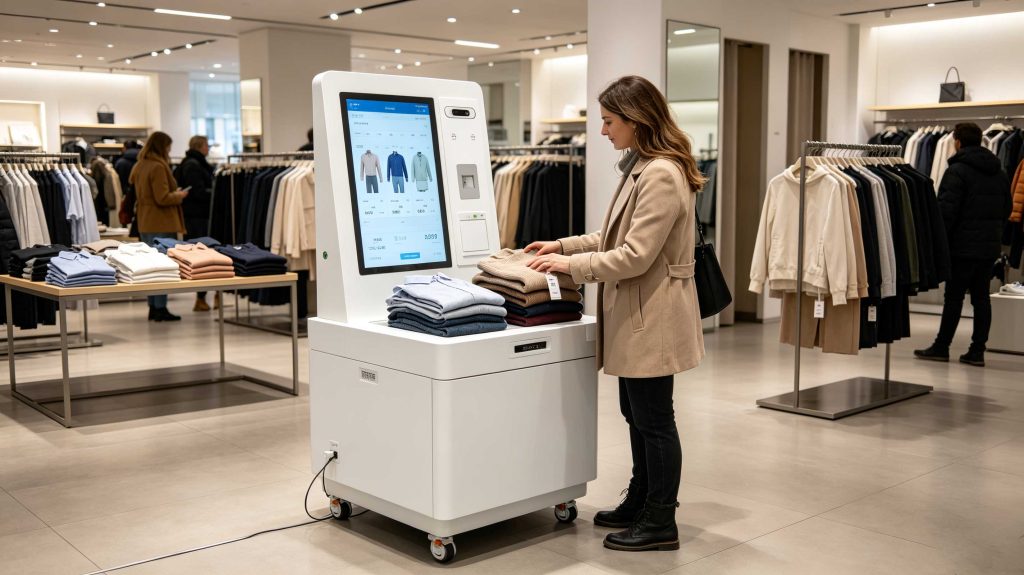
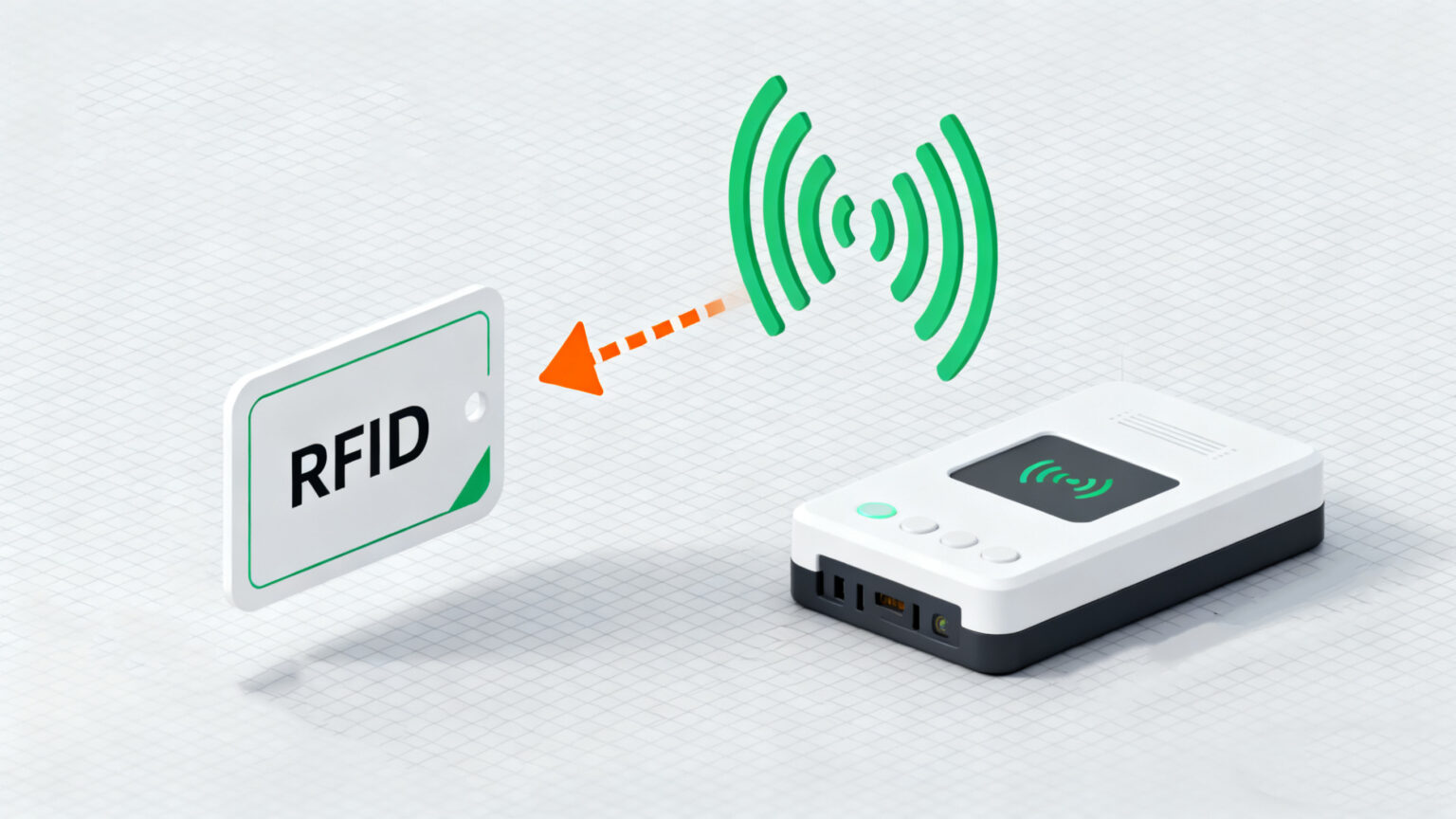
UNIQLO uses RFID tags attached to individual merchandise so readers can identify multiple garments electronically during warehouse handling, store inventory, and checkout. The approach connects item identification with automated retail processes, reducing repetitive scanning and giving staff faster access to product-level inventory information. Fast Retailing has publicly stated that RFID tags are attached to UNIQLO, GU, and other Group-brand products worldwide.How UNIQLO Uses RFID on ClothingUNIQLO’s RFID implementation is more than an electronic replacement for the barcode.The important point is where the tag travels.A small RFID inlay is incorporated into or attached to the product label. The garment then carries a machine-readable identity through different stages of its commercial life:Factory → Distribution Center → Store → Sales Floor → Checkout → Inventory SystemFast Retailing reported that RFID had been applied to all UNIQLO and GU products and other Group-brand products worldwide, with the technology improving store operating efficiency and supporting the introduction of self-checkout machines.That creates an interesting retail architecture.The same physical garment can be identified without requiring a worker to find and align a visible barcode each time the product needs to be recognized.UNIQLO RFID Technology in Apparel RetailRFID Tags Give Individual Garments an Electronic IdentityA conventional clothing label communicates information visually.An RFID tag adds another layer.The tag contains an RFID chip and antenna. When a compatible reader generates an RF field, the tag responds with its stored identifier. A reader can therefore recognize several tagged garments within its operating zone.For apparel, this is particularly useful because a store may handle large numbers of combinations:Product AttributeExampleStyleT-shirtSizeS / M / L / XLColorBlack / White / BlueLocationSales floor / StockroomStatusAvailable / Sold / ReturnedRFID IdentityIndividual electronic identifierThe result is not simply “there are 20 shirts.”A properly integrated system can determine which tagged items were observed.That difference becomes valuable when inventory accuracy matters.RFID in UNIQLO WarehousesFast Retailing’s Ariake warehouse has been one of the company’s most frequently cited examples of retail automation.The company described RFID-enabled merchandise moving through automated processes including stock receipt, sorting, picking, and inspection.That is a very different use of RFID from a single checkout station.At a warehouse checkpoint, several products may be moving together. Requiring an employee to scan every barcode individually would introduce friction into the flow.RFID allows the reader to identify multiple tagged products while they remain physically together.The warehouse application then decides what the observation means.For example:RFID detected → receiving area → shipment ID → inventory updateThe radio system provides the identification event.The warehouse software provides the business meaning.Why RFID Matters in a UNIQLO-Style StoreWalk into a large apparel store near closing time and the inventory problem becomes obvious.Garments are folded.Some are hanging.Some have just been returned to the sales floor.Others are in fitting rooms or waiting in the stockroom.A barcode-based count requires repeated visual alignment.RFID changes that physical interaction.A worker equipped with an RFID reader can move through a rack or stockroom and capture multiple tag identities within the reader’s effective field.That does not eliminate every inventory exception. It does, however, reduce the amount of manual product handling required to establish what is physically present.McKinsey’s retail RFID research reports demonstrated improvements of more than 25% in inventory accuracy, 10–15% reductions in inventory-related labor hours, and 1–3.5% increases in full-price sell-through across relevant RFID retail implementations. These are industry findings, not UNIQLO-specific performance figures.That distinction is important.UNIQLO’s own disclosures establish the deployment.Independent retail research helps explain why the architecture is commercially attractive.An RFID self-checkout station identifies several tagged garments at once, allowing customers to complete purchases with fewer manual scanning steps.RFID Self Checkout and Multi-Item ReadingWhy Batch Reading Changes the Checkout ExperienceA traditional barcode checkout generally requires the product to be presented to the scanner one at a time.RFID can take a different approach.If several tagged garments are placed inside a properly designed RFID reading zone, the system can attempt to identify them together.For the Cykeo-style RFID apparel self-checkout architecture described for this application, the reading platform is designed to identify at least 20 garments in one operation.That specification is application-specific and should not be interpreted as a universal RFID standard.The more important engineering requirement is range control.A checkout station should read the garments being purchased—not the clothing still sitting on the neighboring display table.Controlled Reading Is More Important Than Maximum Reading DistanceThis is one of the details that is often overlooked in retail RFID projects.A powerful reader is not automatically a better reader.At a checkout counter, excessive RF coverage can create unwanted reads from nearby products.Suppose a customer places six shirts on the counter.There are another forty garments on a rack two meters away.If the reading field is poorly controlled, those surrounding garments can potentially become part of the transaction.The solution is not simply reducing reader power.It can involve:Antenna designReading-zone geometryRF power adjustmentTag orientationShielding or absorbing materialsProduct placementReader configurationSoftware filteringTransaction confirmationThe physical design of the checkout surface therefore matters just as much as the reader electronics.How a UNIQLO-Style RFID Checkout Can WorkA simplified transaction looks like this:1. Customer places garments on the RFID station↓2. RFID reader activates the reading field↓3. Multiple garment tags respond↓4. Reader decodes individual tag identities↓5. Software associates tag IDs with product records↓6. Touchscreen displays the detected merchandise↓7. Customer confirms the purchase↓8. POS system processes payment↓9. Inventory status is updatedThe RFID reader does not determine the price by itself.The product database does.The reader provides the identity.That separation makes the system easier to integrate with existing retail software.UNIQLO RFID and Store AutomationFast Retailing has explicitly connected its RFID deployment with store efficiency and self-checkout. Its annual-report disclosure states that RFID tags were already attached to UNIQLO, GU, and other Group-brand products worldwide and that self-checkout machines were being introduced to further improve store efficiency.The company’s current scale makes this operational context significant. Fast Retailing reported 2,519 UNIQLO stores worldwide at the end of FY2025, including 794 in Japan and 1,725 internationally.That is a large physical network in which even small improvements in repetitive store processes can matter.RFID does not need to make every store completely autonomous.Removing one repetitive identification step from thousands of daily transactions can already be meaningful.What RFID Actually Solves for Apparel RetailThe strongest case for RFID is not simply faster checkout.It is the combination of several connected improvements:Faster item identificationBatch reading of garmentsMore efficient inventory countingBetter visibility of store stockReduced manual barcode scanningSupport for self-checkoutFaster receiving and sortingImproved inventory data for omnichannel operationsMcKinsey identifies inventory tracking, store operations, and customer experience as three major retail RFID use-case categories. Its research also notes that RFID can support contactless checkout and improve the accuracy of in-store inventory information used for omnichannel fulfillment.This is why the UNIQLO example is useful for understanding RFID.The technology is not isolated at the cash register.It becomes part of the store’s information infrastructure.Cykeo RFID Apparel Self-Checkout ArchitectureFor a Cykeo RFID clothing self-checkout platform, the hardware architecture can be viewed as five practical layers:LayerFunctionRFID TagsProvide individual garment identificationRFID ReaderGenerates RF field and captures tag responsesControlled AntennaDefines the intended checkout reading zone21.5-inch TouchscreenProvides customer interactionEthernet / Software InterfaceTransfers product and transaction informationThe 21.5-inch high-definition touchscreen provides a straightforward customer interface.The Ethernet connection allows the station to exchange information with the store’s backend system.The RFID reading platform handles the physical identification task.The software determines what happens next.This modular separation is useful when integrating an RFID self-checkout station into an existing POS environment rather than replacing the entire retail IT stack.Author’s Engineering PerspectiveWhen evaluating an RFID clothing self-checkout station, I would test one issue before discussing headline reading speed:Can the system reliably distinguish the customer’s purchase from nearby merchandise?That is where a retail prototype either becomes a usable product—or becomes a source of false transactions.In a real apparel store, garments are rarely arranged with laboratory precision. Customers move them. Employees restock racks. Folded items overlap. A shirt may be partially inside another garment. The neighboring display is only a short distance away.So the reading field has to be deliberately shaped.The best station is not necessarily the one that reads the greatest number of tags from the greatest distance.It is the one that reads the right products at the right moment.That principle is central to understanding how does uniqlo rfid work and to designing a reliable RFID self-checkout solution for modern apparel stores.Technical Architecture Behind a UNIQLO-Style RFID Self-CheckoutA UNIQLO-style RFID checkout is best understood as a controlled item-identification system, not simply a touchscreen with an RFID reader underneath.The hardware stack typically contains:ComponentRole in the Checkout ProcessRFID clothing tagStores the electronic product identityUHF RFID readerSends RF commands and receives tag responsesRFID Antenna / reading surfaceCreates the controlled identification zoneTouchscreenDisplays detected products and transaction informationPOS / backend systemMatches tag IDs with prices, SKUs, promotions, and inventoryNetwork interfaceTransfers transaction and product dataThe commercial logic is simple:Tag identity → Product database → Shopping cart → Payment → Inventory updateMcKinsey describes the modern retail RFID ecosystem in essentially the same architectural terms: tags hold product information, readers communicate with tags, antennas provide the RF interface, and supporting software processes the collected data.RFID clothing tags and batch identificationWhy Apparel Is a Strong RFID ApplicationClothing is one of the easier retail categories in which to deploy UHF RFID.Most garments are not electrically conductive, and RFID labels can be incorporated into existing product labels without changing the appearance of the merchandise.The customer does not need to see the RFID antenna.They simply place the clothes on the checkout station.The system reads the tags.This becomes particularly valuable when a customer buys several pieces at once.The reader can attempt to identify the entire group instead of forcing the customer or cashier to present every item individually.McKinsey reports that RFID-based retail systems can provide more than 25% improvement in inventory accuracy and 10–15% reduction in inventory-related labor hours in demonstrated implementations.Those figures are industry-level results, not a claimed UNIQLO performance metric.That distinction should remain clear when discussing RFID ROI.Several RFID-tagged garments are placed together on a controlled reading surface for rapid item identification.RFID Checkout Range ControlThis is where the engineering becomes less visible to the shopper.A self-checkout station needs a small and predictable reading area.If the reader sees merchandise several meters away, that is usually a defect rather than an advantage.Consider a store layout:Checkout station1 m — adjacent display2 m — clothing rack3 m — fitting-room entranceA customer places five shirts on the checkout surface.The system should identify those five shirts.It should not accidentally add products sitting on the neighboring rack.The Cykeo RFID apparel self-checkout concept therefore emphasizes range control as part of the station design. The objective is to reduce stray reads from merchandise that has not been presented for payment.This requires coordinated engineering across:Antenna geometryReader output powerReading-surface constructionTag orientationProduct placementRF shieldingSoftware filteringCheckout confirmation logicThe reader alone cannot solve the problem.UNIQLO RFID Self-Checkout: What the Customer Actually ExperiencesFrom the customer’s perspective, the process can be extremely short.Step 1 — Place the garmentsThe shopper puts the selected clothing into the designated RFID basket or checkout area.Step 2 — Automatic identificationThe RFID system reads the tags without requiring the shopper to align individual barcodes.Step 3 — Product list appearsThe touchscreen displays the detected products and quantities.Step 4 — Customer confirmsThe shopper checks the displayed items and proceeds with payment.Step 5 — Transaction is completedThe POS system records the purchase and updates the corresponding inventory information.Fast Retailing has publicly documented the connection between RFID tagging and self-checkout. Its annual report states that RFID tags were attached to UNIQLO, GU, and other Group-brand products worldwide and that self-checkout was being introduced to further improve store efficiency.More recent industry research provides another useful data point: McKinsey’s State of Fashion 2025 reported that UNIQLO’s RFID-enabled self-checkout was being used for 70–90% of transactions across markets and was credited with cutting transaction times in half.That is a particularly useful example of how RFID moves beyond inventory counting and becomes part of the customer-facing transaction.RFID Does Not Replace the POS SystemOne common misunderstanding is that the RFID reader somehow knows the selling price.It does not.The tag supplies an identifier.For example:EPC → Product ID 483920The retail database can then associate that identifier with:Product nameSKUSizeColorPriceDiscountTax categoryInventory statusThe RFID reader is therefore an identification device, while the POS remains the commercial transaction engine.This separation is important when integrating Cykeo hardware into an existing apparel retailer’s software environment.Cykeo RFID Self-Checkout Product ArchitectureFor a Cykeo RFID clothing self-checkout platform, the architecture can be organized into four functional layers.Layer 1 — RFID IdentificationThe UHF RFID reader detects multiple EPC C1G2 / ISO 18000-6C tags positioned inside the reading zone.The system is designed for batch identification rather than one-item-at-a-time scanning.Layer 2 — Controlled Reading ZoneThe antenna and enclosure determine where tags can be detected.This is particularly important in open retail environments.The reading zone needs to be wide enough for a customer’s clothing pile but narrow enough to reduce accidental reads from surrounding merchandise.Layer 3 — Customer InterfaceA 21.5-inch high-definition touchscreen provides the main interaction surface.The interface can display:Detected productsQuantitiesProduct informationTransaction amountPayment instructionsConfirmation messagesThe objective is not to reproduce a conventional cashier screen.It is to reduce the number of physical actions required from the shopper.Layer 4 — Store Network IntegrationThe station can use Ethernet connectivity to exchange information with the store’s backend system.This allows the RFID station to become part of a larger retail architecture rather than functioning as an isolated terminal.A typical data path is:RFID Station → Ethernet → Retail Middleware → POS / ERP → Inventory DatabaseRFID apparel inventory and omnichannel retailThe real value of RFID appears when checkout data and inventory data remain connected.Imagine a customer purchases a medium-sized black jacket.The transaction does more than record revenue.The system can associate the RFID identity with the completed sale and remove that unit from available inventory.Now the store has a more current view of what remains.This matters for:Click-and-collectShip-from-storeStore replenishmentOnline stock availabilityReturnsCycle countingStock transferLoss preventionMcKinsey identifies accurate product-location information as a foundation for omnichannel fulfillment and notes that RFID can provide item-level visibility across stores and supply chains.UNIQLO RFID and Warehouse AutomationThe store checkout is only one visible part of the architecture.Fast Retailing reported that its Ariake warehouse used RFID tags on products to automate stock receipt, sorting, picking, and inspection. The company also described around-the-clock operation designed to reduce delivery delays associated with labor shortages during peak periods.That makes the UNIQLO example particularly useful.The same basic product identity can support different operational tasks:LocationRFID RoleFactoryProduct identificationDistribution centerReceiving and sortingWarehousePicking and inspectionStore back roomInventory checkingSales floorStock visibilityCheckoutBatch product identificationReturns deskProduct verificationThe technology is the same.The business event changes.UNIQLO RFID vs. Conventional Barcode CheckoutCapabilityBarcodeRFIDDirect line of sightUsually requiredNot normally requiredOne-at-a-time scanningCommonMultiple tags can be readVisual alignmentRequiredNot necessarilyBatch apparel identificationLimitedStrong use caseSelf-checkout integrationPossibleParticularly suitableItem-level identificationYesYesReading zone controlScanner fieldRF field / antenna designRFID does not make barcodes obsolete.Barcodes remain inexpensive, familiar, and useful for many retail tasks.The advantage of RFID becomes clearer when many physical items must be identified quickly without individually presenting each one to a scanner.FAQ: How Does UNIQLO RFID Work?1. Does UNIQLO put RFID tags on its clothes?Yes. Fast Retailing has publicly stated that RFID tags are attached to UNIQLO, GU, and other Group-brand products worldwide.2. Can UNIQLO RFID read several clothes at once?Yes. UHF RFID supports multi-tag identification, allowing several tagged garments within a controlled reading area to be identified without scanning each barcode individually.3. Does UNIQLO RFID improve inventory accuracy?RFID can substantially improve retail inventory accuracy. McKinsey reports demonstrated improvements of more than 25% in relevant retail implementations, although this figure should not be attributed directly to UNIQLO.4. Does UNIQLO use RFID for self-checkout?Yes. Fast Retailing has connected its RFID deployment with self-checkout, and recent McKinsey reporting describes RFID-enabled UNIQLO self-checkout being used across markets.5. Can RFID checkout read clothes outside the checkout area?A well-designed system should control the reading zone to minimize unintended reads. Antenna design, RF power, enclosure construction, tag position, and software filtering all contribute to this control.6. Does RFID replace UNIQLO’s POS system?No. RFID identifies products. The POS and retail software handle pricing, promotions, payment, inventory transactions, and other business logic.7. Can Cykeo build a similar RFID clothing checkout system?Cykeo’s RFID technology can support this type of architecture through UHF RFID readers, controlled reading zones, touchscreen interaction, Ethernet communication, and software integration. The exact reader, antenna, enclosure, and application configuration should be selected according to the store layout and transaction requirements.

How Grocery & FMCG Brands Use Web Data for Pricing, Assortment and Market Intelligence Tech & Innovation
Nov 02, 2026 • visibility 34 • 27 min read

How Grocery & FMCG Brands Use Web Data for Pricing, Assortment and Market Intelligence

How Grocery & FMCG Brands Use Web Data for Pricing, Assortment and Market IntelligenceA practical guide to turning public digital shelf signals into structured competitive intelligence.Grocery and FMCG teams rarely make important decisions from one source of information. Internal sales, shipments, syndicated market data, retailer reports, and customer research each answer part of the question. What they often do not show clearly is what is changing right now on the external digital shelf: competitor prices, promotions, pack sizes, availability, assortment, product content, ratings, delivery options, and local retailer activity.That external view matters because online grocery has become part of the shopping journey even when the final transaction happens in a physical store. FMI’s U.S. Grocery Shopper Trends 2026 reports that 77% of grocery shoppers are digitally engaged before shopping and 71% are digitally engaged while shopping, including retailer apps, websites, and web search. For brands and retailers, that means public online retail environments are not a side channel; they are a live source of market signals.Industry reference: FMI U.S. Grocery Shopper Trends 2026Core ideaWeb data is most valuable when it is converted from isolated observations into comparable, historical signals that answer a commercial question.What “Web Data” Means for Grocery and FMCG TeamsIn this context, web data means structured observations collected from public retailer websites, marketplaces, grocery apps, quick-commerce platforms, brand stores, search results, and other relevant digital sources. The objective is not to collect pages for their own sake. It is to capture fields that describe how products and competitors appear in the market.Signal AreaExamples of FieldsPricingRegular price, sale price, unit price, loyalty price, shipping or delivery feePromotionsDiscount %, multibuy, BOGO, coupons, promotion typeAssortmentNew products, delistings, variants, pack sizes, category coverageAvailabilityIn stock, out of stock, pickup, delivery, substitutionDigital shelfSearch rank, sponsored status, content completeness, ratings, reviewsLocationStore ID, ZIP/postcode, city, delivery zone, dark storeProduct contentTitle, brand, images, attributes, nutrition, dietary informationThe strategic value comes from combining these fields across time, retailers, products, and locations rather than reviewing one page at a time.Why Internal and Syndicated Data Alone Can Leave Blind SpotsInternal systems tell a company what it sold, shipped, stocked, or promoted. Syndicated datasets can provide powerful market context. But commercial teams also need a current view of how competitors and retailers are behaving in the public market. That is where external web data adds a different layer of intelligence.Internal sales data can show a decline, while external shelf data may reveal a competitor promotion or availability advantage occurring at the same time.Category reports can show market share movement, while retailer-level assortment data can reveal which new products, variants, or pack sizes entered the shelf first.A national pricing view can hide store-level differences that matter in local trade areas.A weekly report can miss a short promotion, temporary stockout, or quick-commerce price change that lasted only a few hours or days.The goal is not to replace internal or syndicated data. It is to add an outside-in view that helps explain what the market looked like when performance changed.1. Pricing Intelligence: Understand Position, Not Just PricePrice monitoring becomes more useful when teams move beyond “our price versus competitor price” and preserve the context behind the comparison. Grocery pricing can vary by retailer, store, loyalty state, pack size, promotion, and location. A valid comparison therefore depends on consistent product matching and normalization.For recurring competitive tracking, a structured price monitoring workflow can preserve price history, promotions, availability, and comparable product context.QuestionUseful Web SignalAre we priced above or below key competitors?Comparable shelf and unit pricesIs the gap temporary or structural?Historical price seriesIs the competitor truly cheaper?Pack-size and unit-price normalizationIs the lower price locally relevant?Store/ZIP-level observationsIs the price driven by a promotion?Promotion type and regular priceFor FMCG brands, the same data can support price-pack architecture reviews. A competitor may hold the same shelf price while reducing pack size, or introduce a larger value pack that changes the unit economics of the category. Looking only at headline price misses that movement.2. Promotion Intelligence: Track the Mechanic Behind the DiscountPromotions should be treated as structured market events. A straight markdown, a multibuy, a loyalty price, and a digital coupon may all reduce the effective shopper price, but they do so in different ways and may target different customer groups.Regular price and promotional priceDiscount percentage or amountPromotion mechanicObserved start and end datesLoyalty or membership requirementCoupon or multibuy requirementLocation or retailer coverageHistorical promotion data can help teams understand cadence: which competitors promote most often, how long offers last, whether a category is becoming more promotional, and whether a brand is facing pressure in specific retailers rather than across the whole market.3. Assortment Intelligence: See Where the Shelf Is Expanding or ContractingAssortment is one of the most important areas where external web data adds context. Online retailer catalogs can reveal which products are listed, which variants disappear, how many pack sizes a competitor carries, where private label is expanding, and which categories are receiving new launches.Assortment SignalWhat It Can IndicateNew SKU appearsLaunch, test, or category expansionSKU disappearsDelisting, temporary removal, or availability issueNew pack sizePrice-pack architecture changePrivate-label growthRetailer investment in owned brandsMore variantsBrand or category expansionCategory coverage changesShift in retailer or competitor prioritiesOnline assortment analysis can track category and retailer assortment changes across digital points of sale. The value for brands is not simply knowing how many products exist, but seeing how the competitive shelf evolves over time.Product Matching Makes Cross-Retailer Intelligence PossiblePricing and assortment analysis break down when equivalent products are not matched correctly. Grocery titles are inconsistent across retailers, and the same product may be described differently by brand, size, count, flavor, or retailer taxonomy.A reliable product matching process can combine identifiers with normalized attributes such as brand, variant, pack count, weight, volume, and unit.For example, “Coke Zero 12pk Cans” and “Coca-Cola Zero Sugar 12 x 12 oz” may refer to the same product. Conversely, a 12-pack and a 24-pack should not be treated as exact matches simply because the title and brand are similar.Why matching mattersBad product matching creates bad price comparisons, misleading unit economics, and distorted assortment analysis.4. Availability Intelligence: Add Stock Context to Every Market SignalAvailability changes the meaning of price, promotion, and assortment data. A competitor may advertise the lowest price but be unavailable in the shopper’s area. A brand may appear to lose assortment when the real problem is a temporary stockout. An online listing can also vary between delivery, pickup, and store-specific fulfillment states.In-stock versus out-of-stock statusStore or delivery-area availabilityPickup and delivery eligibilitySubstitution statusDuration of stockout eventsAvailability by retailer and locationFor category and supply teams, repeated availability observations can reveal whether an issue is isolated or persistent. For pricing teams, they prevent the system from treating an unavailable offer as an equally strong competitive alternative.5. Digital Shelf Intelligence: Measure How Products Are Seen, Not Only SoldThe digital shelf extends beyond price and availability. FMCG teams increasingly monitor search visibility, sponsored placements, product content, ratings, reviews, and retailer-specific content compliance because these factors influence whether a shopper can find and evaluate the product online.For teams connecting external retail data with online visibility KPIs, digital shelf analytics can combine availability, search, content, pricing, ratings, and assortment signals.Digital Shelf SignalBusiness QuestionSearch positionCan shoppers find the product for priority queries?Sponsored statusHow much paid visibility exists in the category?Content completenessAre retailer listings missing important attributes or assets?Ratings/reviewsAre shopper perceptions changing?AvailabilityIs the product actually purchasable where it is visible?This matters particularly in grocery because shopper journeys move between retailer apps, websites, search, and physical stores. A brand can have strong offline distribution and still lose online discoverability or content quality on specific retailers.6. Quick-Commerce and Local Market IntelligenceQuick-commerce platforms make grocery intelligence even more local and dynamic. Product availability, price, promotions, delivery fees, and estimated delivery times can vary by dark store or service area. A national catalog view is often not enough.Local assortment by delivery zoneDark-store availabilityDelivery fees and thresholdsEstimated delivery timePrice and promotion differences by locationSponsored or featured placementNew product launches across local marketsThis data can help brands compare how consistently products are represented across neighborhoods and identify where a launch, promotion, or availability problem is concentrated.7. Market Intelligence: Turn Individual Shelf Signals Into a Competitive ViewMarket intelligence is the layer that connects all of these observations. A single price move may be noise. A price move combined with a new pack size, expanded assortment, stronger search visibility, and increased promotion frequency is a much stronger competitive signal.Signal CombinationPossible InterpretationPrice down + promotion upCompetitor is increasing promotional pressureNew SKUs + more category coverageCompetitor or retailer is expanding assortmentStockouts + search rank declineAvailability may be affecting digital visibilityNew pack size + lower unit priceValue architecture is changingPrivate-label expansion + lower price indexRetailer may be strengthening owned-brand positioningThe key is to avoid interpreting any one field in isolation. The strongest market-intelligence programs preserve multiple shelf signals and enough history to distinguish a temporary event from a strategic pattern.How Grocery Data Scraping Supports This Intelligence LayerBuilding this external view manually becomes difficult once the scope includes many retailers, SKUs, locations, and refresh cycles. The operational challenge is not only collecting the data but also matching products, normalizing pack sizes and units, preserving location context, validating records, and storing historical observations.Teams that need structured external retail datasets across many sources may use grocery data scraping to collect pricing, promotions, assortment, availability, product content, and local shelf signals on a recurring basis.Typical workflowRetailer & grocery sources → Collection → Product matching → Normalization → Validation → Historical storage → Alerts / BI / market analysisThe collection method should be designed around the business decision. A pricing team may need frequent store-level price and promotion updates. A category team may care more about weekly assortment change. A market-research team may need broad historical coverage with more fields but lower refresh frequency.For a deeper look at reliable recurring collection, see KVETOIQ’s guide to building a web scraping data pipeline for structured validation, history, monitoring, and delivery.A Practical Grocery & FMCG Market-Intelligence DatasetA reusable external dataset should preserve enough structure to support multiple teams without forcing every downstream analyst to reconstruct the same context.Field GroupExample FieldsIdentityretailer, product_id, gtin, brand, product_name, categoryPackpack_count, size, size_unit, normalized_quantityPricingregular_price, sale_price, unit_price, currencyPromotionpromotion_type, discount, offer_textAvailabilitystock_status, pickup, deliveryLocationstore_id, ZIP/postcode, city, delivery_zoneDigital shelfsearch_position, sponsored, rating, review_countContenttitle, images, attributes, nutrition, dietary fieldsHistorycollected_at, source_url, job_idNot every program needs every field. The schema should be designed around the decisions the team plans to make, while keeping enough common identifiers to connect pricing, assortment, availability, and digital-shelf observations.Why Historical Web Data Is More Valuable Than SnapshotsA snapshot answers “what is true now?” History answers “what changed, how long did it last, and is it becoming a pattern?” That difference is fundamental for market intelligence.SnapshotHistorical View$4.99 today$5.49 → $4.99 → $4.79 over three weeksOut of stockOut of stock for 4 of the last 7 days120 listed SKUsAssortment grew from 98 to 120 SKUsRank #8Rank fell from #3 to #8 after stock issuesHistory makes it possible to calculate promotion frequency, duration of stockouts, new-product velocity, assortment changes, price indices, and category movement instead of relying on anecdotes.Different Teams Need Different Views of the Same Web DataTeamTypical QuestionsPricing / Revenue GrowthWhere are we above or below the market? How are promotions changing?Category ManagementWhich products, packs, and private labels are gaining shelf presence?Ecommerce / Digital ShelfAre products visible, available, and content-complete?Trade MarketingWhere are retailer promotions or placements changing?Insights / StrategyWhich competitive patterns are emerging across retailers and markets?Supply / OperationsWhere are recurring availability gaps appearing?This is why a shared external data layer can be more useful than separate manual trackers created by each function. The same validated observations can support multiple commercial questions when product identity, location, and history are preserved.From Web Signal to Business DecisionObserved SignalQuestion to InvestigatePotential OwnerCompetitor price dropsPromotion or new price position?Pricing / categoryCompetitor launches new packIs value architecture changing?Category / brandPrivate-label assortment expandsIs retailer strategy shifting?Category / strategyRepeated stockoutsSupply issue or regional coverage gap?Supply / ecommerceSearch visibility fallsAvailability, content, or competitive pressure?Ecommerce / digital shelfRatings deteriorateProduct or customer-experience issue?Brand / CXThe signal should trigger investigation, not an automatic reaction. External web data is strongest when combined with internal sales, margin, inventory, shopper, and category context.Common Mistakes When Using Web Data for FMCG IntelligenceCollecting data without a decision framework: A large dataset can become expensive noise if teams do not know which business questions it must answer.Comparing unmatched products: Incorrect SKU or pack matching produces misleading pricing and assortment conclusions.Ignoring store and location context: National averages can hide the local shelf a shopper actually sees.Flattening promotions into one price: Different mechanics have different effective values and eligibility conditions.Overwriting historical observations: Without history, teams cannot measure duration, frequency, or change.Using one refresh frequency for everything: Price, stock, assortment, reviews, and content change at different speeds.Treating web data as the final answer: External observations should complement internal commercial and shopper data, not replace them.How to Start an External Grocery & FMCG Data ProgramDefine the decision: pricing, assortment, availability, digital shelf, market research, or a specific combination.Prioritize the retailers, apps, markets, and locations that influence the decision.Define the entities and fields required for analysis.Establish product-matching and normalization rules before scaling collection.Choose refresh frequency by signal instead of defaulting every field to real time.Preserve timestamps and history so changes can be distinguished from snapshots.Create quality checks for coverage, missing fields, duplicates, and anomalous values.Route the resulting dataset into the BI, warehouse, alerting, or analytics workflow the business already uses.A focused pilot with a limited number of retailers, categories, and locations is usually the best way to validate the data model before expanding coverage.Frequently Asked QuestionsWhat is grocery data scraping?Grocery data scraping is the recurring collection of structured information from public grocery and retail sources, such as product details, prices, promotions, availability, pack sizes, ratings, assortment, and location-level information. The most useful implementations also normalize and validate the records so they can be compared across retailers and over time.How do FMCG brands use web data?FMCG brands can use web data for competitor pricing, promotion tracking, assortment analysis, digital shelf visibility, availability monitoring, product-content audits, quick-commerce intelligence, private-label analysis, and broader market research. The value depends on matching external observations to the business decisions the team needs to make.How does web data support assortment analysis?Recurring retailer catalog data can show new listings, removed products, pack-size changes, variant growth, private-label expansion, and category coverage. Historical observations make it possible to distinguish a temporary listing issue from a sustained assortment change.Why is product matching important in grocery data?The same grocery item can appear under different retailer titles, while similar titles may refer to different pack sizes or variants. Matching identifiers and normalized attributes helps ensure that price and assortment comparisons refer to the correct products.Can web data be collected at store or ZIP-code level?Yes, where the source exposes location-specific information and collection is technically feasible. Local context can be important because price, stock, assortment, delivery, and promotion behavior may vary by store or service area.How often should grocery web data be refreshed?The right cadence depends on the signal. High-priority pricing and availability data may need frequent updates, while assortment, reviews, or content may be monitored daily or weekly. Refresh frequency should reflect how quickly the signal changes and how quickly the business can act.Final TakeawayGrocery and FMCG web data becomes strategically useful when it is treated as a structured market-observation layer rather than a collection of scraped pages. Price, promotion, assortment, availability, content, ratings, local context, and history each describe a different part of the competitive shelf. Combined, they can help explain why market conditions are changing and where teams should investigate further.The strongest programs begin with a business decision, define the external signals needed to support it, and build enough product, location, and historical context to make those signals comparable. That approach turns web data from a technical collection exercise into a practical input for pricing, category, ecommerce, and market-intelligence teams.

Pradip Valand
Read arrow_forward
The Leader as Architect: Designing Systems That Unlock Human Potential Tech & Innovation
Nov 01, 2026 • visibility 32 • 13 min read

The Leader as Architect: Designing Systems That Unlock Human Potential

Most leaders are taught to think like operators. They are rewarded for solving problems, driving performance, meeting deadlines, and delivering results. These responsibilities matter, but they represent only part of the leadership equation. The greatest leaders understand that their most enduring contribution is not what they personally accomplish. It is the environment they create for others to thrive.A leader’s true legacy is not measured by individual achievements but by the number of people who become capable of achieving more than they thought possible.Effective leadership is less about command and control and more about intentional design. Leaders are architects. Their role is to design systems, relationships, and experiences that unlock human potential.The Architecture of Human PotentialWhen most people hear the word “architecture,” they think of buildings. But architects do not lay every brick or install every window. Instead, they design structures that enable people to live, work, and flourish within them.Leadership operates in much the same way.Organizations often focus on strategy, processes, technology, and performance metrics. Yet many fail to recognize that human potential is also shaped by design. Every culture, communication practice, incentive system, and mentoring relationship creates conditions that either elevate people or constrain them.People rarely fail because they lack talent. More often, they struggle because they are working within systems that fail to develop, support, or challenge them appropriately.Architectural leaders recognize this reality. They understand that growth is not accidental. It is intentionally designed.The question is not whether people possess potential. The question is whether leadership has created an environment where that potential can emerge.“Try this as a one-week audit. Pick a single team and list three design choices, such as how feedback is given, who receives stretch assignments and how mistakes are handled, that help people grow, and three that quietly hold them back. The second list is usually where the work begins.”Moving Beyond Transactional LeadershipMany organizations remain trapped in transactional leadership models. Expectations are defined. Performance is measured. Rewards are distributed. Corrective action follows when standards are not met.While these mechanisms serve important operational purposes, they rarely inspire transformation.Transactional leadership asks:“What did you accomplish?”Architectural leadership asks:“What are you becoming?”This distinction changes everything.Architectural leaders see employees not simply as resources but as developing human beings with unique strengths, aspirations, and untapped capabilities. They recognize that today’s entry-level employee may become tomorrow’s executive. Today’s struggling contributor may become tomorrow’s innovator.Their responsibility extends beyond managing performance. It includes cultivating growth.This is where mentorship becomes essential.Mentorship as Leadership InfrastructureMany organizations treat mentoring as an optional activity. It often exists as a volunteer program, disconnected from strategic priorities.The most successful organizations take a different approach.They view mentoring as leadership infrastructure.Infrastructure is not visible in every moment, yet it determines long-term performance. Roads, bridges, and communication networks enable movement and connection. In the same way, mentoring creates pathways for knowledge transfer, confidence development, succession planning, and leadership growth.Mentorship accelerates what experience alone may take years to achieve.It creates a structured process for helping others navigate challenges, avoid unnecessary detours, and gain perspective that only experienced leaders can provide.Organizations facing leadership shortages, engagement challenges, and succession concerns cannot afford to treat mentoring as an afterthought.If leadership development is a strategic priority, mentorship must become part of the organization’s architecture.Designing for Psychological SafetyNo structure can support growth without trust.One of the architectural leader’s most important responsibilities is designing environments where people feel safe enough to learn, contribute, and take risks.Psychological safety has become a popular leadership topic, but its application remains inconsistent. Employees frequently hear that they are encouraged to speak up, challenge assumptions, and share ideas. Yet organizational behaviors often communicate something different.People quickly discover whether vulnerability is rewarded or punished.Architectural leaders understand that innovation and growth require emotional safety. They intentionally create spaces where questions are welcomed, mistakes become learning opportunities, and diverse perspectives are valued.When trust exists, employees engage more deeply. Creativity increases. Collaboration improves. Learning accelerates.Without trust, potential remains hidden.Safety is not a soft leadership concept. It is a strategic requirement for human development.“Psychological safety is easy to endorse and hard to measure. A simple check for any leader: when did someone last bring you bad news early, and how did you respond? That response shapes whether the next person speaks up.”Building Pathways Instead of BarriersMany organizations accidentally create barriers to growth.Information is hoarded. Opportunities are reserved for a select few. Feedback arrives only during annual performance reviews. Leadership development is offered only to individuals already identified as high performers.The result is predictable. Talented people stagnate.Architectural leaders take the opposite approach.They design pathways.They create opportunities for visibility, learning, coaching, stretch assignments, and cross-functional experiences. They connect people with mentors. They encourage skill development. They expose emerging leaders to challenges that expand their capabilities.Most importantly, they believe development should be intentional rather than exclusive.When people can see a pathway forward, they invest more fully in their own growth.Potential thrives where possibility is visible.The Power of LightLight reveals.It clarifies.It guides.It illuminates possibilities that may otherwise remain hidden.Exceptional leaders do for people what light does for a path.They help individuals recognize strengths they may not fully see in themselves. They provide perspective during uncertainty. They illuminate growth opportunities. They offer encouragement when confidence falters.Importantly, light is not about control.A lighthouse does not steer ships. It helps them navigate.Similarly, great leaders do not create dependency. They create capability.Their goal is not to become indispensable. Their goal is to develop people who can succeed without them.“The lighthouse image offers a practical test. If you were unavailable for a month, which decisions would your team still make well? Where the answer is “none,” the next investment is capability, not control.”This is leadership in its highest form.Creating a Legacy That EnduresLeadership is often measured through quarterly results, financial outcomes, or organizational performance. While these indicators matter, they capture only part of the picture.At some point, every leader leaves.The more important question is what remains.Did people grow?Did future leaders emerge?Did others discover capabilities they never knew they possessed?Did the culture become stronger?Did the organization become better equipped to thrive?Architectural leaders understand that legacy is built person by person, relationship by relationship, and conversation by conversation.The systems they create continue producing value long after they are gone.Their influence extends beyond organizational charts and reporting structures.It lives within the people they developed.Final ThoughtsThe future belongs to leaders who recognize that their primary responsibility is not simply managing work. It is designing environments where human potential can flourish.In a world increasingly shaped by technology, automation, and rapid change, human development remains the ultimate competitive advantage.Organizations do not achieve extraordinary outcomes because they have extraordinary strategies alone. They achieve them because they cultivate extraordinary people.The leader as architect understands this truth.They build trust. They create pathways. They mentor intentionally. They illuminate possibilities.And in doing so, they design something far more important than a successful organization.They design a future where others can become the fullest expression of their potential.For more details, visit: https://theleadershipchronicle.com/If you would like to get featured or want to know more, connect with us at [email protected] : https://www.linkedin.com/company/the-leadership-chronicle/Twitter : @TLChronicle

Transform Everyday Business Operations with AI Front Desk Automation, AI Document Processing, and AI Sales Automation Tech & Innovation
Oct 31, 2026 • visibility 46 • 13 min read

Transform Everyday Business Operations with AI Front Desk Automation, AI Document Processing, and AI Sales Automation

Businesses today face increasing pressure to respond to customers quickly, manage growing amounts of information, and maintain efficient sales operations. From answering phone calls and handling customer enquiries to processing documents and following up with potential buyers, everyday administrative responsibilities can consume valuable working hours. When these processes rely entirely on manual effort, businesses may experience delays, inconsistent communication, and missed growth opportunities.Artificial intelligence is changing how organisations manage these activities. With intelligent automation, businesses can simplify repetitive tasks, connect different software platforms, and improve operational efficiency without constantly increasing their administrative workload.Symagentic is an AI Automation Agency that develops customised solutions designed around individual business processes. Through AI Front Desk Automation, AI Document Processing, and AI Sales Automation, Symagentic helps businesses reduce manual work, improve customer experiences, and create more connected operations.AI Front Desk Automation for Faster Customer CommunicationThe front desk is often the first point of contact between a business and its customers. Whether someone calls to ask about a service, requests an appointment, or needs assistance with an existing booking, receiving a timely response can influence their overall experience.However, managing incoming calls and enquiries throughout the day can be challenging. Employees may be occupied with other responsibilities, calls can go unanswered during busy periods, and repetitive questions can take time away from important activities.AI Front Desk Automation provides businesses with an intelligent way to manage routine customer interactions. AI-powered front desk systems can answer incoming enquiries, provide information about services, collect customer details, assist with appointment scheduling, and direct complex requests to the appropriate employees.For example, a dental clinic can use an AI front desk solution to respond to questions about available services, collect patient information, and help customers schedule appointments. Similarly, real estate agencies can use automated communication to capture property enquiries and gather basic information from prospective buyers.Symagentic develops customised AI front desk solutions that connect customer communication with existing business systems. Its services include AI Voice Receptionist, AI Chatbots, and AI Appointment Booking, helping businesses manage customer interactions across different channels.By automating routine front desk responsibilities, businesses can improve response consistency, reduce administrative pressure, and make their services more accessible to customers. Employees can then concentrate on situations that require personal attention and professional judgement.AI Document Processing to Reduce Manual Administrative WorkDocuments are an essential part of almost every business operation. Organisations regularly handle invoices, contracts, application forms, purchase orders, employee records, financial statements, and other important paperwork.Manually reviewing these documents, extracting information, checking details, and entering data into business software can become time-consuming. Even small data-entry mistakes may create additional work, particularly when information needs to be verified across multiple systems.AI Document Processing helps simplify these activities by using artificial intelligence to read, understand, extract, and organise information from digital documents.An automated document processing workflow can receive uploaded files, identify relevant information, extract important fields, validate the extracted data against predefined business rules, and transfer the results into connected applications.For instance, an accounting department can use document automation to extract invoice numbers, supplier information, payment amounts, and due dates. The system can then organise the information and send it to an accounting platform for further processing. Documents containing missing details or unusual information can be flagged for employee review.Similarly, HR departments can automate parts of recruitment administration by extracting relevant information from candidate CVs and organising applicant records. Legal and professional service firms can also benefit from faster document organisation and information retrieval.Symagentic offers Document Processing AI solutions designed to work with existing business applications and operational requirements. By integrating technologies such as Python, LangChain, and intelligent AI models, the company helps businesses develop document workflows that reduce repetitive data handling.The objective is not simply to digitise paperwork but to make business information easier to process, organise, and use. With appropriate validation and human oversight, document automation can improve data consistency, accelerate administrative workflows, and free employees from repetitive tasks.AI Sales Automation for Better Lead Management and Follow-UpsSales teams need to balance several responsibilities, including responding to enquiries, qualifying prospects, updating customer records, arranging meetings, and maintaining communication with potential buyers.When these activities are managed manually, following up with every lead consistently can become difficult. A delayed response may reduce customer interest, while incomplete CRM records can make it harder for sales representatives to understand previous interactions.AI Sales Automation helps businesses organise and automate different stages of the sales process.An intelligent sales workflow can capture incoming leads from websites, forms, advertisements, and other communication channels. It can then send an initial response, collect relevant customer information, qualify enquiries based on predefined criteria, and initiate personalised follow-up sequences.AI-powered systems can also update CRM records, track customer interactions, and provide sales teams with useful summaries of ongoing opportunities.For example, when a prospective customer submits an enquiry through a website, an automated system can acknowledge the request and provide relevant information about the business's services. It can follow up according to an established communication schedule and offer an appointment when appropriate. If the customer has specific requirements or needs additional assistance, the conversation can be transferred to a sales representative.Symagentic builds customised sales automation solutions that integrate with platforms such as Salesforce, HubSpot, and Zoho CRM. These integrations help businesses connect lead generation, customer communication, and sales management into a more organised process.With AI Sales Automation, employees can spend less time managing repetitive follow-ups and more time developing customer relationships, understanding requirements, and closing business opportunities.Why Businesses Should Connect These AI Automation SolutionsAI Front Desk Automation, AI Document Processing, and AI Sales Automation can deliver even greater value when they operate as connected workflows rather than separate systems.Consider a service-based business receiving enquiries through phone calls and its website. An AI front desk system can capture customer details and arrange appointments. The information can then be transferred into the CRM, where AI sales automation manages appropriate follow-ups. If the customer submits application forms or supporting documents, AI Document Processing can extract and organise the relevant information.This connected approach reduces unnecessary information transfer between departments and helps businesses maintain a more consistent operational process.Symagentic uses technologies such as OpenAI models, Anthropic Claude, Python, LangChain, n8n, Make, and Zapier to develop automation solutions according to business requirements. The company focuses on integrating AI with existing CRM, ERP, accounting, communication, and productivity platforms instead of requiring businesses to replace their entire technology infrastructure.Choose Symagentic for Custom AI Business AutomationSuccessful automation starts with understanding how a business operates. Every organisation has different challenges, software platforms, customer expectations, and operational requirements. A generic automation product may not address the specific processes that slow down a team.Symagentic takes a customised approach by examining existing workflows, identifying repetitive activities, and recommending practical AI solutions based on measurable business outcomes.From the initial consultation to implementation and ongoing optimisation, the team works to ensure that automation supports real operational needs. Most implementations are designed to go live within 3–6 weeks, depending on project scope and integration requirements.Businesses can book a free 30-minute strategy session to discuss their challenges and explore suitable automation opportunities. Symagentic provides a written implementation proposal with projected ROI within 72 hours.Give your team more time to focus on customers, important decisions, and business growth with intelligent automation solutions built around your operations.Contact SymagenticEmail: [email protected]: 305-434-4699Location: Los Angeles, CaliforniaServing: India, USA, UK & AustraliaWebsite: https://symagentic.com/Book a Free Strategy Session: https://symagentic.com/contact/

article
Tech & Innovation
Oct 31, 2026 • visibility 28 • 12 min read

Develop Cloud Security Skills with the Best Cyber Security Course in Chennai with Placement Guarantee

Cloud computing has transformed how businesses store data, manage applications, and deliver digital services. As organisations move their operations to cloud platforms, protecting digital infrastructure, user identities, and sensitive information has become a major priority. The Best Cyber Security Course in Chennai with Placement Guarantee at Boston Institute of Analytics helps learners develop practical knowledge of Cyber Security, ethical hacking, network protection, and cloud security.Why Is Cloud Security Important for Modern Organisations?Cloud security involves protecting cloud-based infrastructure, applications, platforms, and data from unauthorised access, cyberattacks, and security vulnerabilities.Businesses use cloud services for data storage, application hosting, collaboration, and enterprise operations. Security weaknesses can expose confidential information, interrupt business services, and affect customer trust.Important areas of cloud security include:Data protection: Safeguarding sensitive information stored and processed in cloud environments.Identity and access management: Controlling who can access cloud resources and what actions they can perform.Network security: Protecting communication between cloud systems, applications, and users.Cloud configuration security: Identifying misconfigured storage, permissions, and infrastructure settings.Threat monitoring: Detecting unusual activities and potential security incidents.Incident response: Investigating security events and supporting recovery procedures.Understanding these areas helps Cyber Security professionals contribute to safer cloud environments.Essential Cloud Security Skills for Cyber Security ProfessionalsCloud security requires knowledge of networking, access management, infrastructure, encryption, and threat detection. Professionals also need to understand how cloud environments operate and how security controls can protect them.Identity and Access ManagementIdentity and Access Management (IAM) ensures that users, applications, and services receive appropriate access to cloud resources.Important IAM concepts include:Role-based access controlMulti-factor authenticationUser permissions and access policiesPrivileged access managementIdentity lifecycle managementLeast-privilege accessThese practices help organisations reduce unauthorised access and limit the impact of compromised accounts.Cloud Network SecurityCloud network security protects communication between cloud infrastructure, applications, and external users.Professionals work with network segmentation, firewalls, secure gateways, virtual private networks, and traffic monitoring. Understanding these concepts helps identify weaknesses in cloud connectivity and improve infrastructure protection.Data Encryption and ProtectionEncryption helps protect information from unauthorised access. It can be applied to data stored in cloud systems and data transferred between applications.Important concepts include encryption keys, secure communication protocols, access permissions, backup protection, and data classification.Cloud Security MonitoringCloud security monitoring involves observing system activity, identifying suspicious behaviour, and investigating potential threats.Professionals use security logs, monitoring platforms, alerts, and event analysis to understand unusual activities. These capabilities support threat detection and incident response.Cloud Misconfiguration AssessmentMisconfigurations can expose cloud storage, databases, applications, and infrastructure to security risks.A cloud security assessment may examine public access settings, weak permissions, exposed services, insecure configurations, and outdated security policies. Identifying these issues helps organisations strengthen their cloud environments.Career Opportunities in Cyber Security in ChennaiChennai has a strong technology and IT services ecosystem, with organisations operating across software development, cloud computing, banking, manufacturing, and enterprise technology.Professionals with Cyber Security knowledge can explore career paths such as:Cloud Security Analyst: Helps protect cloud infrastructure, applications, and data.Security Analyst: Monitors security events and investigates suspicious activities.Network Security Engineer: Supports network protection through firewalls, access controls, and security configurations.Information Security Analyst: Helps organisations implement information protection policies and security controls.Vulnerability Assessment Analyst: Identifies and documents security weaknesses in systems and applications.Security Operations Centre (SOC) Analyst: Monitors security alerts and supports incident investigation.Knowledge of cloud platforms, networking, security tools, and threat analysis can help candidates prepare for these roles.Cyber Security Training at Boston Institute of AnalyticsBoston Institute of Analytics offers a Cyber Security and Ethical Hacking program designed to build technical knowledge through structured learning and practical exercises.The curriculum covers key areas such as:Cyber Security fundamentals and network securityEthical hacking and penetration testingVulnerability assessmentWeb and mobile application securityCryptography and information protectionCloud security fundamentalsIncident response and security monitoringPractical labs, simulations, and security projectsLearners can explore structured pathways through the Top Cyber Security Course in Chennai with Job Guarantee.The program offers three learning pathways:4-month Certification: Introduces core Cyber Security and ethical hacking concepts.6-month Diploma: Provides extended technical learning and practical exposure.10-month Master Diploma: Offers an advanced learning pathway with additional practical training opportunities.Boston Institute of Analytics also provides placement assistance, interview preparation, and lifetime career support to help learners prepare for professional opportunities.Practical Projects to Build Cloud Security KnowledgePractical exercises help learners understand how cloud security concepts work in real environments. Working with controlled lab environments also develops technical problem-solving and security assessment skills.Project ideas include:Cloud Access Control Assessment: Examine user roles and permissions in a test cloud environment.Cloud Storage Security: Identify insecure storage configurations and apply appropriate access controls.Network Security Exercise: Study firewall rules, network segmentation, and secure communication.Security Log Analysis: Examine sample cloud logs to identify unusual activities.Incident Response Simulation: Investigate a simulated cloud security incident and prepare an incident report.These activities help learners connect security concepts with practical infrastructure protection.For additional insights into Cyber Security skills and career development, explore Cyber Security careers and the skills professionals need.How to Prepare for a Cloud Security CareerLearners can build a strong foundation by developing technical knowledge across networking, operating systems, cloud infrastructure, and information security.Learn networking fundamentals, including TCP/IP, DNS, and firewalls.Understand Linux and Windows operating systems.Study cloud computing concepts and infrastructure.Develop knowledge of IAM and access control.Learn encryption and secure communication methods.Practise security monitoring and log analysis.Explore vulnerability assessment and incident response.Build practical projects using authorised lab environments.Regular practice and continuous learning help professionals keep pace with changing cloud technologies and security threats.Frequently Asked QuestionsWhat is cloud security in Cyber Security?Cloud security involves protecting cloud-based applications, infrastructure, and data from cyber threats. It includes identity management, network protection, encryption, security monitoring, and vulnerability assessment.Which skills are required for cloud security?Cloud security professionals benefit from knowledge of networking, cloud infrastructure, IAM, encryption, access control, security monitoring, and incident response. Familiarity with Linux and cloud security tools is also useful.Can beginners learn cloud security?Yes. Beginners can start with networking, operating systems, cloud computing fundamentals, and Cyber Security concepts before progressing to access management, cloud configuration assessment, and threat monitoring.What does a Cyber Security and Ethical Hacking course cover?The program can cover network security, ethical hacking, penetration testing, vulnerability assessment, application security, cryptography, cloud security, and incident response. Practical exercises help learners apply these concepts.Does Boston Institute of Analytics provide placement assistance?Yes. Boston Institute of Analytics provides placement assistance, interview preparation, and lifetime career support to help learners prepare for relevant Cyber Security opportunities.ConclusionCloud security is an important part of modern digital infrastructure. Skills in identity management, network protection, encryption, cloud configuration, and threat monitoring can help learners prepare for opportunities in the Cyber Security industry.Boston Institute of Analytics offers Cyber Security and Ethical Hacking training in Chennai through structured learning pathways, practical projects, technical exercises, and career support. Developing these skills can help learners work towards careers in cloud security, information security, and security operations.

article
Tech & Innovation
Oct 31, 2026 • visibility 35 • 12 min read

Advance Your Skills with the Best Cyber Security Course in Bengaluru with Placement Guarantee

As businesses expand their digital operations, protecting applications, networks, cloud environments, and sensitive information has become increasingly important. Organisations need professionals who understand security threats, vulnerability assessment, incident response, and ethical hacking. The Best Cyber Security Course in Bengaluru with Placement Guarantee at Boston Institute of Analytics combines technical learning with practical exercises to help learners develop skills relevant to the evolving Cyber Security industry.Why Is Application Security Important for Modern Businesses?Applications support essential business activities, from online payments and customer communication to data management and enterprise operations. Weak application security can expose sensitive information, disrupt services, and create opportunities for cyberattacks.Application security focuses on identifying and addressing vulnerabilities throughout the software development lifecycle. It includes secure coding practices, vulnerability testing, access control, and security assessments.Important areas include:Web application security: Protecting websites, portals, and web-based platforms against common attacks.Mobile application security: Securing mobile applications, user information, and communication channels.API security: Protecting application programming interfaces from unauthorised access and data exposure.Authentication and access control: Ensuring that users receive appropriate access to applications and resources.Secure coding: Reducing software vulnerabilities through safer development practices.Security testing: Identifying weaknesses through structured testing and vulnerability assessments.Understanding these areas helps Cyber Security professionals contribute to safer digital products and business environments.Essential Application Security Skills for Cyber Security ProfessionalsApplication security requires a combination of programming knowledge, security fundamentals, testing methods, and analytical thinking.Web Application Vulnerability AssessmentWeb application vulnerability assessment involves identifying weaknesses that attackers could exploit. Professionals examine application inputs, authentication mechanisms, configurations, and data-handling processes.Common vulnerability areas include:SQL injectionCross-site scripting (XSS)Broken access controlAuthentication weaknessesSecurity misconfigurationsSensitive data exposureLearning how these vulnerabilities occur helps professionals understand how security testing can strengthen web applications.API Security TestingAPIs allow different applications and services to exchange information. They are widely used in payment systems, mobile applications, cloud platforms, and enterprise software.API security focuses on protecting endpoints, controlling access, validating requests, and preventing unauthorised data exposure.Important skills include understanding HTTP requests and responses, authentication tokens, API permissions, input validation, and rate limiting.Secure Coding PracticesSecure coding reduces the possibility of introducing vulnerabilities during software development. It involves writing code that handles user input safely, manages authentication correctly, and protects sensitive information.Professionals benefit from understanding programming fundamentals, secure data handling, error management, and common software security weaknesses.Penetration TestingPenetration testing evaluates the security of applications and systems through authorised simulated attacks. It helps organisations understand how vulnerabilities could affect their digital infrastructure.A structured testing process generally includes:Defining the authorised testing scope.Gathering information about the target application.Identifying potential vulnerabilities.Testing weaknesses within the approved scope.Documenting findings and potential impact.Recommending remediation measures.Practical penetration testing knowledge helps learners understand how security weaknesses are identified and reported responsibly.Career Opportunities in Cyber Security in BengaluruBengaluru has a strong technology ecosystem, with opportunities across software development, IT services, fintech, cloud computing, and enterprise technology. These sectors require professionals who can support application security, infrastructure protection, and security operations.Some relevant career paths include:Application Security Analyst: Identifies software vulnerabilities and supports secure application development.Penetration Tester: Conducts authorised security assessments to identify weaknesses in systems and applications.Security Analyst: Monitors security events, investigates suspicious activity, and supports incident response.Vulnerability Assessment Analyst: Identifies, evaluates, and documents security weaknesses.Information Security Analyst: Helps organisations protect information systems and implement security controls.Ethical Hacker: Performs authorised security testing to assess the resilience of digital systems.Technical knowledge, practical testing experience, documentation skills, and problem-solving abilities can help candidates prepare for these roles.Cyber Security Training at Boston Institute of AnalyticsBoston Institute of Analytics offers a Cyber Security and Ethical Hacking program designed to develop practical security skills. The curriculum covers core security concepts, ethical hacking techniques, vulnerability assessment, and hands-on learning.The program includes key learning areas such as:Network security and security fundamentalsEthical hacking and penetration testingWeb and mobile application securityVulnerability assessmentCryptography and information protectionCloud security fundamentalsIncident response and security monitoringPractical labs, simulations, and security projectsLearners can explore structured pathways through the Top Cyber Security Course in Bengaluru with Job Guarantee.The available learning pathways include:4-month Certification: Builds foundational knowledge of Cyber Security and ethical hacking.6-month Diploma: Provides extended technical learning and practical exposure.10-month Master Diploma: Offers an advanced learning pathway with additional opportunities for practical training.Boston Institute of Analytics also provides placement assistance, interview preparation, and lifetime career support to help learners work towards their professional goals.How Practical Projects Strengthen Application Security KnowledgePractical projects allow learners to apply security concepts to realistic scenarios. They also help develop the ability to identify vulnerabilities, document findings, and recommend appropriate security improvements.Project ideas include:Web Application Security Assessment: Examine an authorised test application for common security weaknesses.API Security Testing: Assess authentication, access permissions, and input validation in a test environment.Network Vulnerability Assessment: Identify potential weaknesses in a controlled network setup.Security Incident Analysis: Study a simulated incident and prepare an investigation report.Secure Configuration Exercise: Apply security settings to improve the protection of an application or system.These exercises help learners build technical confidence and understand the practical responsibilities of Cyber Security professionals.For a broader understanding of ethical hacking skills and professional responsibilities, explore the legal boundaries of ethical hacking in India.Steps to Prepare for an Application Security CareerA focused learning approach can help beginners build the technical foundation required for application security roles.Learn networking concepts, operating systems, and basic programming.Understand HTTP, web applications, databases, and APIs.Study common application vulnerabilities and their prevention.Practise authorised vulnerability assessments in controlled environments.Develop familiarity with security testing tools.Learn how to document vulnerabilities and communicate remediation steps.Build practical projects that demonstrate security knowledge.Continuous learning is important because application technologies and security threats continue to evolve.Frequently Asked QuestionsWhat is application security in Cyber Security?Application security involves protecting software applications from vulnerabilities, unauthorised access, and cyberattacks. It includes secure coding, authentication, vulnerability assessment, penetration testing, and security monitoring.Which skills are required for application security?Application security professionals benefit from knowledge of networking, programming, web technologies, APIs, authentication, vulnerability assessment, and penetration testing. Analytical thinking and technical documentation are also valuable.Can beginners learn ethical hacking?Yes. Beginners can start with networking, operating systems, programming fundamentals, and security concepts before progressing to vulnerability assessment and penetration testing. Practical labs help learners apply these concepts in controlled environments.What does a Cyber Security and Ethical Hacking course cover?A Cyber Security and Ethical Hacking course can cover network security, cryptography, ethical hacking, penetration testing, application security, cloud security, vulnerability assessment, and incident response. Practical exercises help learners develop applied technical skills.Does Boston Institute of Analytics provide placement assistance?Yes. Boston Institute of Analytics provides placement assistance, interview preparation, and lifetime career support to help learners prepare for relevant professional opportunities.ConclusionApplication security plays an important role in protecting modern software, digital services, and business information. Skills in web application testing, API security, secure coding, vulnerability assessment, and penetration testing can help learners prepare for opportunities in the Cyber Security industry.Boston Institute of Analytics offers Cyber Security and Ethical Hacking training in Bengaluru with technical learning, practical projects, structured learning pathways, and career support. Developing these skills can help learners work towards careers in application security, ethical hacking, and information security.

How to Identify an RFID Tag: A Practical Guide for Everyday Use Tech & Innovation
Oct 31, 2026 • visibility 31 • 20 min read

How to Identify an RFID Tag: A Practical Guide for Everyday Use

If you’ve ever held a plastic access card, a warehouse tag, or a library label and wondered “Is this an RFID tag, and what type is it?”, you’re not alone. RFID technology hides in plain sight — inside cards, stickers, and even tools — and it comes in several different types. Knowing how to identify your RFID tag can save hours of trial and error, especially if you’re troubleshooting or planning to integrate it into a new system.Step 1: Look for Clues on the Tag or CardSometimes the answer is right in front of you. Check the surface of the card or packaging — you might find a small print like “13.56 MHz”, “125 kHz”, or “UHF”. These numbers tell you the operating frequency:125 kHz (LF) – often used for access control or animal tracking13.56 MHz (HF/NFC) – found in transport cards, ID cards, and smartphones860–960 MHz (UHF) – used in logistics, inventory, or vehicle managementIf nothing is printed, don’t worry — there are other ways to figure it out.Step 2: Try Reading It With Your PhoneMost smartphones come with an NFC function, which can read HF (13.56 MHz) RFID tags. Simply turn on NFC and use an app like “NFC Tools” to scan your tag.If your phone detects it and shows information such as a chip ID or type, you’re dealing with an HF/NFC tag.If it doesn’t respond at all, your tag is probably LF or UHF, which phones can’t detect.It’s a quick and easy test — no special equipment needed.Step 3: Use a Professional RFID ReaderIf you want to know for sure, a multi-frequency RFID reader is the way to go. These devices can detect the tag’s frequency, protocol, and even specific chip details. Many technicians use them when matching tags to readers in warehouse systems or testing access control cards.Professional readers can instantly tell you whether a tag runs on LF, HF, or UHF, and which communication standard it follows — like ISO14443, ISO15693, or EPC Gen2. That’s the most reliable way to identify an RFID tag, hands down.Step 4: Observe the Shape and MaterialSometimes the design gives it away:Paper or sticker labels are usually UHF (used in logistics, inventory, shipping).Thin PVC cards are often HF (used in ID and access systems).Key fobs or round tags tend to be LF.Hard plastic or metal tags are built for UHF, especially in industrial environments.If you notice the tag struggles to work near metal, that’s another sign it might be a UHF tag — high frequencies don’t like metal surfaces unless the tag is specially designed for it.Step 5: Common Issues When Identifying TagsIf your reader or phone can’t detect the tag:The frequency may not match your reader.The antenna or chip might be damaged.Metal or water nearby could be interfering with the signal.Try testing the tag in an open area or with a different reader to rule out these issues.How to find RFID tag number?The RFID tag number is usually stored inside the chip, so you won’t always see it printed on the surface. The easiest way to find it is by scanning the tag with a compatible RFID reader. Once the reader detects the tag, it will display the unique ID (often called UID, EPC, or serial number).In many systems—like warehouse inventory or asset tracking—that number is automatically linked to a database record. So what you actually see in software might be a product name or asset ID, but behind the scenes the RFID tag number is what the reader captured.How to check RFID card frequency?There are a couple of quick ways to check an RFID card’s frequency.First, look at the card itself. Some manufacturers print clues such as 125 kHz or 13.56 MHz directly on the card. If nothing is printed, try scanning it with an NFC-enabled smartphone. Phones can read 13.56 MHz (HF/NFC) cards, so if the phone detects it, that’s likely the frequency.If the card doesn’t respond at all, it might be LF (125 kHz) or UHF, which requires a dedicated RFID reader to confirm.Related Read:How to Check RFID Card FrequencyHow to identify RFID card type?Identifying an RFID card type usually involves looking at a few different hints rather than relying on one single test.Start with how the card is used. Office access cards and transport cards are commonly HF (13.56 MHz). Older building access systems often use LF 125 kHz cards. If the card is attached to inventory labels or shipping boxes, it’s probably UHF.For a definitive answer, scanning the card with a reader that supports multiple frequencies is the most reliable method.How to know RFID card frequency?If you’re unsure about the frequency of an RFID card, try a quick process of elimination.Use an NFC-enabled phone first. If the phone reads the card, it’s almost certainly 13.56 MHz HF. If nothing happens, the card may operate at 125 kHz or possibly UHF.Another trick technicians use is testing with different readers. When a card suddenly responds to a specific reader type, that immediately reveals the frequency it uses.How to check RFID tag number?To check an RFID tag number, you need a reader that supports the tag’s frequency. Once the tag enters the reader’s range, the device captures its unique identifier and displays it in the reader software or mobile app.Depending on the system, the number might appear as:UID (Unique Identifier)EPC codeSerial numberIf you’re working with inventory systems, the EPC is the value most commonly used for tracking items in databases.Understanding RF Identification Tag and How It WorksAn RF identification tag is a small electronic device that stores identification data and communicates wirelessly with an RFID reader through radio frequency signals. Unlike traditional barcodes, an RF identification tag does not require direct scanning or a visible line of sight, making it widely used for automatic identification and tracking applications.Depending on the working frequency and application requirements, RF identification tags can be divided into LF, HF, and UHF types. LF tags are commonly used for access control and animal tracking, HF tags are often found in smart cards, NFC applications, and library systems, while UHF RF identification tags are widely used in logistics, warehouse inventory, retail, and industrial asset management because they provide longer reading distances and faster multi-tag identification.When selecting an RF identification tag for a project, frequency compatibility is only the first step. Businesses also need to consider factors such as reading distance, tag material, operating environment, and whether the tag will be attached to metal, plastic, or other surfaces. For example, standard RFID labels may perform well on cardboard packaging but require specially designed anti-metal tags when applied to equipment, tools, or steel containers.In real-world RFID deployments, choosing the right RF identification tag can directly affect system reliability. A properly matched tag and reader combination helps improve inventory accuracy, reduce manual scanning work, and create a smoother automated tracking process for warehouses, manufacturing facilities, libraries, and retail operations.Final ThoughtsIdentifying RFID tag isn’t just about frequency numbers — it’s about understanding context. Where the tag is used, what material it’s made of, and how it behaves around metal or water can all tell you something.For quick checks, a smartphone works great. For full certainty, a professional reader is worth having — especially if you’re working with mixed-frequency systems. Once you know what kind of RFID tag you have, setting up readers or troubleshooting connectivity becomes much easier.Related ArticleOnce you understand the basic differences between RFID tags, you may want to test whether your smartphone can recognize them. Our guide on how to test RFID tags with your smartphone without a scanner explains the practical steps.Learn how to add an RFID module to Proteus, configure the required library files, and set up the simulation environment for RFID projects. This practical tutorial helps students, developers, and electronics engineers understand how to simulate RFID module connections and test basic RFID functions before moving to real hardware development.what is an rfid tagIf you’re just getting into RFID, the first thing people usually ask is simple: what is RFID tag? For deeper technical explanation of What Is RFID Tag?, see this related guide:RFID Basics: What Is an RFID Tag?how to check rfid card frequencyIf you’ve ever tried replacing an RFID card or matching it with a new reader, you’ve probably run into the same problem most people do: you don’t actually know what frequency the card uses.At first glance, RFID cards all look almost identical. But inside, they can work on completely different frequencies, and that matters more than most people realize. A card that works perfectly with one system may do absolutely nothing on another reader simply because the frequencies don’t match.The good news is that checking an RFID card frequency usually isn’t difficult. In many cases, you can figure it out in just a few minutes using a phone, a reader, or even the card itself.For deeper technical explanation of how to check rfid card frequency?, see this related guide:how to check rfid card frequencyhow to check rfid tag is working or notTo check how to check rfid tag is working or not, use an RFID reader to scan the tag and verify if it returns a valid ID consistently within expected read range and speed.That’s the direct answer. But in real deployments, a “working” tag is not just readable—it must be stable, repeatable, and resistant to interference.I’ve tested batches where 100% of tags responded… but only 82% were usable in production. The difference? Environment, orientation, and signal noise.Related Read:how to check rfid tag is working or notHow to Detect RFID TagsA surprisingly common question people ask is:“How do I know if there’s an RFID tag inside this card, sticker, or device?”Maybe you’ve found an old access card and want to know whether it still contains a working RFID chip. Maybe you’re trying to identify a warehouse label. Or maybe you’re simply curious whether an item contains RFID technology at all.The tricky part is that RFID tags are often hidden.Related Read:How to Detect RFID Tagsrfid tag typesTypes of RFID tags mainly include passive, active, and semi-passive tags, each designed for different ranges, power needs, and tracking scenarios in real-time identification systems.Related Read:types of rfid tags: What They Are and How They DifferA tag reads perfectly on cardboard, plastic, or wood. Then someone sticks the same tag onto a metal toolbox, steel container, server rack, or machine housing—and suddenly the read distance drops dramatically, or the tag disappears completely.Related Read:RFID Anti Metal Tags,Why Ordinary RFID Labels Stop Working on MetalHow Do You Actually Find the Number Stored Inside an RFID Card?Identifying an RFID tag is only the first step. After knowing the tag type, many users need to check the exact card identifier for testing, programming, or system integration.If you already know your RFID card type but need to find its UID or card number, our latest guide explains the practical methods:How to Check RFID Card Number: A Practical Guide for RFID Buyers and System IntegratorsIt covers smartphone testing, RFID reader methods, and important points for bulk RFID card purchasing.What Does an RFID Tag Look Like?Before selecting RFID tags for your project, it is helpful to understand their physical appearance and different designs. Our latest guide explains what RFID tags look like and how different industries choose the right RFID tag type.how to check whether your sticker or decal contains RFID?Many users can identify an RFID tag after seeing the chip structure, but when RFID technology is hidden inside a printed sticker or decal, the identification process becomes slightly different. If you are checking RFID stickers, RFID decals, or customized labels, our guide on how to know if your decal has RFID provides practical testing methods.