Articles

Articles & Insights

Discover, learn, and grow with stories from our ecosystem members.

search
filter_list Category: health-wellness
close
Asthalin HFA Inhaler 100mcg (200 MDI) | Salbutamol: Uses, Dosage, Side Effects & FAQs Health & Wellness
Nov 21, 2026 • visibility 24 • 12 min read

Asthalin HFA Inhaler 100mcg (200 MDI) | Salbutamol: Uses, Dosage, Side Effects & FAQs

Asthalin HFA 100mcg Inhaler contains Salbutamol, a medicine used to relieve breathing difficulties caused by narrowing of the airways. It belongs to a group of medicines called bronchodilators.Salbutamol helps relax the muscles around the airways, making it easier for air to move in and out of the lungs. It is commonly used for quick relief of wheezing, chest tightness, and shortness of breath associated with conditions such as asthma.This article explains the uses, working, correct inhaler technique, possible side effects, precautions, and other important information about Asthalin HFA Inhaler.What Is Asthalin HFA 100mcg Inhaler?Asthalin HFA 100mcg Inhaler is a metered-dose inhaler containing Salbutamol. Each actuation delivers 100 micrograms of the active ingredient, according to the product strength.The inhaler contains 200 metered doses (MDI), meaning it is designed to provide up to 200 actuations when used correctly.Salbutamol is also known as Albuterol in some countries. It is a short-acting beta-2 agonist (SABA) that helps open narrowed airways.Uses of Asthalin HFA InhalerAsthalin HFA 100mcg Inhaler may be prescribed for:Asthma: Helps relieve symptoms such as wheezing, coughing, and shortness of breath.Bronchospasm: Relaxes tightened airway muscles and helps improve airflow.Exercise-Induced Breathing Symptoms: May be used before exercise when prescribed to help prevent exercise-related airway narrowing.Chronic Obstructive Pulmonary Disease (COPD): May help relieve breathing difficulties caused by narrowed airways.Use the inhaler according to your prescribed treatment plan. It provides quick symptom relief but does not replace long-term controller treatment when that is needed.How Does Salbutamol Work?Salbutamol works by stimulating beta-2 receptors in the smooth muscles surrounding the airways.This action relaxes the tightened airway muscles and widens the breathing passages. As a result, air can move more easily through the lungs.The medicine usually begins working within a few minutes, although the response may vary between individuals.How to Use Asthalin HFA 100mcg InhalerCorrect inhaler technique helps the medicine reach the lungs.Follow these general steps:Remove the mouthpiece cover and check that the mouthpiece is clean.Shake the inhaler well before use.Breathe out gently, away from the inhaler.Place the mouthpiece between your lips and close your lips around it.Start breathing in slowly and deeply while pressing the canister once.Continue breathing in steadily.Remove the inhaler and hold your breath for about 10 seconds, if comfortable.Breathe out slowly.Follow the prescribed number of puffs and instructions on the product label. If you are unsure about the technique, ask a doctor or pharmacist to demonstrate it.Possible Side Effects of Asthalin HFA InhalerSome people may experience side effects while using Salbutamol.Common side effects may include:Shaking or tremblingHeadacheNervousnessIncreased heart ratePalpitationsMuscle crampsThroat irritationSerious side effects requiring medical attention may include:Chest painSevere or irregular heartbeatSignificant dizzinessAllergic reactions, including swelling or difficulty breathingSudden worsening of breathing immediately after inhalationSeek medical attention if you experience severe or unusual symptoms.Precautions Before Using Asthalin HFA InhalerBefore using this inhaler, tell your doctor about your medical history and other medicines.Heart Conditions: Inform your doctor if you have heart disease, high blood pressure, or an irregular heartbeat.Thyroid Problems: Discuss any thyroid condition before using Salbutamol.Diabetes: Salbutamol may affect blood glucose levels in some people.Low Potassium: Tell your doctor if you have a history of low potassium levels.Pregnancy and Breastfeeding: Ask your healthcare professional whether the inhaler is appropriate for you.Other Inhalers: Inform your doctor about other breathing medicines you use.Worsening Symptoms: If you need the inhaler more often than usual or it does not provide your usual relief, seek medical advice.Inhaler Technique: Use the inhaler correctly and check the remaining dose counter, if available.Drug InteractionsSalbutamol may interact with certain medicines. Tell your doctor or pharmacist about all prescription medicines, over-the-counter products, and supplements you use.Some medicines that need discussion include:Beta-blockers: Medicines such as propranolol may reduce the effect of Salbutamol or cause breathing problems in some people.Diuretics: Certain water tablets may increase the risk of low potassium levels.Other Bronchodilators: Using other airway-opening medicines may increase side effects.Tricyclic Antidepressants: These may affect heart-related side effects when combined with Salbutamol.MAO Inhibitors: Some medicines in this group may increase cardiovascular effects.Digoxin: Salbutamol may affect potassium levels and require additional monitoring in some patients.Do not combine medicines or change your treatment without medical advice.Storage InstructionsStore the inhaler according to the instructions on the packaging.Keep it away from direct sunlight and excessive heat.Do not puncture or burn the pressurised canister.Keep the mouthpiece cover in place when not in use.Keep the inhaler out of the reach of children.Check the expiry date and dose counter regularly.Asthalin HFA 100mcg Inhaler: Salbutamol and AlbuterolSalbutamol and Albuterol are two names for the same active medicine. Salbutamol is commonly used in many countries, while Albuterol is the name commonly used in the United States.Both names refer to a short-acting bronchodilator that relaxes airway muscles and helps relieve breathing symptoms.Asthalin HFA 100mcg Inhaler is a Salbutamol inhaler. When reviewing the product, check its strength, number of doses, and instructions on the packaging.Online Generic MedicineOnline Generic Medicine provides product information about different medicines, including inhalers used for respiratory conditions.When reviewing Asthalin HFA 100mcg Inhaler, check the active ingredient, strength, number of metered doses, manufacturer, and product instructions.Frequently Asked Questions (FAQs)1. What is Asthalin HFA 100mcg Inhaler used for?Asthalin HFA 100mcg Inhaler is used to relieve breathing symptoms such as wheezing, chest tightness, and shortness of breath caused by narrowed airways.2. What is the active ingredient in Asthalin HFA Inhaler?The active ingredient is Salbutamol, which is also known as Albuterol in some countries.3. How does Salbutamol help with breathing?Salbutamol relaxes the muscles around the airways, helping to widen the breathing passages and improve airflow.4. How many doses are available in Asthalin HFA Inhaler?The 200 MDI pack is designed to provide up to 200 metered actuations when used correctly. Check the dose counter or product instructions to monitor remaining doses.5. How quickly does Asthalin HFA Inhaler work?Salbutamol generally begins working within a few minutes. The duration and level of relief may vary from person to person.6. What are the common side effects of Salbutamol?Common side effects include trembling, headache, nervousness, increased heart rate, palpitations, and muscle cramps.7. Is Salbutamol the same as Albuterol?Yes. Salbutamol and Albuterol are different names for the same active medicine. The name used depends on the country.8. Can Asthalin HFA Inhaler replace a daily asthma controller medicine?No. Asthalin is a quick-relief inhaler. People who need long-term asthma control may also require a separate controller treatment as prescribed by their healthcare professional.ConclusionAsthalin HFA 100mcg Inhaler contains Salbutamol, a short-acting bronchodilator used to relieve breathing difficulties caused by narrowed airways. It helps relax airway muscles and improve airflow. Use the inhaler according to medical instructions, maintain the correct inhalation technique, and seek medical advice if symptoms worsen or the inhaler becomes less effective.

Lachi jackmup
Read arrow_forward
Dermal Fillers Cumming GA: Common Treatment Myths and Facts You Should Know Health & Wellness
Nov 20, 2026 • visibility 32 • 14 min read

Dermal Fillers Cumming GA: Common Treatment Myths and Facts You Should Know

Cosmetic treatments are often surrounded by misconceptions that make it difficult to understand their actual benefits and limitations. Some people worry that injectable treatments will make their faces look unnatural, while others believe the results last forever. Understanding the facts can help individuals make confident decisions about facial rejuvenation. Exploring dermal fillers Cumming GA can help people learn how injectable treatments work, which facial concerns they may address, and what to consider before scheduling an appointment. With the right information, individuals can approach aesthetic treatments with realistic expectations and a better understanding of their options.Understanding the Purpose of Dermal Filler TreatmentsDermal fillers are injectable products designed to restore facial volume, enhance selected contours, and soften certain wrinkles. Many commonly used formulations contain hyaluronic acid, a naturally occurring substance that helps the skin retain moisture.As people age, changes in collagen production, skin elasticity, and facial fat distribution can affect their appearance. These changes may create hollow cheeks, thinner lips, and more noticeable folds around the mouth.For individuals researching dermal fillers Cumming GA, understanding the purpose of these treatments is important. Fillers are primarily intended to address volume-related concerns rather than completely reverse the natural aging process.Myth 1: Dermal Fillers Always Create an Artificial AppearanceOne of the biggest concerns surrounding injectable treatments is the possibility of looking overfilled or unnatural.Fact: The appearance of results depends on the amount of filler used, product selection, placement, and injection technique.A personalized approach can help enhance facial features without dramatically changing their natural proportions. The objective should be to improve selected areas while maintaining facial balance.When considering dermal fillers Cumming GA, individuals should discuss their preferred results and avoid unrealistic expectations. Adding more filler does not necessarily produce better results.Myth 2: Dermal Fillers Are Only Suitable for Older AdultsMany people associate facial fillers exclusively with age-related wrinkles and volume loss.Fact: Adults may consider injectable fillers for different aesthetic concerns, including naturally thin lips, selected facial asymmetries, or areas requiring additional definition.Age alone does not determine whether someone is a suitable candidate. Medical history, facial anatomy, treatment goals, and overall health are important considerations.A professional consultation can establish whether the treatment is appropriate for an individual's circumstances.Myth 3: Filler Results Are PermanentThe possibility of achieving permanent facial enhancement through one appointment may sound appealing.Fact: Most commonly used dermal fillers provide temporary results.Hyaluronic acid fillers are gradually broken down by the body. Depending on the product, treatment location, and individual metabolism, results may last several months or longer.Some people choose maintenance treatments when their results diminish, while others prefer not to repeat the procedure.Anyone exploring dermal fillers Cumming GA should understand the expected longevity of the specific product before proceeding.Myth 4: All Dermal Fillers Contain the Same IngredientsAnother common misconception is that every filler works identically and can be used interchangeably.Fact: Different formulations have different ingredients, characteristics, and intended applications.Hyaluronic Acid FillersThese products attract moisture and provide volume. They are commonly used for lip enhancement, cheek augmentation, and selected facial folds. Certain formulations can be dissolved using hyaluronidase when medically appropriate.Collagen-Stimulating FillersSome injectable products stimulate collagen production gradually. Their effects, treatment schedules, and reversal options differ from those of hyaluronic acid fillers.Selecting the appropriate formulation requires consideration of the treatment area, facial structure, and desired outcome.Myth 5: The Treatment Is Completely PainlessSome individuals avoid injectable procedures because they expect significant discomfort. Others assume that fillers never cause any sensation during administration.Fact: Discomfort can vary depending on the treatment area, injection technique, and individual sensitivity.A provider may use topical numbing products or fillers containing local anesthetic to improve comfort. Mild tenderness and sensitivity may also occur after the appointment.Patients should discuss available comfort measures during their consultation.Myth 6: There Is No Recovery Period After TreatmentBecause fillers are minimally invasive, some people assume they can immediately resume every activity.Fact: Although many patients return to regular activities relatively quickly, temporary side effects are possible.Common reactions include:Mild swelling around injection sites.Temporary redness or tenderness.Small bruises.Localized sensitivity.Minor discomfort.Patients should follow their provider's aftercare instructions. Depending on the treatment, temporary restrictions on strenuous exercise, excessive heat exposure, or pressure on treated areas may be recommended.Myth 7: Dermal Fillers Can Treat Every Type of WrinkleNot every facial line develops for the same reason. Some result from volume loss, while others are associated with repeated muscle movement or changes in skin elasticity.Fact: Fillers are most useful for selected volume-related concerns and certain facial folds.Neurotoxin treatments may be more appropriate for wrinkles caused by repeated muscle contractions. Significant skin laxity may require other treatment approaches.People researching dermal fillers Cumming GA should understand that identifying the underlying cause of a concern is essential before choosing a treatment.Myth 8: Dermal Fillers Are Completely Risk-FreeThe absence of surgery does not mean that injectable procedures are without complications.Fact: Dermal fillers are medical treatments and carry both common and rare risks.Temporary effects may include swelling, redness, bruising, and tenderness. Other complications can include infection, lumps, inflammatory reactions, and filler migration.A particularly serious complication is vascular occlusion, which occurs when filler blocks or affects blood flow through a blood vessel. This can cause tissue damage and, in rare cases, blindness or other visual complications.Choosing a properly qualified medical professional who understands facial anatomy and can manage complications is essential. Severe pain, unusual skin discoloration, or vision changes after treatment require immediate medical attention.How to Choose the Right Filler TreatmentMaking an informed treatment decision requires more than looking at attractive before-and-after photographs. Every individual has different facial proportions, skin characteristics, and aesthetic priorities.Before scheduling an appointment, consider the following factors:Evaluate Your Aesthetic GoalsIdentify the specific concerns you want to address. You may be interested in improving cheek fullness, enhancing lip definition, or softening selected facial folds.Understand the Recommended ProductAsk which filler is being recommended, why it is suitable for the intended area, and how long its results may last.Review Provider QualificationsCheck the provider's relevant medical qualifications, training, and experience with injectable treatments.Discuss Potential ComplicationsA responsible consultation should explain possible side effects, serious complications, and available emergency management.When exploring dermal fillers Cumming GA, prioritize professional expertise, appropriate treatment planning, and patient safety instead of choosing a procedure based solely on price or popularity.Questions to Ask Before Your AppointmentA consultation is an opportunity to understand the procedure and determine whether it meets your expectations.Consider asking:Which filler is appropriate for my facial concerns?What results can I realistically expect?How long might the results last?What complications should I understand?What should I do if I experience an unexpected reaction?Having these questions answered can help you make a more informed decision.ConclusionUnderstanding cosmetic treatment myths and facts is an important part of choosing an appropriate facial rejuvenation option. Dermal fillers may help restore selected areas of volume, enhance facial contours, and soften certain wrinkles, but their results are temporary and treatment involves potential risks. Exploring dermal fillers Cumming GA can help individuals understand available options and prepare for a professional consultation. With suitable product selection, realistic expectations, and qualified administration, patients can make thoughtful decisions about achieving balanced, natural-looking facial enhancement.Frequently Asked Questions1. Can dermal fillers be used to improve facial asymmetry?Certain fillers may help address volume differences and improve the appearance of selected facial asymmetries. However, complete symmetry cannot be guaranteed.2. Will my face look older after the filler wears off?Filler gradually loses its effect as the body breaks it down. Your face generally returns toward its untreated appearance, while the natural aging process continues independently.3. Can I receive fillers if I have sensitive skin?Sensitive skin does not automatically rule out treatment. However, allergies, previous reactions, and medical history should be reviewed before proceeding.4. Is it necessary to repeat filler treatments regularly?No. Maintenance treatments are optional and depend on individual preferences, product longevity, and professional recommendations. Patients can decide whether they want additional treatment after their results diminish.

Niclosamide Tablet (Niclocide): Uses, Dosage, Side Effects & FAQs Health & Wellness
Nov 20, 2026 • visibility 22 • 9 min read

Niclosamide Tablet (Niclocide): Uses, Dosage, Side Effects & FAQs

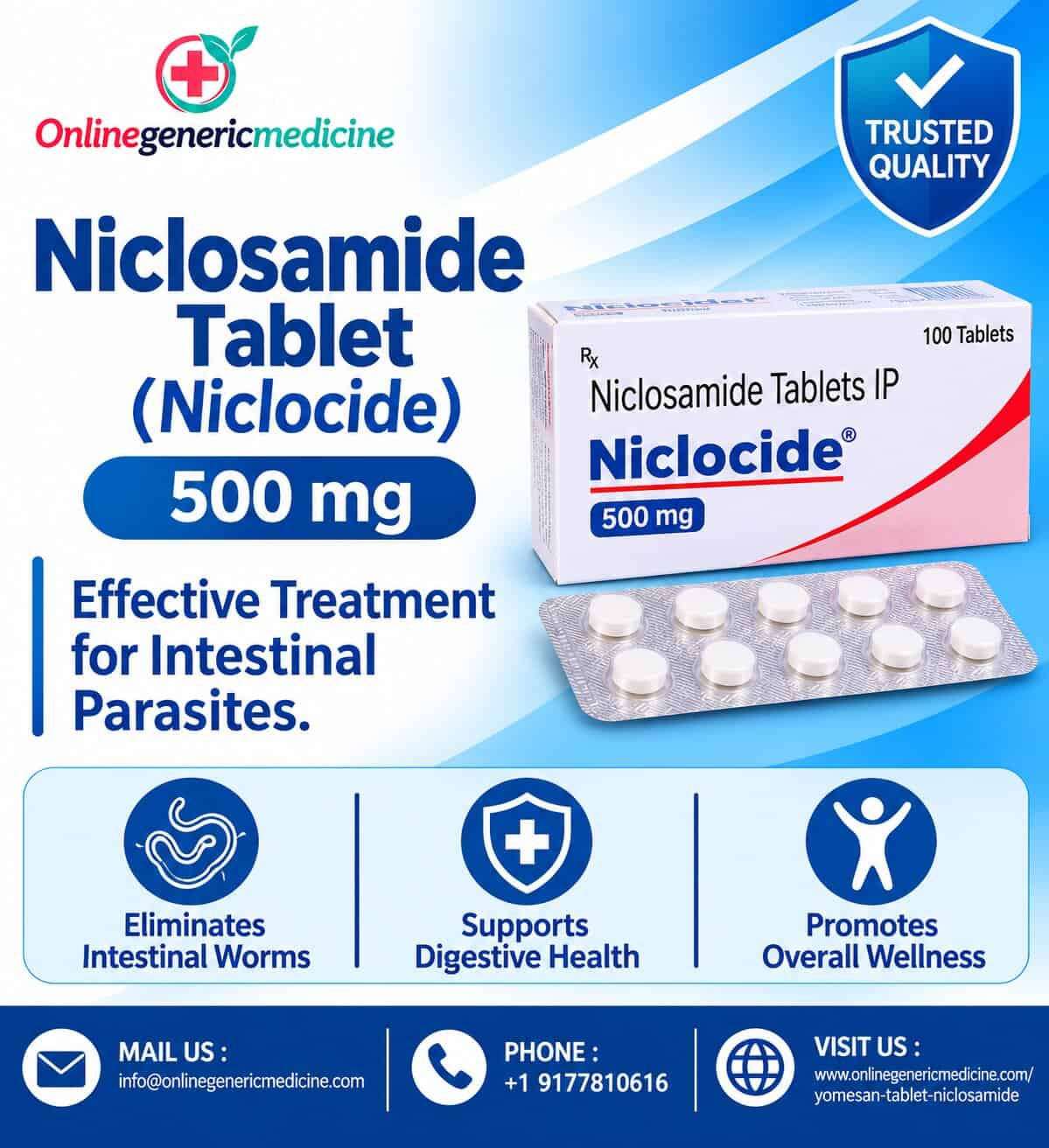
Niclosamide Tablet (Niclocide) contains niclosamide, an antiparasitic medicine used to treat certain tapeworm infections in the intestines. It works by affecting the energy-producing processes of tapeworms, helping the body remove them through bowel movements.The dose and duration of treatment depend on the type of infection and the patient's medical condition. This article explains the uses, working, dosage guidance, possible side effects, precautions, and other important information about Niclocide.What Is Niclosamide Tablet (Niclocide)?Niclocide is a tablet containing niclosamide. It belongs to a group of medicines called anthelmintics, which are used to treat infections caused by certain parasitic worms.Niclosamide mainly acts inside the intestine and is poorly absorbed into the bloodstream. It is used for specific tapeworm infections rather than all types of worm infections.Uses of Niclosamide TabletNiclosamide may be prescribed to treat certain intestinal tapeworm infections, including:Taenia saginata: Also known as beef tapeworm infection.Taenia solium: Also known as pork tapeworm infection in its intestinal form.Diphyllobothrium latum: A fish tapeworm infection.Hymenolepis nana: Also called dwarf tapeworm infection.The appropriate treatment depends on identifying the parasite. Niclosamide does not treat every parasitic infection.Important: Intestinal tapeworm infection caused by Taenia solium is different from cysticercosis, in which tapeworm larvae affect body tissues. Niclosamide is not a treatment for cysticercosis.How Does Niclosamide Work?Niclosamide works by interfering with the energy production of susceptible tapeworms.It affects important processes that the worms need to survive. This weakens the parasites and helps the body remove them through bowel movements.Because niclosamide mainly acts inside the intestine, only a small amount is absorbed into the bloodstream.How to Take Niclosamide TabletTake Niclosamide according to your doctor's instructions and the product label. The dose depends on the type of tapeworm infection, age, and medical condition.General instructions include:Follow the prescribed dose and treatment schedule.Chew the tablet thoroughly or take it as directed on the product label.Follow any instructions about food and water.Do not take extra tablets without medical advice.If you miss a dose, ask your healthcare professional what to do.Some treatment plans may require additional steps or follow-up stool testing to confirm that the infection has cleared.Possible Side Effects of NiclosamideSome people may experience side effects while taking niclosamide. These are generally related to the digestive system.Possible side effects include:NauseaVomitingStomach discomfortAbdominal painDiarrhoeaLoss of appetiteDizzinessItching or skin rashContact a healthcare professional if symptoms are severe, persistent, or unusual. Seek urgent medical attention if you experience signs of a serious allergic reaction, such as swelling of the face or difficulty breathing.Precautions Before Taking NiclosamideBefore starting treatment, tell your doctor about your health history and any medicines you use.Allergies: Inform your doctor if you have had an allergic reaction to niclosamide or any ingredient in the tablet.Pregnancy: Discuss the possible benefits and risks with your healthcare professional if you are pregnant.Breastfeeding: Ask your doctor whether the medicine is suitable while breastfeeding.Digestive Problems: Tell your doctor if you have ongoing stomach or intestinal problems.Other Medicines: Share details of prescription medicines, over-the-counter products, and supplements you take.Correct Diagnosis: Treatment should be based on the type of parasite causing the infection.Follow-up: Follow any recommended stool tests or medical check-ups after treatment.Drug InteractionsNiclosamide is poorly absorbed from the digestive tract, so systemic drug interactions may be limited. However, tell your doctor or pharmacist about all medicines and supplements you use.Discuss the following:Other antiparasitic medicines: Your doctor should review whether additional treatment is needed.Digestive medicines: Tell your healthcare professional about medicines that may affect digestion or intestinal activity.Prescription medicines: Share your complete medication list before starting treatment.Do not combine medicines or change your treatment schedule without professional advice.Storage InstructionsStore Niclosamide tablets according to the instructions on the packaging.Keep them away from excessive heat and moisture.Store the medicine in its original packaging where possible.Keep it out of the reach of children.Do not use tablets after their expiry date.Online Generic MedicineOnline Generic Medicine provides product information about different medicines and their ingredients, including antiparasitic treatments.When reviewing Niclosamide Tablet (Niclocide), check the active ingredient, tablet strength, manufacturer, packaging, and directions for use. Always follow the advice of your healthcare professional.Frequently Asked Questions (FAQs)1. What is Niclosamide Tablet (Niclocide) used for?Niclosamide is used to treat certain intestinal tapeworm infections, including beef tapeworm, pork tapeworm in its intestinal form, fish tapeworm, and dwarf tapeworm infections.2. How does Niclosamide work?It interferes with the energy-producing processes of susceptible tapeworms. This weakens the parasites and helps the body remove them through bowel movements.3. Is Niclosamide an antibiotic?No. Niclosamide is an antiparasitic medicine. It is used for certain tapeworm infections and does not work like antibiotics used to treat bacterial infections.4. How should I take Niclosamide tablets?Follow your doctor's instructions and the product label. Depending on the formulation, the tablet may need to be chewed thoroughly before swallowing.5. What are the common side effects of Niclosamide?Possible side effects include nausea, vomiting, stomach discomfort, abdominal pain, diarrhoea, and loss of appetite.6. Does Niclosamide treat all types of worms?No. Niclosamide is mainly used for certain intestinal tapeworm infections. Other types of parasitic worms require different treatments.7. Can Niclosamide treat cysticercosis?No. Niclosamide is used for intestinal tapeworm infections and is not a treatment for cysticercosis, which occurs when tapeworm larvae affect body tissues.

Lachi jackmup
Read arrow_forward
article
Health & Wellness
Nov 19, 2026 • visibility 13 • 13 min read

HQTOR Tablet (Hydroxychloroquine Sulfate 200mg): Uses, Dosage, Side Effects & FAQs

HQTOR Tablet contains hydroxychloroquine sulfate, a medicine used to treat certain autoimmune conditions and malaria. It helps reduce inflammation and changes how the immune system responds.Hydroxychloroquine Sulfate 200mg is a commonly available tablet strength. The dose and duration of treatment depend on the condition being treated and the patient's medical needs.This article explains the uses, working, precautions, possible side effects, and other important information about HQTOR Tablet.What Is HQTOR Tablet?HQTOR Tablet is a medicine containing hydroxychloroquine sulfate. It belongs to a group of medicines known as antimalarials and disease-modifying antirheumatic drugs (DMARDs).Hydroxychloroquine is used for certain conditions involving inflammation or an overactive immune response. It may also be prescribed for the prevention or treatment of specific types of malaria.Always check the product packaging to confirm the active ingredient and tablet strength.Uses of HQTOR TabletHydroxychloroquine sulfate may be prescribed for the following conditions:Rheumatoid Arthritis: Helps reduce joint pain, swelling, and inflammation.Systemic Lupus Erythematosus (SLE): Helps manage symptoms such as joint pain, skin problems, and inflammation associated with lupus.Juvenile Idiopathic Arthritis: May be used in selected cases to manage inflammatory symptoms in children.Certain Skin Conditions: May be prescribed for some skin conditions associated with inflammation or sensitivity to sunlight.Malaria: Used for the prevention or treatment of certain malaria infections where the parasite is sensitive to hydroxychloroquine.The appropriate treatment depends on the diagnosis and medical guidance. Hydroxychloroquine is not suitable for every type of malaria.How Does Hydroxychloroquine Sulfate Work?Hydroxychloroquine affects certain processes inside immune cells. It changes how these cells respond to signals involved in inflammation.This action may help reduce swelling, joint discomfort, and other symptoms associated with autoimmune conditions.For malaria, hydroxychloroquine acts against susceptible malaria parasites and interferes with their normal activity.The medicine may take several weeks or months to provide its full benefit when used for autoimmune conditions.How to Take HQTOR TabletTake HQTOR Tablet according to your doctor's instructions. The dose depends on the condition being treated, body weight, age, and other health factors.Follow these general instructions:Swallow the tablet with water.Take it with food or milk to help reduce stomach discomfort.Follow the prescribed timing and treatment schedule.Do not change the dose without medical advice.If you miss a dose, follow your doctor's or pharmacist's instructions. Do not take an extra dose to make up for it.Do not stop long-term treatment without discussing it with your healthcare professional.Possible Side Effects of HQTOR TabletSome people may experience side effects while taking hydroxychloroquine sulfate. These effects can vary from person to person.Common side effects may include:NauseaVomitingDiarrhoeaStomach painLoss of appetiteHeadacheSkin rashItchingTemporary blurred visionSerious side effects that need medical attention:Changes in vision or colour perceptionIrregular or unusually fast heartbeatSevere muscle weaknessSerious skin reactions, including blistering or peelingSigns of liver problems, such as yellowing of the skin or eyesLong-term use can cause damage to the retina of the eye in some people. Regular eye examinations are important as advised by the healthcare professional.Precautions Before Taking HQTOR TabletBefore starting treatment, tell your doctor about your medical history and other medicines you use.Important precautions include:Eye Problems: Inform your doctor about existing retinal or other eye conditions. Regular eye monitoring may be needed.Heart Conditions: Tell your doctor if you have heart disease, an irregular heartbeat, or a history of heart rhythm problems.Kidney or Liver Problems: These conditions may affect how the medicine is handled by the body.Pregnancy and Breastfeeding: Discuss the possible benefits and risks with your healthcare professional.Allergies: Do not take the medicine if you have a known allergy to hydroxychloroquine or related ingredients.Psoriasis: Hydroxychloroquine may worsen psoriasis in some people.Blood Disorders: Inform your doctor if you have a history of blood-related problems.Long-Term Treatment: Attend recommended medical and eye check-ups during treatment.Drug InteractionsHydroxychloroquine may interact with other medicines and affect their safety or effectiveness.Tell your doctor about all prescription medicines, non-prescription products, and supplements you use.Some important medicines and groups to discuss include:Azithromycin: Taking it with hydroxychloroquine may increase the risk of heart rhythm problems.Other QT-prolonging medicines: Some medicines can increase the risk of an abnormal heart rhythm when used together.Digoxin: Hydroxychloroquine may affect digoxin levels in the body.Antidiabetic medicines: The combination may increase the risk of low blood sugar.Antacids: Some antacids can reduce hydroxychloroquine absorption if taken too close together.Tamoxifen: Taking it with hydroxychloroquine may increase the risk of retinal toxicity.Other immune-modifying medicines: Your doctor may need to review the combination and monitor your treatment.Do not start or stop any medicine without professional advice.Storage InstructionsStore HQTOR Tablet according to the instructions on the packaging.Keep it away from excessive heat and moisture.Store the tablets in their original packaging where possible.Keep the medicine out of the reach of children.Do not use the tablets after the expiry date.Hydroxychloroquine CostThe Hydroxychloroquine cost can vary depending on the brand, tablet strength, pack size, manufacturer, pharmacy, and location.When comparing the cost of Hydroxychloroquine Sulfate 200mg, check that the products have the same active ingredient and strength. Packaging and dispensing requirements may also affect the final price.For accurate pricing, check the current pharmacy listing or ask a pharmacist.Online Generic MedicineOnline Generic Medicine provides product information about different medicines, including tablets containing hydroxychloroquine sulfate.When reviewing HQTOR Tablet, check the product details, active ingredient, strength, manufacturer, packaging, and directions for use. Always follow the prescription and advice provided by your healthcare professional.Frequently Asked Questions (FAQs)1. What is HQTOR Tablet used for?HQTOR Tablet contains hydroxychloroquine sulfate. It may be prescribed for conditions such as rheumatoid arthritis, lupus, certain skin conditions, and specific types of malaria.2. What is Hydroxychloroquine Sulfate 200mg?Hydroxychloroquine Sulfate 200mg is a tablet strength containing 200 mg of the sulfate salt. It is used under medical supervision for certain autoimmune conditions and malaria.3. How does Hydroxychloroquine Sulfate work?It changes certain immune system activities and helps reduce inflammation. It also acts against malaria parasites that are sensitive to the medicine.4. How long does HQTOR Tablet take to work?For autoimmune conditions, it may take several weeks or months to provide its full benefit. The time can vary depending on the condition and individual response.5. What are the common side effects of HQTOR Tablet?Common side effects may include nausea, vomiting, diarrhoea, stomach pain, headache, and skin rash. Contact a healthcare professional if side effects are severe or persistent.6. Does Hydroxychloroquine require regular eye check-ups?Yes. Long-term use can affect the retina. Your doctor may recommend an eye examination before or during treatment, with follow-up checks based on your risk factors and treatment duration.7. What is the Hydroxychloroquine cost?The cost depends on the brand, strength, pack size, manufacturer, pharmacy, and location. Check the current product listing or ask a pharmacist for accurate pricing.8. Can I stop taking HQTOR Tablet when I feel better?Do not stop the medicine on your own. Speak with your doctor before changing or stopping treatment, especially if you are taking it for a long-term condition.ConclusionHQTOR Tablet contains hydroxychloroquine sulfate, a medicine used for certain autoimmune conditions and specific types of malaria. It helps manage inflammation and may take time to provide its full effect. Follow the prescribed dose, attend recommended eye examinations, and discuss any unusual symptoms or medicine interactions with your healthcare professional.

Lachi jackmup
Read arrow_forward
Hearing Aids Not Working Properly? Common Problems and How to Fix Them Health & Wellness
Nov 18, 2026 • visibility 28 • 7 min read

Hearing Aids Not Working Properly? Common Problems and How to Fix Them

Hearing aids are essential devices that help people with hearing loss communicate more comfortably and enjoy everyday activities. However, like other electronic devices, they can sometimes develop problems that affect their performance. You might experience weak sound, unwanted whistling, sudden disconnections or no sound at all.The good news is that many hearing aid problems have simple causes and can be resolved with basic troubleshooting. Understanding Why are My Hearing Aids Not Working? Common Problems and Fixes can help you identify issues and know when professional assistance is needed.1. Hearing Aids Are Not Turning OnOne of the most common problems is a hearing aid that will not switch on. This is often caused by a flat battery, incorrect battery placement or a charging issue.Possible solutions:Replace disposable batteries with fresh ones.Check that the battery is inserted correctly.Ensure rechargeable hearing aids are properly positioned in their charger.Check that the charging case is connected to a power source.2. Hearing Aids Are On but Producing No SoundIf your hearing aids appear to be working but you cannot hear anything, the sound outlet or wax filter may be blocked.Possible solutions:Inspect the dome, earmould and wax filter for earwax or debris. Clean the device using the manufacturer's recommended cleaning tools. Replace blocked filters or domes when necessary. Also, check whether the device has accidentally been muted.3. Weak or Muffled SoundSometimes hearing aids produce sound, but it seems quieter or less clear than usual. Earwax build-up, moisture or changes in your hearing could be responsible.Clean the hearing aids carefully, check the microphone openings and replace clogged filters. If the problem continues, arrange a professional hearing assessment to check whether your hearing aid settings need adjustment.4. Whistling or Feedback NoiseA high-pitched whistling sound can be frustrating, especially during conversations. This commonly happens when hearing aids do not fit properly or sound escapes around the device.Try reinserting your hearing aids and checking the dome for damage. Earwax in the ear canal can also contribute to feedback, so professional ear examination may be helpful.5. Crackling or Distorted SoundCrackling noises can result from weak batteries, moisture or damaged components such as wires and tubes.Try replacing the batteries or fully charging rechargeable devices. If your hearing aids have become wet, remove them, wipe them carefully and use a suitable drying box according to the manufacturer's instructions.Avoid using hairdryers or placing hearing aids near radiators, as excessive heat can damage them.6. Bluetooth Connection ProblemsModern hearing aids often connect to smartphones and other compatible devices. Sometimes, Bluetooth connections become unstable or stop working.Check that Bluetooth is enabled on your phone and hearing aids. Restart both devices and try pairing them again by following the manufacturer's instructions.How to Prevent Hearing Aid ProblemsRegular maintenance can help keep your hearing aids working effectively. Follow these simple habits:Clean your devices regularly using recommended tools.Keep hearing aids away from excessive moisture.Store them safely when not in use.Keep batteries charged and charging contacts clean.Arrange regular hearing aid maintenance appointments.When Should You Seek Professional Help?If your hearing aids continue producing distorted sounds, stop working, whistle frequently or become less effective despite basic troubleshooting, contact your hearing care provider.An audiologist can inspect the device, identify technical faults, check its fitting and determine whether your hearing requirements have changed.Get Expert Hearing Aid Support from Direct Ear CareHearing aid problems should not prevent you from enjoying clear and comfortable communication. Direct Ear Care offers professional hearing assessments, hearing aid fitting, maintenance guidance and ongoing aftercare to help you get the best from your devices.If you are experiencing persistent hearing aid problems, professional advice can help identify the cause and find a suitable solution.Take care of your hearing aids and enjoy better hearing support with Direct Ear Care.

Direct Ear Care
Read arrow_forward