Articles

Articles & Insights

Discover, learn, and grow with stories from our ecosystem members.

search
filter_list Category: health-wellness
close
article
Health & Wellness
Oct 26, 2026 • visibility 38 • 10 min read

Your Guide to Spiritual Healing in Medellín: Reiki, Sound Healing, and Energy Healing

Modern life can leave little room for stillness. Between work, travel, family commitments, and everyday responsibilities, finding time to pause and reconnect with yourself can be challenging. For people exploring personal well-being in Medellín, complementary wellness practices such as Reiki, sound healing, and guided meditation offer opportunities to create a more intentional self-care routine.Medellín's wellness scene gives residents and visitors different ways to explore these experiences. However, finding a practitioner who fits your preferences, explains their methods clearly, and speaks your preferred language is important.Dharma makes it easier to discover and book vetted energy healers in Medellin, with options for English and Spanish speakers. Here's what to know before choosing a session.What Does Spiritual Healing Mean?Spiritual healing is a broad term used for practices that focus on personal meaning, inner reflection, relaxation, or a sense of connection. Different practitioners understand the term in different ways. Some use energy-based traditions, while others incorporate meditation, breath awareness, sound, or reflective conversation.People may explore these practices during periods of change, as part of a self-care routine, or simply out of curiosity. What feels meaningful to one person may not suit another, so it is worth learning about a practitioner's approach before making an appointment.Spiritual or energy-based practices should not be confused with medical treatment. They are not established substitutes for professional care for physical or mental health conditions.Reiki: A Quiet Space to PauseReiki is a complementary practice that originated in Japan. In a session, the practitioner may place their hands lightly on or above the client's body, depending on their method and the client's comfort.Sessions often take place in a calm setting and may include quiet rest. People commonly explore Reiki as a way to make time for relaxation and reflection, although experiences and perceived benefits differ.Before booking Reiki in Medellín, ask about the practitioner's training, session length, pricing, and approach to consent. You should be able to discuss your preferences and decline any form of touch you do not want.If you are more comfortable speaking English, choosing a practitioner who can communicate fluently in English may help you understand the process and feel confident asking questions.Sound Healing: Exploring Relaxation Through SoundSound healing sessions use instruments or recorded sounds to create a focused listening experience. Depending on the session, you may hear singing bowls, gongs, chimes, or other resonant instruments.Some sessions are designed for individuals, while others take place in small groups. Participants may sit or lie down, listen to the sounds, and focus on their breathing or bodily sensations.Sound-based experiences can be appealing if you enjoy music, meditation, or quiet environments. However, sound healing should not be described as a guaranteed method for treating illness or correcting a medical imbalance.Ask the practitioner about sound intensity, session format, and what you should bring. If you have tinnitus, sound sensitivity, or another concern affected by noise, discuss it before attending.Energy Healing and Personal ExpectationsEnergy healing is another broad term covering practices that describe working with a person's energy or sense of balance. Reiki is one example, while other practitioners may use different traditions or techniques.Because the term covers many approaches, it is important to ask what a session actually involves rather than relying on the label alone. A responsible practitioner should explain their methods, fees, boundaries, and the limits of what they offer.Be cautious of anyone who guarantees dramatic results, claims to cure serious diseases, or encourages you to stop prescribed medication. You should feel free to ask questions and make your own decisions.How to Choose a Practitioner in MedellínChoosing a suitable practitioner involves more than finding an attractive profile. Consider these factors before booking:Communication: Can the practitioner explain the session in English or Spanish, according to your preference?Experience and training: Are their background and qualifications clearly described?Session details: Do you understand the format, duration, price, and location?Comfort and consent: Are your boundaries respected, and can you stop a session at any time?Realistic expectations: Does the practitioner describe the service responsibly without promising medical cures?Practical details: Is the appointment convenient for your schedule and travel plans?Taking a few minutes to review these points can help you choose an experience that suits your needs.Discover Wellness Options with DharmaFinding practitioners independently can involve searching through different websites, profiles, and social media pages. Dharma aims to make this process more convenient by helping people discover vetted energy healers in Medellín and book in English or Spanish.Whether you are interested in Reiki, sound healing, or another complementary wellness experience, you can explore the options available through the platform and learn more before deciding.Dharma also offers an iPhone app for discovering wellness providers. New users can receive 20% off their first session, subject to the offer's terms and eligibility. Check the official website or app for current details.Start Your Wellness Journey at Your Own PaceExploring spiritual wellness does not require you to follow a particular belief system or commit to a long program. You can begin by learning about different practices, asking questions, and choosing an experience that feels appropriate for you.Reiki may offer a quiet setting for reflection, while sound healing provides an opportunity to focus on sound and relaxation. The most important step is finding a practitioner who communicates clearly and respects your personal boundaries.Visit Dharma to explore energy healers in Medellin, compare available wellness experiences, and find a practitioner who matches your preferences. With English- and Spanish-language booking options and 20% off your first eligible session, discovering wellness in Medellín can be a more accessible experience.

Diabetic Foot Ulcer Treatment: Early Warning Signs, Effective Care, and How to Prevent Complications Health & Wellness
Oct 26, 2026 • visibility 23 • 16 min read

Diabetic Foot Ulcer Treatment: Early Warning Signs, Effective Care, and How to Prevent Complications

A small blister, an unnoticed cut, or a patch of irritated skin can become a serious concern for someone living with diabetes. Because diabetes may affect nerve function and blood circulation, even a minor foot injury can develop into a slow-healing wound. Understanding diabetic foot ulcer treatment can help patients recognize problems early, protect their feet, and reduce the risk of serious complications.What Is a Diabetic Foot Ulcer?A diabetic foot ulcer is an open wound that commonly develops on the bottom of the foot, toes, or other areas exposed to repeated pressure or friction. These wounds occur more frequently in people with diabetes because elevated blood sugar can damage nerves and blood vessels over time.Nerve damage, known as diabetic neuropathy, may reduce the ability to feel pain, heat, pressure, or minor injuries. Poor circulation can limit the delivery of oxygen and nutrients needed for healing.Effective diabetic foot ulcer treatment addresses the wound itself as well as the underlying factors that prevent recovery. Without appropriate care, an ulcer may become infected, damage deeper tissues, or threaten the affected limb.Early Warning Signs You Should Never IgnoreDiabetic foot ulcers do not always cause pain. Someone with reduced sensation may not realize that a wound has developed until it becomes more noticeable.Watch for these warning signs:Open sores, cuts, or wounds that do not heal.Redness, swelling, or unusual warmth around an injured area.Drainage, pus, or an unpleasant odor from a wound.Thickened skin, calluses, blisters, or cracked skin.Darkened tissue or black areas on the toes or foot.Increasing redness or swelling that spreads beyond the wound.If you notice an open wound or a new foot injury, contact a healthcare professional promptly, even if it does not hurt. A foot ulcer accompanied by fever, spreading redness, pus, or rapidly worsening discoloration requires urgent medical assessment. Black tissue, a cold foot, or sudden changes in circulation can indicate a limb-threatening problem.Early diabetic foot ulcer treatment can help identify infection, circulation problems, and other complications before they become more difficult to manage.How Healthcare Professionals Assess Foot UlcersTreatment begins with a thorough assessment rather than simply covering the wound. The healthcare professional may examine its size, depth, location, drainage, surrounding skin, and signs of infection.The evaluation may also include checking foot sensation, pulses, skin temperature, and circulation. If a deeper infection or bone involvement is suspected, imaging or laboratory tests may be necessary.Blood glucose levels and other health factors can influence healing. Depending on the patient's condition, the healthcare team may review blood sugar management, nutrition, kidney function, smoking history, and existing vascular disease.A personalized diabetic foot ulcer treatment plan depends on these findings. A shallow wound without infection may require different care from a deep ulcer with poor circulation or suspected bone infection.Treatment Options That Support Wound HealingThere is no single treatment suitable for every diabetic foot ulcer. The appropriate approach depends on the wound's severity, the presence of infection, blood flow, and the patient's overall health.1. Professional Wound Cleaning and DressingsA healthcare professional may clean the wound and recommend a suitable dressing to protect the area and maintain an appropriate healing environment. Dressings may need to be changed according to the wound's condition and the clinician's instructions.Some ulcers also require removal of dead tissue or thickened surrounding skin by a trained professional. This procedure, called debridement, can help support healing when medically appropriate.Do not cut away tissue, apply harsh chemicals, or attempt to remove a callus yourself. These actions can cause additional injury or introduce infection.2. Pressure Relief and OffloadingRepeated pressure can prevent a foot ulcer from healing, especially when the wound is located on the sole. Offloading reduces pressure on the affected area while it recovers.Depending on the ulcer, options may include a specially designed removable walker, a cast, therapeutic footwear, or other pressure-relieving devices. The appropriate option depends on wound location, infection status, circulation, and patient safety.Avoid walking barefoot or continuing activities that repeatedly press on the wound. Follow the clinician's instructions about weight-bearing and mobility.Successful diabetic foot ulcer treatment often requires consistent pressure relief alongside wound care rather than relying on dressings alone.3. Infection ManagementNot every foot ulcer is infected, and antibiotics are not routinely necessary for an ulcer without clinical signs of infection. However, an infected wound may require antibiotics, and more serious infections may need hospital care or surgical treatment.Warning signs include spreading redness, warmth, swelling, pus, increasing drainage, and worsening tissue damage. In some people with diabetes, typical signs may be less obvious, making professional assessment particularly important.If infection is suspected, a clinician may collect an appropriate wound sample or order additional tests. Treatment is selected according to the severity of infection and other medical considerations.4. Improving Blood CirculationPoor circulation can significantly delay wound healing. If a healthcare professional suspects peripheral artery disease, further vascular assessment may be required.Some patients benefit from treatment to improve blood flow, which may involve medication, specialist monitoring, or a procedure to restore circulation. The best approach depends on the location and severity of the blockage and the patient's overall health.When circulation is inadequate, wound care alone may not be sufficient. Addressing blood flow is therefore an important part of a comprehensive diabetic foot ulcer treatment plan.Why Blood Sugar Management MattersConsistently elevated blood glucose can interfere with immune function, damage blood vessels, and slow tissue repair. Maintaining glucose levels within an individualized target range supports overall health and may improve the conditions needed for wound healing.Patients should follow their prescribed diabetes management plan and discuss persistent high readings with their healthcare professional. Medication adjustments should be made under professional guidance rather than independently.Adequate nutrition also matters. Protein, vitamins, minerals, and sufficient calories support tissue repair, while dehydration and poor nutritional intake may complicate recovery.People with diabetes and kidney disease or other dietary restrictions should seek individualized nutrition advice before taking supplements or substantially changing their diet.How to Prevent Future Foot UlcersPreventing another ulcer is just as important as treating the current wound. Daily foot care can help detect small problems before they develop into serious injuries.Follow these practical habits:Inspect your feet daily: Check the soles, heels, spaces between the toes, and around the nails. Use a mirror or ask for help if you cannot see the bottom of your feet.Wash and dry carefully: Use lukewarm water and dry gently, especially between the toes. Avoid soaking your feet for long periods.Moisturize dry skin: Apply moisturizer to dry areas, but avoid putting it between the toes, where excess moisture can encourage skin problems.Wear appropriate footwear: Choose well-fitting shoes and clean socks. Check inside your shoes for stones, rough areas, or objects that could injure your skin.Avoid barefoot walking: Wear protective footwear indoors and outdoors.Attend regular foot examinations: Ask your healthcare professional how often your feet should be assessed based on your risk level.Avoid self-treatment of corns and calluses: Do not use chemical corn removers, blades, or sharp instruments on your feet.These habits complement diabetic foot ulcer treatment and can help reduce the likelihood of repeated skin breakdown.When Should You Seek Medical Attention?Anyone with diabetes who develops an open foot wound should contact a healthcare professional promptly rather than waiting to see whether it heals on its own.Seek urgent assessment if the wound develops drainage, increasing redness, swelling, warmth, or other signs of infection. Fever, rapidly spreading redness, severe illness, or sudden changes in foot color or temperature may require emergency care.Do not delay evaluation because the wound is painless. Reduced sensation can hide the severity of an injury, and complications may progress without obvious discomfort.Patients with previous ulcers, amputations, significant neuropathy, or circulation problems may need more frequent monitoring and specialist care.ConclusionDiabetic foot ulcers require timely attention because nerve damage, poor circulation, and elevated blood sugar can make wounds difficult to heal. Effective diabetic foot ulcer treatment may involve professional wound care, pressure relief, infection management, improved circulation, and careful diabetes control. Daily foot inspections and appropriate footwear can also help prevent future injuries. If you notice an open sore, unusual discoloration, or signs of infection, seek medical assessment promptly. Early intervention and consistent follow-up can reduce complications and help protect long-term foot health.Frequently Asked Questions1. Can a diabetic foot ulcer heal without treatment?Some minor wounds may improve, but people with diabetes should not rely on self-healing. Reduced sensation and poor circulation can hide worsening damage. Prompt professional assessment helps determine the appropriate care.2. Should I walk on a foot with an ulcer?Walking may place pressure on the wound and delay healing. Follow your healthcare professional's instructions about offloading, mobility, and appropriate footwear.3. Are antibiotics always needed for diabetic foot ulcers?No. Antibiotics are generally used when a wound has a clinical infection, not simply because an ulcer is present. A healthcare professional should assess the wound and determine whether antibiotics or other interventions are necessary.4. How can I tell whether my foot ulcer is getting worse?Increasing redness, swelling, warmth, drainage, an unpleasant odor, spreading discoloration, or new tissue damage can indicate deterioration. Seek prompt medical assessment, even if the wound is painless.

article
Health & Wellness
Oct 26, 2026 • visibility 23 • 16 min read

Advance Directive Texas: Legal Requirements, Witnesses, and Questions to Ask Before Signing

Signing healthcare documents without understanding their purpose can create confusion when medical decisions become urgent. You may wonder whether a witness is required, whether notarization is necessary, or whether one form can cover every healthcare preference. These are important questions to resolve before completing your paperwork. An advance directive texas plan helps you prepare for future medical decisions by documenting your wishes and, when appropriate, appointing someone to act on your behalf. Understanding the different documents, signing requirements, and practical steps can help you approach the process with greater confidence.What Texas Residents Should Know Before SigningAdvance care planning involves more than filling out a form. You need to understand what the document authorizes, the circumstances in which it applies, and the legal steps required to execute it properly.Texas recognizes several healthcare planning documents, including a Directive to Physicians and Family or Surrogates, a Medical Power of Attorney, and an Out-of-Hospital Do-Not-Resuscitate Order. Each addresses different aspects of medical decision-making.Before signing anything, consider your health circumstances, personal values, and the decisions you want to address. Read the document carefully and ask questions about any terminology you do not understand. If your circumstances involve complex legal or family concerns, consulting a qualified attorney may be helpful.Understanding the Main Types of Advance DirectivesChoosing the appropriate document starts with understanding what each one does.Directive to Physicians and Family or SurrogatesOften described as a living will, this document communicates preferences concerning certain life-sustaining treatments if you have a qualifying terminal or irreversible condition and cannot make healthcare decisions yourself.It allows you to consider how you would want specific treatments handled under the circumstances addressed by Texas law. Discussing these options with your healthcare provider can help you understand the potential benefits, burdens, and outcomes associated with different interventions.Medical Power of AttorneyA Medical Power of Attorney allows you to appoint a trusted individual as your healthcare agent. The agent can make healthcare decisions when you lack the capacity to make them yourself, within the document's authority and applicable law.Choose someone who understands your values, respects your preferences, and can communicate effectively with healthcare professionals. Discuss your expectations before making the appointment so the person understands the responsibilities involved.Out-of-Hospital Do-Not-Resuscitate OrderAn Out-of-Hospital Do-Not-Resuscitate Order addresses specific resuscitation measures in applicable settings outside a hospital. It is different from a general advance directive and should not be confused with instructions covering every type of medical treatment.Ask your healthcare provider whether this document is relevant to your circumstances and how it differs from other treatment-planning paperwork.Understanding these distinctions can help you determine which documents may be appropriate for your advance directive texas planning needs.Are Witnesses Required for an Advance Directive in Texas?Signing requirements depend on the document you are completing. It is important not to assume that all healthcare planning forms follow the same rules.Witnesses for a Directive to PhysiciansUnder Texas law, a Directive to Physicians and Family or Surrogates generally must be signed in the presence of two qualified witnesses or signed before a notary public as an alternative. At least one witness must meet additional statutory eligibility requirements. Certain individuals are disqualified from serving as witnesses.Review the instructions accompanying the specific form and confirm that the signing process follows current legal requirements. If you are uncertain whether a proposed witness qualifies, seek clarification before signing.Requirements for a Medical Power of AttorneyA Medical Power of Attorney has separate execution requirements. Texas generally permits execution with either two qualified witnesses or notarization, subject to the applicable statutory rules. The witness eligibility restrictions and documentation requirements should be checked for the particular form.Do not rely on another person's experience with a different document as proof that the same procedure applies to yours.Why Proper Execution MattersA form that has not been completed according to the applicable requirements may create uncertainty about its validity or use. Taking time to follow the instructions can help avoid preventable problems.If you are completing an advance directive texas document, confirm its specific signing requirements instead of assuming that a signature alone is sufficient.Seven Questions to Ask Before Completing Your DocumentsBefore signing your healthcare planning paperwork, work through these questions.1. What Decisions Do I Want to Address?Think about the medical situations that matter most to you. You may want to communicate preferences about life-sustaining treatment, comfort-focused care, or who should make decisions if you cannot communicate.Your healthcare provider can explain the implications of different treatment choices.2. Do I Need to Appoint a Healthcare Agent?Consider whether appointing a medical decision-maker would help you prepare for circumstances not covered by specific treatment instructions. If you appoint someone, choose a person who understands your preferences and is willing to take on the role.3. Does My Form Meet Texas Requirements?Check the document's instructions, signing procedure, and witness eligibility rules. Requirements can differ between documents, so confirm the rules for each form you use.4. Have I Explained My Wishes to My Family?Family members may interpret medical situations differently. Discussing your preferences in advance can help them understand your reasoning and reduce confusion if they become involved in future decisions.5. Has My Doctor Reviewed My Treatment Preferences?A healthcare professional can explain treatment options, possible outcomes, and the circumstances in which particular instructions may apply. This conversation can help you make decisions based on a clearer understanding of your medical choices.6. Who Needs a Copy of My Documents?Consider providing copies to your healthcare provider and designated agent, where appropriate. Keep your own copy in a secure, accessible place and tell relevant people how to locate it.7. When Should I Review the Documents Again?Plan to revisit your documents after significant changes in health, relationships, or personal preferences. If you change or revoke a document, follow the applicable legal process and notify those who have copies.Answering these questions makes the preparation process more organized and helps ensure your instructions remain relevant.Common Legal and Paperwork Mistakes to AvoidEven a straightforward document can become confusing if key details are overlooked. Avoid these common errors:Using the wrong document: A living will and Medical Power of Attorney address different aspects of healthcare planning.Assuming every witness qualifies: Texas law establishes eligibility restrictions for witnesses to certain documents.Signing without understanding the terms: Ask for clarification about unfamiliar medical or legal language.Failing to inform your healthcare team: Documents are more useful when relevant providers know they exist and can access them.Overlooking updates: Outdated paperwork may not reflect your current preferences or chosen decision-maker.When preparing an advance directive texas document, accuracy and communication are as important as completing the paperwork itself.Can You Change or Revoke an Advance Directive?Your healthcare preferences may change as you gain new information, experience a significant health event, or reconsider your priorities. Texas law provides ways to revoke or replace certain advance care planning documents, but the procedures vary according to the document.If you want to make a change, review the relevant legal requirements before preparing a replacement. Notify your healthcare provider and designated agent, and ensure that updated documents replace outdated copies wherever they are stored.You should also review your documents after moving to another state. Although other states may recognize certain documents executed elsewhere, the applicable rules can vary. Legal advice may help you determine whether additional paperwork is advisable.How to Keep Your Healthcare Documents UsefulOnce your documents are completed, create a simple system for keeping them accessible. Store your personal copy securely, provide appropriate copies to relevant people, and ask your healthcare provider whether the documents can be included in your medical record.Make sure your designated agent understands where the paperwork is kept. If you receive care from multiple providers, ask how to share the documents across your healthcare team.You may also keep a written record of when you last reviewed your preferences. This simple habit can remind you to revisit your plan after important life changes.ConclusionPreparing healthcare documents can feel complicated when you are unfamiliar with Texas law, but understanding the different forms and their requirements makes the process more manageable. Learn what each document covers, decide whether you want to appoint a healthcare agent, verify the signing procedure, and discuss your preferences with your healthcare provider and loved ones.An advance directive texas plan should reflect your current wishes and comply with the requirements that apply to the document. Review your paperwork periodically, share copies with the appropriate people, and seek qualified legal advice if you have questions about validity or complex circumstances. Planning ahead can make your preferences clearer when future medical decisions become difficult.Frequently Asked Questions1. Does every advance directive in Texas need to be notarized?No. The requirements depend on the document. Texas generally allows certain directives to be signed before qualified witnesses or notarized as an alternative. Check the current requirements for the specific form you intend to complete.2. Can a family member serve as a witness?Eligibility depends on the document and the applicable legal restrictions. Some individuals are disqualified from witnessing particular healthcare documents. Review the current Texas requirements rather than assuming that any relative or friend qualifies.3. Should I use an online advance directive form?An online form may be a useful starting point if it is appropriate for Texas and reflects current legal requirements. Read the instructions carefully, verify the signing procedure, and consider professional advice if your circumstances are complicated.4. What should I do with an old directive after making changes?Follow the applicable process for changing or revoking the document. Notify your healthcare provider, designated agent, and other relevant individuals, and provide updated copies so outdated instructions are less likely to cause confusion.

Hip Pain When Walking: How Physical Therapy Can Help You Return to Comfortable Movement Health & Wellness
Oct 26, 2026 • visibility 27 • 15 min read

Hip Pain When Walking: How Physical Therapy Can Help You Return to Comfortable Movement

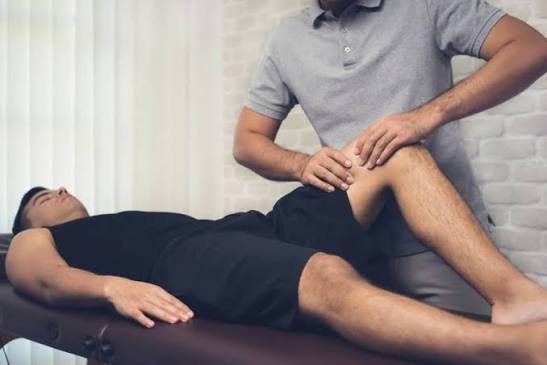
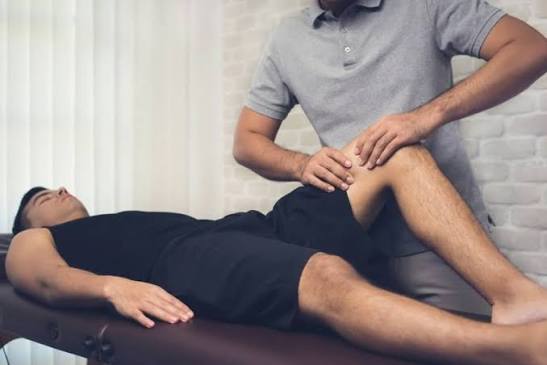
When walking becomes uncomfortable, even ordinary activities can start to feel like obstacles. You may shorten your errands, avoid stairs, stop exercising, or rely on frequent breaks to get through the day. If the discomfort keeps returning, simply resting between activities may not address the underlying problem.Hip pain when walking can result from several conditions, including muscle strains, tendon irritation, osteoarthritis, and problems involving the lower back. Identifying the cause is the first step toward choosing an appropriate treatment approach. For certain musculoskeletal conditions, physical therapy may help improve strength, mobility, balance, and tolerance for everyday movement.Why Does Hip Pain Continue During Walking?The hip joint supports body weight while allowing the leg to move in multiple directions. Surrounding muscles and tendons help stabilize the pelvis and control each step. When these structures become irritated, weakened, or injured, walking may become painful.The location of the discomfort can provide useful clues. Pain in the groin may be associated with a hip joint problem, while discomfort on the outer hip may involve nearby tendons. Pain in the buttock can sometimes originate in the lower back.Other factors, including activity levels, previous injuries, muscle weakness, and joint stiffness, may also influence symptoms. Because different conditions can produce similar sensations, a physical examination may be necessary before deciding whether rehabilitation is appropriate.What Happens During a Physical Therapy Assessment?A physical therapy assessment helps identify functional limitations and determine which treatment options may be suitable for your condition.Understanding Your Symptoms and Activity HistoryYour therapist may ask when the discomfort began, whether it followed an injury, how long you can walk before symptoms appear, and which movements make the pain worse.You may also discuss previous injuries, medical conditions, exercise habits, and activities you want to resume. These details help establish realistic treatment priorities.Evaluating Strength, Mobility, and BalanceDepending on your symptoms, the assessment may include checking hip range of motion, muscle strength, balance, walking mechanics, and your ability to perform everyday movements.For example, difficulty standing on one leg or climbing stairs may indicate functional limitations worth addressing. However, these findings must be interpreted alongside your medical history and other examination results.Establishing Individualized GoalsTreatment goals should reflect your everyday needs. You might want to walk around your neighborhood, complete household tasks, return to recreational exercise, or stand for longer periods without discomfort.For people experiencing hip pain when walking, clear goals help connect treatment activities with meaningful improvements in daily function.Five Ways Physical Therapy May Help Improve Hip Function1. Strengthening Muscles That Support the HipThe gluteal muscles and other muscles around the pelvis help control leg movement and stabilize the body during walking. Weakness in these areas may contribute to functional difficulties in some conditions.Depending on your assessment, rehabilitation may include supported standing exercises, controlled hip movements, bridges, or progressive resistance exercises.Exercises should be selected according to the diagnosis and your current abilities. Strengthening through significant pain is not an appropriate substitute for identifying the cause of your symptoms.2. Improving Hip MobilityJoint stiffness or restricted movement may make walking, sitting, and climbing stairs more difficult.A rehabilitation plan may include gentle mobility exercises designed to improve comfortable movement. Your therapist may also provide guidance on positioning and activity modification.Not everyone benefits from the same stretching routine. Some injuries and joint conditions require specific precautions, so exercises should be tailored to your needs.3. Addressing Walking MechanicsWhen hip discomfort develops, you may change the way you walk to avoid painful movement. This can include taking shorter steps, limping, or shifting weight toward the unaffected side.A therapist may observe your walking pattern to understand whether strength, mobility, balance, or pain is affecting your movement.Depending on the findings, treatment may include controlled stepping exercises, balance training, or guidance on safe movement. Deliberately changing your gait without understanding the cause can sometimes aggravate symptoms.4. Gradually Rebuilding Walking ToleranceIf walking for extended periods triggers discomfort, you may need to adjust the duration and intensity of your activity temporarily.Your therapist can help determine whether shorter walking sessions, rest breaks, or alternative activities are appropriate. As your condition allows, activity may be increased gradually according to your symptoms and functional progress.When hip pain when walking is related to a condition that responds to rehabilitation, a progressive plan may help you build tolerance for daily activities without increasing demands too quickly.5. Learning to Manage Symptoms Between AppointmentsYour progress depends partly on how you manage movement outside scheduled treatment sessions.Your therapist may recommend a home exercise program, temporary modifications to aggravating activities, and guidance on gradually returning to your usual routine.You may also learn how to monitor your symptoms and recognize when an exercise needs adjustment. If pain or swelling becomes significantly worse, inform your therapist rather than automatically increasing your effort.Which Exercises Might Be Included in Hip Rehabilitation?The most appropriate exercises depend on the underlying diagnosis, symptom severity, and any medical restrictions. Examples that may be used in selected rehabilitation programs include:Gluteal contractions: Gentle muscle activation that may be appropriate when more demanding movements are uncomfortable.Supported standing exercises: Controlled movements performed while holding a stable surface for balance.Bridges: Exercises that engage the gluteal muscles when lying on your back is comfortable and the movement is suitable.Sit-to-stand practice: Functional training that helps develop the strength and control needed to rise from a chair.Balance exercises: Activities designed to improve stability during standing and walking.These examples are not a universal prescription. A suspected fracture, significant injury, or inability to bear weight requires medical assessment before attempting a home exercise program.How Long Does It Take to Improve Hip Pain?Recovery varies considerably. Some mild muscle-related problems improve over a relatively short period, while osteoarthritis, significant tendon injuries, and other persistent conditions may require longer-term management.Progress can depend on the underlying cause, symptom severity, general health, previous injuries, and response to treatment.Your therapist may monitor walking tolerance, range of motion, strength, balance, and your ability to complete specific daily activities. Improvement is not measured solely by whether the pain disappears immediately.A realistic plan should include regular reassessment and adjustments when progress slows or symptoms change. If the expected improvement does not occur, further medical evaluation may be necessary.When Is Physical Therapy Not the First Step?Although rehabilitation can be beneficial for many musculoskeletal conditions, some causes of hip pain need prompt medical evaluation.Seek urgent care if you experience sudden severe hip pain, cannot bear weight, or develop significant pain after a fall or injury. A hot, swollen area accompanied by fever also needs urgent assessment.Progressively worsening pain during weight-bearing can sometimes indicate a bone injury. New or worsening numbness, weakness, or other neurological symptoms may also require additional investigation.Do not attempt to exercise through severe or unexplained symptoms. A healthcare professional can determine whether physical therapy is appropriate or whether imaging, medication, specialist treatment, or other care is needed first.Choosing the Right Rehabilitation ApproachBefore starting treatment, ask how the proposed plan relates to your symptoms and functional goals. You should understand which activities are recommended, which movements need modification, and how progress will be evaluated.Look for an approach that includes individualized assessment, clear communication, and appropriate adjustments as your condition changes.If hip pain when walking is affecting your independence, discuss whether a physical therapy evaluation may be suitable. The right treatment should address your specific limitations rather than rely on a generic exercise routine or promises of rapid recovery.ConclusionReturning to comfortable movement starts with understanding why your hip hurts and determining which treatments are appropriate. Physical therapy may help improve strength, mobility, balance, and walking tolerance when rehabilitation is suitable for the underlying condition.If hip pain when walking continues to interfere with daily life, consider seeking a professional assessment rather than repeatedly pushing through discomfort. An individualized treatment plan, appropriate activity adjustments, and regular progress reviews can help you work toward better function and more confident movement.FAQs1. Can physical therapy help with hip pain caused by osteoarthritis?Physical therapy may help some people with hip osteoarthritis improve strength, mobility, and everyday function. The treatment plan should reflect symptom severity, individual abilities, and recommendations from the healthcare professional managing the condition.2. Do I need imaging before starting physical therapy for hip pain?Not everyone needs imaging. The decision depends on your symptoms, medical history, examination findings, and whether a fracture or another condition requiring further investigation is suspected.3. Is it normal to feel sore after hip rehabilitation exercises?Mild, temporary muscle soreness can occur when beginning or progressing an exercise program. Sharp pain, substantial swelling, or symptoms that become progressively worse should be reported to your therapist for reassessment.4. Can hip rehabilitation help me return to sports?Depending on the injury or condition, rehabilitation may help rebuild strength, balance, mobility, and activity-specific function. Returning to sports should be guided by your recovery progress and the demands of the sport rather than pain levels alone.

IVF Acupuncture Encino — How Pregnancy and Postpartum Acupuncture Can Support Your Journey from Fertility Treatment to Motherhood Health & Wellness
Oct 24, 2026 • visibility 49 • 11 min read

IVF Acupuncture Encino — How Pregnancy and Postpartum Acupuncture Can Support Your Journey from Fertility Treatment to Motherhood

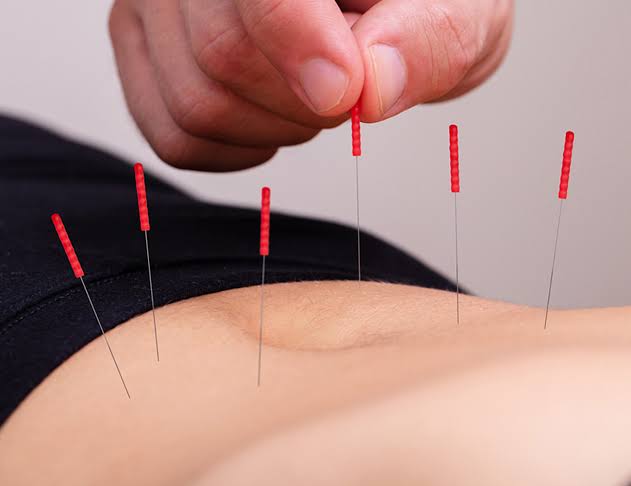
The journey to motherhood can bring excitement, hope, and many physical and emotional changes. From preparing for fertility treatment to navigating pregnancy and recovering after childbirth, every stage comes with unique needs. While conventional medical care remains essential, complementary therapies such as acupuncture may offer additional support for relaxation, symptom management, and overall well-being.At Restorative Acupuncture in Encino, personalized Traditional Chinese Medicine (TCM) treatments are designed to support women through fertility challenges, pregnancy, and postpartum recovery. With an individualized approach to care, the practice helps patients explore IVF Acupuncture Encino, Pregnancy Acupuncture Encino, and Postpartum Acupuncture Encino services according to their health needs and treatment goals.IVF Acupuncture Encino: Complementary Support During Fertility TreatmentIn-vitro fertilization (IVF) can be physically demanding and emotionally challenging. Fertility medications, medical appointments, procedures, and waiting periods can create stress for individuals and couples hoping to conceive. During this time, supportive care can help patients prioritize their comfort and emotional well-being.IVF Acupuncture Encino services at Restorative Acupuncture are designed to complement conventional fertility treatment. Acupuncture involves inserting very fine, sterile needles at selected points on the body. Many patients find sessions relaxing and appreciate having dedicated time to focus on themselves during an intensive medical process.Acupuncture may help support:Relaxation and stress management during IVFEmotional well-being throughout fertility treatmentGeneral comfort during demanding treatment cyclesSleep and overall wellnessCoping with the emotional challenges associated with fertility careTreatment schedules can be coordinated with fertility clinic protocols and the patient's individual needs. Restorative Acupuncture emphasizes communication with reproductive endocrinologists and fertility specialists to help ensure that complementary care fits appropriately alongside medical treatment.Although acupuncture is used by some patients during IVF, evidence that it increases pregnancy or live-birth rates remains inconsistent. It should not replace fertility medications, embryo-transfer protocols, or recommendations from a reproductive specialist.Pregnancy Acupuncture Encino: Gentle Care for Changing NeedsPregnancy is a period of remarkable change. As the body adapts to support a growing baby, many women experience nausea, fatigue, back pain, headaches, digestive discomfort, anxiety, or difficulty sleeping.Pregnancy Acupuncture Encino services offer an individualized complementary approach to managing certain pregnancy-related symptoms. When performed by a licensed practitioner with appropriate pregnancy-specific training, acupuncture may be considered for selected concerns following a review of the patient's health history and stage of pregnancy.How Acupuncture May Help During PregnancyPregnancy acupuncture focuses on comfort, relaxation, and symptom management. Depending on the individual's circumstances, treatment may be considered for:Morning sickness and nauseaBack pain, sciatica, and pelvic discomfortHeadaches and muscle tensionStress and emotional strainSleep difficultiesCertain digestive concernsGeneral relaxation and well-beingSome research suggests acupuncture may help with particular pregnancy-related symptoms, including nausea and certain types of pain. However, results vary, and acupuncture cannot guarantee relief or prevent pregnancy complications.At Restorative Acupuncture, treatments are adapted to each patient's needs. The practitioner can explain appropriate positioning, needle placement, potential benefits, and precautions before beginning a session.Pregnant patients should always inform their obstetric care team about complementary treatments. Acupuncture should not replace prenatal appointments or medical evaluation of concerning symptoms. Severe abdominal pain, vaginal bleeding, severe headaches, or other urgent pregnancy symptoms require prompt medical assessment.Personalized Care Throughout Each TrimesterEvery pregnancy is different, and treatment needs can change as pregnancy progresses. A personalized care plan considers the patient's symptoms, medical history, trimester, and comfort level.Herbal therapy may also be discussed when appropriate, but herbs and supplements require particular caution during pregnancy because some may affect pregnancy or interact with medications. Any recommendations should be reviewed with the patient's obstetric clinician.Postpartum Acupuncture Encino: Supporting Recovery After ChildbirthThe postpartum period is a time of physical healing, hormonal adjustment, emotional changes, and learning to care for a newborn. Whether childbirth involved a vaginal delivery or cesarean section, recovery can require patience, rest, and appropriate support.Postpartum Acupuncture Encino services at Restorative Acupuncture are tailored to individual recovery needs and may complement routine postpartum care.Potential Benefits of Postpartum AcupunctureAcupuncture may help some patients manage selected discomforts and support relaxation during recovery. Depending on individual circumstances, it may be considered for:Muscle tension and physical discomfortStress and emotional well-beingSleep-related difficultiesGeneral relaxation during the postpartum transitionCertain aches associated with the physical demands of newborn carePostpartum recovery varies considerably from person to person. Acupuncture is not a substitute for medical treatment for postpartum complications, significant anemia, infection, wound problems, or serious mood symptoms.Patients recovering from a cesarean section or perineal injury should discuss the timing and suitability of acupuncture with their healthcare provider. Treatment should be adapted to avoid interfering with healing tissues or causing unnecessary discomfort.Herbal Therapy and Nutritional Guidance After BirthRestorative Acupuncture also offers personalized herbal consultations and nutritional guidance when appropriate. These services may help patients explore supportive approaches to energy, nutrition, and general well-being during the postpartum period.For breastfeeding parents, every herbal product and supplement should be carefully reviewed for safety. Natural products are not automatically safe during breastfeeding, and they should not replace prescribed medication or necessary medical treatment.Why Choose Restorative Acupuncture in Encino?Choosing a practitioner who understands women's health can make complementary care more comfortable and personalized.Restorative Acupuncture provides Traditional Chinese Medicine services focused on fertility, IVF support, pregnancy, postpartum recovery, menopause, and general wellness. Its approach combines traditional treatment methods with individualized assessment and consideration of modern healthcare needs.Gilian Lata, L.Ac., Dipl. O.M., is the founder and a licensed acupuncturist with advanced training in women's health, fertility, pregnancy, and postpartum care. Kristen Taylor, L.Ac., brings extensive patient-care experience and a background in kinesiology, trigger-point massage, and Traditional Chinese Medicine.The practice emphasizes thoughtful treatment planning, sterile single-use acupuncture needles, and consideration of each patient's medical history and personal goals.Begin Your Journey with Personalized Acupuncture CareWhether you are preparing for IVF, looking for support with pregnancy-related discomfort, or adjusting to life after childbirth, personalized complementary care can provide an opportunity to focus on your well-being.Restorative Acupuncture offers IVF Acupuncture Encino, Pregnancy Acupuncture Encino, and Postpartum Acupuncture Encino services tailored to individual circumstances. By working alongside your fertility specialist, obstetric clinician, or postpartum healthcare provider, acupuncture may be incorporated into a broader plan that prioritizes your comfort and health.Every patient's journey is unique. A consultation can help you understand available treatments, discuss safety considerations, and determine whether acupuncture is an appropriate addition to your care.Contact Restorative AcupunctureRestorative Acupuncture – Acupuncture in EncinoAddress: 15720 Ventura Blvd, Suite 613, Encino, CA 91436Phone: 818-763-2928Email: [email protected]: https://www.restorativeacupuncture.com/

Yogis Ayurveda Menopause Tea: A Herbal Wellness Companion for Women Health & Wellness
Oct 24, 2026 • visibility 40 • 9 min read

Yogis Ayurveda Menopause Tea: A Herbal Wellness Companion for Women

Menopause is a natural stage in a woman's life that usually occurs between the ages of 45 and 55. During this phase, hormonal changes may lead to various physical and emotional experiences, including hot flashes, night sweats, mood changes, sleep disturbances, tiredness and changes in overall well-being.Understanding these changes and maintaining a balanced lifestyle can help women take better care of themselves during this transition. Yogis Ayurveda Menopause Tea is a 200GM herbal tea blend developed as a supportive addition to a woman's daily wellness routine.Understanding Menopause and Its Common SymptomsMenopause marks the end of menstrual periods and is associated with changes in reproductive hormone levels. The transition leading up to menopause, known as perimenopause, can bring different symptoms for different women.Some commonly reported experiences include:Hot flashes and night sweatsChanges in sleep patternsMood changes and irritabilityOccasional tiredness and reduced energyJoint discomfortChanges in weight and skin conditionDifficulty concentrating or brain fogNot every woman experiences the same symptoms, and their intensity can vary. A balanced diet, regular physical activity, adequate sleep and appropriate medical guidance are important parts of managing this stage of life.What Is Yogis Ayurveda Menopause Tea?Yogis Ayurveda Menopause Tea is an herbal tea blend containing selected ingredients traditionally associated with wellness and everyday herbal beverages. It is designed to complement a balanced lifestyle during the menopausal transition.The product comes in a 200GM pack and can be prepared with water or milk according to personal preference. It can be incorporated into a daily routine as a warm herbal beverage.This product is intended for general wellness support and should not be considered a substitute for medical evaluation or treatment of menopause-related symptoms.Ingredients of Yogis Ayurveda Menopause TeaThe formulation contains the following ingredients per 100 grams, as provided in the product information:1. Chai (Camellia sinensis) – 57gTea leaves contain naturally occurring antioxidants, including polyphenols. Since tea may contain caffeine, individuals who are sensitive to caffeine or experience sleep disturbances should consider their intake and the timing of consumption.2. Gulab (Rosa centifolia) – 10gRose is traditionally used in herbal preparations and is valued for its fragrance and refreshing character. It contributes to the blend's flavour and overall herbal experience.3. Tulsi (Ocimum sanctum) – 10gTulsi, also known as holy basil, is widely used in traditional Indian wellness practices. It contains naturally occurring plant compounds and is commonly included in herbal preparations.4. Shilajit – 10gShilajit is a traditional Ayurvedic ingredient. Its quality, purity and suitability are important considerations, particularly when used in products intended for regular consumption.5. Nevri (Jasminum arborescens) – 8gThis ingredient is included in the formulation as part of its herbal blend. The exact botanical identity and ingredient quality should be verified from the manufacturer's product specifications.6. Chhoti Elaichi (Elettaria cardamomum) – 5gCardamom is a familiar culinary spice used in traditional beverages. It adds a distinctive aroma and flavour to the tea.How Can Herbal Tea Fit Into a Menopause Wellness Routine?A warm herbal beverage may provide a comforting addition to a daily self-care routine. However, evidence for specific herbal blends in managing menopausal symptoms varies, and the effects of this particular formulation have not been established by the ingredient list alone.For a more balanced approach to menopause wellness, women can consider the following habits:Maintain regular sleeping and waking times.Include a variety of vegetables, fruits, whole grains and protein sources in the diet.Stay physically active according to individual ability.Drink sufficient water throughout the day.Practise relaxation techniques to manage everyday stress.Seek medical advice for persistent hot flashes, sleep difficulties, mood changes or other troublesome symptoms.Herbal tea can complement these habits but should not replace appropriate healthcare.How to Prepare Yogis Ayurveda Menopause TeaFollow the directions provided with the product:Take one to two teaspoons of the herbal tea.Add it to water or milk.Boil for approximately 4–5 minutes.Strain the prepared beverage.Serve warm. Sugar may be added according to personal preference.The suggested frequency is once or twice daily, or as directed by a qualified healthcare professional. Check the product label for the recommended serving size and any updated instructions.Precautions Before UseConsult a qualified healthcare professional before using this product, especially if you take regular medication, have an existing health condition, are sensitive to caffeine or are considering herbal products during hormone-related treatment.The safety and suitability of herbal ingredients can vary according to individual circumstances. Stop using the product and seek advice if you experience an unexpected reaction.Yogis Ayurveda Menopause Tea is not a guaranteed treatment or cure for any disease. It should not be relied upon to correct hormonal imbalances, regulate menstrual cycles or treat persistent menopausal symptoms.Product InformationProduct Name: Yogis Ayurveda Menopause TeaNet Quantity: 200GMProduct Form: Herbal tea blendBrand: Yogis AyurvedaSuggested Preparation: Boil in water or milk for 4–5 minutes and strainUsage: As directed on the product label or by a qualified healthcare professionalConclusionMenopause is a natural life transition, and every woman's experience is different. A thoughtful daily routine, balanced nutrition, regular movement and appropriate medical guidance can help support well-being during this period.Yogis Ayurveda Menopause Tea is a herbal beverage option that can be considered as part of a balanced wellness routine. Women experiencing persistent or severe symptoms should consult a qualified healthcare professional to discuss suitable management options.Explore Yogis Ayurveda products to learn more about herbal wellness options and choose products that fit your individual needs.

Yogis Ayurveda
Read arrow_forward
Early Warning Signs of Type 3 Diabetes: What Changes in Memory Should You Know? Health & Wellness
Oct 24, 2026 • visibility 43 • 16 min read

Early Warning Signs of Type 3 Diabetes: What Changes in Memory Should You Know?

Have you noticed a loved one repeatedly asking the same question, forgetting familiar routines, or struggling to remember recent conversations? Occasional forgetfulness can happen to anyone, but persistent changes in memory and thinking deserve attention. Researchers are exploring whether disruptions in brain insulin signaling may contribute to certain neurological conditions, including Alzheimer’s disease. This proposed connection is sometimes described as type 3 diabetes, although it is not an officially recognized standalone medical diagnosis. Understanding the possible relationship between metabolic health and cognitive function can help individuals recognize concerning changes, seek appropriate medical advice, and make informed decisions about their well-being.Understanding the Connection Between Brain Health and InsulinInsulin is a hormone that helps regulate blood glucose and supports several functions throughout the body. In the brain, insulin signaling also participates in processes associated with learning, memory, and communication between nerve cells.Scientists are investigating whether impaired insulin signaling and altered glucose metabolism may contribute to neurological changes associated with Alzheimer’s disease. These findings have encouraged discussion about type 3 diabetes, a research term used to describe a proposed relationship between brain insulin resistance and cognitive decline.However, memory problems do not automatically indicate this condition or establish a diagnosis of Alzheimer’s disease. Many medical, psychological, and lifestyle factors can affect concentration and recall. Understanding the possible warning signs is a useful first step toward seeking appropriate care.Memory Changes That Deserve Attention1. Frequently Forgetting Recent InformationEveryone occasionally forgets a name or misplaces an object. A more concerning pattern occurs when someone repeatedly forgets recent conversations, important appointments, or information they have just learned.For example, a person might ask the same question several times within a short period despite receiving clear answers. When these changes become frequent and interfere with everyday activities, a medical assessment may be appropriate.Although memory loss is often discussed in connection with type 3 diabetes, it has many possible causes and cannot be used alone to identify a specific disease.2. Difficulty Completing Familiar TasksAnother possible warning sign of cognitive impairment is struggling with activities that once felt routine. Someone might find it increasingly difficult to follow a familiar recipe, organize household bills, or complete a regular sequence of tasks.These difficulties may develop gradually and become more noticeable over time. Family members sometimes recognize the changes before the affected individual does.Persistent problems with familiar activities should be discussed with a healthcare professional, particularly when they affect independence or safety.3. Confusion About Time or PlaceOccasionally losing track of the day is common, but repeatedly becoming confused about dates, locations, or familiar surroundings may indicate a more significant problem.A person might forget why they entered a room, become uncertain about a familiar route, or struggle to understand how they arrived somewhere. These experiences can have several explanations, including neurological conditions, medication effects, sleep deprivation, and other health problems.Sudden confusion is different from gradual memory changes and requires urgent medical evaluation, especially when accompanied by difficulty speaking, weakness, or other new neurological symptoms.4. Trouble Finding Words During ConversationsPeople experiencing cognitive changes may struggle to find familiar words, follow conversations, or explain their thoughts clearly. They might pause frequently, substitute unrelated words, or lose track of what they intended to say.Occasional difficulty finding a word is not necessarily concerning. However, a persistent decline in language ability that affects communication deserves professional attention.Researchers examining type 3 diabetes are interested in how disrupted brain metabolism may influence cognitive processes, but language difficulties alone cannot confirm that explanation.5. Changes in Judgment and Decision-MakingCognitive difficulties can affect a person's ability to assess situations, manage money, or make appropriate decisions. For example, someone might repeatedly overlook important bills, become unusually vulnerable to scams, or struggle to evaluate everyday risks.These changes can create practical challenges for individuals and their families. Keeping track of when symptoms occur and how they affect daily life can help a clinician understand the situation.6. Mood, Personality, or Social ChangesSome people experiencing neurological changes may become unusually anxious, irritable, withdrawn, or less interested in activities they previously enjoyed.Such changes can also be associated with depression, stress, medication effects, and other health conditions. They should not automatically be attributed to type 3 diabetes or Alzheimer’s disease.A professional evaluation can help identify possible explanations and determine whether additional assessment is needed.How Is Type 3 Diabetes Evaluated?There is no universally accepted diagnostic test for type 3 diabetes because it is not recognized as a distinct clinical diagnosis. Instead, healthcare professionals investigate the symptoms a person experiences and evaluate possible underlying causes.An assessment may include a review of medical history, current medications, family history, and the timeline of cognitive changes. A clinician may also conduct memory, attention, language, and problem-solving assessments.Depending on the findings, blood tests may help identify conditions such as thyroid problems or vitamin deficiencies. Blood glucose testing can assess diabetes or other abnormalities in glucose regulation. Brain imaging may be recommended when clinically appropriate.These evaluations serve different purposes. A diabetes test does not diagnose Alzheimer’s disease, and a memory screening test alone cannot establish its cause.People experiencing persistent cognitive changes should seek medical advice rather than attempting to diagnose themselves based on online symptom lists.Who May Have a Higher Risk of Cognitive Problems?Age is an important risk factor for Alzheimer’s disease, although cognitive impairment is not an inevitable part of aging. Genetics, family history, cardiovascular health, and other medical conditions can also influence risk.Research has found an association between type 2 diabetes and an increased likelihood of cognitive impairment and dementia. Potential contributing factors include blood vessel damage, chronic inflammation, and changes in glucose metabolism.High blood pressure, elevated cholesterol, smoking, physical inactivity, and poor sleep may also affect overall brain and cardiovascular health.The proposed concept of type 3 diabetes explores some of these overlapping mechanisms, but researchers have not established that brain insulin resistance directly causes every case of Alzheimer’s disease. Having diabetes does not mean a person will inevitably develop dementia.Practical Steps to Support Brain HealthAlthough no lifestyle change can guarantee protection against Alzheimer’s disease, healthy habits can support cognitive and metabolic well-being.Choose balanced meals. Include vegetables, fruits, whole grains, legumes, nuts, and appropriate sources of protein. People with diabetes should follow dietary guidance suited to their individual health needs.Stay physically active. Walking, cycling, swimming, and other suitable activities can support circulation, cardiovascular fitness, and insulin sensitivity. Choose activities that match your abilities and medical circumstances.Prioritize quality sleep. Consistent sleep supports attention and memory. Persistent insomnia or symptoms of sleep apnea should be discussed with a healthcare professional.Manage existing health conditions. Follow recommended treatment plans for diabetes, high blood pressure, and cholesterol. Regular medical appointments can help monitor these conditions and reduce the risk of complications.Keep the mind socially engaged. Reading, learning, pursuing hobbies, and maintaining meaningful relationships can encourage mental stimulation and social connection.These habits are beneficial for general health, but they should not be presented as a guaranteed way to prevent type 3 diabetes or cure Alzheimer’s disease.When Should You Seek Medical Advice?Consider arranging a medical appointment if memory problems persist, become more frequent, or interfere with work, relationships, household responsibilities, or personal safety.Before the appointment, write down examples of the changes you have noticed, when they began, and whether they appear to be getting worse. A family member who has observed the changes may be able to provide useful information.Seek emergency care if confusion or other cognitive symptoms begin suddenly, particularly alongside facial drooping, weakness on one side, difficulty speaking, or a severe unexplained headache.Early evaluation can help identify potentially treatable causes of cognitive symptoms and provide an opportunity to discuss appropriate care and support.ConclusionRecognizing persistent changes in memory, communication, judgment, or everyday functioning can help individuals seek medical attention at the right time. The term type 3 diabetes describes a proposed research connection between brain insulin resistance and Alzheimer’s disease, but it is not an officially recognized standalone diagnosis. Current evidence does not establish that insulin resistance directly causes every case of Alzheimer’s disease. Rather than relying on symptoms alone, individuals should seek professional assessment, manage established health conditions, and maintain habits that support cardiovascular and cognitive health.Frequently Asked Questions1. Can forgetfulness alone indicate type 3 diabetes?No. Forgetfulness can result from stress, poor sleep, medication effects, vitamin deficiencies, and numerous other causes. Persistent or worsening memory problems should be evaluated by a healthcare professional.2. At what age can Alzheimer’s-related memory changes begin?Alzheimer’s disease most commonly affects older adults, but early-onset forms can occur before age 65. Age alone cannot determine whether memory changes indicate a neurological condition.3. Can improving blood sugar reverse memory loss?Managing blood glucose is important for people with diabetes, but it does not guarantee that existing memory loss will reverse. Outcomes depend on the underlying cause, so cognitive symptoms require appropriate evaluation.4. Should someone with a family history of Alzheimer’s be concerned about type 3 diabetes?A family history may increase Alzheimer’s risk, but it does not mean the disease will develop. Discuss personal risk factors and appropriate health assessments with a healthcare professional.

Cumming Med Spa: 7 Ways to Choose the Right Treatment for Your Skin Goals Health & Wellness
Oct 24, 2026 • visibility 32 • 19 min read

Cumming Med Spa: 7 Ways to Choose the Right Treatment for Your Skin Goals

Healthy, radiant skin starts with understanding what your skin needs. Whether you want to improve uneven texture, reduce the appearance of fine lines, address sun damage, or maintain a refreshed appearance, choosing the right aesthetic treatment can make your skincare journey more focused and effective. With different procedures available, knowing where to begin can feel overwhelming. Visiting a Cumming med spa can be an opportunity to explore personalized treatment options and receive professional guidance based on your skin concerns. Instead of choosing a procedure simply because it is popular, consider your goals, skin type, medical history, and expectations. A thoughtful approach can help you make informed decisions and develop a treatment plan that supports your long-term skin health.1. Identify Your Primary Skin ConcernBefore exploring treatments, determine what you would most like to improve. Different skin concerns may require different approaches, and identifying your priorities can help make a consultation more productive.Common aesthetic concerns include fine lines, uneven skin tone, enlarged-looking pores, acne marks, rough texture, dryness, and a loss of skin firmness. Some people want a brighter complexion, while others prefer to focus on maintaining healthy-looking skin as they age.Write down your top two or three concerns before scheduling an appointment. Consider how long you have noticed them, whether they have changed over time, and which results would make the biggest difference to you. This information helps your provider evaluate suitable options instead of recommending a treatment based on assumptions.A professional consultation at a Cumming med spa should begin with understanding your individual needs. Your provider can assess your skin, explain which concerns may respond to aesthetic procedures, and discuss whether a skincare routine or medical evaluation should come first.2. Understand the Treatments AvailableAesthetic services vary in their purpose, intensity, recovery requirements, and expected results. Learning the basic differences can help you ask better questions during your consultation.Customized facialsCustomized facials may help cleanse the skin, improve hydration, and support a smoother-looking complexion. The products and techniques used can vary according to your skin type and concerns. They may be suitable for people looking to maintain their skin or address certain superficial concerns.Chemical peelsChemical peels use carefully selected solutions to exfoliate the skin. Depending on the formulation and strength, they may help improve the appearance of uneven pigmentation, rough texture, and some acne-related marks. Peels differ in intensity, and temporary redness, peeling, or irritation may occur.MicroneedlingMicroneedling creates controlled micro-injuries in the skin to stimulate its natural repair response. It may help improve the appearance of certain acne scars, fine lines, and uneven texture. Suitability depends on skin condition, treatment technique, and individual risk factors.Laser skin treatmentsCertain laser treatments target specific concerns, such as unwanted hair, visible pigmentation, or uneven skin texture. The appropriate device and settings depend on the intended outcome and the individual's skin characteristics. Some treatments require multiple sessions and careful sun protection.Injectable treatmentsSome injectable procedures target dynamic wrinkles or restore facial volume. These treatments require an appropriately qualified medical professional who can assess facial anatomy, explain potential complications, and determine whether the procedure is suitable.A reputable Cumming med spa should explain the purpose and limitations of each recommended service. Avoid assuming that the most advanced or intensive treatment is automatically the best choice for your needs.3. Consider Your Skin Type and Medical HistoryTwo people can have similar skin concerns but require different treatment approaches. Skin type, sensitivity, previous procedures, medications, and existing skin conditions can influence which options are appropriate.For example, skin that is prone to irritation may require a gentler approach than skin that tolerates certain exfoliating treatments well. People with darker skin tones may need specific precautions when considering procedures that use heat, light, or laser energy because some techniques can increase the risk of pigmentation changes.Your provider should also ask about relevant medical conditions, allergies, medications, previous cosmetic procedures, and any history of unusual scarring or skin reactions. Share this information honestly, even if a detail seems unrelated to your appearance goals.If you have an active skin infection, unexplained rash, changing lesion, or persistent skin irritation, seek appropriate medical advice before pursuing a cosmetic procedure.When visiting a Cumming med spa, prioritize a provider who takes time to assess these factors rather than offering the same treatment to every client. Individualized screening is an important part of making an informed choice.4. Evaluate the Provider's Qualifications and Safety PracticesThe quality of your experience depends on more than the treatment itself. Provider training, clinical judgment, hygiene practices, and the ability to respond to complications are important considerations.Ask who will perform your procedure and what qualifications are required for that service. Medical aesthetic treatments differ in complexity, and some should only be performed by appropriately licensed and trained healthcare professionals. Confirm that the person treating you has relevant experience with your specific concern and skin type.You should also feel comfortable asking about the equipment used, infection-control procedures, treatment risks, and emergency protocols. For procedures involving lasers, needles, or stronger chemical agents, appropriate training and safety measures are particularly important.Before-and-after photographs may help you understand the range of outcomes a provider has achieved, but they should not be treated as a guarantee of your results. Ask whether the photographs represent comparable skin concerns and whether the images have been presented without misleading alterations.Choosing a Cumming med spa that emphasizes education, careful assessment, and realistic expectations can help you feel more confident about the decisions you make.5. Match the Treatment to Your Schedule and BudgetYour ideal treatment should fit your lifestyle as well as your skin goals. Some procedures involve little interruption to normal activities, while others can cause redness, swelling, peeling, or temporary sensitivity.Before committing, ask how long recovery may take and whether you will need to avoid exercise, direct sunlight, certain skincare products, or specific activities. If you have an upcoming event, wedding, vacation, or professional commitment, discuss the timing well in advance. Do not schedule an unfamiliar procedure immediately before an important event without understanding its possible recovery period.Budget is another practical consideration. The total cost may include more than one appointment, recommended home-care products, follow-up visits, or maintenance sessions. Ask for a clear explanation of the expected treatment plan and associated costs before proceeding.Be cautious of choosing a procedure solely because it is discounted. A lower initial price does not necessarily reflect the treatment's suitability, provider experience, or overall value.A consultation at a Cumming med spa should give you enough information to understand the financial commitment, likely recovery requirements, and possible need for ongoing care. You should have the opportunity to consider your options without feeling pressured to purchase a package or book immediately.6. Build a Realistic Treatment PlanAesthetic improvements usually require patience. Some services provide a temporary improvement in hydration or appearance, while others are intended to produce gradual changes over multiple sessions. Results can vary according to the procedure, skin condition, lifestyle, and individual response.Ask your provider what a realistic outcome would look like for your specific concern. Find out how many sessions may be recommended, when changes might become noticeable, how long results may last, and whether maintenance appointments are commonly needed.It is also worth discussing which concerns should be addressed first. For example, your provider may recommend establishing a consistent skincare routine and improving sun protection before considering a more intensive procedure. In other cases, a combination of treatments may be appropriate, but the order and timing should be carefully planned.Avoid combining multiple procedures simply to pursue faster results. Certain treatments should be spaced apart to allow the skin to recover and to reduce the risk of irritation or complications.An individualized plan at a Cumming med spa should be flexible enough to respond to your progress. Follow-up appointments provide an opportunity to evaluate the outcome, discuss concerns, and determine whether any adjustments are needed.7. Follow Aftercare and Maintain Your ResultsAftercare is an important part of any aesthetic treatment. Even a carefully selected procedure may lead to unnecessary irritation or complications if post-treatment instructions are ignored.Follow the specific guidance provided by your treating professional. Depending on the service, this may include using gentle cleansers, avoiding irritating skincare ingredients temporarily, applying recommended moisturizers, and protecting the treated area from direct sunlight.Daily sun protection is especially important when addressing pigmentation or undergoing procedures that temporarily make the skin more sensitive. Use a broad-spectrum sunscreen with SPF 30 or higher, reapply as directed, and combine it with shade and protective clothing.Avoid experimenting with unfamiliar products immediately after a procedure. Your skin may need time to recover, and introducing strong exfoliants or other active ingredients too soon can increase irritation.Contact your provider if you experience symptoms that are unexpected or concerning. Severe or worsening pain, significant swelling, blistering, spreading redness, fever, or changes in vision after a facial procedure require prompt medical attention, with emergency evaluation for serious symptoms.Long-term skin maintenance also depends on consistent habits. Gentle cleansing, appropriate moisturization, sun protection, adequate sleep, and a skincare routine suited to your skin can complement professional treatments.When you visit a Cumming med spa, make sure you understand the aftercare instructions before leaving your appointment. Knowing what to expect and whom to contact with concerns can make the recovery process more manageable.ConclusionChoosing an aesthetic treatment is a personal decision that should be guided by your skin concerns, medical history, lifestyle, and expectations. From customized facials and chemical peels to microneedling, laser procedures, and injectables, different options serve different purposes. The right approach begins with a thorough assessment, a qualified provider, transparent information about costs and risks, and a realistic treatment plan.A professional Cumming med spa consultation can help you understand your options and determine which services may be appropriate for your goals. Take time to ask questions, review the possible benefits and limitations, and understand the recovery process before making a decision. With thoughtful planning, appropriate aftercare, and consistent daily skincare, you can work toward healthier-looking skin while prioritizing safety and realistic results.Frequently Asked Questions1. How do I choose the best treatment for my skin?Start by identifying your main concern, such as uneven tone, dryness, fine lines, or acne scars. A qualified provider can assess your skin type and medical history, explain suitable options, and discuss expected results and risks before recommending a treatment.2. Are medical spa treatments suitable for sensitive skin?Some treatments may be suitable for sensitive skin, but the choice depends on the cause and severity of the sensitivity. A provider should assess your skin before proceeding. If you have persistent irritation or an unexplained skin condition, obtain appropriate medical advice first.3. How many sessions will I need to see results?The number of sessions depends on the procedure and the concern being addressed. Some treatments provide a temporary improvement after one visit, while others require a series of appointments. Your provider should explain the anticipated timeline and maintenance requirements during your consultation.4. What should I do before my first appointment?Prepare a list of your skin concerns, current skincare products, medications, allergies, and previous cosmetic treatments. Ask about pre-treatment instructions, expected downtime, costs, and aftercare. Follow the provider's specific guidance and disclose relevant health information before treatment.

Leg pain, neck tension, and jaw discomfort in Winnipeg — discover personalized massage therapy for better movement, lasting comfort, and whole-body wellness Health & Wellness
Oct 23, 2026 • visibility 45 • 12 min read

Leg pain, neck tension, and jaw discomfort in Winnipeg — discover personalized massage therapy for better movement, lasting comfort, and whole-body wellness

Persistent muscle tension, leg pain, neck stiffness, and jaw discomfort can affect everyday activities, from walking and working to sleeping comfortably. Long hours at a desk, repetitive movements, physical activity, postural imbalances, and everyday stress may contribute to muscular discomfort and restricted movement. Finding an approach that addresses these concerns can make an important difference in daily comfort and mobility.At Charelton's Whole Body Healing, massage therapy focuses on individual needs, movement patterns, and overall physical wellness. With extensive experience in advanced bodywork, Charelton Kubera provides personalized treatments designed to address muscle tension, support relaxation, and improve body awareness. Whether you are exploring leg pain massage therapy in Winnipeg, neck pain treatment in Winnipeg, or jaw pain treatment in Winnipeg, a tailored approach can help you work toward greater comfort and flexibility.Leg pain massage therapy in Winnipeg for improved comfort and mobilityLeg discomfort can develop for various reasons, including muscle overuse, prolonged standing, exercise-related tension, and repetitive physical activities. Tight calves, sore thighs, and tension around the hips may make walking, climbing stairs, or participating in sports less comfortable. When muscular discomfort continues, it can also influence the way you move and place additional strain on other parts of the body.Leg pain massage therapy Winnipeg can be a useful option for people experiencing muscular tightness or seeking relaxation after demanding physical activity. Depending on individual needs, massage techniques may focus on the calves, thighs, surrounding muscles, and other areas contributing to movement restrictions.At Charelton's Whole Body Healing, treatment is personalized according to your concerns, comfort level, and wellness goals. Techniques such as remedial massage, sports massage, and reflexology may be considered where appropriate. The objective is to support relaxation, ease muscular tension, and encourage comfortable movement.Massage is not a substitute for medical assessment when leg pain has an underlying medical cause. Sudden swelling, redness, warmth, severe pain, or unexplained symptoms should be assessed promptly. Sudden leg swelling accompanied by chest pain or shortness of breath requires emergency medical attention.Neck pain treatment in Winnipeg for everyday tension and stiffnessNeck discomfort is common among people who spend extended periods using computers, looking down at mobile devices, driving, or performing repetitive tasks. Poorly supported sleeping positions and prolonged static posture may also contribute to tightness around the neck and shoulders. For some individuals, this tension makes turning the head, maintaining a comfortable sitting position, or completing everyday activities more difficult.Seeking Neck pain treatment Winnipeg can be an important step toward managing muscular discomfort and improving movement. Massage therapy may help relax tense muscles, reduce the sensation of stiffness, and support a greater awareness of posture and movement habits.Charelton's Whole Body Healing offers personalized massage and advanced bodywork approaches that consider the body's interconnected muscle patterns. Rather than automatically focusing on one uncomfortable area, a session can explore how the neck, shoulders, upper back, and surrounding tissues contribute to the client's concerns.Deep tissue massage may be appropriate for certain muscular tension patterns, while gentler techniques may suit people who prefer lighter pressure. The treatment approach should always reflect individual comfort, health history, and tolerance.If neck pain follows a significant injury or occurs with fever, a severe headache, weakness, numbness, or other unusual neurological symptoms, seek medical evaluation rather than relying on massage alone.Jaw pain treatment in Winnipeg through a personalized wellness approachJaw discomfort can interfere with eating, speaking, yawning, and other routine activities. Some people notice tightness around the jaw after periods of stress, while others experience discomfort associated with clenching, teeth grinding, or temporomandibular joint (TMJ) problems.Jaw pain treatment Winnipeg begins with understanding the possible source of the discomfort. Because jaw symptoms can involve the teeth, joints, muscles, or other structures, an appropriate assessment is important before choosing a treatment.Massage therapy may support relaxation in surrounding areas, such as the neck, shoulders, and upper back, when muscle tension contributes to the overall discomfort. A qualified practitioner can discuss suitable options and determine whether massage is appropriate for your situation. Direct work around the jaw should only be considered when suitable and within the practitioner's training and scope of practice.Charelton's whole-body approach emphasizes individualized care instead of assuming that every person experiences tension for the same reasons. If jaw pain persists, causes locking, limits opening the mouth, or interferes with eating, consult a dentist or healthcare professional. Jaw pain accompanied by chest pressure, shortness of breath, sweating, or pain spreading into the arm requires emergency assessment.Why personalized massage therapy mattersEvery person has different movement habits, activity levels, health concerns, and wellness goals. A treatment that feels helpful for one individual may not be suitable for another. This is why communication and personalization are important parts of a massage therapy experience.At Charelton's Whole Body Healing, clients can discuss their concerns and preferred pressure before treatment begins. Charelton's training includes advanced remedial massage therapy, Structural Integration, Aston Kinetics, and reflexology. These areas of experience support a broader understanding of muscular tension, body mechanics, and movement awareness.Depending on the client's needs, sessions may focus on a particular area or consider related patterns throughout the body. The aim is to create a comfortable, professional experience that supports relaxation and helps clients make informed decisions about their ongoing wellness.Beyond massage: supporting your overall well-beingPhysical comfort is influenced by more than muscle tension alone. Daily movement, rest, nutrition, work habits, and stress management can all contribute to how a person feels.Alongside massage therapy, Charelton's Whole Body Healing offers nutritional coaching to help clients explore eating patterns and lifestyle habits. Personalized guidance can support practical changes that fit individual preferences and goals.PSYCH-K is another service offered at the practice. It uses an interactive process intended to explore subconscious beliefs and personal patterns. People interested in this approach can learn more about how it fits into their broader personal wellness goals.These services complement a whole-person perspective, but they do not replace appropriate medical care or guarantee specific health outcomes.Take the next step toward greater comfort in WinnipegLeg discomfort, neck stiffness, and jaw tension can make everyday life more challenging, but you do not have to ignore ongoing muscular concerns. Understanding your symptoms and choosing suitable professional support can help you make more informed decisions about your well-being.Charelton's Whole Body Healing offers individualized massage therapy and advanced bodywork with an emphasis on comfort, movement, and personal wellness goals. Whether you are exploring leg pain massage therapy in Winnipeg, looking for neck pain treatment in Winnipeg, or seeking guidance for jaw discomfort, the first step is to discuss your needs and identify an appropriate approach.Make time to understand your body's needs, communicate your concerns, and explore personalized care that fits your lifestyle. With thoughtful attention to movement, relaxation, and everyday habits, you can take a more active role in supporting your comfort and overall well-being.

Leg pain, neck tension, and jaw discomfort in Winnipeg — discover personalized massage therapy for better movement, lasting comfort, and whole-body wellness Health & Wellness
Oct 23, 2026 • visibility 27 • 12 min read

Leg pain, neck tension, and jaw discomfort in Winnipeg — discover personalized massage therapy for better movement, lasting comfort, and whole-body wellness

Persistent muscle tension, leg pain, neck stiffness, and jaw discomfort can affect everyday activities, from walking and working to sleeping comfortably. Long hours at a desk, repetitive movements, physical activity, postural imbalances, and everyday stress may contribute to muscular discomfort and restricted movement. Finding an approach that addresses these concerns can make an important difference in daily comfort and mobility.At Charelton's Whole Body Healing, massage therapy focuses on individual needs, movement patterns, and overall physical wellness. With extensive experience in advanced bodywork, Charelton Kubera provides personalized treatments designed to address muscle tension, support relaxation, and improve body awareness. Whether you are exploring leg pain massage therapy in Winnipeg, neck pain treatment in Winnipeg, or jaw pain treatment in Winnipeg, a tailored approach can help you work toward greater comfort and flexibility.Leg pain massage therapy in Winnipeg for improved comfort and mobilityLeg discomfort can develop for various reasons, including muscle overuse, prolonged standing, exercise-related tension, and repetitive physical activities. Tight calves, sore thighs, and tension around the hips may make walking, climbing stairs, or participating in sports less comfortable. When muscular discomfort continues, it can also influence the way you move and place additional strain on other parts of the body.Leg pain massage therapy Winnipeg can be a useful option for people experiencing muscular tightness or seeking relaxation after demanding physical activity. Depending on individual needs, massage techniques may focus on the calves, thighs, surrounding muscles, and other areas contributing to movement restrictions.At Charelton's Whole Body Healing, treatment is personalized according to your concerns, comfort level, and wellness goals. Techniques such as remedial massage, sports massage, and reflexology may be considered where appropriate. The objective is to support relaxation, ease muscular tension, and encourage comfortable movement.Massage is not a substitute for medical assessment when leg pain has an underlying medical cause. Sudden swelling, redness, warmth, severe pain, or unexplained symptoms should be assessed promptly. Sudden leg swelling accompanied by chest pain or shortness of breath requires emergency medical attention.Neck pain treatment in Winnipeg for everyday tension and stiffnessNeck discomfort is common among people who spend extended periods using computers, looking down at mobile devices, driving, or performing repetitive tasks. Poorly supported sleeping positions and prolonged static posture may also contribute to tightness around the neck and shoulders. For some individuals, this tension makes turning the head, maintaining a comfortable sitting position, or completing everyday activities more difficult.Seeking Neck pain treatment Winnipeg can be an important step toward managing muscular discomfort and improving movement. Massage therapy may help relax tense muscles, reduce the sensation of stiffness, and support a greater awareness of posture and movement habits.Charelton's Whole Body Healing offers personalized massage and advanced bodywork approaches that consider the body's interconnected muscle patterns. Rather than automatically focusing on one uncomfortable area, a session can explore how the neck, shoulders, upper back, and surrounding tissues contribute to the client's concerns.Deep tissue massage may be appropriate for certain muscular tension patterns, while gentler techniques may suit people who prefer lighter pressure. The treatment approach should always reflect individual comfort, health history, and tolerance.If neck pain follows a significant injury or occurs with fever, a severe headache, weakness, numbness, or other unusual neurological symptoms, seek medical evaluation rather than relying on massage alone.Jaw pain treatment in Winnipeg through a personalized wellness approachJaw discomfort can interfere with eating, speaking, yawning, and other routine activities. Some people notice tightness around the jaw after periods of stress, while others experience discomfort associated with clenching, teeth grinding, or temporomandibular joint (TMJ) problems.Jaw pain treatment Winnipeg begins with understanding the possible source of the discomfort. Because jaw symptoms can involve the teeth, joints, muscles, or other structures, an appropriate assessment is important before choosing a treatment.Massage therapy may support relaxation in surrounding areas, such as the neck, shoulders, and upper back, when muscle tension contributes to the overall discomfort. A qualified practitioner can discuss suitable options and determine whether massage is appropriate for your situation. Direct work around the jaw should only be considered when suitable and within the practitioner's training and scope of practice.Charelton's whole-body approach emphasizes individualized care instead of assuming that every person experiences tension for the same reasons. If jaw pain persists, causes locking, limits opening the mouth, or interferes with eating, consult a dentist or healthcare professional. Jaw pain accompanied by chest pressure, shortness of breath, sweating, or pain spreading into the arm requires emergency assessment.Why personalized massage therapy mattersEvery person has different movement habits, activity levels, health concerns, and wellness goals. A treatment that feels helpful for one individual may not be suitable for another. This is why communication and personalization are important parts of a massage therapy experience.At Charelton's Whole Body Healing, clients can discuss their concerns and preferred pressure before treatment begins. Charelton's training includes advanced remedial massage therapy, Structural Integration, Aston Kinetics, and reflexology. These areas of experience support a broader understanding of muscular tension, body mechanics, and movement awareness.Depending on the client's needs, sessions may focus on a particular area or consider related patterns throughout the body. The aim is to create a comfortable, professional experience that supports relaxation and helps clients make informed decisions about their ongoing wellness.Beyond massage: supporting your overall well-beingPhysical comfort is influenced by more than muscle tension alone. Daily movement, rest, nutrition, work habits, and stress management can all contribute to how a person feels.Alongside massage therapy, Charelton's Whole Body Healing offers nutritional coaching to help clients explore eating patterns and lifestyle habits. Personalized guidance can support practical changes that fit individual preferences and goals.PSYCH-K is another service offered at the practice. It uses an interactive process intended to explore subconscious beliefs and personal patterns. People interested in this approach can learn more about how it fits into their broader personal wellness goals.These services complement a whole-person perspective, but they do not replace appropriate medical care or guarantee specific health outcomes.Take the next step toward greater comfort in WinnipegLeg discomfort, neck stiffness, and jaw tension can make everyday life more challenging, but you do not have to ignore ongoing muscular concerns. Understanding your symptoms and choosing suitable professional support can help you make more informed decisions about your well-being.Charelton's Whole Body Healing offers individualized massage therapy and advanced bodywork with an emphasis on comfort, movement, and personal wellness goals. Whether you are exploring leg pain massage therapy in Winnipeg, looking for neck pain treatment in Winnipeg, or seeking guidance for jaw discomfort, the first step is to discuss your needs and identify an appropriate approach.Make time to understand your body's needs, communicate your concerns, and explore personalized care that fits your lifestyle. With thoughtful attention to movement, relaxation, and everyday habits, you can take a more active role in supporting your comfort and overall well-being.