

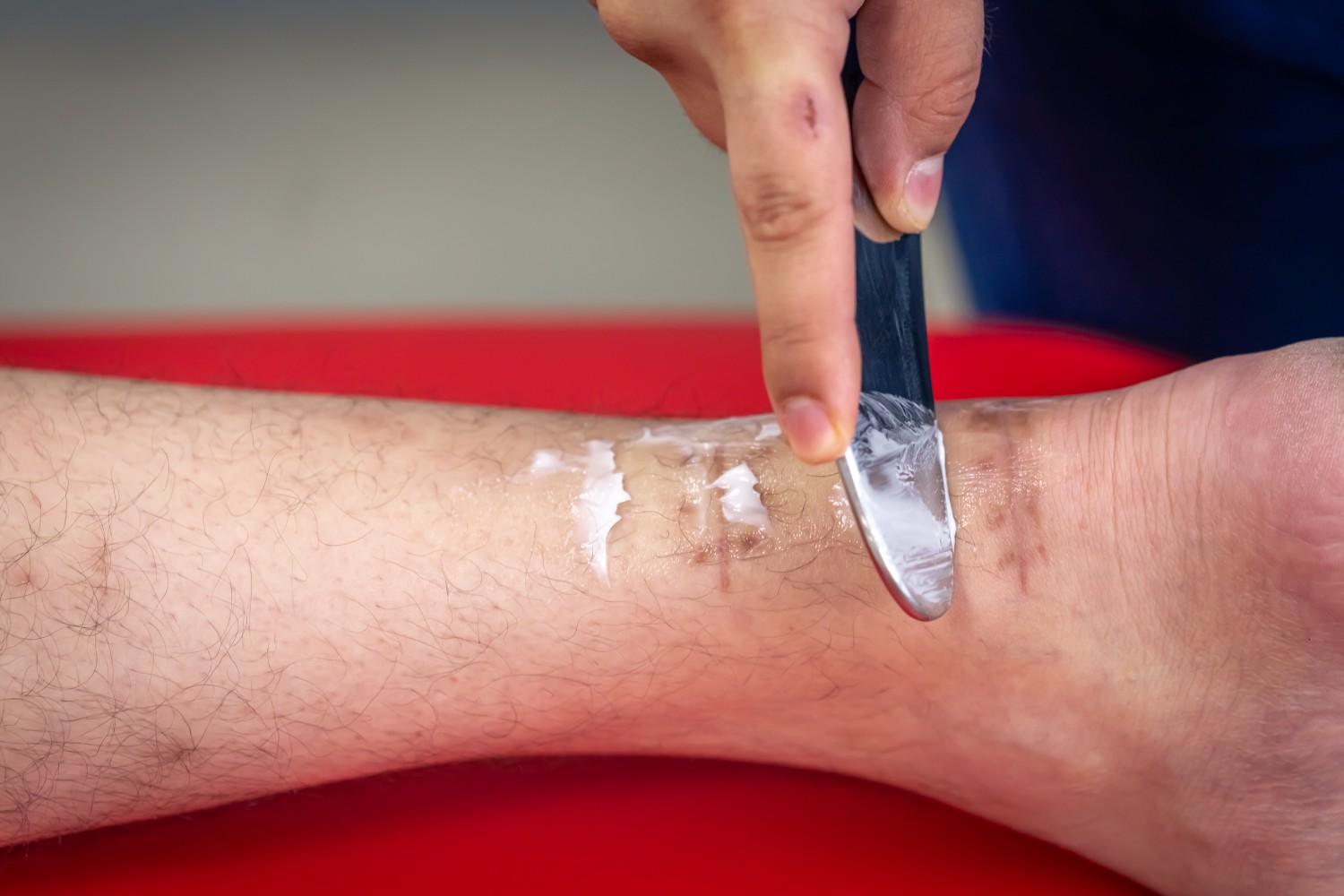
Diabetic Foot Ulcer Treatment: Early Warning Signs, Effective Care, and How to Prevent Complications

A small blister, an unnoticed cut, or a patch of irritated skin can become a serious concern for someone living with diabetes. Because diabetes may affect nerve function and blood circulation, even a minor foot injury can develop into a slow-healing wound. Understanding diabetic foot ulcer treatment ↗ can help patients recognize problems early, protect their feet, and reduce the risk of serious complications.
What Is a Diabetic Foot Ulcer?A diabetic foot ulcer is an open wound that commonly develops on the bottom of the foot, toes, or other areas exposed to repeated pressure or friction. These wounds occur more frequently in people with diabetes because elevated blood sugar can damage nerves and blood vessels over time.
Nerve damage, known as diabetic neuropathy, may reduce the ability to feel pain, heat, pressure, or minor injuries. Poor circulation can limit the delivery of oxygen and nutrients needed for healing.
Effective diabetic foot ulcer treatment addresses the wound itself as well as the underlying factors that prevent recovery. Without appropriate care, an ulcer may become infected, damage deeper tissues, or threaten the affected limb.
Early Warning Signs You Should Never IgnoreDiabetic foot ulcers do not always cause pain. Someone with reduced sensation may not realize that a wound has developed until it becomes more noticeable.
Watch for these warning signs:
Open sores, cuts, or wounds that do not heal.Redness, swelling, or unusual warmth around an injured area.Drainage, pus, or an unpleasant odor from a wound.Thickened skin, calluses, blisters, or cracked skin.Darkened tissue or black areas on the toes or foot.Increasing redness or swelling that spreads beyond the wound.If you notice an open wound or a new foot injury, contact a healthcare professional promptly, even if it does not hurt. A foot ulcer accompanied by fever, spreading redness, pus, or rapidly worsening discoloration requires urgent medical assessment. Black tissue, a cold foot, or sudden changes in circulation can indicate a limb-threatening problem.
Early diabetic foot ulcer treatment can help identify infection, circulation problems, and other complications before they become more difficult to manage.
How Healthcare Professionals Assess Foot UlcersTreatment begins with a thorough assessment rather than simply covering the wound. The healthcare professional may examine its size, depth, location, drainage, surrounding skin, and signs of infection.
The evaluation may also include checking foot sensation, pulses, skin temperature, and circulation. If a deeper infection or bone involvement is suspected, imaging or laboratory tests may be necessary.
Blood glucose levels and other health factors can influence healing. Depending on the patient's condition, the healthcare team may review blood sugar management, nutrition, kidney function, smoking history, and existing vascular disease.
A personalized diabetic foot ulcer treatment plan depends on these findings. A shallow wound without infection may require different care from a deep ulcer with poor circulation or suspected bone infection.
Treatment Options That Support Wound HealingThere is no single treatment suitable for every diabetic foot ulcer. The appropriate approach depends on the wound's severity, the presence of infection, blood flow, and the patient's overall health.
1. Professional Wound Cleaning and DressingsA healthcare professional may clean the wound and recommend a suitable dressing to protect the area and maintain an appropriate healing environment. Dressings may need to be changed according to the wound's condition and the clinician's instructions.
Some ulcers also require removal of dead tissue or thickened surrounding skin by a trained professional. This procedure, called debridement, can help support healing when medically appropriate.
Do not cut away tissue, apply harsh chemicals, or attempt to remove a callus yourself. These actions can cause additional injury or introduce infection.
2. Pressure Relief and OffloadingRepeated pressure can prevent a foot ulcer from healing, especially when the wound is located on the sole. Offloading reduces pressure on the affected area while it recovers.
Depending on the ulcer, options may include a specially designed removable walker, a cast, therapeutic footwear, or other pressure-relieving devices. The appropriate option depends on wound location, infection status, circulation, and patient safety.
Avoid walking barefoot or continuing activities that repeatedly press on the wound. Follow the clinician's instructions about weight-bearing and mobility.
Successful diabetic foot ulcer treatment often requires consistent pressure relief alongside wound care rather than relying on dressings alone.
3. Infection ManagementNot every foot ulcer is infected, and antibiotics are not routinely necessary for an ulcer without clinical signs of infection. However, an infected wound may require antibiotics, and more serious infections may need hospital care or surgical treatment.
Warning signs include spreading redness, warmth, swelling, pus, increasing drainage, and worsening tissue damage. In some people with diabetes, typical signs may be less obvious, making professional assessment particularly important.
If infection is suspected, a clinician may collect an appropriate wound sample or order additional tests. Treatment is selected according to the severity of infection and other medical considerations.
4. Improving Blood CirculationPoor circulation can significantly delay wound healing. If a healthcare professional suspects peripheral artery disease, further vascular assessment may be required.
Some patients benefit from treatment to improve blood flow, which may involve medication, specialist monitoring, or a procedure to restore circulation. The best approach depends on the location and severity of the blockage and the patient's overall health.
When circulation is inadequate, wound care alone may not be sufficient. Addressing blood flow is therefore an important part of a comprehensive diabetic foot ulcer treatment plan.
Why Blood Sugar Management MattersConsistently elevated blood glucose can interfere with immune function, damage blood vessels, and slow tissue repair. Maintaining glucose levels within an individualized target range supports overall health and may improve the conditions needed for wound healing.
Patients should follow their prescribed diabetes management plan and discuss persistent high readings with their healthcare professional. Medication adjustments should be made under professional guidance rather than independently.
Adequate nutrition also matters. Protein, vitamins, minerals, and sufficient calories support tissue repair, while dehydration and poor nutritional intake may complicate recovery.
People with diabetes and kidney disease or other dietary restrictions should seek individualized nutrition advice before taking supplements or substantially changing their diet.
How to Prevent Future Foot UlcersPreventing another ulcer is just as important as treating the current wound. Daily foot care can help detect small problems before they develop into serious injuries.
Follow these practical habits:
Inspect your feet daily: Check the soles, heels, spaces between the toes, and around the nails. Use a mirror or ask for help if you cannot see the bottom of your feet.Wash and dry carefully: Use lukewarm water and dry gently, especially between the toes. Avoid soaking your feet for long periods.Moisturize dry skin: Apply moisturizer to dry areas, but avoid putting it between the toes, where excess moisture can encourage skin problems.Wear appropriate footwear: Choose well-fitting shoes and clean socks. Check inside your shoes for stones, rough areas, or objects that could injure your skin.Avoid barefoot walking: Wear protective footwear indoors and outdoors.Attend regular foot examinations: Ask your healthcare professional how often your feet should be assessed based on your risk level.Avoid self-treatment of corns and calluses: Do not use chemical corn removers, blades, or sharp instruments on your feet.These habits complement diabetic foot ulcer treatment and can help reduce the likelihood of repeated skin breakdown.
When Should You Seek Medical Attention?Anyone with diabetes who develops an open foot wound should contact a healthcare professional promptly rather than waiting to see whether it heals on its own.
Seek urgent assessment if the wound develops drainage, increasing redness, swelling, warmth, or other signs of infection. Fever, rapidly spreading redness, severe illness, or sudden changes in foot color or temperature may require emergency care.
Do not delay evaluation because the wound is painless. Reduced sensation can hide the severity of an injury, and complications may progress without obvious discomfort.
Patients with previous ulcers, amputations, significant neuropathy, or circulation problems may need more frequent monitoring and specialist care.
ConclusionDiabetic foot ulcers require timely attention because nerve damage, poor circulation, and elevated blood sugar can make wounds difficult to heal. Effective diabetic foot ulcer treatment may involve professional wound care, pressure relief, infection management, improved circulation, and careful diabetes control. Daily foot inspections and appropriate footwear can also help prevent future injuries. If you notice an open sore, unusual discoloration, or signs of infection, seek medical assessment promptly. Early intervention and consistent follow-up can reduce complications and help protect long-term foot health.
Frequently Asked Questions1. Can a diabetic foot ulcer heal without treatment?Some minor wounds may improve, but people with diabetes should not rely on self-healing. Reduced sensation and poor circulation can hide worsening damage. Prompt professional assessment helps determine the appropriate care.
2. Should I walk on a foot with an ulcer?Walking may place pressure on the wound and delay healing. Follow your healthcare professional's instructions about offloading, mobility, and appropriate footwear.
3. Are antibiotics always needed for diabetic foot ulcers?No. Antibiotics are generally used when a wound has a clinical infection, not simply because an ulcer is present. A healthcare professional should assess the wound and determine whether antibiotics or other interventions are necessary.
4. How can I tell whether my foot ulcer is getting worse?Increasing redness, swelling, warmth, drainage, an unpleasant odor, spreading discoloration, or new tissue damage can indicate deterioration. Seek prompt medical assessment, even if the wound is painless.