

topfine chem's Store
Owned by topfine chem Joined May 2024 7 Listings
topfine chem's Store
easyid.me/biz/topfinechem-eb1baa • Verified Store
Scan to open official EasyID digital store, view live catalog, or save business card.
Verified Merchant
EasyID Certified Seller
Fast 24h Packing
Direct courier dispatch
Zero Escrow Direct
Direct merchant settlement
Store Listings (7)
INK Solvents
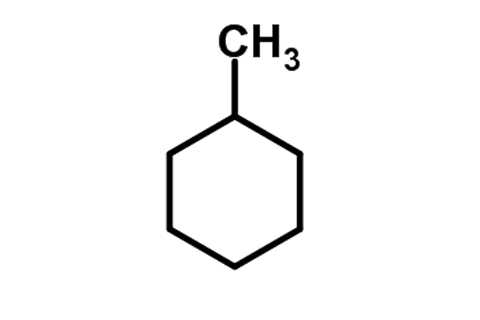
#glucose #additive <br>INK Solvents <br>Ink solvents are liquids used in the formulation of ink products. They play an important role in controlling the viscosity, stability, and flow properties of ink formulations. <br> <br>INK SOLVENTS FOR SALE <br>Cyclohexanone <br>Cyclohexane <br>Methylcyclohexane <br> <br>MAIN BENEFITS OF USING INK SOLVENTS <br>1 <br>Improved print quality: Solvent based printing inks can help to improve the print quality of ink formulations by controlling the viscosity, stability, and flow properties of the ink. <br> <br>2 <br>Enhanced versatility: Solvent based ink can be used to modify the properties of ink formulations, making them suitable for a wide range of printing applications, including offset printing, screen printing, and digital printing. <br> <br>3 <br>Reduced costs: The use of ink ecosolvents can help to reduce the cost of ink formulation by enabling the use of lower-cost raw materials and reducing the amount of waste generated during the printing process. <br> <br>4 <br>Enhanced safety: Some screen inks and solvents are formulated to be safer to handle and use, reducing the risk of exposure to toxic or flammable materials. <br> <br>[a]https%3A%2F%2Fwww.topfinechem.com%2Fproducts%2Fink-solvents%2F[/a]
Hydrogen Peroxide Raw Material
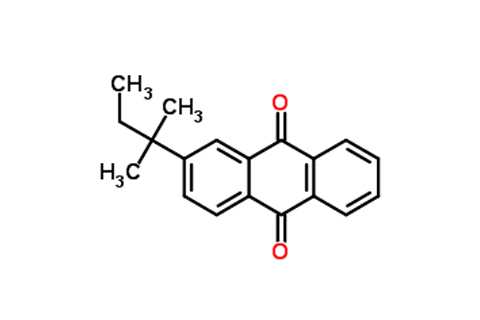
#formic #acid #products <br>Hydrogen Peroxide Raw Material <br>Hydrogen peroxide is a powerful oxidizing agent that is widely used in a variety of applications, including as a bleach, disinfectant, and rocket propellant. Raw materials for the production of hydrogen peroxide include a range of chemicals, such as hydrogen, oxygen, and various oxidizing agents, such as peroxides and peracids. TOPFINE supplies high quality Hydrogen Peroxide Raw Material, including 2-ethyl anthraquinone and 2-tert-pentylanthraquinone. <br> <br>HYDROGEN PEROXIDE RAW MATERIAL FOR SALE <br>2-Ethyl Anthraquinone <br>2-Tert-Pentylanthraquinone <br> <br>MAIN FUNCTIONS OF HYDROGEN PEROXIDE RAW MATERIAL <br>1 <br>Bleaching: Hydrogen peroxide is widely used as a bleaching agent, for example, in the production of paper, textiles, and food products. <br> <br>2 <br>Disinfectant: Hydrogen peroxide is a powerful oxidizing agent and is used as a disinfectant and sanitizer in various applications, such as in hospitals, water treatment facilities, and food processing plants. <br> <br>3 <br>Oxidizing agent: Hydrogen peroxide can be used as an oxidizing agent in various chemical reactions, for example, in the production of organic and inorganic peroxides, and as a catalyst in the synthesis of other chemical compounds. <br> <br>4 <br>Rocket propulsion: Hydrogen peroxide is used as a propellant in some rocket engines, due to its ability to release large amounts of oxygen and steam when decomposed. <br> <br>As a fine chemical distributor, we will do our best to meet all the needs of customers. <br>[a]https%3A%2F%2Fwww.topfinechem.com%2Fproducts%2Fhydrogen-peroxide-raw-material%2F[/a]
Green Solvent
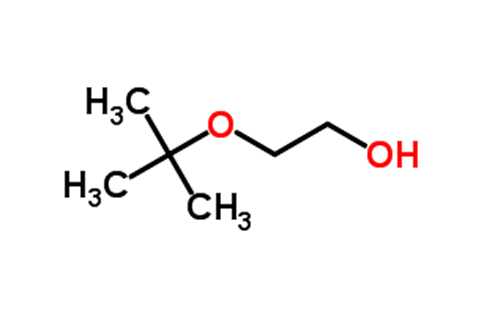
#formic #acid #china <br>Green Solvent <br>Green organic solvents, also known as environmentally friendly solvents, are solvents that have lower environmental impact compared to traditional solvents. They are designed to reduce or eliminate the negative effects on human health and the environment associated with the use of toxic or flammable solvents. <br> <br>TYPES OF GREEN SOLVENTS FOR SALE <br>Sec-Butyl Acetate <br>Isopropyl Acetate <br>Ethylene Glycol Mono-tert-butyl Ether <br>1,2-Dichloropropane <br>Propylene Glycol <br>Dimethyl Carbonate <br> <br>Application of Green Solvents <br>Clean <br>Cleaning and Degreasing: Green solvents in green chemistry are widely used in cleaning and degreasing applications, such as in industrial cleaning, electronics manufacturing, and automotive maintenance. They effectively remove oils, greases, and contaminants while minimizing the release of volatile organic compounds (VOCs) and hazardous air pollutants (HAPs). <br> <br>Drugs <br>Pharmaceutical Industry: Green solvents are increasingly used in pharmaceutical manufacturing processes. They offer safer alternatives to traditional solvents, reducing the risk of toxicity and environmental pollution. Green solvents are employed in various stages, including extraction, separation, purification, and formulation of intermediate pharmaceutical products. <br> <br>Paints <br>Paints and Coatings: Green solvents are used as alternatives to conventional volatile solvents in the formulation of paints, varnishes, and coatings. They help reduce the emission of VOCs, which contribute to air pollution and are associated with health concerns. Green solvents provide comparable performance to traditional solvents while minimizing environmental impact. <br> <br>Binder <br>Adhesives and Sealants: Green solvents find applications in the production of adhesives and sealants. They offer effective solvency for different adhesive formulations while reducing the risk of toxicity and flammability. Green solvents contribute to the development of low-VOC or VOC-free adhesive products. <br> <br>Care <br>Personal Care Products: Green solvents produced by our fine chemicals company are used in the formulation of various personal care products, including cosmetics, perfumes, and skincare items. They serve as safer alternatives to conventional solvents, ensuring product safety and reducing environmental impacts. <br> <br>Agro <br>Agrochemicals: Green solvents are employed in the formulation of pesticides, herbicides, and fertilizers. They provide effective solubility for active ingredients while minimizing toxicity and environmental pollution. Green solvents contribute to the development of environmentally friendly agricultural practices. <br> <br>Extract <br>Extraction Processes: Green solvents are used in extraction processes for natural products, such as essential oils, flavors, and fragrances. They offer improved selectivity and efficiency compared to traditional solvents, reducing the need for large quantities of solvents and minimizing environmental impact. <br> <br>Energy <br>Energy Storage: Green solvents are being explored for use in energy storage technologies, such as rechargeable batteries and supercapacitors. They offer advantages such as improved safety, reduced flammability, and enhanced performance, contributing to the development of sustainable energy storage systems. <br> <br>GREEN SOLVENTS IN GREEN CHEMISTRY <br>Role <br>Green solvents play a crucial role in the field of green fine chemicals and solvents, which aims to develop sustainable and environmentally friendly chemical processes. Green solvents are an integral part of green chemistry principles as they contribute to reducing the overall environmental impact of chemical reactions and processes. <br> <br>Merit <br>Green solvents are integral to green chemistry, which focuses on sustainable and environmentally friendly chemical processes. They replace hazardous solvents, reduce volatile organic compound (VOC) emissions, improve biodegradability, enhance energy efficiency, and promote the use of water as a green solvent. Supercritical fluids like carbon dioxide also serve as green solvents. Green solvents contribute to minimizing waste, conserving resources, and promoting sustainability in the chemical industry. <br> <br>GREEN SOLVENT BENEFITS <br>1 <br>Reduced toxicity: Green solvents are typically less toxic than traditional solvents and have lower toxicity levels, making them safer to handle and use in industrial processes. <br> <br>2 <br>Lower flammability: As one of the common coating additives, green solvents are often less flammable than traditional solvents, reducing the risk of fire and explosion in industrial processes. <br> <br>3 <br>Reduced waste generation: The application of green solvents can reduce the amount of waste generated during industrial processes, as they are often biodegradable and can be recycled or reused. <br> <br>4 <br>Improved energy efficiency: The use of green organic solvents can improve the energy efficiency of industrial processes, as they often have lower boiling points and evaporate more easily than traditional solvents. <br> <br>As a green solvent supplier, we will do our best to meet all the needs of customers. <br> <br>There are many fine chemical companies in China, but we are one of the best choices for you. <br> <br>[a]https%3A%2F%2Fwww.topfinechem.com%2Fproducts%2Fgreen-solvent%2F[/a]
Glucose Cas 50-99-7 Wholesale
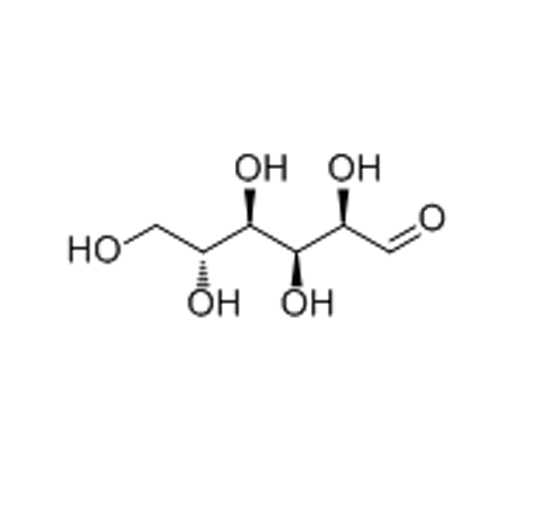
#liquid #formic #acid <br>Glucose Cas 50-99-7 Wholesale <br>Glucose additive is a simple sugar, also known as dextrose, with the chemical formula C6H12O6. It is a six-carbon aldohexose and is the most important source of energy for cellular metabolism in living organisms. Glucose powder is found in many foods, including fruits, vegetables, and grains, and is a major component of starch and cellulose. It is also produced by the liver and is regulated in the bloodstream by the hormone insulin. Glucose is an important substrate in the biochemistry of living cells and is involved in numerous metabolic pathways. <br> <br>SPECIFICATION OF GLUCOSE <br>Synonyms: D-(+)-Glucose, Dextrose <br>Empirical Formula (Hill Notation): C6H12O6 <br>CAS Number: 50-99-7 <br>Molecular Weight: 180.16 <br> <br>As one of glucose powder manufacturers , we will do our best to meet all the needs of customers. <br> <br>If you are looking for a reliable fine chemicals manufacturer, please choose us, and we will be your best partner. <br>[a]https%3A%2F%2Fwww.topfinechem.com%2Fproducts%2Fglucose-50-99-7-wholesale.html[/a]
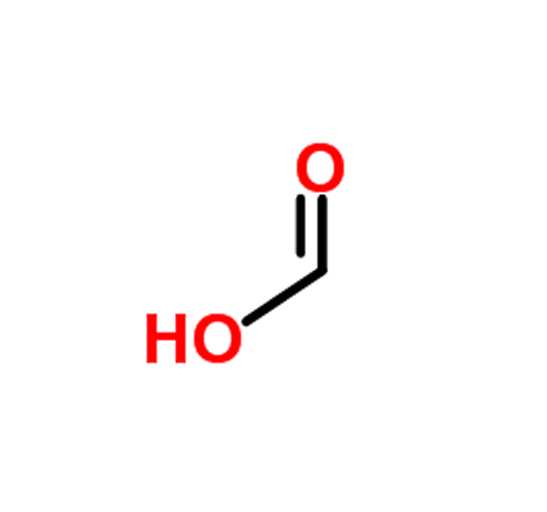
Formic Acid Cas 64-18-6 Wholesale
#organic #feed #additives <br> <br>Formic Acid Cas 64-18-6 Wholesale <br>Formic Acid China (HCOOH) is a colorless, volatile liquid that is the simplest carboxylic acid. It is naturally present in the sting of ants and in the secretion of certain insects. Formic acid chemical is widely used as a preservative and antibacterial agent in the food industry, as well as a feed additive for livestock. It is also used in the production of dyes, plastics, and rubber and as a cleaning agent in the leather and textile industries. Formic acid formic acid has a strong, pungent odor and is highly corrosive and toxic. It should be handled with care and used only in well-ventilated areas with appropriate protective measures in place. <br> <br>SPECIFICATION OF FORMIC ACID <br>item+a37:d60 Standard <br>Appearance Colorless Transparent Liquid Colorless Transparent Liquid Colorless Transparent Liquid <br>Formic Acid Content%≥ 85 90 94 <br>Chloride Content%≤ 0.006 0.002 0.002 <br>Sylphate Content%≤ 0.02 0.005 0.005 <br>Lron Content%≤ 0.0006 0.0006 0.0006 <br>Evaporation Residue%≤ 0.06 0.02 0.02 <br>Cas No 64-18-6 <br>Molecular Formula Ch2o2 <br>Molecular Weight 46.03 <br> <br>PURPOSE OF FORMIC ACID <br>Pharmaceutical industry: caffeine, analgin, aminopyrine, aminophylline, theobromine borneol, vitamin B1, metronidazole, and mebendazole. <br> <br>Pesticide industry: triadimefon, triadimefon, tricyclazole, triazophos, paclobutrazol, Uniconazole, insecticide, dicofol, etc. <br> <br>Chemical industry: calcium formate, sodium formate, ammonium formate, potassium formate, ethyl formate, barium formate, dimethylformamide, formamide, rubber antioxidant, pentaerythritol, neopentyl glycol, epoxy soybean oil, epoxy octyl soybean oleate, tervaleryl chloride, paint remover, phenolic resin, pickling steel plate, etc. <br> <br>Leather industry: tanning agent, deliming agent and neutralizer of leather. <br> <br>Rubber industry: natural rubber coagulant. <br> <br>Others: It can also manufacture printing and dyeing mordant, dyeing agent, treatment agent, plasticizer, food preservation and animal feed additive for fiber and paper. <br> <br>Make CO. Chemical formula: HCOOH=(concentrated H2SO4 catalysis) heating=CO+H2O <br> <br>Reducing agent. Determination of arsenic, bismuth, aluminum, copper, gold, indium, iron, lead, manganese, mercury, molybdenum, silver and zinc. Determination of cerium, rhenium and tungsten. Examine aromatic primary and secondary amines. Solvent for determination of relative molecular weight and crystallization. Determination of methoxy. Used as fixative in microanalysis. Manufacture of formates. <br> <br>Formic acid and its aqueous solution can dissolve many metals, metal oxides, hydroxides and salts, and the formate generated can be dissolved in water, so it can be used as a chemical cleaning agent. Formic acid does not contain chloride ions and can be used for cleaning equipment containing stainless steel materials. <br> <br>PHYSICOCHEMICAL PROPERTIES OF FORMIC ACID <br>Evaporation residue is flammable. It is freely miscible with water, ethanol, ether and glycerin, and is miscible with most polar organic solvents. It is also soluble in hydrocarbons. The relative density (d204) is 1.220. The combustion heat is 254.4 kJ/mol, the critical temperature is 306.8 ℃, and the critical pressure is 8.63 MPa. Flash point 68.9 ℃ (open cup). Density: 1.22, relative vapor density: 1.59 (air=1). <br> <br>Formic acid with high concentration tends to freeze in winter. <br> <br>Incompatibility: strong oxidant, strong alkali, active metal powder. <br> <br>Hazard characteristics: Its vapor and air form an explosive mixture, which can cause combustion and explosion in case of open fire and high heat. It can react with strong oxidants. <br> <br>Solubility: miscible with water, insoluble in hydrocarbons, miscible in alcohol. <br> <br>As one of suppliers of formic acid, we can provide kinds of formic acid products for sale, and the formic acid bulk price is reasonable, if you have needs, please contact us. <br> <br>If you are looking for a reliable fine chemicals company, please choose us, and we will be your best partner. <br>[a]https%3A%2F%2Fwww.topfinechem.com%2Fproducts%2Fformic-acid-64-18-6-wholesale.html[/a]
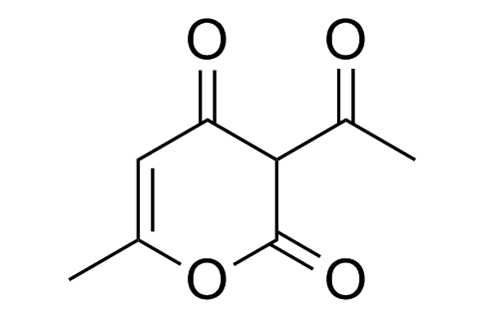
Food Additives & Feed Additives
#food #additives #wholesale <br>Feed Supplements and Feed Additives <br>Added to food to maintain or improve the safety, freshness, taste, texture, or appearance of food substances are known as food additives. Feed supplements and feed additives are small amounts or trace substances added during the production, processing, and use of feed, which are used in small amounts of feed but have significant effects. TOPFINE, the leading feed additives manufacturers and food additives manufacturers, supplies a wide range of organic feed additives and food additives wholesale for you! <br> <br>TYPES OF FEED ADDITIVES & FOODD ADDITIVES WHOLESALE <br>Acetic Acid <br>Dehydroacetic Acid <br>Sodium Metabisulfite <br>Sodium Dehydroacetate <br>Sorbic Acid <br>Potassium Sorbate <br>Clopidol <br>Phosphoric Acid <br> <br>FOOD ADDITIVES FUNCTION <br>Food additives serve a variety of functions in the food industry. Here are some common functions of food additives: <br> <br>Preservatives: Food additives such as sorbic acid and sodium benzoate are used to prevent the growth of bacteria, mold, and yeast in food products, thereby increasing their shelf life. <br> <br>Antioxidants: Antioxidants such as ascorbic acid and tocopherols are used to prevent the oxidation of fats and oils, which can cause rancidity and off-flavors. <br> <br>Sweeteners: Sweeteners such as sugar and high-fructose corn syrup are used to add sweetness to food products. Artificial sweeteners like aspartame and sucralose are also commonly used as low-calorie alternatives. <br> <br>Thickeners and stabilizers: Thickeners and stabilizers such as xanthan gum and carrageenan are used to improve the texture and stability of food products, such as sauces, dressings, and ice cream. <br> <br>Colorants: Colorants such as beta-carotene and annatto are used to enhance the color of food products, making them more appealing to consumers. <br> <br>Flavor enhancers: Flavor enhancers such as monosodium glutamate (MSG) are used to enhance the flavor of food products. <br> <br>Acidity regulators: Acidity regulators such as citric acid and phosphoric acid are used to adjust the pH of food products, which can affect their flavor, texture, and shelf life. <br> <br>Emulsifiers: Emulsifiers such as lecithin and mono- and diglycerides are used to prevent oil and water from separating in food products, such as mayonnaise and salad dressings. <br> <br>Anti-caking agents: Anti-caking agents such as calcium silicate and magnesium carbonate are used to prevent the clumping of powders, such as spices and baking mixes. <br> <br>In summary, food additives serve a variety of functions in the food industry, including preservation, oxidation prevention, sweetness, texture and stability improvement, color enhancement, flavor enhancement, acidity regulation, emulsification, and anti-caking. Food manufacturers use these additives to improve the quality, safety, and shelf life of food products, as well as to make them more appealing to consumers. <br> <br>WHAT IS THE DIFFERENCE BETWEEN FOOD ADDITIVE AND FEED ADDITIVE <br>Food additives and feed additives are both substances added to food or feed to improve its quality and safety, but there is a key difference between the two: <br> <br>Food additives are substances added to human food to enhance its flavor, texture, color, or preservation. <br> <br>Feed additives, on the other hand, are substances added to animal feed to improve its nutritional value, enhance its flavor or preservation, or promote the growth and health of the animals being fed. <br> <br>Both food additives and feed additives are subject to regulatory approval for safe use, but the regulations and safety standards for each can differ. Additionally, the health and safety implications of consuming food products from animals that have been fed feed additives may also be different from those associated with consuming food additives directly. <br> <br>Health Benefits of Food Additives <br>Food additives are substances that are added to food to enhance its flavor, texture, appearance, and shelf life. Here are some benefits and advantages of using food additives: <br> <br>Nutrition: <br> <br>Some food additives, such as vitamins and minerals, are added to food products to increase their nutritional value. This can help address nutrient deficiencies in the population and improve overall health. <br> <br>Texture: <br> <br>Food additives are also used to improve the texture of food products. For example, thickeners and stabilizers are used to give sauces and soups a smoother texture, while leavening agents are used to make baked goods lighter and fluffier. <br> <br>Convenience: <br> <br>Food additives are often used to make food more convenient and easy to use. For example, emulsifiers are used to keep oil and water from separating in salad dressings, while stabilizers are used to keep ice cream from melting too quickly. <br> <br>Flavor: <br> <br>Food additives are often used to enhance the flavor and aroma of food products. For example, vanilla extract is used to add flavor to baked goods, while MSG is used to enhance the savory flavor of meat and vegetables. <br> <br>Safety: <br> <br>Some food additives are used to make food safer by inhibiting the growth of harmful bacteria, such as those that cause foodborne illness. For example, nitrates and nitrites are commonly used as preservatives in cured meats to prevent the growth of bacteria that can cause botulism. <br> <br>Preservation: <br> <br>Many food additives are used as preservatives to help prevent spoilage and increase the shelf life of food products. This can help reduce food waste and improve the availability of nutritious food. <br> <br>ORGANIC FEED/FOOD ADDITIVES APPLICARIONS <br>Organic feed and food additives are used in organic farming and food production to enhance the quality and nutritional value of organic crops and animal products. Here are some common applications of ... <br> <br>Feed additives for livestock: <br> <br>Organic feed additives such as probiotics, prebiotics, and enzymes are used to improve the gut health of livestock, enhance nutrient absorption, and boost growth and productivity. Organic minerals such as zinc, copper, and selenium are also added to feed to maintain animal health and prevent deficiencies. <br> <br>Soil amendments: <br> <br>Organic fertilizers such as compost, manure, and bone meal are used to replenish the soil with nutrients and improve soil health. Organic soil amendments can also help to control soil pH and reduce soil erosion. <br> <br>Pest and disease control: <br> <br>Organic pesticides and fungicides made from natural ingredients such as neem oil, pyrethrin, and copper are used to control pests and diseases in organic crops. Beneficial insects such as ladybugs and lacewings are also used for pest control. <br> <br>Food additives for processed foods: <br> <br>Organic food additives such as lecithin, carrageenan, and pectin are used to enhance the texture, stability, and flavor of organic processed foods such as sauces, dressings, and baked goods. <br> <br>Nutritional supplements for humans: <br> <br>Organic food supplements such as vitamins, minerals, and herbal extracts are used to enhance the nutritional value of organic foods and provide health benefits to humans. <br> <br>In summary, organic feed and food additives are used in organic farming and food production to improve the quality, nutritional value, and safety of organic crops and animal products. These additives can help to enhance growth and productivity, control pests and diseases, improve soil health, and provide health benefits to humans. <br> <br>As one of fine chemical suppliers, we will do our best to meet all the needs of customers. <br>[a]https%3A%2F%2Fwww.topfinechem.com%2Fproducts%2Ffood-additives-feed-additives%2F[/a]
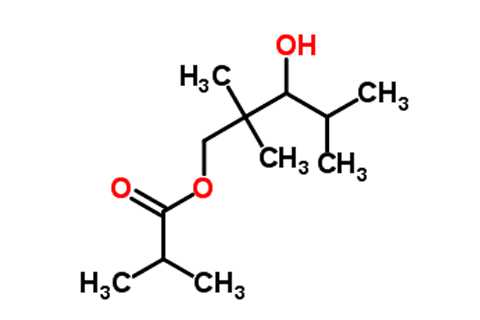
Film-forming Agent
#film #forming #agent <br>Film-forming Agent <br>A film forming agent is a substance that forms a continuous, protective layer on a surface. This layer can be used for various purposes, such as providing protection, enhancing appearance, or improving functionality. <br> <br>FILM-FORMING AGENT FOR SALE <br>Alcohol Ester-12 <br>Alcohol Ester-16 <br> <br>MAIN FUNCTIONS OF FILM-FORMING AGENTS <br>1 <br>Surface protection: Natural film forming agents can protect surfaces from damage, wear, and tear, or environmental exposure. For example, they can be used to protect wood, metal, or plastic surfaces from moisture, UV radiation, or other environmental factors.c <br> <br>2 <br>Aesthetics enhancement: Film-forming agents can improve the appearance of a surface by adding gloss, color, or texture. For example, these additives for paints and coatings can be used to add a glossy or matte finish to a surface or to enhance the color and texture of paint or coating systems. <br> <br>3 <br>Functionality improvement: Film-forming agents can improve the performance of a surface by adding functional properties. For example, they can be used to improve the water resistance, slip resistance, or electrical conductivity of a surface. <br> <br>4 <br>Durability: Film-forming agents such as alcohol ester 12 can improve the durability of a surface, making it resistant to fading, chipping, or peeling. <br> <br>FILM FORMING AGENT FEATURES <br>Ⅰ <br>Adhesion: Film-forming agents possess good adhesion properties, allowing them to adhere firmly to the surface they are applied to. This ensures that the film remains intact and does not easily peel off or detach. <br> <br>Cohesion: Film-forming agents have cohesive properties, meaning they can bind to themselves, forming a continuous and uniform film. This cohesive nature ensures the film is structurally stable and resistant to cracking or breaking. <br> <br>Film Transparency: Many film-forming agents are transparent or have the ability to form transparent films. This is particularly important in applications where the underlying surface or substrate needs to be visible or aesthetically pleasing. <br> <br>Solubility: Film-forming agents, as industrial fine chemicals, are often soluble in specific solvents or dispersible in water, allowing for easy application and uniform distribution on the surface. Solubility properties may vary depending on the specific film-forming agent used. <br> <br>Drying Time: Film-forming agents typically have a suitable drying or curing time, allowing the film to form and set within a desired timeframe. The drying time can be adjusted based on the specific application requirements. <br> <br>Ⅱ <br>Mechanical Strength: Film-forming agents can provide mechanical strength to the film, making it resistant to abrasion, scratching, or other physical stresses. This feature ensures the longevity and durability of the film. <br> <br>Barrier Properties: Film-forming agents made by most fine chemical suppliers can create a protective barrier on the applied surface, shielding it from external factors such as moisture, chemicals, UV radiation, or pollutants. This barrier function helps to preserve the integrity of the underlying material. <br> <br>Flexibility: Some natural film-forming agents exhibit flexibility, allowing the film to bend or stretch without cracking or breaking. This flexibility is particularly important in applications where the film needs to adapt to substrate movement or deformation. <br> <br>Compatibility: Film-forming agents should be compatible with other ingredients or additives present in the formulation, ensuring stability and homogeneity of the film. Compatibility considerations include solubility, dispersibility, and chemical interactions with other components. <br> <br>Environmental Considerations: Increasingly, there is a demand for film-forming agents that are environmentally friendly and sustainable. This includes considerations such as low VOC content, biodegradability, and reduced environmental impact. <br> <br>FILM FORMING AGENT APPLICATIONS <br>① <br>Coatings and Paints: Film-forming agents are used in the formulation of coatings and paints to create a protective and decorative film on surfaces. They provide adhesion, durability, and weather resistance to the coating, enhancing its performance and appearance. Film-forming agents are utilized in applications such as architectural coatings, automotive coatings, industrial coatings, and wood finishes. <br> <br>Food and Beverage Industry: Film-forming agents find applications in the food and beverage industry for edible coatings and films. They are used to enhance shelf life, prevent moisture loss, maintain freshness, and provide a protective barrier to food products. Film-forming agents in this context may include edible polymers or natural substances like proteins and lipids. <br> <br>② <br>Packaging Materials: Film-forming agents are employed in the production of packaging materials such as films, laminates, and coatings. They improve the mechanical strength, moisture resistance, and barrier properties of packaging materials, extending the shelf life of packaged products and protecting them from external factors such as oxygen, light, and moisture. <br> <br>Textiles and Fibers: Film-forming agents are utilized in textile and fiber applications to provide water repellency, stain resistance, or flame resistance. They create a protective film on the fabric surface, enhancing its performance and durability. Film-forming agents can be applied through various methods such as padding, spraying, or coating. <br> <br>If you want to know more kinds of bulk and fine chemicals, please visit our website. <br>[a]https%3A%2F%2Fwww.topfinechem.com%2Fproducts%2Ffilm-forming-agent%2F[/a]
About topfine chem's Store
No description provided.
0.0
Customer Reviews
See what others are saying about topfine chem's Store. We verify purchases to ensure reviews are genuine.
No reviews yet for this store.