



Biocell's Store
easyid.live/biz/biocell • Verified Store
Scan to open official EasyID digital store and view live catalog.
Share Biocell's Store
Share this store link with your friends and customers
Biocell's Store
Open Now • Open 24/7Verified Merchant
EasyID Certified Seller
Fast 24h Packing
Direct courier dispatch
Zero Escrow Direct
Direct merchant settlement
Store Listings (7)
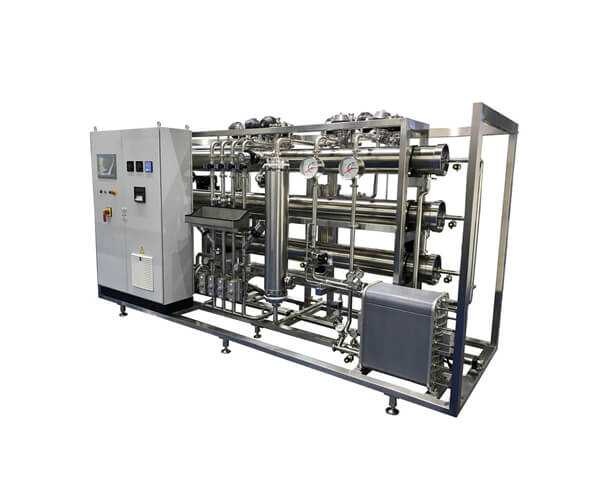
RO PLANT WITH EDI
#purified #water #system #pharmaceutical <br>The combination of reverse osmosis and EDI has overcome the deficiency that reverse osmosis effluent cannot be deeply desalted, and further removed trace carbon dioxide, residual salt, silicon dioxide, boron and total organic carbon plasma in RO water, greatly improving the quality of purified water. <br> <br>It is widely used in biotechnology, pharmacy and other industries that must generally comply with USP, EP,JP and ChP regulations. <br> <br>How Does ro edi plant With EDI Works? <br>The reverse osmosis device with EDI (reverse osmosis electrodeionization) is the most preferred purified water preparation technology in the pharmaceutical, food and biotechnology industries. It is basically a combination of reverse osmosis and electrodeionization processes. In reverse osmosis EDI system, single-stage or two-stage reverse osmosis is used to pre desalinate EDI feed water, and then deeply electrodeionize RO production water through EDI to finally produce high-purity water required for application. <br> <br>FEATURES OF RO PLANT WITH EDI <br>01. <br>The most cost-effective way to upgrade RO purified water system (PW) to high purified water system (HPW). <br> <br>02. <br>Effective minimum flow interlocking and current overload protection device. <br> <br>03. <br>Excellent water quality performance under different working conditions. <br> <br>04. <br>Front and rear UV devices (optional), thermal disinfection module (optional). <br> <br>05. <br>PLC+HMI full-automatic control mode. <br> <br>06. <br>Fully comply with GMP, USP and cGMP requirements. <br> <br>For more information about ro edi water treatment and purified water system pharmaceutical, please feel free to contact us! <br> <br>[a]https%3A%2F%2Fwww.biocell-pharma.com%2Fproducts%2Fro-plant-with-edi%2F[/a]
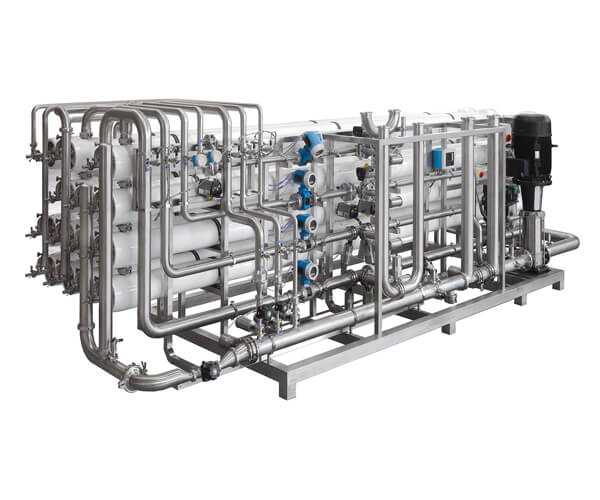
REVERSE OSMOSIS PLANT
#purified #water #system #in #pharmaceutical <br>Separate the pure water from the solution containing solute with a semi permeable membrane that can only pass through water. At this time, the water on the pure water side will spontaneously pass through the semi permeable membrane and enter the solution side. The water surface on the solution side will rise. This phenomenon is penetration. When the liquid level rises to a certain height, the pressure on both sides of the membrane reaches equilibrium, and the liquid level on the solution side no longer rises. At this time, there is a pressure difference on both sides of the membrane, which is called osmotic pressure. If a pressure greater than the osmotic pressure is applied to the solution side, the water molecules in the solution will be squeezed to the pure water side. This process is just the opposite of osmosis, which is called reverse osmosis (RO). We can see from the process of reverse osmosis that due to the pressure, the water molecules in the solution enter the pure water, the amount of pure water increases, and the solution itself is concentrated. <br> <br>Introduction of Reverse Osmosis Plant <br>The reverse osmosis membrane used by the reverse osmosis equipment is a semi permeable spiral roll membrane. When the raw water is sent to the reverse osmosis membrane at a certain pressure, the water passes through the micro aperture on the membrane and is collected to obtain pure water. The impurities in the water, such as soluble solids, organic substances, colloidal substances and bacteria, are intercepted by the reverse osmosis membrane, concentrated in the intercepted solution and removed. Single stage reverse osmosis can remove more than 97% of the dissolved solids in the raw water, and double stage reverse osmosis can remove more than 99% of the dissolved solids, more than 99% of the organic matter and colloid, and almost 100% of the bacteria. The two-stage reverse osmosis equipment uses the first stage pure water to enter the second stage as raw water, which can make the pure water produced reach higher quality. It is suitable for the needs of high-purity water production, and can also be used in situations where the raw water conductivity is high. <br> <br>At present, reverse osmosis equipment is one of the most advanced water treatment equipment in the world. With low operating cost, economy, convenient operation and reliable operation, it is the first choice for businesses to produce pure water. The production capacity of the equipment is the value under 25 ℃ raw water and standard production conditions. Changes in water temperature and production conditions will affect the production capacity of the equipment. <br> <br>FEATURES OF REVERSE OSMOSIS PLANT <br>1. <br>Primary reverse osmosis unit <br>1. Applicable to areas with low salt content of raw water <br>2. Low total carbon (organic matter) of product water <br>3. Pollution free emission <br>4. Simple structure <br> <br>2. <br>Secondary reverse osmosis unit <br>1. Applicable to areas with high salt content of raw water <br>2. The outlet water conductivity is good <br>3. Low one-time investment <br>4. Low operation cost <br>5. Good stability <br> <br>There are many reverse osmosis plant manufacturers , but we are one of the best choices for you. <br> <br>For more information about reverse osmosis plant cost and purified water system in pharmaceutical, please feel free to contact us! <br> <br> <br> <br>[a]https%3A%2F%2Fwww.biocell-pharma.com%2Fproducts%2Freverse-osmosis-plant%2F[/a]
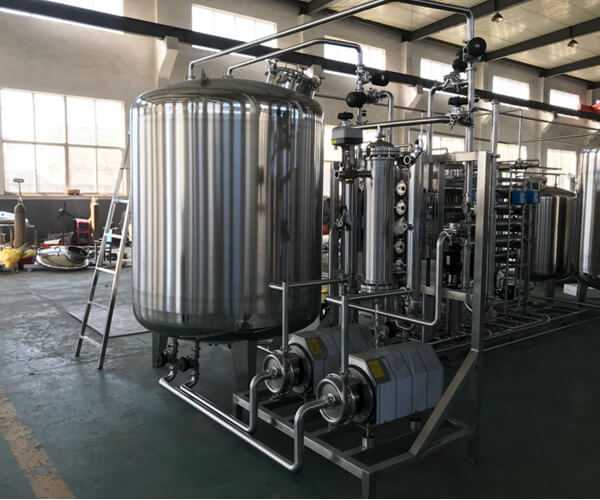
PW TANK/SKID
#purified #water #system #in #pharmaceutical #industry <br> <br>The purified water skid system is usually composed of purified water storage tank, circulating pump, ultraviolet sterilizer, one or more circulating pipes and water using points. The disinfection method is pasteurization or ozone disinfection, so double tube plate heat exchanger or ozone generator is required. The volume of the purified water storage tank shall meet the peak flow of purified water and have a certain balance relationship with the water yield of the purified water preparation system. The flow of circulating pump shall be greater than the sum of peak flow and return flow. Online relevant instruments detect the water quality, and alarm can be given once the water quality exceeds the standard. Unqualified water shall be directly discharged or recycled back to the previous tank. <br> <br>Design Features of PW Tank/Skid <br>◆The design and manufacturing strictly comply with Chinese GMP, cGMP and FDA requirements. <br>◆Full drainage design ensures that the entire system is completely discharged. <br>◆Online monitoring of temperature, pressure, flow, conductivity and other indicators of purified water. <br>◆Ensure that there is turbulence in the loop (the flow rate is greater than 1m/s), maintain positive pressure in the loop, and prevent microorganisms from staying, attaching and breeding on the pipe wall. <br>◆The circulating pump adopts frequency conversion control, which is energy-saving and efficient. <br>◆Integrated modular design and assembly, convenient operation, small footprint. <br>◆Fully automatic control, color touch screen, one key start, simple and convenient operation. <br>◆Provide 4Q electronic verification documents. <br> <br>For more information about purified water system in pharmaceutical industry, please feel free to contact us! <br> <br> <br> <br>[a]https%3A%2F%2Fwww.biocell-pharma.com%2Fproducts%2Fpw-tank-skid%2F[/a]
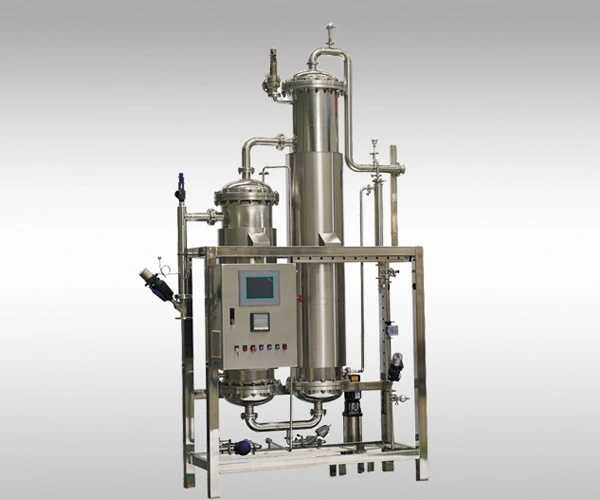
PURE STEAM GENERATOR
#wfi #distribution #system <br>[a]https%3A%2F%2Fwww.biocell-pharma.com%2Fproducts%2Fpure-steam-generators%2F[/a] <br> <br> <br>PURE STEAM GENERATOR <br>A pure steam generator is one of the important equipment used for tank equipment, pipeline system, and filter disinfection, and pure steam generator pharmaceutical can also be used to drive sterilizers. The pure steam quality of the heat-free ultra-pure steam generator produced by BIOCELL meets the relevant provisions of EN285, and the quality of the pure steam condensate meets the requirements of the current Chinese Pharmacopoeia, USP, and JP for water for injection. <br> <br>Pure Steam Generator Specification <br>Specification Steam Pressure(Mpa) Pure Steam Output(Kg/h) Steam Consumption(Kg/h) Purified Water Consumption(L/h) Pure Steam Pressure(Mpa) Dimension L×W×H(mm) <br>PSG100 0.4 100 130 125 0.3 700×900×2500 <br>PSG200 0.4 200 260 250 0.3 700×1000×2700 <br>PSG300 0.4 300 390 375 0.3 800×1100×2800 <br>PSG400 0.4 400 520 500 0.3 800×1200×3000 <br>PSG500 0.4 500 650 625 0.3 800×1300×3100 <br>PSG600 0.4 600 780 750 0.3 900×1300×3100 <br>PSG700 0.4 700 910 875 0.3 900×1300×3100 <br>PSG800 0.4 800 1040 1000 0.3 1000×1300×3200 <br>PSG900 0.4 900 1170 1125 0.3 1000×1300×3200 <br>PSG1000 0.4 1000 1300 1250 0.3 1200×1300×3200 <br>PSG1500 0.4 1500 1950 1875 0.3 1400×1300×3200 <br>PSG2000 0.4 2000 2600 2500 0.3 1400×1300×3200 <br> <br>Pure Steam Generation Process <br>Pure steam generation is a process used to produce high-quality steam for applications that require pure and sterile steam, such as in the pharmaceutical, biotech, and healthcare industries. Pure steam is typically used for sterilization, humidification, and heating processes. <br> <br>The pure steam generation process involves the following steps: <br> <br>Feedwater Treatment: The first step is to treat the feedwater to remove impurities and minerals that can cause corrosion or fouling of the steam generator. The feedwater is typically pretreated using reverse osmosis, ion exchange, or other purification methods. <br> <br>Boiler: The treated feedwater is then heated in a boiler to generate steam. The boiler of the pure steam generator is typically designed with a large surface area to ensure maximum heat transfer and minimize the risk of impurities in the steam. <br> <br>Separation: The steam is separated from any remaining impurities in a separator, which may be a cyclone or a demister. <br> <br>Pure Steam Generator: The pure steam generator is the final step in the process, where the steam is further purified using a series of filters, including activated carbon and sterile-grade filters. The pure steam generator typically operates at a lower pressure than the boiler to prevent the carryover of impurities into the pure steam. <br> <br>Storage and Distribution: The pure steam is then stored in a dedicated tank and distributed to the point of use through a network of distribution lines. <br> <br>Overall, pure steam generator pharmaceutical is a critical process in many industries that require high-quality steam for their processes. The process requires careful attention to feedwater treatment, steam generation, and purification to ensure the purity and sterility of the final product. <br> <br>Biocell offers equipment and engineering system of generation, storage and distribution of purified water, water for injection, pure steam as well as ultra-pure water system in pharma company and also cosmetic and food & beverage industries.
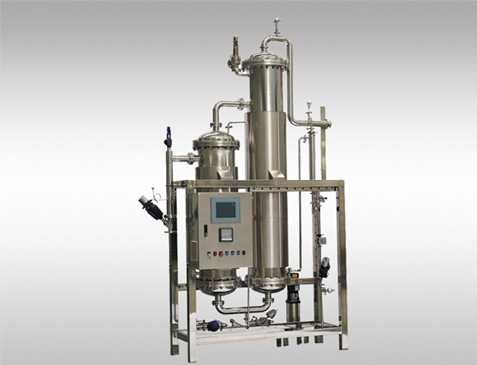
TYPES OF PURE STEAM GENERATION SYSTEM
#pure #steam #generator <br> <br>[a]https%3A%2F%2Fwww.biocell-pharma.com%2Fproducts%2Fpure-steam-generation-system%2F[/a] <br> <br>Pure Steam Generation System(PS/CS) <br>Pure steam generator is one of the important equipment used in tank equipment, pipeline system and filter sterilization, and can also be used to drive the sterilizer. The quality of pure steam condensate prepared by Biocell pure steam generator meets the requirements for water for injection in the current USP, EP, JP and ChP, and also meets the relevant standards of EN285. <br> <br>Pure Steam Generator <br>Pure steam generator is a device that uses water for injection or purified water to produce pure steam. It is widely used for sterilization and disinfection of medical and health care, biopharmaceutical industry and food industry, as well as disinfection of related appliances, to effectively prevent re pollution of impurities such as heavy metals and pyrogens. <br> <br>Clean Steam Generator <br>The clean steam generator is used to generate pure and clean steam without any harmful substances and impurities. It is used in the food, cosmetics and pharmaceutical industries, as well as in the sterilization and any direct steam heating processes with high requirements for steam quality. <br> <br>Electric Clean Steam Generator <br>The clean electric steam generator generates clean steam by electrically heating pure water. It has the advantages of small size, fast heating, no pollution, convenient operation, and high reliability. It can effectively solve the problems of yellow dressings and equipment rust after sterilization in hospitals. <br> <br>PURE STEAM GENERATION SYSTEM WORKING PRINCIPLE <br>Pure steam generator is composed of evaporator, preheater, buffer tank, condenser, electrical appliances, instruments and pipelines. <br> <br>Its working principle is: qualified raw water enters the branch condenser after being pressurized by the raw water pump, and then enters the separator and evaporator. The liquid level is controlled by the liquid level switch. The industrial steam enters the evaporator to heat the raw water to the evaporation temperature and form a strong thermal cycle in the evaporation chamber and separation chamber. After the raw water evaporates, the steam with water droplets will enter the separator, and the water droplets in the separator will be separated from the steam under the action of gravity and incorporated into the raw water. In addition, the unique steam water separation device on the upper part of the separator will generate ultra pure steam on the upper part of the separator. <br> <br>PURE STEAM GENERATION SYSTEM INTERACTIVE FLOW CHART <br> <br>FEED WATER <br>Feedwater must be pumped into the generator, typically at 10 psig above the operating pressure. The flow is usually controlled by level. <br> <br>INDUSTRIAL STEAM <br>Most pure steam generators use industrial steam heating, but for low capacity systems, electrical heating can be used. <br> <br>The pressure of industrial steam must be higher than the required pure steam pressure, To provide a temperature difference for heat transfer. For economic reasons, the industrial steam pressure is usually at least 30 psi higher. <br> <br>PURE STEAM <br>Sterilisation in pharmaceutical manufacturing is usually carried out at 121℃ (equivalent to 15 psig for saturated steam). Equipment and pipelines, where there is often no pressure control and achieving sterilization temperature is entirely dependent on the supply pressure of the pure steam. <br> <br>DROPLET REMOVAL <br>The ability of a pure steam generator to remove contaminants depends on preventing droplets from being carried in the steam. Therefore, droplet removal is critical to the generator function. <br> <br>MATERIALS OF CONSTRUCTION <br>The overcurrent part of most generators is made of AISI 316L stainless steel to avoid corrosion. <br> <br>BLOWDOWN <br>The concentrated water after continuous evaporation is regularly discharged from the bottom of the generator, including the liquid drops (bacterial endotoxin and pyrogen) removed by steam water separation. Usually, timed blowdown is used, which can also be triggered by conductivity measurement. The discharge of concentrated water is about 10% to 15% of the feed water. <br> <br>VALIDATION OF PURE STEAM GENERATION SYSTEM <br>As the pure steam system directly affects the purity of drugs, it is classified as a key system and needs to be verified. The typical activities of a validation process can be described sequentially as follows : <br> <br>Design Qualification (DQ) <br> <br>Installation Qualification (IQ) <br> <br>Operational Qualification (OQ) <br> <br>Performance Qualification (PQ) <br> <br>PURE STEAM DISTRIBUTION <br>The key requirement of the pure steam distribution system is to deliver pollution-free, dry and saturated steam to the point of use without overheating. <br> <br>Materials of Construction <br>Invariably piping and other contact materials are AISI 316L stainless steel, to resist corrosion. To enhance the corrosion resistance of stainless steel itneeds to be passivated by a procedure such as that described in ASTM380. <br> <br>Removal of Condensate <br>In a pure steam system, condensate must be removed because it will cause water hammer and reduce the efficiency of pure steam. In addition, the condensate may cause microbial growth, which may lead to non-compliance with endotoxin specifications. <br> <br>Removal of condensate relies on : <br> <br>● Pipes sloped to direct the condensate to low points where steam traps <br> <br>are used to remove the condensate from the system. Typically horizontal pipes are sloped with a minimum gradient of 1:100. <br> <br>● Pipes must be properly supported to prevent sagging, steam traps should be placed at the bottom of vertical risers. <br> <br>● The pure steam header is operated at low liquid level to allow condensate formed in the riser branch to drain back to the main header, which is itself a drain valve. <br> <br>● Avoid dead corners where condensate may accumulate, for example, place the instrument branch pipe vertically upward. <br> <br>● Good pipe insulation prevents excessive condensate formation. <br> <br>Removal of Air <br>Avoid mixing air into the pure steam system, The mixing of air and pure steam will reduce the effective temperature under the given pressure, leading to sterilization failure. In a pure steam system, air is usually discharged through a steam trap. In order to exhaust a large amount of air when starting sterilization, an exhaust port can be installed at the highest point of the distribution system. <br> <br>Prevention of Superheat <br>When the pressure decreases, the steam becomes overheated, and the energy released by the high-temperature steam when the pressure decreases makes the steam higher than the saturation temperature. The presence of condensate reduces the tendency to overheat, and when steam attempts to evaporate condensate, it will return to saturation. In addition, the heat loss of the pipeline causes the steam temperature to drop, making the steam return to the saturated state again. <br> <br>In actual operation, the pressure should not drop below 50% of the absolute supply pressure to prevent overheating (for example, if the steam supply pressure is 65 psia (50 psig), the pressure reduction should not be less than 33 psia (18 psig). <br> <br>Sanitary Design <br>Pure steam systems are usually fabricated from sanitary tubing, using orbitally welded joints. <br> <br>Special components of sanitary design, such as pressure reducers, instruments and relief valves, are available for use in pure steam systems. <br> <br>Instrumentation <br>There are normal operating/maintenance requirments for installing pressure and temperature instruments in pure steam systems, usually at or near the point of generation and at pressure reducing stations. Validation of the system may also demand that these are also placed at the end of long headers, or at other critical points. <br> <br>Line Sizing <br>Normal economic pipe sizing criteria apply, and often a maximum velocity criterion of 120 ft/sec is suitable. Pressure drops should be checked on very long distribution headers to ensure that superheat is not generated, and that the rquired delivery pressure at the point of use is maintained. <br> <br>As one of high purity water purification system in pharmaceutical industry manufacturers, Biocell Pharma provide professional solutions for the process water demands in the fields of biopharmaceutical, medical; heal, food beverage, and fine chemicals, etc.
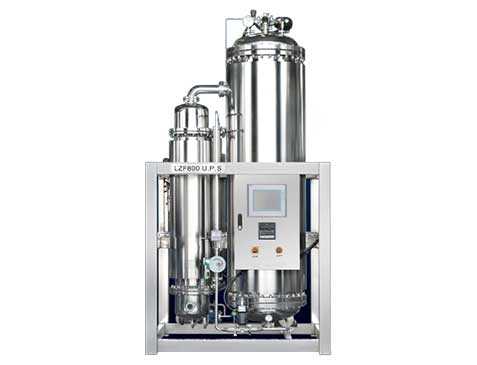
TYPES OF PHARMACEUTICAL WATER PURIFICATION SYSTEMS
#pure #steam #generator #pharmaceutical <br> <br>[a]https%3A%2F%2Fwww.biocell-pharma.com%2Fproducts%2Fpharmaceutical-water-purification-systems%2F[/a] <br> <br> <br>Pharmaceutical Water purification System <br>The operation and maintenance of equipment shall be monitored and managed according to the requirements of verification and documents. Ensure that the operating parameters of the water purification system pharmaceutical industry are within the range of operating parameters confirmed by the equipment. <br> <br>TYPES OF PHARMACEUTICAL WATER PURIFICATION SYSTEMS <br> <br>01 <br>Water For Injection (WFI) Generation System <br>Water for injection is distilled from purified water, and its indicators such as bacterial endotoxin meet the requirements of Water for Injection in the Chinese Pharmacopoeia. The water for injection equipment system mainly includes main modules such as water for injection preparation, circulating storage, dynamic distribution and process control. <br> <br>02 <br>Pure Steam Generation System(PS/CS) <br>The pure steam system consists of a preparation unit and a distribution unit. Pure steam can be prepared by rising film evaporation and falling film evaporation. Pure steam generator usually uses industrial steam as the heat source, uses heat exchanger and evaporation column to exchange heat and generate steam, so as to conduct effective vapor liquid separation to obtain pure steam. <br> <br>03 <br>Purified Water (PW) System <br>According to the quality of raw water in different regions, we can provide customers with water preparation process design tailored to local conditions, effectively control microorganisms, and minimize cross contamination from other products or production processes. At the same time, the equipment is highly automated and the water quality is stable for a long time, which can provide the greatest guarantee for the clean production of customers. The purified water produced can fully meet the requirements for purified water in the current Chinese Pharmacopoeia, American Pharmacopoeia, European Pharmacopoeia and Japanese Pharmacopoeia. <br> <br>04 <br>PW/WFI Storage & Distribution Systems <br>The storage and distribution system of pharmaceutical water includes storage unit, distribution unit and water point pipe network unit. The design of pharmaceutical water distribution system has various forms, and the basic idea is to minimize the operation risk and microbial risk at a reasonable cost. <br> <br>05 <br>Pharma Water System Control & SCADA <br>The correct design and programming of the control system is the prerequisite to ensure the correct and stable operation of the pharmaceutical water system. <br> <br>06 <br>Sanitary Heat Exchanger <br>The sanitary heat exchanger (sterile double tube plate heat exchanger) is designed to work under the working conditions with the highest sanitary requirements, and the double tube plate structure design is adopted. The port of the heat exchanger adopts quick installation or flange structure, which effectively avoids the retention of liquid medicine at the connection between the heat exchanger and the pipeline, realizes the real full emptying design, and also makes the equipment disassembly convenient. The unique design of double tube sheet makes it easy to completely empty and keep the heat exchange tube clean, which can ensure the complete separation of the shell side and tube side media, without internal welding points, and effectively eliminate the cross contamination between products and heat exchange media. It is not polluted and can detect leakage, thus avoiding the risk of cross contamination of conventional heat exchanger. <br> <br>HOW DO PHARMACEUTICAL WATER PURIFICATION SYSTEMS WORK? <br>The water purification system in pharmaceutical industry is based on the preparation equipment, storage, and export of purified water system and water for injection system and other functional units, optimized and combined by various functional modules, so as to ensure the high performance and quality of the whole system and make the product water fully meet or exceed the water quality standards of purified water and water for injection plant. <br> <br>WHAT IS WATER PURIFICATION SYSTEM IN PHARMACEUTICAL INDUSTRY? <br>In the pharmaceutical industry, a pharmaceutical water purification system is a system designed to remove impurities and contaminants from water to ensure that it is of high quality and meets stringent regulatory standards. Water is a crucial component in the manufacturing process of pharmaceutical products, and its purity is critical to the safety and efficacy of the final product. <br> <br>The water purification systems in pharmaceutical industry employ various techniques to remove impurities and contaminants from the water. These techniques may include reverse osmosis, deionization, ultrafiltration, electro-deionization, distillation, ozonation, and ultraviolet radiation. <br> <br>The specific type of water purification system used depends on the quality of the raw water source and the intended use of the water in the manufacturing process. For example, water used for injection (WFI) must meet even higher purity standards than water used for other manufacturing processes. <br> <br>Water purification systems in the pharmaceutical industry are subject to strict regulations, and the water must be regularly monitored and tested to ensure that it meets the required quality standards. By employing these pharmaceutical water purification systems, pharmaceutical companies can ensure that the water used in their manufacturing processes is of the highest quality and meets all regulatory requirements, thereby ensuring the safety and efficacy of their products. <br> <br>ADVANTAGES OF PHARMACEUTICAL WATER PURIFICATION SYSTEMS <br>01 <br>Fully automatic welding mode is adopted, meeting the special requirements of the Pharmacopoeia. <br> <br>02 <br>Intelligent automatic control helps to save labor costs. Modular design mode saves more floor space for you. <br> <br>03 <br>24-hour online monitoring to ensure that every drop of treated water is qualified. <br> <br>DIFFERENT WATER PURIFICATION SYSTEMS IN THE PHARMACEUTICAL INDUSTRY <br>01 <br>Reverse Osmosis (RO) Systems: This technology uses a semi-permeable membrane to remove dissolved solids and impurities from water. RO systems are often used to purify raw water sources, such as well water or surface water, before further treatment. <br> <br>02 <br>Deionization (DI) Systems: This technology removes ions from water by passing it through an ion exchange resin. DI systems are typically used to remove dissolved minerals and other impurities from water. <br> <br>03 <br>Ultrafiltration (UF) Systems: UF technology uses a semi-permeable membrane to remove suspended solids, bacteria, and viruses from water. It is commonly used in the pharmaceutical industry to remove endotoxins from water. <br> <br>04 <br>Electrodeionization (EDI) Systems: EDI technology combines deionization and electrochemistry to remove impurities from water. It is commonly used to produce high-purity water for manufacturing processes. <br> <br>05 <br>Distillation Systems: Distillation involves boiling water and condensing the resulting steam to produce pure water. It is commonly used to produce high-purity water for injection systems. <br> <br>06 <br>Ozone Systems: Ozone is a powerful oxidizing agent that can destroy bacteria, viruses, and other microorganisms in water. It is commonly used to disinfect water. <br> <br>07 <br>UV Systems: Ultraviolet (UV) radiation can destroy microorganisms in water. UV systems are commonly used to disinfect water in the pharmaceutical industry.
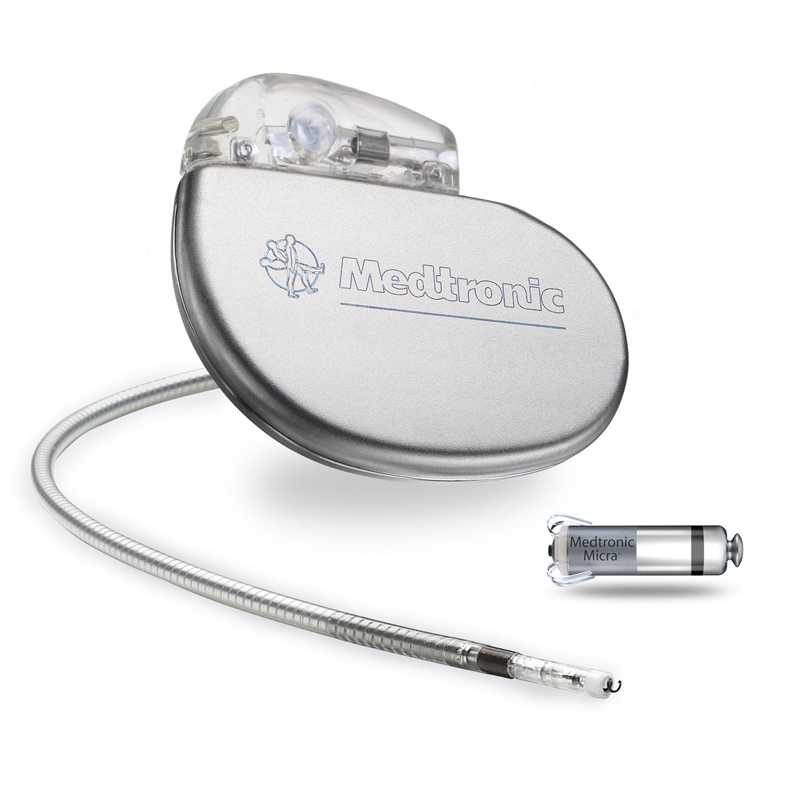
PHARMACEUTICAL PURIFIED WATER SYSTEMS IN MEDICAL TECHNOLOGY
#pure #steam #generation <br> <br>[a]https%3A%2F%2Fwww.biocell-pharma.com%2Fmedical-water-purification-systems%2F[/a] <br> <br> <br>PHARMACEUTICAL PURIFIED WATER SYSTEMS IN MEDICAL TECHNOLOGY <br>The process water involved in the production process of medical devices mainly includes purified water and water for injection, which are widely used in the production process, such as cleaning (environment, tools or clothing), solution preparation, and as components in products. <br> <br>As required in the medical device management regulations, the process water shall comply with the relevant regulations and technical standards, and the specific water quality standards shall comply with the relevant provisions of the Chinese Pharmacopoeia on purified water and water for injection. <br> <br>MEDICAL WATER PURIFICATION SYSTEMS BENEFITS <br>Medical water purification systems offer several benefits in healthcare settings. Some of these benefits include: <br> <br>Improved patient safety: Medical water purification systems ensure that the water used for medical procedures is free from harmful contaminants and bacteria, reducing the risk of infections and other complications. <br> <br>Enhanced efficiency: Medical water purification systems provide a reliable and continuous source of purified water, reducing the need for staff to manually monitor and handle water storage and distribution. <br> <br>Compliance with regulations: Medical water purification systems are designed to meet strict regulations and standards for water quality in healthcare facilities, ensuring compliance and reducing the risk of fines or penalties. <br> <br>Cost savings: Medical water purification systems can reduce the cost of purchasing bottled water and eliminate the need for costly maintenance and replacement of outdated equipment. <br> <br>Environmental sustainability: Medical pharmaceutical purified water systems reduce the use of single-use plastic bottles, which can help reduce waste and promote environmental sustainability. <br> <br>Overall, medical water purification systems are a valuable investment for healthcare facilities, offering benefits that can improve patient safety, efficiency, compliance, cost savings, and sustainability. <br> <br>CASE STUDY OF PHARMACEUTICAL WATER SYSTEMS IN MEDICAL TECHNOLOGY <br>In Vitro Diagnostic Reagents <br>In vitro diagnosis, namely IVD (In Vitro Diagnosis), refers to the products and services that obtain clinical diagnostic information by testing human samples (blood, body fluids, tissues, etc.) outside the human body to judge diseases or body functions. <br> <br>In vitro diagnostic (IVD) products are tools for virus detection and provide important scientific basis for virus epidemic prevention and control. <br> <br>Disposable Sterile Medical Instruments <br>The disposable sterile medical instruments refer to the products that can be sold and used only after being sterilized and sterilized in accordance with the requirements of the production process flow of disposable sterile instruments in a clean workshop that meets the requirements. Once unsealed, this product should be used immediately, and must be destroyed after use to prevent continued use. <br> <br>Implantable Medical Device <br>Any instrument that enters the human body or natural cavity in whole or in part with the aid of surgery; These instruments are considered as implant instruments if they are left in the body for a long time after the end of the surgical procedure, or if some of these instruments are left in the body for at least 30 days. <br> <br>Medical Filler Materials <br>Fillers mainly refer to medical materials that are filled under the skin of the human body by surgery or injection to supplement the volume and make the appearance more beautiful. <br> <br>IMPORTANCE OF PHARMACEUTICAL WATER SYSTEMS IN MEDICAL TECHNOLOGY <br>Water is an indispensable material in the medical device industry. <br> <br>The process water involved in the production process of medical devices mainly includes purified water and water for injection, which are widely used in the production process, such as cleaning (environment, tools or clothing), solution preparation, and as components in products. <br> <br>As required in the medical device management regulations, the process water shall comply with the relevant regulations and technical standards, and the specific water quality standards shall comply with the relevant provisions of the Chinese Pharmacopoeia on purified water and water for injection.
About Biocell's Store
No description provided.
0.0
Customer Reviews
See what others are saying about Biocell's Store. We verify purchases to ensure reviews are genuine.
No reviews yet for this store.