

Mumbai Oncocare Centre's Store
Owned by Mumbai Oncocare Centre Joined Apr 2023 18 Listings
Mumbai Oncocare Centre's Store
easyid.me/biz/moc-01-bcf168 • Verified Store
Scan to open official EasyID digital store, view live catalog, or save business card.
Verified Merchant
EasyID Certified Seller
Fast 24h Packing
Direct courier dispatch
Zero Escrow Direct
Direct merchant settlement
Store Listings (13)

Mumbai Oncocare Centre(MOC)
Prostate is a male gland with a size and shape that of a walnut, situated below the urinary bladder and just in front of the rectum. Prostate gland plays an important role in the male body i.e. production of semen, a milky fluid that carries sperms from testicles through penis when a man ejaculate. Prostate surrounds the part of the tube called urethra that carries urine out of the bladder and through the penis. <br> <br>Usually, prostate gland grows in size with the age and sometimes, it squeezes the urethra and can cause problems in passing urine. Some men can have these urinary symptoms as early as into their 30s or 40s and require immediate medical attention. For many men, such symptoms are only identified in much later age. Other than the age, 'Infection to Prostate' or 'Cancer of Prostate' can also cause inflammation or enlargement of Prostate. <br> <br>Individuals with enlargement of prostate gland may experience following symptoms: <br>- Increased frequency of passing urine <br>- Sense of urgency of passing urine <br>- Urge to pass urine during night; also called as Nocturia <br>- Altered or less urine flow <br>- Burning sensation while passing urine <br>- Blood in the Urine or semen <br>- Painful ejaculation <br>- Pain in the back or waist bone <br>It is important to note that not all symptoms that signify abnormal prostate changes are cancer. However, they should be vigilant about these symptoms and they should report these to their doctor for further examination without any delay. <br> <br>There are 3 most common problems related to prostate that an individual may experience as he grows older: <br>- Inflammation of Prostate (Prostatitis)- It is an inflammation of the prostate gland that may result from Bacterial infection. It is a common condition which affects over 50% men at least once in their lifetime. It is an absolutely treatable and curable condition. <br>- Enlarged Prostate (Benign Prostate Hyperplasia or BPH)- Hyperplasia signifies abnormal cell growth in the prostate gland however it is not a cancer. The symptoms of Benign Prostate Hyperplasia and Prostate Cancer are similar or common many a times. <br>- Prostate Cancer- It is typically the cancerous growth in the prostate gland which can be examined and proven on biopsy. <br>Prostate cancer is a slow growing cancer as compared to most other cancers. The cancerous changes in the cell begin 20-30 years before the tumor grows to a significant size to cause symptoms. Slowly, these cancer cells extend / grow beyond the prostate gland to nearby lymph nodes, bones and organs like Liver, Lungs etc. which can also be termed as metastasis. In India, over 20000 new patients are diagnosed with prostate cancer every year as per the estimates of Globocon and World health organization. Typical symptoms of prostate cancer are already mentioned above for the benefit of the readers. <br> <br>Dr. Udip Maheshwari <br>Consultant Medical Oncologist <br>Mumbai Oncocare Centre, Ghatkopar & Sion <br>9769861787 | 7677434237 <br>[email protected] <br>[a]https%3A%2F%2Fwww.mocindia.co.in%2F[/a]
Mumbai Oncocare Centre(MOC)
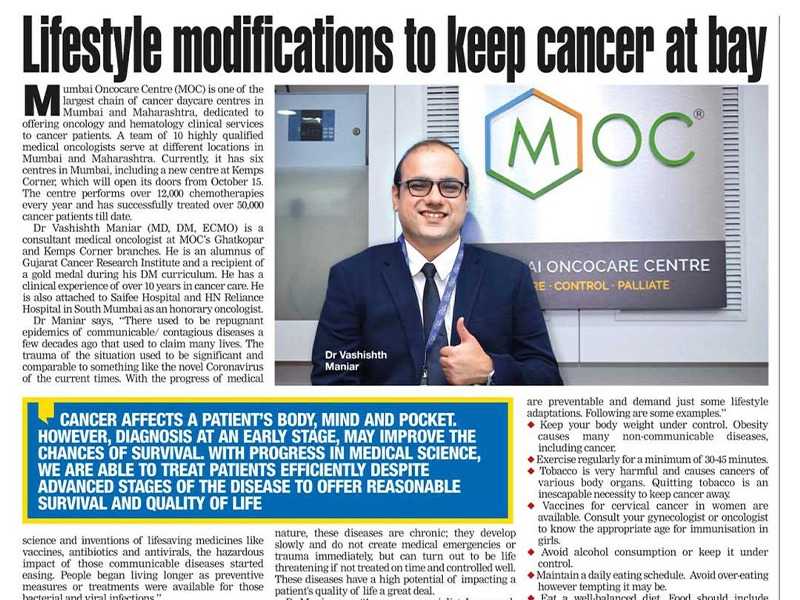
Kaposi's Sarcoma, a rare form of skin cancer was found in few homosexual men in 1981 and introduced to the medical fraternity a newly identified medical condition called AIDS related Kaposi's Sarcoma. It went to an extent of being identified as an 'AIDS defining cancer'. Extensive research has gone into establishing a link between HIV & Cancer. Acquired Immno-Deficiency Syndrome (AIDS) is a manifestation of a virus named Human Immuno-Deficiency Virus that enters into human body and damages the immune system. HIV can remain present in the body for a long time before it can cause significant damage to the immune system in human beings. The said damage to the immune system can be explained as lowering the count of CD4+ T cells that helps fight infection in the body. Till the time AIDS becomes clinically evident (begins showing symptoms), the person infected with HIV remains a carrier of HIV & this makes such carriers susceptible to catching infection by cancer causing viruses like Kaposi's Sarcoma Herpvirus or Human Papillomavirus. <br> <br>For many years now, Non-Hodgkins Lymphoma and Cervical Cancer are also observed in people with HIV / AIDS and happened to be termed as AIDS defining cancers. It implies that when a person is diagnosed with one of these cancers, AIDS has likely developed. AIDS has been treated with combination antiretroviral treatment (cART) for over 2 decades and it has efficiently fought HIV and maintained the immune system of patients working fine against the risk of cancer-causing viruses and otherwise. <br> <br>AIDS related Kaposi's Sacroma is predominantly a disease of the western society. In India, the incidences of Kaposi's Sarcoma are rare though the burden of AIDS in India is almost the second, next to sub-saharan Africa and Human Herpvirus- 8 which is a Kaposi's Sarcoma related virus is known to be prevalent here. On a contrary, Lung Cancer, Liver Cancer, Hodgkin's Lymphoma, Anal Cancer & Head & Neck Cancer are some of the non-AIDS defining cancers and they are quite common in HIV-positive population. Risk factors for these cancers are smoking, chronic inflammation due to HIV and presence of other viruses like Epstein-Barr Virus, Hepatitis B & C etc. <br> <br>Cancer screening has a pivotal role in improving outcomes in patients with HIV related cancers. It is recommended for example that those women identified to be HIV-positive should get the PAP smear test done every year to screen themselves for cervical cancer. After 3 consecutive normal PAP tests, the frequency of screening in such women can be reduced to every 3 years. <br> <br>It is important that those diagnosed as HIV positive should take their combination anti-retroviral treatment without any disruption in order to reduce the risk of cancer-causing viruses & other infections. For those with such HIV related cancers, infection treating team of doctors and oncologists / cancer specialists work together in a multidisciplinary fashion to offer patients an optimal management plan to control both the diseases. <br> <br>Dr. Vashishth Maniar, MD DM ECMO <br>Consultant Medical Oncologist / Cancer Specialist <br>Mumbai Oncocare Centre, Ghatkopar <br>9984899700 | 9769707204 | 022-21020017 <br>[email protected] <br>[a]https%3A%2F%2Fwww.mocindia.co.in%2F[/a]
Mumbai Oncocare Centre(MOC)
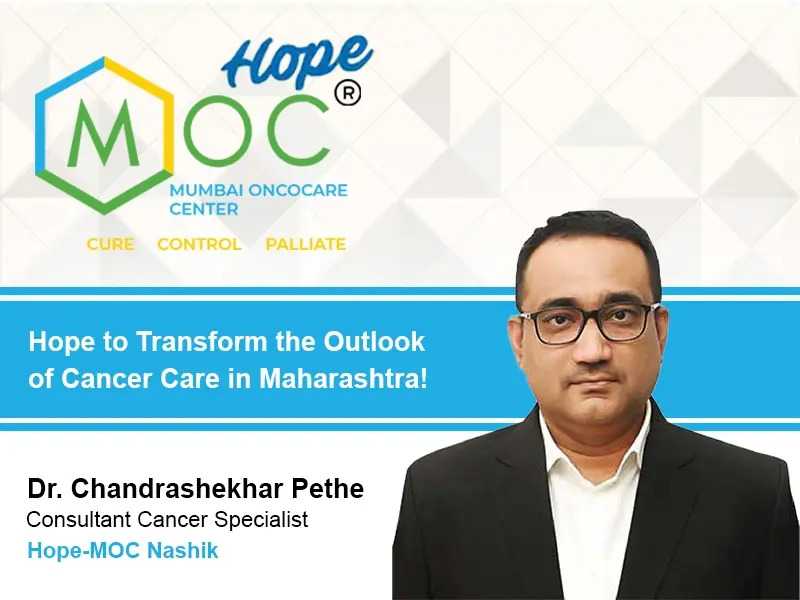
Cancer Care has metamorphosed to become a highly micro-specialized multidisciplinary affair that demands a competently coordinated efforts among Surgical Oncologists, Medical Oncologists, Radiation Oncologists, Radiologists, Pathologists along with Onco-Nutritionists, Genetic Counselors, Rehabilitation Experts and many other treatment support functions to offer cancer patient an optimum cancer care with highest standards. Each of these modalities of ever progressing cancer treatment has richly evolved to unimaginable advancements that patients need none but the specialist of a kind who understands a particular treatment modality in its deepest sense, content and the context. Multitasking Oncologist is a phenomenon of bygone era! <br> <br>Medical management of cancer is the cornerstone of cancer treatment which can significantly improve the outcomes in cancer care if employed at the right time & in the right manner along with other modalities like surgery and radiotherapy. Moreover, proximity or an accessibility of a specialized facility dedicated for cancer care offers an unparallel comfort to cancer patients. All of this can only be achieved in the most efficient & most importantly in the cost-effective manner in a decentralized, differential or a customized, state-of-the-art delivery model, using the collective wisdom of the highly qualified and highly experienced team of healthcare practitioners; Medical Oncologists in this context. <br> <br>"Hope Cancer Institute & Research Centre", a decade old, trusted name for cancer care in Nashik is adapting an innovative oncocare delivery model by joining hands with a cancer daycare major from Mumbai titled "Mumbai Oncocare Centre". Mumbai Oncocare Centre is an innovative, state-of-the art & perhaps the largest chain of Cancer Daycare Centers in Mumbai having all that is required for delivering medical interventions of highest standard in cancer care; available under one roof and in a cost-effective manner. The commitment to provide comprehensive cancer care is a shared vision and a common trait among two of us who are being unified for a cause. <br> <br>Salient features of the conglomerate will be as follows: <br>- Collective wisdom of 9 highly qualified and richly experienced medical oncologists <br>- State-of-the-art oncology infrastructure best adapted to suit the economies of scale in India <br>- Best of the paramedical human resources trained to efficiently deliver cancer treatment <br>- Improving access to cancer treatment in Nashik and adjoining regions by creating a vividly notable option for patients <br>- Value added services in cancer care to make a comprehensive offering for cancer patients <br>I am confident that Hope-MOC will improve accessibility, affordability, proximity & flexibility without compromising quality of care for cancer patients as we begin our joint operations from 3rd January 2021. <br> <br>Dr. Chandrashekhar Pethe <br>Sr. Consultant Medical Oncologist <br>Hope-Mumbai Oncocare Centre, Nashik <br>0253-2510127 | 9322949845 <br>[email protected] <br>[a]https%3A%2F%2Fwww.mocindia.co.in%2F[/a]
Mumbai Oncocare Centre(MOC)
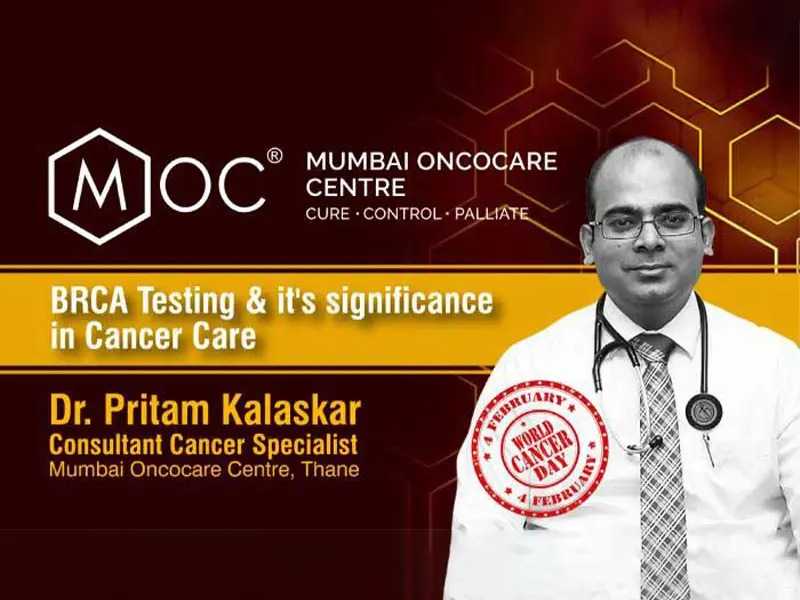
BRCA 1 & BRCA 2, the misbehavior of those post mutation can lead to breast, ovarian or prostate cancer and the subsequent inheritance can increase the risk of developing these cancers in descendants. Sounds like a 'Greek & Latin'? Let us understand more on this. <br> <br>BRCA 1 & BRCA 2 are the genes in our DNA, discovered about 25 years ago & also called as 'Tumor Suppressor Genes' whose function, simply put; is to produce a typical protein to ensure the stability of the cell's genetic material and to control the process of cell proliferation / cell division in the human body. Mutations, a kind of technical deformity in the designated mechanism of genes increases the probability of cells in the human body developing abnormal genetic changes that can lead to cancer. After years of research, discoveries and evolution, today we know that these 2 are common mutations found in breast & ovarian cancers in females and a few other cancers like prostate cancer in men. Fortunately, we have the tests available for diagnosing mutations of BRCA 1, BRCA 2 and a few more genes that can increase the risk of these cancers. <br> <br>In case of breast and ovarian cancers, we observe that those with inherited mutations of BRCA 1 & BRCA 2 have a tendency to develop cancer at a much younger age than otherwise. 'HBOC'; Hereditary Breast & Ovarian Cancer Syndrome is a collective term used for breast, ovarian and a few more cancers that develop in patients with BRCA 2 mutation. The exact risk of developing each of these cancers may differ independently. About 10%-15% of breast & ovarian breast cancers are considered to be hereditary and BRCA 1 & BRCA 2 are known to be the prime culprits in them. <br> <br>These tests as we call it in medical parlance have a prognostic and a predictive value. Simply put, the detailed understanding of such mutations is not only useful in understanding cancer biology and expected outcomes in cancer patients but can also help those at higher risk of developing cancer take informed decision on preventive measures. Cancer specialists or Oncologists can plan a personalized treatment based on the mutation status of BRCA 1 & BRCA 2 identified by an appropriate genetic test. Similarly, they can counsel patients and their families for the risk of hereditary cancers and may advise them the precautionary measures and screening protocols to minimize or early diagnose the risk of cancer in descendants. <br> <br>What are the tests available for BRCA 1 & BRCA 2 mutations? <br>It is a simple blood test that help detect potentially harmful mutations in BRCA 1 & BRCA 2 genes to assess patient's risk of developing cancer. There are many specialized labs that offer such a testing. <br> <br>Why to test? <br>The answers can be as simple as the following two: <br>- To know the risk of developing second cancer in patients who has already undergone treatment for a particular cancer. <br>- To know and prevent the risk of developing cancer if any of the family member has or had a history of bad BRCA genes and a related cancer. <br>Who should be tested? <br>US Preventive Service Task Force (USPSTF) in its latest recommendation statement of 2019 recommends that those women who have previously been treated for breast & ovarian cancer should be offered BRCA 1 & BRCA 2 testing to reduce the risk of developing second cancer. Those with positive results of this testing should also undergo genetic counseling for preventive and precautionary measures for immediate descendants. National Comprehensive Cancer Network (NCCN) that develops evidence-based treatment guidelines for cancer treating physicians recommend in their latest guidelines that not only women but men should also be tested for BRCA related HBOC, including prostate & pancreatic cancer. <br> <br>It is important that all patients with these cancers should discuss with their treating oncologist about the risk of developing second or hereditary cancers and subsequently the need for BRCA testing. <br> <br>Dr. Pritam Kalaskar, MD DM <br>Consultant Medical Oncologist / Cancer Specialist <br>Mumbai Oncocare Centre, Thane <br>Appointment @ 7400424333 / 022-25301090 <br>[email protected] <br>[a]https%3A%2F%2Fwww.mocindia.co.in%2F[/a]
Mumbai Oncocare Centre(MOC)
The term, 'Personalized Cancer Treatment' is gaining an extraordinary importance and popularity among oncologists globally and in India to a large extent. It intends to offer optimum treatment to cancer patients based on the specific genetic abnormalities, the biological and the molecular characteristics of their cancer. This novel phenomenon is expected to transform the outlook of cancer treatment in future for the benefits of cancer patients. <br> <br>With the limited understanding of the cancer biology in the past, it was believed that all the cancers deriving from the same site / organ were biologically similar and the disease was classified on the basis of assessment of the cancerous cell-type under the microscope, the presence and size of a nearby (regional) lymph node affected by cancer, the distant spread of the cancer to other organs in the body and few other features observed on the tumor sample. E.g., Cancer of a lung if limited to lungs only can be classified as stage 1 or 2 disease. If it is spread to organs beyond the lungs, like nearby lymph nodes and to a distant organ like brain, it can be termed as stage 3 & 4 (metastatic disease) lung cancer. <br> <br>Cancer specialists also follow a grading system of cancer cells based on how identical they are to the normal cell of the given cancerous organ. Cancer cells have a tendency to lose their distinct identity from the normal cells thereby losing their ability to perform a designated function, e.g., function of respiration by lung cells. Lung cells for example have a distinct structure (different from that of stomach cells) for a specific function of respiration. When lung cancer occurs, some or many of the lung cells lose their identity to become poorly differentiated, thereby altering the normal functioning of lung cells. The exercise of finding the structural identity of the cancerous cells is termed as grading. <br> <br>For many years until the last decade, oncologists had been treating cancer patients with the treatment modalities like Radiotherapy and Chemotherapy in addition to cancer surgery, based on the stage and the grade in which disease of the patient falls. Chemotherapy potentially kills all the fast-growing cells (like cells of human hair, nails etc.) along with the cancer cells in the patient's body. It is a pervasive fact that being non-specific in its action, chemotherapy produces a lot of side effects to patients, and it is the biggest drawback of it. <br> <br>Reiterating the fact that 'God Lives in Details, the cancer researchers began digging deep into the cancer biology to evolve to the improved understanding of defects in the genes and other abnormalities at the molecular levels that generate cancerous cells. Citing an example of breast cancer, oncologists have made it a protocol to identify defects at the molecular level by ordering immunohistochemistry (a diagnostic test) to find out mutation of HER2 receptors. To simplify for our readers, HER2 is a receptor on the cell surface that gets amplified by the mutation (genetic defect) in case of cancer. Such an amplification is a proven phenomenon that triggers formation and rapid growth of cancer cells in breast and stomach cancer. From an opportunist's perspective, it is a target that can be blocked / treated with a monoclonal antibody (a different kind of a cancer treatment) to quell receptor's overwhelming function and gain control over cancer genesis and the spread in the human body. <br> <br>The invention of such a differential therapy (antibody) that can specifically target the defect at the molecular level of a cancerous cell are termed as personalized cancer treatments and it turns out to be a blessing for a cancer patient. It will be specific in its function of repairing the defect without impacting normal cells in the body. Such an organized treatment mechanism leads to minimal side effects in cancer patients thereby improving their quality of life while the cancer is treated. There are many such innovative targeted treatments available in the armamentarium of the oncologist for the treatment of cancer patients and there are many more under development. The latest invention of Immunotherapy for cancer patients is another disruptive innovation that acts by correcting the major and minor defects in the human immune system which were allowing cancer cells to escape the body's natural defense. Immunotherapy works by re-activating human immune system against cancer to contain the growth of it to a large extent. <br> <br>During my practice over the years, I have realized that the personalized cancer treatments are an outstanding resource not only for the cancer patients but for the cancer treating specialists. These treatments help in improving our conviction that even the difficult and advanced of the cancer cases can be treated with ease and for the best patient outcomes. <br> <br>I must mention here that some of these personalized cancer treatments are 'overwhelmingly promising' at their best and 'catastrophically expensive' at their worst as we stand today. After the Drug Controller General of India (DCGI) intervened to enforce a Drug Price Control Order in the form of 'The National List of Essential Medicines' and included a few personalized and other cancer medicines in it, some of these personalized medicines have become highly affordable. Government of India with the help of many pharmaceutical companies are trying their best to make these treatments available at the cost that can be afforded by majority of the cancer patients from various economic strata. I am sure it is only a matter of time that these therapies become available for the treatment of masses and does not remain the choice of the classes. <br> <br>Dr. Kshitij Joshi, MD. DM. ECMO. <br>Consultant Medical Oncologist <br>Mumbai Oncocare Centre <br>8879026609 | 022-26200868 <br>[email protected] <br>[a]www.mocindia.co.in[/a]

Mumbai Oncocare Centre(MOC)
Good nutrition is immensely important for the patients with cancer; those under treatment as well as those who have completed the cancer treatment. It is because the disease itself, as well as its treatments has a potential to significantly impair patient's appetite. Cancer and its treatments may also alter body's ability to tolerate certain foods and nutrients. <br> <br>The need of nutrients for a cancer patient varies from person to person. Dietitians specialized into 'Nutrition for Cancer Patients' can help set nutritional goals for patients and plan diet strategies to help achieve them. <br> <br>An appropriate diet can help patients in following ways: <br>- Feel better. <br>- Restore / Maintain the body strength and energy. <br>- Maintain weight and optimum level of required nutrients. <br>- Tolerate treatment-related side effects. <br>- Decrease the risk of infection. <br>- Heal and recover quickly. <br>Patients need to make sure that they include all food groups like Proteins, Vitamins, Minerals, and Phytochemicals to efficiently fight the battle against cancer. Their meals should essentially include protein foods such as chicken, turkey, fish, eggs, Greek yogurt, cottage cheese, beans / lentils, nuts, seeds, tofu, and milk. In addition, patient will have to drink lots of fluid every single day in order to keep themselves optimally hydrated all the time. Water is by far the best fluid to drink. <br> <br>The body uses calories and protein as a fuel to support healthy organs, muscle repair, and daily activity. Body needs more calories and proteins during most types of cancers and their treatments. The extra calories and protein are essential for healing tissues and fighting infections during chemotherapy, radiation therapy, or after cancer surgery. Therefore, most people undergoing cancer treatment need to eat more than the usual. If not followed, they may become malnourished and lose weight consequently. <br> <br>During the treatment, patients may find that their appetite is compromised, or they may have side effects of the treatment that make it hard for them to eat healthfully. When they are not able to maintain healthy body weight with foods that are traditionally considered healthy, it is acceptable to choose alternate foods that otherwise appeal to them. However, they should make sure that they intake enough nutrients to prevent malnutrition. <br> <br>Consuming food as the part of treatment helps in a better way. Irrespective of the hunger, cancer patients need to eat regularly in order to have enough fuel in the body to fight against the cancer and preserve the muscle. Not following appropriate diet can compromise the efficacy of cancer treatment and the recovery post treatment may become a significant challenge. <br> <br>Remember, 'Eating Well' while undergoing cancer therapy is the Mantra. <br> <br>Dietician Madhuri Gurav <br>P.G.D. Dietetics, C.D.E. <br>Onco-Nutritionist, <br>Mumbai Oncocare Centre, Thane <br>[a]https%3A%2F%2Fwww.mocindia.co.in%2Fblog%2Feating-well-with-chemotherapy-ms-madhuri-gurav-onco-nutritionist-moc[/a]
Mumbai Oncocare Centre(MOC)
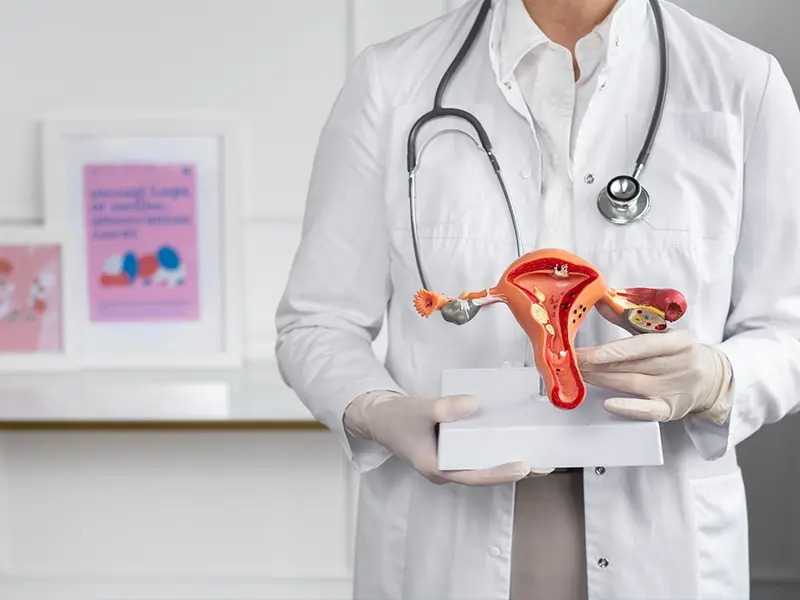
What risk do we transmit during a sexual intercourse? Obvious answer that we hear from people is HIV or Human Immuno-Deficiency Virus that is responsible for a clinical condition called AIDS. Have you heard of HPV before? Is it different from and more common than HIV? <br> <br>HPV or Human papillomavirus is a virus that is spread through sexual contact, more appropriately put; skin-to-skin contact, Sexual contact as a term covers different forms of sex including sexual intercourse (vaginal sex), oral sex, anal sex, or any other contact involving the genital area (E.g. hand to genital contact). While condoms are known or often used to prevent most sexually transmitted infections, they do not guarantee complete protection from HPV infection, because they do not cover all exposed genital skin. <br> <br>The risk of HPV exposure is directly proportional to the number of sexual partners one has. Having sex with a partner who had many other partners in the past also increases the risk of HPV to the primary subject. Estimates suggests that before the age of 50, about 75% to 80% of sexually active adults will acquire at least one genital HPV infection. A majority of individuals become infected for the first time with one or more HPV types in the anogenital track (region of both anus and genital organ), between ages 15 and 25 years. Genital track encompasses both internal and external sex organs of men and women. <br> <br>Approximately 70%-80% of infected individual does not develop signs & symptoms and most cases never develop any problems caused by HPV. In 20% to 30% females, however, HPV infection poses a greater chance of developing pre-cancerous condition of cervix and subsequently the cancer of cervix. On an average, it takes 20 to 25 years for a new HPV infection to cause cervical cancer. <br> <br>Over 100 different strains of HPV have been identified; more than 40 of these are known to infect the cervix, and approximately 15 are known to cause cervical cancer. <br> <br>Researchers have categorized and labeled the different HPV types / strains as 'high risk' or 'low risk' on the basis of their intensity / potential for causing cervical cancer to the infected women: <br>- HPV types 6 and 11 cause about 90 percent of genital warts. These types are considered low risk because they do not cause cervical cancer. <br>- Types 16 and 18 are the high-risk types that cause most (about 70 percent) cases of cervical cancer. HPV types 31, 33, 45, 52, and 58 are also high-risk types, causing about 20 percent of cervical cancers. Other high-risk types (35, 39, 51, 56, and 59) can also cause cervical cancers but are less common. <br>Is there a protection against these viruses? Know more about it in my second blog to be released next week. <br> <br>Dr. Sonal Dhande, MD. DNB. <br>Consultant Cancer Specialist <br>Mumbai Oncocare Centre- Nashik <br>Appointments @ 0253-2510127/9322949845 <br>Email- [email protected] <br>[a]www.mocindia.co.in[/a]
Mumbai Oncocare Centre(MOC)
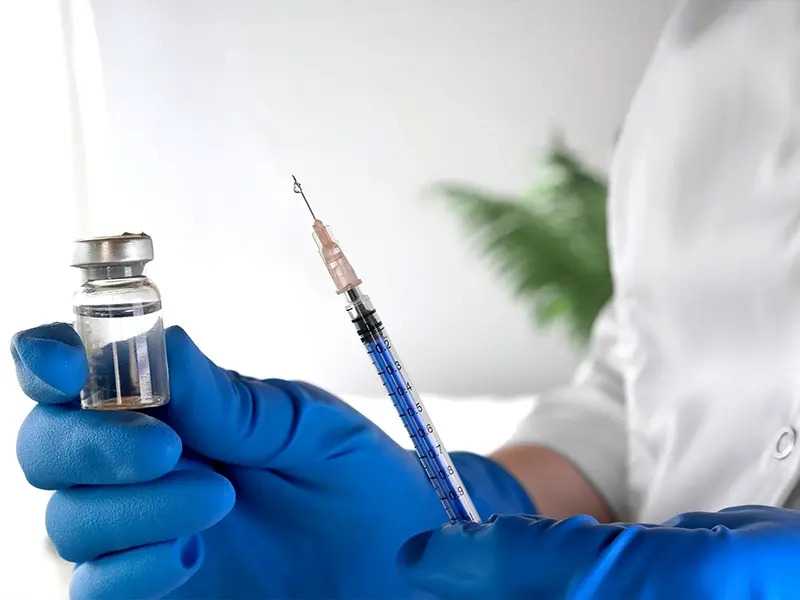
In my previous blog, I tried eliciting the character of Human Papillomavirus (HPV) & its implications in development of cervical cancer. Immunization / Vaccination as a preventive measure is available which can offer validated protection from Cervical Cancer. In this blog, I shall attempt elaborating on the protection from HPV. <br> <br>Presently, two HPV vaccines are available in India. These two vaccines protect against different types of HPV: <br>- Gardasil helps to prevent infection with four HPV types (6, 11, 16, and 18). <br>- Cervarix helps to prevent infection with HPV types 16 and 18. <br>HPV Vaccine Timings and Doses: <br>All of the HPV vaccines are given by injection. Dosing depends upon age and the present state of immunity of an individual. <br> <br>- If subject is younger than 15 years of age with normal immune function, she should get two injections at least six months apart. <br>- If subject is 15 years of age or older with normal immune function, she should get three injections. The second dose is given one to two months after the first, and the third dose is given six months after the first. <br>- If subject have an infection with HIV or she is immunocompromised (eg, have another health condition that weakens subject's immune system), she should get three injections regardless of the age at which she may start the vaccination series <br>It is best to get all the recommended doses. If one misses a dose, taking advise from the healthcare provider / doctor about the number of doses required is recommended. <br> <br>Who should be vaccinated? <br>HPV vaccination should ideally be done for all girls ages 11 to 12 years, and it can be given as early as 9 years of age. "Catch-up" vaccination is recommended for all females up to 26 years of age who have not yet received it. The decision to vaccinate adults in this age group should be individualized, typically in conversation with a healthcare provider, as some people in this age group may still benefit from it. <br> <br>With any HPV vaccine, receiver will have the greatest protection from HPV if she is vaccinated before becoming sexually active. The vaccine does not help to get rid of HPV infection or any cervical abnormality after it has occurred. However, if you are under 26 years old and you have been sexually active, had genital warts, a positive HPV test, or an abnormal Pap test, you may still obtain some (although smaller) benefit from the HPV vaccine. <br> <br>It is important to keep in mind that the vaccine works best if given before sexual activity begins (even many years before). Sometimes, parents are hesitant to get their children vaccinated. Some people worry that it will lead to children becoming sexually active earlier than they otherwise would. However, there is no evidence that it happens. <br> <br>Some also worry that the vaccine may have serious side effects, but studies have clearly shown that the available HPV vaccines are safe. <br> <br>How long are you protected? <br>While experts do not know exactly how long the vaccine protects against HPV infection, there has been no evidence to suggest that the HPV vaccine loses any ability to provide protection over time. <br> <br>Is cervical cancer screening needed after vaccination? <br>You do not need to have a pelvic exam or test for cervical cancer (eg, Pap and/or HPV test) before you have the HPV vaccine. Regular cervical cancer screening can begin in females at age 21. <br> <br>Getting the HPV vaccine does not nullify the need of cervical cancer screening in the future, as the vaccine does not eliminate infections acquired prior to vaccination. In addition, other types of high-risk HPV, which are not prevented by the vaccine, can also cause cervical cancer. <br> <br>How effective is the Vaccine? <br>Studies have shown that: <br>- HPV vaccination in females is very effective in preventing HPV infections and cervical pre-cancers caused by HPV types targeted by the vaccine. <br>- HPV vaccination in females reduces the risk of genital warts in their male sexual partners. <br>- HPV vaccination in males reduces the risk of developing genital warts and penile HPV infection, which may decrease the spread of HPV to sexual partners. Consultation of a Gynecologist or Oncologist (Cancer Specialist) is highly recommended for enquiries related to the vaccination. <br>You can also read my previous blog on HPV & Cervical Cancer (HPV & Cervical Cancer | Dr. Sonal Dhande | Cancer Specialist | MOC Nashik) <br> <br>Dr. Sonal Dhande <br>Consultant Cancer Specialist <br>Hope-Mumbai Oncocare Centre, Nashik <br>Email- [email protected] <br>[a]www.mocindia.co.in[/a]
Mumbai Oncocare Centre(MOC)
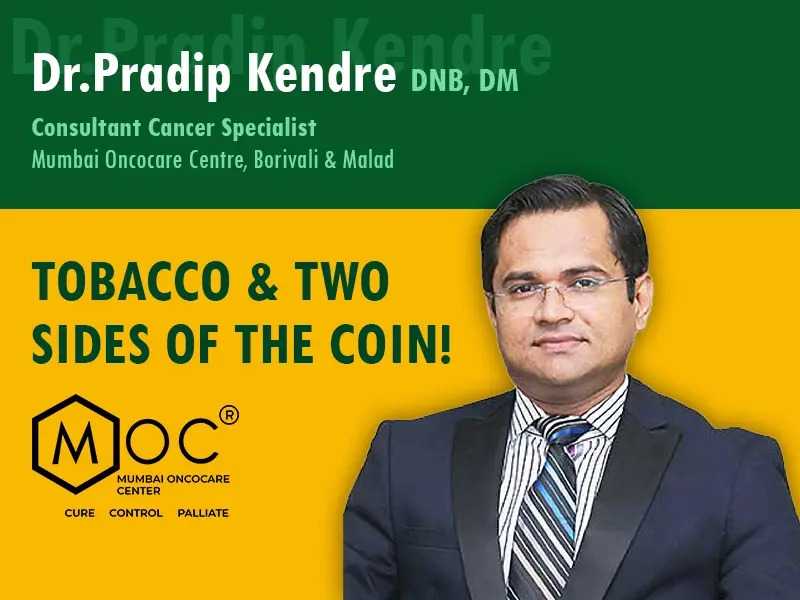
Tobacco, a controversial subject matter that has remained in the discussion for many years for no conclusion. The conflict is between the commercial and health related aspects of it. A news that was published in Economic Times about a year ago quoted that tobacco industry contributes Rs. 11,79,498 crores to Indian economy annually. It also stated that over 4.5 crore Indians earn their living out of the jobs offered by this industry. <br> <br>The flip side of the coin is that over 27% of total incidences of cancers in India are caused by Tobacco use in various forms, as quoted by ICMR in their recent report published in the year 2020. The cases of Lung cancer have consistently remained at peak for over a decade in a city that never sleeps. We can sarcastically call it a 'Çity that Struggles to Breath'. Even today, Mumbai carries the highest incidences of Lung and Oral cancers, no wonder; tobacco is a prime culprit. India has the highest burden of Oral cancers even today because of the rampant consumption of Tobacco and related products. <br> <br>It therefore becomes a matter of monumental polarization that has enough reasons for users and non-users of tobacco to justify their own stand. One may stand with the economic benefit and the other may stand against the health hazards of tobacco, however, as a cancer specialist, I have another thoughtful dimension for consideration. <br> <br>It has been the observation of the oncology fraternity that the majority of oral cancer patients belong to middle or lower economic strata. Despite best and the most advanced treatments being available these days, the catastrophic cost of treatment will always remain a significant barrier for them to afford it fully or partially. <br> <br>Many patients are left with only 2 options, that is either to compromise their life to 'No Treatment'; or reach out to government or charitable organizations for the financial assistance / relief for treatment. It leads us to an obvious conclusion that the collective economic burden that falls on the government funds, on the Indian economy and healthcare system and eventually on the pockets of the taxpayers and wishful donors is imposed by tobacco. Quitting of Tobacco alone can reduce such an economic burden on the system a great deal. <br> <br>We can choose to be selfish and deliberate if we can afford the physical, financial and mental hazards of tobacco and decide our priorities. <br> <br>Don't forget, Tobacco is a Poison that spoils generations and kills! <br> <br>Dr. Pradip Kendre <br>Consultant Cancer Specialist <br>Mumbai Oncocare Centre, Borivali and Malad <br>7506128787 / 7506128787 / 9920767626 <br>[email protected] <br>[a]www.mocindia.co.in[/a]
Mumbai Oncocare Centre(MOC)
Dr. Vashishth Maniar (MD, DM, ECMO) is the director and consultant medical oncologist (cancer specialist) at Mumbai Oncocare Centre with over 11 years of clinical experience in cancer care. <br> <br>Dr. Vashishth Maniar <br>Consultant Cancer Specialist <br>Mumbai Oncocare Centre, Ghatkopar <br>9984899700 | 9769707204 | 022-21020017 <br>[email protected] <br>[a]www.mocindia.co.in[/a]
Mumbai Oncocare Centre(MOC)
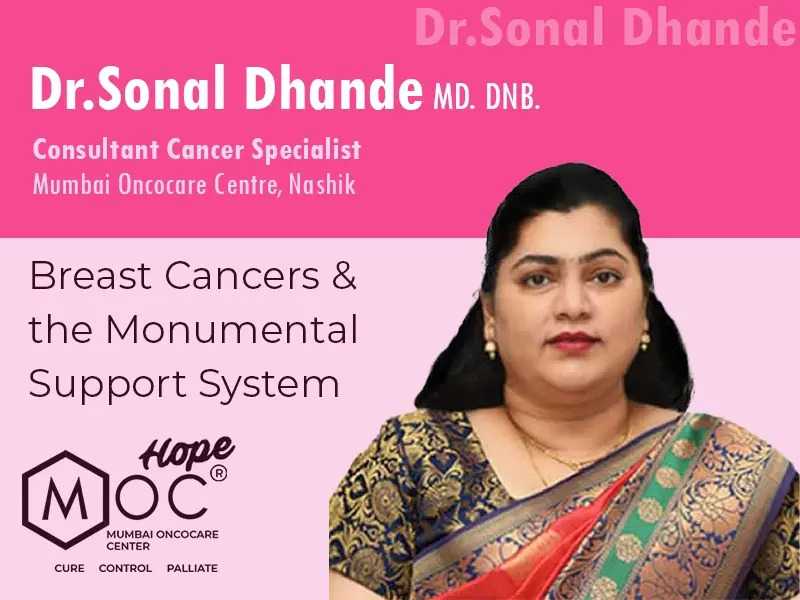
Dr. Sonal Dhande (MD DNB) is our consultant medical oncologist at Hope-Mumbai Oncocare Centre, Nashik, largely experienced in treating breast and gynecological cancers. <br> <br>Dr. Sonal Dhande (MD DNB) <br>Consultant Cancer Specialist <br>Mumbai Oncocare Centre, Nashik <br>[a]www.mocindia.co.in[/a]
Mumbai Oncocare Centre(MOC)
Cancer of Breast has become a global issue, much beyond a disease; because of its rapidly rising incidences across the world. What used to be a disease commonly found in western female population is on a verge of becoming a health crisis in Indian subcontinent.Increasing urbanization, westernization of the lifestyle, increasing trend of 'post-30' pregnancies, ignorance towards breast-feeding knowingly or unknowingly, rising alcohol consumption among females etc. and many such factors bring about the victimhood to females suffering with breast cancer. <br> <br>Over 2,00,000 new cases of breast cancer are diagnosed in India every year. Marked difference between the breast cancer cases presenting in the west as against those presenting in India is that 60%-70% of them are diagnosed in advanced stage and therefore, the intensity, cost and time required for treatment increases significantly. <br> <br>With the advancements in medical science and availability of newer and efficient medicines, offering longer and quality life to these females suffering with breast cancer has become possible. However, patients have to be prepared and committed to completion of prescribed treatment without being distracted or compelled to discontinue by the physical, mental and financial hazards that are inevitable while on the treatment. This needs a monumental support system that can protect patient's commitment to treatment. <br> <br>Such efficient support system is found inbuilt in societies with strong family and social values, typically characteristic of an Indian culture; and it plays a very important role in the life of cancer patients. Culturally influenced behaviors like treating elders in the family respectfully and with empathy, looking after them during their old age or illnesses, extending help and support to family members during difficult times are the pillars of this familial support system. Philanthropy, helping weaker sections of the society are also the social values that communities in India follow religiously to the best of their capacity, beyond their family commitments. <br> <br>The state of cancer patients while on treatment demands empathy, mental strength, support in terms of disease and treatment related information, fulfilment of their need for food and medicines. It is a duty of close and distant family members to meet these demands with the sense of responsibility. Family members should also ensure financial security and stability to patients and consciously create a positive environment around them. It is a joint responsibility of the treating oncologists (cancer physicians), family members of patients, relatives and friends to help patient in this regard and support the cause of offering longer & quality life to cancer patients. <br> <br>I must mention that many charitable trusts and philanthropists are also the active promoters of this support system, with the unconditional donations and the other philanthropic deeds they undertake. Numerous beneficiaries of their donations and deeds will definitely advocate my claim. Many studies globally support the existence and positive impact exerted by this support system on recovery and overall well-being of cancer patients. <br> <br>I congratulate all the actors of this support system for their unparallel contribution to lives of cancer patients and I appeal to all the females to be vigilant about abnormal changes in their breasts and report them to doctors without any delay. <br> <br>Remember, early detection is the best protection! <br> <br>Dr. Sonal Dhande <br>MD DNB Consultant Cancer Specialist <br>Hope-Mumbai Oncocare Centre, Nashik <br>9322949845 | 0253-2510127 <br>For more details visit : [a]https%3A%2F%2Fwww.mocindia.co.in%2Fblog%2Fbreast-cancers-and-monumental-support-system-dr-sonal-dhande-cancer-specialist-hope-moc-nashik[/a]
About Mumbai Oncocare Centre's Store
No description provided.
0.0
Customer Reviews
See what others are saying about Mumbai Oncocare Centre's Store. We verify purchases to ensure reviews are genuine.
No reviews yet for this store.