

icare life's Store
Owned by icare life Joined Jun 2024 6 Listings
icare life's Store
easyid.me/biz/icarelife-773a6d • Verified Store
Scan to open official EasyID digital store, view live catalog, or save business card.
Verified Merchant
EasyID Certified Seller
Fast 24h Packing
Direct courier dispatch
Zero Escrow Direct
Direct merchant settlement
Store Listings (6)
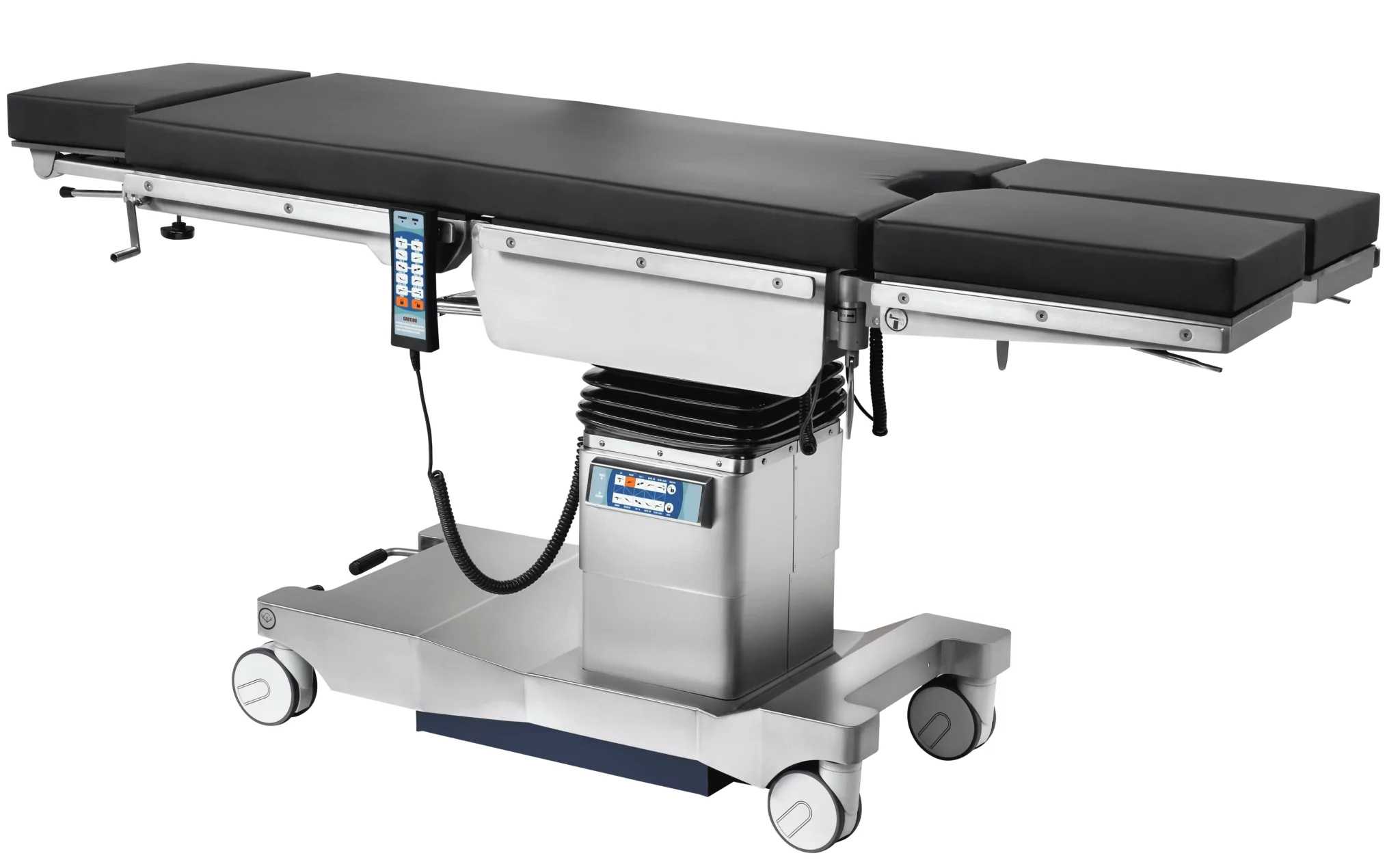
Operating Table
#operating# room #sink <br>Key specifications <br>Longitudinal slide up to 345mm for free access to C arm <br>Extreme weight load capacity of 250kgs with highest safety and stability <br>Memory pad with antistatic and waterproof desion <br>Standard override panel control makes the control safer <br>Battery power for 50-80 operations <br> <br>As a modular ot manufacturer, We provide theatre operating table, portable surgical table, portable operating table, surgical procedure table, surgical fracture table, surgery table for sale, etc. For ot table with ortho attachment price or more, contact us. <br> <br>[a]https%3A%2F%2Ficarelife.com%2Fot-medical-equipment%2Foperating-table%2F[/a]
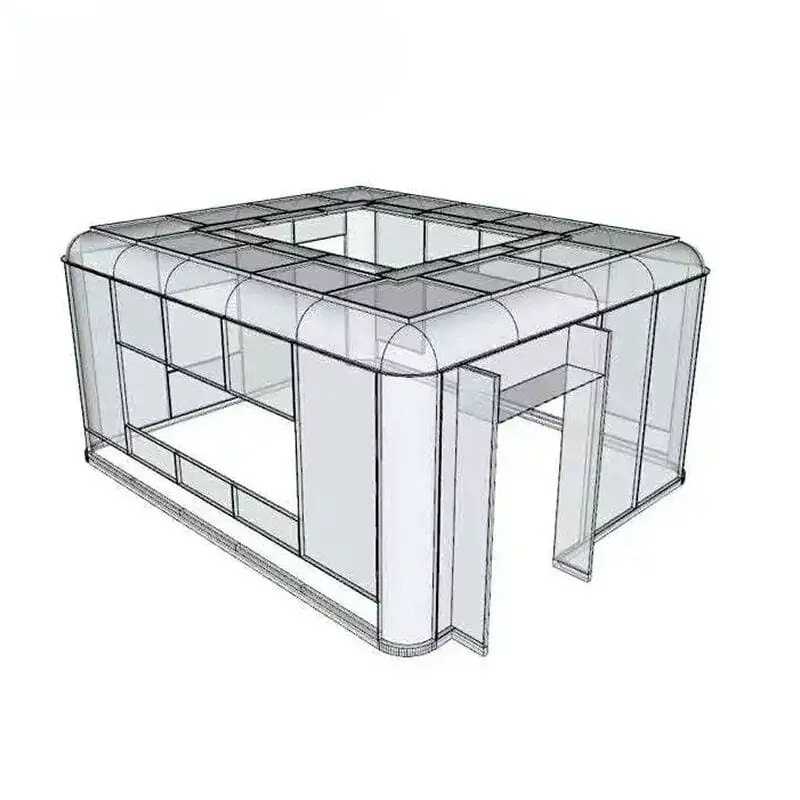
Operating Room Wall Panel
#medical #scrub #sink <br>What is an Operating Room Wall Panel? <br>Functionality: modular clean room wall panels are usually designed to house numerous essential services such as medical modular wall panel system electrical sockets, data points, and more, directly integrated into the wall. This offers easy access during surgical procedures and contributes to a safer, more organized operating room by reducing the amount of loose cables or extraneous equipment. <br> <br>Hygiene and Sterility: The cleanliness and sterility of an operating room are critical for successful surgical outcomes. modular ot wall panels are designed with a minimal number of seams and joints, which could be potential sites for the collection of dust, bacteria, or other contaminants. They are also resistant to disinfectants, allowing for thorough and regular cleaning. <br> <br>Material: The materials used for these panels are chosen for their durability and ease of cleaning. Stainless steel and high-pressure laminate are commonly used because of their robustness, longevity, and resistance to a wide range of disinfectants and cleaning agents. <br> <br>Regulations and Standards: Operating room wall panels are designed and installed in adherence to strict healthcare regulations and standards. This ensures the safety of both the patients and healthcare professionals. <br> <br>The Necessity of Operating Room Wall Panels <br>Maintaining Sterility <br>One of the most important factors in any surgical environment is the maintenance of sterility. Operating room wall panels are designed to resist the growth of bacteria and are easy to clean, ensuring that the operating room can be efficiently sterilized between procedures. <br> <br>Providing Essential Services <br>Operating room wall panels often house essential medical services like gas outlets, electrical outlets, and data ports. These elements are integrated directly into the panel, reducing clutter and making the operating room safer and more organized. <br> <br>Durability and Resistance <br>Operating rooms are high-traffic, high-use areas. The materials used in wall panels, such as stainless steel or high-pressure laminates, are durable and resistant to wear and tear, ensuring that they can withstand the demands of an active operating room. <br> <br>Regulatory Compliance <br>In many jurisdictions, operating room wall panels must meet certain regulatory standards to ensure patient and staff safety. These standards can relate to fire safety, electrical safety, or the ability to maintain a sterile environment. Operating room wall panels are designed to meet these standards. <br> <br>Isometric, Front, Side, and top 2D and 3D presentation of wall panel. <br> <br>Working Principle of Operating Room Wall Panels <br>Installation <br>The wall panels are designed to be modular and are typically installed during the construction or renovation of an operating room. They are securely mounted to the existing wall structures of the operating room, ensuring a tight fit that minimizes the chance of bacteria accumulation and makes cleaning easier. <br> <br>Integrated Services <br>The panels can be pre-fabricated to house necessary services such as electrical sockets, medical gas outlets, data ports, etc. These components are integrated into the panels in a way that they’re accessible yet unobtrusive, ensuring a clutter-free and organized operating room. <br> <br>Material Design <br>The materials used in the construction of these panels, typically stainless steel or high-pressure laminates, are selected for their durability, resistance to bacteria, and ease of cleaning. This choice of material helps maintain the sterility of the operating room. <br> <br>Modularity <br>The panels are designed to be easily removable and replaceable. This modularity allows for easy access to services behind the panels for maintenance or upgrades, as well as easy replacement of panels if damaged or if the operating room’s needs change over time. <br> <br>Benefits and Usage of Operating Room Wall Panels <br>Sterility and Cleanliness: These panels are made of materials that are resistant to bacteria and easy to clean. They contribute significantly to maintaining the sterility of the operating room, which is critical for preventing infections. <br> <br>Efficiency and Organization: With integrated components such as electrical outlets, medical gas connections, and data ports, the panels help keep the operating room organized and efficient. The integrated design reduces clutter, minimizing the chances of accidents or mishandling of equipment during critical surgical procedures. <br> <br>Adaptability: Given their modular design, operating room wall panels can be easily replaced or modified as needed, which is highly beneficial in an environment that needs to adapt to changing technologies and practices. <br> <br>Durability: The panels are designed to be highly durable, able to withstand the rigors of a busy operating room. This contributes to the longevity of the operating room design and reduces the need for frequent renovations or repairs. <br> <br>Aesthetics: Last but not least, these wall panels can contribute to a clean and professional look for the operating room. This not only creates a more pleasant work environment for the surgical team but can also help put patients at ease. <br> <br>Isometric, Front, Side, and top 2D presentation of wall panel. <br>Selecting the Right Operating Room Wall Panels <br>Materials <br>It’s essential to select wall panels made from materials that are durable, easy to clean, and resistant to bacteria. These could include various forms of stainless steel or other types of metal, as well as certain types of high-quality plastic. <br> <br>First sample photo of Modern Operating Room that is well lit and complete with Medical Devices. <br>Integrated Features <br>Consider what features you need to have integrated into the wall panels. This could include electrical outlets, medical gas connections, data ports, or other fixtures. The configuration of these features should align with the needs and workflows of the operating room staff. <br> <br>Modular Design <br>A modular design can be beneficial as it allows for easier modifications or replacements in the future. As medical technology and practices evolve, the operating room may need to adapt, and having a modular design can simplify this process. <br> <br>Aesthetics <br>While functionality is paramount, the aesthetic aspect of the wall panels can also be an important consideration. A clean, professional look can contribute to the overall working environment for the staff and help put patients at ease. <br> <br>Compliance <br>Ensure that the wall panels comply with relevant health and safety standards, as well as any specific requirements set out by your facility or regulatory bodies. <br> <br>I CARE LIFE, a leading provider of innovative healthcare solutions, is dedicated to revolutionizing hospital hygiene control and ensuring the safety of healthcare professionals worldwide.” <br> <br>[a]https%3A%2F%2Ficarelife.com%2Foperating-room-wall-panel%2F[/a]
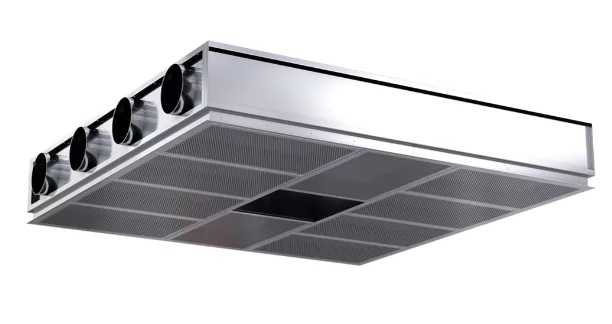
Ceiling Laminar Airflow Hood
#surgical #scrub #sink <br>What is a Laminar Flow Ceiling? <br>Design and Function: The system consists of a large air filter spanning the entire ceiling area under which sterile activities are performed. The purpose is to create a particle-free working environment by continuously flushing out air and airborne particles from the operating area. <br> <br>Laminar Flow: The term ‘laminar flow’ refers to the smooth, orderly movement of air in parallel layers with minimal or no cross-over of streamlines. In contrast, ‘turbulent flow’ is chaotic and occurs when different air layers mix. <br> <br>Air Filtration: Laminar Flow Ceilings use High-Efficiency Particulate Air (HEPA) filters, or in some cases Ultra Low Penetration Air (ULPA) filters, to capture minute particles that could be harmful. These filters remove more than 99.97% of particles larger than 0.3 micrometers, providing an exceptionally high degree of air purity. <br> <br>Air Distribution: The purified air is then dispersed uniformly across the room, maintaining a constant flow of filtered air. This uniform distribution of air “sweeps” away particles and contaminants from the operating area, reducing the risk of infection. <br> <br>The Necessity of Laminar Flow Ceilings <br>Minimizing Infection Risk <br>During surgical procedures, there is always a risk of infections caused by airborne particles and microbes. Laminar flow ceilings continuously flush out these contaminants from the air, significantly reducing the risk of post-surgical infections. <br> <br>Maintaining Sterile Environment <br>They help in maintaining a high degree of sterility in the working area, which is particularly important in operating rooms, intensive care units, and pharmaceutical labs, where the presence of airborne particles can have severe consequences. <br> <br>Regulatory Compliance <br>Many industries, such as healthcare and pharmaceuticals, have strict regulatory guidelines concerning air quality and sterility. Laminar flow ceilings are often a necessary component to comply with these guidelines and standards, such as those set forth by organizations like the FDA or WHO. <br> <br>Enhanced Workflow <br>With a controlled environment, healthcare professionals can work more efficiently without worrying about contamination or infection risks. This can also lead to better patient outcomes. <br> <br>OR Laminar airflow <br>GET QUOTE <br>Working Principle of laminar air flow ceiling <br>Air Drawing <br>Initially, air is drawn into the laminar flow ceiling system from the surrounding environment. This is done through an inlet, which usually has a pre-filter to eliminate larger particles. <br> <br>Filtration <br>The drawn air is then passed through a highly efficient filter, typically a HEPA (High Efficiency Particulate Air) filter, or in some cases, an ULPA (Ultra Low Penetration Air) filter. These filters are designed to capture extremely small particles, often as small as 0.3 micrometers for HEPA and 0.12 micrometers for ULPA filters. <br> <br>Laminar Flow Creation <br>After filtration, the air is pushed downward in a controlled, unidirectional manner. This streamlined airflow is the “laminar flow”. The air moves at the same speed and in the same direction, allowing it to “sweep” away any particulates or contaminants that may be in the environment. <br> <br>Constant Circulation <br>The system constantly draws in new air, filters it, and then pushes it into the room. This constant circulation helps maintain a clean and sterile environment by continuously flushing out potential contaminants. <br> <br>Benefits and Usage of Ceiling Laminar Airflow <br>Prevention of Contamination: The main benefit of a ceiling laminar air flow ceiling is the prevention of contamination. The constant, unidirectional flow of filtered air “sweeps” away any airborne particles or contaminants, thereby reducing the risk of contamination. <br> <br>Increased Sterility in Surgical Procedures: Laminar flow ceilings are particularly useful in operating rooms where they can help to prevent surgical site infections. By providing a constant flow of sterile air over the operating table, they create an environment that minimally contributes to potential infections. <br> <br>Versatility in Clean Environments: Apart from operating rooms, laminar flow ceilings are used in a wide range of applications that require clean environments, including laboratories, pharmaceutical manufacturing facilities, and electronics manufacturing facilities. <br> <br>Improved Product Quality: In manufacturing settings, particularly in the pharmaceutical, medical device, and electronics industries, laminar flow ceilings can help improve product quality by reducing the risk of product contamination during the manufacturing process. <br> <br>Compliance with Regulations: Many industries have strict regulations regarding cleanliness and sterility. Using laminar flow ceilings can help facilities comply with these regulations and maintain the necessary certifications. <br> <br>Energy Efficiency: Laminar flow ceilings provide efficient air circulation, which can contribute to energy savings in the long term by reducing the need for high-capacity HVAC systems to maintain the cleanliness and temperature of the environment. <br> <br>Laminar flow smoke test <br>Selecting the Right Laminar Flow Ceiling <br>Understanding Your Requirements <br>The first step is to fully understand the needs of your application. For example, the requirements for a surgical operating room may differ from those of a pharmaceutical manufacturing lab. <br> <br>Ceiling suspended laminar air flow <br>Space Constraints <br>Consider the dimensions of your room. The laminar flow ceiling needs to fit well within the available space. <br> <br>Airflow Type <br>Laminar flow can be vertical or horizontal. Vertical laminar flow is typically used in operating rooms to prevent contamination of the surgical site, while horizontal laminar flow may be used in certain laboratories or manufacturing environments. <br> <br>Filter Type <br>Laminar flow ceilings typically use HEPA (High-Efficiency Particulate Air) filters, which can trap particles as small as 0.3 microns. Some applications may require ULPA (Ultra Low Penetration Air) filters, which can capture even smaller particles. <br> <br>Compliance Standards <br>The laminar flow ceiling must meet the relevant regulatory standards for your industry. For example, in healthcare settings, the system may need to comply with specific ISO (International Organization for Standardization) standards or other regional healthcare regulations. <br> <br>For more information about laminar flow hood for sale and laminar flow hood price, please feel free to contact us! <br> <br>ICARELIFE, a leading provider of innovative healthcare solutions, is dedicated to revolutionizing hospital hygiene control and ensuring the safety of healthcare professionals worldwide.” <br>[a]https%3A%2F%2Ficarelife.com%2Fceiling-laminar-airflow-hood%2F[/a]
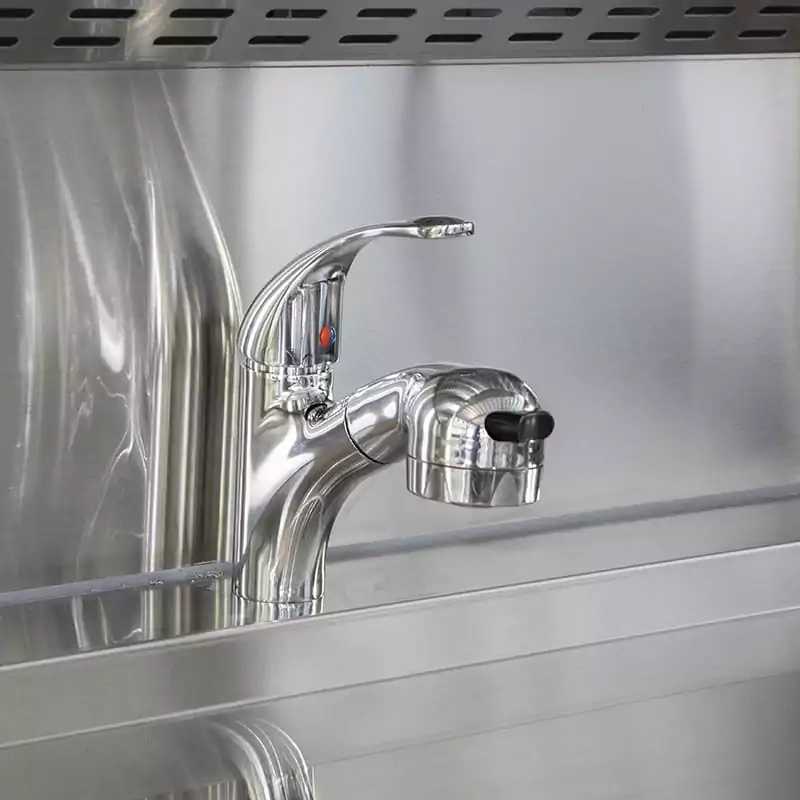
Acrylic Medical Scrub Sink
#surgical #sink <br>What is a Medical Scrub Sink? <br>Size and Design: operating room sink are typically larger than conventional sinks to accommodate thorough hand and forearm washing. They often have deep basins and high sides to prevent water from splashing and contaminating the surrounding area. <br> <br>Touchless Operation: Many modern scrub sink for operating room come equipped with sensor-operated or foot-controlled faucets. This touchless feature reduces the risk of re-contamination after washing. <br> <br>Material: They are usually made from stainless steel or other non-porous, easy-to-clean materials that can withstand rigorous cleaning procedures and chemicals. <br> <br>Integration: Most models incorporate dispensers for soap and hand sanitizers, as well as air dryers or disposable towel dispensers. <br> <br>The Necessity of Medical Scrub Sinks <br>Infection Prevention <br>The primary purpose of operating room scrub sink is to prevent the spread of infectious agents. These sinks are a critical part of preoperative procedures, enabling healthcare professionals to clean and disinfect their hands and forearms thoroughly. They act as the first line of defense against hospital-acquired infections, which are a significant concern in healthcare settings. <br> <br>Convenience and Efficiency <br>With integrated dispensers for soap and sanitizers, and often touchless operation, these sinks provide convenience and promote efficient pre-operative procedures. Healthcare professionals can quickly clean up without touching potentially contaminated surfaces, ensuring optimal hygiene levels. <br> <br>Regulatory Compliance <br>Regulatory bodies worldwide have set standards and guidelines for preoperative hand hygiene. Installing and using medical scrub sinks are a part of compliance with these standards, ensuring the healthcare facility meets or exceeds the required hygiene practices. <br> <br>Ergonomics <br>These sinks are designed with the comfort of the healthcare professional in mind. The height and depth of the sink, for instance, allow for thorough cleaning without unnecessary strain. The hands-free operating mechanisms also contribute to ease of use. <br> <br> <br>GET QUOTE <br>Working Principle of Medical Scrub Sinks <br>Infrared or Foot Pedal Operated <br>surgeons sink are typically hands-free, meaning they use infrared sensors or foot pedals to control the flow of water. This design limits direct contact with the sink, thus reducing the risk of cross-contamination. <br> <br>Water Flow <br>Once activated by the infrared sensor or foot pedal, the faucet releases water. The flow rate is typically calibrated to be steady and gentle to avoid water splashing, which could lead to potential spread of contaminants. <br> <br>Soap Dispenser <br>medical hand wash sink usually incorporate a soap dispenser. In many models, this dispenser is also hands-free, releasing a set amount of soap when it detects the presence of hands underneath. This design ensures an adequate amount of soap is used for each wash, which is crucial for effective disinfection. <br> <br>Drainage System <br>The sink basin is designed to prevent water from pooling. It is tilted at an angle to facilitate drainage, keeping the sink as dry as possible when not in use, which aids in preventing bacterial growth. <br> <br>Thermostatic Mixing Valve (Optional) <br>Some advanced single scrub sink have a thermostatic mixing valve that blends hot and cold water to deliver water at a safe, controlled temperature, minimizing the risk of scalding. <br> <br>Benefits of Medical Scrub Sink <br>Infection Control: The primary benefit of a medical scrub sink is the ability to maintain a high level of hygiene and infection control. The hands-free design reduces the chance of cross-contamination by eliminating the need to touch the faucet or soap dispenser. <br> <br>Efficient Workflow: The ergonomic design of operation theatre scrub sink promotes an efficient workflow. Features like automatic water and soap dispensers, along with the integration of scrub timers, ensure that healthcare workers spend a sufficient amount of time washing their hands and arms in compliance with scrub protocols. <br> <br>Versatility: These sinks are versatile and can be installed in a variety of healthcare settings, including operating rooms, intensive care units, clinics, and laboratories. They can also be designed with one or more stations to accommodate multiple users at a time. <br> <br>Durability: Medical scrub sinks are often made from durable materials like stainless steel, ensuring a long-lasting solution that can withstand heavy use in a high-paced environment. <br> <br>Safety: Some scrub sinks feature thermostatic mixing valves to ensure a safe, constant water temperature, thus protecting users from potential scalding. <br> <br>Acrylic Scrub Sink <br>Selecting the Right Medical Scrub Sink <br>Material Quality <br>Medical scrub sinks should be made from high-quality materials that can withstand heavy usage. Stainless steel is a popular choice due to its durability, corrosion resistance, and easy-to-clean surface. <br> <br>Lab scrub sink-stainless steel <br>Hands-Free Operation <br>To minimize the risk of cross-contamination, look for sinks that offer hands-free operation. This feature can include sensor-activated faucets, soap dispensers, and scrub timers. <br> <br>Size and Design <br>Consider the size of the space where the sink will be installed. If you have a small area, a single station sink may be more suitable. In larger areas, or in settings where multiple healthcare workers need to scrub at the same time, a multi-station scrub sink could be more efficient. <br> <br>Ease of Installation <br>Choose a scrub sink that can be easily installed in your existing plumbing setup. Some models come pre-assembled or with comprehensive installation guides. <br> <br>Ergonomics <br>The sink should be designed with the user’s comfort in mind. The height and depth of the sink, the positioning of the faucet and soap dispenser, and the availabilit <br> <br>For more information about scrub sink station and scrub sink dimensions , please feel free to contact us! <br> <br>ICARELIFE, a leading provider of innovative healthcare solutions, is dedicated to revolutionizing hospital hygiene control and ensuring the safety of healthcare professionals worldwide.” <br>[a]https%3A%2F%2Ficarelife.com%2Facrylic-medical-scrub-sink%2F[/a]
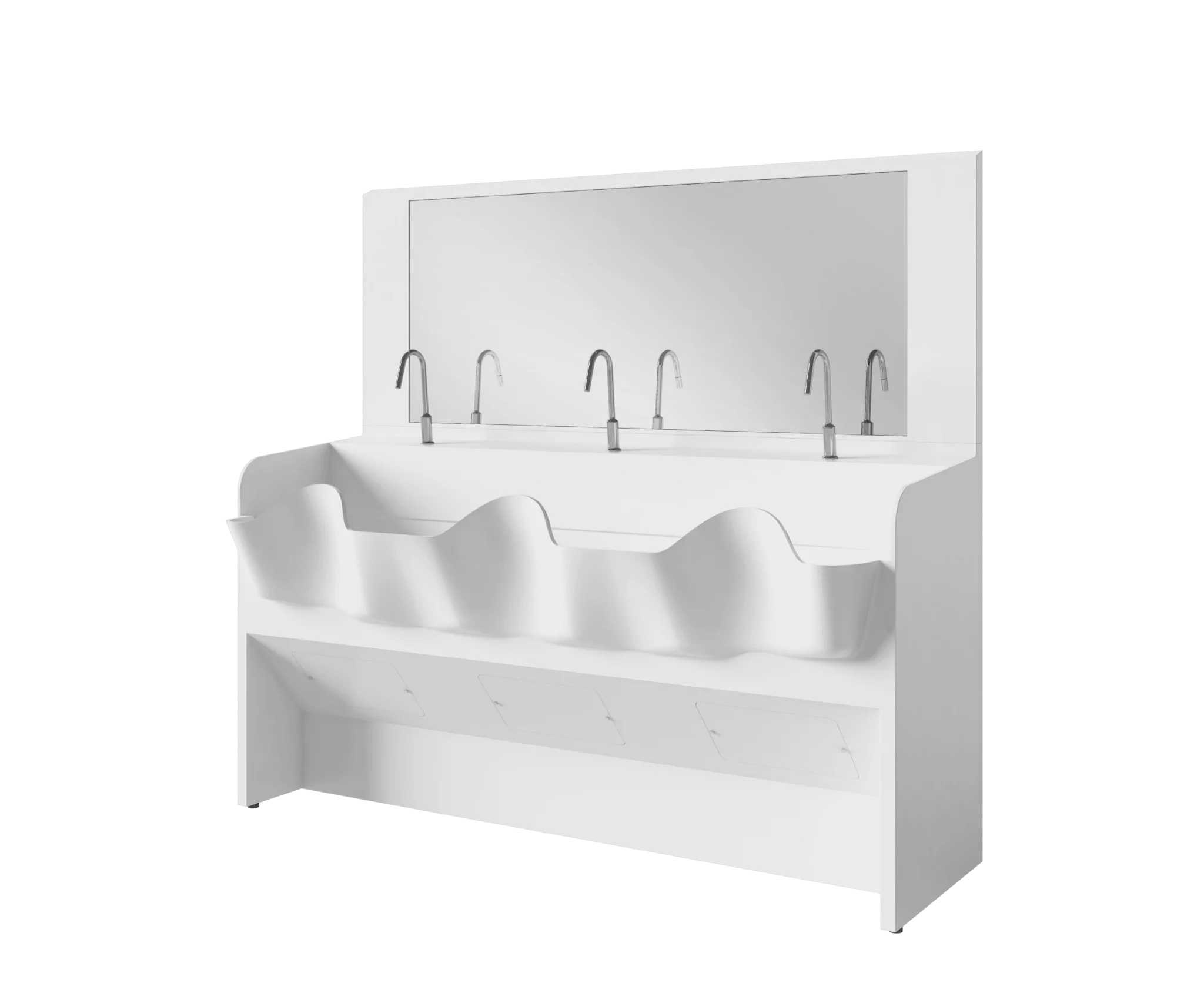
Acrylic Medical Scrub Sink
#or #control #panel <br> <br>What is a surgical scrub sinks for sale? <br>Size and Design: operating room scrub sink are typically larger than conventional sinks to accommodate thorough hand and forearm washing. They often have deep basins and high sides to prevent water from splashing and contaminating the surrounding area. <br> <br>Touchless Operation: Many modern scrub sinks come equipped with sensor-operated or foot-controlled faucets. This touchless feature reduces the risk of re-contamination after washing. <br> <br>Material: They are usually made from stainless steel or other non-porous, easy-to-clean materials that can withstand rigorous cleaning procedures and chemicals. <br> <br>Integration: Most models incorporate dispensers for soap and hand sanitizers, as well as air dryers or disposable towel dispensers. <br> <br>The Necessity of Medical surgical sink <br>Infection Prevention <br>The primary purpose of medical scrub sink is to prevent the spread of infectious agents. These sinks are a critical part of preoperative procedures, enabling healthcare professionals to clean and disinfect their hands and forearms thoroughly. They act as the first line of defense against hospital-acquired infections, which are a significant concern in healthcare settings. <br> <br>Convenience and Efficiency <br>With integrated dispensers for soap and sanitizers, and often touchless operation, these sinks provide convenience and promote efficient pre-operative procedures. Healthcare professionals can quickly clean up without touching potentially contaminated surfaces, ensuring optimal hygiene levels. <br> <br>Regulatory Compliance <br>Regulatory bodies worldwide have set standards and guidelines for preoperative hand hygiene. Installing and using medical scrub sinks are a part of compliance with these standards, ensuring the healthcare facility meets or exceeds the required hygiene practices. <br> <br>Ergonomics <br>These sinks are designed with the comfort of the healthcare professional in mind. The height and depth of the sink, for instance, allow for thorough cleaning without unnecessary strain. The hands-free operating mechanisms also contribute to ease of use. <br> <br>Working Principle of Medical Scrub Sinks <br>Infrared or Foot Pedal Operated <br>scrub sink for operating room are typically hands-free, meaning they use infrared sensors or foot pedals to control the flow of water. This design limits direct contact with the sink, thus reducing the risk of cross-contamination. <br> <br>Water Flow <br>Once activated by the infrared sensor or foot pedal, the faucet releases water. The flow rate is typically calibrated to be steady and gentle to avoid water splashing, which could lead to potential spread of contaminants. <br> <br>Soap Dispenser <br>Medical scrub sinks usually incorporate a soap dispenser. In many models, this dispenser is also hands-free, releasing a set amount of soap when it detects the presence of hands underneath. This design ensures an adequate amount of soap is used for each wash, which is crucial for effective disinfection. <br> <br>Drainage System <br>The sink basin is designed to prevent water from pooling. It is tilted at an angle to facilitate drainage, keeping the sink as dry as possible when not in use, which aids in preventing bacterial growth. <br> <br>Thermostatic Mixing Valve (Optional) <br>Some advanced medical scrub sinks have a thermostatic mixing valve that blends hot and cold water to deliver water at a safe, controlled temperature, minimizing the risk of scalding. <br> <br>Benefits of Medical Scrub Sink <br>Infection Control: The primary benefit of a medical scrub sink is the ability to maintain a high level of hygiene and infection control. The hands-free design reduces the chance of cross-contamination by eliminating the need to touch the faucet or soap dispenser. <br> <br>Efficient Workflow: The ergonomic design of medical scrub sinks promotes an efficient workflow. Features like automatic water and soap dispensers, along with the integration of scrub timers, ensure that healthcare workers spend a sufficient amount of time washing their hands and arms in compliance with scrub protocols. <br> <br>Versatility: These sinks are versatile and can be installed in a variety of healthcare settings, including operating rooms, intensive care units, clinics, and laboratories. They can also be designed with one or more stations to accommodate multiple users at a time. <br> <br>Durability: Medical scrub sinks are often made from durable materials like stainless steel, ensuring a long-lasting solution that can withstand heavy use in a high-paced environment. <br> <br>Safety: Some scrub sinks feature thermostatic mixing valves to ensure a safe, constant water temperature, thus protecting users from potential scalding. <br> <br>Acrylic Scrub Sink <br>Selecting the Right Medical Scrub Sink <br>Material Quality <br>Medical scrub sinks should be made from high-quality materials that can withstand heavy usage. Stainless steel is a popular choice due to its durability, corrosion resistance, and easy-to-clean surface. <br> <br>Lab scrub sink-stainless steel <br>Hands-Free Operation <br>To minimize the risk of cross-contamination, look for sinks that offer hands-free operation. This feature can include sensor-activated faucets, soap dispensers, and scrub timers. <br> <br>Size and Design <br>Consider the size of the space where the sink will be installed. If you have a small area, a single station sink may be more suitable. In larger areas, or in settings where multiple healthcare workers need to scrub at the same time, a multi-station scrub sink could be more efficient. <br> <br>Ease of Installation <br>Choose a scrub sink that can be easily installed in your existing plumbing setup. Some models come pre-assembled or with comprehensive installation guides. <br> <br>Ergonomics <br>The sink should be designed with the user’s comfort in mind. The height and depth of the sink, the positioning of the faucet and soap dispenser, and the availability <br> <br>If you are looking for a reliable modular ot company, don't hesitate to contact us! <br> <br>[a]https%3A%2F%2Ficarelife.com%2Facrylic-medical-scrub-sink%2F[/a]
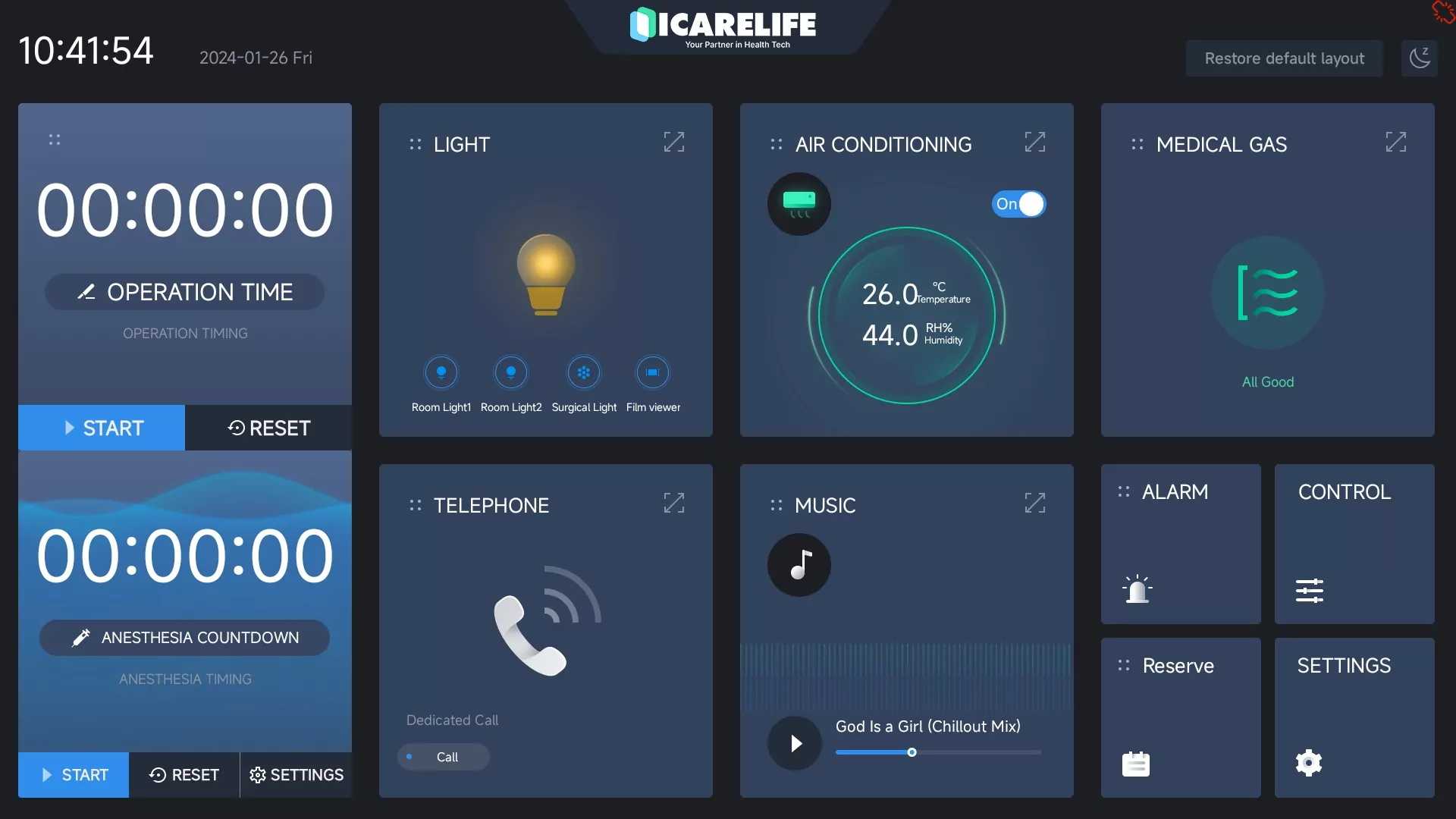
Operating Room Control Panel
#theatre #control #panel <br>What is OR Control Panel? <br>Central Interface: A operating room control panel serves as a central interface or dashboard for managing, controlling, and monitoring various aspects of medical systems or equipment. <br>Ease of Operation: It provides ease of operation, facilitating control of various parameters or settings pertaining to specific procedures or operations. This could include controlling lighting, temperature, medical gas flow, or device operation settings, to name a few examples. <br>Broad Applicability: theatre control panel may be part of a variety of medical devices or systems, from imaging machines and patient monitoring systems to laboratory equipment or integral components of an operating room. <br>Displays: operating theatre control panel often feature displays—either analog or digital—that provide user feedback about the system’s status or any adjustments made. <br>Critical Interface: The human-machine interface that control panels provide is critical for precision, operational efficiency, and safety within healthcare environments. <br>The Necessity of Control Panels <br>Operational Efficiency <br>Control panels are crucial for improving operational efficiency by enabling healthcare professionals to easily operate and monitor various systems and equipment in medical settings. <br> <br>Improved Safety <br>By providing a clear interface to control and monitor various aspects of medical systems and equipment, control panels can significantly enhance the safety of patients and healthcare professionals. <br> <br>Ease of Use <br>Control panels simplify the use of complex medical equipment and systems by offering an intuitive user interface. This reduces the learning curve and allows for more widespread usage of such systems. <br> <br>Proactive Monitoring <br>or control panel often provide monitoring capabilities that help in early detection of potential issues, ensuring smooth operation and minimizing downtime of the medical equipment or system. <br> <br>Working Principle of Control Panels <br>Input Devices <br>Control panels receive input from the user through devices such as switches, buttons, touchscreens, or dials. These input devices are designed to accept human manipulation and translate it into a signal that can be understood by the control system. <br> <br>Processing Unit <br>The heart of a control panel is its processor, which interprets signals from the input devices and uses them to execute preprogrammed instructions. <br> <br>Output Devices <br>After processing the inputs, the control panel sends signals to output devices that perform the desired actions. Output devices can include various types of equipment, from lighting systems to medical devices and other types of machinery. <br> <br>Feedback Mechanism <br>Many control panels also incorporate feedback mechanisms. These mechanisms allow the system to monitor its own output and make adjustments as necessary to maintain the desired level of performance. <br> <br>User Interface <br>The control panel’s user interface enables humans to interact with the system. It typically includes physical components such as buttons or switches, as well as digital elements like display screens and software interfaces. <br> <br>Benefits and Usage of Control Panels <br>Centralized Control: Control panels serve as a central point from which various systems or devices can be controlled. This consolidates command functions and simplifies the user’s task. <br> <br>Enhanced Efficiency: By automating processes and providing quick access to control functions, control panels can significantly enhance operational efficiency. They can automate complex sequences of tasks, reducing manual work and the potential for errors. <br> <br>Improved Safety: In many instances, control panels contribute to improved safety by enabling users to monitor and control processes remotely, thus minimizing direct interaction with potentially dangerous equipment or processes. <br> <br>Flexibility and Scalability: Control panels can be designed to handle a wide range of tasks, from simple to complex, and can be scaled up or down as necessary to meet the requirements of different applications. <br> <br>User-friendly Interfaces: Modern control panels often feature user-friendly interfaces that make them easy to use, even for individuals without extensive technical knowledge. <br> <br>Cost-Effective Operations: By optimizing process control and reducing the need for manual intervention, control panels can help to lower operational costs. <br> <br>If you are looking for a reliable modular operation theater manufacturer, don't hesitate to contact us! <br>[a]https%3A%2F%2Ficarelife.com%2Foperating-room-control-panels%2F[/a]
About icare life's Store
No description provided.
0.0
Customer Reviews
See what others are saying about icare life's Store. We verify purchases to ensure reviews are genuine.
No reviews yet for this store.