

zhaoqiangseal's Store
Owned by zhaoqiangseal Joined Jun 2024 4 Listings
zhaoqiangseal's Store
easyid.me/biz/zhaoqiangseal-52c70b • Verified Store
Scan to open official EasyID digital store, view live catalog, or save business card.
Verified Merchant
EasyID Certified Seller
Fast 24h Packing
Direct courier dispatch
Zero Escrow Direct
Direct merchant settlement
Store Listings (4)
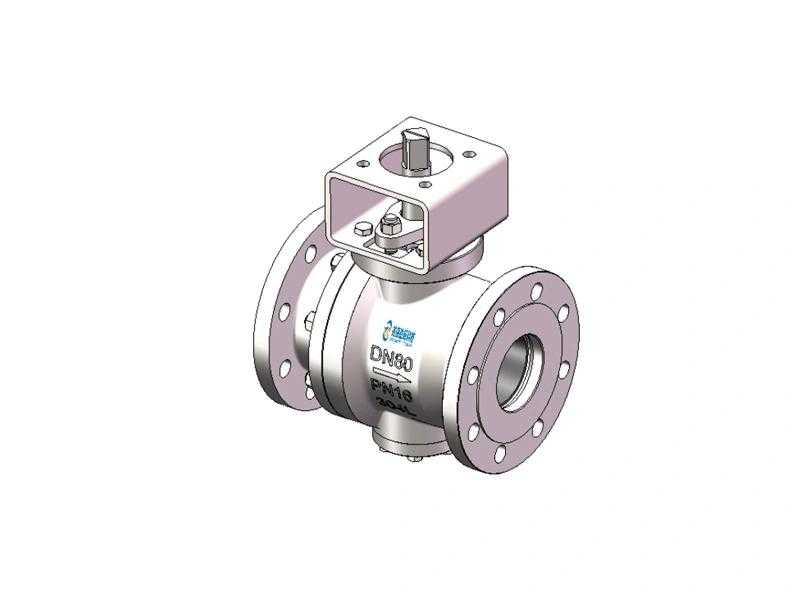
Full Bore Fixed Wear-Resistant and Corrosion-Resistant Ball Valve
#seal #manufacturers <br>[a]https%3A%2F%2Fwww.zhaoqiangseal.com%2Fproducts%2Ffull-bore-fixed-wear-resistant-and-corrosion-resistant-ball-valve%2F[/a] <br> <br> <br>Full Bore Fixed Wear-Resistant and Corrosion-Resistant Ball Valve <br>A Full Bore Fixed Wear-Resistant and Corrosion-Resistant Ball Valve is a specialized type of valve designed for optimal performance in harsh environments where both high wear and corrosion are major concerns. This type of valve is particularly suited for industries such as mining, chemical processing, oil and gas, and water treatment, where the flow of abrasive or corrosive fluids can quickly degrade standard valves. <br> <br>Article Details of Full Bore Fixed Wear-resistant & Corrosion-resistant Ball Valve <br>No. Article name Material <br>1 Valve body A182 F304L or CF3 <br>2 Valve seat Ti <br>3 Spring X-750 <br>4 Wedge washer 304 <br>5 Seat Filler Flexible graphite <br>6 Stuffing box A182 F304 <br>7 Rod packing Flexible graphite/PTFE <br>8 Trestle CS <br>9 Hold-down grid 304 <br>10 SPIRAL WOUND GASKET 304+Flexible graphite <br>11 Valve stem 17-4PH <br>12 Upper valve stem support sleeve Teflon <br>13 Spheroid Ti <br>14 Lower valve stem support sleeve Teflon <br>15 Lower valve stem 304 <br>16 Hex nut A194 8 <br>17 Full thread stud A193 B8 <br> <br>Key Features of Full Bore Fixed Wear-resistant & Corrosion-resistant Ball Valve <br>Full Bore Design: The full bore design of these valves means that the diameter of the valve opening matches the diameter of the pipeline. This design minimizes pressure drop across the valve and allows for the unobstructed flow of fluids, including slurries and viscous fluids. <br> <br>Wear Resistance: These valves are constructed from materials that are highly resistant to wear, such as hardened stainless steel, ceramics, or titanium-based cermets. The choice of material depends on the specific application and the nature of the fluids being handled. <br> <br>Corrosion Resistance: Corrosion-resistant materials like high-grade stainless steel, Hastelloy, titanium, or special alloys are used to withstand aggressive chemicals and prevent premature valve failure due to corrosion. <br> <br>Fixed Ball Configuration: The ball in these valves is fixed and not free-floating. This design provides better stability and is suitable for high-pressure applications, ensuring a reliable seal and reducing the likelihood of leakage. <br> <br>Advantages of Full Bore Fixed Wear-resistant & Corrosion-resistant Ball Valve <br>High Flow Capacity: The full bore design allows for maximum flow capacity, making these valves ideal for applications requiring the rapid movement of large volumes of fluid. <br> <br>Reduced Clogging: The straight-through flow path reduces the chances of clogging, which is crucial in handling slurries or fluids with suspended solids. <br> <br>Enhanced Durability: The use of wear-resistant and corrosion-resistant materials extends the life of the valve, reduces maintenance costs, and minimizes downtime. <br> <br>Versatility: These valves can handle a wide range of temperatures and pressures, making them suitable for a variety of industrial applications. <br> <br>Applications of Full Bore Fixed Wear-resistant & Corrosion-resistant Ball Valve <br>Mining and Mineral Processing: Handling slurry and other abrasive materials. <br> <br>Chemical Industry: Controlling the flow of corrosive substances. <br> <br>Oil and Gas: Managing the flow of crude oil, natural gas, and treatment chemicals. <br> <br>Water Treatment: Regulating the flow of water and treatment chemicals in both municipal and industrial settings. <br> <br>Manufacturing and Maintenance of Full Bore Fixed Wear-resistant & Corrosion-resistant Ball Valve <br>Manufacturing Techniques: Advanced manufacturing techniques such as precision casting or forging are used to create the valve bodies. High-precision machining ensures that components fit perfectly, providing a tight seal and smooth operation. <br> <br>Maintenance Practices: Regular inspection and maintenance are crucial, especially in harsh operating conditions. Components subject to wear, such as seals and the ball itself, should be checked periodically and replaced as needed to ensure optimal performance and prevent failures. <br> <br>Now the price of full bore sanitary ball valve is reasonable, if you have needs to buy full bore ball valve, please contact us. <br> <br>If you want to buy 15mm full bore ball valve, full bore lever ball valve 22mm and full bore lever ball valve 28mm, please leave us a message. <br> <br>Since 2000, Zigong Zhaoqiang Sealing Products Co., Ltd. has been committed to the research and development of innovative magnetic fluid and titanium-based cermet materials. The company possesses high-tech qualifications and holds a prestigious position within the industry. As a member of the National Mechanical Seal Association, Zhaoqiang Seal represents the pinnacle of national high-tech enterprises and leads the way in providing core application materials for magnetic seals nationwide.
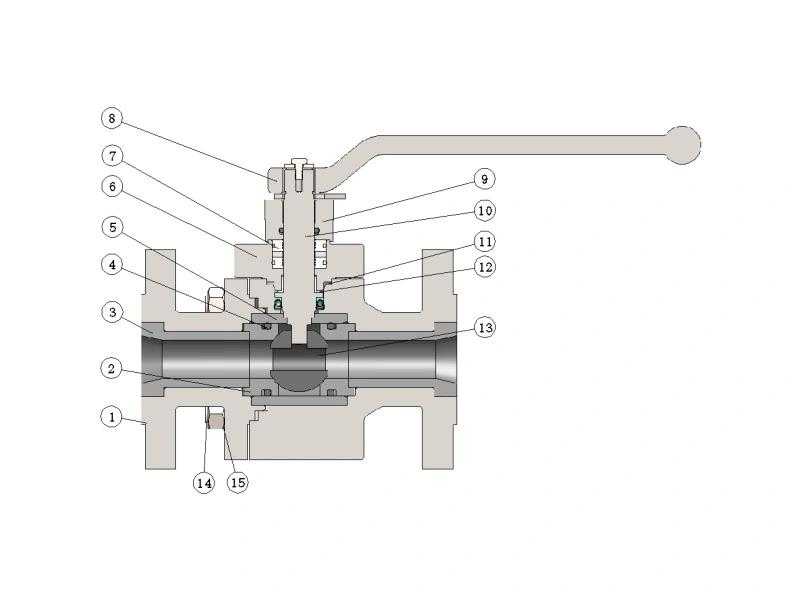
Floating Magnetic Fluid Sealed Ball Valve
#zhaoqiang <br>[a]https%3A%2F%2Fwww.zhaoqiangseal.com%2Fproducts%2Ffloating-magnetic-fluid-sealed-ball-valve%2F[/a] <br> <br> <br>Floating Magnetic Fluid Sealed Ball Valve <br>A Floating Magnetic Fluid Sealed Ball Valve is an innovative type of valve that incorporates advanced sealing technology using magnetic fluids (ferrofluids) to achieve superior sealing performance. This type of magnetic ball valve is particularly useful in applications where leakage prevention is critical, such as in high-precision fluid control systems in the semiconductor, pharmaceutical, and aerospace industries. <br> <br>Article Details of Floating Magnetic Fluid Sealed Ball Valve <br>No. Article name Material <br>1 Valve body A182 F304L or CF3 <br>2 Valve seat Ti <br>3 Joint fittings Ti <br>4 Sealing ring VITON <br>5 Bushing Ti <br>6 Stuffing box 304 <br>7 Sealing components Magnetic fluid <br>8 Hand shank CF8 <br>9 Magnetic fluid sealing pressure plate 304 <br>10 Valve rod 304+Magnetic guide ring <br>11 Washer PTFE <br>12 Stem support ring PTFE <br>13 Ball Ti <br>14 Hex nut A194 8 <br>15 Full thread stud A193 B8 <br> <br>Key Features of Floating Magnetic Fluid Sealed Ball Valves <br>Floating Ball Design: Unlike fixed ball valves, the ball in a floating ball valve is not rigidly fixed but is held in place by the compression of the two elastomeric seats against the ball. The ball floats slightly with the pressure of the fluid, which helps to maintain a tight seal against the downstream seat. <br> <br>Magnetic Fluid Seal: Magnetic fluid, or ferrofluid, is a liquid that becomes strongly magnetized in the presence of a magnetic field. In these valves, a magnetic field is applied around the area where the stem exits the valve body, creating a dynamic seal that prevents leakage. The fluid forms a flexible, low-friction seal that can adjust dynamically to changes in pressure and temperature. <br> <br>High Sealing Efficiency: The magnetic fluid seal provides an almost perfect seal, significantly reducing the risk of leakage. This is particularly important in applications involving toxic, flammable, or expensive fluids. <br> <br>Minimal Wear and Tear: Since the magnetic fluid forms a seal without physical contact, the wear and tear on the valve components are greatly reduced, extending the lifespan of the valve. <br> <br>Advantages of Floating Magnetic Fluid Sealed Ball Valves <br>Exceptional Leak Prevention: The use of ferrofluids ensures that the seal is both flexible and robust, providing superior leakage protection. <br> <br>Reduced Maintenance: The non-contact nature of the magnetic fluid seal results in less wear and tear, reducing the frequency of maintenance and replacement. <br> <br>High Precision Fluid Control: The precise control over the valve operation allows for very accurate flow regulation, which is ideal for applications in industries where this is critical. <br> <br>Versatility: These valves can be used in a variety of applications, handling everything from gases to liquids, and can operate under a wide range of temperatures and pressures. <br> <br>Applications of Floating Magnetic Fluid Sealed Ball Valves <br>Semiconductor Manufacturing: Used in the production of semiconductors where extremely precise control of gases and chemicals is required. <br> <br>Pharmaceuticals: In manufacturing processes where contamination and leakage can compromise the quality of pharmaceutical products. <br> <br>Aerospace: For fuel systems and other applications where leakage can be catastrophic. <br> <br>Research and Development: In laboratory settings where precise control of experimental conditions is necessary. <br> <br>Manufacturing and Maintenance of Floating Magnetic Fluid Sealed Ball Valves <br>Manufacturing Techniques: The manufacturing of these valves requires precision engineering. The components must be machined to high tolerances to ensure the effectiveness of the magnetic fluid seal. <br> <br>Maintenance Practices: While the wear and tear are reduced, regular checks are necessary to ensure the integrity of the magnetic fluid seal. The magnetic fluid may need to be replenished or replaced periodically. <br> <br>Now the price of fluid control devices is reasonable, if you want to buy flow control equipment, please contact us. <br> <br>As one of seal manufacturers, we will do our best to meet all the needs of customers.
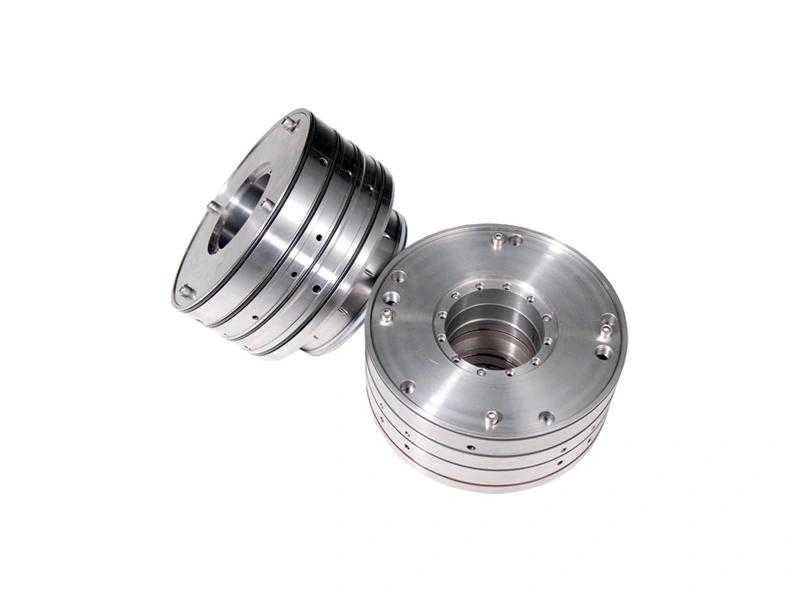
Dry Gas Seal For Screw Compressors
#seal #manufacturing #companies <br>[a]https%3A%2F%2Fwww.zhaoqiangseal.com%2Fproducts%2Fdry-gas-seal-for-compressors%2F[/a] <br> <br> <br>Dry Running Seals For Screw Compressors <br>Pressure: 0-20Mpa <br> <br>Temperature: -180 ℃~280 ℃ <br> <br>Linear speed: 0-200m/s <br> <br>Shaft diameter: 25-350mm <br> <br>Category: Dry Gas Seal <br> <br>Features of Dry Gas Seal For Screw Compressors <br>1. Compliance with the API617 standard. <br> <br>2. Implementation of an advanced fluid dynamic pressure groove design to guarantee dependable sealing performance. <br> <br>3. Utilization of lightweight dynamic rings, featuring a floating structure, to minimize the impact on the compressor rotor's dynamic performance. <br> <br>4. Equipped with metal components for exterior circular protection, suitable for diverse and challenging working environments. <br> <br>5. The primary seal, absent of serial intermediate comb teeth, is capable of tolerating the full process medium pressure. <br> <br>6. The secondary seal serves as a safety measure, operating under low pressure and able to withstand full pressure operation in case of primary seal failure. <br> <br>7. Majority of the leaked medium at the first level is redirected to the recovery system or vented at a high point, with a minor quantity of process gas escaping into the atmosphere. <br> <br>8. Features non contact seal bearing operation, offering energy efficiency, safety, environmental friendliness, reliable performance, ease of operation, and a service lifespan exceeding 5 years. <br> <br>Working Conditions of Dry Gas Non-Contacting Seals For Screw Compressors <br>1. Compatibility with diverse industrial gases. <br> <br>2. Primarily tailored for medium to high-pressure working environments, encompassing cracking gas, synthetic gas, circulating hydrogen, circulating gas, natural gas, ethylene gas, propylene gas, and feed gas, among others. <br> <br>3. Ideal for scenarios where cost-effective gas recovery is crucial, including helium and LNG applications. <br> <br>Now the price of centrifugal compressor seals is reasonable, if you have needs to buy compressor mechanical seal, please contact us. <br> <br>If you want to know more types of non contact mechanical seal, non contact labyrinth seal, please visit our website. <br> <br>As one of seal manufacturing companies, we will do our best to meet all the needs of customers.
Dry Gas Seal
#industrial #seal #manufacturer <br>[a]https%3A%2F%2Fwww.zhaoqiangseal.com%2Fproducts%2Fdry-gas-seal%2F[/a] <br> <br> <br>Dry Gas Seal <br>Dry gas seals provide contactless sealing solution for rotating shafts in high-speed equipment. Clean and dry air or inert gases are injected into a precise clearance between the shaft and seal housing, forming a stable gas film that serves as a non-contact barrier against external environment. <br> <br>Without liquid or additional magnets, our dry gas mechanical seals feature simple and compact structure, adaptive sealing, and frictionless operation. The non-contact gas film eliminates wear and leakage issues associated with mechanical seals. Cooling effect and long service life are also achieved. <br> <br>Our dry gas ultra high vacuum seals are customizable with multiple tandem seal stages for enhanced sealing performance. Various dimensions and mounting configurations are available to fit diverse equipment needs in aerospace, oil and gas, food and pharmaceutical, electronic and semiconductor industries. <br> <br>Providing reliable, maintenance-free and environmentally clean sealing, our dry gas seals are ideal solutions for high-speed rotating machinery. Contact us today to find the optimal sealing for your application! <br> <br>Dry Gas Seal Types <br>Dry Gas Seal For Screw Compressors <br>Dry Gas Seal Components <br>Dry gas seals are a type of mechanical seal predominantly used in rotary equipment such as compressors and turbines, where they seal the shafts against gas leaks. They are called "dry" because they operate without lubricating oil in the sealing environment, relying instead on a gas (often the process gas itself) as a lubricant. This design helps minimize contamination and is particularly beneficial in applications where environmental regulations restrict emissions. <br> <br>Key Components of Dry Gas Seals: <br> <br>Seal Faces: <br> <br>Primary Seal Ring (Rotating Seal Face): This component is attached to the shaft and rotates with it. It is typically made from hard materials like silicon carbide or tungsten carbide to withstand the operational conditions. <br> <br>Mating Ring (Stationary Seal Face): This ring remains stationary and is mounted to the seal housing. It is made from similar hard materials as the primary seal ring to ensure durability and resistance against wear. <br> <br>Secondary Seals: <br> <br>O-rings or Bellows: These provide a static sealing function between the moving parts of the seal and the stationary parts. Materials used for secondary seals include elastomers like Viton, PTFE, or other polymers, depending on the temperature and chemical properties of the gas. <br> <br>Seal Housing: <br> <br>This component holds the stationary parts of the seal and is connected to the casing of the machine. It is designed to withstand the pressure and chemical environment of the application. <br> <br>Spring (or Springs): <br> <br>These are used to maintain the force needed to keep the seal faces together. Springs can be a single coiled spring, multiple springs, or a wave spring, depending on the design. <br> <br>Gas Panel (Control System): <br> <br>The gas panel regulates the supply and pressure of the gas used in the seal. It ensures that the seal operates under optimal conditions by providing a clean, dry, and appropriately pressurized gas barrier between the seal faces. <br> <br>Labyrinth Seals: <br> <br>These are non-contacting seals that prevent the migration of gas from high-pressure areas to low-pressure areas. They work by creating a tortuous path for the gas, reducing its pressure through a series of ridges and grooves. <br> <br>Sleeve or Shaft Sleeve: <br> <br>This component fits over the shaft to provide a smooth and compatible surface for the rotating seal face to run against. It protects the shaft from wear and corrosion. <br> <br>Distance Piece: <br> <br>This part separates the process gas side from the atmospheric side, helping to maintain the integrity of the seal environment. <br> <br>Functioning of Dry Gas Seals: <br> <br>The operation of a dry gas seal involves a thin film of gas (usually the process gas itself) that is maintained between the rotating and stationary seal faces. The gas film is controlled in thickness by the gas panel system, which injects gas at a pressure slightly higher than the process pressure. This film not only acts as a lubricant to reduce wear and heat generation but also effectively seals the high-pressure gas within the machinery, preventing leaks. <br> <br>Dry gas seals are highly efficient, reduce emissions, and are crucial in applications where environmental safety and operational efficiency are paramount. They are especially favored in the oil and gas industry, chemical processing, and places where the purity of the process medium is critical. <br> <br>Dry Gas Seal Working Principle <br>1. A small clearance is set between the rotating shaft and the seal housing. <br> <br>2. Clean and dry compressed air or inert gases are supplied into the clearance gap. <br> <br>3. The gas forms a stable aerodynamic thin film that separates the internal environment from external contaminations. <br> <br>4. By adjusting the supply pressure and flow rate of the gas, different extents of sealing performance can be achieved. <br> <br>5. If the clearance gap changes due to axial or radial displacements of the shaft, the gas film can adapt and repair itself automatically. <br> <br>6. The gas exhibits a gas-riding state in the gap without contacting the shaft surface, thereby realizing wear-free sealing. <br> <br>7. The exhaust gas also takes away heat from the shaft neck area, providing a cooling effect. <br> <br>Leveraging a non-contact gas film, dry gas seals offer frictionless and wear-free sealing with simple structure and wide applicability. They are commonly used for sealing high-speed rotating machinery across industries. <br> <br>Applications of Dry Gas Seals <br>1. Turbo machinery - Used in compressors, steam and gas turbines to seal bearings and prevent leakage of process fluids. Enables improved efficiency and reliability. <br> <br>2. Aerospace - Applied in aircraft engines, gearboxes and transmission systems to withstand extreme temperatures and shaft speeds. Ensures aviation safety. <br> <br>3. Oil and gas - Employed for critical services like pipelines, blowers, centrifugal pumps to enable zero leakage and reduce downtime. Withstands harsh conditions. <br> <br>4. Semiconductor manufacturing - Utilized in vacuum pumps, wafer handling robots, lithography systems to seal vacuum environments. Prevents contamination. <br> <br>5. Food processing - Implemented in mixers, homogenizers and rotary equipment for hygienic sealing. Complies with sanitary requirements. <br> <br>6. Other applications - Used in machine tools, motors, generators, pumps across industries where clean and reliable sealing of rotating shafts is required. <br> <br>With customizable designs and proven reliability, dry gas seals effectively meet challenging sealing requirements in high-speed rotating machinery across diverse industries. <br> <br>Dry Gas Seal Installation <br>Installing a dry gas seal correctly is crucial for ensuring optimal performance, reliability, and longevity of both the seal and the rotary equipment it serves. The installation process must be carried out with precision and care, following the manufacturer's guidelines closely. Below is a general overview of the steps involved in installing a dry gas seal in rotary equipment such as compressors or turbines: <br> <br>1. Preparation <br> <br>Review Documentation: Before beginning the installation, thoroughly review the manufacturer’s installation instructions, drawings, and specifications. Understand the requirements specific to the seal and equipment. <br> <br>Inspect Components: Check all seal components for any damage or defects. Ensure that all parts are clean and free from contaminants. <br> <br>Prepare Tools and Equipment: Gather all necessary tools and equipment for the installation. This might include torque wrenches, dial indicators, micrometers, and cleaning supplies. <br> <br>2. Equipment Preparation <br> <br>Cleanliness: Ensure that the area around the equipment and the equipment itself (shaft, seal chamber, etc.) is clean and free of debris. Use lint-free cloths and appropriate cleaning solvents. <br> <br>Component Removal: Remove the existing seal and related components carefully. Inspect the shaft and housing for wear or damage and repair if necessary. <br> <br>3. Seal Installation <br> <br>Install Shaft Sleeve (if applicable): Fit the shaft sleeve onto the shaft, ensuring it is properly aligned and secured. <br> <br>Mount Stationary Seal Components: Install the stationary parts of the seal, such as the mating ring and gland plate, into the seal housing. Ensure they are correctly positioned and secured. <br> <br>Install Rotating Seal Components: Carefully install the rotating seal face onto the shaft or shaft sleeve. Ensure it is aligned correctly with the stationary face. <br> <br>Set Spring Load (if applicable): Adjust the spring to the correct load specification to ensure proper face loading. This is critical for maintaining the thin gas film between the seal faces. <br> <br>Verify Alignment: Use dial indicators to check the alignment of the seal faces and make adjustments as necessary. Proper alignment is crucial to prevent excessive wear and premature failure. <br> <br>4. Connect Gas Supply and Control System <br> <br>Install Gas Panel: Mount and connect the gas panel according to the manufacturer's instructions. This system controls the barrier gas pressure and flow to the seal. <br> <br>Leak Testing: Perform leak testing on all fittings and connections to ensure there are no gas leaks. <br> <br>5. Final Checks and Commissioning <br> <br>Rotation Check: Manually rotate the shaft to ensure that there is no binding or abnormal resistance. <br> <br>Operational Test: Conduct a controlled startup to verify that the seal and equipment are functioning correctly. Monitor for any abnormal noise, vibration, or leakage. <br> <br>Set Operating Parameters: Adjust the gas flow and pressure as per the operational requirements of the seal and process. <br> <br>6. Documentation and Reporting <br> <br>Record Installation Details: Document all relevant installation details, adjustments made, and test results. This information is valuable for future maintenance and troubleshooting. <br> <br>Training: Ensure that operational personnel are trained on the new seal system, focusing on operation, monitoring, and emergency procedures. <br> <br>Safety and Best Practices: Always follow safety protocols and wear appropriate personal protective equipment (PPE). Use only manufacturer-recommended spare parts and tools. Ensure that all personnel involved in the installation are trained and aware of the procedures. <br> <br>Proper installation is key to the performance of dry gas seals. Mistakes during installation can lead to operational issues, increased maintenance costs, and even catastrophic failures. If there is any uncertainty, it’s advisable to consult with or hire experienced professionals to perform or supervise the installation. <br> <br>Difference Between Dry Gas Seal and Mechanical Seal <br>Dry gas seals and mechanical seals are both critical components used to contain fluids and prevent leaks in various types of machinery, such as pumps and compressors. While both serve the essential purpose of sealing, they operate on different principles and are suited to different environments and applications. Here’s a detailed comparison of the two: <br> <br>1. Operating Principle <br> <br>Dry Gas Seals: Dry gas seals use a thin film of gas (usually the process gas itself) as a lubricating barrier between two seal faces — one rotating with the shaft and the other stationary. This gas barrier is maintained by a controlled gas supply system that regulates the pressure and flow of the gas. The gas film not only prevents fluid leakage but also minimizes friction and wear between the seal faces. <br> <br>Mechanical Seals: Mechanical seals typically consist of two flat faces, one rotating with the shaft and the other fixed on the housing, pressed together under mechanical pressure and using a liquid lubricant to create a seal. The lubricant can be the process fluid itself or an external source. The liquid film between the faces helps to reduce friction and wear but requires careful management to prevent leakage. <br> <br>2. Construction and Materials <br> <br>Dry Gas Seals: These seals are generally simpler in construction and use fewer parts compared to mechanical seals. Materials for dry gas seals need to be compatible with the process gas and capable of operating without liquid lubrication, often using hard face materials like silicon carbide or tungsten carbide. <br> <br>Mechanical Seals: Mechanical seals can be more complex and are available in a wide range of designs and material combinations to suit different operating conditions and fluid properties. Materials commonly used include ceramics, carbon, stainless steel, and various elastomers for secondary sealing elements. <br> <br>3. Applications <br> <br>Dry Gas Seals: Predominantly used in gas compressors and certain types of turbines where contamination of the process medium by lubricants must be avoided. They are ideal for high-speed, high-pressure applications and are extensively used in the oil and gas industry, chemical processing, and pharmaceuticals. <br> <br>Mechanical Seals: More versatile in application, mechanical seals are used in a wide variety of equipment, including pumps, mixers, and compressors. They handle liquids and are suitable for a broad range of temperatures, pressures, and chemical environments. <br> <br>4. Maintenance and Reliability <br> <br>Dry Gas Seals: Generally, dry gas seals require less frequent maintenance than mechanical seals because they operate without contact between the seal faces under normal conditions. However, the gas control system and filtration units require regular checks and maintenance. <br> <br>Mechanical Seals: They may require more regular maintenance due to the potential for wear and degradation of the seal faces and secondary sealing elements. The presence of a liquid film can also lead to issues such as crystallization, clogging, or chemical attack. <br> <br>5. Environmental Impact <br> <br>Dry Gas Seals: These seals are considered more environmentally friendly because they minimize emissions and avoid contamination of the process medium. They are ideal for applications where environmental regulations are strict. <br> <br>Mechanical Seals: While mechanical seals can also be designed to minimize leakage and emissions, the risk of fluid leak and environmental contamination is generally higher compared to dry gas seals. Proper design and maintenance are crucial to minimize these risks. <br> <br>Choosing between a dry gas seal and a mechanical seal depends largely on the specific requirements of the application, including the type of fluid, operating conditions, environmental concerns, and maintenance capabilities. Dry gas seals are preferable for gas applications where contamination and emissions are a concern, while mechanical seals are more suited to a broader range of liquid pumping applications. <br> <br>As one of dry gas seal manufacturers, we can provide kinds of related products for sale, and the dry gas seal price is reasonable, if you have needs, please contact us. <br> <br>If you are looking for a reliable industrial seal manufacturer, please choose us, and we will be your best partner.
About zhaoqiangseal's Store
No description provided.
0.0
Customer Reviews
See what others are saying about zhaoqiangseal's Store. We verify purchases to ensure reviews are genuine.
No reviews yet for this store.