

Mona Montessori Academy's Store
Owned by Mona Montessori Academy Joined Apr 2024 3 Listings
Mona Montessori Academy's Store
easyid.me/biz/monamontessori-3be70e • Verified Store
Scan to open official EasyID digital store, view live catalog, or save business card.
Verified Merchant
EasyID Certified Seller
Fast 24h Packing
Direct courier dispatch
Zero Escrow Direct
Direct merchant settlement
Store Listings (3)
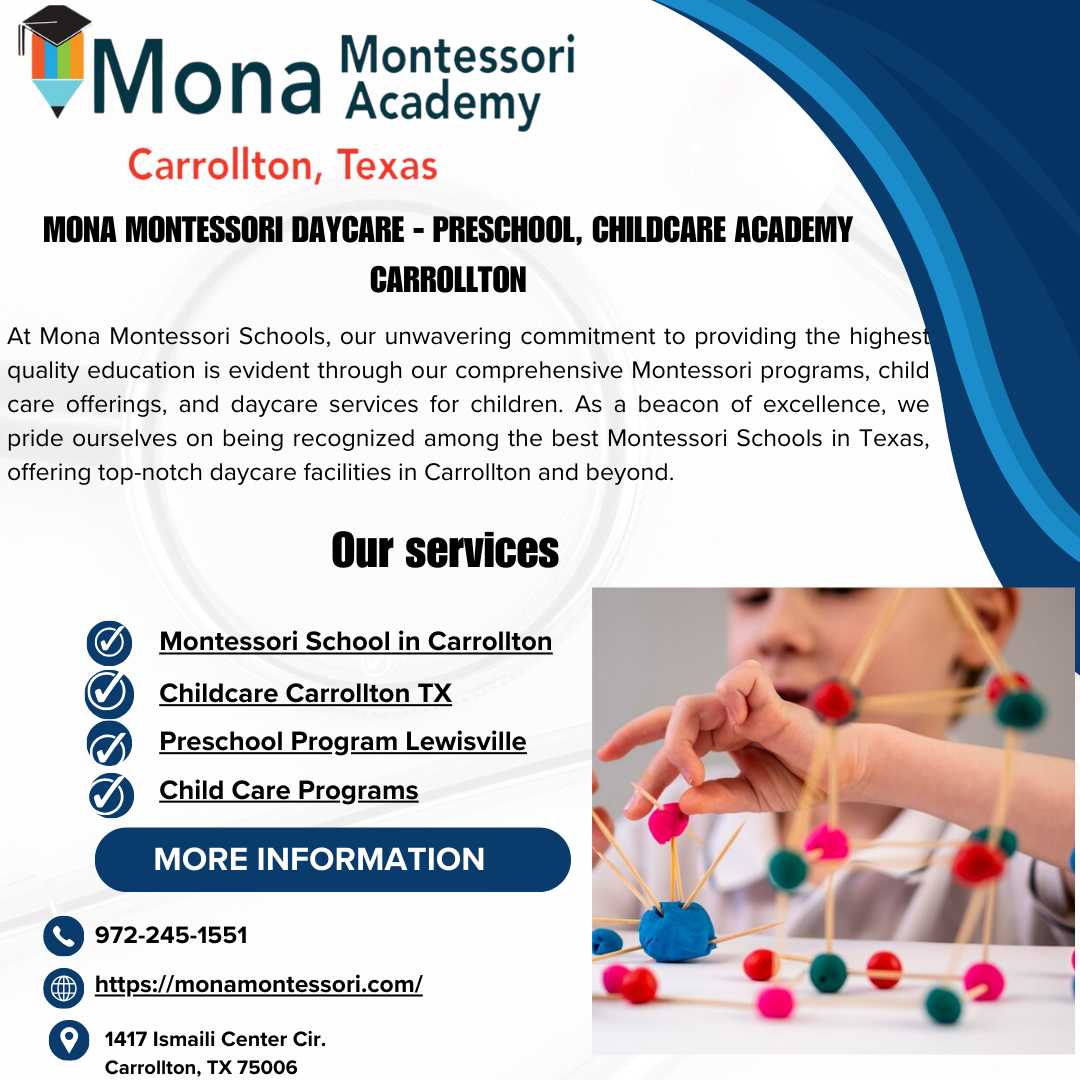
How Do Child Care Programs Incorporate Play into Learning?
In today’s fast-paced world, parents are constantly seeking the best educational opportunities for their children. One of the key aspects of early childhood education is the integration of play into learning, especially in child care programs. Play is not just a leisure activity; it is a crucial part of a child's development. By incorporating play into the curriculum, child care programs can create a rich learning environment that fosters growth in multiple areas, including cognitive, social, emotional, and physical development. <br>The Importance of Play in Early Childhood Education <br>Play is essential for children’s development as it contributes significantly to their cognitive, physical, social, and emotional well-being. Through play, children learn about the world around them, develop new skills, and build relationships with peers. Child care programs recognize this and strive to integrate play into their educational approaches to maximize learning outcomes. <br> <br>How Child Care Programs Incorporate Play <br> <br>1. Structured Play vs. Free Play <br> <br>Child care programs balance structured and free play to provide comprehensive learning experiences. Structured play involves activities that are planned and guided by educators, such as puzzles, building blocks, and arts and crafts. These activities help children develop specific skills such as problem-solving, fine motor skills, and creativity. <br>Free play, on the other hand, allows children to explore and engage with their environment independently. This type of play fosters creativity, independence, and social skills as children interact with their peers and make their own decisions about what and how to play. <br> <br>2. Learning Through Games <br> <br>Games are an excellent way to incorporate play into learning. Educational games can teach children various subjects, from math and science to language and social studies. For example, counting games can help children understand numbers and basic arithmetic, while word games can enhance vocabulary and language skills. <br> <br>3. Outdoor Play <br> <br>Outdoor play is crucial for physical development and overall well-being. Child care programs often include outdoor playtime where children can run, climb, and explore nature. This not only improves their physical health but also enhances their understanding of the natural world. Activities like gardening, nature walks, and outdoor sports are common in many child care programs. <br> <br>4. Role-Playing and Pretend Play <br> <br>Role-playing and pretend play are powerful tools for social and emotional development. Through these activities, children learn to understand different perspectives, develop empathy, and practice social interactions. For instance, a child care program might set up a pretend grocery store where children can role-play as cashiers and customers, learning about money, social interactions, and the concept of community. <br> <br>5. Incorporating Montessori Principles <br> <br>Montessori schools, such as the Montessori School in Carrollton, emphasize play as a core component of their educational approach. The Montessori method encourages self-directed activity, hands-on learning, and collaborative play. In a Montessori setting, children are provided with a variety of play-based learning materials designed to stimulate exploration and discovery. This method helps children develop independence and a love for learning from an early age. <br> <br> <br>The Role of Educators <br> <br>Educators play a vital role in integrating play into learning. They observe children’s interests and needs and design activities that are both educational and enjoyable. By creating a supportive and stimulating environment, educators can guide children’s play to ensure it is both purposeful and engaging. <br> <br>Observing and Guiding Play <br> <br>Teachers in child care programs observe children during play to understand their developmental stages and interests. Based on these observations, they can introduce new activities that challenge and expand the children’s skills and knowledge. For instance, if a child shows interest in building blocks, the teacher might introduce more complex construction sets or incorporate lessons about architecture and engineering. <br> <br>Facilitating Social Interactions <br> <br>Educators also facilitate social interactions during play. They encourage children to work together, share, and resolve conflicts. By guiding these interactions, teachers help children develop essential social skills such as cooperation, communication, and empathy. <br> <br>Creating a Safe and Stimulating Environment <br> <br>A safe and stimulating environment is crucial for effective play-based learning. Educators ensure that the play areas are safe, clean, and well-organized. They also provide a variety of age-appropriate toys and materials that cater to different interests and developmental levels. <br>The Benefits of Play-Based Learning <br> <br>Cognitive Development <br> <br>Play-based learning significantly enhances cognitive development. Activities that involve problem-solving, critical thinking, and creativity help children develop cognitive skills. For example, building blocks and puzzles improve spatial awareness and logical thinking. <br> <br>Social and Emotional Development <br> <br>Through play, children learn to interact with others, express their emotions, and understand social norms. Role-playing activities, in particular, teach children about empathy and cooperation. These skills are crucial for building healthy relationships and navigating social situations. <br> <br>Physical Development <br> <br>Physical play activities, such as running, jumping, and climbing, are essential for developing gross motor skills. Fine motor skills are also developed through activities like drawing, cutting, and manipulating small objects. These physical activities contribute to overall health and fitness. <br> <br>Language Development <br> <br>Play-based learning activities often involve communication, which enhances language skills. Storytelling, role-playing, and group games encourage children to use language to express themselves, ask questions, and interact with others. This helps in building vocabulary, grammar, and conversational skills. <br> <br>The Montessori School in Carrollton: A Case Study <br> <br>The Montessori School in Carrollton exemplifies how play can be seamlessly integrated into early childhood education. The school follows the Montessori philosophy, which emphasizes child-centered learning through play and exploration. Here, children are given the freedom to choose their activities from a range of play-based learning materials. <br> <br>Self-Directed Learning <br> <br>In a Montessori setting, children learn at their own pace through self-directed activities. This approach allows children to pursue their interests and develop a love for learning. Play is an integral part of this process, as it encourages exploration and discovery. <br> <br>Hands-On Learning <br> <br>The Montessori method relies heavily on hands-on learning. Children use tactile materials to explore concepts such as math, science, and language. For example, they might use counting beads to learn about numbers or sandpaper letters to practice writing. These materials make learning tangible and engaging. <br> <br>Collaborative Play <br> <br>Collaboration is encouraged in Montessori classrooms. Children work together on projects and activities, developing social skills and learning from one another. This collaborative play fosters a sense of community and helps children understand the value of teamwork. <br> <br>Conclusion <br> <br>Incorporating play into learning is essential for early childhood development. Child care programs recognize the importance of play and strive to create environments where play and learning go hand in hand. By balancing structured and free play, using educational games, encouraging outdoor activities, and incorporating principles from methods like Montessori, these programs provide rich, engaging experiences that support cognitive, social, emotional, and physical development.
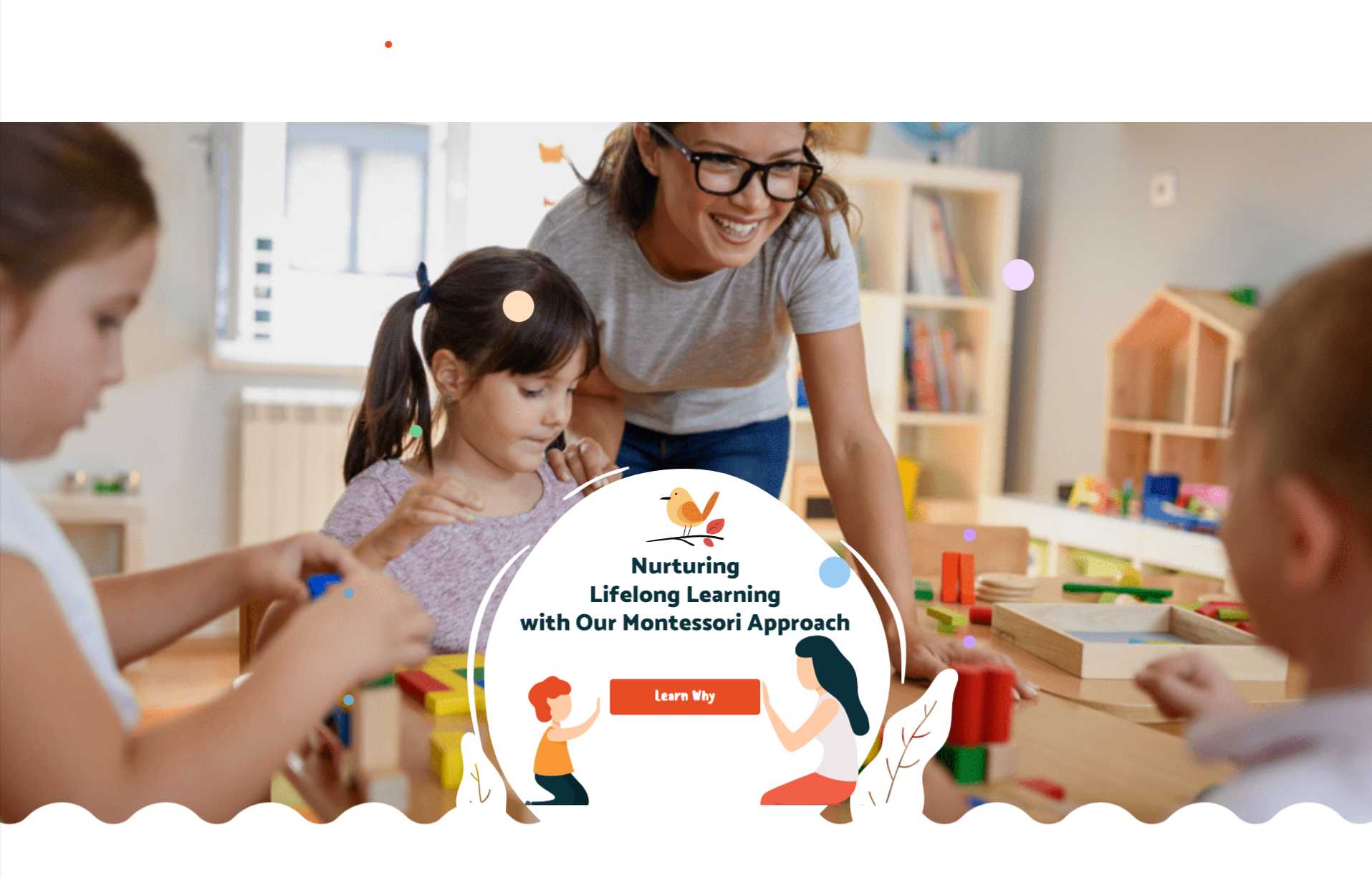
Enriching Childcare Services for Your Little Ones!
Mona Montessori Academy offers exceptional daycare services for children, fostering a nurturing environment where young minds thrive. Discover our enriching programs today!
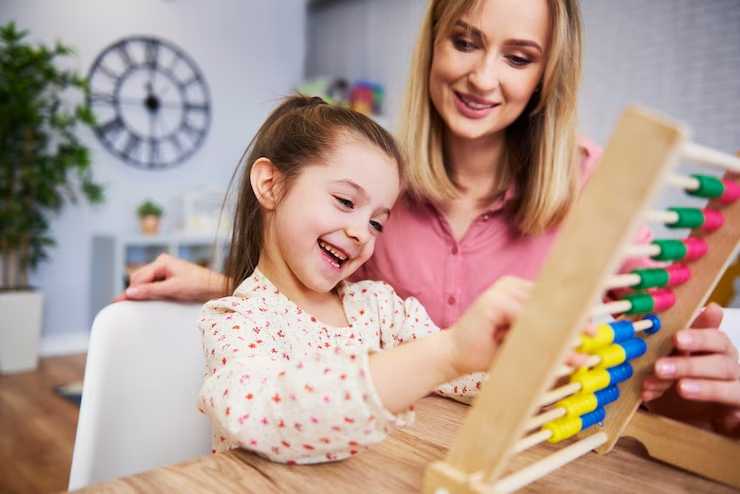
Mona Montessori Academy
Discover a world of innovative learning with Mona Montessori Academy in Texas! Our Montessori Schools foster independence, creativity, and a love for learning in a nurturing environment. Experience the difference of personalized education that prepares your child for a lifetime of success. Enroll now and watch your little one thrive. Visit our website to embark on this transformative journey today!
About Mona Montessori Academy's Store
No description provided.
0.0
Customer Reviews
See what others are saying about Mona Montessori Academy's Store. We verify purchases to ensure reviews are genuine.
No reviews yet for this store.