

Dr Vinod Raina's Store
Owned by Dr Vinod Raina Joined Dec 2021 18 Listings
Dr Vinod Raina's Store
easyid.me/biz/sexologistdoctors-382eea • Verified Store
Scan to open official EasyID digital store, view live catalog, or save business card.
Verified Merchant
EasyID Certified Seller
Fast 24h Packing
Direct courier dispatch
Zero Escrow Direct
Direct merchant settlement
Store Listings (18)
Male Infertility Treatment in South Delhi
Understanding Male Infertility with some Healthy Solution <br>Male infertility can be attributed to various factors, including sperm quality, quantity, and overall reproductive health. Understanding the causes and adopting healthy lifestyle changes can often improve fertility. <br>Here are some aspects to consider: <br> <br>Choosing a Healthier Lifestyle: <br>Diet: Sperm health can be enhanced by a diet high in vitamins, minerals, and antioxidants that is well-balanced. Incorporate whole grains, fruits, veggies, and lean proteins into your diet. <br>Hydration: Maintaining proper hydration is essential for good health in general, including reproductive health. <br>Avoiding Harmful Substances: Since alcohol, tobacco, and recreational drugs can have a detrimental impact on sperm production and quality, limit or stay away from them. <br> <br>Sustain a Healthy Weight: <br>Fertility can be impacted by being overweight or underweight. A balanced diet and frequent exercise will help you reach your goal weight. <br> <br>Frequent Workout: <br>Regular physical activity has been shown to improve reproductive and general health. But balance is crucial, as too much activity might negatively impact fertility. <br> <br>Manage Stress: <br>Chronic stress can affect hormonal balance and sperm production. Adopt stress-reducing techniques such as yoga, meditation, or mindfulness. <br> <br>Adequate Sleep: <br>Ensure you get enough quality sleep. Lack of sleep can disrupt hormonal balance and negatively impact sperm production. <br> <br>Avoid Excessive Heat: <br>Prolonged exposure to high temperatures, such as hot tubs, saunas, or tight underwear, can negatively affect sperm production. Opt for loose-fitting underwear and avoid excessive heat exposure. <br> <br>Regular Sexual Activity: <br>Regular sexual activity, around two to three times per week, can help maintain sperm quality and quantity. <br> <br>Address Medical Issues: <br>Seek medical advice if you have any underlying health conditions that may affect fertility, such as diabetes or hormonal imbalances. <br> <br>Limit Exposure to Environmental Toxins: <br>Reduce exposure to environmental toxins and pollutants, which can impact reproductive health. This includes being cautious with certain chemicals and pesticides. <br> <br>Consult a Healthcare Professional: <br>If you're experiencing difficulties conceiving, consult a healthcare professional or a reproductive specialist. They can perform tests to identify any underlying issues and provide guidance on potential treatments. <br> <br>Get the Best treatment for Male Infertility which is offered by Dr. Vinod Raina, Top Sexologist Doctor in Delhi, NCR <br> <br>Dr. Vinod Raina, Best Sexologist in South Delhi <br>Address: E-34 Ekta Apartment Saket, New Delhi-110017 <br>Contact: 7687878787, 9871605858
sexologistdoctors
Erectile Dysfunction with some healthy tips <br>The inability to obtain or sustain an erection strong enough for sexual performance is known as erectile dysfunction (ED). It is a widespread problem that can afflict men of all ages, and it can have both physical and psychological causes. <br> <br>Here are some general healthy lifestyle tips that may help improve erectile function: <br> <br>Keep Up a Nutritional Diet: <br>Consume a diet that is well-balanced and full of whole grains, fruits, vegetables, lean meats, and healthy fats. <br>Reduce your intake of cholesterol, Tran’s fats, and saturated fats because these can aggravate heart disease, which is connected to ED. <br> <br>Exercise Frequently: <br>Exercise on a regular basis to enhance your cardiovascular health in general. Walking, running, or swimming is examples of cardiovascular exercises that can assist increase blood flow, which is essential for erectile function. <br> <br>Manage Stress: <br>Chronic stress can contribute to ED. Practice stress-reducing techniques such as deep breathing, meditation, yoga, or other relaxation methods. <br> <br>Maintain a Healthy Weight: <br>Being overweight or obese can contribute to ED. Losing excess weight through a combination of diet and exercise can improve overall health and may positively impact erectile function. <br> <br>Give up smoking: <br>Smoking can aggravate blood vessels and reduce blood flow, which can aggravate ED. Both general health and erectile function benefit from quitting smoking. <br> <br>Limit Your Alcohol Consumption: <br>Sexual function may be impacted by excessive alcohol use. Avoid overindulging in alcohol and keep your consumption in check. <br> <br>Obtain Enough Rest: <br>Stress and other health problems can be exacerbated by sleep deprivation. 7-9 hours of well-rested sleep each night is the goal. <br> <br>Remain Hydrated: <br>Dehydration may have an impact on blood flow. Make sure that during the day, you are consuming plenty water. <br> <br>Consider Psychological Factors: <br>Addressing any underlying psychological issues, such as anxiety or depression, can be essential for improving erectile function. Professional counseling or therapy may be beneficial. <br> <br>Medication Review: <br>Some medications may contribute to ED as a side effect. Consult with your healthcare provider to review and adjust medications if necessary. <br> <br>Consult with Dr. Vinod Raina about your Sexual health, best treatment for Erectile Dysfunction offered by Best Sexologist in Delhi, NCR. <br> <br>Dr. Vinod Raina, Best Sexologist in Delhi <br>Address: E-34 Ekta Apartment Saket, Near Malviya Nagar Metro Station, New Delhi-110017 <br>Contact: 7687878787, 9871605858
Dr. Vinod Raina
Female Sexual Arousal Disorder <br>Female Sexual Arousal Disorder (FSAD) is a condition characterized by a persistent or recurrent difficulty in becoming sexually aroused or maintaining arousal during sexual activity. This disorder can significantly impact a woman's ability to enjoy and engage in sexual activity. There are various factors that can contribute to the development of FSAD, and it's often a complex interplay of physical, psychological, and relational elements. <br> <br>Here are some of the key factors associated with FSAD: <br> <br>Psychological Factors: <br>a. Stress and Anxiety: High levels of stress, anxiety, or performance pressure can interfere with the ability to become sexually aroused. <br>b. Depression: Depressive symptoms can diminish sexual desire and impair arousal. <br>c. Negative Body Image: Negative perceptions about one's body can lead to self-consciousness and reduced sexual arousal. <br>d. Past Trauma: Previous traumatic experiences, such as sexual abuse, can lead to sexual difficulties, including FSAD. <br> <br>Relationship Factors: <br>a. Relationship Conflicts: Relationship issues, such as communication problems, unresolved conflicts, or emotional distance, can negatively affect sexual arousal. <br>b. Lack of Intimacy: A lack of emotional intimacy and connection with a partner can result in reduced sexual arousal. <br> <br>Physical Factors: <br>a. Hormonal Imbalances: Hormonal changes, such as those related to menopause or conditions like polycystic ovary syndrome (PCOS), can affect sexual desire and arousal. <br>b. Medications: Some medications, such as antidepressants, can have sexual side effects that impact arousal. <br>c. Chronic Medical Conditions: Conditions like diabetes, cardiovascular disease, or chronic pain can affect blood flow and nerve function, which can hinder sexual arousal. <br>d. Alcohol and Substance Abuse: Excessive alcohol or substance use can impair sexual function, including arousal. <br> <br>Socio-cultural Factors: <br>a. Cultural and Religious Beliefs: Sociocultural factors, including cultural norms and religious beliefs, can influence one's attitudes and beliefs about sexuality, potentially affecting arousal. <br>b. Lack of Sexual Education: A lack of comprehensive sexual education can lead to misinformation and unrealistic expectations, which may contribute to sexual difficulties. <br> <br>Past Sexual Experiences: <br>Negative Sexual Experiences: Previous negative sexual experiences, such as pain during intercourse, can create anxiety and anticipation of pain, reducing arousal. <br> <br>It's important to note that FSAD can vary in severity and can be influenced by a combination of these factors. Treatment for FSAD typically involves addressing the underlying causes, and it may include psychotherapy (such as cognitive-behavioral therapy), medication (in some cases), and lifestyle changes. <br>Open communication with a healthcare provider or a sex therapist, such as Dr. Vinod Raina, a renowned sexologist in Delhi, can help diagnose and develop an appropriate treatment plan tailored to an individual's specific needs. Dr. Raina's expertise and guidance can be invaluable in addressing and managing FSAD and related sexual health issues. <br> <br>Dr. Vinod Raina, Best sexologist in Delhi <br>Address: E-34 Ekta Apartment Saket, New Delhi-110017 <br>Contact: 7687878787, 9871605858
Male Infertility Treatment in Saket
Male Infertility <br>Male infertility is a condition in which a man has difficulty fathering a child due to issues related to his reproductive system. There can be various causes of male infertility, and understanding these causes is essential for diagnosis and treatment. <br> <br>Here are some common causes and tips for managing male infertility: <br>Common Causes of Male Infertility: <br> <br>Low Sperm Count (Oligospermia): This is one of the most common causes of male infertility. A low sperm count can make it difficult for sperm to fertilize an egg. Causes of low sperm count can include hormonal imbalances, infections, varicoceles, and lifestyle factors. <br> <br>Poor Sperm Motility: Sperm need to swim effectively to reach and fertilize the egg. Poor sperm motility can be due to genetic factors, hormonal imbalances, or lifestyle choices like smoking, excessive alcohol consumption, and drug use. <br> <br>Abnormal Sperm Morphology: Sperm with abnormal shape or structure may have difficulty penetrating the egg. Genetic factors, exposure to toxins, or infections can lead to abnormal sperm morphology. <br> <br>Obstructive Issues: Blockages in the reproductive tract can prevent sperm from being ejaculated. These blockages can be caused by infections, prior surgeries, or congenital conditions. <br>Hormonal Imbalances: Hormonal issues, such as low testosterone or high levels of prolactin, can disrupt sperm production and function. <br> <br>Varicoceles: Varicoceles are enlarged veins in the scrotum that can lead to overheating of the testicles, which can negatively impact sperm production. <br> <br>Tips for Managing Male Infertility: <br> <br>• Seek Medical Evaluation: If you suspect male infertility, it's essential to consult a urologist or reproductive specialist for a thorough evaluation. They can identify the specific causes of infertility and recommend appropriate treatments. <br>• Lifestyle Changes: Adopt a healthy lifestyle by maintaining a balanced diet, getting regular exercise, and avoiding excessive alcohol and tobacco use. Obesity can also contribute to infertility, so maintaining a healthy weight is important. <br>• Stress management: Fertility can be adversely affected by high amounts of stress. Engage in stress-reduction practices such as yoga, meditation, and deep breathing. <br>• Prevent Toxin Exposure: Restrict your exposure to industrial chemicals, radiation, pesticides, and other environmental toxins. This may impact the quality of sperm. <br>• Heat Management: Steer clear of hot tubs, saunas, and form-fitting clothing that expose the testicles to excessive heat as this might impact sperm production. <br>• Treatment for Underlying Conditions: Treating underlying illnesses, such as infections or hormone abnormalities, might occasionally increase fertility. <br>• Assisted Reproductive Technologies (ART): In cases where natural conception is not possible, ART options like in vitro fertilization (IVF) and intra-cytoplasmic sperm injection (ICSI) can be considered. <br>• Sperm Cryopreservation: If you anticipate future fertility issues, consider sperm banking (cryopreservation) to preserve sperm for later use. <br>• Support and Counseling: Infertility can be emotionally challenging. Seek support from a counselor or a support group to cope with the psychological aspects of male infertility. <br> <br>It's important to remember that the causes of male infertility can vary from person to person. Consult with a healthcare professional, such as Dr. Vinod Raina, a renowned sexologist in Delhi, to determine the specific causes and develop an appropriate treatment plan tailored to your needs. <br>Dr. Raina's expertise can be invaluable in addressing male infertility issues and providing personalized guidance for individuals and couples seeking solutions to their fertility challenges. <br> <br>Dr. Vinod Raina, Best Sexologist in Saket <br>Address: E-34 Ekta Apartment Saket, New Delhi-110017 <br>Contact: 7687878787, 9871605858
female sexual issues solution in South Delhi
Female Sexual Arousal Disorder <br>Female Sexual Arousal Disorder (FSAD) is a condition that affects some women's ability to become sexually aroused or maintain arousal during sexual activity. It's essential to understand this condition, dispel common myths, and present the facts to promote a better understanding of women's sexual health. <br> <br>Here's an explanation of FSAD with accompanying myths and facts: <br> <br>Myth: FSAD is purely psychological. Some people incorrectly believe that FSAD is solely a result of emotional or psychological issues, such as relationship problems. While psychological factors can contribute, FSAD can also have physical causes. <br>Fact: FSAD can have both psychological and physical causes. While psychological factors like stress, anxiety, or past trauma can play a role, physical factors, such as hormonal imbalances, medications, or medical conditions, can also contribute to FSAD. <br> <br>Myth: Women with FSAD lack interest in sex. It's not necessarily about a lack of interest; it's more about difficulty becoming physically aroused. Women with FSAD can still desire sexual intimacy. <br>Facts: It's about physical arousal. FSAD primarily concerns the physical response of the body to sexual stimulation, such as insufficient lubrication or difficulty maintaining blood flow to the genital area. <br> <br>Myth: It's a rare condition. FSAD is more common than people think. Many women experience difficulties with sexual arousal at some point in their lives. <br>Fact: Common condition. Many women experience occasional or ongoing difficulties with sexual arousal. The prevalence of FSAD may be underreported due to social stigmas and the reluctance to seek help. <br> <br>Myth: FSAD is solely a problem for older women. FSAD can affect women of all ages, although it may become more common with age due to hormonal changes and other factors. <br>Fact: Age is not the only factor. FSAD can affect women of any age, and its causes can vary from person to person. Hormonal changes, relationship issues, medication side effects, and medical conditions can all contribute. <br> <br>If a woman is experiencing FSAD, it's crucial to seek help from a healthcare provider. One reputable sexologist who can provide expert guidance and support in this area is Dr. Vinod Raina, known for his expertise in sexual health and relationships. <br> <br>Treatment options for FSAD may include counseling, lifestyle changes, hormone therapy, and medications, and Dr. Vinod Raina's expertise in the field can be a valuable resource for individuals seeking help. <br> <br>Additionally, improving communication with one's partner and addressing any underlying relationship issues can be beneficial. In summary, FSAD is a common sexual health concern that affects women's physical arousal during sexual activity. <br> <br>Understanding the condition and dispelling myths is essential to encourage open and empathetic discussions about women's sexual health and promote access to appropriate care and support, which can be facilitated by healthcare professionals like Dr. Vinod Raina. <br> <br>Dr. Vinod Raina, Best Sexologist in Delhi <br>Address: E-34 Ekta Apartment Saket, New Delhi-110017 <br>Contact: 7687878787, 9871605858
Premature Ejaculation Myths and Facts
Premature Ejaculation <br>Premature ejaculation (PE) is a common sexual dysfunction that occurs when a man ejaculates sooner than he or his partner desires during sexual intercourse. It is often characterized by ejaculation occurring within one minute of penetration, although the specific time may vary from person to person. PE can be distressing and impact the quality of a person's sex life and overall well-being. <br> <br>Here are some myths and facts about premature ejaculation: <br> <br>Myths: <br> <br>PE is a rare problem: Fact is, PE is relatively common. It can affect men of all ages and can have various causes, including psychological and physical factors. <br> <br>It's a young man's problem: While PE is more common in younger men, it can affect men of all age groups. <br> <br>It's solely psychological: While psychological factors like anxiety, stress, or relationship problems can contribute to PE, there can also be physical causes, such as hormonal imbalances or hypersensitivity of the genitals. <br> <br>PE is a sign of sexual inadequacy: Having PE doesn't mean a man is sexually inadequate. It's a medical condition that can be treated, and it doesn't reflect a person's worth or masculinity. <br> <br>There is a universal "normal" duration for intercourse: The duration of sexual intercourse can vary greatly among individuals. What's most important is that both partners are satisfied with the experience. <br> <br>Facts: <br> <br>PE is treatable: There are various effective treatments for PE, including behavioral therapy, medication, topical anesthetics, and counseling. Seeking help from a healthcare professional or a sex therapist can be beneficial. <br> <br>It can have multiple causes: PE can result from a combination of physical and psychological factors, such as anxiety, stress, relationship issues, or hypersensitivity. <br> <br>Communication is key: Open and honest communication with a partner is essential when dealing with PE. It can help reduce anxiety and improve the sexual experience. <br> <br>PE doesn't necessarily mean low sexual arousal: Men with PE can still have high sexual desire and arousal; the issue is with the timing of ejaculation. <br> <br>It can improve over time: For some men, PE may improve on its own as they gain more sexual experience and confidence. However, if it remains a concern, seeking treatment is advisable. <br> <br>In summary, premature ejaculation is a common sexual issue that can affect men of all ages. It can have various causes and is treatable through different methods. <br>Myths and misconceptions about PE can lead to unnecessary shame or anxiety, so it's important to seek help from healthcare professionals, such as experts like Dr. Vinod Raina, a renowned sexologist in Delhi, and engage in open communication with your partner if you're experiencing this condition. <br> <br>Dr. Vinod Raina's expertise can be particularly valuable in providing guidance and treatment options for individuals dealing with premature ejaculation. <br> <br>Dr. Vinod Raina, Best Sexologist in Delhi <br>Address: E-34 Ekta Apartment Saket, New Delhi-110017 <br>Contact: 7687878787, 9871605858
Premature Ejaculation Solution in Delhi, NCR
Premature Ejaculation <br>Premature ejaculation (PE) is a common sexual disorder characterized by the persistent and uncontrollable ejaculation that occurs either before or shortly after sexual penetration, often with minimal sexual stimulation and before the individual desires it. It is one of the most prevalent sexual problems affecting men and can lead to sexual dissatisfaction and relationship issues. <br> <br>Here are some key aspects of premature ejaculation: <br> <br>Timing: Premature ejaculation typically involves ejaculation occurring within one to two minutes of penetration, although there is no specific time limit that defines it. The critical factor is that the individual ejaculates before they and their partner wish, leading to distress or frustration. <br> <br>Causes: Premature ejaculation can have various causes, including psychological, biological, and relationship factors. Common psychological factors may include anxiety, stress, performance anxiety, or a history of sexual trauma. Biological factors can involve issues with neurotransmitters or hormonal imbalances. Relationship problems or conflicts with a partner can also contribute. <br> <br>Primary vs. Secondary: Premature ejaculation can be categorized as primary (lifelong) or secondary (acquired). Primary PE has been present since the individual's first sexual experience, whereas secondary PE develops after a period of normal sexual functioning. <br> <br>Diagnosis: A diagnosis of premature ejaculation is typically made based on a clinical evaluation by a healthcare professional. They will assess the individual's medical history, sexual history, and may conduct physical examinations or order specific tests to rule out underlying medical conditions. <br> <br>Treatment: Various treatment options are available for premature ejaculation, depending on its cause and severity. These may include: <br> <br>a. Behavioral therapy: Techniques such as the stop-start method and the squeeze technique can help delay ejaculation by improving control over ejaculation. <br>b. Psychological counseling: Therapy may be beneficial for addressing underlying psychological factors contributing to PE, such as anxiety or performance-related issues. <br>c. Medications: Certain medications, such as selective serotonin reuptake inhibitors (SSRIs), can be prescribed off-label to help delay ejaculation. Topical anesthetics or lidocaine sprays may also be used to reduce sensitivity. <br>d. Pelvic floor exercises: Strengthening the pelvic floor muscles through exercises (Kegel exercises) can improve ejaculatory control. <br>e. Couples therapy: If relationship issues are contributing to premature ejaculation, couples therapy can help address and resolve those issues. <br> <br>Lifestyle changes: Practicing relaxation techniques, maintaining a healthy lifestyle, and reducing stress can also be helpful in managing premature ejaculation. <br> <br>Healthy Tips: <br>If you're experiencing premature ejaculation (early discharge) and seeking ways to manage or improve your condition, consider the following healthy tips and lifestyle changes: <br> <br>Practice Pelvic Floor Exercises (Kegel exercises): Strengthening your pelvic floor muscles can help improve ejaculatory control. To do Kegel exercises, squeeze the muscles you use to stop the flow of urine for a few seconds, then release. Repeat this several times a day. <br> <br>Masturbation Techniques: Masturbating before sexual intercourse can sometimes help delay ejaculation during subsequent sexual activity. <br>Controlled Breathing: Deep and slow breathing techniques can help reduce anxiety and increase control over your arousal. Try to focus on your breath during sexual activity to stay relaxed. <br> <br>Use Thick Condoms: Wearing thicker condoms or those designed for prolonged pleasure can reduce sensitivity and delay ejaculation. <br> <br>Topical Anesthetics: Over-the-counter or prescription topical anesthetic creams or sprays can be applied to the penis to reduce sensitivity and help delay ejaculation. However, use them with caution and follow the instructions. <br> <br>Techniques for managing stress and improving general sexual health include mindfulness and relaxation techniques like progressive muscle relaxation. <br> <br>Reduce tension and Anxiety: High levels of tension and anxiety might hasten ejaculation. Use stress-reduction activities to calm your body and mind, such as exercise, yoga, meditation, or hobbies. <br> <br>Healthy lifestyle choices include eating a balanced diet, exercising frequently, and making sure you get enough sleep. Better sexual performance can be attributed to physical and mental wellness. <br> <br>Limit Alcohol and Substance Use: Excessive alcohol or drug use can impair sexual function and contribute to premature ejaculation. Moderation or abstinence may be beneficial. <br> <br>Communication with Your Partner: Open and honest communication with your partner about your concerns and desires can reduce performance anxiety and improve your overall sexual experience. <br> <br>Dr. Vinod Raina, Best Sexologist in Delhi <br>Address: E-34 Ekta Apartment Saket, New Delhi-110017 <br>Contact: 7687878787, 9871605858
Erectile Dysfunction Solution in Delhi, NCR
Erectile Dysfunction <br>Erectile dysfunction (ED), also known as impotence, is a medical condition characterized by the consistent inability to achieve or maintain an erection sufficient for sexual intercourse. It is a common issue, especially among older men, but it can affect males of all ages. Understanding erectile dysfunction involves considering its causes, risk factors, symptoms, diagnosis, and treatment options. <br> <br>Causes of Erectile Dysfunction: <br> <br>Physical Factors: ED can result from various physical conditions that affect the blood flow or nerve function in the penis. Common physical causes include: <br>Cardiovascular diseases (e.g., atherosclerosis) <br>Diabetes <br>High blood pressure <br>Obesity <br>Hormonal imbalances (e.g., low testosterone) <br>Neurological disorders (e.g., multiple sclerosis) <br>Peyronie's disease (penile curvature) <br>Injury or surgery to the pelvic area <br> <br>Psychological Factors: Psychological factors can contribute to or exacerbate ED, and they include: <br>Stress <br>Anxiety <br>Depression <br>Relationship issues <br>Performance anxiety <br> <br>Lifestyle Factors: Unhealthy lifestyle choices can also lead to erectile dysfunction. These factors include: <br>Smoking <br>Excessive alcohol consumption <br>Drug abuse <br>Lack of physical activity <br>Poor diet <br> <br>Medications: Certain medications, such as some antidepressants, anti-hypertensives, and antipsychotics, can cause or worsen ED as a side effect. <br> <br>Other Factors: Chronic illnesses, like kidney disease or liver disease, and hormonal disorders can contribute to ED. <br> <br>Healthy Tips: <br>To lead a healthy lifestyle, it's important to combine a variety of tactics that address many aspects of wellbeing, including diet, mental health, physical health, and more. A few broad pointers for leading a healthy lifestyle are provided below: <br> <br>Consume a Healthy Diet: <br>To add to your diet, pick a variety of fresh produce, nutritious grains, lean meats, and healthy fats. <br>Cut back on processed foods, fizzy drinks, and too much salt. <br> <br>Stay hydrated: <br>Drink water frequently all day long to stay hydrated. <br> <br>Portion Control: <br>Be mindful of portion sizes to avoid overeating. <br> <br>Regular Exercise: <br>Aim for at least 150 minutes of moderate-intensity aerobic activity or 75 minutes of vigorous-intensity aerobic activity per week. <br>Incorporate strength training exercises at least two days a week. <br> <br>Get Enough Sleep: <br>Aim for 7-9 hours of quality sleep per night. <br> <br>Manage Stress: <br>Practice stress-reduction techniques such as meditation, deep breathing, yoga, or mindfulness. <br> <br>Dr. Vinod Raina, Best Sexologist in Delhi <br>Address: E-34 Ekta Apartment Saket, New Delhi-110017 <br>Contact: 7687878787, 9871605858
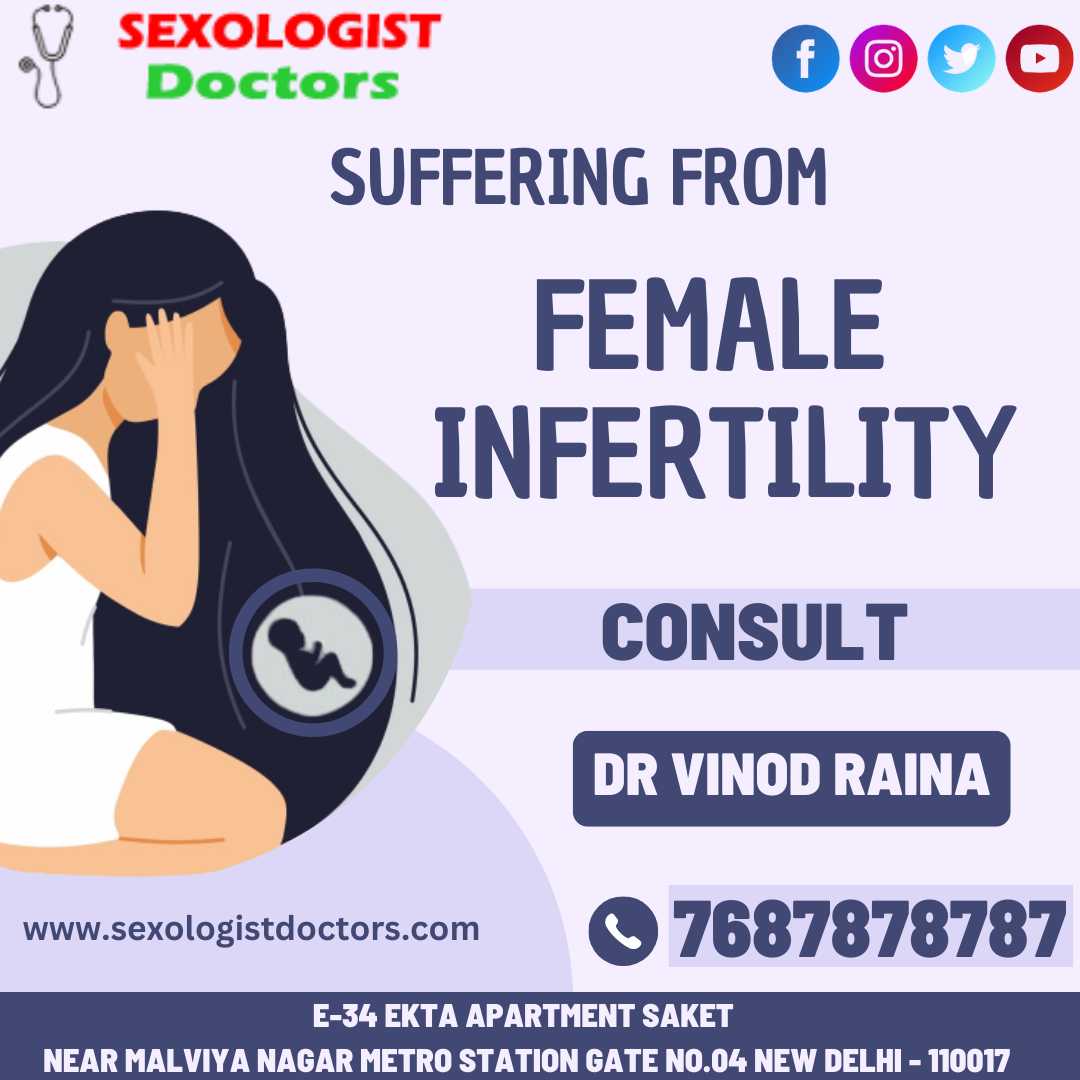
Female Sexual Issues Solution in Delhi, NCR
Female Infertility <br>Female infertility refers to the inability of a woman to conceive or carry a pregnancy to term after having unprotected sexual intercourse for an extended period, typically a year or more. Infertility can result from various factors, and it can be a complex issue to diagnose and treat. <br> <br>Here are some of the common causes of Female Infertility: <br> <br>Ovulation Disorders: Ovulation is the release of a mature egg from the ovaries, and disorders in this process can lead to infertility. Conditions like polycystic ovary syndrome (PCOS), hormonal imbalances, and stress can disrupt regular ovulation. <br> <br>Blocked Fallopian Tubes: The fallopian tubes are responsible for transporting the egg from the ovaries to the uterus. Blockages or damage to these tubes, often due to infections, endometriosis, or pelvic inflammatory disease, can prevent the egg from reaching the uterus or the sperm from reaching the egg. <br> <br>Uterine Issues: Abnormalities in the structure of the uterus, such as fibroids (noncancerous growths) or uterine polyps, can interfere with implantation or the ability to carry a pregnancy. <br> <br>Age: Fertility declines with a woman's age, especially after the age of 35. The quantity and quality of a woman's eggs decrease as she ages, making it harder to get pregnant. <br> <br>Endometriosis: Endometriosis is a condition in which uterine-lining-like tissue develops outside the uterus. Infertility may result from this because it might result in inflammation, scarring, and structural issues with the reproductive organs. <br> <br>PID (pelvic inflammatory disease) is an illness of the female reproductive system that is frequently brought on by STIs. Fallopian tubes and other reproductive organs may be harmed, which would make conception challenging. <br> <br>Premature Ovarian Insufficiency (POI): Also known as early menopause, POI occurs when a woman's ovaries stop functioning before the age of 40, leading to a decrease in fertility. <br> <br>Autoimmune Disorders: Some autoimmune diseases, such as lupus and Hashimoto's thyroiditis, can affect fertility by damaging reproductive tissues. <br> <br>Lifestyle Factors: Smoking, excessive alcohol consumption, obesity, and extreme stress can negatively impact fertility. <br> <br>Unexplained Infertility: In some cases, despite thorough testing, the cause of infertility remains unknown. This is referred to as unexplained infertility. <br> <br>Symptoms of Female Infertility: <br>Female infertility may not always present with noticeable symptoms, but when they do, they can vary depending on the underlying cause. Here are some potential symptoms associated with female infertility: <br> <br>Irregular Menstrual Cycles: Irregular periods can be a sign of ovulation disorders or hormonal imbalances. <br> <br>Painful Menstruation: Severe menstrual cramps or pelvic pain, especially during menstruation, may be indicative of conditions like endometriosis or fibroids. <br> <br>Heavy or Light Menstrual Flow: Abnormally heavy or light menstrual bleeding can sometimes signal underlying issues affecting fertility. <br> <br>Absent Periods (Amenorrhea): If a woman does not have menstrual periods, it could be due to factors like polycystic ovary syndrome (PCOS), premature ovarian insufficiency (POI), or other hormonal problems. <br> <br>Painful Intercourse: Pain or discomfort during sexual intercourse can be a symptom of conditions like endometriosis or pelvic inflammatory disease (PID). <br> <br>Changes in Basal Body Temperature: Women who are trying to conceive may track their basal body temperature. Consistently low temperatures throughout the menstrual cycle may indicate a problem with ovulation. <br> <br>Healthy Tips and Tricks: <br>Improving female fertility involves maintaining a healthy lifestyle and addressing underlying medical issues that may be contributing to infertility. <br> <br>However, the following general pointers and techniques could enhance female fertility: <br> <br>Keep a Healthy Weight: <br>• As high weight levels (both underweight and overweight) might influence fertility, it is important to achieve and maintain a healthy BMI. <br> <br>Dietary Balance: <br>• Eat a diet that is well-balanced and contains plenty of fruits, vegetables, whole grains, lean meats, and healthy fats. <br>• Take into account the Mediterranean diet, which is linked to increased fertility. <br> <br>Stay Hydrated: <br>• Drink plenty of water to stay properly hydrated. <br> <br>Exercise Regularly: <br>• Engage in moderate, regular exercise to help regulate hormones and promote overall health. <br>• Avoid excessive high-intensity workouts, which can negatively impact fertility. <br> <br>Limit Caffeine and Alcohol: <br>• Reduce caffeine intake, as excessive caffeine consumption may affect fertility. <br>• Limit alcohol consumption, as excessive alcohol can impair fertility. <br> <br>Quit Smoking: <br>• Smoking can negatively affect fertility, so quitting smoking is important for improving fertility. <br> <br>Limit Exposure to Harmful Chemicals: <br>• Minimize exposure to environmental toxins, pesticides, and chemicals that may affect fertility. <br> <br>Track Menstrual Cycles: <br>• Monitor your menstrual cycle to identify potential irregularities and help with timing intercourse during fertile periods. <br> <br>Dr. Vinod Raina, Best Sexologist in Delhi <br>Address: E-34 Ekta Apartment Saket, New Delhi-110017 <br>Contact: 7687878787, 9871605858
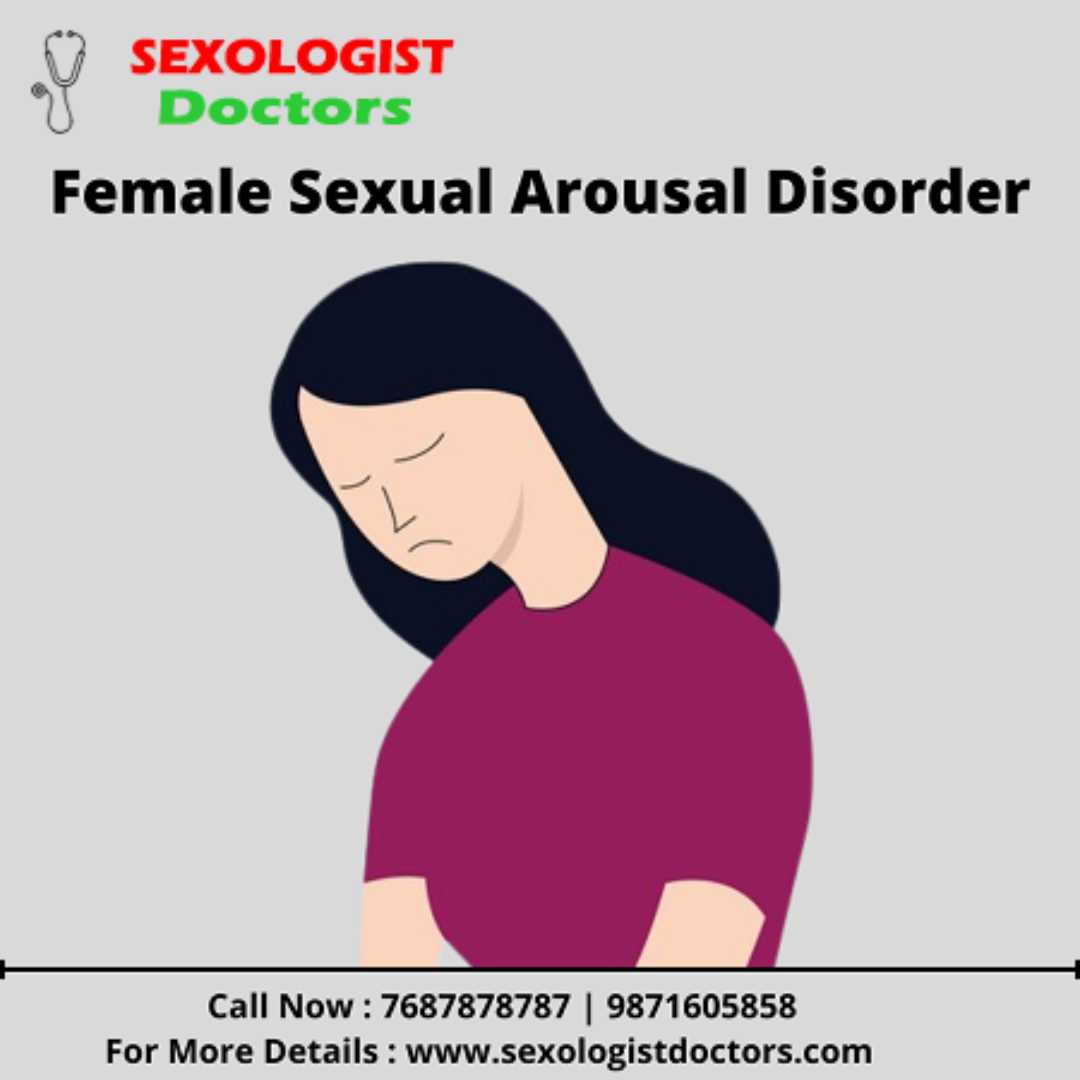
Best Solution for Female Sexual Arousal Disorder
Female Sexual Arousal Disorder <br>Female Sexual Arousal Disorder (FSAD), also known as Female Sexual Interest/Arousal Disorder (FSIAD), is a condition characterized by persistent or recurrent difficulties in achieving and maintaining sexual arousal or interest, leading to significant distress or interpersonal difficulties. It is one of the sexual dysfunctions recognized by the Diagnostic and Statistical Manual of Mental Disorders (DSM-5). <br> <br>Here are some key points to understand Female Sexual Arousal Disorder: <br> <br>Lack of Arousal: Women with FSAD often experience a reduced or absent sexual arousal response to sexual stimuli, including physical and psychological cues such as touch, erotic thoughts, or visual stimuli. This can make it challenging to become sexually aroused and maintain that arousal during sexual activity. <br> <br>Distress and Interpersonal Issues: The presence of FSAD typically causes significant distress or interpersonal problems. It can lead to frustration, anxiety, and negatively impact intimate relationships, as it may result in reduced sexual satisfaction for both the affected individual and their partner. <br> <br>Causes: Female Sexual Arousal Disorder can have various causes, which may be physical, psychological, or a combination of both. Common factors contributing to FSAD include: <br> <br>• Physical Factors: These may include hormonal imbalances, chronic medical conditions (e.g., diabetes, cardiovascular issues), medication side effects, genital or pelvic disorders, and menopause-related changes in estrogen levels. <br>• Psychological Factors: Stress, anxiety, depression, past traumatic experiences, body image issues, relationship problems, and low self-esteem can all contribute to FSAD. <br> <br>Female Sexual Arousal Disorder Symptoms: <br>Female Sexual Arousal Disorder (FSAD) is characterized by persistent or recurrent difficulties in becoming sexually aroused or maintaining arousal during sexual activity, leading to distress or interpersonal difficulties. While the specific symptoms can vary from person to person, here are some common symptoms associated with FSAD: <br> <br>Lack of Arousal: Women with FSAD often have trouble getting sexually aroused or excited, even when they engage in sexual activities or are exposed to sexual stimuli like erotic thoughts, visual images, or physical touch. <br>Reduced Sensation: Some individuals with FSAD may experience diminished sensitivity or reduced physical sensations in their genital area, making it difficult to achieve or maintain arousal. <br> <br>Difficulty Lubricating: Insufficient vaginal lubrication is a common symptom of FSAD. Inadequate lubrication can lead to discomfort or pain during sexual intercourse and can make it challenging to engage in sexual activity. <br> <br>Absent or Weak Genital Response: Women with FSAD may not experience the physical changes associated with sexual arousal, such as vaginal swelling, clitoral engorgement, or changes in nipple size and color. <br> <br>Lack of Interest: Individuals with FSAD may also report a reduced or absent interest in sexual activity altogether. They may not experience sexual desire or may find it challenging to become mentally engaged in sexual thoughts or fantasies. <br> <br>Negative Emotions: FSAD often leads to negative emotions, such as frustration, anxiety, embarrassment, or guilt, especially when it comes to intimate relationships. These emotions can further exacerbate the disorder. <br> <br>Some Healthy Tips: <br>Stay Fit, Stay Frisky: FSAD Prevention Starts with You! <br> <br>Maintain a Healthy Lifestyle: <br>Regular Exercise: Engage in regular physical activity to promote overall health and enhance blood flow, which can be beneficial for sexual function. <br>Balanced Diet: Consume a balanced diet rich in fruits, vegetables, whole grains, lean proteins, and healthy fats to support overall well-being. <br>Adequate Sleep: Prioritize getting enough restorative sleep as sleep disturbances can contribute to sexual difficulties. <br> <br>Stress Management: <br>Practice stress-reduction techniques such as meditation, yoga, deep breathing exercises, or progressive muscle relaxation to lower stress levels, which can affect sexual arousal and desire. <br> <br>Open Communication: <br>Maintain open and honest communication with your partner about sexual desires, needs, and concerns. Good communication can help reduce anxiety and enhance sexual satisfaction. <br> <br>Self-Care: <br>Prioritize self-care and self-acceptance. Building a positive body image and self-esteem can improve overall sexual confidence. <br> <br>Seek Professional Help: <br>If you notice persistent changes in your sexual function or experience distress related to your sexual health, don't hesitate to seek help from a healthcare provider or a sexual health specialist. Early intervention can prevent sexual difficulties from becoming chronic. <br> <br>It's essential to remember that sexual function can vary among individuals, and occasional fluctuations in arousal or desire are common. FSAD is diagnosed when these difficulties become persistent or recurrent and cause significant distress. <br> <br> <br>Dr. Vinod Raina, Best Sexologist in Delhi <br>Address: E-34 Ekta Apartment Saket, New Delhi-110017 <br>Contact: 7687878787, 9871605858
Best Solution for Low Libido in South Delhi
Low Libido <br>Low libido, also known as hypoactive sexual desire disorder (HSDD), refers to a persistent and reduced interest or desire for sexual activity. It is a common issue and can affect both men and women of all ages. While fluctuations in sexual desire are normal and can occur for various reasons, low libido is characterized by a prolonged and distressing lack of interest in sexual activities. <br>Here are some factors that can contribute to or explain low libido: <br> <br>Psychological Factors: <br>Stress: High levels of stress, whether related to work, relationships, or other life events, can significantly reduce sexual desire. <br>Anxiety and Depression: Mental health issues like anxiety and depression can diminish libido by affecting mood and self-esteem. <br>Body Image Concerns: Negative body image or low self-confidence can impact one's willingness to engage in sexual activity. <br> <br>Relationship Issues: <br>Conflict or unresolved problems within a relationship can lead to a decrease in sexual desire. <br>Lack of emotional intimacy, communication, or connection with a partner can contribute to low libido. <br> <br>Hormonal Imbalances: <br>Hormonal changes due to aging, menopause (in women), or medical conditions can affect libido. <br>Low levels of testosterone (in both men and women) can lead to a decrease in sexual desire. <br> <br>Medications: <br>Some medications, such as antidepressants, antipsychotics, and certain birth control pills, can have side effects that reduce libido. <br> <br>Medical Conditions: <br>Chronic illnesses, like diabetes, cardiovascular disease, or thyroid disorders, can impact sexual desire. <br>Painful conditions, such as endometriosis or sexual dysfunction disorders, can make sexual activity less appealing. <br> <br>Healthy Tips <br>Reviving the Flame: 10 Healthy Tips to Ignite Your Libido <br> <br>• Prioritize Self-Care: Take time to relax and reduce stress through activities like meditation, yoga, or deep breathing exercises. <br>• Maintain a Balanced Diet: Eat a diet rich in fruits, vegetables, whole grains, and lean proteins to support overall health and vitality. <br>• Regular Exercise: Engage in physical activity to boost energy levels and improve circulation, which can enhance your desire for intimacy. <br>• Get Quality Sleep: Aim for 7-9 hours of restful sleep per night to combat fatigue and increase sexual energy. <br>• Communication is Key: Openly discuss your desires, fantasies, and concerns with your partner to build emotional intimacy. <br>• Spice Things Up: Experiment with new sexual experiences, fantasies, or role-play to reignite excitement in the bedroom. <br>• Manage Medications: Consult your healthcare provider about any medications that may affect your libido, and explore alternatives if necessary. <br>• Hormone Balance: Consider hormonal therapy or natural remedies to address hormonal imbalances if they are contributing to low libido. <br>• Stay Hydrated: Drink plenty of water to maintain overall health and ensure proper bodily function, including sexual desire. <br>• Seek Professional Help: If low libido persists or causes distress, consult a healthcare professional or therapist for guidance and support. <br> <br>Symptoms of Low Libido: <br>Low libido, or a decreased interest in sexual activity, can manifest differently from person to person. While it's normal for sexual desire to fluctuate over time, persistent and distressing low libido can be characterized by several common symptoms. These symptoms may include: <br>Reduced Interest in Sexual Activity: One of the primary symptoms of low libido is a notable decrease in the desire to engage in sexual activities. Individuals may find themselves less interested in sex than they used to be. <br>Fewer Sexual Thoughts or Fantasies: A lack of sexual thoughts, fantasies, or daydreams can be a sign of low libido. Individuals may find it challenging to get aroused mentally. <br>Difficulty Getting Aroused: Individuals with low libido may have trouble becoming physically aroused even when engaging in sexual activities or stimuli. <br>Lack of Spontaneous Desire: Spontaneous sexual desire, where someone feels the urge for sex without external triggers, may be absent or significantly reduced in people with low libido. <br>Avoidance of Sexual Activity: Individuals may actively avoid sexual encounters or make excuses to abstain from sex due to their diminished desire. <br>Emotional Disconnection: Low libido can sometimes lead to emotional disconnection from a partner, as sexual intimacy is a crucial aspect of many romantic relationships. <br> <br> <br>Dr. Vinod Raina, Best Sexologist Doctors in South Delhi <br>Address: E-34 Ekta Apartment Saket, New Delhi-110017 <br>Contact: 7687878787, 9871605858
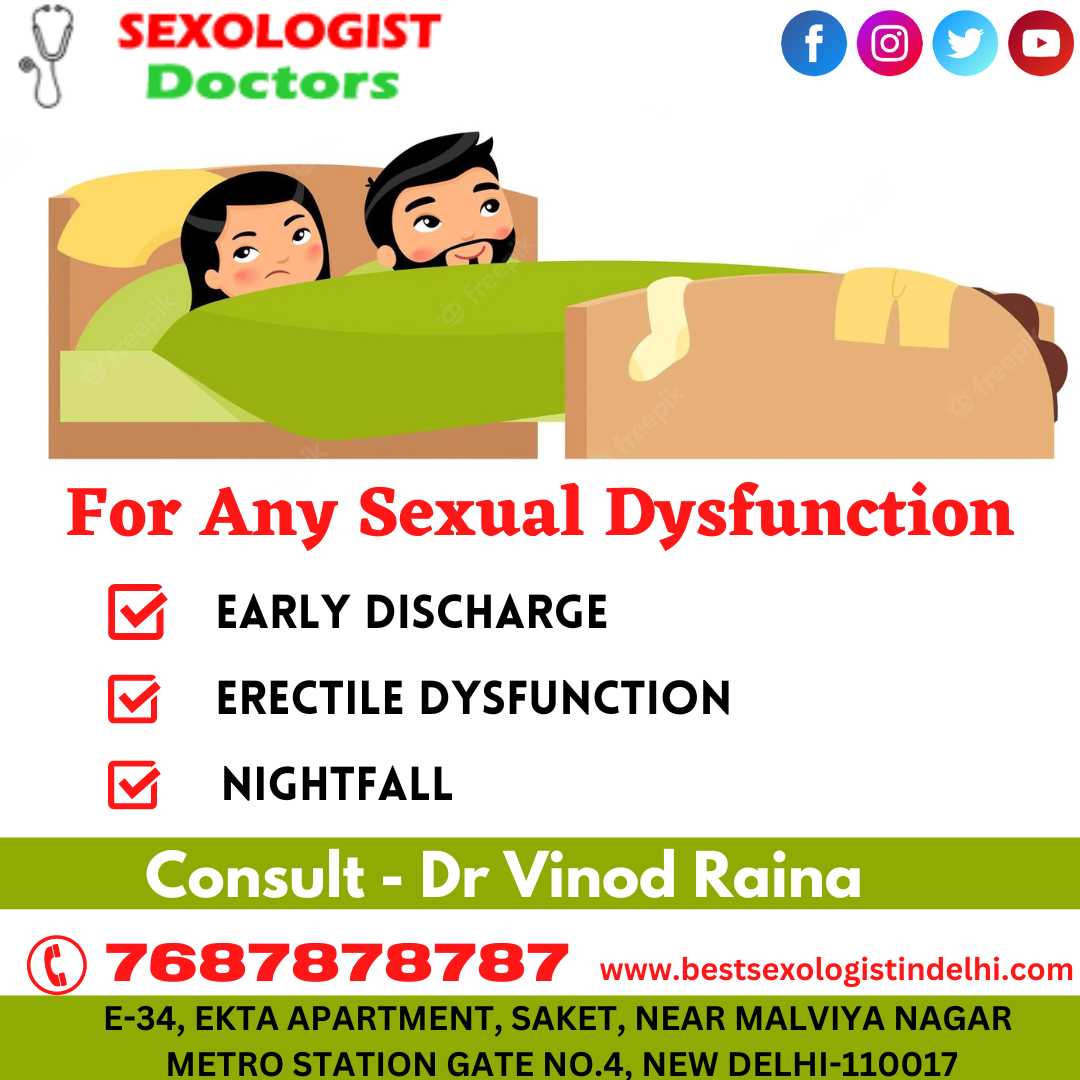
Best Solution for Early Discharge in Delhi
Early Ejaculation <br>Premature ejaculation (PE) is a frequent sexual dysfunction that happens when a man ejaculates (releases semen) during sexual activity before he wants to and before he would like to, generally before or soon after penetration. This may have a detrimental effect on sexual relationships as well as both partners' general enjoyment and well-being. <br> <br>Key points to understand about premature ejaculation include: <br>1. Time Frame: PE is generally defined as ejaculating within one minute of penetration or before both partners desire it to happen. However, there is no strict time limit, and what constitutes "premature" can vary from person to person and situation to situation. <br> <br>2. Causes: <br>Psychological Factors: <br>Anxiety: Performance anxiety, particularly in new sexual situations or with a new partner, can lead to PE. Fear of not satisfying one's partner can create stress and nervousness, which can exacerbate the issue. <br> <br>Stress: High levels of stress, whether related to work, personal life, or other factors, can interfere with sexual performance and contribute to PE. <br> <br>Relationship Issues: Conflicts, communication problems, or unresolved relationship issues can affect sexual performance and contribute to PE. <br> <br>Depression: Depression can affect sexual function in various ways, including causing PE. <br> <br>Biological and Physical Factors: <br>Hypersensitivity: Some men have a heightened sensitivity in their genital area, making them more prone to quick arousal and ejaculation. <br> <br>Abnormal Hormone Levels: Hormonal imbalances, such as low levels of serotonin, may contribute to PE. <br> <br>Prostate Issues: Certain prostate conditions, such as prostatitis or an enlarged prostate, may affect ejaculation control. <br> <br>Neurological Factors: Conditions affecting the nervous system, such as multiple sclerosis, may interfere with ejaculation control. <br> <br>Behavioral Factors: <br>Masturbation Habits: Frequent or rushed masturbation practices may train the body to ejaculate quickly, leading to PE during partnered sex. <br> <br>Infrequent Sexual Activity: Lack of sexual activity or infrequent sexual encounters can result in heightened excitement and quicker ejaculation when sexual opportunities arise. <br> <br>Medications and Substance Use: <br>Some medications, especially those affecting the central nervous system, can influence ejaculation control. <br> <br>Substance abuse, such as alcohol, tobacco, or illicit drugs, may contribute to PE. <br> <br>Medical Conditions: <br>Certain medical conditions, such as diabetes, high blood pressure, or heart disease, can affect blood flow and nerve function, potentially contributing to PE. <br> <br>3. Primary vs. Secondary PE: Primary PE refers to lifelong premature ejaculation, which has been a problem since a person's first sexual experience. Secondary PE develops later in life and can be triggered by factors such as stress, relationship problems, or other underlying health issues. <br> <br>4. Symptoms of Premature Ejaculation: <br>The primary symptom of premature ejaculation (PE) is the consistent and recurrent inability to delay ejaculation during sexual activity, resulting in ejaculation occurring sooner than the individual or their partner desires. While the core symptom is timing-related, PE can manifest in several ways, and individuals may experience additional emotional or psychological symptoms associated with their condition. Here are some common symptoms and characteristics of PE: <br> <br>Ejaculation Occurs Quickly: The hallmark symptom is that ejaculation typically occurs within one minute of penetration or even before penetration in some cases. This rapid ejaculation happens consistently over time, distinguishing it from occasional instances of early ejaculation. <br> <br>Lack of Control: Individuals with PE often feel a lack of control over their ejaculation. They may describe feeling unable to delay or hold back their climax, regardless of their efforts. <br> <br>Frustration and Distress: PE can lead to frustration, embarrassment, and distress for both the person experiencing it and their sexual partner. These negative emotions can, in turn, exacerbate the issue. <br> <br>Relationship Strain: PE can strain intimate relationships, as it may lead to dissatisfaction and tension between partners. Communication problems and feelings of inadequacy can arise. <br> <br>Anxiety and Performance Pressure: The fear of experiencing PE can create anxiety and performance pressure, which can further contribute to the problem. This anxiety can become a self-fulfilling prophecy, making PE worse. <br> <br>Avoidance of Sexual Intimacy: Some individuals with PE may start avoiding sexual activity altogether to prevent the embarrassment and disappointment associated with rapid ejaculation. <br> <br>it's essential to remember that occasional instances of quick ejaculation do not necessarily indicate PE. PE is diagnosed when these symptoms occur consistently and cause distress or problems in the individual's sexual life. If you suspect you have PE or are experiencing these symptoms, it's advisable to seek guidance from a Sexologist. <br> <br>Dr. Vinod Raina, Best Sexologist in Delhi <br>Address: E-34 Ekta Apartment Saket, New Delhi-110017 <br>Contact: 7687878787, 9871605858
About Dr Vinod Raina's Store
No description provided.
0.0
Customer Reviews
See what others are saying about Dr Vinod Raina's Store. We verify purchases to ensure reviews are genuine.
No reviews yet for this store.