

hypoptics com's Store
Owned by hypoptics com Joined May 2024 9 Listings
hypoptics com's Store
easyid.me/biz/hypoptics-059da5 • Verified Store
Scan to open official EasyID digital store, view live catalog, or save business card.
Verified Merchant
EasyID Certified Seller
Fast 24h Packing
Direct courier dispatch
Zero Escrow Direct
Direct merchant settlement
Store Listings (9)
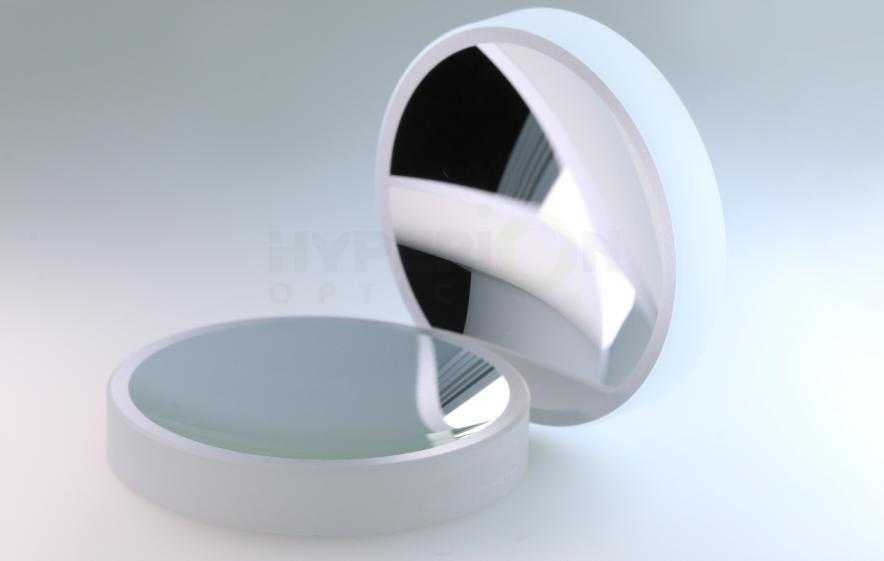
Concave Mirror
Concave Mirror for Sale <br>The concave mirror is the reflection imaging, it is not the light through, but the reflection back to the imaging instrument, the light observes the reflection law. A concave mirror is a spherical mirror which has no chromatic aberration because there is no refraction but still has a spherical aberration. If a mirror without spherical aberration is required, a parabolic / ellipsoidal / hyperboloid mirror can be selected. <br> <br>Concave mirrors can be used to create images of light sources. Concave mirrors can be tricky to use as the object and image will now exist in the same space. However concave mirrors have one incredible characteristic in that the image location and quality is completely independent of the wavelength and so does not create chromatic aberration unlike equivalent lens optics. This allows the design of very wide spectral range instruments and does allow a system that will work in the IR to be aligned using visible light. <br> <br>Concave mirrors are typically used in reflecting telescope, electron microscopes and a range of scientific instrumentation applications where there is a requirement to image distant objects. <br> <br>Our range of quality concave mirrors are coated for use in the visible and near infra-red regions. We can also strip the aluminium coating from our stock concave optical mirrors and coat with a desired coating, i.e. Protected Gold or UV aluminium. This can be done at short notice to create your bespoke custom concave mirror. This can be very helpful with development work. <br> <br>Hyp design is a leading optics supplier of photonics products including optical components, lens systems and opto-mechanical assemblies in UV, Visible,NIR, SWIR applications. Our clients spanning across defense, security, bioengineering, pharmaceutical, institutional, industrial and research industries worldwide. <br>#concave#mirror#for#sale <br>[a]http%3A%2F%2Fwww.hypoptics.com%2Fcomponents%2Fmirrors%2Fconcave-mirror.html[/a]
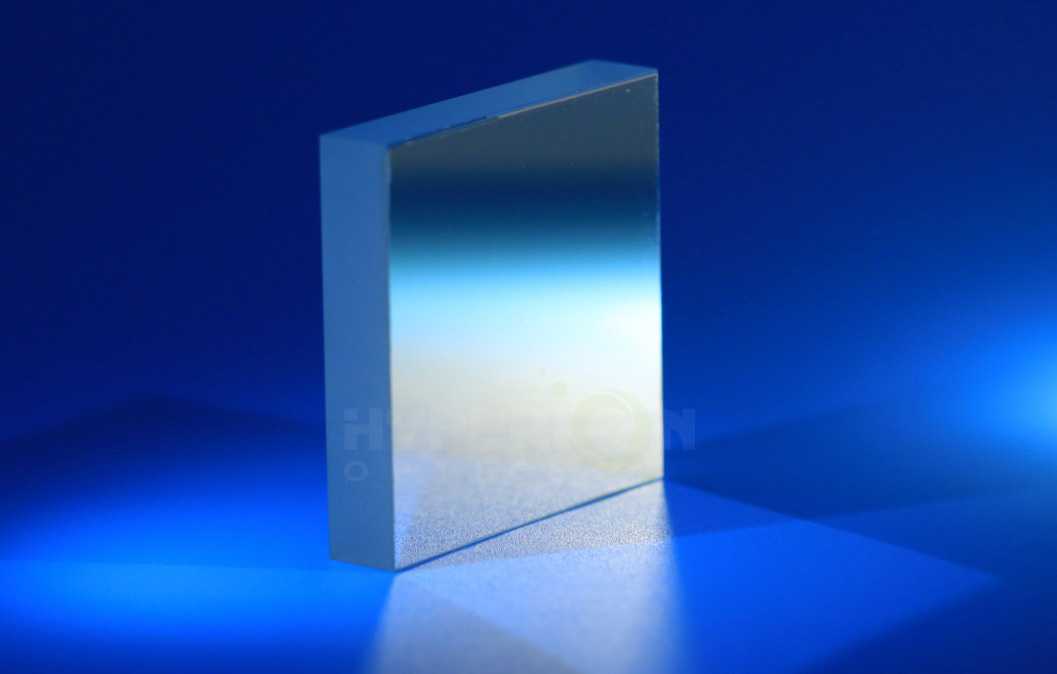
Cold & Hot Mirror
Hot Mirror Coating <br> <br>Heat mirrors and cold mirrors are special bandpass filters that can reflect infrared light and ultraviolet light and only allow visible light to pass through. These optical mirrors, also known as heat-absorbing filters, also known as IR cut filters. Hot mirror will be a large number of heat generated near-infrared light isolated optical path to protect the heat-sensitive devices, where the need for high light intensity and need to be separated from the heat applications can be. <br> <br>If you want to know more about optical design manufacturing, please visit our website. <br>#hot#mirror#coating <br>[a]http%3A%2F%2Fwww.hypoptics.com%2Fcomponents%2Fmirrors%2Fcold-hot-mirror.html[/a]
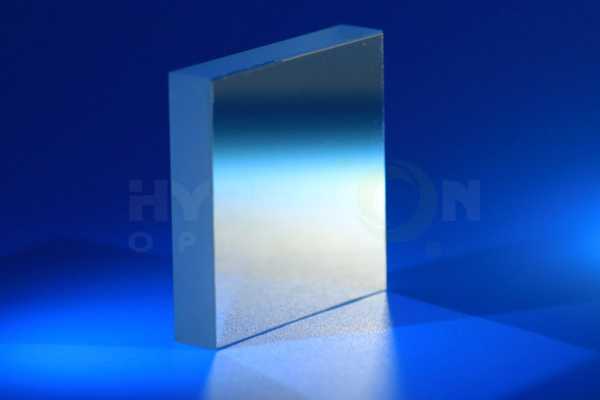
Mirrors
Mirrors <br>Spherical Reflection Mirrors, Off-Axis Parabolic Mirrors, Plano Mirrors With High Reflection Coating <br> <br>Optical Mirrors are designed to reflect light for a variety of applications, including beam steering, interferometry, imaging, or illumination. Optical Mirrors are used in a wide range of industries, such as life sciences, astronomy, metrology, semiconductor, or solar. <br> <br>Hyperion Optics offers a range of laser, flat, metal substrate, focusing, or specialty Optical Mirrors in a multitude of reflective coating options, including Protected Aluminum, Enhanced Aluminum, Protected Silver, Protected Gold, or Dielectric. Choosing the proper reflective coating option ensures high reflectivity of the needed wavelength or wavelength range. Optical Mirrors designed for laser applications are optimized for the given laser wavelength. Additionally, Optical Mirrors designed for lasers feature damage thresholds that are suitable for the designated laser. Metal substrate Optical Mirrors are ideal for applications requiring a constant coefficient of thermal expansion between the Optical Mirror and the mount. Optical Mirrors with a concave surface are ideal for light focusing applications. <br> <br>Mirrors optics have a smooth, highly-polished, plane or curved surface for reflecting light. Usually, the reflecting surface is a thin coating of silver, or aluminum on glass. Product specifications for optical mirrors include diameter, radius of curvature, thickness focal length, and surface quality. The diameter or height of an optical mirror is measured straight on. If the optical mirror’s curvature was extrapolated into a sphere, then the radius of that sphere is the radius of curvature for the mirror. There are two thickness measurements for optical mirrors: center thickness and edge thickness. Units of measure include inches, feet, and yards; nanometers, centimeters, and millimeters, and miles and kilometers. With optical mirrors, focal length is the distance from the mirror at which light converges. Surface quality describes digs and scratches. A dig is a defect on a polished optical surface that is nearly equal in terms of length and width. A scratch is a defect whose length is many times its width. <br> <br>Optical mirrors are made from many different materials, each of which influences the mirror’s reflectivity characteristics. Choices for materials include borosilicate glass, copper, fused silica, nickel, and optic crown glass. Borosilicate glass is also known as BK7 and boro-crown glass. Copper is used in high-power applications because of its high thermal conductivity. Fused silica has a very low coefficient of thermal expansion and is suitable for use with moderately-powered lasers or changing environmental conditions. Ultraviolet (UV) grade optical mirrors are also commonly available. Nickel is used in applications which require resistance to both thermal and physical damage. Proprietary materials for optical mirrors include Pyrex (Corning Inc.) and Zerodur (Schott Glaswerke). <br> <br>Optical mirrors are sometimes coated to enhance their reflectivity. Choices include bare, enhanced, and protected aluminum; silver, bare gold and protected gold; and coatings made from rhodium and dielectric materials. Enhanced aluminum coatings are used to improve reflectance in the visible and ultraviolet regions. Protected aluminum coatings provide abrasion resistance while protecting the surface of the aluminum, an excellent reflector in the upper UV, visible and near-infrared (IR) regions. Optical mirrors with bare gold and protected gold coatings are used in the near-IR to far-IR regions. Silver coatings provide better reflectance than aluminum; however, silver’s tendency to oxidize and tarnish requires thorough sealing from the atmosphere. Rhodium coatings have a reflectivity of approximately 80% of the visible spectrum. <br> <br>Definition of Optical Mirrors <br>Mirror is an optical element that uses the law of reflection. In the past, when the mirror was made, it was often silver coated on the glass. The standard process is: after vacuum steaming aluminum on a highly polished substrate, it is then coated with a silicon oxide or magnesium fluoride. Since the law of reflection is independent with the frequency of light, such components have a wide range of working bands and can reach the ultraviolet and infrared regions of visible spectrum, so its application is more and more extensive. <br> <br>Whether the mirror’s reflective effect is good depends on the wavelength of the incident light (i.e. the light source) and the surface finish of the coating. The output power of the laser can be multiplied if applied with reflector of high reflection ratio. It is reflected from the first reflector, and the reflection image is not distorted without double shadow. If we use a normal mirror, it not only has low reflectivity, but also has no selectivity of wavelength, and can produce double shadow. However, with the coating membrane mirror, the image obtained is not only high in brightness, but also precise and accurate, with clearer picture quality and more realistic color. <br> <br>Types and Application of Optical Mirrors <br>The mirror is divided into three kinds in shape: plane mirror, spherical mirror and aspheric mirror. It can also be divided into complete reflectors and semi-permeable mirror by the degree of reflection. The optical mirror is designed to reflect light in a variety of applications, including beam deviation, interferometry, imaging or lighting. <br> <br>Plane mirror is usually made of silver-plated or aluminium-plated flat glass. A plane mirror is a virtual image of a virtual object. It is the only optical element that does not damage the single heart of the beam and can form a perfect image. <br> <br>The reflection surface of a spherical mirror is a sphere. If the center of the ball is located on the illuminated face, it is called a concave mirror. If the center of the ball is located on the other side of the illuminated face, it is called a convex mirror. The concave mirror is a convergent mirror. The parallel beam is reflected and will converge at one point, which is the real focus. The light source is placed in the focus position and the beam is reflected back into a parallel beam. The convex mirror is a divergent mirror, and the parallel beam is reflected by it to be a divergent beam, and the backward extension of the reflected ray is delivered to a point, which is the virtual focus. The observation mirror on both sides of the car's cab is a convex mirror, and objects in the distance form a shrinking image near the virtual focus. <br> <br>Aspheric mirror can be classified into parabolic mirror, hyperboloids mirror, elliptic mirror, tapered surfaces and cylindrical mirror. The beam of a parallel axis of light is reflected in a paraboloid mirror and is concentrated in the focal point of the paraboloid. And in the reflector telescope, it can be used to make the distant star imaging in the focal point. Instead, a beam of light emitted by the focus is reflected by a parabolic mirror and then forms a parallel beam for the searchlight. Hyperboloid and elliptic mirrors are often used in special optical systems to simplify the structure and improve image quality. <br> <br>If you want to know more about optical assembly manufacturing, please visit our website. <br>#mirrors#optics <br>[a]http%3A%2F%2Fwww.hypoptics.com%2Fcomponents%2Fmirrors%2F[/a]
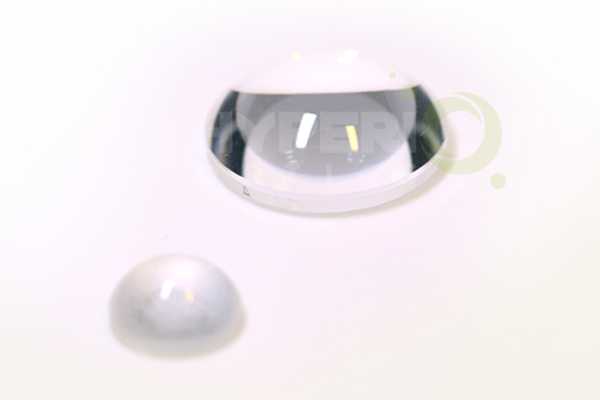
Sapphire Lenses
[a]https%3A%2F%2Fwww.hypoptics.com%2Fcomponents%2Finfrared-lenses%2Fsapphire-lenses.html[/a] <br> <br>#sapphire #glass <br> <br>Sapphire is the best medium for sapphire glass lenses that require a broad spectrum of light transmission and high optical clarity, especially in demanding applications such as laser system or working under harsh environmental conditions. With its excellent hardness, high thermal conductivity and resistance to chemical acids and alkalis, sapphire’s physical property is hard to machine, also requires unique polishing techniques. <br> <br>At Hyperion Optics, our technicians are able to deliver excellent accuracy exactly customers ask for, no matter the finished products are used through infrared wavelength or within UV range, our sapphire products suit following applications: <br> <br>Endoscopes & medical optical applications <br>Infrared (IR) sapphire optics for laser systems <br>Sapphire optics for LEDs & lighting applications <br>Sapphire lenses, reflectors & holders for fiber optics applications <br>Sapphire light pipes & light guides for IR transmission <br> <br>Our precision sapphire lens is widely used in imaging optics, chemical and erosion resistance front surface optics as well as focusing lenses. <br>Sapphire Lenses COMMERCIAL GRADE FACTORY STANDARD PRECISION GRADE <br>Diameter Tolerance(mm) 0 0 0 <br>Center Thickness(mm) ±0.10 ±0.05 ±0.03 <br>Radius (%) ±2% ±1.5% ±1% <br>Focal Length Tolerance (%) <5% <5% <3% <br>Cosmetic(MIL-C-13830A) 100-80 60-40 40-20 <br>Figure Tolerance in λ(Pow/irreg) 5-2 2-1 2001/1/2 <br>Centration (Arc min) 5' 5' 3' <br>Dia. To Thick Ratio 9~50:1 <br>Coating (T% avg) 96% @ 3-5um/7-14um. 95% @ 4-12um <br>Materials CZ Optical Grade Sapphire <br> <br>As an optical design manufacturing company, we will do our best to meet all the needs of customers.
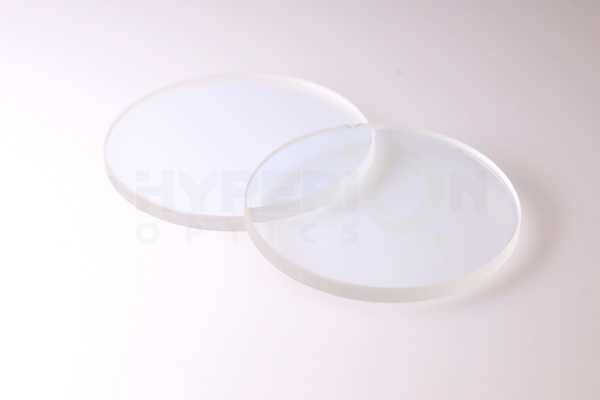
Magnesium Fluoride Lenses
[a]https%3A%2F%2Fwww.hypoptics.com%2Fcomponents%2Finfrared-lenses%2Fmagnesium-fluoride-lenses.html[/a] <br> <br>#MgF2 #lenses <br> <br>Uses of Magnesium Fluoride <br>CVD magnesium fluoride (MgF2-CVD) has good mechanical properties, chemical stability, impact resistance, great anti thermal fluctuations and radiation. While it has excellent transmission from 0.11 to 9 um, suitable for optical lenses, wedge, and window manufacturing. MgF2 is also considered as durable material in deep UV and LWIR applications. <br> <br>Hyp design offers custom parameter MgF2 lenses; we strictly control the alignment of C-Axis to avoid birefringence effects during usage. Please talk to our technicians of further information.
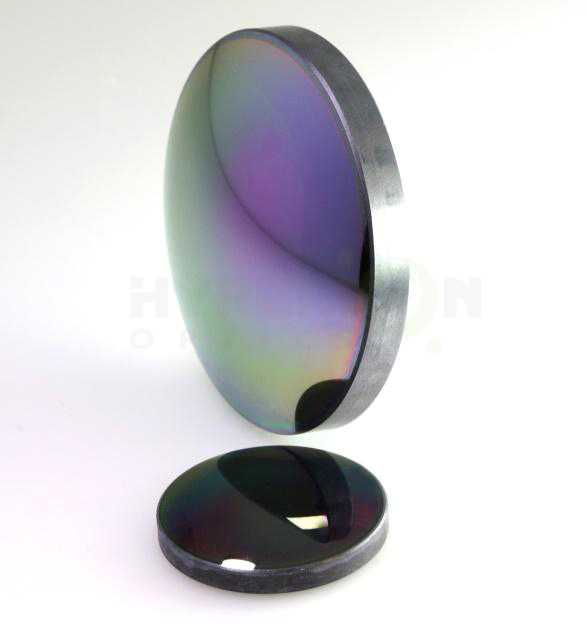
Germanium Lenses
[a]https%3A%2F%2Fwww.hypoptics.com%2Fcomponents%2Finfrared-lenses%2Fgermanium-lenses.html[/a] <br> <br>#infrared #lenses <br> <br>In the range of 2-12 μm, germanium is the most commonly used material for the production of spherical infrared lenses and windows for high efficiency infrared in the imaging system. Germanium has a high refractive index (about 4.0 through 2-14μm band), usually do not need to be modified due to its low chromatic aberration in low power imaging systems. <br> <br>Germanium optical performance is severely affected by temperature; the transmission rate decreases with the increase of temperature, most applications with Germanium elements involved can only be applied below 100 degrees Celsius. Designers also need to pay attention for certain weight constraints in system design with a density of germanium (5.33 g/cm3). Germanium is mainly used in the thermal imaging system and infrared (FLIR) field. <br> <br>It is critical that the surface of the material has a promising finish and good transmittance. Hyperion Optics provides 40-20 surface quality Ge lenses as factory standard products, with up to 1/4 lambda in surface accuracy. Our outstanding CNC lathe capability has leveraged our machining efficiency to meet rapid delivery. GE aspheric zoom lens stand up well to harsh environments and we offer the most popular sizes with Anti-Reflection Coatings. are also available for your application; please refer us Aspheric Lenses for more information.
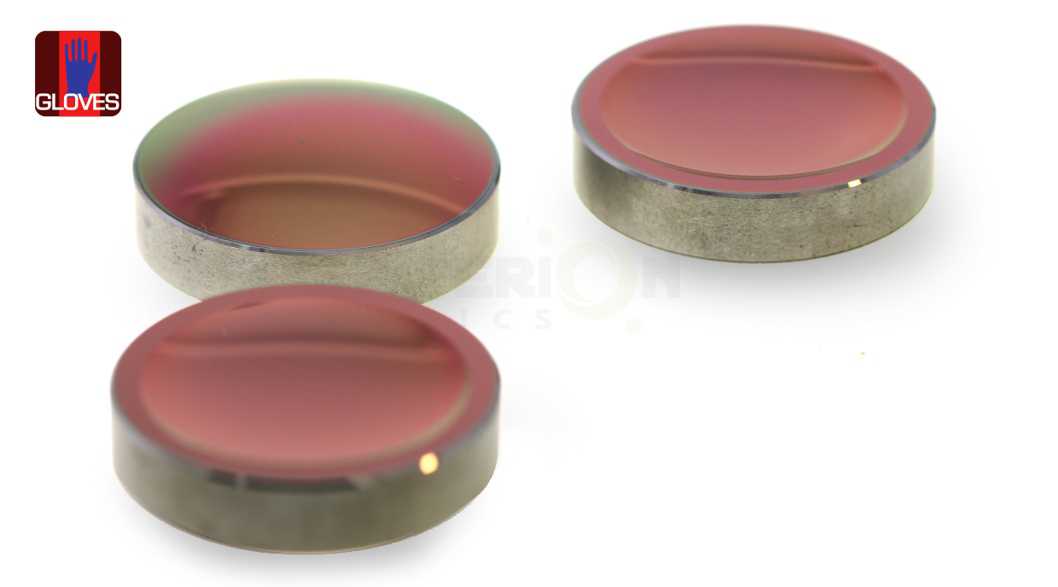
Gallium Arsenide Lenses
[a]https%3A%2F%2Fwww.hypoptics.com%2Fcomponents%2Finfrared-lenses%2Fgallium-arsenide-lenses.html[/a] <br> <br>#gallium #mirror <br> <br>GaAs is semi insulator, which can be used in large power continuous CO2 laser system to replace the zinc sulfide in lens or mirror forms. GaAs is suitable in applications consists of toughness and durability. <br> <br>In some cases, particles of dust or steel will impact the optical element surface, the hardness and strength of GaAs surface makes it a good choice under such circumstance. <br> <br>GaAs was originally intended for use in semiconductor applications (rather than optical applications), and therefore, it is extremely important to make careful screening of materials in the manufacture of high quality GaAs optical components. <br> <br>GaAs optical elements are subject to the restriction of crystal growth technology, the diameter is generally below 10 cm. The materials are hygroscopic and can be safely used in laboratory and field application, its chemical properties are very stable (except contact with strong acids) <br> <br>Further, Hyperion Optics helps customers by providing stable quality GaAs components to fulfill their infrared application design by custom manufacturing. We would be a good choice if your system consists of GaAs material elements. Hyperion Optics provides both uncoated GaAs substrates as well as coated products.
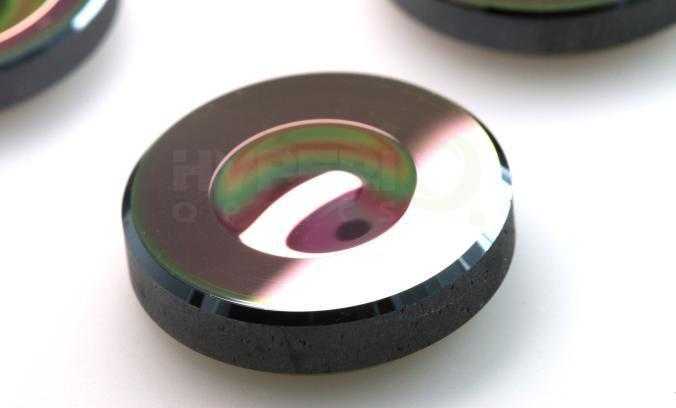
Chalcogenide Lenses
[a]https%3A%2F%2Fwww.hypoptics.com%2Fcomponents%2Finfrared-lenses%2Fchalcogenide-lenses%2F[/a] <br> <br>#chalcogenide #lens <br> <br>Chalcogenide glass is containing one or more chalcogens (sulfur, selenium and tellurium, but excluding oxygen). Chalcogenide components are becoming popular in various IR applications due to its excellent wide band transmittance (3-5µm, 8-12µm) with reliable machinability, which perform rather differently from oxides; particularly low band gaps help optical designers to introduce more flexible IR solutions. <br> <br>Based on Hyperion Optics’ IR material processing capability, we now introduce our Chalcogenide glass family components, as equipped with the most advanced manufacturing devices, Hyperion Optics is able to deliver quality Chalcogenide components just like other IR materials. Our Chalcogenide material inventory ranges from Schott IRG22, IRG23, IRG24, IRG25, IRG26; in addition, as our partnership with China based material vendor HUBEI NEW HUAGUANG (Known as NHG) Material Technology Co., Ltd,. We also supply chalcogenide lens components with their Chinese equivalents which is a highly cost-effective solution for our potential customer whether it is a concept approval project or series production scenario.
Calcium Fluoride Lenses
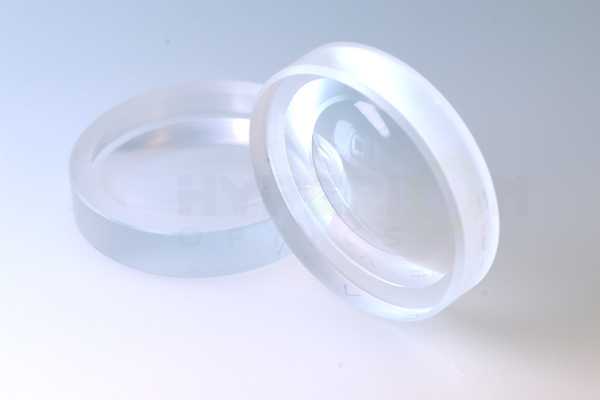
[a]https%3A%2F%2Fwww.hypoptics.com%2Fcomponents%2Finfrared-lenses%2Fcalcium-fluoride-lenses.html[/a] <br> <br>#caf2 #transmission <br> <br>Calcium Fluoride Lenses <br>Hyperion Optics supplies uncoated 1/2 inch and 1 inch in diameter Calcium Fluoride (CaF2) lenses. Please talk to our technicians for your custom requirement. We are also able to provide coated products with AR coating through 1.65µm or 2-5µm. <br> <br>CaF2 has high caf2 transmission rate through 0.18-8.0 microns, used for UV and IR spectral high transmission applications. With its outstanding laser power damage threshold CaF2 lenses also are widely used under excimer laser environment. Its refractive index is comparatively low from 180nm up to 8.0 microns, ranges from 1.35 to 1.51. CaF2 has low dispersion, in visible wavelength applications, it shows superior vivid and exquisite imaging performance compared to regular optical glasses. <br> <br>However, Calcium Fluoride components are difficult to manufacture in actual production. The material itself is soft and easy to leave fabrication marks and scratches on the polished surfaces. At Hyperion Optics, with our decade experience of CaF2 production, we have outstanding surface accuracy and cosmetic control method, our typical surface quality grade is 40-20 according to MIL-C-13830A. <br> <br>If you want to buy calcium fluoride ir windows, please visit our website. <br> <br>As an optical assembly manufacturing company, we will do our best to meet all the needs of customers.
About hypoptics com's Store
No description provided.
0.0
Customer Reviews
See what others are saying about hypoptics com's Store. We verify purchases to ensure reviews are genuine.
No reviews yet for this store.