Articles

Articles & Insights

Discover, learn, and grow with stories from our ecosystem members.

search
filter_list Category: tech-innovation
close
Measuring Consumer Patterns through Blinkit Data Extraction Tech & Innovation
Oct 22, 2026 • visibility 34 • 16 min read

Measuring Consumer Patterns through Blinkit Data Extraction

IntroductionIn the fast-moving world of online grocery platforms, understanding market dynamics and Consumer Reviews Data has become the cornerstone of success. The competitive environment is shaped by constant changes in prices, delivery expectations, and customer preferences. Platforms such as Blinkit have emerged as powerful players in this ecosystem, where precision in data extraction enables smarter decision-making.The true advantage lies in using such insights to respond to market fluctuations in real time. When pricing, delivery efficiency, and customer satisfaction work together, companies can achieve over 90% accuracy in forecasting and business optimization. With accurate data pipelines, businesses can benchmark themselves against competitors, assess delivery network efficiency, and understand customer sentiment.The ability to translate this raw information into practical intelligence not only enhances operational accuracy but also empowers brands to predict future consumer behavior patterns. This is the era of intelligent data-driven grocery retailing, and Blinkit Data Extraction serves as a strategic foundation for achieving smarter, faster, and more profitable outcomes.Evaluating Data Patterns for Grocery Price ShiftsEvery minor change in pricing strategy can directly influence a consumer’s buying intent, especially when digital buyers constantly compare across multiple apps. Advanced extraction and analysis methods now allow businesses to monitor these price fluctuations with greater accuracy. The integration of Blinkit Pricing Analysis provides visibility into live price changes across thousands of grocery SKUs, ensuring data-backed adjustments that support revenue optimization.With structured data aggregation, pricing gaps between competitors are minimized. According to recent studies, almost 78% of online grocery buyers evaluate price differences before confirming their cart. Businesses can use this insight to plan smarter promotions, identify underperforming products, and anticipate demand surges for fast-moving categories. Real-time intelligence provides actionable direction for maintaining pricing accuracy and consistency across all product categories.Competitor Price Comparison: Product listings as the analysis source; 92% accuracy; supports pricing strategy realignment.Stock-based Price Variation: Availability data as the analysis source; 88% accuracy; improves margin optimization.Promotional Offer Tracking: Campaign insights as the analysis source; 90% accuracy; enables discount management efficiency.Harnessing advanced grocery pricing insights strengthens a retailer’s ability to remain both profitable and consumer-centric. The integration of structured datasets ensures that pricing decisions are always supported by factual and current information rather than assumptions.Transforming Customer Opinions into Actionable ImprovementsUnderstanding customer sentiment remains one of the most significant aspects of online grocery success. Every review, feedback comment, or star rating contributes valuable intelligence toward product and service quality improvement. Using Blinkit Reviews Data Scraping, businesses can collect and analyze thousands of user experiences to determine patterns of satisfaction and dissatisfaction across different product types or regions.Through in-depth analysis of Blinkit Reviews Data, companies can map out sentiment shifts over time and monitor how customer feedback correlates with sales performance. Approximately 68% of users make their purchase decisions after reading recent reviews, indicating that public perception directly affects conversions. Positive feedback builds loyalty, while negative insights reveal improvement areas in delivery, freshness, or communication.When integrated with Consumer Reviews Data, a brand’s decision-making becomes more empathetic and customer-driven. This ensures that organizations respond faster to buyer expectations and develop policies that nurture trust. By organizing these data points, businesses can identify trends like repeat complaints or top-rated products and use these findings to refine offerings and strengthen relationships.Verified Reviews: Positive sentiment; boosts customer confidence; encourages repeat purchases.App Feedback: Neutral sentiment; reveals mid-tier product performance; improves engagement tactics.Support Tickets: Negative sentiment; highlights problem areas; enhances operational focus.Understanding real consumer sentiment empowers companies to make service-driven decisions that lead to sustained growth and improved customer satisfaction.Optimizing Logistics Efficiency Through Delivery IntelligenceThe grocery ecosystem thrives on reliable delivery experiences. A single delay can affect customer satisfaction and brand perception. Utilizing Blinkit Delivery Data Insights, businesses can analyze their logistical flow — from warehouse operations to doorstep delivery — and identify bottlenecks impacting timeliness. When integrated with advanced routing tools, this information ensures smoother last-mile fulfillment and lower operational costs.Modern logistics networks require real-time adaptability. By identifying recurring issues like route inefficiencies or area-specific congestion, grocery retailers can significantly improve their delivery timeframes. Recent data reveals that companies applying delivery analytics achieved a 25% reduction in delivery time deviations and a 17% cost saving in fuel and routing expenses.Incorporating metrics from Extract Blinkit Delivery Trends enables better geographical targeting and resource allocation. It helps identify regions with growing demand, optimize fleet distribution, and forecast future logistical challenges. This proactive approach ensures faster fulfillment and higher reliability in customer service.Route Optimization: 22% improvement; 90% accuracy level; reduced operational overhead.Regional Performance: 19% improvement; 88% accuracy level; targeted delivery scheduling.Service Consistency: 25% improvement; 93% accuracy level; enhanced user satisfaction.By constantly refining logistics intelligence, businesses enhance productivity, minimize waste, and maintain delivery accuracy essential for modern grocery commerce.Tracking Emerging Behavior Across Modern Grocery ShoppersOnline grocery behavior has evolved beyond convenience — it reflects a combination of personalization, sustainability, and lifestyle-driven preferences. Analyzing Blinkit Consumer Trends allows businesses to decode what drives these purchase patterns, helping them forecast category-level shifts and respond accordingly.Brands that successfully interpret consumer patterns can anticipate future product demands. For example, analyzing demand clusters around fresh produce or organic goods highlights upcoming opportunities. Additionally, merging insights from Consumer Reviews Data helps validate these behavioral shifts with direct user sentiment, giving a balanced mix of qualitative and quantitative insight.Approximately 63% of grocery app users expect product suggestions to be based on their past purchase history, showcasing the power of predictive personalization. Through precise data interpretation, grocery retailers can personalize promotions, manage inventory better, and improve loyalty program effectiveness.Category Demand Forecast: 89% forecast accuracy; used for inventory planning; results in higher stock efficiency.Purchase Frequency Mapping: 85% forecast accuracy; used for customer loyalty programs; improves customer retention.Trend Correlation Analysis: 91% forecast accuracy; used for targeted promotions; enhances marketing ROI.Tracking consumer tendencies through structured datasets enables businesses to respond instantly to behavioral evolution, ensuring alignment with future market directions.Gaining Competitive Visibility Across Online Grocery PlatformsCompetition in the grocery market is intense, making accurate benchmarking vital. Applying Blinkit Market Analysis offers a comprehensive understanding of pricing, promotions, and availability across multiple competitors. With such data, brands can identify gaps and opportunities in their pricing models and promotional strategies.The implementation of Blinkit Competitor Pricing Analysis helps businesses uncover trends that were previously hidden due to fragmented data sources. This insight enables teams to adjust offerings dynamically while improving profit margins and competitive response rates. A study shows that data-driven grocery retailers experience up to 30% faster market adaptation than those relying solely on manual research.The inclusion of structured intelligence also aids in recognizing shifts in category dominance or emerging brand entrants. Real-time competitive benchmarking ensures brands maintain relevancy even as new players reshape the digital grocery space.Price Match Benchmark: 90% accuracy; improved pricing accuracy; sustained margin growth.Category Tracking: 88% accuracy; better shelf planning; enhanced product visibility.Promotion Comparison: 87% accuracy; efficient campaign planning; strengthened market share.By maintaining real-time competitor awareness, businesses secure data-backed confidence in their strategic positioning and long-term market sustainability.Synchronizing Inventory and Supply Chain MovementsOperational balance in grocery retail depends on consistent alignment between inventory management and delivery processes. Extracting valuable insights through Blinkit Grocery Data Extraction helps organizations predict stock needs, prevent shortages, and manage replenishment cycles with improved precision. Real-time synchronization eliminates inefficiencies that commonly arise in manual systems.Additionally, analyzing data through Blinkit Online Grocery Data enhances transparency between suppliers, warehouses, and delivery hubs. This synchronization reduces excess inventory, improves shelf turnover, and ensures timely availability for consumers.Integrating metrics from Extract Blinkit Delivery Trends enables cross-functional teams to monitor how regional differences affect stock movement. This creates an interconnected operational ecosystem that responds rapidly to demand surges or logistical interruptions.Inventory Forecasting: 20% improvement; 91% data accuracy; minimized overstocking.Delivery Synchronization: 24% improvement; 89% data accuracy; shorter lead times.Replenishment Planning: 19% improvement; 90% data accuracy; improved stock continuity.Through structured data-driven synchronization, grocery retailers can achieve exceptional supply chain stability and consistent customer satisfaction.How Datazivot Can Help You?With the help of Blinkit Data Extraction, we help businesses turn complex datasets into actionable insights that drive profitability, efficiency, and growth. Our expertise allows companies to make informed decisions about pricing, inventory, and consumer engagement by translating raw Blinkit marketplace data into structured intelligence.We offer tailored data scraping and analytics services designed to help grocery retailers manage pricing precision, monitor delivery networks, and understand shifting consumer expectations.Our services include:Building real-time data pipelines for competitive visibility.Analyzing large-scale grocery product datasets.Enabling delivery and logistics optimization.Predicting demand through historical trend analysis.Creating performance dashboards for strategic planning.Automating pricing intelligence processes.Through these intelligent systems, businesses can integrate Blinkit Data Scraping Services seamlessly to enhance operational outcomes and ensure sustained market growth.ConclusionBusinesses focusing on digital grocery ecosystems rely heavily on data precision. When applied correctly, Blinkit Data Extraction transforms decision-making, bringing measurable improvements to pricing, delivery, and customer satisfaction strategies.As real-time insights from Blinkit Delivery Data Insights strengthen accuracy and scalability, brands gain an enduring advantage in the competitive grocery landscape. Contact Datazivot today to extract powerful grocery insights that transform your data into measurable growth and market intelligence.#BlinkitDataExtraction,#BlinkitPricingAnalysis,#BlinkitReviewsDataScraping,#BlinkitReviewsData,Source: https://www.datazivot.com/blinkit-data-extraction-precision-pricing-market-trends.phpContact us:E-mail: [email protected] No: +91 8866656657Visit Now: https://www.datazivot.com/
Melissa Melissa Torres
Read arrow_forward
Competitive Retail Intelligence for E-Commerce Price Monitoring Tech & Innovation
Oct 22, 2026 • visibility 32 • 12 min read

Competitive Retail Intelligence for E-Commerce Price Monitoring

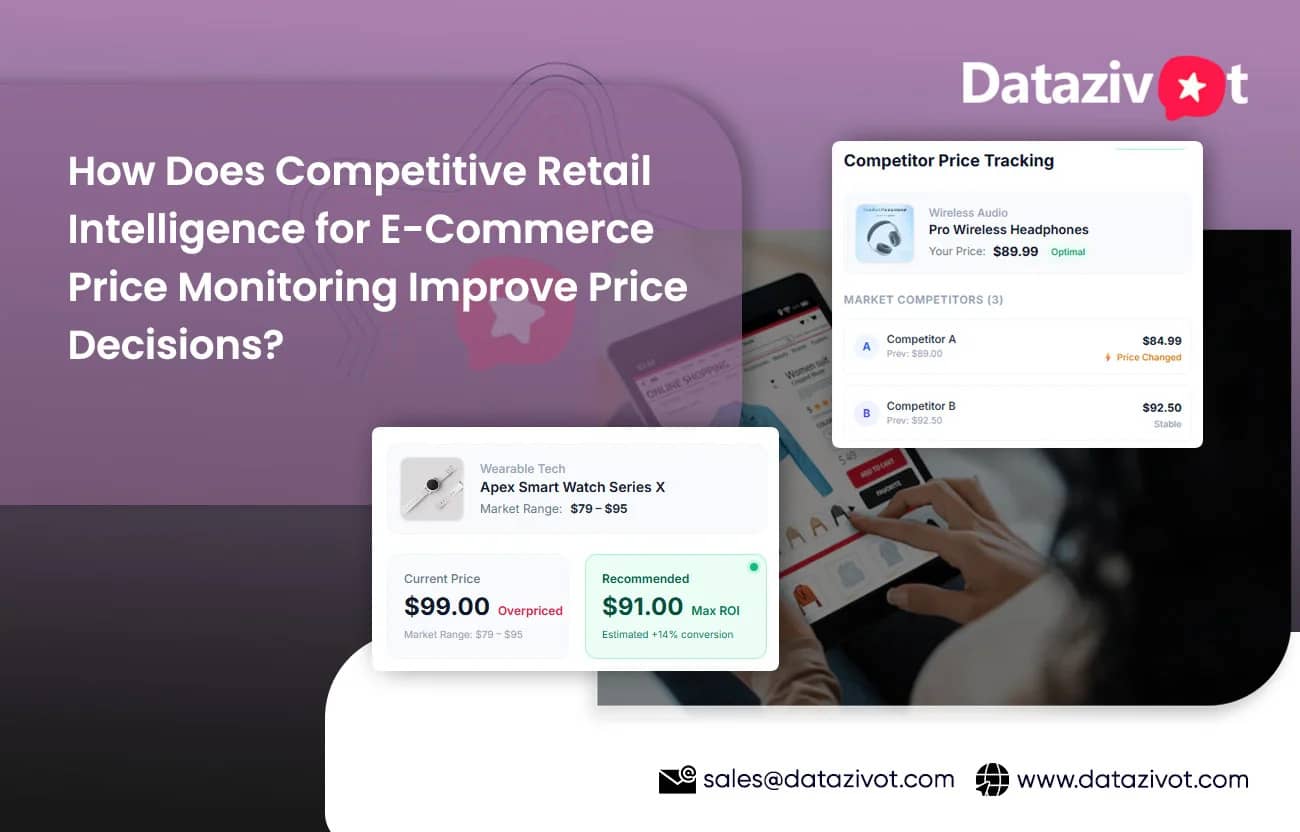
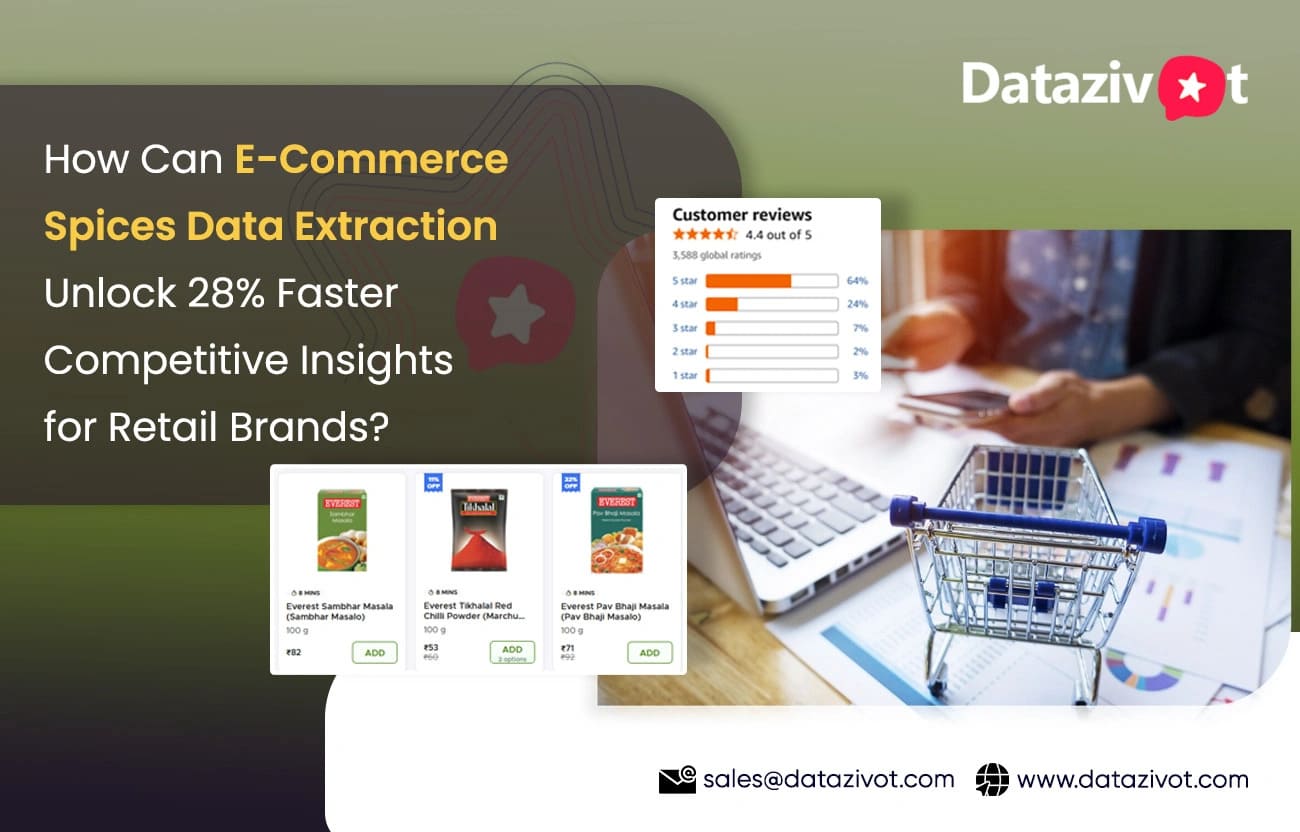
IntroductionPricing decisions directly influence sales, margins, customer retention, and brand positioning in competitive online markets. Competitive Retail Intelligence for E-Commerce Price Monitoring gives retailers a structured view of competitor prices, product movements, discounts, and market changes. This enables pricing teams to evaluate market conditions with timely and organized information.Retailers can compare product-level pricing, identify frequent changes, and assess how competitors position similar products across different categories. Combining pricing information with Ecommerce Product Reviews Data also provides useful context about customer responses, product expectations, and perceived value, helping businesses connect pricing decisions with market sentiment and purchasing behavior.With reliable competitive information, businesses can reduce manual price tracking and improve the consistency of pricing strategies. Data-driven monitoring supports faster responses to competitor promotions, changing demand, and category movements while helping teams maintain profitable price points across large product assortments.Strengthening Pricing Decisions Through Deeper Competitive Market SignalsE-commerce pricing decisions depend on more than observing whether competitors charge more or less for similar products. Retailers need a broader understanding of price movements, promotional activity, product availability, and changes across categories. Dynamic Pricing Intelligence for E-Commerce Data Scraping helps organize these signals systematically, allowing pricing teams to compare market conditions and identify meaningful changes without depending on scattered observations or manual checks.Regular monitoring also gives businesses a clearer foundation for evaluating category movements and customer demand. When pricing information is collected consistently, teams can identify products experiencing frequent price revisions, changing discounts, or unusual promotional activity. Combining these observations with Market Research provides additional context for understanding competitive positioning, category behavior, and broader retail movements before making important pricing adjustments.Instead of reviewing individual product pages repeatedly, businesses can organize information around product identifiers, current prices, previous prices, discounts, and availability. This creates a more consistent comparison process and helps pricing professionals identify where adjustments may be necessary while maintaining greater control over margins and promotional decisions.Important signals that can support this process include:Current and historical competitor pricesDiscount and promotional changesProduct availability patternsCategory-level pricing movementsFrequency of competitor price revisionsMonitoring Frequency: Daily or weeklyCompetitive Coverage: Multiple marketplacesManual Checking: Reduced significantlyPricing Reviews: More consistentCategory Analysis: Broader visibilityTogether, these capabilities create a stronger foundation for reviewing pricing decisions. Retailers can prioritize products requiring attention, evaluate competitive movements more efficiently, and establish repeatable processes for responding to market changes without relying entirely on manual research.Enhancing Product Comparisons With Detailed Competitive Pricing VisibilityProduct-level pricing visibility allows retailers to understand precisely where their offers differ from competing products. Rather than comparing broad category averages, teams can examine individual products, variations, discounts, ratings, and availability. Competitor Pricing Data Extraction for Retail Analytics supports this process by organizing competitive information into structured datasets that make product comparisons easier to review and analyze.Customer feedback can provide another useful perspective when evaluating price positioning. A price change may have different effects depending on perceived product quality, availability, brand reputation, and customer expectations. Incorporating Sentiment Analysis Data can help teams interpret customer reactions alongside pricing information, giving analysts additional context when assessing whether certain price positions may influence purchasing behavior or product perception.Detailed comparisons are especially useful for identifying products where competitors have introduced significant discounts or changed their regular pricing. Retailers can establish comparison rules around product identifiers, brands, categories, pack sizes, and specifications to minimize mismatches. This allows pricing teams to distinguish genuine competitive differences from variations caused by product attributes or inconsistent catalog information.Businesses can prioritize the following competitive signals:Product-level price differencesPromotional and discount movementsCompetitor availability changesCustomer response indicatorsBrand and category comparisonsProduct Comparisons: Thousands of SKUsPrice Attributes: Multiple fieldsPromotional Tracking: Regular intervalsCompetitor Coverage: Multiple retailersCustomer Indicators: Review-based signalsA structured comparison framework makes competitive analysis more practical for pricing teams. It helps them identify products requiring review, evaluate competitive gaps, understand customer-facing signals, and create clearer pricing recommendations based on consistent product-level information rather than isolated observations.Scaling Automated Monitoring Across Extensive Ecommerce Product CatalogsManaging competitive pricing across thousands of products becomes increasingly difficult when information changes frequently. Large catalogs may include numerous categories, variants, sellers, and marketplaces, making manual monitoring slow and inconsistent. An Ecommerce Retail Market Data Intelligence Scraper can automate structured collection across relevant sources, helping businesses maintain broader visibility while reducing repetitive monitoring activities.Automation also makes it easier to maintain consistent collection processes as product assortments expand. Instead of creating separate manual workflows for different categories, retailers can establish standardized fields for prices, discounts, availability, product names, specifications, and other relevant attributes. These structured datasets can then be processed through internal analytics systems, dashboards, reporting tools, or pricing workflows.Integration is another important consideration for businesses managing frequent data updates. A Web Scraping API can connect collected information with existing technology environments, allowing pricing and analytics teams to work with regularly updated competitive datasets. This reduces the need for repeated manual transfers and can support faster access to information when product prices or promotional conditions change.Large-scale monitoring can provide several operational advantages:Broader product catalog coverageAutomated competitive comparisonsConsistent data collection structuresFaster identification of pricing changesEasier integration with analytics systems10,000+ SKUs: Automated monitoring50,000+ SKUs: Expanded competitor coverage100,000+ SKUs: Large-scale comparisonMultiple Markets: Centralized monitoringFrequent Updates: Faster data availabilityScalable monitoring gives retailers a practical way to manage competitive information as their catalogs and market presence grow. By combining automated collection, standardized data structures, and existing analytical workflows, pricing teams can evaluate more products while maintaining a consistent approach to competitive price monitoring.How Datazivot Can Help You?We help ecommerce businesses organize competitive information into structured datasets that support practical pricing and market analysis. Competitive Retail Intelligence for E-Commerce Price Monitoring can be applied to track competitor prices, product changes, promotions, availability, and category movements across multiple online sources.Key ways we can support pricing and intelligence initiatives include:Automating large-scale competitor data collectionStructuring product and pricing information for analysisMonitoring frequent price and promotional changesSupporting category-level competitive comparisonsPreparing datasets for dashboards and reportingHelping teams integrate data into existing workflowsWith SKU-Level Competitor Price Data Scraping for Ecommerce Stores, businesses can maintain detailed product-level visibility and evaluate pricing differences across competitors, categories, and marketplaces. Structured delivery also makes the collected information easier to process for internal analytics, reporting, and pricing strategy development.ConclusionModern ecommerce pricing requires timely competitive information, consistent monitoring, and clear product-level visibility. Competitive Retail Intelligence for E-Commerce Price Monitoring helps businesses evaluate market movements, compare competitor positions, and make pricing adjustments using structured evidence. This reduces reliance on manual checks and supports more informed decisions across changing product categories.By combining automated monitoring with Competitor Pricing Data Extraction for Retail Analytics, retailers can organize competitive signals into useful datasets for pricing teams and business analysts. Better visibility can support stronger promotional planning, improved price consistency, and more responsive category strategies. Contact Datazivot today to build reliable competitive pricing datasets for smarter retail decisions.#CompetitiveRetailIntelligenceForECommercePriceMonitoring,#DynamicPricingIntelligenceForECommerceDataScraping,#CompetitorPricingDataExtractionForRetailAnalytics,#EcommerceRetailMarketDataIntelligenceScraper,Source: https://www.datazivot.com/ecommerce-spices-demand-analytics.phpContact us:E-mail: [email protected] No: +91 8866656657Visit Now: https://www.datazivot.com/
Melissa Melissa Torres
Read arrow_forward
USB RFID Reader Troubleshooting: Common Problems and Solutions Tech & Innovation
Oct 22, 2026 • visibility 40 • 20 min read

USB RFID Reader Troubleshooting: Common Problems and Solutions

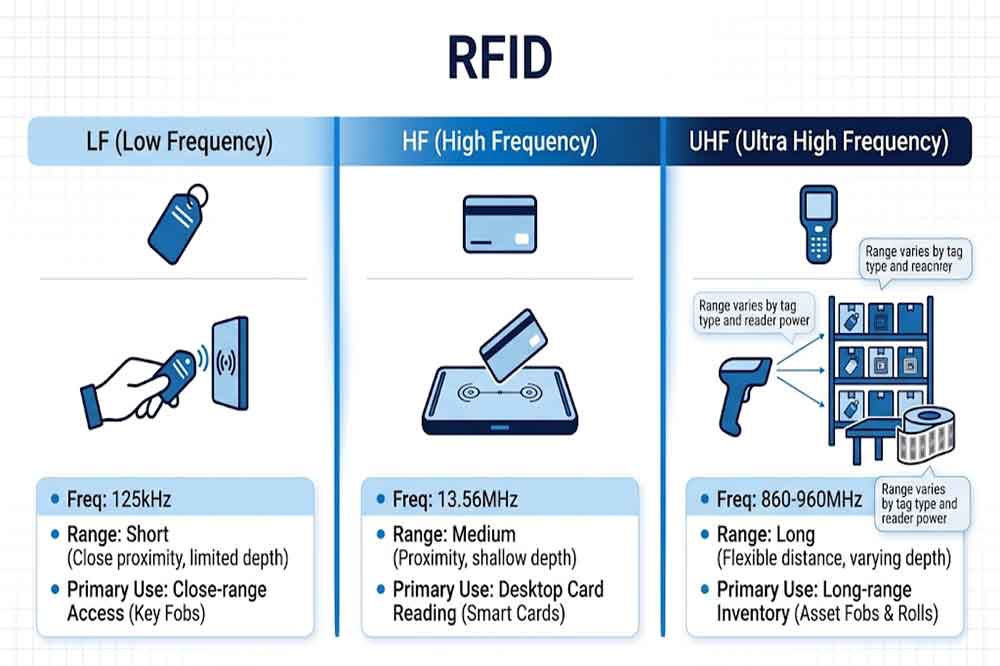
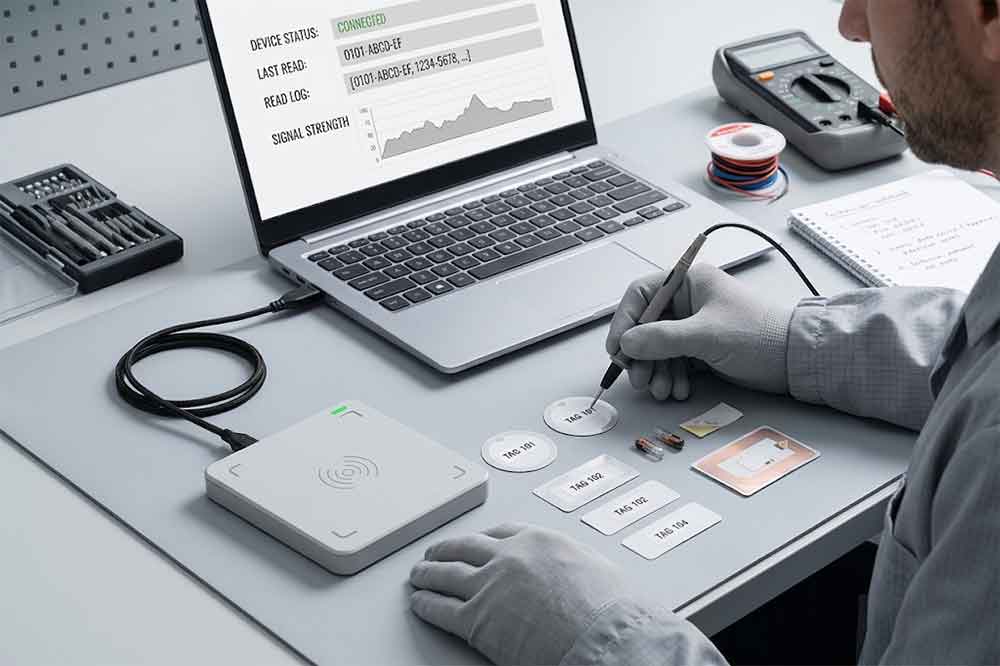
USB RFID reader may work perfectly during initial testing but behave differently after it is connected to a business computer, inventory application, or production workstation. Sometimes the computer cannot detect the device. In other cases, the reader connects successfully but fails to identify tags or send the expected data to the software.These problems do not always mean the RFID reader is defective. The cause may be an incompatible tag, an incorrect output mode, a missing driver, an unsuitable reading environment, or a software configuration issue.A structured troubleshooting process helps purchasing teams, engineers, and system integrators identify the source of a problem before replacing hardware. This guide covers common USB RFID reader issues, practical checks, and questions to ask a supplier when additional technical support is needed.The Computer Does Not Recognize the USB RFID ReaderOne of the first problems users encounter is that the computer does not appear to recognize the connected reader.The device may not appear in the expected system interface, the application may report that no reader is available, or the reader may connect and disconnect repeatedly.What to check firstStart with the physical connection. Inspect the USB cable, connector, and port. If possible, test another suitable USB port and a known-good cable. Avoid introducing additional USB hubs during initial troubleshooting, as they can add another variable.Next, check how the reader is designed to communicate with the computer. A reader using HID keyboard emulation may appear as a human interface device, while a virtual COM model may require a compatible driver and appear as a serial port. SDK-based devices may also require specific software components.Open the operating system’s device management tools and check whether the reader appears correctly. Look for warning symbols, driver errors, or repeated connection changes.If the reader is not recognized, verify the manufacturer’s installation instructions before installing or removing drivers.When to contact the supplierProvide the reader model, operating system version, connection method, and any error message. A screenshot of the device status can help technical support narrow down the issue.Do not assume that every USB RFID reader uses the same driver or appears under the same device category.The Reader Connects but Cannot Read RFID TagsA reader may connect normally while failing to identify a tag. In this situation, the USB connection may be working correctly, but the RFID reading conditions need further investigation.Check frequency and tag compatibilityRFID tags operate at specific frequency bands and use particular air-interface protocols. A reader designed for one frequency does not automatically support tags designed for another.For example, an LF reader, an HF reader operating at 13.56 MHz, and a UHF reader serve different tag families and applications. Before testing, confirm that the tag type is supported by the reader.Also check whether the tag is damaged, incorrectly positioned, or unsuitable for the intended application.Check distance and orientationMove the tag closer to the reader and test it at several positions. For a close-range reader, the intended reading distance may be only a few centimeters. A UHF reader may support a different working range, depending on its antenna, tag, settings, and environment.Do not judge performance using only one tag or one position. Test multiple known-good tags and record the conditions under which each one can be read.Consider the surrounding materialsMetal surfaces and liquids can affect RFID performance, particularly in UHF applications. A tag that works well in free air may perform differently when attached to a metal tool, liquid container, or other product.Use a tag designed for the actual material where necessary, and test it in the intended installation environment.For more detail, see our guide to USB RFID reader reading range.RFID Data Is Read but Does Not Appear in the ApplicationThis problem can be confusing because the reader may successfully identify a tag, yet the expected information does not appear in the software.The key is to distinguish between reading the tag and delivering its data to the target application.Check the output modeIn HID keyboard-emulation mode, tag data is usually sent to the active input field. If the cursor is in another window, the data may appear somewhere unexpected or seem to disappear.Open a simple text editor, select the input area, and scan a known tag. If the tag ID appears there, the reader’s basic output path may be working, and the issue may be related to the target application or its configuration.For virtual COM communication, confirm that the correct port is selected and that the application uses the protocol supported by the reader.For SDK-based integration, verify that the correct library, device settings, and supported functions are being used.Check the data formatThe application may expect a different representation of the tag ID. For example, it may require a hexadecimal identifier while the reader is configured to output another format.Check whether the reader adds a prefix, suffix, delimiter, or line ending. These settings can affect how the application parses the received data.Our guide to USB RFID reader data output modes explains the differences between HID, virtual COM, and software-based integration.The Reader Sends Incorrect or Incomplete Tag DataSometimes the reader outputs data, but the value does not match what the application expects.First, establish which tag field the project requires. Depending on the tag and reader, the application may use a UID, EPC, or another supported memory field. These identifiers are not interchangeable in every application.Next, compare the reader output with the tag information available through a known-good test tool or the manufacturer’s software. Check whether the output has been converted, shortened, padded, or formatted differently.If the project reads user memory or performs write operations, verify that the selected tag supports the required operation and that the correct memory area and access conditions are being used.Avoid changing database records simply to compensate for an unexplained output difference. Identify the expected data format first, then decide whether the reader configuration or application logic needs adjustment.The Reader Detects the Same Tag RepeatedlyRepeated reads are common in RFID systems. A reader may continuously detect a tag while the tag remains within its reading field. This behavior is not necessarily a hardware fault.The correct response depends on the application.For example, an asset registration workflow may need to create only one record when a tag is presented. A monitoring system, on the other hand, may need to record repeated observations over time.Practical ways to handle duplicate readsCheck whether the reader supports a trigger mode, inventory timing controls, or duplicate-suppression options. Available functions vary by model.If filtering must be performed in software, the application may temporarily ignore repeated reads of the same identifier within a defined time window. The appropriate interval depends on the workflow and should be tested carefully.For example, suppressing repeated reads for too long could hide a legitimate second scan. A system that records movement events may need different logic from a simple check-in form.Define the required behavior before adjusting reader settings.Reading Performance Is UnstableA reader may identify tags reliably in one location but miss them in another. This can happen after equipment is installed near metal structures, electrical devices, cables, or other sources of interference.Start by reproducing the problem under controlled conditions. Test the same tag, reader, distance, and orientation in a relatively clear environment. Then introduce the actual product, mounting position, and surrounding materials.For UHF systems, antenna orientation, tag placement, metal, liquid, and nearby RF activity can affect results. For other frequencies, coil alignment, coupling, tag construction, and the intended operating distance may also matter.Check whether the problem affects all tags or only a specific tag type. If only certain tags fail, investigate tag compatibility and placement before assuming that the reader itself is faulty.Where possible, document the successful and unsuccessful reading positions. This information is more useful than a general report that the reader has a short range.The Reader Works on One Computer but Not AnotherDifferent computers may have different operating systems, driver versions, USB configurations, permissions, and application dependencies.If the reader works on one computer but not another, compare the two environments instead of immediately changing the reader configuration.Check the following:Operating system and version.Required drivers and installation status.USB port and power configuration.Application version and permissions.SDK or library version, where applicable.COM port selection and communication settings.Whether the same test tag and output mode are being used.For projects deployed across many workstations, document the working configuration. This makes it easier to reproduce the setup and diagnose later problems.Before bulk deployment, test the reader on the actual computer types that will be used in production.A Simple Troubleshooting WorkflowWhen a USB RFID reader fails, changing several settings at once makes the cause harder to identify. A step-by-step test is more reliable.Step 1: Confirm the connection. Check the cable, USB port, power, and device recognition.Step 2: Verify tag compatibility. Confirm the frequency, protocol, and supported tag type.Step 3: Test a known-good tag. Use a tag already confirmed to work with the reader.Step 4: Check basic output. For HID, test in a text editor. For virtual COM or SDK-based readers, use the manufacturer’s supported test utility or sample application.Step 5: Verify the data format. Compare the returned identifier with the expected value and check any prefix, suffix, or conversion settings.Step 6: Reproduce the actual environment. Test the reader with the real products, materials, distance, and mounting position.Step 7: Record the result. Document the model, firmware or software version, operating system, tag type, configuration, and error message.If the problem remains, send this information to the supplier along with a short video or screenshot where appropriate. A clear reproduction procedure helps technical support determine whether the issue relates to hardware, configuration, tags, or software.What B2B Buyers Should Confirm Before Bulk PurchasingTroubleshooting is easier when technical requirements are clear before an order is placed.Ask the supplier to confirm the supported RFID frequencies and tag protocols, USB communication modes, operating system compatibility, driver requirements, and availability of SDKs or protocol documentation.For projects with specific performance requirements, provide representative tags and describe the actual application. Ask whether the supplier can support sample testing and provide guidance on configuration.If the reader will be integrated into custom software, verify the availability of test tools, sample code, and technical support. If the project requires OEM or ODM customization, document the required interface, output format, and expected workflow before production.A small pre-production test can uncover compatibility issues before they affect an entire deployment.ConclusionUSB RFID reader troubleshooting begins with identifying which part of the process is failing: the USB connection, tag reading, data output, or application integration. Checking these stages separately helps teams avoid unnecessary hardware replacement and resolve problems more efficiently.For B2B deployments, the most effective approach combines known-good tags, a controlled test environment, documented software settings, and clear communication with the supplier. Testing the reader with the intended tags and application before bulk purchasing can reduce integration delays and improve deployment reliability.Frequently Asked Questions1. Why is my USB RFID reader not detected by the computer?Check the USB cable, port, driver installation, and operating system compatibility. Also confirm whether the reader uses HID, virtual COM, or another supported communication interface.2. Why does my USB RFID reader connect but fail to read tags?Verify that the tag frequency and protocol are supported. Then test a known-good tag at different positions and distances, considering the surrounding materials.3. Why does the RFID tag ID not appear in my software?Check the output mode, active input field, COM port, protocol, and expected data format. Test with a text editor or the supplier’s supported utility where appropriate.4. Why does my RFID reader read the same tag repeatedly?Repeated reads can be normal. Check whether the reader supports trigger modes or duplicate filtering, and configure the application according to the intended workflow.5. What information should I provide when requesting technical support?Provide the reader model, operating system, tag type, connection mode, software version, error message, and steps to reproduce the problem. Screenshots or a short video may also help.

Understanding Lithium Ion Pouch Cells: A Practical Guide for Battery Wholesalers Tech & Innovation
Oct 22, 2026 • visibility 27 • 11 min read

Understanding Lithium Ion Pouch Cells: A Practical Guide for Battery Wholesalers

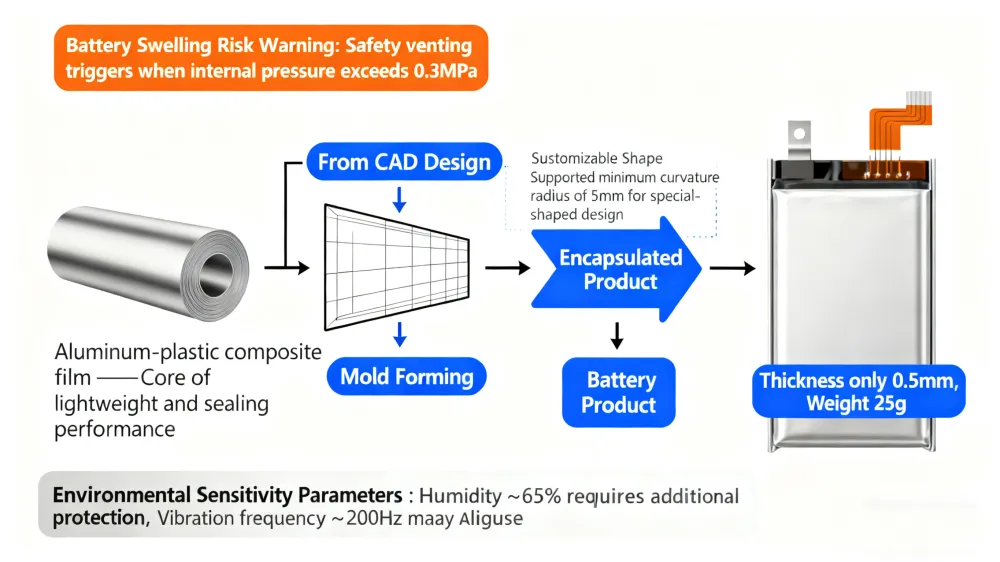
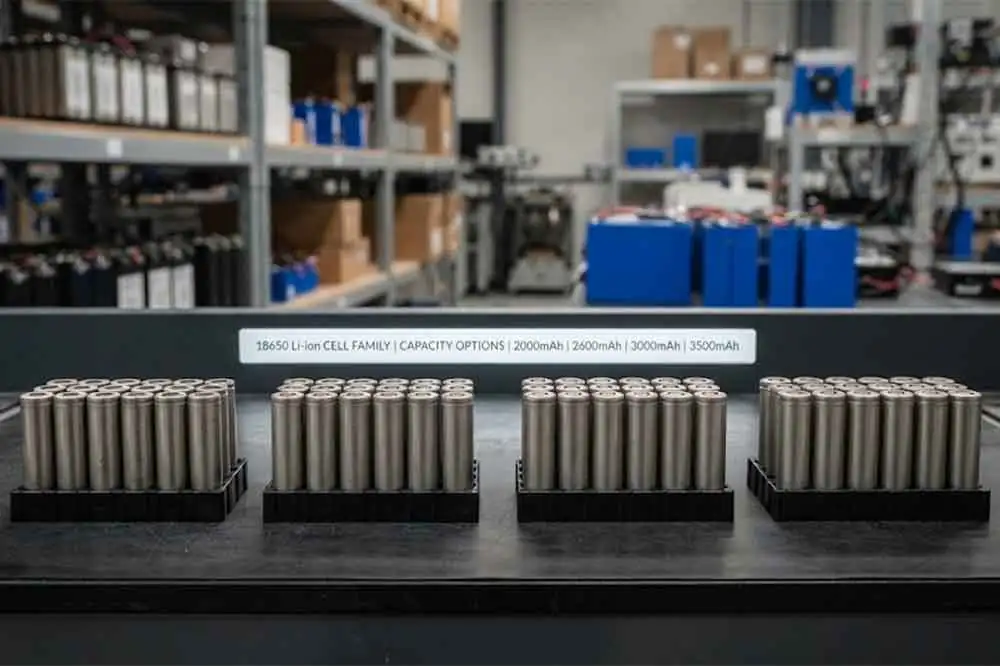
If you’ve ever dipped your toes into the world of lithium-ion batteries, you probably noticed that lithium ion pouch cells have been gaining a lot of attention lately.In real‑world applications, pouch battery often stands out when space and weight matter most. Unlike hard‑cased cells, pouch cells can be shaped more flexibly, so designers use them in everything from slim consumer electronics to compact energy storage modules. For many battery buyers, that flexibility makes pouch batteries worth a close look.Unlike their cylindrical or prismatic cousins, pouch cells are a flexible, lightweight option—but they come with their own quirks. For wholesalers, understanding these subtleties can mean the difference between happy clients and constant returns.While understanding the structure and advantages of pouch cells is important, many buyers and OEM engineers also want to know how these cells are actually assembled into battery packs. In real-world applications, lithium ion pouch batteries can be connected in series, parallel, or mixed configurations depending on the required voltage, capacity, and power output. If you’d like a more detailed explanation of how pouch cells are connected in practical battery systems, you can read this guide:How Are Lithium Ion Pouch Batteries Connected?What Makes Pouch Cells Unique?​At first glance, a pouch cell looks deceptively simple—a flat, flexible package, often wrapped in an aluminum-laminated film. But underneath, there’s clever engineering designed to maximize energy storage while minimizing weight.Flexibility and Form Factor: Unlike rigid cylindrical cells, pouch cells can be made in various shapes and sizes. This makes them ideal for devices or battery packs that don’t have a traditional rectangular or cylindrical compartment.Lightweight Advantage: Without a metal casing, these cells are lighter, which is a huge plus for portable electronics, drones, or electric vehicles where every gram matters.Cost-Efficient Production: For manufacturers and wholesalers, pouch cells are often cheaper to produce at scale, since the manufacturing process is simpler than that of prismatic cells.The Challenges You Need to Know​No product is perfect, and pouch cells are no exception. Wholesalers need to be aware of some common issues:Swelling During Use: One of the most talked-about quirks is that pouch cells can swell during charging and discharging. While this is usually manageable, it’s important to advise customers to provide some space in the battery enclosure.Environmental Sensitivity: High humidity and extreme temperatures can reduce the lifespan of these cells. Proper storage and shipping conditions are essential to avoid early failures.Mechanical Protection: Because the pouch is flexible, it’s more prone to physical damage. Ensuring that packs are reinforced or housed in protective structures is key for long-term reliability.Practical Tips for Wholesalers​Selling lithium ion pouch cells isn’t just about offering the product—it’s about helping your clients succeed. Here are some practical tips:Know Your Market: Pouch cells are popular in electric bikes, power tools, drones, and small-scale energy storage solutions. Matching the cell format to your clients’ devices can boost satisfaction.Educate Your Customers: A quick guide on proper handling, storage, and usage can save both you and your clients headaches. Many failures can be prevented with simple precautions.Offer Variety: Different projects require different capacities, thicknesses, and sizes. Stocking a range of options positions you as a trusted partner, not just a supplier.Why Pouch Cells Are Worth It​Despite their quirks, pouch cells are here to stay. Their adaptability, weight savings, and manufacturing advantages make them an increasingly popular choice across industries. For wholesalers, understanding their strengths and limitations is the key to providing real value.At the end of the day, selling lithium ion pouch cells battery isn’t just about moving inventory—it’s about helping businesses power their products safely, efficiently, and reliably. A well-informed wholesaler is a trusted partner, and in a growing market like lithium-ion batteries, trust goes a long way.Why Lipo Pouch Cells Are Popular for Custom Battery Designs​For manufacturers looking for lightweight and flexible battery solutions, lipo pouch cells have become a preferred option in many compact electronic products and custom battery pack projects. Unlike traditional cylindrical cells, lipo pouch cells use a flexible packaging structure, allowing engineers to customize the battery shape, thickness, and capacity according to the available product space. This design flexibility makes them suitable for applications where size and weight are critical factors.When sourcing lipo pouch cells in bulk, battery wholesalers should pay attention to more than just capacity ratings. Factors such as cell thickness tolerance, discharge performance, cycle life, safety protection, and consistency between batches can directly affect the reliability of the final battery pack. High-quality pouch cells help manufacturers achieve better energy utilization while maintaining stable performance during long-term operation.For OEM customers, lipo pouch cells are widely used in drones, wearable devices, smart electronics, medical equipment, GPS trackers, and other portable products that require compact yet powerful energy sources. A reliable battery supplier can provide customized pouch cell solutions, including different voltage options, capacity ranges, connector designs, and integrated BMS configurations to meet specific product requirements.Choosing the right lipo pouch cells supplier is an important step for companies planning long-term production. Beyond competitive pricing, manufacturers should evaluate production capability, quality control processes, certification support, and customization experience to ensure consistent supply for future projects.Choosing the Right Lithium Pouch Cell for Wholesale Applications​For battery wholesalers, selecting the right lithium pouch cell is not only about comparing capacity and size. The performance of a pouch cell depends on factors such as energy density, cycle life, safety features, and manufacturing consistency. Compared with traditional cylindrical cells, lithium pouch cells offer a flexible design that allows manufacturers to create thinner and lighter battery packs for different applications.When sourcing pouch cells in bulk, wholesalers should pay attention to supplier quality control, cell testing procedures, and customization capability. A reliable lithium pouch cell supplier can provide stable cell performance, different capacity options, and support for OEM battery pack projects. This makes pouch cells a popular choice for portable electronics, medical equipment, smart devices, and other applications where space and weight are important factors.What Is Pouch Cell Battery? A Simple Guide​Have you ever wondered, “What exactly is a pouch cell battery?” If so, you’re definitely not alone. These little power packs are everywhere these days—from your smartphone to electric cars. What makes them stand out is their soft, flexible casing. Unlike the stiff cylindrical or rectangular batteries we’re used to, pouch cells are lighter, easier to shape, and surprisingly versatile.Read →What Is Pouch Cell Battery? A Simple Guide

Data Accuracy in Supermarket Price Comparison at Postcode Level Tech & Innovation
Oct 21, 2026 • visibility 29 • 11 min read

Data Accuracy in Supermarket Price Comparison at Postcode Level

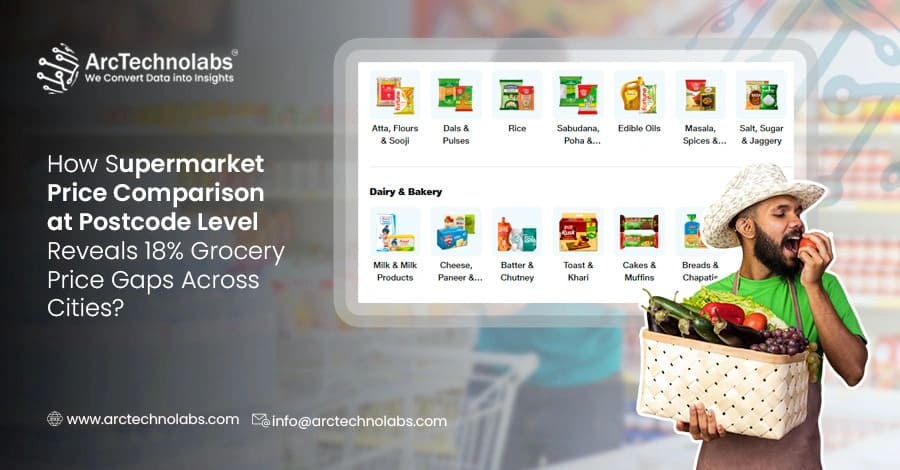
IntroductionIn today’s fast-moving grocery ecosystem, pricing is no longer a city-level strategy. It has become a hyper-local game where even nearby neighborhoods can experience noticeable differences in product rates. Retailers, FMCG brands, and consumer analytics platforms are now paying closer attention to how grocery prices fluctuate across different areas, especially in major urban clusters where demand patterns vary significantly.To build actionable market strategies, businesses are now using automation-driven techniques such as Web Scraping Ecommerce Data to gather pricing signals at scale. When combined with location-based insights, this helps uncover real patterns hidden beneath city-wide averages.Ultimately, Supermarket Price Comparison at Postcode Level enables businesses to detect hidden pricing gaps, optimize promotions, and improve retail decision-making using verified market signals rather than assumptions. In this blog, we will explore how postcode-level grocery price comparison reveals an average 18% price gap across cities and why postcode-based pricing analytics has become a must-have strategy for grocery retailers and consumer product brands.Understanding Price Differences Across Neighborhood Grocery StoresRetail grocery pricing can vary significantly depending on location, even within the same city. Many customers assume that the price they see in one store reflects the city-wide average, but localized pricing strategies often create hidden gaps. Stores adjust their prices based on competition density, customer demographics, and operational costs in different areas.For businesses, having access to Powerful Grocery & Supermarket Datasets allows for a more precise evaluation of these local differences. This data provides insights into pricing clusters, enabling retailers to identify high-cost zones, verify compliance with price agreements, and spot opportunities for targeted promotions.A 2024 retail study revealed that grocery prices across different neighborhoods can vary by 10% to 22%, depending on local competition and purchasing behavior. Monitoring these gaps enables businesses to refine pricing strategies and align store-level pricing with broader objectives.Sample Neighborhood Price Comparison:Dairy Products: Neighborhood 1 average price: $4.10; Neighborhood 2 average price: $4.85; Price difference: 18.3%Fresh Vegetables: Neighborhood 1 average price: $3.40; Neighborhood 2 average price: $3.95; Price difference: 16.2%Snacks & Chips: Neighborhood 1 average price: $2.25; Neighborhood 2 average price: $2.70; Price difference: 20.0%Household Items: Neighborhood 1 average price: $5.90; Neighborhood 2 average price: $6.85; Price difference: 16.1%With a neighborhood-level perspective, retailers can prioritize regions with high pricing disparities and adjust strategies for competitive advantage. This approach transforms data into actionable insights and allows smarter decisions in promotions and inventory management.Leveraging Real-Time Monitoring To Improve Grocery Pricing DecisionsFrequent price fluctuations are common in retail due to supplier costs, seasonal demand, and competitor promotions. Waiting for weekly or monthly reports often results in delayed responses and lost revenue. For grocery retailers, Supermarket Price Monitoring provides daily or hourly updates that help identify pricing gaps and spot competitor activity.By tracking changes in real-time, businesses can understand which stores are increasing margins, which locations require discounting, and which zones are most volatile. This enables smarter promotion planning, reduces ineffective campaigns, and helps maintain competitive pricing consistency across regions.Monitoring pricing trends also uncovers “hot zones” where competition is strongest. These zones often see aggressive discounts or higher pricing for premium products. Real-time monitoring ensures that pricing teams are not reacting late to such trends but can make proactive decisions.Price Gap Analysis Across Different Cities:City 1: Lowest neighborhood basket cost: $82; Highest neighborhood basket cost: $97; Price difference: 18.3%City 2: Lowest neighborhood basket cost: $74; Highest neighborhood basket cost: $88; Price difference: 18.9%City 3: Lowest neighborhood basket cost: $79; Highest neighborhood basket cost: $93; Price difference: 17.7%City 4: Lowest neighborhood basket cost: $90; Highest neighborhood basket cost: $106; Price difference: 17.8%Integrating Postcode-Level Price Tracking ensures that retailers can forecast trends, plan pricing adjustments, and maintain consistency in competitive markets. This strategy transforms fragmented pricing data into meaningful, actionable intelligence for grocery businesses.Using Automation To Capture Accurate Pricing Across SupermarketsCollecting accurate pricing data manually is slow and error-prone. Stores often display different prices online than on shelves, and promotions vary across platforms. Automated Grocery Price Scraping provides a scalable solution to collect reliable, structured data from multiple supermarket websites.Automation allows retailers to capture daily price changes, ensuring reports reflect the real market. This approach identifies hidden promotions or pricing variations between regions, which are often invisible in manual audits. By implementing automation, businesses can reduce inaccuracies and respond faster to competitor moves or supply chain changes.Retailers adopting automated systems have seen up to 30% higher pricing accuracy compared to traditional methods. This not only improves promotion planning but also helps maintain consistent pricing across stores and ensures better customer satisfaction.Example of Pricing Volatility Captured with Automation:Packaged Snacks: 5–8 price updates per week; maximum price gap across neighborhoods: 21%Fresh Dairy: 4–6 price updates per week; maximum price gap across neighborhoods: 19%Frozen Foods: 3–5 price updates per week; maximum price gap across neighborhoods: 16%Household Essentials: 2–4 price updates per week; maximum price gap across neighborhoods: 14%With Real-Time Grocery Price Tracking Across Cities, retailers can make rapid pricing adjustments and reduce the risk of losing customers to competitors. This level of automation ensures consistency, accuracy, and actionable insights for grocery pricing decisions.How ArcTechnolabs Can Help You?Retail businesses often struggle with inconsistent pricing visibility across stores, apps, and supermarket websites. Instead of relying on manual checks, teams can build structured insights using Supermarket Price Comparison at Postcode Level for faster market response and smarter promotional planning.What we offers:Customized postcode-based grocery pricing dashboards.Automated competitor data extraction and validation systems.Daily and hourly price monitoring across supermarket platforms.Promotion and discount intelligence across regional markets.Multi-city grocery basket analysis and category-level insights.API-ready datasets for pricing analytics and BI integration.You can build a reliable strategy using Postcode-Level Price Tracking and ensure your grocery pricing intelligence remains consistent, measurable, and scalable across every market you operate in.ConclusionPricing gaps in grocery markets are not random. They are driven by competition intensity, local demand behavior, and retail pricing strategies that vary from one postcode to another. This is why Supermarket Price Comparison at Postcode Level reveals hidden cost differences that city-level averages completely miss.With structured data and Supermarket Price Monitoring, businesses can reduce blind spots and respond to market changes faster. Connect with ArcTechnolabs today to build a smarter postcode-level grocery pricing strategy and strengthen your competitive retail intelligence.#SupermarketPriceComparisonAtPostcodeLevel,#SupermarketPriceMonitoring,#PostcodeLevelPriceTracking,#RealTimeGroceryPriceTrackingAcrossCities,Source: https://www.arctechnolabs.com/supermarket-price-comparison-at-postcode-level.phpContact us:E-mail: [email protected] No: +91 8866656657Visit Now: https://www.arctechnolabs.co

Steve Harringtone
Read arrow_forward
Real-Time Competitor Price Monitoring Using Web Scraping Tech & Innovation
Oct 21, 2026 • visibility 31 • 11 min read

Real-Time Competitor Price Monitoring Using Web Scraping

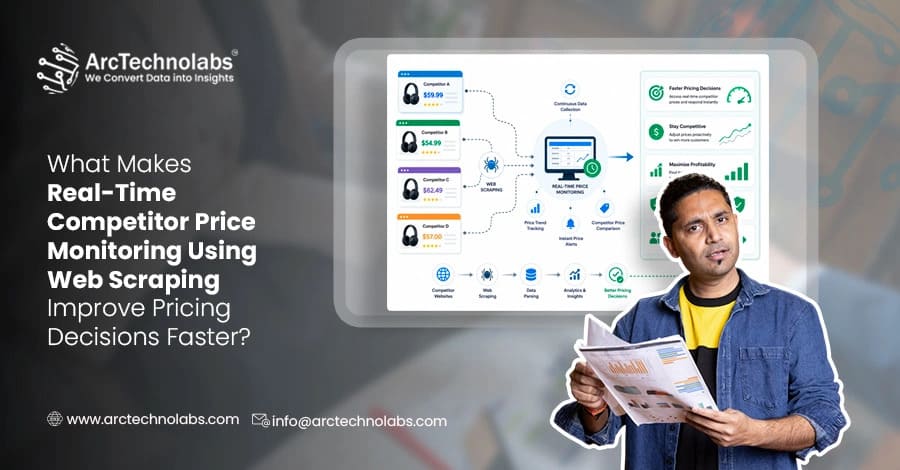
IntroductionModern digital markets move at a pace where pricing changes can occur several times a day across multiple platforms. Businesses that rely on manual tracking often struggle to react quickly to competitor movements, resulting in missed opportunities, lower margins, and reduced market competitiveness. As consumers increasingly compare prices before making purchases, organizations require accurate and timely pricing intelligence to support strategic decisions.This challenge has accelerated the adoption of Web Scraping Services, enabling companies to collect competitor pricing data from websites, marketplaces, and online retail channels efficiently. Automated data collection provides a continuous flow of actionable insights that help pricing teams identify trends, respond to market shifts, and optimize product positioning. Rather than depending on outdated reports, businesses can access fresh data that reflects current market conditions.Real-Time Competitor Price Monitoring Using Web Scraping empowers organizations to transform raw competitor data into meaningful pricing strategies. By monitoring pricing fluctuations as they happen, companies can make informed decisions faster, maintain competitiveness, and improve revenue performance. The ability to monitor thousands of products simultaneously creates a significant advantage, helping organizations respond proactively to market dynamics while maintaining customer trust and profitability.Building Continuous Visibility Across Dynamic Market ChangesOrganizations often struggle to react quickly when competitors adjust prices multiple times throughout the day. Delayed awareness can lead to lost sales opportunities, shrinking profit margins, and weakened market positioning. Continuous market visibility addresses this challenge by providing immediate access to changing pricing conditions across online channels.Research shows that more than 70% of online shoppers compare prices before making a purchase, making rapid pricing responses essential for maintaining competitiveness. Companies that monitor pricing activity continuously can identify sudden promotions, discount campaigns, and product-level changes before they impact revenue performance. Through Enterprise Web Crawling, businesses can collect and organize pricing information from thousands of product listings across marketplaces and competitor websites.The resulting data stream allows decision-makers to evaluate market movements in near real time and respond accordingly. Another advantage comes from Web Scraping for Price Monitoring for Business Insights, which transforms raw competitor data into practical intelligence. Pricing teams can evaluate trends, identify gaps, and understand how competitors position products within specific categories.Delayed Market Awareness: Faster competitive responseManual Tracking Methods: Automated monitoringMissed Pricing Opportunities: Improved decision timingFragmented Data Collection: Centralized intelligenceReactive Pricing Strategy: Proactive market positioningContinuous visibility enables organizations to improve responsiveness, reduce pricing uncertainty, and make more informed adjustments based on actual market conditions. This creates a stronger foundation for revenue optimization and long-term competitive success.Improving Data Accuracy Through Automated Collection SystemsEffective pricing strategies depend on accurate, consistent, and scalable data collection. Businesses relying on manual methods often face issues such as incomplete records, delayed updates, and human errors that reduce the reliability of competitive intelligence. Automated collection systems help eliminate these limitations by delivering structured and timely pricing information.Industry studies suggest that organizations using automated pricing intelligence platforms achieve better operational efficiency and significantly higher pricing accuracy. Reliable data enables decision-makers to compare market conditions confidently and respond with precision. The implementation of Web Scraping API Services helps businesses automate large-scale data extraction from multiple online sources while maintaining consistency across datasets.Automated workflows reduce manual effort and ensure pricing information remains current and actionable. A particularly valuable capability is Extract SKU-Level Price Monitoring for Competitor Analysis, which provides detailed product-level visibility. SKU matching allows businesses to compare identical products sold by competitors, making it easier to identify pricing discrepancies, promotional activities, and category-specific trends.Product Matching: Higher comparison accuracyData Consistency: Reliable intelligenceManual Effort Reduction: Improved efficiencyFaster Updates: Better responsivenessMarket Evaluation: Stronger decision supportOrganizations that invest in automated collection frameworks gain access to dependable market intelligence that supports quicker and more accurate pricing decisions. As competition becomes increasingly data-driven, accurate information remains one of the most important assets for sustainable pricing performance and profitability.Creating Scalable Intelligence For Strategic Market PositioningAs digital commerce expands, businesses require intelligence systems capable of monitoring large volumes of competitor data without sacrificing speed or accuracy. Scalable monitoring frameworks provide the flexibility needed to track thousands of products, multiple competitors, and numerous sales channels simultaneously.Market research consistently demonstrates that organizations with mature competitive intelligence programs respond faster to market changes and maintain stronger pricing consistency. By utilizing Mobile App Data Scraping Services, businesses can capture pricing information from mobile shopping environments where consumers increasingly research products and compare offers.This broader visibility ensures organizations understand pricing activity beyond traditional websites. Scalability is further enhanced through Web Scraping Architecture for Competitor Price Monitoring, which provides a structured framework for collecting, processing, storing, and analyzing large volumes of market data.Multi-Channel Monitoring: Expanded visibilityLarge-Scale Data Collection: Greater market coverageCompetitive Benchmarking: Better positioningTrend Identification: Faster adaptationRevenue Optimization: Improved profitabilityScalable intelligence empowers organizations to transform extensive market data into actionable business insights. With reliable monitoring frameworks in place, companies can strengthen competitive positioning, improve pricing consistency, and make informed decisions that support sustainable growth in rapidly changing digital markets.How ArcTechnolabs Can Help You?Our experts help organizations implement Real-Time Competitor Price Monitoring Using Web Scraping solutions tailored to their industry requirements. We design automated systems that collect, process, and analyze pricing data efficiently, helping businesses improve responsiveness and profitability.Our Capabilities:Build automated competitor tracking systemsDevelop scalable data extraction workflowsCreate customized pricing intelligence dashboardsIntegrate multi-source market data platformsImplement advanced monitoring and alert mechanismsDeliver actionable reporting and analytics solutionsOur team focuses on delivering measurable business value through data-driven intelligence strategies. We also enable Competitive Price Intelligence Through Automated Web Scraping, helping organizations maintain visibility into market trends, competitor actions, and pricing opportunities that support long-term growth.ConclusionBusinesses that rely on timely market intelligence can make faster and more confident pricing decisions. By implementing Real-Time Competitor Price Monitoring Using Web Scraping, organizations improve visibility into competitor activities, reduce pricing delays, and strengthen revenue performance across competitive markets.Scalable monitoring frameworks powered by Web Scraping for Price Monitoring for Business Insights provide the foundation for accurate pricing strategies and long-term business growth. Ready to transform your pricing intelligence strategy? Contact ArcTechnolabs today to build a smarter, data-driven competitive pricing solution.#RealTimeCompetitorPriceMonitoringUsingWebScraping,#WebScrapingForPriceMonitoringForBusinessInsights,#ExtractSKULevelPriceMonitoringForCompetitorAnalysis,#WebScrapingArchitectureForCompetitorPriceMonitoring,Source: https://www.arctechnolabs.com/real-time-competitor-price-monitoring-using-web-scraping.phpContact us:E-mail: [email protected] No: +91 8866656657Visit Now: https://www.arctechnolabs.com/

Steve Harringtone
Read arrow_forward
Web Scraping Helps Tech Startups in Japan Gain Market Intelligence Tech & Innovation
Oct 21, 2026 • visibility 31 • 13 min read

Web Scraping Helps Tech Startups in Japan Gain Market Intelligence

IntroductionJapan’s technology sector is expanding rapidly, driven by digital transformation and a surge in emerging enterprises. To compete effectively, founders and decision-makers need accurate, large-scale data to understand industry shifts. Traditional market research methods are often too slow and expensive for fast-paced modern companies operating in Tokyo, Osaka, and beyond.This is where Web Scraping Services become essential for modern founders. By automatically collecting public online data, new ventures can monitor competitor moves, consumer behavior, and industry pricing without manual effort. Access to structured data empowers founders to make confident, data-driven decisions that minimize financial risk and accelerate overall company expansion.Ultimately, adopting Web Scraping Helps Tech Startups in Japan Gain Market Intelligence required for sustainable survival. Companies that process external market signals early can adapt their products and pricing models to match changing consumer demands. In a crowded digital economy, automated data collection provides the clarity needed to scale operations efficiently.Comprehensive Methods For Analyzing Competitor Strategies And Market TrendsUnderstanding what rival companies are doing is critical for newly established enterprises trying to carve out a niche in East Asia. By utilizing innovative collection frameworks, founders can continuously extract feature updates and promotional offers from competitor portals. According to recent industry reports, over 74% of successful digital ventures rely on automated data feeds to benchmark their performance against established market leaders without manual delays.Integrating Web Scraping API Services streamlines this workflow, allowing engineering teams to ingest competitor data directly into internal analytics dashboards without building scrapers from scratch. Modern analytical pipelines ensure that fresh market intelligence flows seamlessly into your organization every single day. This constant stream of competitor data eliminates blind spots in your strategic planning process.Deploying a Web Scraping API for Japanese Tech Startups enables technical departments to track feature modifications and marketing shifts instantly across rival platforms. Automated extraction protocols guarantee high fidelity while reducing the engineering hours spent on maintenance. Organizations leveraging these advanced feeds maintain a significant operational advantage in crowded digital marketplaces.Data Update Frequency: Monthly or quarterly vs. Real-time or dailyResource Allocation: High manual effort vs. Automated background scriptsData Accuracy Rate: Prone to human error vs. High precision and consistencyAutomated extraction of feature updates and promotional offers from competitor portalsSeamless ingestion of competitor data directly into internal analytics dashboardsConfiguration of automated alerts for rapid pivot response to rival activitiesEngineering groups can configure automated alerts to notify product managers whenever a competitor updates their core offerings or service terms. Maintaining continuous visibility over rival activities ensures that executive teams can pivot their offerings rapidly in response to shifting industry dynamics. Ultimately, automated data ingestion transforms raw web pages into structured intelligence assets.Advanced Techniques For Optimizing Pricing And Product PositioningSetting the right price point is one of the biggest challenges for early-stage founders navigating competitive consumer and enterprise markets. Tracking price fluctuations across multiple digital channels manually often results in missed opportunities and delayed strategic adjustments. Utilizing automated extraction mechanisms ensures that your pricing committee always operates with current, comprehensive market information.Incorporating Web Scraping Product Data for Japan E-Commerce Insights Trends helps category managers identify emerging product gaps and seasonal demand shifts across major domestic retail channels. Comprehensive catalog analysis empowers merchandising teams to align their inventory levels with actual consumer purchasing patterns. Data-driven merchandising reduces overstock risks while maximizing revenue potential across every product line.Deploying a Web Data Scraper for Japanese Tech Startups enables companies to track price fluctuations across local ecommerce and SaaS platforms instantly. Continuous price monitoring allows pricing managers to execute dynamic adjustments before market conditions shift away from their favor. Automated catalog tracking ensures complete visibility across the entire competitive ecosystem.Price Adjustment Speed: Slow (weeks) vs. Immediate (hours)Product Coverage: Limited sample size vs. Comprehensive catalog analysisCompetitor Tracking: Top 3 competitors vs. Entire market ecosystemIdentification of emerging product gaps and seasonal demand shifts across retail channelsContinuous evaluation of competitor pricing matrices to optimize profit marginsInstant tracking of price fluctuations across local ecommerce and SaaS platformsMarket studies indicate that dynamic pricing strategies driven by web data improve profit margins by up to 18% within the first year of implementation. By evaluating competitor pricing matrices continuously, businesses can optimize their own price points to capture market share effectively. Strategic pricing flexibility is essential for sustaining long-term profitability in competitive retail environments.Continuous Monitoring For Real-Time Market Shifts And Pricing VolatilityRapid changes in consumer preferences require businesses to maintain continuous visibility over pricing and inventory shifts. Organizations that fail to monitor live market movements risk losing competitive advantage to faster, more agile market participants. Establishing robust surveillance mechanisms ensures your enterprise remains proactive rather than reactive during market disruptions.Utilizing specialized Mobile App Data Scraping Services further expands intelligence gathering by extracting user reviews, feature requests, and pricing tiers directly from iOS and Android application marketplaces. Analyzing application store feedback provides direct insights into consumer sentiment and feature satisfaction levels. Product development teams use these insights to prioritize bug fixes and new feature rollouts.Deploying tools for Real-Time Competitor Price Monitoring in Japan allows firms to react instantly when major industry players alter their rates or launch special discounts. Continuous observation of market volatility protects profit margins and prevents customer attrition. Automated tracking infrastructure turns volatile market conditions into strategic growth opportunities.Monitoring Parameter: Static Analysis vs. Real-Time Automated TrackingResponse Time: Days to weeks vs. Minutes to hoursData Scope: Historical reports vs. Live market streamsRisk Mitigation: Reactive defense vs. Proactive strategic adjustmentExtraction of user reviews and pricing tiers directly from mobile application marketplacesImmediate access to live pricing streams for rapid executive management adjustmentsContinuous observation of market volatility to protect profit margins and prevent attritionIndustry benchmarks show that businesses monitoring real-time market data experience a 25% faster response time to market disruptions. Having immediate access to live pricing streams enables executive management to adjust operational parameters without waiting for compiled reports. Speed of information directly correlates with resilience against unexpected economic shifts.How ArcTechnolabs Can Help You?Navigating the complexities of data acquisition requires robust infrastructure, technical expertise, and reliable execution. Web Scraping Helps Tech Startups in Japan Gain Market Intelligence by providing the foundational data required to build competitive advantage without straining internal engineering resources.Organizations often face hurdles managing proxy rotations, handling anti-scraping mechanisms, and maintaining clean data pipelines at scale. We provide end-to-end data extraction solutions tailored to the unique requirements of the Japanese digital ecosystem, ensuring high success rates and compliance with local standards.Custom data pipeline architecture designed for high-volume extraction across domestic Japanese websites.Advanced proxy management systems that guarantee uninterrupted data flow and prevent IP blocking.Automated data cleansing and normalization services to deliver ready-to-use structured datasets.Scalable cloud infrastructure capable of handling sudden spikes in data collection requirements.Dedicated technical support and monitoring to ensure continuous operational uptime.Seamless integration capabilities with existing business intelligence and analytics dashboards.Partnering with experienced data specialists allows your team to focus on core product development and strategic expansion. Implementing a Web Data Scraper for Japanese Tech Startups through our managed services ensures you receive accurate, timely insights that directly support your business objectives.ConclusionNavigating the competitive technology landscape requires reliable, structured information to make informed decisions that support sustainable long-term expansion. Recognizing how Web Scraping Helps Tech Startups in Japan Gain Market Intelligence transforms raw online data into actionable strategies that empower founders to outperform industry rivals.As digital ecosystems continue to evolve, incorporating a Web Data Scraper for Japanese Tech Startups ensures your enterprise maintains a continuous flow of accurate market insights. Connect with ArcTechnolabs today to transform your data strategy and accelerate your business growth.#WebScrapingHelpsTechStartupsInJapanGainMarketIntelligence,#WebDataScraperForJapaneseTechStartups,#ExtractTechnologyPricingDataInJapan,#WebScrapingAPIForJapaneseTechStartups,Source: https://www.arctechnolabs.com/web-scraping-helps-tech-startups-in-japan-gain-market-intelligence.phpContact us:E-mail: [email protected] No: +91 8866656657Visit Now: https://www.arctechnolabs.com/

Steve Harringtone
Read arrow_forward
USB RFID Reader Reading Range — What Affects RFID Read Distance? Tech & Innovation
Oct 21, 2026 • visibility 29 • 24 min read

USB RFID Reader Reading Range — What Affects RFID Read Distance?

USB RFID reader may identify a tag from a short distance in one application but struggle to read the same type of tag in another. This does not necessarily mean that the reader is defective. RFID reading distance depends on several factors, including the frequency, antenna design, tag construction, reader settings, and surrounding materials.For businesses evaluating a USB RFID reader, the advertised maximum distance is only one part of the decision. A reader that can detect a tag across a long distance may not be the best option for a workstation that requires precise identification of one item at a time.The right choice depends on how the reader will be used. Inventory verification, desktop tag encoding, staff identification, and warehouse operations all have different requirements for reading distance and accuracy.This guide explains what affects USB RFID reader reading range and how to evaluate real-world performance before purchasing hardware in bulk.What Is USB RFID Reader Reading Range?RFID reading range is the distance at which a reader can successfully communicate with a compatible RFID tag under specified conditions.The actual distance varies by RFID technology and application. LF, HF, and UHF readers use different frequency bands and communication methods, so their typical reading distances are not directly interchangeable.For example, an HF desktop reader designed for close-range identification may work well when an employee presents an RFID card near the device. A UHF reader may be more suitable for applications that need to identify tagged products from farther away.USB describes the connection between the reader and its host computer. It does not determine the RFID frequency or guarantee a particular reading distance.When comparing devices, buyers should confirm the reader’s frequency, supported tag types, antenna configuration, and intended operating conditions.LF, HF, and UHF: How Frequency Affects Reading DistanceRFID frequency is one of the first specifications to check when evaluating reading range.LF RFID readersLow-frequency RFID commonly operates at 125 kHz or 134.2 kHz, depending on the system and application.LF technology is often used for animal identification, access-related applications, and certain industrial identification tasks. Its reading distance is generally short, and performance depends on the reader and transponder design.LF may be suitable when tags are presented close to a reader and the application does not require long-distance identification.HF RFID readersHigh-frequency RFID commonly operates at 13.56 MHz. HF readers are used for applications such as contactless cards, product identification, library systems, and NFC-related use cases where supported.Many HF desktop readers are designed for close-range interaction. This can be an advantage when operators need to identify a particular card or item without unintentionally reading tags farther away.However, not every HF reader supports every 13.56 MHz tag protocol. Buyers should verify protocol compatibility as well as reading distance.UHF RFID readersUltra-high-frequency RFID systems commonly operate within regional bands around 860–960 MHz. The permitted operating frequencies and power limits vary by country or region.UHF technology is widely used for inventory, logistics, warehouse operations, and applications that need to identify tags at greater distances or read multiple tags within a suitable field.Actual UHF reading range can vary significantly according to tag antenna design, reader antenna performance, power settings, installation, and environmental conditions.A UHF reader should not be selected based on frequency alone. Test it with the intended tags and materials before deployment.For a detailed comparison, read our guide to USB RFID reader frequency: LF vs HF vs UHF.Six Factors That Affect USB RFID Reader Reading Range1. RFID tag antenna and tag sizeThe tag plays a major role in reading performance.A tag’s antenna design determines how effectively it couples with the reader’s electromagnetic field. Larger tags may support larger antennas, but size alone does not guarantee better performance. Antenna tuning, chip characteristics, construction, and the material carrying the tag also matter.For example, a small UHF label attached to a metal tool may behave differently from a label designed specifically for metal surfaces.When evaluating a reader, use the actual tag model intended for the application. Testing with a different tag can produce misleading results.2. Reader antenna designThe reader antenna influences the shape, strength, and coverage of the reading field.Some USB RFID readers have a built-in antenna for desktop use. Other systems may support an external antenna, depending on the hardware design.A compact integrated reader may be convenient for controlled workstation tasks. A system with an external antenna may offer more flexibility for applications requiring different coverage areas, but only if the reader is designed to support that configuration.The antenna’s effective coverage area matters as much as the maximum distance. A narrow, controlled reading zone may be preferable to a large field when several tagged items are close together.3. Reader power and configurationReader output power can affect the range of supported RFID systems, particularly UHF devices. However, higher power is not always the best solution.Excessive read range may cause unwanted tags to be detected. In a desktop application, this can lead to incorrect product selection or confusion when several tagged items are nearby.Power settings must also comply with the regulations applicable to the deployment location and the reader’s approved operating limits.Where power adjustment is supported, test several appropriate settings with the actual tags and intended read zone. Choose the setting that provides reliable identification without unnecessary reads beyond the target area.4. Tag orientation and placementThe position of the tag relative to the reader can change reading performance.Some tag antennas perform best when their orientation aligns with the reader’s field. Rotating the tag, changing the distance, or placing it at an angle may reduce the probability of a successful read.This is particularly relevant when tags are attached to tools, cartons, equipment, or products that may be presented in different positions.During testing, check more than one orientation. If operators cannot control tag placement in normal use, the test should reflect that variation.5. Metal, liquids, and nearby materialsThe materials around a tag can affect RFID performance.Metal surfaces can detune or shield certain tag antennas, while liquids can absorb or alter radio-frequency energy, particularly in some UHF applications. Packaging, product contents, mounting surfaces, and nearby equipment may also influence performance.A standard tag that works well on a cardboard box may not work reliably when attached directly to a metal enclosure.If the application involves metal or liquid-filled products, consider tags designed for those conditions. Test the complete assembly, including the mounting position and surrounding materials.6. Interference and nearby RFID systemsOther radio-frequency devices, nearby RFID readers, and environmental conditions can affect performance. The impact depends on the technology, configuration, and installation.In a busy warehouse or production area, a reader may operate near other equipment. A reading problem that does not appear in a quiet office may emerge after installation.Test the reader in the actual deployment environment whenever possible. For UHF projects, review regional frequency requirements and the reader’s configuration to help manage interference.Maximum Reading Distance vs. Reliable Working DistanceA maximum reading-distance figure usually describes performance under particular test conditions. It should not automatically be treated as the distance that a business can expect in daily operation.A reliable working distance is the distance at which the system consistently performs the required task with the intended tags and setup.Consider two different applications.In a desktop encoding station, an operator may need to read one tag at close range. A short, controlled reading zone may be ideal because it reduces the chance of detecting another nearby tag.In a warehouse verification process, a business may need to identify tagged cartons from farther away. The system may require a different UHF reader, antenna arrangement, tag design, and workflow.The best reading range is therefore not always the longest one. It is the range that supports the business process accurately and consistently.When reviewing specifications, ask the supplier how the reading distance was measured and which tag, antenna, power setting, and test environment were used.How to Test USB RFID Reader Reading RangeA practical test can help purchasing teams compare candidate readers before committing to a bulk order.Step 1: Use the intended RFID tagsChoose the exact tag model that will be used in the project. Record the tag type, dimensions, mounting surface, and any relevant product materials.Do not rely entirely on tests performed with a supplier’s demonstration tag.Step 2: Prepare a controlled test areaPlace the reader and tag in a consistent environment. Remove unnecessary tagged items from the reading area so that the test focuses on the intended tag.For a UHF system, follow the manufacturer’s setup instructions and applicable regulatory requirements.Step 3: Measure distance consistentlyStart at a short distance and move the tag gradually farther away. Keep the reader configuration unchanged during the first test.Record the distance at which reads become unreliable, not just the farthest distance at which a single read succeeds.Step 4: Test different orientationsRepeat the test with the tag rotated or positioned as it would be during actual use. If the tag will be attached to a product, test it in that mounted position.Step 5: Repeat the testA single successful read does not establish reliability. Repeat each test under the same conditions and record successful reads, missed reads, and unintended reads.The required reliability threshold depends on the business process. A workflow that controls valuable equipment may have different acceptance criteria from a basic demonstration.Step 6: Test the real environmentMove the reader and tagged product into the intended workstation, warehouse, laboratory, or production area.Check whether nearby metal, liquids, other tags, or surrounding equipment changes the result.Step 7: Evaluate the complete workflowConfirm that the host computer receives the correct tag data and that the application handles it properly. A successful radio-frequency read is only one part of the system.For more on connecting RFID hardware to business applications, see our guide to USB RFID reader integration with inventory and ERP systems.Common Reading-Range Problems and Possible SolutionsProblem: The reader only detects tags at very close range.Check that the reader and tag use compatible frequencies and protocols. Confirm the reader settings, tag condition, and test distance. If the application requires longer-range reading, a different reader or tag design may be necessary.Problem: The reading distance changes when the tag is attached to a product.The product’s material or tag mounting position may be affecting performance. Test the tag on the actual product and consider a tag designed for the relevant surface.Problem: The reader detects unwanted tags.The reading zone may be larger than the application requires. Where supported, review power settings, antenna placement, application filtering, and the physical positioning of tagged items.Problem: The reader works in the office but not in the warehouse.The deployment environment may contain different materials, nearby equipment, or additional RFID systems. Repeat testing at the installation site and compare results with the original setup.Problem: Reading performance is inconsistent.Check tag orientation, placement, reader configuration, and the stability of the test conditions. Record repeated results before deciding whether the problem is related to the reader, tag, or environment.How to Choose a USB RFID Reader for Your Required DistanceBefore selecting a device, define the task rather than starting with a maximum-distance specification.For close-range card or item identification, prioritize compatible tag protocols, a controlled read zone, and straightforward computer integration.For workstation-based inventory, consider how the operator presents the item, whether multiple tags may be nearby, and how the software handles repeated reads.For longer-range inventory or logistics applications, review UHF compatibility, antenna design, tag suitability, regional frequency requirements, and the actual coverage needed.Also confirm the host interface and software support. A reader with suitable radio performance may still be unsuitable if it cannot connect to the intended application.Our guide to choosing the right USB RFID reader provides additional selection considerations. You can also review the USB RFID reader buying guide for businesses before requesting samples or a quotation.Questions to Ask Your RFID Reader SupplierWhen evaluating readers for a B2B project, prepare a short list of technical questions:Which RFID frequencies and tag protocols does the reader support?What tag model and test conditions were used for the stated reading distance?Is the antenna integrated, or can the reader support an external antenna?Can the reading parameters be configured?Does the reader support the operating system and software interface required by the project?Can the supplier test the reader with our actual tags and product materials?What documentation, SDK support, and sample-testing options are available?These questions help establish whether the reader is suitable for the real application rather than only for a controlled demonstration.ConclusionUSB RFID reader reading range depends on the complete RFID setup, not just the reader itself. Frequency, tag antenna design, reader antenna, power configuration, orientation, nearby materials, and interference can all influence the result.For reliable selection, test the intended tags under realistic conditions and evaluate consistent performance rather than relying on one maximum-distance figure. A reader that provides the right coverage, accurate identification, and suitable software integration will generally be more valuable than one chosen solely for its advertised range.If you are evaluating USB RFID readers for inventory, asset tracking, manufacturing, or another business application, contact Cykeo with your tag type, required distance, product materials, and software requirements to discuss a suitable configuration.FAQQ1. What is the reading range of a USB RFID reader?It depends on frequency, reader and tag design, configuration, and environment. Confirm the specification for the exact model and test it with your intended tags.Q2. Does UHF always have a longer range than HF?UHF often supports longer-range applications, but actual performance depends on the reader, tag, antenna, and installation conditions.Q3. Why does an RFID tag read at a shorter distance on metal?Metal can interfere with or detune some tag antennas. A tag designed for metal surfaces may improve performance, but it should be tested on the actual product.Q4. Is a longer RFID reading range always better?No. A controlled short-range field may be preferable when the system must identify one specific item and avoid reading nearby tags.Q5. How should I test a reader before bulk purchasing?Test the intended tags and product materials at measured distances, repeat reads in different orientations, and verify performance in the actual working environment.

2000mAh vs 2600mAh vs 3000mAh vs 3500mAh 18650 Battery Tech & Innovation
Oct 21, 2026 • visibility 40 • 24 min read

2000mAh vs 2600mAh vs 3000mAh vs 3500mAh 18650 Battery

Choosing 18650 battery is not only about finding the highest mAh rating.A 2000mAh, 2600mAh, 3000mAh, or 3500mAh cell can fit the same 18 × 65 mm format. However, the cells may behave very differently in a battery pack.Capacity affects runtime and energy. Discharge capability affects how much current the pack can deliver. Cell quality, internal resistance, cycle life, and availability also matter.For OEM buyers, the right choice depends on the complete battery design.2000mAh vs 2600mAh vs 3000mAh vs 3500mAh at a GlanceThe basic difference is capacity.18650 Cell CapacityNominal VoltageTypical Energy*Main Consideration2000mAh3.6V–3.7V7.2–7.4WhLower capacity, current-focused options2600mAh3.6V–3.7V9.36–9.62WhBalanced capacity and size3000mAh3.6V–3.7V10.8–11.1WhCommon balance for many packs3500mAh3.6V–3.7V12.6–12.95WhHigher energy per cell*Actual usable energy depends on the cell model, discharge conditions, cutoff voltage, and application.The calculation is simple:Energy (Wh) ≈ Voltage (V) × Capacity (Ah)For example, a 3000mAh cell is 3.0Ah.At 3.6V nominal voltage:3.6V × 3.0Ah = 10.8WhThis gives buyers a quick way to compare cells.However, energy is only one part of the selection.What Does 2000mAh Mean?A 2000mAh 18650 cell has a nominal capacity of 2.0Ah.Compared with a 3500mAh cell, it stores less energy per cell. Therefore, a pack may need more parallel cells to reach the same capacity.That does not automatically make a 2000mAh cell a poor choice.Some lower-capacity 18650 cells are designed around higher current output. This can make them useful for applications where power demand matters more than maximum runtime.For example, consider a device with a relatively high continuous current requirement.The buyer may need a cell with a strong discharge specification rather than simply choosing the highest mAh rating.This is why OEM buyers should check the datasheet instead of comparing capacity alone.What Does 2600mAh Mean?A 2600mAh 18650 cell provides approximately 2.6Ah.This capacity sits between 2000mAh and 3000mAh. It can be useful when the battery design needs a balance between energy, current capability, cost, and cell availability.For example, a 10S4P pack using 2600mAh cells has:10 × 3.6V = 36V nominalAnd:4 × 2.6Ah = 10.4AhThe approximate energy is:36V × 10.4Ah = 374.4WhThe actual pack energy will depend on the selected cell and operating conditions.The same S/P structure can therefore produce different pack capacities simply by changing the cell capacity.What Does 3000mAh Mean?A 3000mAh 18650 cell provides approximately 3.0Ah.This is a useful middle ground for many battery pack designs.It offers more energy per cell than a 2000mAh or 2600mAh cell. At the same time, some 3000mAh cells can still provide useful discharge performance.For example:10S4P × 3000mAhmeans 10 cells in series and four cells in parallel.The pack contains:10 × 4 = 40 cellsNominal voltage is approximately:10 × 3.6V = 36VCapacity is:4 × 3.0Ah = 12AhApproximate nominal energy:36V × 12Ah = 432WhThis example shows why cell capacity matters when designing a battery pack.What Does 3500mAh Mean?A 3500mAh 18650 cell provides approximately 3.5Ah.It offers more capacity per cell than the other three options.That can be useful when the battery enclosure has limited space. A higher-capacity cell may help the designer reach the required pack capacity with fewer parallel cells.However, this does not mean 3500mAh is always the correct choice.Higher capacity can come with different discharge characteristics.The buyer should check:Continuous discharge currentPeak discharge currentInternal resistanceCycle lifeOperating temperatureCell dimensionsManufacturer specificationsActual test conditionsThe highest capacity number should not be the only selection criterion.2000mAh vs 2600mAh vs 3000mAh vs 3500mAh: Energy ComparisonThe easiest way to compare these cells is to convert capacity into approximate energy.Using 3.6V as the nominal voltage:CellCapacityApprox. Nominal Energy2000mAh2.0Ah7.2Wh2600mAh2.6Ah9.36Wh3000mAh3.0Ah10.8Wh3500mAh3.5Ah12.6WhThe difference becomes important when many cells are used.For example, 100 cells with a nominal capacity of 3000mAh contain approximately:100 × 10.8Wh = 1080WhUsing 3500mAh cells under the same nominal-voltage assumption:100 × 12.6Wh = 1260WhThat is a difference of about 180Wh.For large battery systems, this difference can affect runtime and pack design.Does Higher mAh Always Mean Better?No.Capacity tells you how much charge the cell can store under specified test conditions.It does not tell you how much current the cell can safely deliver.A 3500mAh cell may have a lower discharge rating than a lower-capacity high-power cell.For example, an application may require high current for motors, tools, or other demanding loads.In this situation, the designer should compare:Capacity + continuous current + peak current + internal resistancerather than capacity alone.There is another issue.A high-capacity cell may require a different parallel configuration than a lower-capacity cell. The physical layout can change as a result.So, higher mAh can be useful. It simply needs to fit the complete design.2000mAh vs 2600mAh: When Does the Difference Matter?The difference between 2000mAh and 2600mAh is 600mAh.That represents a 30% increase compared with 2000mAh.For a single cell, the difference may look small.For a battery pack, however, it becomes much more noticeable.Consider a 10S4P configuration.With 2000mAh cells:4 × 2.0Ah = 8AhWith 2600mAh cells:4 × 2.6Ah = 10.4AhBoth packs use 40 cells.The series count remains the same. Therefore, the nominal voltage also remains approximately the same.The main difference is pack capacity.This is one reason cell capacity is important for OEM pack design.2600mAh vs 3000mAh: A Common OEM ComparisonThe difference between 2600mAh and 3000mAh is 400mAh per cell.For a 4P configuration:2600mAh × 4 = 10.4Ah3000mAh × 4 = 12AhThe 3000mAh configuration provides about 15.4% more capacity than the 2600mAh configuration.However, the final choice still depends on current requirements.A 2600mAh cell with suitable discharge performance may be more appropriate for one application.A 3000mAh cell may be more suitable for another.The datasheet should always be checked before making the final decision.3000mAh vs 3500mAh: Is the Extra Capacity Worth It?The difference is 500mAh per cell.With four cells in parallel:3000mAh × 4 = 12Ah3500mAh × 4 = 14AhSo the same 4P arrangement can provide different pack capacities.This can be useful when enclosure space is limited.However, the designer should also check discharge performance and thermal behavior.A cell with more capacity may not have the same current capability as a high-power cell.Therefore, the question is not simply:“Which cell has more mAh?”A better question is:“Which cell meets the required energy and current within the available space?”How Capacity Changes an 18650 Battery PackCapacity becomes especially important when several cells are connected in parallel.For a basic battery pack:Pack Capacity = Cell Capacity × Parallel CountFor example:ConfigurationCell CapacityPack Capacity10S2P2000mAh4Ah10S2P2600mAh5.2Ah10S2P3000mAh6Ah10S2P3500mAh7AhThe series count controls voltage.The parallel count controls capacity.Therefore, changing the cell capacity can change the final pack capacity without changing the series count.For more information, see our guide on [18650 Battery Series and Parallel: Understanding S and P Configurations].How Many Cells Are Needed for the Same Pack Capacity?This is an important question for OEM battery design.Suppose the target is approximately 12Ah.Using 2000mAh cells:12Ah ÷ 2Ah = 6PUsing 2600mAh cells:12Ah ÷ 2.6Ah ≈ 4.62PA real pack cannot use 4.62 cells in parallel.The designer needs a whole-number configuration.Therefore, 5P would provide:2.6Ah × 5 = 13AhUsing 3000mAh cells:12Ah ÷ 3Ah = 4PUsing 3500mAh cells:12Ah ÷ 3.5Ah ≈ 3.43PAgain, the configuration must use a whole number.A 4P configuration would provide:3.5Ah × 4 = 14AhThis simple calculation can affect the total cell count, pack size, weight, and cost.Cell Capacity and Battery Pack SizeHigher-capacity cells can sometimes reduce the number of parallel cells needed.That can simplify the pack layout.For example, reaching around 12Ah with 3000mAh cells requires 4P.A 2000mAh cell requires 6P for the same nominal capacity.The difference is two parallel cells per series group.For a 10S pack:10S6P = 60 cells10S4P = 40 cellsThat is a significant difference in cell count.However, the physical size of the cells is not the only consideration.The pack also needs space for:BMSNickel or busbar connectionsInsulationTemperature sensorsConnectorsWiresMechanical protectionEnclosureTherefore, the final design should be checked as a complete assembly.Capacity Is Not the Same as Discharge CurrentThis point is easy to overlook.mAh measures capacity.Amps measure current.They describe different characteristics.For example, a 2000mAh cell may be designed for higher discharge current than a 3500mAh cell.The exact values depend on the cell model.Therefore, a buyer should request the manufacturer’s discharge specifications.Check both:Continuous discharge currentandPeak or pulse discharge currentThe actual application profile also matters.A motor may have a short startup current that is much higher than its normal operating current.A battery pack designed only around average current may therefore be undersized.Internal Resistance Also MattersInternal resistance affects voltage drop and heat generation.When current increases, a cell with higher internal resistance can experience a larger voltage drop.It can also generate more heat.A simplified relationship is:Voltage Drop ≈ Current × Internal ResistanceFor example, at 10A:20mΩ → about 0.20V40mΩ → about 0.40VThese are simplified examples.Actual battery behavior depends on temperature, state of charge, test method, and cell characteristics.This is why OEM buyers should not compare cells by mAh alone.For more information, see [18650 Battery Cell Matching: Why Capacity and Resistance Matter].Should You Choose 2000mAh, 2600mAh, 3000mAh, or 3500mAh?There is no universal capacity that fits every application.A practical selection process starts with the load.Choose Based on the ApplicationA portable device with modest current demand may benefit from higher capacity.A high-current application may need a cell with stronger discharge capability.A compact enclosure may favor higher energy per cell.A cost-sensitive design may need a different balance.For OEM projects, the cell should be selected after the following information is clear:Required voltageRequired capacityContinuous currentPeak currentRuntime targetAvailable spaceOperating temperatureExpected cycle lifeBMS requirementsTarget production quantityThis approach is more reliable than selecting the largest mAh number.2000mAh, 2600mAh, 3000mAh, or 3500mAh for OEM Packs?For OEM battery packs, cell selection should also consider supply stability.A prototype may work well with one cell model.However, mass production can continue for months or years.The selected cell should therefore have a stable supply.Buyers should confirm:Exact manufacturerExact cell modelDatasheetProduction availabilityBatch consistencyCell matchingTesting methodReplacement rulesMOQLead timeThe supplier should not substitute another cell simply because the mAh rating looks similar.A 3000mAh cell from one model is not automatically equivalent to another 3000mAh cell.Physical size, resistance, discharge capability, chemistry, and testing conditions can differ.How to Compare Four 18650 Cells for a Bulk OrderFor wholesale purchasing, use the same specification when comparing suppliers.A useful comparison table can include:ItemSupplier ASupplier BSupplier CCell modelExact modelExact modelExact modelCapacityTest valueTest valueTest valueVoltageNominalNominalNominalContinuous currentDatasheetDatasheetDatasheetInternal resistanceTest valueTest valueTest valueProduction dateBatch dataBatch dataBatch dataMOQConfirmConfirmConfirmLead timeConfirmConfirmConfirmDocumentsConfirmConfirmConfirmThis makes supplier comparison much easier.It also prevents a common mistake.A buyer may compare a cheap 3500mAh cell with a more expensive 3000mAh cell without checking the actual specifications.That is not an apples-to-apples comparison.What Should OEM Buyers Ask for Before Ordering?Before placing a bulk order, request the complete cell specification.At minimum, ask for:Exact cell modelNominal voltageRated capacityCapacity test conditionsContinuous discharge currentPeak discharge informationInternal resistanceDimensionsWeightOperating temperatureDatasheetSample availabilityProduction lead timeMOQQuality and shipping documentsFor a custom battery pack, also provide the supplier with your pack requirements.A simple RFQ can include:Target voltage: 36VTarget capacity: 12AhContinuous current: 10APeak current: 20AAvailable space: 200 × 100 × 70mmQuantity: 500 packsApplication: Portable equipmentThis gives the supplier enough information to recommend a suitable configuration.Common Mistakes When Comparing 18650 CapacityMistake 1: Choosing the Highest mAhHigher capacity does not automatically mean better performance.Always check discharge capability.Mistake 2: Comparing Different Test ConditionsCapacity results can change with discharge current, cutoff voltage, temperature, and test method.Compare cells under comparable conditions.Mistake 3: Ignoring Internal ResistanceTwo cells with the same capacity can behave differently under load.Internal resistance is an important specification.Mistake 4: Ignoring Cell MatchingA battery pack contains multiple cells.Matching becomes increasingly important as the cell count increases.Mistake 5: Designing Around an Impossible P ConfigurationA calculation may produce 4.6P or 3.4P.That is only a mathematical result.The final design must use a practical whole-number parallel configuration.Mistake 6: Ignoring Long-Term SupplyA prototype cell may be available today.That does not guarantee stable supply for future production.For long-term OEM projects, supply continuity should be part of the cell selection process.2000mAh vs 2600mAh vs 3000mAh vs 3500mAh: Quick ComparisonFactor2000mAh2600mAh3000mAh3500mAhCapacity per cellLowerMediumHigherHighestEnergy per cellLowerMediumHigherHighestPotential parallel countHigherMediumLowerLowerSpace efficiencyLowerMediumHigherHigherCurrent capabilityModel dependentModel dependentModel dependentModel dependentOEM suitabilityApplication dependentApplication dependentApplication dependentApplication dependentMain selection factorCurrent/availabilityBalanceEnergy/balanceEnergy/spaceThe table is a starting point.It should not replace the actual cell datasheet.Final Selection: Look Beyond the mAh NumberThe difference between 2000mAh, 2600mAh, 3000mAh, and 3500mAh becomes important when designing a complete battery pack.Higher capacity can increase pack energy.It can also reduce the number of parallel cells needed for a target capacity.However, capacity is only one specification.For an OEM battery pack, also check discharge current, internal resistance, cell matching, dimensions, temperature, BMS requirements, testing, and long-term supply.The best technical choice is the cell that fits the complete application.For bulk buyers, the same rule applies.Compare exact cell models under the same test conditions. Then evaluate samples before moving into mass production.Apsenx supports standard 18650 cells and custom battery pack projects for OEM and wholesale buyers. Buyers can provide the target voltage, capacity, current, dimensions, and application requirements for a pack configuration review.FAQIs a 3500mAh 18650 battery better than a 3000mAh battery?Not necessarily. A 3500mAh cell stores more charge, but the 3000mAh cell may offer different discharge or resistance characteristics. The application determines which specification is suitable.What is the difference between 2000mAh and 3500mAh 18650 batteries?A 2000mAh cell stores 2.0Ah, while a 3500mAh cell stores 3.5Ah under their specified test conditions. The 3500mAh cell therefore provides more capacity per cell.How many 18650 cells do I need for 12Ah?It depends on cell capacity and the parallel configuration. For example, four 3000mAh cells in parallel provide about 12Ah. Six 2000mAh cells provide about 12Ah.Does higher mAh mean higher discharge current?No. Capacity and discharge current are different specifications. Always check the manufacturer’s continuous and peak discharge ratings.Which 18650 capacity is best for an OEM battery pack?There is no single capacity for every OEM pack. The selection should consider voltage, capacity, current, space, temperature, BMS, cell matching, and long-term supply.Can I replace a 3000mAh cell with a 3500mAh cell?Not automatically. The replacement must match the pack’s electrical, mechanical, thermal, and BMS requirements. The cell’s discharge characteristics and dimensions should also be checked.

What is rfid in supply chain management Tech & Innovation
Oct 20, 2026 • visibility 27 • 15 min read

What is rfid in supply chain management

What is RFID in supply chain management? RFID (Radio Frequency Identification) is a technology that uses radio waves to identify and track tagged products, cartons, pallets, and assets as they move through a supply chain. By capturing tag data without requiring direct line of sight, RFID helps businesses improve inventory visibility, verify shipments, and reduce manual scanning.Unlike a barcode workflow, which typically requires an operator or scanner to see each label, RFID can identify multiple compatible tags within a reader’s detection zone. This makes it particularly useful in busy distribution centers, receiving areas, manufacturing facilities, and retail warehouses where goods move continuously.How Does RFID Work in Supply Chain Management?An RFID supply chain system typically consists of three components: RFID tags, RFID readers, and software that processes the captured information.RFID tags: Attached to individual products, containers, returnable assets, or pallets. Each tag carries an identifier and may store additional data, depending on its type.RFID readers and antennas: Capture tag responses as goods pass through receiving stations, warehouse doors, conveyor lines, or designated inventory zones.Supply chain software: Matches tag identifiers with product records and converts read events into operational information, such as receiving confirmation, stock movement, or shipment status.For example, when a pallet of components arrives at a factory, an RFID portal can read compatible tags as the pallet passes through a designated area. The warehouse system can compare those reads against the expected shipment, flag discrepancies, and record the receipt without requiring staff to scan every carton individually.The important detail is that a tag read is not automatically proof of a completed business transaction. Reader placement, duplicate-read filtering, shipment records, and software rules all influence whether the event accurately represents what happened.RFID readers capture tagged goods at warehouse receiving points, helping staff compare incoming shipments with expected inventory.Where Is RFID Used in the Supply Chain?1. Warehouse inventory managementRFID helps warehouse teams identify tagged stock, conduct inventory checks, locate assets by recorded zone, and reconcile physical goods against system records. Fixed readers support automated checkpoints, while handheld readers allow staff to investigate exceptions or search specific storage areas.2. Shipping and receivingReaders at dock doors can capture tagged cartons or pallets during inbound and outbound movements. Comparing the captured identifiers with an advance shipping notice helps teams detect missing, unexpected, or incorrectly routed items before a shipment leaves the facility.3. Manufacturing and asset trackingManufacturers can associate RFID identities with work-in-process items, tools, containers, and reusable transport equipment. Recorded movements help staff understand where items were last detected and whether equipment has reached the next production stage.What Benefits Does RFID Bring to Supply Chain Management?The value of RFID becomes clearer when inventory records are compared with physical stock. A research project published by Auburn University in 2010 examined RFID-enabled inventory visibility in two retail field experiments. The first involved 13 stores over 23 weeks; the second expanded to 62 stores across five product categories. The researchers found that RFID’s effectiveness varied by product category, highlighting the importance of selecting appropriate applications rather than assuming identical results everywhere.Key operational benefits include:Improved inventory accuracy: More frequent tag reads help businesses identify discrepancies between recorded and actual inventory.Faster goods handling: Multiple tags can be captured within a reader’s detection zone, reducing dependence on individual barcode scans.Better shipment visibility: Receiving and dispatch events can be matched against expected shipment contents.Reduced manual checking: Automated checkpoints can handle routine identification, leaving staff to investigate exceptions.More effective asset utilization: Reusable containers, tools, and handling equipment can be identified at designated checkpoints.One practical consideration is often overlooked: better identification does not automatically fix inaccurate master data, incorrect packing records, or poorly designed warehouse processes. RFID supplies additional observations. The business system must still interpret them correctly.How to Choose an RFID System for Supply Chain OperationsThe appropriate RFID configuration depends on what is being tracked, where reads must occur, and how the information will be used.ApplicationSuitable RFID approachImportant considerationWarehouse stocktakingHandheld or mobile RFID readerCoverage, operator workflow, and missed-tag detectionReceiving and shippingFixed reader with antennasRead-zone control and shipment reconciliationConveyor-based identificationFixed UHF reader and appropriately positioned antennasTag orientation, speed, and spacingReusable container trackingRFID tags with fixed or mobile readersTag durability and mounting locationSystem integrationRFID reader, middleware, and inventory softwareData filtering, event handling, and interface compatibilityFor supply chain projects using GS1-based identification, the Electronic Product Code (EPC) provides a standardized way to identify tagged objects. GS1’s EPCIS standard supports sharing visibility events between business systems, including information about what moved, when it moved, where it was observed, and the relevant business context.This distinction matters when a company works with several suppliers, distribution centers, or logistics providers. A reader can capture a tag identifier, but interoperable identification and event data help different organizations interpret the resulting information consistently.For Cykeo, businesses evaluating fixed UHF RFID readers should assess the required read zone, tag compatibility, interface options, environmental conditions, and integration requirements before selecting hardware. A successful deployment is measured by reliable operational events—not simply by the maximum reading distance stated in a specification.What Challenges Should Businesses Consider Before Implementing RFID?RFID can improve supply chain visibility, but performance depends on the physical environment and the quality of system integration. Metal shelving, liquid-filled products, tag orientation, nearby readers, and overlapping read zones can affect UHF RFID performance.Before deployment, supply chain teams should evaluate these factors:Tag selection: Confirm that the tag operates at the reader’s frequency and is suitable for the product’s materials and packaging.Reader placement: Test antennas at actual receiving doors, conveyor points, or storage locations instead of relying solely on laboratory specifications.Read accuracy: Check for missed tags, duplicate reads, and tags captured from adjacent zones.Data integration: Ensure that tag identifiers map correctly to product records, purchase orders, shipment notices, and inventory transactions.Pilot testing: Validate the system with representative products, normal operating speeds, and realistic warehouse traffic before expanding deployment.A useful field test is to run several pallets through the intended read zone with different carton arrangements. Compare the captured tag list with a verified manifest, then repeat the test under normal operating conditions. This exposes problems that a single successful demonstration may miss.RFID at dispatch points helps logistics teams capture shipment identifiers and compare outgoing goods with shipping records.Frequently Asked Questions About RFID in Supply Chain Management1. What is RFID in supply chain management used for?RFID in supply chain management is used to identify and track products, pallets, containers, and reusable assets throughout warehouse and logistics operations. Typical applications include inventory counting, shipment verification, receiving, dispatch, and work-in-process tracking. The specific benefits depend on tag selection, reader placement, and integration with inventory software.2. How does RFID improve supply chain visibility?RFID improves supply chain visibility by recording tag reads at designated checkpoints. When these events are connected to inventory or logistics software, businesses can identify when tagged goods were observed and compare their movements with expected shipments. RFID does not automatically provide continuous location tracking; visibility depends on reader coverage and event processing.3. Is RFID better than barcodes for inventory management?RFID can be more efficient than barcodes when many tagged items must be identified quickly without scanning each label individually. Barcodes are often more economical for simple identification workflows, while RFID requires compatible tags and readers. The best choice depends on item volume, operating conditions, accuracy requirements, and total implementation cost.4. Which RFID frequency is best for supply chain tracking?UHF RFID is widely used for logistics, pallet identification, and warehouse inventory because it supports reading multiple compatible tags over practical operating distances. HF RFID is useful for applications requiring closer-range identification, while LF RFID serves specialized identification needs. Frequency selection should account for local regulations, tag design, materials, and reader compatibility.5. Can RFID track products in real time?RFID can support near-real-time visibility when readers capture tag data at monitored locations and the software processes those events promptly. However, passive RFID tags do not continuously transmit their positions. To determine where an item is, the system generally relies on the latest valid read, reader location, and the timing of the recorded event.6. What equipment is required for an RFID supply chain system?A typical system requires RFID tags, compatible readers, and software to associate tag identifiers with inventory or shipment records. Depending on the application, it may also include antennas, fixed reader gates, handheld terminals, middleware, and connections to warehouse management or enterprise resource planning systems.7. What is the biggest challenge when implementing supply chain RFID?The main challenge is achieving dependable identification under real operating conditions while ensuring captured reads become accurate business records. Tag performance, metal or liquid interference, overlapping read zones, incorrect data associations, and software integration can all affect results. Pilot testing with real products and workflows helps expose these issues before a full rollout.

How to Choose Reliable 18650 Battery Supplier Tech & Innovation
Oct 20, 2026 • visibility 27 • 24 min read

How to Choose Reliable 18650 Battery Supplier

Choosing 18650 battery supplier is not only about finding a low price.For small test order, a supplier may only need to provide the required cells. For an OEM project, the requirements are much broader.The supplier needs to provide consistent cells, clear specifications, stable production, suitable documents, reliable delivery, and responsive technical support.This becomes even more important when the same 18650 cells will be used in repeated battery pack production.A supplier that performs well on one order should also be able to support the next order.This guide explains how to choose a reliable 18650 battery supplier and what B2B buyers should check before committing to a long-term supply relationship.Start With the Exact Battery RequirementBefore evaluating suppliers, define what you actually need.A supplier cannot be evaluated fairly if every supplier is quoting a different product.Prepare a basic specification first.Include:Cell sizeNominal voltageCapacityContinuous discharge currentPeak discharge currentChemistryFlat top or button topDimensionsInternal resistance requirementsQuantityApplicationRequired documentsDelivery destinationFor example, “18650 3000mAh” is not enough information.A better requirement might specify:18650 lithium-ion cell, 3.6V nominal, 3000mAh, flat top, suitable for a 10S4P OEM battery pack.You can then add current, resistance, quantity, and testing requirements.For more information, see [How to Choose 18650 Cells for OEM Battery Packs].Check the Supplier’s Product KnowledgeA reliable supplier should understand the products it sells.This does not mean the sales representative needs to be a battery engineer.However, the supplier should be able to answer basic technical questions.For example:What is the exact cell model?What is the nominal voltage?What is the rated capacity?What is the continuous discharge current?What is the charging limit?What is the internal resistance?What are the operating temperatures?What are the cell dimensions?Is the quoted cell suitable for the application?Watch how the supplier responds.Clear answers are more useful than vague statements such as “high quality” or “best battery.”Ask for the Exact Manufacturer and ModelA reliable quotation should identify the cell clearly.Ask for:Manufacturer + cell model + specificationFor example, a quotation should not simply say:18650 3000mAhIt should provide enough information to identify the actual product.This matters because different 18650 cells can have similar capacities but very different performance.The same capacity does not mean the same discharge capability.It also does not mean the same internal resistance or cycle performance.For OEM projects, keep the approved cell model in the purchasing record.Request a DatasheetA datasheet is one of the most useful documents when evaluating an 18650 battery supplier.Check whether the supplier can provide technical information such as:Nominal voltageRated capacityStandard charging conditionsStandard discharge conditionsMaximum continuous dischargeCharging currentCut-off voltageInternal resistanceDimensionsWeightOperating temperatureStorage conditionsCompare the datasheet with the supplier’s quotation.The two should describe the same product.If the quotation says 3000mAh but the datasheet refers to another model, ask for clarification before ordering.Check Whether the Supplier Can Provide SamplesA reliable supplier should normally be willing to provide samples for evaluation.Sample testing gives the buyer a chance to verify the actual product.Depending on the application, test:CapacityVoltageInternal resistanceDischarge performanceDimensionsWeightAppearanceTemperature behaviorFor an OEM project, test the cells in the intended battery configuration where possible.This can reveal issues that are not obvious from a single-cell test.Do Not Test Only One CellOne sample cell does not tell you much about batch consistency.Cells naturally have some variation.For a larger project, test several cells.Compare their:CapacityInternal resistanceVoltageWeightPhysical dimensionsLarge variations may require further investigation.This is especially important when the cells will be connected in parallel.See [18650 Battery Cell Matching: Why Capacity and Resistance Matter] for a detailed explanation of cell matching.Check Production ConsistencyA reliable 18650 battery supplier should be able to maintain the agreed specification over time.This is more important than a good first sample.Ask:Can the same model be supplied for future orders?Can the same specification be maintained?Are future batches controlled?Can batch information be provided?What happens if the original model becomes unavailable?For a long-term OEM project, these questions matter.A battery pack design may depend on the electrical characteristics of the selected cell.An unexpected cell change can affect the pack design.Ask About Cell SubstitutionOne important question is:What happens if the quoted cell is unavailable?A supplier may sometimes suggest a replacement.The replacement should not automatically be accepted.Different cells can have different:CapacityDischarge currentInternal resistanceDimensionsCharging characteristicsTemperature performanceA reliable supplier should notify the buyer before making a substitution.For OEM projects, require approval and testing before a replacement cell enters production.Check Batch and Production DateProduction date can help buyers understand the condition of the stock.Ask:When were the cells produced?Are they from the same batch?How were they stored?Are they ready stock or new production?Can batch information be recorded?This information is useful for quality control.It also helps when investigating differences between shipments.For recurring orders, keeping batch records can make quality management much easier.Evaluate Quality ControlA reliable supplier should have a clear quality control process.The exact process varies between companies.However, buyers can ask how the supplier manages:Incoming cell inspectionCapacity testingInternal resistance testingVoltage testingVisual inspectionCell sortingBattery pack testingFinal inspectionThe goal is not to demand the same factory process from every supplier.The goal is to understand how product quality is controlled.Ask How Cells Are MatchedCell matching is important for battery pack production.Cells can vary in capacity and internal resistance.A supplier or battery pack manufacturer may test and sort cells before assembly.Ask:Are cells tested before pack assembly?What parameters are measured?How are cells grouped?Are matching records kept?Can the buyer receive test information?There is no single matching tolerance for every battery design.The required tolerance depends on the cell model, pack configuration, application, current, temperature, and BMS.Therefore, a supplier should explain its process rather than simply saying “matched cells.”Check Certifications and Technical DocumentsDocumentation is an important part of supplier evaluation.Depending on the product and destination, buyers may request:DatasheetSDS/MSDSUN38.3 documentationTest reportsQuality documentsCommercial documentsPacking listAsk whether the documents apply to the exact cell model.A document for one cell should not automatically be used as evidence for another model.For international shipments, confirm document requirements before placing the order.Check the Supplier’s Export ExperienceA supplier may produce good cells but have limited experience with international shipping.For international B2B buyers, ask:Which countries do you regularly ship to?Can you arrange lithium battery transportation?Which shipping methods are available?Can you provide export documents?Can you work with the buyer’s freight forwarder?What information is required before shipment?This can prevent delays later.For more information about China sourcing, see [How to Buy 18650 Battery Cells in Bulk from China].Compare MOQ and Lead TimeA reliable supplier should provide clear information about:MOQandLead timeAsk whether the quoted quantity is:Ready stockReserved stockNew productionMixed batchesAlso ask how long a new production order normally takes.For OEM buyers, lead time should include the complete process where relevant.That may include cell sourcing, testing, pack assembly, inspection, and packaging.Check Communication QualityCommunication is often overlooked during supplier evaluation.However, it can become important when a technical problem occurs.Pay attention to whether the supplier:Answers technical questions clearlyResponds within a reasonable timeConfirms specifications in writingExplains changesProvides documents when requestedUnderstands the applicationFollows up after sending samplesFast replies are useful.Clear replies are more important.A supplier who gives detailed answers is easier to work with during long-term production.Look at the Supplier’s OEM CapabilityOEM buyers have different requirements from buyers purchasing standard cells.For custom battery pack projects, check whether the supplier can support:Cell selectionCell matchingSeries-parallel configurationBMS selectionConnector installationWiringInsulationPVC shrink wrappingHousing assemblyLabelingCustom packagingSample productionBattery testingThe supplier does not need to provide every service.It needs to provide the services required by your project.For a custom pack project, see [How to Select 18650 Batteries for Custom Battery Pack Manufacturing].Ask About Battery Pack TestingIf the supplier also builds battery packs, ask how the finished pack is tested.Testing may include:VoltageCapacityCharge and dischargeBMS protectionShort-circuit protectionOvercharge protectionOver-discharge protectionConnector functionAppearanceFinal inspectionThe exact testing requirements depend on the battery design.For an OEM order, the testing method should be agreed before mass production.Check Factory InformationFactory information can help buyers understand production capability.Depending on the project, request:Factory addressProduction areaMain equipmentProduction linesQuality control areaTesting equipmentWarehouse informationCompany registration detailsFor a long-term project, buyers may also arrange a factory audit.An audit can focus on the parts of the operation that matter to the project.For example, an OEM buyer may want to inspect the testing area and battery pack assembly line.Do Not Rely Only on Factory PhotosPhotos can provide useful information.However, photos alone do not prove production capability.A better approach is to combine several sources:Company informationProduct documentsSamplesTest resultsFactory informationCommunicationOrder historyQuality recordsThe goal is to build a complete picture.This is more reliable than making a decision from a website or product photo alone.Compare Suppliers Using the Same SpecificationSupplier comparison works best when all suppliers receive the same RFQ.For example:ItemSupplier ASupplier BSupplier CCell modelConfirmConfirmConfirmCapacityConfirmConfirmConfirmDischarge currentConfirmConfirmConfirmInternal resistanceConfirmConfirmConfirmSampleYes/NoYes/NoYes/NoMOQConfirmConfirmConfirmLead timeConfirmConfirmConfirmDocumentsConfirmConfirmConfirmQuality controlConfirmConfirmConfirmPriceQuoteQuoteQuoteShippingQuoteQuoteQuoteOEM supportConfirmConfirmConfirmRepeat supplyConfirmConfirmConfirmThis prevents one supplier from being compared on a different product.Do Not Choose a Supplier by Price AlonePrice matters.However, price is only one part of supplier evaluation.A cheaper supplier may offer:Different cell modelOlder stockDifferent test conditionsLower specificationLess testingDifferent packagingDifferent shipping termsTherefore, compare the complete offer.For more information about price factors, see [18650 Battery Wholesale Price: What Affects the Cost?].Check the Total Cost of OwnershipA reliable supplier can sometimes reduce costs outside the cell unit price.Consider:Rejected cellsQuality inspectionReplacement shipmentsProduction delaysFreightStorageEngineering changesCommunication timeFor an OEM project, these costs can become significant.A supplier with a slightly higher unit price may provide a more predictable supply process.The comparison should therefore include the complete purchasing cost.Check Repeat-Order CapabilityThe first order is only the beginning for many B2B buyers.Ask how the supplier handles repeat orders.For example:Can the same cell model be supplied again?Can the same packaging be maintained?Can the same quality specification be maintained?Can the supplier provide batch records?Can annual demand be planned?Can the supplier reserve production capacity?This is particularly important when the battery pack will remain in production for several years.Discuss Forecasts for Long-Term ProjectsA supplier can plan better when the buyer provides a basic demand forecast.The forecast does not need to be exact.For example:Initial order: 5,000 cellsExpected monthly demand: 5,000–10,000 cellsEstimated annual demand: 80,000 cellsThis gives the supplier a clearer picture.It can also help both sides discuss stock and production planning.Have a Clear Change-Control ProcessA long-term battery project should have clear rules for product changes.Changes may involve:Cell modelCell manufacturerCapacityBMSConnectorPackagingLabelProduction locationThe supplier should inform the buyer before a major change.For critical components, the buyer may need to approve a sample before mass production.This process reduces unexpected changes.Ask How Quality Problems Are HandledNo supplier can guarantee that every production batch will be perfect.What matters is how quality issues are handled.Ask:How are complaints recorded?How is a defective batch investigated?Can the supplier provide replacement products?How are corrective actions communicated?Who is the technical contact?A clear process makes problems easier to manage.Keep an Approved Product SpecificationOnce the supplier has been selected, create an approved product specification.Record:ManufacturerModelChemistryNominal voltageCapacityDischarge currentDimensionsWeightInternal resistanceTop typeProduction requirementsPackagingDocumentsTesting requirementsThis document becomes a reference for future orders.It can also prevent accidental specification changes.A Practical Supplier Evaluation ProcessA simple process can be divided into eight steps.Step 1: Define the specificationWrite down the exact cell requirements.Step 2: Find several suppliersDo not rely on a single quotation.Step 3: Request technical documentsAsk for the datasheet and relevant documents.Step 4: Compare the quotationsUse the same specification and trade terms.Step 5: Order samplesTest the actual cells.Step 6: Review quality and communicationLook at both product performance and supplier response.Step 7: Confirm commercial termsAgree on MOQ, lead time, packaging, payment, shipping, and quality requirements.Step 8: Start with a controlled orderUse the first bulk order to verify the complete supply process.This process is simple enough for small teams.It also works as a starting point for larger OEM projects.18650 Battery Supplier Evaluation ChecklistBefore choosing a supplier, check:Exact cell manufacturer confirmedExact cell model confirmedDatasheet receivedCapacity test conditions confirmedDischarge current confirmedInternal resistance confirmedProduction date confirmedBatch information availableSamples testedCell matching process understoodQuality control process reviewedRequired documents receivedMOQ confirmedLead time confirmedPackaging confirmedShipping method confirmedExport experience checkedOEM capability checkedSubstitution rules agreedRepeat supply discussedQuality complaint process confirmedApproved specification recordedFrequently Asked QuestionsHow do I know if an 18650 battery supplier is reliable?Check the supplier’s exact product information, samples, technical documents, quality control, production capability, communication, delivery record, and repeat-order support. Do not judge reliability from price or factory photos alone.What should I ask an 18650 battery supplier?Ask for the exact cell model, datasheet, capacity test conditions, discharge current, internal resistance, production date, MOQ, lead time, documents, packaging, sample availability, and future supply capability.Should I test samples before choosing an 18650 battery supplier?Yes. Sample testing helps verify the actual cell performance. Depending on the project, test capacity, voltage, internal resistance, dimensions, discharge performance, and other application-specific parameters.Is a factory always better than a trading company for 18650 batteries?Not necessarily. A trading company can sometimes provide useful sourcing and export support. The important issue is whether the supplier can provide the required product quality, documentation, communication, delivery, and long-term supply.How many 18650 battery suppliers should I compare?There is no fixed number. For a new B2B project, comparing several suppliers using the same specification can provide a more useful reference than relying on one quotation.What matters most for a long-term 18650 battery supplier?Long-term projects usually require stable specifications, consistent quality, reliable delivery, clear communication, technical support, and the ability to supply the same or an approved replacement cell over time.ConclusionChoosing a reliable 18650 battery supplier requires more than comparing prices.Start with the exact cell specification.Then check the supplier’s technical knowledge, documents, samples, quality control, production capability, communication, and long-term supply plan.For OEM battery projects, also pay attention to cell matching, batch consistency, BMS compatibility, testing, and change control.The best supplier evaluation process is based on measurable requirements.Use the same RFQ for each supplier.Test samples before a large order.Keep an approved specification.Then monitor the supplier after the first shipment.This approach creates a more stable purchasing process and makes future 18650 battery orders easier to manage.