Nov 24, 2026
•
visibility 19
•
9 min read
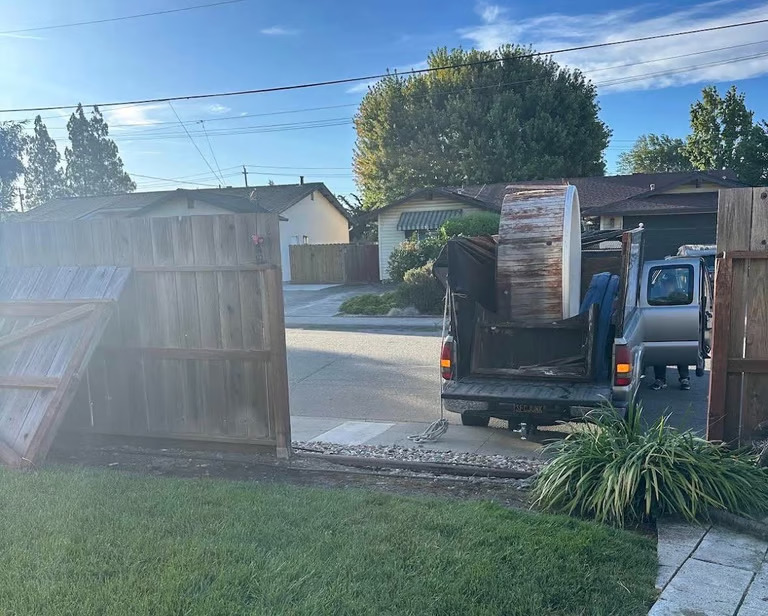
Removing an aging spa is more involved than dragging a bulky shell toward the curb. A proper job usually starts with preparation, safe disconnection, and a close look at how the unit can leave the property without damaging nearby fences, decking, or landscaping. For homeowners arranging hot tub removal in San Mateo County, knowing the basic sequence can make the appointment feel much less uncertain. In this article, we discuss how the removal process works from preparation and dismantling through hauling and final cleanup.Preparation Makes the Rest of the Job EasierA good removal begins before any cutting starts. The unit should be fully drained, hoses removed, and electrical power disconnected in advance. It also asks customers to empty the water beforehand. These small preparations help the crew work without unnecessary delays. Access deserves attention too. Gates, narrow side yards, raised decks, planters, and nearby furniture can affect the route. A quick look around the yard may reveal obstacles worth moving first, especially when the spa sits in a tight corner or behind landscaping.Large Structures Often Need to Come Apart FirstOnce the site is ready, the crew decides whether the structure can move intact or needs to be taken apart. Older units are often too large, awkward, or heavy to carry through a standard gate. In that situation, panels and other sections can be separated into smaller pieces that are easier to handle. Anyone comparing hot tub removal in San Jose may notice the same basic challenge, especially on properties with limited side access. Careful dismantling reduces the need to force oversized sections through narrow areas. It also gives workers better control while lifting, turning, and carrying material away from patios, fences, walls, and garden features.Access Can Change the Way Hauling Is PlannedAfter dismantling, each section has to travel safely from the yard to the truck. That sounds straightforward until stairs, slopes, gravel paths, or tight corners get involved. Crews usually plan the carrying route before loading begins so people are not improvising with heavy pieces halfway through the job. Homeowners looking for San Jose junk removal services may want to ask how access affects scheduling or pricing, since difficult routes can require more labor. The company’s published process explains that debris is loaded after deconstruction and that pricing is based on the space material occupies in the truck. That makes an accurate on-site look especially useful.Small Leftovers Matter More Than They SeemRemoval does not end when the largest pieces reach the truck. Small fragments, loose hardware, weathered panels, and dirt can remain where the spa once stood. A proper final pass focuses on clearing these leftovers so the area is not left with sharp or awkward debris. People searching for the best hot tub removal in San Francisco may find this finishing step worth asking about because it affects how usable the space feels afterward. A swept, cleared footprint is much easier to inspect before planning new seating, landscaping, storage, or repairs.The Empty Space Can Reveal Its Own SurprisesOnce the area is empty, homeowners finally get a clear view of what was hidden underneath. There may be stained concrete, worn decking, trapped leaves, or minor surface damage that was impossible to see before. This is a useful moment to check drainage, boards, fasteners, and nearby surfaces before placing anything new there.Some people use the recovered footprint for a table, planter boxes, or simply more open yard space. Others discover that a repair is needed first. Either way, the cleared area becomes easier to evaluate.ConclusionA successful removal is a sequence of small, sensible steps. Draining and disconnecting come first, followed by access planning, careful dismantling, controlled hauling, and a final sweep of the work area. Understanding that order helps homeowners prepare the property and avoid last-minute surprises.For homeowners who would rather leave the heavy work to an experienced local crew, SFC Junk Removal offers disassembly, hauling, and cleanup across San Mateo County and other Bay Area communities. Its published process includes on-site estimates, truck-space-based pricing, responsible disposal, and tidying after removal.Frequently Asked QuestionsQuestion: How should a yard be prepared beforehand?Answer: Preparation usually means draining all water, clearing nearby objects, opening the access route, and arranging proper electrical disconnection. A few minutes spent checking gates, steps, and narrow corners may prevent avoidable delays once the crew begins moving large sections toward the vehicle.Question: Can a bulky structure be separated into smaller pieces?Answer: Many units cannot pass through side gates or tight yards in one piece. Crews can separate bulky structures into smaller sections that are easier to carry and load. The exact approach depends on size, placement, surrounding surfaces, and available access, so an on-site inspection often helps determine the safest method.Question: Why inspect the cleared footprint afterward?Answer: The cleared footprint may reveal dirt, faded paving, worn boards, or damage that was previously hidden. After debris is collected, it is worth checking the surface before adding new furniture or landscaping. This gives homeowners a chance to handle repairs, improve drainage, or simply keep the newly opened area clear.


 Entertainment & Pop Culture