

How Sleep Deprivation Affects Your Immune System: Signs and Solutions

Sleep is essential for more than feeling refreshed in the morning. It supports several biological processes, including memory, tissue repair, metabolic regulation, and the normal functioning of the immune system.
When sleep becomes consistently restricted, the effects can extend beyond tiredness. People may find it harder to concentrate, manage daily responsibilities, or maintain their usual routines. Research also suggests that inadequate sleep can influence immune responses and the body's ability to respond to infections.
However, sleep is only one factor affecting immunity. Nutrition, stress, physical activity, underlying health conditions, and exposure to infectious organisms also play important roles.
Understanding the relationship between sleep and immune function can help you develop healthier routines without relying on exaggerated claims about sleep or quick-fix products.
What Happens to Your Immune System During Sleep?The immune system is a network of cells, tissues, and signaling molecules that helps the body recognize and respond to potential threats. Its activity changes throughout the day and night.
Sleep helps coordinate certain immune processes. During sleep, the body regulates chemical messengers involved in inflammation and immune communication. Adequate rest also supports the normal functioning of immune cells that participate in recognizing and responding to pathogens.
These processes do not mean that the immune system simply switches on at bedtime. Rather, sleep is one part of a broader biological system that helps maintain health.
When sleep is regularly shortened or disrupted, some aspects of immune regulation may be affected. The precise consequences depend on the degree of sleep loss, its duration, and individual health factors.
How Sleep Deprivation May Affect Immune Function1. Changes in Immune SignalingThe immune system uses signaling molecules, including cytokines, to coordinate responses to infection and regulate inflammation.
Sleep and circadian rhythms influence the production and activity of some of these molecules. Insufficient sleep can alter aspects of this regulation, although the effects are complex and not identical in every person.
This is one reason researchers study sleep as a factor in immune health.
2. Responses to InfectionResearch suggests that people who regularly obtain insufficient sleep may be more susceptible to certain respiratory infections than those who sleep adequately.
Sleep deprivation does not guarantee that someone will become ill, and adequate sleep cannot prevent every infection. Exposure, vaccination status, underlying health, and other factors also influence risk.
Nevertheless, consistently protecting sleep is a reasonable part of maintaining overall health.
3. Responses to VaccinationStudies have found associations between sleep duration around vaccination and the strength of certain antibody responses. Some research suggests that insufficient sleep may weaken responses to particular vaccines.
These findings do not mean that every night of poor sleep will make a vaccine ineffective. Results vary across studies, vaccines, and individuals.
For personal questions about vaccination timing or immune health, consult a qualified healthcare professional.
4. Inflammation and RecoverySleep restriction can influence inflammatory signaling in the body. Persistent sleep problems are also associated with several health conditions involving metabolic and cardiovascular function.
However, inflammation is a complex process. It is inaccurate to assume that every person who sleeps poorly develops chronic inflammation or that improving sleep alone will resolve an existing medical condition.
Common Signs That You May Not Be Getting Enough SleepSleep deprivation can affect people differently, but several signs are common.
Daytime sleepiness: You may struggle to stay awake during quiet activities or feel a strong need to nap.
Difficulty concentrating: Tasks involving attention, memory, and decision-making may become more challenging.
Irritability: Insufficient sleep can affect emotional regulation and make ordinary frustrations feel more difficult to manage.
Slower reactions: Sleep loss can reduce alertness and reaction time, which is particularly concerning when driving or operating equipment.
Frequent illness: Repeated infections can have many causes. Although inadequate sleep may contribute to susceptibility, frequent illness should not automatically be attributed to sleep deprivation.
Unrefreshing sleep: Waking tired despite spending enough time in bed may indicate disrupted sleep or another underlying problem.
These symptoms are not specific to sleep deprivation. Persistent tiredness or repeated illness may warrant medical evaluation.
How Much Sleep Do Adults Need?Most adults need at least seven hours of sleep per night, and many function best with approximately seven to nine hours. Individual requirements vary according to age, health, activity, and other factors.
Sleep quality and consistency also matter. Spending eight hours in bed does not necessarily mean you obtained eight hours of restorative sleep.
Frequent awakenings, untreated sleep apnea, irregular schedules, and some medications can disrupt sleep even when the total time available seems adequate.
Instead of focusing exclusively on a numerical target, consider whether you wake reasonably refreshed and can remain alert throughout your usual daytime activities.
Practical Ways to Support Sleep and Immune HealthNo single habit guarantees strong immunity, but a consistent sleep routine can support normal immune function and overall well-being.
Maintain a Regular ScheduleTry to go to bed and wake up at similar times each day. A predictable routine helps coordinate your circadian rhythm and can make it easier to obtain sufficient sleep.
If you work rotating shifts, aim to protect a consistent sleep opportunity around your work schedule whenever possible.
Create a Comfortable Sleep EnvironmentKeep your bedroom dark, quiet, and comfortably cool. Blackout curtains, eye masks, or earplugs may help when environmental light or noise interferes with rest.
Choose a routine that makes it easier to relax before bedtime.
Limit Late-Day CaffeineCaffeine can temporarily increase alertness, but its effects may continue for several hours. Consuming it late in the day can make falling asleep more difficult.
Consider your sensitivity to caffeine and how it affects your usual bedtime.
Eat a Balanced DietA varied diet containing vegetables, fruit, whole grains, protein sources, and healthy fats supports general health. Adequate nutrition matters for immune function, but no single food can compensate for ongoing sleep deprivation.
Supplements should not be treated as automatic solutions to poor sleep or immune concerns.
Stay Physically ActiveRegular physical activity supports overall health and may improve sleep for many people. Choose activities appropriate for your abilities and schedule.
If vigorous exercise close to bedtime makes you feel more alert, consider moving it earlier.
Manage StressStress can contribute to difficulty falling asleep or staying asleep. Relaxation exercises, journaling, quiet reading, and structured problem-solving may help some people transition into bedtime.
If stress or anxiety persistently disrupts sleep, professional support may be beneficial.
Why Catching Up on Sleep Is Not Always SimpleSleeping longer after a short night may help reduce some immediate effects of sleep loss. However, a single long sleep period may not fully reverse the effects of repeated or chronic sleep restriction.
Weekend recovery sleep can also shift your schedule, making it harder to return to an earlier bedtime during the week.
A more sustainable approach is to protect sufficient sleep regularly and address the reasons your sleep is being restricted.
If work demands, caregiving responsibilities, or a medical condition make this difficult, consider practical changes to your schedule and seek appropriate support.
When Daytime Sleepiness Needs Medical AttentionPersistent daytime sleepiness is not always caused by an overly busy schedule. It may be associated with sleep apnea, narcolepsy, shift work sleep disorder, insomnia, medication effects, or other medical conditions.
If you regularly struggle to stay awake despite allowing enough time for sleep, discuss your symptoms with a healthcare professional.
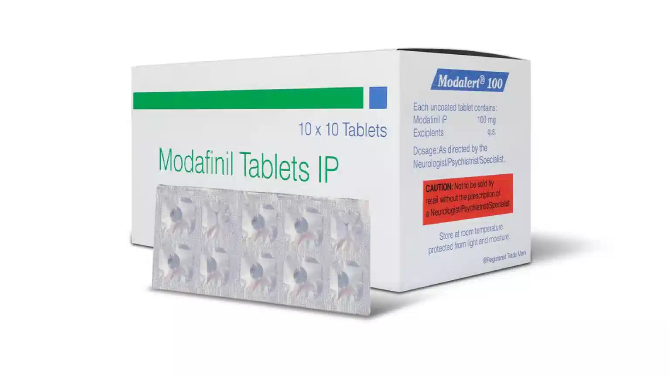
Modafinil is a prescription medicine used for excessive sleepiness associated with specific conditions, including narcolepsy, obstructive sleep apnea, and shift work disorder. It does not strengthen the immune system, replace adequate sleep, or treat ordinary sleep deprivation.
For general information about Modalert 100 mg tablets ↗, consult the product information and discuss suitability, adverse effects, and potential interactions with a qualified healthcare professional.
You can also review the broader modafinil tablet category ↗ for general product information. Prescription medication should be considered only when medically appropriate, not as a substitute for improving sleep habits.
For more educational resources and general information, visit ModaMindFuels ↗.
ConclusionSleep contributes to the normal functioning of the immune system, and consistently insufficient rest may affect aspects of immune regulation and responses to infection. However, immunity depends on many interacting factors, so sleep should be considered one component of a broader approach to health.
Maintaining a regular sleep schedule, creating a comfortable sleeping environment, eating a balanced diet, and managing stress can support healthier routines.
If persistent sleep problems, excessive daytime sleepiness, or repeated illness interfere with daily life, seek medical advice to identify possible underlying causes. Better health begins with understanding your needs and making sustainable changes rather than relying on quick fixes.