

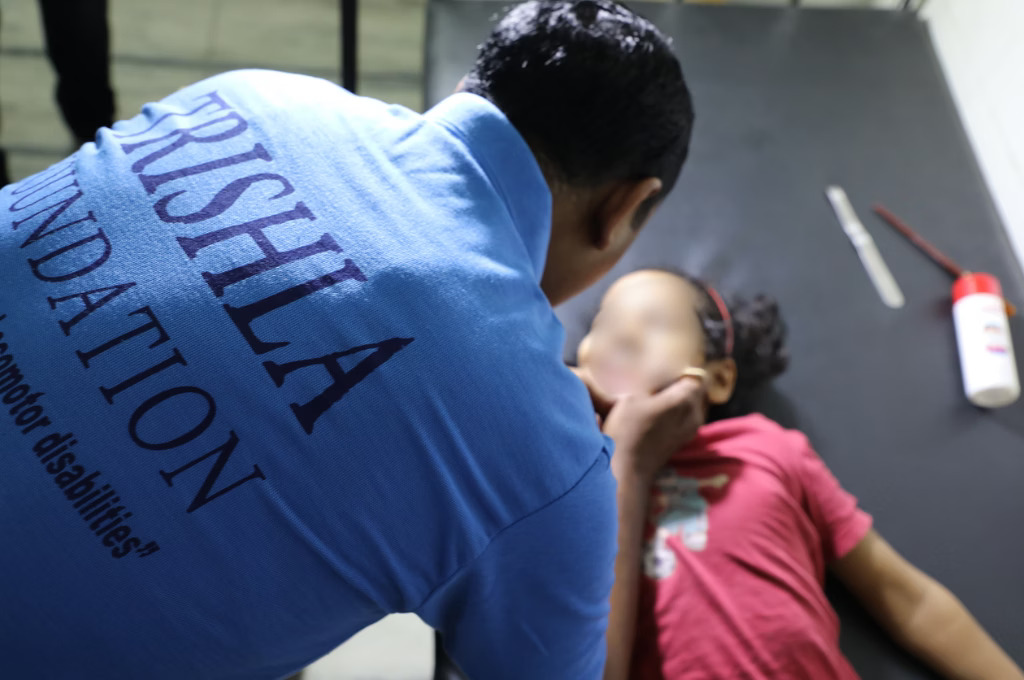
How Physiotherapy Helps Children with Athetoid Cerebral Palsy?

Athetoid cerebral palsy is a type of cerebral palsy that affects muscle control, coordination, and movement. Children with this condition often experience involuntary movements, fluctuating muscle tone, and difficulty maintaining posture. These challenges can affect everyday activities such as walking, sitting, holding objects, and communicating. Physiotherapy plays an important role in helping children with athetoid cerebral palsy improve their mobility, muscle control, balance, and independence.
With regular therapy and an individualized treatment plan, children can develop functional skills and participate more comfortably in daily activities.
How Physiotherapy Helps Children With Athetoid Cerebral Palsy
Physiotherapy focuses on improving movement abilities, strengthening functional skills, and supporting a child's physical development. Here are some important ways it can help:
1. Improves Muscle Control and Coordination
Children with athetoid cerebral palsy ↗ often struggle to control involuntary movements. Physiotherapy uses guided movements, repetitive exercises, and motor control activities to help children develop better coordination and control during everyday tasks.
2. Strengthens Muscles
Although muscle tone may fluctuate, targeted strengthening exercises can help improve the muscles needed for sitting, standing, walking, and other functional activities. Stronger muscles can provide better support for everyday movements.
3. Develops Balance and Posture
Maintaining proper posture can be difficult for children with athetoid cerebral palsy. Physiotherapists use sitting balance exercises, supported standing activities, and trunk control training to improve postural stability and reduce the risk of falls.
4. Supports Walking and Mobility
Depending on the child's abilities, physiotherapy may include gait training, supported walking, weight-shifting activities, and mobility exercises. These interventions help children practice functional movement and improve their ability to move around safely.
5. Improves Daily Living Skills
Physiotherapy can help children develop the physical abilities required for everyday activities, including getting up from a chair, changing positions, reaching for objects, and participating in play. Occupational therapy may also support fine motor skills and independence.
Physiotherapy Techniques Used for Athetoid Cerebral Palsy
A physiotherapist may recommend different techniques depending on the child's age, movement difficulties, and functional goals. These may include:
Strengthening exercises: Improve functional muscle strength.Balance training: Develop stability during sitting and standing.Gait training: Encourage safer and more controlled walking.Task-oriented activities: Practice movements used in everyday life.Positioning techniques: Support comfortable posture and reduce the risk of contractures.Why Early Physiotherapy Matters
Starting physiotherapy early can help children develop important movement and functional skills during their growing years. Regular rehabilitation also helps address emerging difficulties, maintain joint flexibility, and support participation in everyday activities.
Parents should work closely with pediatric physiotherapists to establish realistic goals and follow a consistent home exercise routine recommended by the therapist.
Helping Children Build a More Independent Future
Athetoid cerebral palsy presents unique movement challenges, but the right rehabilitation approach can make a meaningful difference. Physiotherapy for children with athetoid cerebral palsy focuses on improving muscle control, balance, strength, and functional mobility.