

E-Square Alliance's Store
Owned by E-Square Alliance Joined Jan 2024 16 Listings
E-Square Alliance's Store
easyid.me/biz/esquareloto-c54cad • Verified Store
Scan to open official EasyID digital store, view live catalog, or save business card.
Verified Merchant
EasyID Certified Seller
Fast 24h Packing
Direct courier dispatch
Zero Escrow Direct
Direct merchant settlement
Store Listings (16)
E-Square Alliance
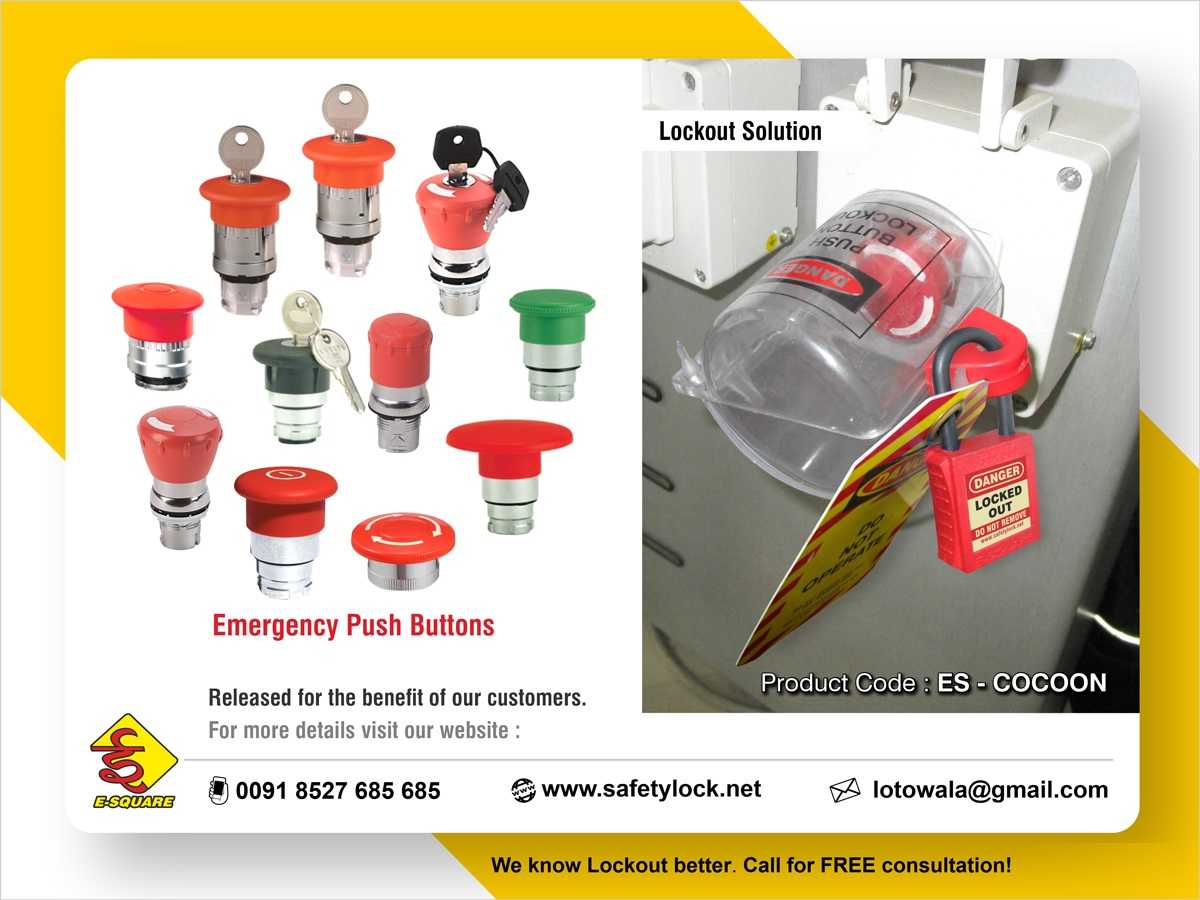
Push button lockout device (ES-Cocoon) is the most appreciated lockout solution of E-Square for the variety of oversize electrical push buttons placed on the electrical panels or control stations. <br> <br>Benefits: <br>It is a universal design to completely enclose Electrical Push Buttons of varied sizes ranging from diameter 25 to 60 mm and height 30 to 80 mm. This lockout device can be easily installed in seconds by just placing it on the Emergency Push Buttons, thus concealing them in a cocoon to prevent machines from being energized accidently. <br> <br>Features: <br>E-Square offers universal ES - Cocoon with inner size of 70 mm x 85 mm height and 30 mm hole dia in the center. This hole can be customized upto 50 mm according to the size of the push button. <br> <br>This device is also applicable on the given panel of Emergency Push Buttons: <br>Machine Control Panels <br>Motor Control Center <br>Power Control Center <br>High Tension Panels <br>Mobile Equipment (Forklifts, Stacker etc.) <br> <br>Get more information about ES-Cocoon, visit our website - [a]https%3A%2F%2Fwww.safetylock.net%2Fproduct%2Foversized-push-button-lockout-es-cocoon%2F[/a]
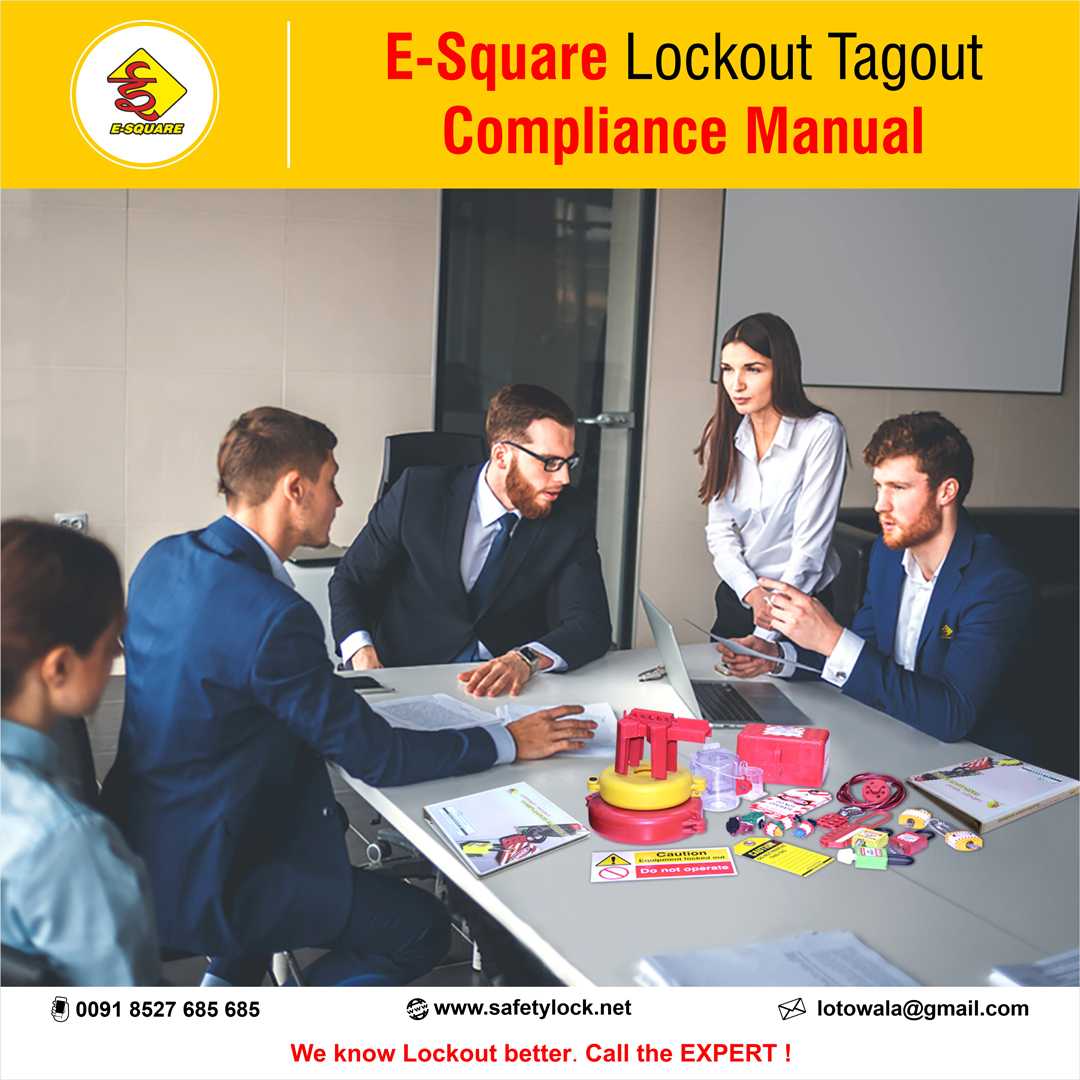
Preserving Lives and Assets - The Art of Effective Lockout Tagout Implementation
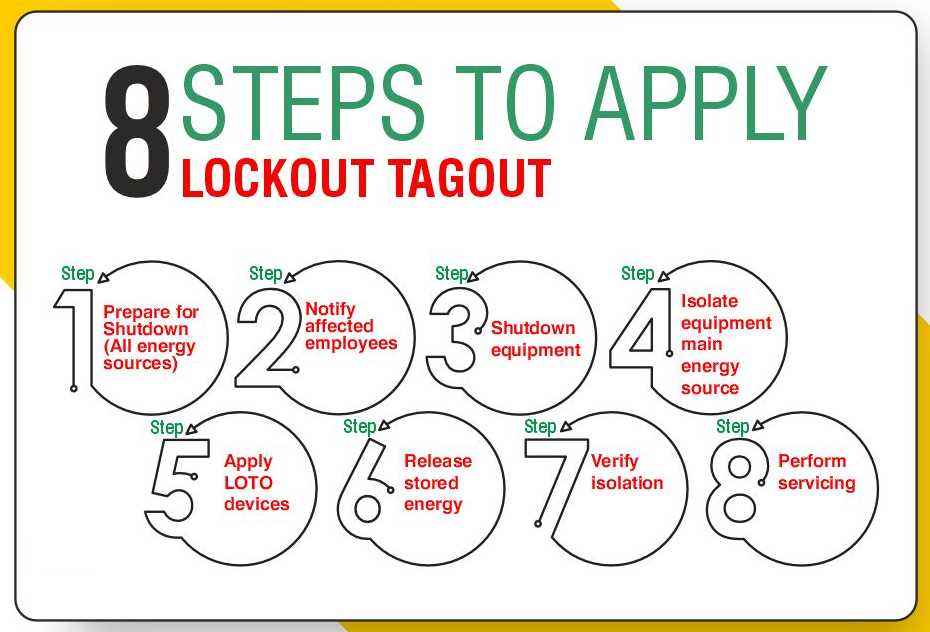
Efficient lockout tagout procedures can enhance your unit's productivity and efficiency. The process of implementing lockout tagout involves critical aspects related to safely de-energising machines or equipment. <br> <br>A proactive technique for maintenance safety is much needed in today’s fast-paced world. Regulatory compliances, safety processes and enforced guidelines create a sense of safety and protection for both employees and employers.
esquareloto
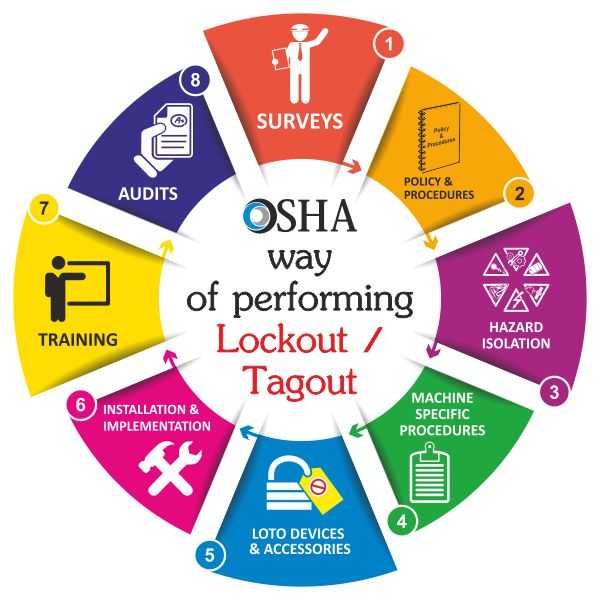
Progressing technologies and globalisation have not only changed the way the work is done in industries but also expanded the borders for machine productivity and innovation. The growing globalised world encompasses high-speed machine production techniques, with every company chasing increasing profits. This pursuit of development has had negative and positive effects on employees working in such industries. <br> <br>World economy liberalisation, rapid technological advancement, significant improvements in basic infrastructure, changing employment trends, adjustments to work organisation procedures, size, structure, and developmental stages of businesses, can all lead to the creation of new types of hazards, exposures, and risks. Workers performing operations, specified procedures, and regular maintenance or installation on machines or equipment face special hazards due to the nature of their work. <br> <br>The scope of controlling hazards in the workplace has been evolving slowly but surely thanks to social, economical and technological changes. Occupational Safety and Health is the prediction, identification, analysis, and management of occupational hazards that might harm employees' health and well-being while taking into consideration any potential effects on nearby communities and the natural environment in general. <br> <br>Occupational Safety and Health has been a part of many safety organisations such as OSHA, NIOSH and ILO for years, with continuously improving regulations. OSH is necessary to create a solid and effective workplace environment by developing a culture of personal preventative measures. <br> <br>It is every employer’s duty to develop, enforce and guide employees on occupational safety protocols to ensure workers’ health, safety and welfare at work. But, the most lengthy and rigorous safety procedures are pointless if the employees and employers do not create a safe work culture wherein every employee wants to implement safety measures to protect himself and others around him. <br> <br>Unfortunately, many employees and businesses don’t understand the importance of safety procedures. They are always ready with excuses like “we had to restart production and didn’t have enough time”, “we didn’t know about these procedures”, or “I am experienced in this; I have done this countless times”. All these excuses do not exempt workers from the compliances related to Occupational Health and Safety or safeguard them in case of an accident. <br> <br>In 80% of all accidents, the individual responsible was a part of the production/maintenance activity. Most workers are in a hurry to get the work done, especially when facing pressure from top management. More experienced and older employees feel that applying safety measures like machine guards or Lockout Tagout takes away from production time when they could simply perform the task safely like they have done before. Regrettably, far too many workers and managers want to find "solutions" or justifications for the incident rather than focusing on its primary cause, which almost always involves individuals acting dangerously. More accidents and injuries result from risky and careless behaviours than from harmful surroundings. <br> <br>“Shortcuts cut your life short” is an infamous quote about life, especially when it comes to safety. Every day employees take certain actions to make their job easier and more efficient without thinking about the negative consequences of such actions. Workers working on heavy machinery tend to use shortcuts while performing tasks to avoid ‘wasting time on burdensome safety procedures’, for instance - using a pipe or a log to erect or stabilise a machine part, cleaning equipment without shutting it off, using a hand or leg to push materials down a hatch. Their reason for utilising such methods vary from ‘not having the correct knowledge to implement effective measures’ to ‘alternative measures are just as effective’. <br> <br>At the corporate, federal, and international levels, the financial costs of these accidents and fatalities are enormous. Intentionally neglecting to follow safety regulations might jeopardise the authorised employee and his coworkers. Assessments of these damages are typically set at about 4% of global GNP annually, taking into account employee reimbursement, missed work time, disruption of business, training and retraining, hospital expenses, and other costs. <br> <br>While the majority of workers are fortunate enough to get away with operating unprotected equipment for long periods, it's rather alarming to consider how quickly someone may sustain a significant or drastically life-altering injury. Workers and supervisors might offer several explanations for not enforcing and implementing safety procedures, but it is the duty of top management to make sure that all employees not only follow the established guidelines but also show concern towards their own health and safety. Alongside enforcing protocols, safety programmes should educate workers on the risks and present concrete examples of workplace risk exposure. Both employees and employers are required to be aware of their actions at all times. When each of them operates safely, then everyone will be able to return home in the same condition every day.
esquareloto
Progressing technologies and globalisation have not only changed the way the work is done in industries but also expanded the borders for machine productivity and innovation. The growing globalised world encompasses high-speed machine production techniques, with every company chasing increasing profits. This pursuit of development has had negative and positive effects on employees working in such industries. <br> <br>World economy liberalisation, rapid technological advancement, significant improvements in basic infrastructure, changing employment trends, adjustments to work organisation procedures, size, structure, and developmental stages of businesses, can all lead to the creation of new types of hazards, exposures, and risks. Workers performing operations, specified procedures, and regular maintenance or installation on machines or equipment face special hazards due to the nature of their work. <br> <br>The scope of controlling hazards in the workplace has been evolving slowly but surely thanks to social, economical and technological changes. Occupational Safety and Health is the prediction, identification, analysis, and management of occupational hazards that might harm employees' health and well-being while taking into consideration any potential effects on nearby communities and the natural environment in general. <br> <br>Occupational Safety and Health has been a part of many safety organisations such as OSHA, NIOSH and ILO for years, with continuously improving regulations. OSH is necessary to create a solid and effective workplace environment by developing a culture of personal preventative measures. <br> <br>It is every employer’s duty to develop, enforce and guide employees on occupational safety protocols to ensure workers’ health, safety and welfare at work. But, the most lengthy and rigorous safety procedures are pointless if the employees and employers do not create a safe work culture wherein every employee wants to implement safety measures to protect himself and others around him. <br> <br>Unfortunately, many employees and businesses don’t understand the importance of safety procedures. They are always ready with excuses like “we had to restart production and didn’t have enough time”, “we didn’t know about these procedures”, or “I am experienced in this; I have done this countless times”. All these excuses do not exempt workers from the compliances related to Occupational Health and Safety or safeguard them in case of an accident. <br> <br>In 80% of all accidents, the individual responsible was a part of the production/maintenance activity. Most workers are in a hurry to get the work done, especially when facing pressure from top management. More experienced and older employees feel that applying safety measures like machine guards or Lockout Tagout takes away from production time when they could simply perform the task safely like they have done before. Regrettably, far too many workers and managers want to find "solutions" or justifications for the incident rather than focusing on its primary cause, which almost always involves individuals acting dangerously. More accidents and injuries result from risky and careless behaviours than from harmful surroundings. <br> <br>“Shortcuts cut your life short” is an infamous quote about life, especially when it comes to safety. Every day employees take certain actions to make their job easier and more efficient without thinking about the negative consequences of such actions. Workers working on heavy machinery tend to use shortcuts while performing tasks to avoid ‘wasting time on burdensome safety procedures’, for instance - using a pipe or a log to erect or stabilise a machine part, cleaning equipment without shutting it off, using a hand or leg to push materials down a hatch. Their reason for utilising such methods vary from ‘not having the correct knowledge to implement effective measures’ to ‘alternative measures are just as effective’. <br> <br>At the corporate, federal, and international levels, the financial costs of these accidents and fatalities are enormous. Intentionally neglecting to follow safety regulations might jeopardise the authorised employee and his coworkers. Assessments of these damages are typically set at about 4% of global GNP annually, taking into account employee reimbursement, missed work time, disruption of business, training and retraining, hospital expenses, and other costs. <br> <br>While the majority of workers are fortunate enough to get away with operating unprotected equipment for long periods, it's rather alarming to consider how quickly someone may sustain a significant or drastically life-altering injury. Workers and supervisors might offer several explanations for not enforcing and implementing safety procedures, but it is the duty of top management to make sure that all employees not only follow the established guidelines but also show concern towards their own health and safety. Alongside enforcing protocols, safety programmes should educate workers on the risks and present concrete examples of workplace risk exposure. Both employees and employers are required to be aware of their actions at all times. When each of them operates safely, then everyone will be able to return home in the same condition every day.
About E-Square Alliance's Store
No description provided.
0.0
Customer Reviews
See what others are saying about E-Square Alliance's Store. We verify purchases to ensure reviews are genuine.
No reviews yet for this store.