

zoom_in
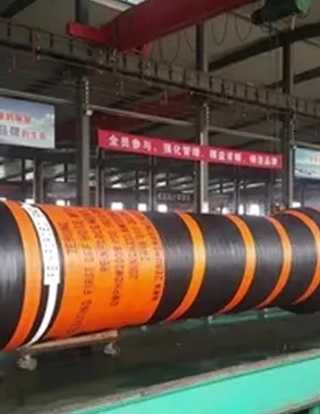
HDPE Pipe For Water/Gas Supply
€1,500.00
#yellow
https://www.xjgmachine.com/products/hdpe-pipe-for-water-gas-supply.html ↗
HDPE pipe is a durable and flexible pipe used in plumbing and natural gas distribution systems. It is made from high-density polyethylene, which has a high resistance to impact and weathering. HDPE yellow gas pipe are lightweight, corrosion-resistant, and can withstand high pressures. They are also resistant to chemicals and can be used for transporting both hot and cold water. Water supply hdpe pipe are widely used in water and gas supply systems due to their reliability and long service life.
High-quality HDPE drainage pipe:
1. Raw material: PE.
2. Size: DN16-200mm.
3. Color: Black or other colors on request.
4. Pressure Grade: 0.6MPa, 0.8MPa, 1.0MPa, 1.25MPa, 1.6MPa.
5. Standard: GB /7 1713663-2000.
6. Certification: ISO9001.
7. Applications: Water supply, industrial liquids transportation, and sewage treatment.
Advantages of Using HDPE Pipes for Water and Gas Supply
Polyethylene pipe oil and gas have several advantages over other materials for water and gas supply systems. They are lightweight and easy to handle, which reduces the need for heavy machinery during installation. HDPE pipe for natural gas service are also highly durable and can withstand high pressure, impact, and weathering. They are resistant to corrosion and chemicals, making them ideal for use in harsh environments. hdpe natural gas pipe have a long service life, reducing the need for frequent maintenance and replacement. They are also cost-effective due to their lower installation and maintenance costs. These benefits make hdpe pipe for gas line a popular choice for water and gas supply systems where reliability and longevity are essential.
Application of HDPE Pipe For Water/Gas Supply
Portable water pipe line.
Sprinkler & Drip Irrigation System.
Life & Gravity irrigation.
Suction & Delivery of Pump.
Building & Construction Industry.
Infrastructure.
Marine & Sub-Marine Lines.
Underwater Pipeline.
Importance of HDPE Pipe Quality Assurance in Water and Gas Supply
Ensuring the quality of HDPE pipes used for water and gas supply is of utmost importance to guarantee safe and reliable service. HDPE pipes used for these purposes must conform to strict industry standards and undergo rigorous testing procedures to ensure they are of high quality and can withstand various operating conditions. Proper quality assurance measures include regular testing and inspection of the pipes, adherence to industry standards, and compliance with relevant regulations. These measures help to prevent issues such as leaks or rupture, which can have costly and even dangerous consequences. Implementing quality assurance measures also helps to extend the service life of HDPE pipes and minimize the need for maintenance or replacement.
FAQs Of HDPE Pipe For Water/Gas Supply
What is the typical lifespan of HDPE pipes used for water and gas supply?
The typical lifespan of HDPE pipes used for water and gas supply is around 50-100 years, depending on conditions and maintenance.
Are HDPE pipes suitable for use with both hot and cold water?
Yes, HDPE pipes are suitable for use with both hot and cold water and are resistant to stress cracking caused by hot water.
What is the maximum temperature at which HDPE pipes can be safely used?
The maximum temperature at which HDPE pipes can be safely used depends on factors such as the pressure and duration of exposure, but typically ranges from 70-80°C.
Can HDPE pipes be used in both above-ground and underground systems?
Yes, HDPE pipes can be used in both above-ground and underground systems and are often preferred for their resistance to corrosion and environmental stress cracking.
There are many plastic processing equipment companies, but we are one of the best choices for you.
https://www.xjgmachine.com/products/hdpe-pipe-for-water-gas-supply.html ↗
HDPE pipe is a durable and flexible pipe used in plumbing and natural gas distribution systems. It is made from high-density polyethylene, which has a high resistance to impact and weathering. HDPE yellow gas pipe are lightweight, corrosion-resistant, and can withstand high pressures. They are also resistant to chemicals and can be used for transporting both hot and cold water. Water supply hdpe pipe are widely used in water and gas supply systems due to their reliability and long service life.
High-quality HDPE drainage pipe:
1. Raw material: PE.
2. Size: DN16-200mm.
3. Color: Black or other colors on request.
4. Pressure Grade: 0.6MPa, 0.8MPa, 1.0MPa, 1.25MPa, 1.6MPa.
5. Standard: GB /7 1713663-2000.
6. Certification: ISO9001.
7. Applications: Water supply, industrial liquids transportation, and sewage treatment.
Advantages of Using HDPE Pipes for Water and Gas Supply
Polyethylene pipe oil and gas have several advantages over other materials for water and gas supply systems. They are lightweight and easy to handle, which reduces the need for heavy machinery during installation. HDPE pipe for natural gas service are also highly durable and can withstand high pressure, impact, and weathering. They are resistant to corrosion and chemicals, making them ideal for use in harsh environments. hdpe natural gas pipe have a long service life, reducing the need for frequent maintenance and replacement. They are also cost-effective due to their lower installation and maintenance costs. These benefits make hdpe pipe for gas line a popular choice for water and gas supply systems where reliability and longevity are essential.
Application of HDPE Pipe For Water/Gas Supply
Portable water pipe line.
Sprinkler & Drip Irrigation System.
Life & Gravity irrigation.
Suction & Delivery of Pump.
Building & Construction Industry.
Infrastructure.
Marine & Sub-Marine Lines.
Underwater Pipeline.
Importance of HDPE Pipe Quality Assurance in Water and Gas Supply
Ensuring the quality of HDPE pipes used for water and gas supply is of utmost importance to guarantee safe and reliable service. HDPE pipes used for these purposes must conform to strict industry standards and undergo rigorous testing procedures to ensure they are of high quality and can withstand various operating conditions. Proper quality assurance measures include regular testing and inspection of the pipes, adherence to industry standards, and compliance with relevant regulations. These measures help to prevent issues such as leaks or rupture, which can have costly and even dangerous consequences. Implementing quality assurance measures also helps to extend the service life of HDPE pipes and minimize the need for maintenance or replacement.
FAQs Of HDPE Pipe For Water/Gas Supply
What is the typical lifespan of HDPE pipes used for water and gas supply?
The typical lifespan of HDPE pipes used for water and gas supply is around 50-100 years, depending on conditions and maintenance.
Are HDPE pipes suitable for use with both hot and cold water?
Yes, HDPE pipes are suitable for use with both hot and cold water and are resistant to stress cracking caused by hot water.
What is the maximum temperature at which HDPE pipes can be safely used?
The maximum temperature at which HDPE pipes can be safely used depends on factors such as the pressure and duration of exposure, but typically ranges from 70-80°C.
Can HDPE pipes be used in both above-ground and underground systems?
Yes, HDPE pipes can be used in both above-ground and underground systems and are often preferred for their resistance to corrosion and environmental stress cracking.
There are many plastic processing equipment companies, but we are one of the best choices for you.
You might also like

Slim Down with Every Sip: The Fitspresso Coffee Loophole
star
star
star
star
star
4.0/5
$0.00

Discount London theatre tickets
star
star
star
star
star
4.0/5
$22.00

Professional Dissertation Writers India | Mythsis
star
star
star
star
star
4.0/5
$0.00

Buy YouTube Views
star
star
star
star
star
4.0/5
$30.00