

zoom_in
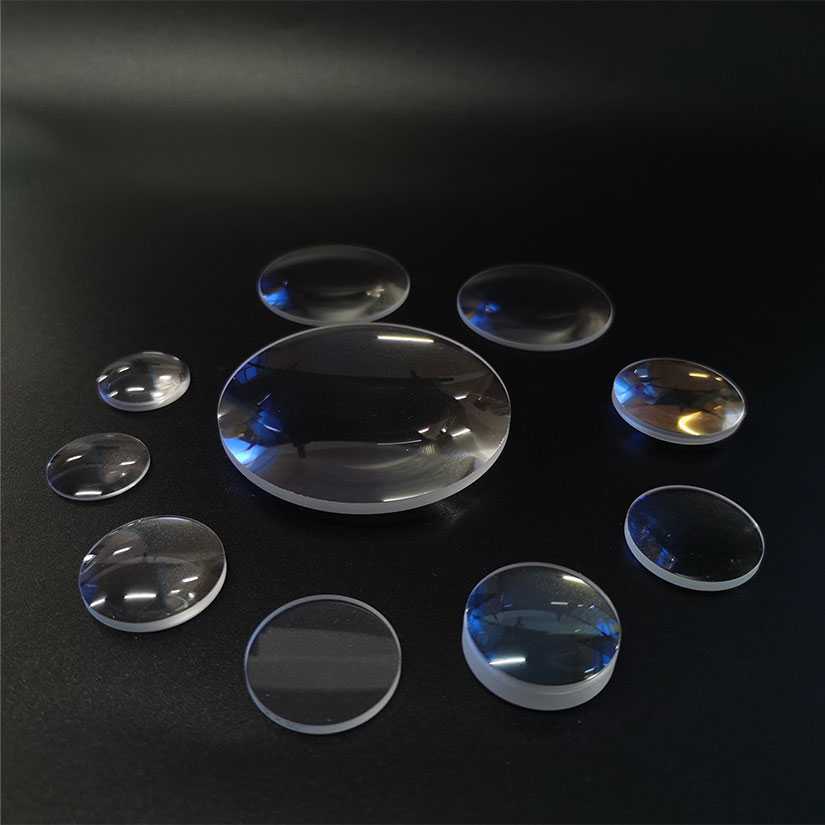
Aspheric Lenses
€0.00
https://www.tcoptik.com/products/aspherical-lens.html ↗
#optics #china
Aspherical Camera Meaning
Our aspheric lenses have surface profiles that are not portions of a sphere or cylinder, making them highly sought after in photography. Aspherical lenses include an aspheric element, and TC Optics is dedicated to producing lenses with surface form error within 100 microns. If you're wondering about aspheric lenses cost or the meaning of aspherical lens, contact TC Optics for more information.
Specification of Aspherical Lens
Material BK7, B270 or PYREX
Diameter Range 10-300 mm
Diameter Tolerance +0.00/-0.15 mm
Center Thickness +/-0.5%
Focus +/-7%
Aspheric lens Face Form Checked by Caliper
Surface Finish: Processing Surface x: λ/2; y: 2λ
Aspherical Lens Standard Products
Part No. Material EFL OD1 OD2 CT ET
TCA101 B270 18.51 24 10.4 1.54
TCA102 PYREX 37.1 50 23 2.5
TCA103 PYREX 36.4 52 24 2
TCA104 B270 74.47 35 30.68 10.05 2.3
TCA105 PYREX 48 50 19 2
TCA106 PYREX 61.78 68.5 24.12 2
TCA107 B270 6.25 6.5 2.679 0.942
TCA108 PYREX 126.57 75 14.25 2.8
TCA109 B270 190.1 80 15.24 3.8
Aspheric Lenses Advantages and Disadvantages
Aspheric lenses are optical that have a non-spherical surface that allows them to have a flatter profile and a wider field of view. They have become increasingly popular in eyewear due to their numerous advantages over traditional spherical lenses. That said, there are still some disadvantages to consider when deciding whether aspheric lenses are right for you.
Advantages:
Improved vision: Aspheric lenses provide better visual acuity, especially in peripheral vision. The reduction of distortion and spherical aberration can significantly improve sharpness and clarity, reducing eye fatigue.
Thinner and lighter: Aspheric lenses are designed to reduce the curvature of the lens, resulting in a flatter profile. This means that they are thinner and lighter than traditional lenses, allowing for more comfortable and stylish eyewear.
Wide range of applications: Aspheric lenses are used in many different industries, including photography, aerospace, and medicine. They are also available in a variety of materials such as polycarbonate, high-index, and Trivex for durability and improved optics china.
#optics #china
Aspherical Camera Meaning
Our aspheric lenses have surface profiles that are not portions of a sphere or cylinder, making them highly sought after in photography. Aspherical lenses include an aspheric element, and TC Optics is dedicated to producing lenses with surface form error within 100 microns. If you're wondering about aspheric lenses cost or the meaning of aspherical lens, contact TC Optics for more information.
Specification of Aspherical Lens
Material BK7, B270 or PYREX
Diameter Range 10-300 mm
Diameter Tolerance +0.00/-0.15 mm
Center Thickness +/-0.5%
Focus +/-7%
Aspheric lens Face Form Checked by Caliper
Surface Finish: Processing Surface x: λ/2; y: 2λ
Aspherical Lens Standard Products
Part No. Material EFL OD1 OD2 CT ET
TCA101 B270 18.51 24 10.4 1.54
TCA102 PYREX 37.1 50 23 2.5
TCA103 PYREX 36.4 52 24 2
TCA104 B270 74.47 35 30.68 10.05 2.3
TCA105 PYREX 48 50 19 2
TCA106 PYREX 61.78 68.5 24.12 2
TCA107 B270 6.25 6.5 2.679 0.942
TCA108 PYREX 126.57 75 14.25 2.8
TCA109 B270 190.1 80 15.24 3.8
Aspheric Lenses Advantages and Disadvantages
Aspheric lenses are optical that have a non-spherical surface that allows them to have a flatter profile and a wider field of view. They have become increasingly popular in eyewear due to their numerous advantages over traditional spherical lenses. That said, there are still some disadvantages to consider when deciding whether aspheric lenses are right for you.
Advantages:
Improved vision: Aspheric lenses provide better visual acuity, especially in peripheral vision. The reduction of distortion and spherical aberration can significantly improve sharpness and clarity, reducing eye fatigue.
Thinner and lighter: Aspheric lenses are designed to reduce the curvature of the lens, resulting in a flatter profile. This means that they are thinner and lighter than traditional lenses, allowing for more comfortable and stylish eyewear.
Wide range of applications: Aspheric lenses are used in many different industries, including photography, aerospace, and medicine. They are also available in a variety of materials such as polycarbonate, high-index, and Trivex for durability and improved optics china.
You might also like

Slim Down with Every Sip: The Fitspresso Coffee Loophole
star
star
star
star
star
4.0/5
$0.00

Discount London theatre tickets
star
star
star
star
star
4.0/5
$22.00

Professional Dissertation Writers India | Mythsis
star
star
star
star
star
4.0/5
$0.00

Buy YouTube Views
star
star
star
star
star
4.0/5
$30.00