

zoom_in
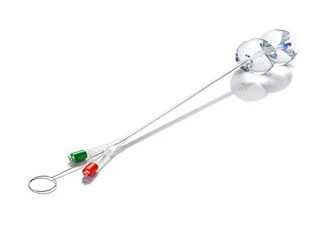
Obstetrics & Gynecology Instruments
€0.00
Gynecological and Obstetrical Instruments
This series of products can be used in gynaecology, obstetrics and other related departments. The functions of each product include assisting in childbirth, stopping bleeding after delivery and preventing uterine adhesions after abortions.
Different Types of Obstetrics & Gynecology Instruments
Disposable Cervical Ripening Balloon
Postpartum Balloon with Rapid Instillation
Balloon Uterine Stent
Negative Pressure Drainage Ball
Umbilical Cord Clamps
previousnext
Advantages of Obstetrics & Gynecology Instruments
We are the first manufacturer in China to independently develop, manufacture and sell Cervical Ripening Balloons, Balloon Uterine Stents, and Postpartum Balloon with Rapid Instillation. Our exclusive Uterine Lifter is a product we developed and manufactured in conjunction with a well-known Chinese academician. The products have passed ISO13485 quality system certification and CE certification.
FAQs of Instruments in Obstetrics and Gynaecology
What are the instruments used in gynecology?
Our gynecological consumables include balloon uterine stent, salpingography catheter and endometrial sampling brush.
FAQ
How do you use obstetric forceps?
Operation steps:
1. Vaginal examination: further verify the horizontal position of the fetal head bone and the ischial spine and the fetal orientation to determine whether the fetal head is commensurate with the pelvis or whether it is suitable for forceps delivery.
2. Preparation before placement of forceps: family members' notification, informed consent, fetal heart rate monitoring, oxygen inhalation if necessary, vein opening, preparation of neonatal resuscitation drugs and items.
3. Forceps inspection: Check the forceps and apply lubricant.
4. Anesthesia: bilateral pudendal nerve block anesthesia or continuous epidural anesthesia, with left episiotomy.
5. Place forceps: Place the left lobe forceps, right lobe forceps, and locking forceps in sequence. The difficulty in buckling indicates that the two-leaf forceps are not placed properly. The two-leaf forceps should be removed, the fetal position should be checked again, and the forceps should be placed again. The vaginal examination should be performed to verify the position of the forceps. Whether there is soft tissue or the umbilical cord between the forceps and the fetal head, that is, when the forceps handle is closed during uterine contractions . The fetal head can be seen by pulling outward and downward along the pelvic axis. When the forehead is exposed at the vaginal opening, the forceps handle can be gradually lifted upward to stretch the fetal head upward.
6. Removal of forceps: Take out the forceps when the biparietal diameter is delivered, and deliver the fetus according to the natural mechanism of labor. After delivery of the fetus and placenta, check the cervix and vagina for laceration in turn, and suture the perineal incision.
FAQ
How effective is cervical ripening balloon?
It is used to mechanically dilate the cervix before labor induction to promote the synthesis and release of local endogenous prostaglandins in the cervix to shorten the labor process and reduce maternal pain.
FAQ
What are the clinical indications of double balloon?
Clinical indications of double balloon: Cervical Bishop score <6, singleton fetus with cephalic presentation, cephalic presentation, intact membranes, and indications for labor induction.
FAQ
What material is the double balloon made of?
The catheter, balloon, tip and Y-connector are made of FDA-USP VI approved medical silicone. The check valve is made of ABS. The locking ring is made of PE.
As a medical consumables manufacturer, we can provide kinds of medical consumables china for sale, if you are interested, please contact us.
#instruments#in#gynecology#and#obstetrics
https://www.scwmedicath.com/products/obstetrics-gynecology-instruments/ ↗
This series of products can be used in gynaecology, obstetrics and other related departments. The functions of each product include assisting in childbirth, stopping bleeding after delivery and preventing uterine adhesions after abortions.
Different Types of Obstetrics & Gynecology Instruments
Disposable Cervical Ripening Balloon
Postpartum Balloon with Rapid Instillation
Balloon Uterine Stent
Negative Pressure Drainage Ball
Umbilical Cord Clamps
previousnext
Advantages of Obstetrics & Gynecology Instruments
We are the first manufacturer in China to independently develop, manufacture and sell Cervical Ripening Balloons, Balloon Uterine Stents, and Postpartum Balloon with Rapid Instillation. Our exclusive Uterine Lifter is a product we developed and manufactured in conjunction with a well-known Chinese academician. The products have passed ISO13485 quality system certification and CE certification.
FAQs of Instruments in Obstetrics and Gynaecology
What are the instruments used in gynecology?
Our gynecological consumables include balloon uterine stent, salpingography catheter and endometrial sampling brush.
FAQ
How do you use obstetric forceps?
Operation steps:
1. Vaginal examination: further verify the horizontal position of the fetal head bone and the ischial spine and the fetal orientation to determine whether the fetal head is commensurate with the pelvis or whether it is suitable for forceps delivery.
2. Preparation before placement of forceps: family members' notification, informed consent, fetal heart rate monitoring, oxygen inhalation if necessary, vein opening, preparation of neonatal resuscitation drugs and items.
3. Forceps inspection: Check the forceps and apply lubricant.
4. Anesthesia: bilateral pudendal nerve block anesthesia or continuous epidural anesthesia, with left episiotomy.
5. Place forceps: Place the left lobe forceps, right lobe forceps, and locking forceps in sequence. The difficulty in buckling indicates that the two-leaf forceps are not placed properly. The two-leaf forceps should be removed, the fetal position should be checked again, and the forceps should be placed again. The vaginal examination should be performed to verify the position of the forceps. Whether there is soft tissue or the umbilical cord between the forceps and the fetal head, that is, when the forceps handle is closed during uterine contractions . The fetal head can be seen by pulling outward and downward along the pelvic axis. When the forehead is exposed at the vaginal opening, the forceps handle can be gradually lifted upward to stretch the fetal head upward.
6. Removal of forceps: Take out the forceps when the biparietal diameter is delivered, and deliver the fetus according to the natural mechanism of labor. After delivery of the fetus and placenta, check the cervix and vagina for laceration in turn, and suture the perineal incision.
FAQ
How effective is cervical ripening balloon?
It is used to mechanically dilate the cervix before labor induction to promote the synthesis and release of local endogenous prostaglandins in the cervix to shorten the labor process and reduce maternal pain.
FAQ
What are the clinical indications of double balloon?
Clinical indications of double balloon: Cervical Bishop score <6, singleton fetus with cephalic presentation, cephalic presentation, intact membranes, and indications for labor induction.
FAQ
What material is the double balloon made of?
The catheter, balloon, tip and Y-connector are made of FDA-USP VI approved medical silicone. The check valve is made of ABS. The locking ring is made of PE.
As a medical consumables manufacturer, we can provide kinds of medical consumables china for sale, if you are interested, please contact us.
#instruments#in#gynecology#and#obstetrics
https://www.scwmedicath.com/products/obstetrics-gynecology-instruments/ ↗
You might also like

Slim Down with Every Sip: The Fitspresso Coffee Loophole
star
star
star
star
star
4.0/5
$0.00

Discount London theatre tickets
star
star
star
star
star
4.0/5
$22.00

Professional Dissertation Writers India | Mythsis
star
star
star
star
star
4.0/5
$0.00

Buy YouTube Views
star
star
star
star
star
4.0/5
$30.00