

zoom_in
Alignment and Measurement
€0.00
https://www.cicemech.com/measurement-of-customized-and-intelligent-heavy-machinery/ ↗
#kiln #design
CIC has a perfect and powerful alignment and measurement team to meet customers' various requirements, whether you are to replace the whole equipment, to update and modification of spare parts, or need to carry out the professional measurement for the equipment before delivery, we all have the corresponding qualifications and matching alignment and measurement tools to meet your requirements.
Alignment
CIC's alignment service helps you to keep the rotating kiln healthy and operating at peak performance. We provide end-to-end service for rotary kiln design and full pyro processing systems. With more than 60 years of experience covering a wide range of applications and business areas, CIC rotary kiln manufacturer can count on our technology to keep your kiln running.
Alignment of kiln
Untimely treatment, horizontal and vertical misalignment issues on rotary kilns can lead to unpredictable operation and decreased reliability. Alignment is also a key factor in extending the lifetime of equipment and optimizing maintenance costs.
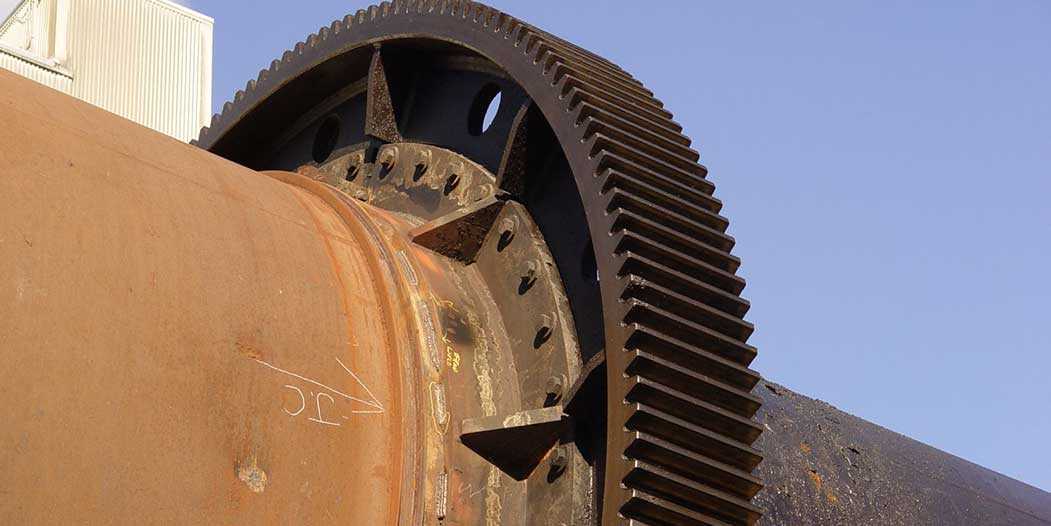
Rotary Kiln Shell Design
The design of the rotary kiln shell plays a crucial role in the overall performance and longevity of the kiln. The shell of the rotary kiln is a cylindrical structure that provides support and containment for the materials being processed. Here are some key considerations in rotary kiln shell design:
1. Material Selection: The selection of materials for the kiln shell is essential to ensure its durability and resistance to high temperatures, thermal shocks, and chemical reactions. Common materials used in rotary kiln shell construction include carbon steel, stainless steel, and refractory bricks. The choice of material depends on the specific requirements of the process and the properties of the materials being processed.
2. Shell Thickness: The thickness of the rotary kiln shell is determined based on various factors, including the size of the kiln, the operating temperature, and the mechanical load. Thicker shells are generally used for larger kilns or higher-temperature processes to provide sufficient strength and heat resistance. Finite element analysis (FEA) and stress calculations are often employed to determine the optimal thickness for the specific operating conditions.
3. Shell End Design: The design of the kiln shell ends is crucial, as these areas experience high thermal and mechanical stresses. Special attention is given to the design and construction of the kiln shell ends to ensure proper support and reinforcement. This may include the use of thicker plates or additional stiffeners to enhance structural integrity.
4. Kiln Shell Support: Effective support is vital to prevent any deformation or warping of the kiln shell during operation. Support mechanisms, such as support rollers and thrust rollers, are used to maintain proper alignment and distribute the load evenly. The design of these support structures is critical to ensure smooth rotation and minimize wear on the kiln shell.
5. Expansion Joints: Rotary kilns experience thermal expansion and contraction, necessitating the incorporation of expansion joints in the shell design. Expansion joints allow for movement and reduce stress build-up, preventing potential structural failures. These joints are typically implemented at specific intervals along the kiln shell.
6.Insulation and Lining: Insulation and lining are essential elements in the rotary kiln shell design to reduce heat loss, minimize thermal stresses, and protect the shell from chemical corrosion. Insulating materials and refractory linings are installed on the inner surface of the shell to create a barrier between the hot gases inside the kiln and the shell itself.
#kiln #design
CIC has a perfect and powerful alignment and measurement team to meet customers' various requirements, whether you are to replace the whole equipment, to update and modification of spare parts, or need to carry out the professional measurement for the equipment before delivery, we all have the corresponding qualifications and matching alignment and measurement tools to meet your requirements.
Alignment
CIC's alignment service helps you to keep the rotating kiln healthy and operating at peak performance. We provide end-to-end service for rotary kiln design and full pyro processing systems. With more than 60 years of experience covering a wide range of applications and business areas, CIC rotary kiln manufacturer can count on our technology to keep your kiln running.
Alignment of kiln
Untimely treatment, horizontal and vertical misalignment issues on rotary kilns can lead to unpredictable operation and decreased reliability. Alignment is also a key factor in extending the lifetime of equipment and optimizing maintenance costs.
Rotary Kiln Shell Design
The design of the rotary kiln shell plays a crucial role in the overall performance and longevity of the kiln. The shell of the rotary kiln is a cylindrical structure that provides support and containment for the materials being processed. Here are some key considerations in rotary kiln shell design:
1. Material Selection: The selection of materials for the kiln shell is essential to ensure its durability and resistance to high temperatures, thermal shocks, and chemical reactions. Common materials used in rotary kiln shell construction include carbon steel, stainless steel, and refractory bricks. The choice of material depends on the specific requirements of the process and the properties of the materials being processed.
2. Shell Thickness: The thickness of the rotary kiln shell is determined based on various factors, including the size of the kiln, the operating temperature, and the mechanical load. Thicker shells are generally used for larger kilns or higher-temperature processes to provide sufficient strength and heat resistance. Finite element analysis (FEA) and stress calculations are often employed to determine the optimal thickness for the specific operating conditions.
3. Shell End Design: The design of the kiln shell ends is crucial, as these areas experience high thermal and mechanical stresses. Special attention is given to the design and construction of the kiln shell ends to ensure proper support and reinforcement. This may include the use of thicker plates or additional stiffeners to enhance structural integrity.
4. Kiln Shell Support: Effective support is vital to prevent any deformation or warping of the kiln shell during operation. Support mechanisms, such as support rollers and thrust rollers, are used to maintain proper alignment and distribute the load evenly. The design of these support structures is critical to ensure smooth rotation and minimize wear on the kiln shell.
5. Expansion Joints: Rotary kilns experience thermal expansion and contraction, necessitating the incorporation of expansion joints in the shell design. Expansion joints allow for movement and reduce stress build-up, preventing potential structural failures. These joints are typically implemented at specific intervals along the kiln shell.
6.Insulation and Lining: Insulation and lining are essential elements in the rotary kiln shell design to reduce heat loss, minimize thermal stresses, and protect the shell from chemical corrosion. Insulating materials and refractory linings are installed on the inner surface of the shell to create a barrier between the hot gases inside the kiln and the shell itself.
You might also like

Slim Down with Every Sip: The Fitspresso Coffee Loophole
star
star
star
star
star
4.0/5
$0.00

Discount London theatre tickets
star
star
star
star
star
4.0/5
$22.00

Professional Dissertation Writers India | Mythsis
star
star
star
star
star
4.0/5
$0.00

Buy YouTube Views
star
star
star
star
star
4.0/5
$30.00