

zoom_in

FITC-Dextran
€1.00
Fluorescent leakage assay is a method that is extensively used for measuring the disruption of the liposomal membrane due to various external triggers such as interaction of molecules (e.g. peptides, proteins, detergents and etc.) with the surface of the liposomes. Liposomal membrane can also be disrupted when external energy is given to the system such as exposure of liposomes to sonic sound, mechanical pressure or heat. When liposomes are disrupted, their content will leak out of the liposomes. If you investigate the old literature, you will realize that in a large percentage of fluorescent leakage assay, the experiments involves encapsulating a self quenching concentration of fluorescent dyes such as calcein and carboxyfluorescein. The problem with calcein and carboxyfluorescein is that the liposomes have to be made very fresh and be used right away. These molecules have a tendency to leak out quickly in the absence of any trigger especially when unsaturated lipids are used. This will cause the assay to be less sensitive and the data not to be reproducible.
You might also like

Buy YouTube Views
star
star
star
star
star
4.0/5
$30.00

Combating Neck Pain and Headaches: The Role of Posture Correction in Whiplash Rehab
star
star
star
star
star
4.0/5
$1,000.00
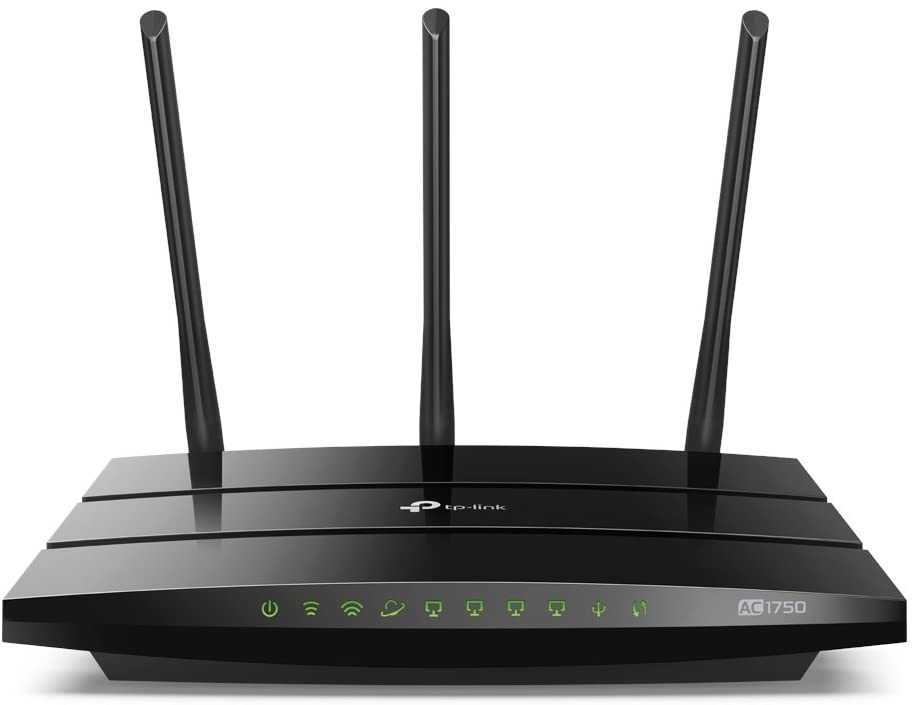
TP-Link AC1750 Smart WiFi Router
star
star
star
star
star
4.0/5
$64.99

Cybersecurity Excellence in Orange County for Business Protection
star
star
star
star
star
4.0/5
$0.00