

zoom_in
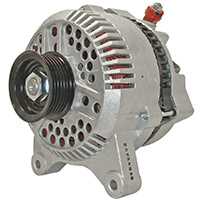
Ignition Electrical
€96.00
The ignition system is a crucial component in gasoline-powered internal combustion engines, responsible for providing the spark necessary to ignite the air-fuel mixture in the engine's cylinders. Here's an overview of the main components and functioning of a typical ignition system:
1. Battery: The battery supplies the electrical energy required for the ignition system to operate.
2. Ignition switch: This switch, typically located on the steering column, allows the driver to turn on the ignition system and start the engine.
3. Ignition coil: The ignition coil is a transformer that converts the low-voltage current from the battery into a high-voltage current needed for the spark plugs. It consists of a primary winding and a secondary winding with a higher number of turns.
4. Ignition control module (ICM) or electronic control unit (ECU): This electronic component controls the timing and duration of the spark by regulating the flow of current to the ignition coil's primary winding. In modern vehicles, the ECU also controls other engine functions.
5. Distributor (in older vehicles): The distributor is a rotating mechanical component that distributes the high-voltage current from the ignition coil to the correct spark plug at the appropriate time, based on the engine's timing.
6. Spark plug wires: These high-tension wires carry the high-voltage current from the ignition coil (or distributor) to the individual spark plugs.
7. Spark plugs: The spark plugs are located in the engine's cylinders and produce the actual spark that ignites the air-fuel mixture.
1. Battery: The battery supplies the electrical energy required for the ignition system to operate.
2. Ignition switch: This switch, typically located on the steering column, allows the driver to turn on the ignition system and start the engine.
3. Ignition coil: The ignition coil is a transformer that converts the low-voltage current from the battery into a high-voltage current needed for the spark plugs. It consists of a primary winding and a secondary winding with a higher number of turns.
4. Ignition control module (ICM) or electronic control unit (ECU): This electronic component controls the timing and duration of the spark by regulating the flow of current to the ignition coil's primary winding. In modern vehicles, the ECU also controls other engine functions.
5. Distributor (in older vehicles): The distributor is a rotating mechanical component that distributes the high-voltage current from the ignition coil to the correct spark plug at the appropriate time, based on the engine's timing.
6. Spark plug wires: These high-tension wires carry the high-voltage current from the ignition coil (or distributor) to the individual spark plugs.
7. Spark plugs: The spark plugs are located in the engine's cylinders and produce the actual spark that ignites the air-fuel mixture.
You might also like

Slim Down with Every Sip: The Fitspresso Coffee Loophole
star
star
star
star
star
4.0/5
$0.00

Discount London theatre tickets
star
star
star
star
star
4.0/5
$22.00

Professional Dissertation Writers India | Mythsis
star
star
star
star
star
4.0/5
$0.00

Buy YouTube Views
star
star
star
star
star
4.0/5
$30.00