

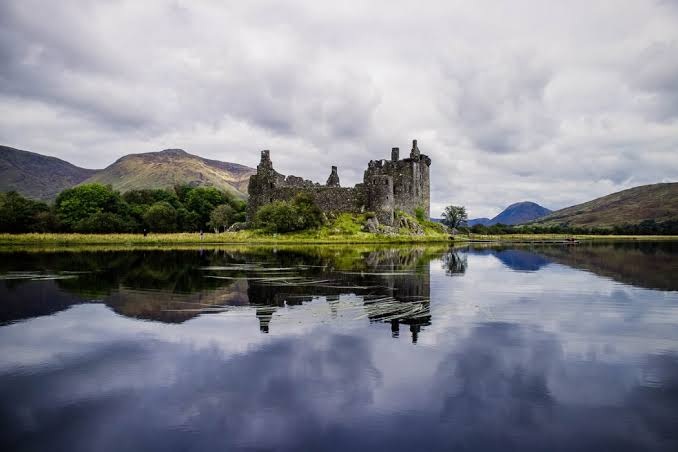
Why Does Scotland Have a Lot of Rainy Weather

Scotland has beautiful landscapes, picturesque mountains, historic castles, and charming countryside, but it is also notoriously rainy, which leaves many wondering why there is so much rain in Scotland. The simple fact is because of Scotland's geographical location, ocean winds, mountain ranges, and frequent weather systems.
However, when visiting Scotland, rainy weather is something to be prepared for whether you are sightseeing the Scottish Highlands, or navigating the busy city streets of Glasgow, a reliable local transport company like Glasgow City Private Hire Taxi ↗ can ensure that you get around easily even in Scotland's most adverse weather conditions, but there's a whole host of reasons why it rains so much in Scotland, beyond just bad weather!
Scotland's Rainy Weather: The Main Reasons
Scotland’s Location Near the Atlantic OceanThe main reason why it rains so much in Scotland is because of its close proximity to the North Atlantic Ocean. The Atlantic provides a large source of moisture for the Scotland climate due to the evaporation of seawater.
The winds that blow across the Scotland are filled with the evaporated saltwater from the ocean which then precipitates as rain in Scotland's cool temperatures when the winds reach the Scottish mainland.
Additionally, there is also a North Atlantic current that warms up Scotland's climate making winters less severe, but also more rainy.
Prevailing Westerly Winds Bring Moist AirAnother reason for rain in Scotland is down to the frequent weather systems that blow across the country from the west. It is common for winds to come from the west or southwest in Scotland, having blown across the Atlantic Ocean, gathering moisture along the way.
These frequent weather systems bring with them bands of rain, gusting winds, and colder temperatures.
Because of Scotland's proximity to the Atlantic, there are frequent low-pressure weather systems crossing the country, resulting in grey, rainy days with persistent drizzle, especially in western Scotland.
The reason why Scotland can be so unpredictable and rainy is because of the number of weather systems crossing the country, bringing with them periods of rain, wind, and cold weather.
In fact, it can rain all year round in Scotland, not just during the winter months.Also read:How Much Money Does Scotland Owe England
Mountains Increase Rainfall Across Western ScotlandIn Scotland's mountainous western Highlands, the air moisture coming from the Atlantic is forced up and over the hills and mountains, cooling as it rises and creating clouds of water vapour.
This is known as orographic or relief rainfall and it is particularly common around the western edges and highlands of Scotland, where the mountains encourage the formation of rain.
The mountain ranges also act as barriers to the cool, moist air coming from the Atlantic, forcing it to rise, thus creating unpredictable, changeable weather for the Scotland climate.
The same mountain ranges prevent the colder air masses from moving southwards into England, helping to keep England warmer and drier.
Because of the rain shadow created by Scotland's mountain ranges, there is a large difference in the amount of rainfall between the western and eastern parts of the country.
Why Scotland Experiences Rain Throughout the YearUnlike many other climates, in Scotland, it can rain at any time of the year.
The Scotland climate is largely dictated by the weather systems that cross the country, bringing with them changeable, unpredictable weather.
Autumn and winter months tend to be the wettest and windiest in Scotland, with frequent low pressure bringing extended periods of rain and overcast skies.
In Spring there is a mix of colder days with the odd warm sunshine, but also unpredictable rain showers.
Summers in Scotland are generally milder with longer daylight hours, but rainfall is still common.
Rainfall amounts can vary from year to year meaning that just because it has been wet in Scotland one year, it does not mean the next year will be the same.
There will always be dry, sunny days in Scotland, but if you are planning to visit, it is always a good idea to check the local Scotland weather forecast.
How Rainy Weather Affects Travel in ScotlandScotland's frequent rain can affect everyday life as well as day trips for sightseeing, with wet roads creating difficult driving conditions, but if you are planning on traveling to Scotland, or traveling around Scotland, it is always a good idea to plan extra travel time, especially if you are flying into Glasgow Airport, or if you need to get to your hotel or other destinations.
Glasgow Airport Transfers ↗ can make getting to your accommodation much easier as you will not have to walk from the terminal in the pouring rain.
If you are a family or a business professional, it is always a good idea to plan ahead and book transport in advance, especially if you are unfamiliar with the local area and road conditions. Scotland private hire taxis can also make great Scotland sightseeing tours as they provide a comfortable, reliable, local transport option with knowledge of the local area.
When in Scotland, it is always a good idea to invest in a waterproof jacket, comfortable shoes, and an umbrella in case of bad weather, but remember to check the local weather forecast before heading out for any Scotland day trips or excursions to avoid the heavy rain if possible.
Despite the rain, Scotland offers some of the most stunning landscapes in the world, with rolling hills, tumbling waterfalls, lush green forests, and mountainous moors all contributing to the Scotland climate.
Why Glasgow and the Scottish Highlands Can Be So WetGlasgow and the Scottish Highlands are particularly associated with the frequent rain of Scotland. Both of these areas receive more rain than Edinburgh further south in the east of Scotland, which enjoys the protection of Scotland's mountain ranges.
The Western Highlands are even wetter as the winds coming from the Atlantic are forced to rise over the mountains, creating orographic or relief rainfall, but this also creates wonderful, lush, green landscapes of Scotland that are popular with many visitors to the country.
Meanwhile, the Scotland east coast is much drier due to the descending air movement on the leeward side of the mountains, creating a rain shadow effect.
Although Scotland's east coast and capital city Edinburgh are dryer, they can still experience heavy downpours of rain when weather systems move in from different directions.
Is Climate Change Making Scotland Rainier?According to Scotland's environmental climate change facts, Scotland is experiencing a warming climate with wetter winters and hotter, drier summers with an increased risk of extreme weather events.
Warmer temperatures can lead to increased amounts of rainfall as the atmosphere will hold more moisture, but it is not as simple as that.
There are a number of factors that dictate how much rainfall a country or region will receive, and it cannot be said that climate change is making it rain more in Scotland just because of a few days of persistent drizzle, but it is important to understand the difference between climate and weather.
It is normal for there to be days of rain in Scotland, but if there are months, or years of increased rainfall, this can be an indicator of climate change.
Conclusion: The Natural Reasons Behind Scotland’s Rainy ClimateScotland receives a lot of rain due to its proximity to the Atlantic, the moisture-laden winds, mountain ranges, and frequent weather systems.
Although western Scotland and the Scottish Highlands can receive large amounts of rain, the Scotland east coast is generally much drier.
It can also rain all year round in Scotland, but there will always be some sunshine and blue skies, and the unpredictable weather should not put off anyone from visiting Scotland and experiencing its natural beauty.