

Where Did Most Scots Live in the 1800s

During the 1800s Scotland went through lots of population changes. At the beginning of the 1800s many Scots lived in rural areas such as villages, farming areas and small towns. As industrialisation started to grow more people began to move into larger urban areas so they could gain employment. By the middle of the century Scotland became one of the most urbanised countries in Europe. There were many urban areas growing, however it is important to consider the impact of major cities, traditional highland areas and the economic changes.
Glasgow: Scotland’s Leading Industrial CentreDuring the nineteenth century Glasgow became one of the major areas people moved to. It is located along the River Clyde and due to trading, ship building, engineering, textile industries and more the area began to grow. Factories and workshops began to grow meaning people from surrounding rural areas and further afield moved to Glasgow. New residential areas have been created around factories. If you visit Glasgow today you can take advantage of a Glasgow City Private Hire Taxi ↗ service to visit museums, landmarks and old industrial areas. However historically Glasgow is well known for being an employment and manufacturing centre.
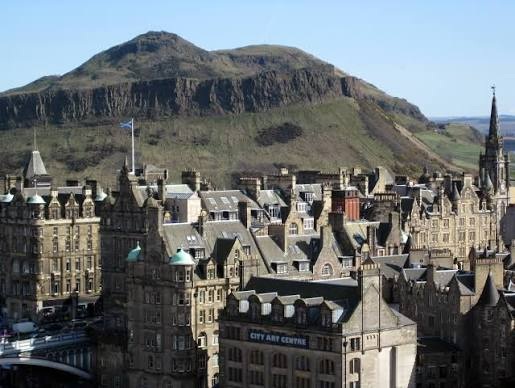
Edinburgh: Scotland’s Historic CapitalThroughout the 1800s Edinburgh became a major population centre. Compared to Glasgow, Edinburgh became well known for being a government centre. It became well know for education, law, publishing, finance and professional employment. The old town and new town show how the city developed over time.
People moved to the capital to gain employment, education and business. Edinburgh became known as an intellectual centre due to its universities and culture. While Glasgow became the largest city in Scotland Edinburgh remained a very influential place to live and work during the nineteenth century.
The Central Lowlands: Where Population Growth AcceleratedMany of Scotland’s fastest growing communities were located in the Central Lowlands. Lanarkshire, Renfrewshire and areas around the Clyde all benefitted from the coal, iron, textile and transport industries. Industrial towns like Paisley, Coatbridge and Airdrie all began to grow.
Due to its position the area became a good place for factories. It also benefitted from having railways and businesses. Many people began to move into areas around their place of employment meaning there were many densely populated areas. By the late 19 th century there were many densely populated areas in the west of Scotland meaning the Central Lowlands became the main centre for industrial population growth.
Dundee and Aberdeen: Important Scottish Urban CentresBoth Dundee and Aberdeen became areas with high populations during the 19 th century.
Dundee became well known for its Jute industry. This produced materials for sacks, textiles and more. Many people were employed in the mills including female employees. This encouraged surrounding residential areas to grow. Ship building and maritime industries also helped the economy.
Aberdeen became an industrial area due to fishing, granite quarrying, ship building and trading. It also had a great harbour meaning it was well connected to other businesses. It also had great educational facilities meaning students and professionals moved there. Both cities became very important as alternatives to Glasgow and Edinburgh.
Rural Scotland: The Highlands, Islands, and Agricultural VillagesDespite becoming a very urbanised country, many people still lived in rural areas throughout the 1800s. Many communities in the Highlands and Islands lived off farming, fishing, crofting and local trading. Small communities often revolved around land, family and traditions.
However many communities in the Highlands faced many struggles during the nineteenth century. Many areas had land ownership changes, changes to farming, financial struggles and the Highland Clearances. Many families moved to industrial areas while others migrated to other countries including Canada, USA, Australia and New Zealand.
This caused Scotland to change its population layout quite dramatically throughout the century. Some areas in rural areas lost population.
How Industrialisation Changed Where Scots LivedOne of the most important reasons people moved to urban areas was due to industrialisation. While agriculture was still important growing factories, mines, mills and ship yards created new employment opportunities.
With the development of the railway systems people were able to become better connected to each other. This helped businesses by allowing them to transport raw materials and products easily. This also allowed people to move to new areas easily. With growing populations new housing, shops, schools and services were created.
However urban areas can cause many problems. Many people in densely populated areas lived in small homes with little sanitation and poor ventilation. Cities struggled to accommodate the growing population causing improvements to be made slowly to improve public health.
Where Did Most Scots Live at the Beginning and End of the Century?At the beginning of the nineteenth century Scotland was not as urbanised. Many people lived in rural areas, small communities and established towns. While Glasgow and Edinburgh were important centres they were not as populated as they would be by the end of the century.
By 1851 around 22% of Scotland’s population lived in the 4 largest cities, Glasgow, Edinburgh, Dundee and Aberdeen. By 1911 this had grown to around 30% of the population. If we include some urban areas the population grew to around 35%. This shows how urban Scotland has become.
Overall Scotland’s population has increased greatly. In 1801 Scotland’s population was around 1.61 million people. By 1901 it had increased to 4.47 million. This means the population and migration has impacted Scotland.
Exploring Scotland’s Historical Population TodayToday there are many places in Scotland that show evidence of the changes in the nineteenth century. Glasgow has old industrial areas, Edinburgh has historical streets, Dundee has an industrial history and Aberdeen has historical maritime areas. All of these help us understand how communities developed.
Tourism can also help to learn more about Scotland’s history. Travelers can visit historical buildings, museums, old factories and traditional villages. Glasgow Airport Transfers ↗ can help make your journey from the airport to your accommodation easier.
Looking into historical census data can also help if you are trying to find your family’s origin. You can look back at the 19 th century to see where your ancestors lived, what jobs they had and who they lived with. Scotland’s People and National Records of Scotland have resources to help you.
Also read :Which Is the Best Train Route in Scotland
Conclusion: Where Did Most Scots Live in the 1800s?Throughout the 19 th century Scots lived all over the country. However the population began to increase in the Central Lowlands, especially Glasgow and surrounding industrial areas. Edinburgh, Dundee and Aberdeen were also major urban centres.
While at the beginning of the century many people lived in rural areas Scotland became one of the most urbanised countries in Europe due to industrialisation. Employment, transport, economic changes and migration all impacted where people lived. This gives us more knowledge about Scottish history and helps us to understand how Scotland’s biggest cities became central to its society and economy.