

The Role of Creativity in Fashion Designing
Fashion designing is more than creating beautiful clothes. It is about expressing ideas, understanding people's needs, and turning inspiration into wearable designs. Creativity plays an important role in this process because it helps designers develop unique styles, experiment with fabrics, and create outfits that stand out.
From everyday clothing to luxury collections, creative thinking helps fashion designers bring fresh ideas into the industry. However, creativity alone is not enough. Designers also need technical knowledge, practical skills, and an understanding of current fashion trends to turn their ideas into successful designs.
1. Creativity Helps Develop Unique DesignsOne of the most important roles of creativity in fashion designing is developing original designs. Fashion designers need to think differently to create clothing that attracts attention and reflects a particular style.
They may experiment with colours, patterns, cuts, embroidery, and fabric combinations to produce something distinctive. Even a simple outfit can look special when a designer adds thoughtful details or introduces an interesting design element.
For example, a designer might combine traditional Indian embroidery with modern silhouettes to create clothing that appeals to younger customers while maintaining cultural value.
Creative thinking allows designers to move beyond common styles and develop their own identity in the fashion industry.
2. Creativity Helps Designers Follow and Set TrendsFashion trends change regularly. New colours, fabrics, patterns, and clothing styles become popular as people's preferences evolve.
Creative designers observe these changes and find ways to incorporate them into their collections. Instead of simply copying existing trends, they use them as inspiration to develop fresh ideas.
For example, a designer may notice the popularity of sustainable clothing and create stylish outfits using recycled fabrics or natural materials.
Creativity also helps designers introduce new trends. By experimenting with different ideas and techniques, they can influence what people choose to wear in the future.
3. Choosing the Right Colours and FabricsColour and fabric selection are important parts of the fashion design process. The right combination can improve the appearance, comfort, and overall quality of an outfit.
Creative designers understand how different colours work together and how fabrics behave when used in particular styles. They consider texture, weight, movement, and the purpose of the garment before making decisions.
For instance, lightweight cotton may be suitable for summer clothing, while velvet or silk may be selected for certain formal or festive outfits.
Designers also experiment with contrasting colours, prints, and textures to create interesting visual effects. These choices help transform a basic concept into a well-planned design.
4. Turning Inspiration into Fashion IdeasInspiration can come from many sources, including nature, architecture, art, culture, travel, and everyday life.
A designer might take inspiration from flower patterns, traditional textiles, historical clothing, or the colours of a particular landscape. Creativity helps them interpret these ideas and turn them into original fashion concepts.
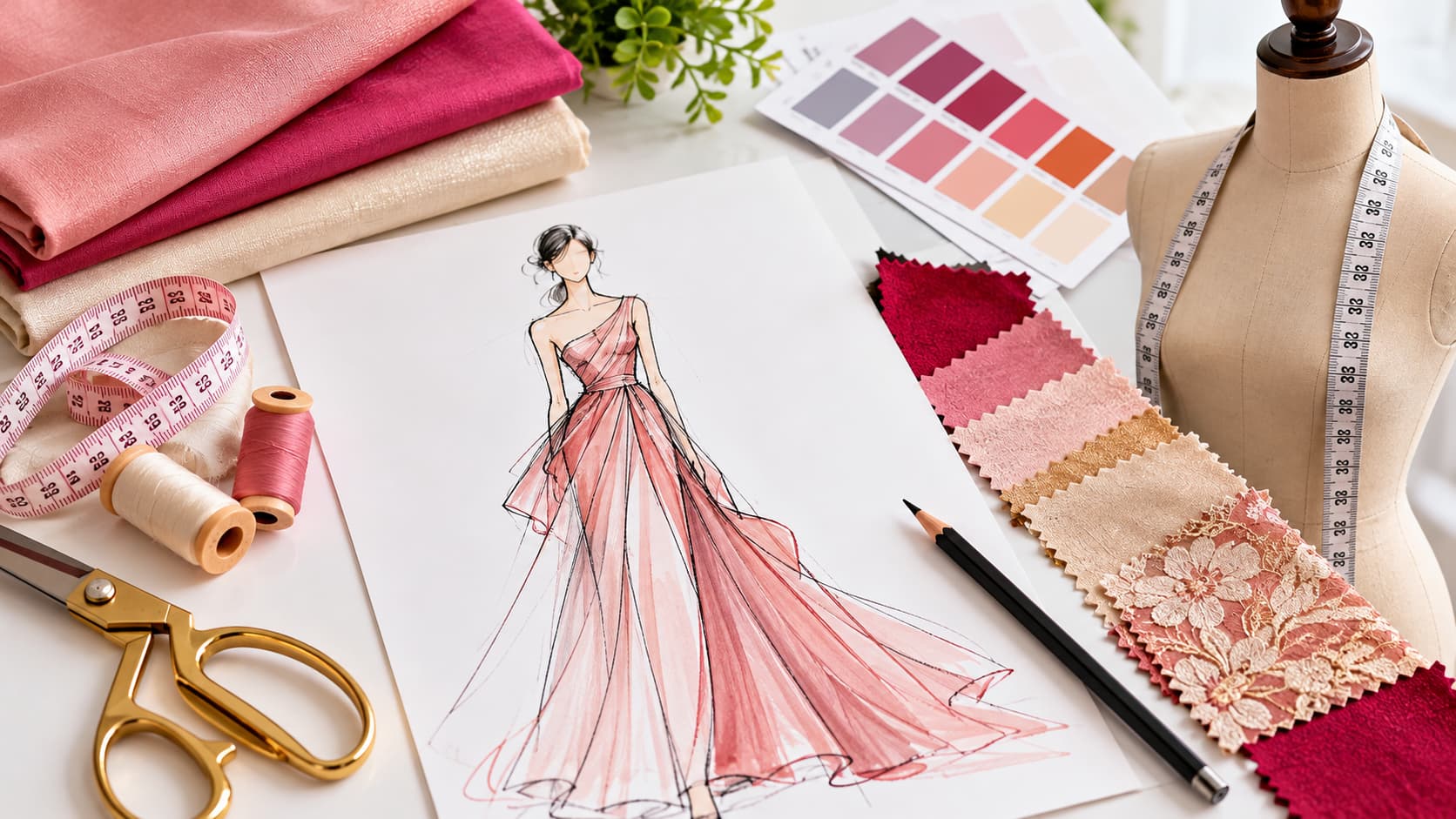
Fashion designers often use mood boards, sketches, colour palettes, and fabric samples to develop their ideas before creating a garment.
These methods help organise thoughts and communicate the overall direction of a collection. They also allow designers to experiment with different possibilities before selecting the final design.
5. Creativity and Technical Skills Work TogetherAlthough creativity is essential, fashion designing also requires technical knowledge. Designers need to understand garment construction, measurements, pattern making, stitching, and fabric handling.
A design may look attractive on paper, but it must also be practical and comfortable when worn.
For example, a designer creating a fitted dress needs to consider body measurements, fabric stretch, stitching techniques, and movement. Without these technical details, the final garment may not match the original idea.
Students who want to develop these abilities can explore a Fashion Design Skills and Training Programme ↗ — to learn about design fundamentals, garment construction, fabric selection, and practical techniques.
Combining creative ideas with technical skills helps designers produce clothing that is both attractive and functional.
6. Creativity Helps Solve Design ChallengesFashion designers often face challenges during the design and production process. They may need to work with limited budgets, difficult fabrics, specific measurements, or changing customer requirements.
Creative problem-solving helps them find practical solutions without compromising the overall design.
For example, a designer working with a limited amount of fabric may adjust the garment pattern to reduce waste. Another designer may redesign an outfit to make it more comfortable while maintaining its original appearance.
These skills are especially useful when working with clients, clothing brands, and production teams.
The ability to adapt and find new solutions can help designers handle challenges more confidently.
7. Building a Career Through Creative ThinkingCreativity can open several career opportunities in the fashion industry. Designers may work with clothing brands, fashion houses, boutiques, textile companies, or costume production teams. Some may also start their own fashion labels or work as independent designers.
A strong portfolio is important for showcasing creative abilities. It can include original sketches, completed garments, mood boards, fabric experiments, and photographs of finished designs.
Students should practise regularly, study different styles, and experiment with new techniques to improve their skills.
Those interested in pursuing this field can explore Fashion Designing Courses in Guwahati ↗ — to learn about fashion concepts, practical design techniques, and the skills needed to prepare for industry opportunities.
Consistent practice and a willingness to learn can help aspiring designers develop confidence and establish their own creative identity.
ConclusionCreativity is one of the most important elements of fashion designing. It helps designers develop original ideas, explore colours and fabrics, respond to trends, and solve practical design problems.
However, successful fashion designing requires more than imagination. Technical knowledge, industry awareness, communication, and regular practice are equally important.
By combining creativity with practical skills, aspiring designers can turn their ideas into wearable designs and build a strong foundation for a career in the fashion industry.