

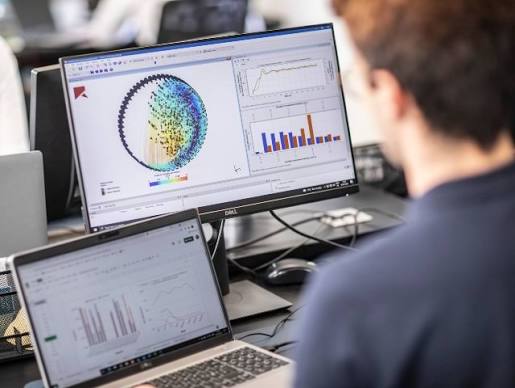
Smarter Spaces and Stronger Structures: How FEA Simulation, CFD Analysis, and Intelligent Interior Design Shape Modern Projects

Modern engineering and architectural projects demand more than attractive designs and basic technical drawings. Businesses, manufacturers, architects, and construction professionals need solutions that combine structural reliability, operational efficiency, innovative technology, and functional spaces. As project requirements become increasingly complex, advanced engineering tools and thoughtful design strategies play an essential role in achieving successful results.
Three important areas contributing to this progress are FEA Simulation Services, CFD Simulation Services, and Interior Design & Space Planning. While each addresses different project requirements, they share a common objective: improving performance, minimizing design challenges, and creating solutions that deliver long-term value.
At Engineer7, we bring together engineering knowledge, advanced design technologies, and multidisciplinary expertise to support projects from initial concepts to detailed design development. Our approach focuses on precision, practical functionality, and customized solutions that align with each client's objectives.
FEA Simulation Services: Building Confidence Through Advanced Engineering AnalysisEvery mechanical component, structural element, and manufactured product must withstand specific forces and operating conditions. A design that looks perfect on a computer screen may encounter stress concentrations, excessive deformation, or unexpected failures when exposed to real-world conditions. This is where ↗FEA Simulation Services ↗ (Finite Element Analysis) become valuable.
FEA is an advanced engineering technique that divides a complex physical structure into smaller elements to evaluate how it responds to different loads, pressures, temperatures, and other environmental conditions. Engineers use simulation software to understand potential weaknesses before moving into manufacturing or physical testing.
Professional FEA simulation can help businesses:
Identify stress concentrations and potential structural weaknesses.Evaluate deformation under different loading conditions.Analyze component strength and material performance.Improve product durability and structural reliability.Compare alternative designs before production.Reduce unnecessary physical prototypes and development costs.For industries such as automotive, aerospace, construction, and manufacturing, these insights can make a significant difference. For example, an automotive component must withstand vibration, mechanical loads, and changing operating conditions. Through finite element analysis, engineers can assess how the component is expected to perform and identify opportunities for design improvement.
At Engineer7, our mechanical engineering and design capabilities support product development through detailed 3D modeling, CAD drafting, reverse engineering, and technical documentation. Integrating simulation insights into the design workflow helps create more informed engineering decisions and supports the development of reliable, manufacturing-ready components.
CFD Simulation Services: Improving Performance Through Fluid Flow AnalysisFluid movement influences the performance of countless products, buildings, industrial systems, and mechanical applications. Whether it involves air circulating through an HVAC system, liquid moving through industrial equipment, or airflow around a vehicle, understanding fluid behavior is essential.
CFD Simulation Services ↗ (Computational Fluid Dynamics) use numerical methods and computer-based simulations to analyze fluid flow, heat transfer, pressure distribution, and turbulence. Instead of depending entirely on physical experiments, engineers can evaluate different operating conditions through detailed digital simulations.
CFD analysis offers several important advantages:
Visualizes airflow and fluid movement within complex systems.Evaluates temperature distribution and heat transfer.Identifies pressure variations and turbulence.Supports HVAC system and ventilation design.Helps improve aerodynamic performance.Assists with thermal management and cooling solutions.Reduces design uncertainties during product development.Consider a commercial building where proper ventilation is necessary to maintain comfortable indoor conditions. Poor airflow can create temperature differences, inefficient cooling, and uncomfortable working environments. CFD simulations can help engineers understand airflow patterns and evaluate possible improvements to ventilation layouts.
Similarly, manufacturers can use CFD analysis to study cooling systems, fluid transportation, and equipment performance before finalizing a design.
Engineer7's multidisciplinary engineering capabilities, including mechanical design, 3D modeling, and technical drafting, provide a foundation for coordinated engineering workflows. When supported by appropriate simulation analysis, these capabilities help businesses evaluate design alternatives and develop solutions that better address performance requirements.
Interior Design & Space Planning: Creating Functional and Inspiring EnvironmentsA well-designed interior should do more than create a positive first impression. It should support productivity, improve movement, maximize available space, and provide a comfortable environment for its occupants.
Interior Design & Space Planning ↗ ↗involve organizing and designing interior environments according to their intended purpose, available dimensions, functional requirements, and visual preferences. Whether developing a corporate office, residential property, commercial establishment, or industrial workspace, careful planning helps ensure that every area serves a meaningful function.
Effective space planning considers several important elements:
1. Intelligent Space Utilization
Every square foot matters, particularly in commercial environments. Strategic furniture placement, functional layouts, and carefully designed work zones can help maximize available space without making interiors feel overcrowded.
2. Workflow and Movement
An effective interior layout allows people to move comfortably between different areas. Office spaces should support collaboration, privacy, and accessibility, while commercial environments should provide practical circulation paths.
3. Lighting and Ventilation
Natural lighting, artificial illumination, and proper ventilation contribute to comfortable and productive interiors. These factors should be considered during the early design stages rather than treated as finishing details.
4. Visual Appeal and Brand Identity
Colors, materials, furniture, textures, and lighting help establish the character of an interior. Commercial spaces can incorporate brand elements into their design while maintaining functionality and professional appeal.
5. Detailed Drawings and Visualization
CAD drawings, 3D modeling, architectural rendering, and walkthroughs help clients understand proposed layouts before implementation. These tools make it easier to review design concepts, coordinate requirements, and communicate modifications.
Engineer7 offers architectural design, 3D architectural rendering, office interior walkthroughs, construction documentation, and related design capabilities to support the planning and visualization process. Our objective is to help clients develop interiors that balance practical requirements with thoughtful design.
Why Integrating Engineering and Design Expertise MattersFEA simulation, CFD simulation, and interior space planning may address different technical challenges, but they can contribute to a more coordinated project development process.
For example, a commercial building project may require structural analysis, HVAC airflow evaluation, architectural drawings, and interior layout planning. When these requirements are considered together, project teams can make better-informed decisions and reduce coordination challenges.
Similarly, product manufacturers may benefit from combining mechanical CAD design, structural simulation, fluid analysis, and detailed technical documentation to evaluate products more effectively.
A coordinated approach offers several benefits:
Better design accuracy and technical coordination.Early identification of potential design challenges.More informed material and layout decisions.Improved communication between project stakeholders.Greater efficiency throughout design development.Reduced revisions and avoidable project expenses.Why Choose Engineer7 for Engineering and Architectural Design Support?Engineer7 brings together experienced architects, engineers, and designers to deliver customized solutions across mechanical, civil, architectural, and product development projects.
Our capabilities include CAD drafting and outsourcing, SolidWorks 3D modeling, mechanical engineering design, reverse engineering, Civil 3D design, building information modeling, construction documentation, shop drawings, 3D visualization, and product design and development.
We emphasize three principles throughout our work: outstanding leadership, professional integrity, and a commitment to quality. By combining technical expertise with modern software and collaborative workflows, we help clients move from conceptual ideas toward practical design deliverables.
Conclusion: Make Every Design Decision CountSuccessful projects begin with informed decisions. FEA Simulation Services help evaluate structural performance, CFD Simulation Services provide valuable insights into fluid movement and thermal behavior, and Interior Design & Space Planning create functional environments that support everyday activities.
Together, these disciplines contribute to smarter product development, better-performing systems, and more effective spaces.
With its multidisciplinary engineering and architectural expertise, Engineer7 supports businesses, manufacturers, architects, and contractors in addressing complex design requirements. From detailed technical drawings and 3D visualization to coordinated engineering and architectural workflows, our focus remains on delivering precision, functionality, and lasting project value.