

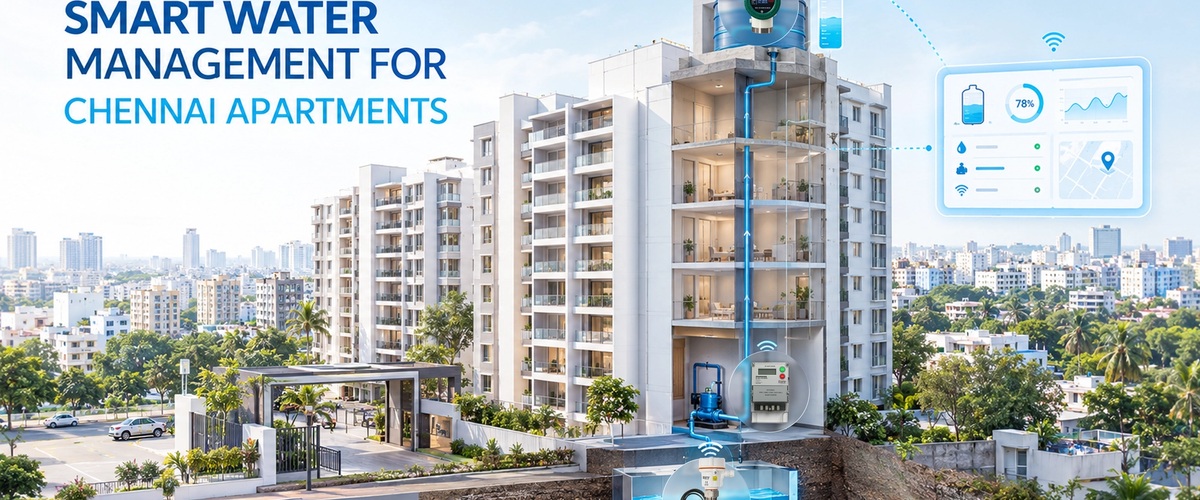
Smart Water Tank Monitoring System: A Smarter Way to Manage Water

Water is one of our most valuable resources, and managing it efficiently is essential for homes, industries, commercial buildings, and agricultural facilities. Traditional water tank monitoring often requires manual inspection, which can lead to overflowing tanks, water wastage, unexpected shortages, and unnecessary pump operation. A Smart Water Tank Monitoring System offers a modern solution by using IoT technology to monitor water levels remotely and improve water management.
What Is a Smart Water Tank Monitoring System?A smart water tank monitoring system is a technology-based solution that measures the water level inside a tank and provides real-time information to users. Depending on the system, it can use radar sensors, ultrasonic sensors, wireless communication, and cloud-based monitoring platforms to deliver accurate readings.
Users can check tank levels through a mobile device or web dashboard without physically visiting the tank. Advanced systems can also support alerts and automatic pump control.
https://mytank.cloud/?utm_source=chatgpt.com ↗
Key Benefits of Smart Water Tank Monitoring1. Real-Time Water Level MonitoringReal-time monitoring helps users understand how much water is available in their tanks. This information supports better planning and reduces the risk of unexpected water shortages.
2. Prevention of Water OverflowWater overflow wastes valuable resources and can damage surrounding areas. A smart monitoring system can notify users when the tank approaches its maximum level and, when integrated with compatible automation equipment, help stop the pump automatically.
3. Remote Monitoring from AnywhereWireless connectivity allows users to monitor tanks located on rooftops, in basements, at industrial sites, or across multiple facilities. Remote access reduces the need for frequent manual inspections.
4. Improved Pump ManagementIntegrating a water level sensor with an automatic pump controller helps operate pumps according to configured water levels. This can reduce unnecessary pump operation and support more efficient water usage.
5. Better Maintenance PlanningContinuous level data helps users identify unusual changes in water consumption and investigate potential leaks, supply interruptions, or operational problems.
Applications of Smart Water Tank Monitoring SystemsSmart water monitoring technology can be used in a wide range of environments, including:
Residential buildings and apartmentsCommercial complexes and office buildingsFactories and industrial facilitiesAgricultural irrigation systemsHospitals, schools, and educational institutionsOverhead water tanks and underground sumpsRemote water storage and distribution facilitiesWhy Choose an IoT-Based Water Monitoring Solution?An IoT-based water monitoring solution connects sensors, communication devices, and cloud software to provide useful information in one place. Depending on the product configuration, connectivity options may include Wi-Fi, cellular networks, or LoRaWAN.
For facilities managing multiple tanks, centralized monitoring can simplify operations by displaying water levels and alerts across different locations. Selecting the right sensor depends on tank dimensions, installation conditions, measurement range, connectivity, and power availability.
How MyTank Supports Smarter Water ManagementMyTank provides a platform for modern water tank monitoring and management. Solutions designed around wireless level sensing and remote monitoring can help users track water levels, reduce manual checks, and improve operational visibility.
To learn more about available solutions, visit the MyTank website at https://mytank.cloud/ ↗ and explore the products that best fit your water monitoring requirements.
ConclusionA smart water tank monitoring system is a practical step toward efficient and responsible water management. By combining real-time level measurement, remote access, alerts, and optional pump automation, businesses and property owners can improve visibility, reduce avoidable water wastage, and manage their water resources more effectively.
As water conservation becomes increasingly important, adopting smart water monitoring technology can help create more efficient, reliable, and sustainable water management practices.
Add a clear reader-focused call to actionExplain how the system works step by step