

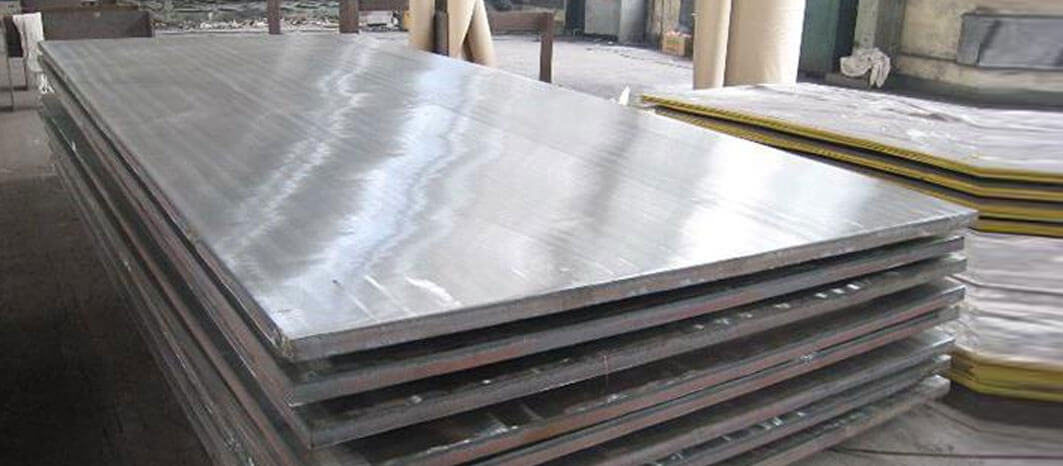
Hastelloy C22 Plates: Properties, Applications and Benefits in Industrial Industries

Selecting the right material is essential for industrial equipment exposed to corrosive chemicals, high temperatures, and demanding operating conditions. Hastelloy C22 is a nickel-chromium-molybdenum alloy developed to provide excellent resistance to a wide range of corrosive environments.
Hastelloy C22 Plates ↗ are used in chemical processing plants, pharmaceutical facilities, pollution-control equipment, and specialized engineering applications. Their resistance to several forms of corrosion makes them a suitable choice for equipment where conventional stainless steel grades may not provide adequate performance.
This article explores the properties, applications, advantages, and important selection factors associated with Hastelloy C22 plates.
What Are Hastelloy C22 Plates?Hastelloy C22 is a nickel-based alloy containing chromium, molybdenum, and tungsten, along with controlled quantities of other elements. Its chemical composition provides resistance to various oxidizing and reducing environments.
Hastelloy C22 plates are flat metal products available in different thicknesses, widths, and lengths, depending on manufacturing capabilities and project requirements. They are used in the fabrication of industrial tanks, chemical processing equipment, heat exchangers, and other components exposed to corrosive substances.
The material is particularly valued for its resistance to localized corrosion, including pitting, crevice corrosion, and stress corrosion cracking in suitable environments.
Chemical Composition of Hastelloy C22The chemical composition of Hastelloy C22 plays an important role in its corrosion-resistant properties.
Its principal alloying elements include:
Nickel: Forms the base of the alloy and contributes to its overall corrosion resistance.Chromium: Helps improve resistance to oxidizing environments.Molybdenum: Supports resistance to pitting and crevice corrosion.Tungsten: Contributes to corrosion resistance in selected aggressive environments.Iron and other elements: Present in controlled quantities according to the applicable material specification.The exact chemical composition should be confirmed using the relevant standard and material test certificate.
Important Properties of Hastelloy C22 Plates1. Excellent Corrosion ResistanceOne of the major advantages of Hastelloy C22 plates is their ability to withstand many aggressive chemical environments. The alloy is designed to provide resistance in both oxidizing and reducing conditions, making it useful for selected chemical-processing applications.
2. Resistance to Pitting and Crevice CorrosionPitting and crevice corrosion can damage metal components exposed to chloride-containing solutions and other aggressive substances. The chromium, molybdenum, and tungsten content of Hastelloy C22 helps improve its resistance to these localized corrosion mechanisms.
3. Resistance to Stress Corrosion CrackingCertain industrial environments can create conditions that lead to stress corrosion cracking. Hastelloy C22 is used in applications where resistance to this type of damage is important. Actual performance depends on the material condition and operating environment.
4. Good Fabrication CharacteristicsHastelloy C22 plates can be fabricated using appropriate industrial techniques. Cutting, forming, machining, and welding should follow suitable procedures to maintain the required material properties and quality.
5. Performance in Chemical Processing EnvironmentsThe alloy is considered for equipment exposed to various acids, chemical solutions, and corrosive process streams. However, material compatibility should always be evaluated based on the exact chemical concentration, temperature, and exposure conditions.
Industrial Applications of Hastelloy C22 PlatesHastelloy C22 plates are used across industries where corrosion resistance and equipment reliability are important.
Chemical Processing Industry: Used in selected reactors, storage tanks, heat exchangers, and process equipment exposed to aggressive chemicals.
Pharmaceutical Industry: Considered for manufacturing equipment and process systems where corrosion resistance and suitable surface conditions are required.
Pollution Control Systems: Used in selected scrubbers, gas-treatment equipment, and industrial pollution-control installations.
Power Generation: May be used in specialized equipment exposed to demanding chemical or high-temperature conditions, depending on engineering requirements.
Pulp and Paper Industry: Considered for selected processing equipment exposed to corrosive chemicals used during manufacturing.
Waste Treatment Facilities: Used in suitable equipment handling corrosive industrial waste streams and chemical solutions.
The final material selection should be based on the actual operating conditions and engineering specifications.
Hastelloy C22 vs. Hastelloy C276 PlatesHastelloy C22 and Hastelloy C276 are both nickel-based corrosion-resistant alloys. Although they share several characteristics, their chemical compositions and performance in particular environments differ.
ComparisonHastelloy C22Hastelloy C276Alloy baseNickel-basedNickel-basedMain alloying elementsChromium, molybdenum, tungstenChromium, molybdenum, tungstenCorrosion resistanceStrong resistance to many oxidizing and reducing environmentsStrong resistance to many aggressive chemical environmentsCommon applicationsChemical processing and pollution controlChemical processing and specialized industrial equipmentSelection criteriaDepends on chemical exposure and operating conditionsDepends on chemical exposure and operating conditionsNeither grade is universally better. The correct choice depends on the process chemicals, concentration, temperature, equipment design, and corrosion data for the intended application.
Available Sizes and SpecificationsHastelloy C22 plates can be supplied in different thicknesses and dimensions depending on the manufacturer's production range and stock availability.
Before purchasing, buyers should confirm:
Required plate thickness, width, and length.Material grade and applicable product standard.Surface finish and dimensional tolerances.Chemical composition and mechanical requirements.Inspection and testing requirements.Material test certificates and product traceability.Clear specifications help ensure that the supplied material matches the engineering requirements of the project.
How to Choose a Reliable Hastelloy C22 Plates SupplierChoosing a suitable supplier is important for maintaining product quality and meeting project schedules.
Consider the following factors before placing an order:
Material authenticity: Verify the alloy grade through appropriate material documentation.Product availability: Confirm the required dimensions and quantities.Quality certification: Request material test certificates and inspection documents where necessary.Technical understanding: Choose a supplier who can understand the project's material and dimensional requirements.Delivery commitments: Confirm packaging, dispatch schedules, and delivery arrangements.Traceability: Ensure that material identification and documentation are available for critical applications.These checks can help buyers make informed purchasing decisions and reduce material-related issues during fabrication.
ConclusionHastelloy C22 plates are an important material choice for industrial applications involving aggressive chemicals and challenging corrosion conditions. Their nickel-chromium-molybdenum composition provides resistance to various forms of corrosion, making them suitable for selected chemical processing, pharmaceutical, pollution-control, and specialized engineering applications.