

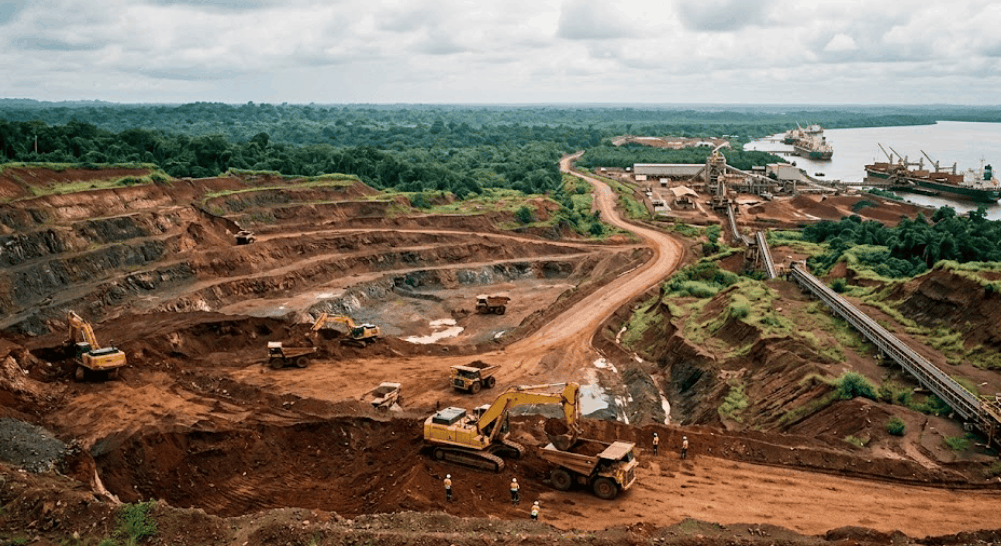
Bauxite Price Trend: China vs India Rates, August 2026

Bauxite doesn’t get talked about as much as other industrial raw materials, but anyone who follows the aluminium supply chain knows it’s the starting point for the whole thing. The bauxite price trend for August 2026 shows a fairly wide split between two of its biggest markets. China is importing at USD 64.00 per dry metric ton on a CIF basis. India, meanwhile, is exporting at USD 73.00 per DMT on an FOB basis.
That’s a nine-dollar gap. Doesn’t sound like much until you think about the volumes these two countries move every month.
Bauxite Latest Prices: China and India Side by SideBauxiteChinaCIFUSD 64.00/DMTAugust 2026BauxiteIndiaFOBUSD 73.00/DMTAugust 2026A quick note before anyone reads too far into the comparison. China’s figure is a landed import price, cost and freight already folded in. India’s number is export-side, before shipping gets added for whoever’s buying. So this isn’t two prices for the same thing sitting side by side. It’s two different points in the supply chain, and that matters more than people usually give it credit for.
Few other things worth keeping in mind:
Both prices reflect August 2026 only. Bauxite doesn’t move as fast as some commodities, but it still shifts month to month.CIF includes freight and insurance. FOB does not. That alone accounts for a chunk of any gap you’ll see across regions.Dry metric ton (DMT) pricing strips out moisture content, which matters a lot for bauxite given how much water weight raw ore can carry.Why Is China’s Bauxite Price Lower?Good question, and one worth answering properly instead of waving it off.
China buys enormous volumes of bauxite, mostly from Guinea, Australia, and Indonesia, to feed its alumina refining capacity. Scale gives it negotiating leverage that smaller importers just don’t have. Long-term contracts help too. When you’re bringing in tens of millions of tons a year, suppliers are willing to lock in terms that look less attractive to a one-off buyer.
India’s situation runs differently. Its FOB price reflects domestic mining costs, royalty structures, and export duties that get baked in before the ore even leaves port. Add transport within the country to reach loading terminals, and the baseline cost sits higher before a single ship gets loaded.
What’s Driving the Bauxite Market Right NowA handful of forces tend to move bauxite pricing, and most of them are still active heading into the back half of 2026.
Alumina refinery demand. Bauxite exists to feed alumina production, and alumina exists to feed aluminium smelting. When smelter output ramps up anywhere in Asia, bauxite demand follows with a short lag.
Export policy. Indonesia’s periodic bauxite export restrictions have pushed buyers toward Guinea and Australia at different points over the past few years. Any policy shift in a major exporting country ripples through pricing fast.
Shipping costs. Freight rates swing with fuel prices and vessel availability. Since bauxite moves in bulk carriers, even modest freight increases show up clearly in CIF numbers.
Mining and royalty costs. In India specifically, state-level royalty rates and environmental clearance timelines affect how much it costs to get ore out of the ground and to port.
Quick Q&A: What Buyers Are Actually AskingSo is India’s bauxite overpriced compared to China’s?
Not exactly. They’re not measuring the same thing. FOB versus CIF is an apples-to-oranges comparison unless you add freight to India’s number to make it comparable.
Does this mean China gets a better deal overall?
On landed cost, maybe. But India’s ore quality, logistics reliability, and contract flexibility all factor into what a buyer actually pays once everything’s accounted for.
Will the gap close anytime soon?
Hard to say with certainty. It depends heavily on how Indonesia’s export policy plays out and whether Chinese alumina demand keeps climbing through the rest of the year.
What This Means for Buyers and Procurement TeamsIf you’re sourcing bauxite, the China-India spread is a starting point for negotiation, not the final word. Landed cost calculations should account for freight, insurance, port handling, and any duties specific to the origin country.
For teams tracking cost inputs further downstream, it helps to pair this data with a detailed breakdown of mining and processing economics. Our Bauxite Production Cost Report covers that side in more depth, including how ore grade and refining efficiency affect total cost per ton.
Procurement teams locking in Q3 or Q4 contracts should treat August figures as a snapshot, not a fixed reference. Bauxite pricing doesn’t swing wildly week to week like some commodities, but a few months out, conditions can look pretty different.
ConclusionThe bauxite price trend ↗ for August 2026 puts China at USD 64.00/DMT CIF and India at USD 73.00/DMT FOB. The difference comes down to where each price sits in the supply chain, not necessarily which market offers better value outright. For buyers, refiners, and anyone building out a bauxite price graph for internal reporting, both numbers matter, just not in the same way.
FAQ SectionWhat is the current bauxite price trend for China and India?
As of August 2026, China’s bauxite import price sits at USD 64.00/DMT CIF. India’s export price is USD 73.00/DMT FOB. The two figures aren’t directly comparable since one includes freight and insurance while the other doesn’t.
Why does bauxite pricing differ between CIF and FOB terms?
CIF bundles freight and insurance into the landed cost, while FOB only covers the price at the point of export. A buyer comparing the two needs to add shipping costs to the FOB figure to get an honest apples-to-apples number.
What factors push bauxite prices up or down?
Alumina refinery demand, export policy changes in countries like Indonesia, shipping rates, and local mining or royalty costs all play a role. Since bauxite feeds the aluminium chain, smelter activity anywhere in Asia tends to show up in pricing within a few months.
How reliable is a single month’s bauxite price for contract planning?
It’s a useful reference point but shouldn’t be treated as fixed. Bauxite moves slower than many commodities, yet policy shifts or freight spikes can still change the picture within a quarter. Always check for more recent data before finalizing long-term terms.
Where can I find more detail on bauxite production costs?
A full production cost report breaks down mining, refining, and logistics expenses separately from market pricing. That’s useful if you’re trying to understand why a price sits where it does, not just what the number is.